2027 Best LPN to RN Student Loans

Student Finance & Loan Expert
Many licensed practical nurses (LPNs) face financial obstacles when pursuing a registered nurse (RN) degree. Balancing work and study while managing loan options can be overwhelming, especially with varying interest rates and repayment plans. Identifying the right student loan is crucial to avoid long-term financial strain.
Without clear guidance, borrowers risk accumulating unnecessary debt or missing out on federal aid opportunities. This article examines available LPN to RN student loan options, compares their benefits and drawbacks, and offers practical advice to help prospective nursing students make informed, cost-effective financing decisions.
- What are the best LPN to RN student loan options and how do they work? Best loan options
- How do federal student loans support LPN to RN bridge and transition programs? Federal loans
- When should LPN to RN students consider private loans and how do they compare? Private loans
- What eligibility requirements and FAFSA steps apply specifically to LPN to RN students? Eligibility & FAFSA
- How much can LPN to RN students borrow and what interest rates should they expect? Limits & rates
- Which repayment plans work best for LPN to RN graduates with varying nursing incomes? Best repayment
- What loan forgiveness and repayment assistance programs exist for LPN to RN nurses? Forgiveness options
- How can LPN to RN borrowers use consolidation or refinancing to lower payments? Refi & consolidation
- What in-school, deferment, and forbearance options help LPN to RN students manage payments? Deferment options
- How should LPN to RN students compare schools and costs to minimize borrowing? Compare programs
What are the best LPN to RN student loan options and how do they work?
Federal Direct Loans are the preferred choice for LPN to RN students because of their low fixed interest rates near 5.5% and flexible repayment plans. Borrowers must complete the FAFSA application, and funds are sent directly to schools.
These loans offer subsidized or unsubsidized options, which help manage costs effectively. Many nursing schools also provide payment plans or institutional loans with competitive terms, allowing LPN to RN students to limit debt buildup and improve cash flow.
Private student loans from lenders like Sallie Mae and College Ave can supplement federal aid if students exceed federal loan limits. These loans often require creditworthy cosigners and have interest rates ranging from 4% to 14%, depending on credit history.
Unlike federal loans, private loans generally lack income-driven repayment plans but might offer interest-only payments while enrolled. Knowing how lpn to rn student loans work and eligibility is key to selecting the right financing.
State-specific grant programs and loan forgiveness opportunities for nursing can reduce reliance on loans, especially in underserved areas or high-demand specialties. Completing the LPN to RN path can increase average wages by about 55%, from $59,730 to $92,730 according to the U.S. Bureau of Labor Statistics data.
LPNs should prioritize federal loans first, utilize available school or state funding, and consider private loans only if necessary. For urgent financial needs, exploring how to get last minute student loans can be helpful to bridge gaps in funding.
Choosing from the best lpn to rn loan programs for students requires balancing borrowing limits, repayment options, and long-term financial outcomes to ensure a successful educational transition.
How do federal student loans support LPN to RN bridge and transition programs?
Federal student loans play a vital role in supporting students enrolled in LPN to RN bridge programs by covering tuition, fees, and other educational expenses. These loans are offered by the U.S. Department of Education and include Direct Subsidized Loans, Direct Unsubsidized Loans, and Direct PLUS Loans for parents and graduate students.
They help eligible students borrow based on financial need and cost of attendance, often addressing tuition increases that LPN to RN transition students face.
Such programs are typically hosted at public two-year colleges, where annual tuition and fees average $3,990, reflecting an 11% increase over the past decade according to the College Board's "Trends in College Pricing 2024." Federal loans provide fixed interest rates and income-driven repayment plans to ease loan management for students.
Federal loans support working LPNs balancing education and jobs by offering deferment and forbearance options. Additionally, federal aid eligibility extends beyond first-time students, benefiting those advancing through LPN to RN bridge programs without restarting their borrowing history.
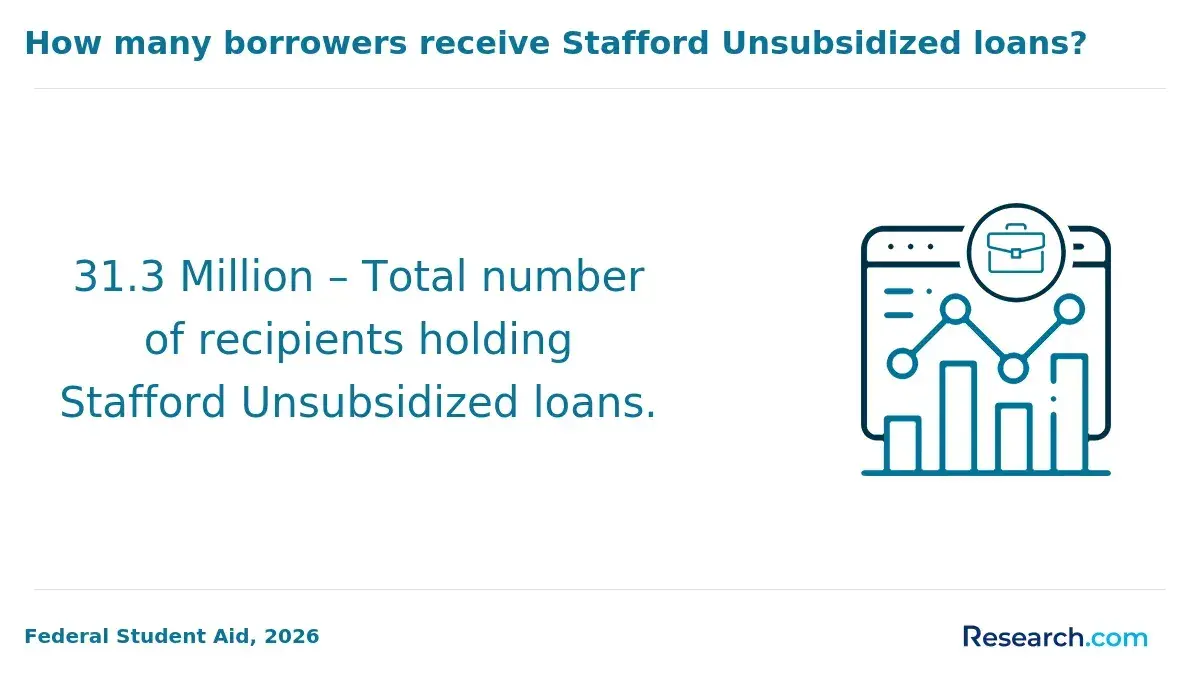
Students should submit the Free Application for Federal Student Aid (FAFSA) early to maximize eligibility, respecting the federal student loan deadline. Direct Subsidized and Unsubsidized Loans can cover up to $20,500 annually, often sufficient for these programs.
Federal student loans for LPN to RN bridge programs also enable access to loan forgiveness initiatives, especially for nurses serving underserved communities post-graduation.
Overall, how federal loans assist LPN to RN transition students can significantly impact their ability to afford education and successfully advance their nursing careers.
When should LPN to RN students consider private loans and how do they compare?
LPN to RN students may find federal loans insufficient to cover all expenses, including tuition, fees, and living costs. Federal Direct Loans limit dependent undergraduates in LPN to RN bridge programs to borrowing between $5,500 and $7,500 annually, with a total maximum of $31,000, based on the U.S. Department of Education's 2025-26 loan limits. When federal funding falls short, private loans can help fill the gap.
A comparison of private loans versus federal loans for nursing students highlights key differences. Private loans often have higher interest rates, fewer borrower protections, and limited repayment flexibility. They usually require a credit check and sometimes a cosigner.
However, private lenders may allow borrowing beyond federal caps, which can be crucial for covering costs like specialized course materials or off-campus living expenses.
- Interest Rates: Private loans typically carry higher fixed or variable rates.
- Repayment Options: Less flexible, often requiring immediate payments or limited deferment.
- Credit Criteria: Credit checks and cosigners are generally necessary.
- Loan Limits: Can exceed federal borrowing restrictions but at an increased cost.
Students considering when to choose private loans for LPN to RN students should borrow only what is necessary and compare lender terms carefully.
Private loans best suit those with strong credit or a reliable cosigner to secure better terms. Those seeking alternative funding might explore scholarships and grants for adults pursuing nursing education, which can reduce reliance on loans.
What eligibility requirements and FAFSA steps apply specifically to LPN to RN students?
LPN to RN students must enroll at least half-time in an accredited nursing program to qualify for federal student loans. They need to demonstrate U.S. citizenship or eligible non-citizen status and provide a valid Social Security number. Maintaining satisfactory academic progress is required to continue receiving funding.
To complete FAFSA for LPN to RN programs, students must submit the Free Application for Federal Student Aid annually, including their nursing school's federal school code. FAFSA evaluates factors like income, family size, and enrollment status to determine eligibility for Direct Loans and other aid by calculating the Expected Family Contribution (EFC).
Loan limits should be considered carefully. Loans from prior education, like initial LPN training, count toward aggregate limits. Per Nurse.org's summary of the One Big Beautiful Bill Act, as of July 1, 2026, graduate nursing students face a reduced federal Direct Loan lifetime cap of $100,000, down from $138,500, although the annual limit remains $20,500. This can affect LPN to RN students pursuing advanced degrees.
Typical loans include Direct Subsidized and Unsubsidized Loans, with unsubsidized loans often more accessible. Dependent students might qualify for Parent PLUS loans, while those advancing further can seek Grad PLUS loans. Verifying school accreditation is essential since only approved programs allow federal loan disbursements.
Review all aid offers closely and maintain open communication with your school's financial aid office to ensure accuracy. For those exploring options later, understanding student loan refinance rates can provide pathways to reduce debt.
How much can LPN to RN students borrow and what interest rates should they expect?
LPN to RN students can borrow federal loans up to annual limits between $5,500 and $7,500 for Direct Subsidized and Unsubsidized Loans, depending on their year and dependency status.
For additional funding, Direct PLUS Loans are available up to the total cost of attendance minus other financial aid. Federal loan interest rates are fixed at 6.54% for Direct Unsubsidized Loans and 7.54% for PLUS Loans.
Private student loans often fill the gaps left by federal aid but come with higher interest rates. The Consumer Financial Protection Bureau's 2024 student loan market report shows 62% of private loan borrowers in LPN to RN programs already carried federal debt. These private loans averaged a 10.8% interest rate, nearly double federal rates.
Private loan borrowing limits vary by lender and creditworthiness, often requiring a cosigner. Interest rates may be fixed or variable, typically ranging from 7% to 14%, potentially making these loans costly for students with weaker credit.
Key advice includes prioritizing federal loan options before considering private loans. Federal loans often provide income-driven repayment plans and deferment options unavailable with private loans. Additionally, exploring scholarships or employer tuition assistance can further reduce reliance on high-interest loans.
Which repayment plans work best for LPN to RN graduates with varying nursing incomes?
Income-driven repayment plans such as Income-Based Repayment (IBR) and Pay As You Earn (PAYE) are well-suited for LPN to RN graduates whose nursing incomes fluctuate. These plans cap monthly payments at 10-15% of discretionary income, adjusting as earnings change.
For instance, an ADN-prepared RN with a median debt of $19,000 can expect lower payments initially if working part-time or earning entry-level wages. Similarly, BSN graduates with a median debt of $23,700 benefit as payments scale with income.
Graduates with steady or higher incomes may prefer standard or graduated repayment plans. These options offer predictable payoffs and lower interest over time but may strain cash flow early in their careers.
Federal Public Service Loan Forgiveness (PSLF) is available for nurses employed by qualifying government or non-profit organizations. It requires consistent income-driven repayments and 120 qualifying payments, potentially forgiving remaining loan balances after 10 years.
Refinancing can lower interest rates but removes federal protections like IBR and PSLF, which are essential for many managing variable incomes.
- IBR and PAYE protect those with lower or variable salaries by adjusting payments.
- Standard and graduated plans help those with stable higher incomes aiming for faster repayment.
- PSLF benefits long-term public or non-profit employees committed to income-driven plans.
- Refinancing reduces interest costs but forfeits federal repayment options.
This advice aligns with data from the American Association of Colleges of Nursing's "Nursing Education Debt and Employment" brief, providing strategies tailored to diverse nursing graduates' financial needs.
What loan forgiveness and repayment assistance programs exist for LPN to RN nurses?
Several loan forgiveness and repayment assistance programs help LPNs transitioning to RN roles reduce educational debt. The Public Service Loan Forgiveness (PSLF) program forgives remaining federal Direct Loan balances after 120 qualifying monthly payments while working full-time in public service nursing. This benefits those pursuing careers in government or nonprofit hospitals.
The Nurse Corps Loan Repayment Program provides up to 85% loan repayment for nurses working two years in critical shortage facilities, such as rural or underserved areas.
State-specific programs, like those in California and Texas, offer partial loan repayment for nurses employed in designated shortage regions. Applicants should research programs tied to their RN licensure state to maximize benefits.
Many employers also provide repayment assistance or signing bonuses, often requiring a one- to three-year RN employment commitment, especially in competitive hospital markets.
Financially, moving from LPN to RN typically results in an average $33,000 annual pay increase, allowing most graduates to repay $20,000 of educational debt within the first year of full-time RN work. This makes loan forgiveness and repayment programs valuable for managing upfront costs.
Always verify eligibility and loan qualifications, focusing primarily on federal loans for wider acceptance. Careful planning using these programs can significantly lighten the financial burden during this career transition.
How can LPN to RN borrowers use consolidation or refinancing to lower payments?
LPN to RN borrowers can reduce monthly loan payments through consolidation or refinancing. Consolidation merges multiple federal loans into one Direct Consolidation Loan, which may extend repayment terms and lower monthly amounts.
This strategy simplifies payments but can increase the total interest paid. For instance, extending repayment from 10 to 20 years on $30,000 in loans might cut monthly payments by up to 30%.
Refinancing replaces existing federal loans with a new private loan, often at lower interest rates between 3% and 5% for borrowers with strong credit and stable income. This can reduce both monthly payments and total interest but sacrifices federal benefits such as income-driven repayment plans and Public Service Loan Forgiveness eligibility.
Borrowers should weigh priorities carefully: consolidation offers immediate monthly relief while maintaining federal protections; refinancing aims for long-term savings but requires financial stability.
Additionally, many LPN to RN students qualify for scholarships and grants. The Health Resources & Services Administration awarded over $290 million in Nursing Scholarship and Loan Repayment Program funds, focusing on students dedicated to nursing shortage areas. Combining these funds with loan consolidation or refinancing can significantly ease debt burdens.
- Consolidation extends repayment terms to lower monthly payments but may increase total interest.
- Refinancing offers lower interest rates but trades federal protections for cost savings.
- Scholarships and grants available to LPN to RN students enhance overall loan relief strategies.
What in-school, deferment, and forbearance options help LPN to RN students manage payments?
Deferment options offer important relief for LPN to RN students managing loan payments during their education. Federal student loans usually provide in-school deferment, allowing borrowers to pause repayment while enrolled at least half-time. This prevents interest accrual on subsidized loans, helping to reduce overall debt.
Economic hardship deferment is available to those facing financial difficulties, suspending payments for up to 12 months at a time, renewable for a total of three years.
This option benefits students balancing coursework with family or work obligations. Active military service or Peace Corps participation may qualify borrowers for specific deferments that protect against missed payments.
Forbearance is a separate option where payments are suspended but interest continues to accrue, increasing the total loan cost. It is usually considered after all deferment opportunities are exhausted or unavailable.
Employer tuition assistance programs are available to many nursing students. A survey by the American Hospital Association found that 84% of hospitals offer tuition support or loan repayment for nurses advancing their education through LPN-to-RN pathways. These programs often reduce principal balances or cover monthly payments during schooling.
Students should check their eligibility for deferment and employer assistance early by consulting loan servicers and employers. Documentation such as enrollment verification or proof of financial hardship may be necessary. Applying proactively can help prevent loan default and ease financial stress while working toward RN qualifications.
How should LPN to RN students compare schools and costs to minimize borrowing?
When comparing LPN to RN programs, consider total costs, program length, and financial aid options to reduce borrowing. Focus on tuition and fees covering all coursework, including clinicals and licensing exam prep.
Community colleges often provide lower tuition than private or four-year schools, which may cut thousands off your overall expenses. Accelerated programs can also save money by shortening time in school, even if per-credit costs are higher.
Review financial aid carefully. Grants and scholarships help minimize loans, so explore programs offering strong institutional aid or scholarships specifically for LPN-to-RN students. Also, check eligibility for state aid and employer tuition reimbursement if you are employed in healthcare.
Look at schools' graduate loan default rates and average student debt. The American Association of Colleges of Nursing reports nurses graduate with a median debt around $37,400, with many delaying major purchases due to this burden. Choosing programs with lower average debt can ease financial strain after graduation.
Don't forget to factor in additional expenses like textbooks, uniforms, and exam fees. Ask for detailed cost breakdowns and consider NCLEX pass rates and employment statistics to evaluate return on investment. Online programs may reduce commuting or relocation costs, so weigh the delivery methods when deciding.
Other Things You Should Know About
Yes, student loans for LPN to RN programs can cover more than just tuition and fees. Borrowers are typically allowed to use loan funds for living expenses such as housing, transportation, and supplies directly related to their education. It is important to budget carefully to avoid borrowing more than necessary.
Loan limits for LPN to RN students generally depend on whether federal or private loans are used and the student's status as undergraduate or graduate level. While federal loans have defined annual and aggregate limits, some bridge programs may affect loan eligibility, especially if students previously borrowed as undergraduates. Consulting the financial aid office for program-specific details is recommended.
Yes, many LPN to RN graduates who have federal student loans qualify for income-driven repayment (IDR) plans. These plans adjust monthly payments based on income and family size, making them flexible for nurses entering the workforce. Eligibility for IDR depends on loan type and repayment status at graduation.
In 2027, LPN to RN students can pause student loan payments under deferment or forbearance conditions. Deferment is typically permitted for enrollment in eligible programs, while forbearance may be granted due to economic hardship. Always consult your loan servicer for specific eligibility and requirements.