2027 Can You Change Student Loan Amount After Approval?

Student Finance & Loan Expert
Imagine securing approval for your student loan, only to realize the amount no longer fits your updated budget or tuition needs. This situation can cause financial strain or unplanned debt if adjustments are not possible. Borrowers often wonder whether they can alter the loan amount after approval without reapplying or facing penalties.
Understanding options for modifying your student loan can help avoid unnecessary costs or delays in funding your education. This article explores when and how changes to approved loan amounts may be permitted, offering clear guidance to help borrowers navigate these challenges confidently.
- Can you change your student loan amount after approval and before disbursement? Loan changes
- How do you reduce an approved federal student loan if you borrowed too much? Reduce amount
- Can you increase your student loan after approval if school costs are higher? Increase amount
- What are the key differences between changing federal and private student loan amounts? Federal vs private
- How do loan reduction or increases affect interest, fees, and total repayment costs? Cost impact
- Can parents change the amount of a Parent PLUS Loan after it's been approved? Parent PLUS
- What deadlines and school policies govern changes to student loan amounts each term? Deadlines
- How do mid-year enrollment or cost-of-attendance changes impact your loan eligibility? COA changes
- Can you adjust future disbursements instead of changing a loan that's already disbursed? Future disbursements
- When is refinancing or consolidation better than changing your existing loan amounts? Refinance vs change
Can you change your student loan amount after approval and before disbursement?
You can adjust your student loan amount after approval but before disbursement, although the process depends on the loan type and lender policies. Federal loans typically allow borrowers to reduce the approved amount by submitting a loan adjustment request to the school's financial aid office.
Increasing the amount is generally restricted unless additional financial need is demonstrated or funds were initially underutilized. For example, if you accepted $5,000 but need only $3,000, you can request a lower disbursement to reduce debt.
Private and nonfederal loans offer varied flexibility. Some lenders permit both increasing and decreasing amounts before disbursement, while others require starting a new application or refinancing. It's important to contact your lender directly to understand their specific rules, especially when adjusting student loan amount before disbursement.
Changes must be completed before funds are credited to your student account; otherwise, altering the amount later may involve repayment or new borrowing.
Total borrowing rose to $102.6 billion in 2024-25, a 1.2% increase from the previous year, according to the College Board's "Trends in Student Aid" report. Borrowers who wonder can you change your student loan amount after approval should carefully assess costs and needs during the approval period to avoid excess debt or last-minute issues.
Key steps for modifying your loan include:
- Contacting your school's financial aid office promptly
- Submitting required forms or documentation
- Checking your lender's specific modification rules and deadlines
For students seeking urgent options, exploring last minute student loans can provide additional resources and guidance.
How do you reduce an approved federal student loan if you borrowed too much?
To reduce federal student loan amount after approval, you must promptly contact your school's financial aid office. Loan reductions typically occur by lowering the loan amount in your financial aid package before funds are disbursed.
This process, known as loan reduction or loan cancellation, cannot be done after funds are received. Instead, any excess amount must be repaid quickly to avoid accruing interest, especially on unsubsidized loans.
Common reasons to lower approved student loan funds include receiving new scholarships, lower-than-expected tuition, or choosing to borrow only what is necessary to minimize debt.
Both Direct Subsidized and Unsubsidized Loans can have their amounts decreased. Once confirmed by the school, your financial aid records are updated, and the loan servicer is notified to adjust your borrowing accordingly.
Requesting a loan reduction early in the academic term helps prevent issues with billing or repayment schedules. Graduate and professional students should pay special attention to annual borrowing limits to avoid excess debt. Reducing loan amounts after approval can save thousands in future interest payments.
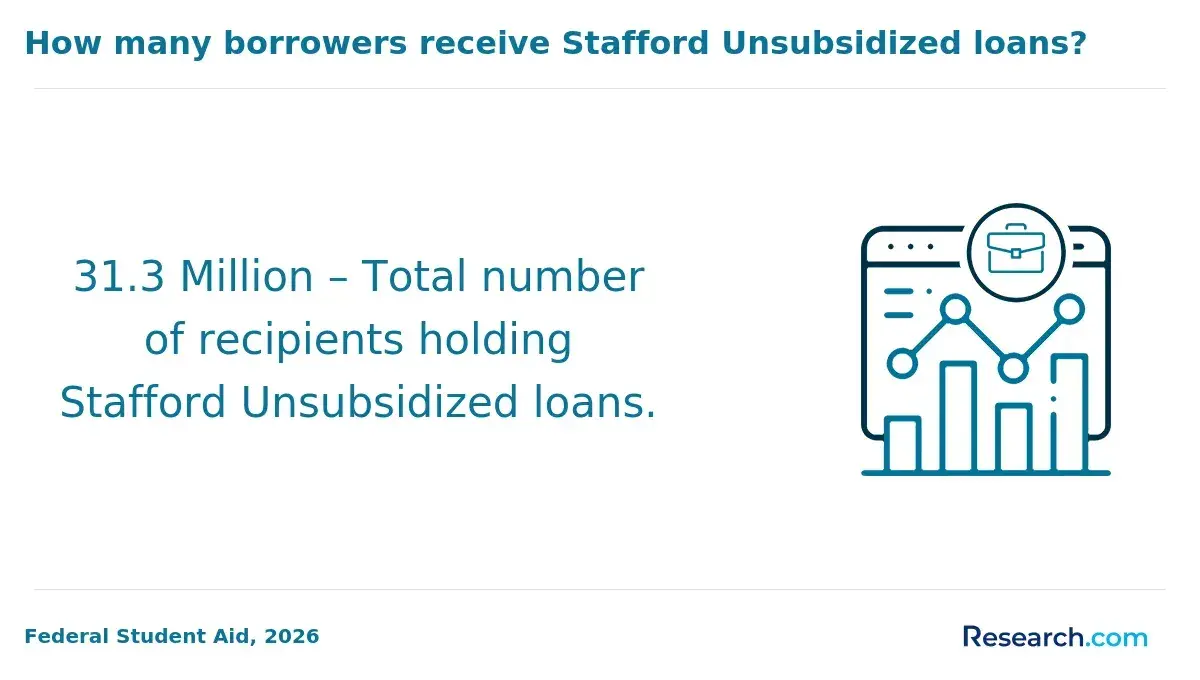
Nearly 42.8 million U.S. borrowers carry federal student loan debt averaging about $37,850. For potential borrowers uncertain about the borrowing process, learning how to take out a student loan without your parents could be crucial in managing debt responsibly.
Can you increase your student loan after approval if school costs are higher?
You can increase your student loan amount after approval if tuition fees rise, but it involves following a formal procedure. If your original loan no longer covers increased education-related expenses, you must first contact your financial aid office to update your cost of attendance (COA).
To change student loan amount if tuition fees rise, you then submit a revised loan application or request an increase through your lender or loan servicer. Documentation such as updated tuition bills or housing costs will be required to verify the increase.
- Contact your financial aid office to update your COA to reflect higher expenses.
- Submit a revised loan application or increase request through your lender or loan servicer.
- Provide documentation proving the increased costs.
- Ensure you stay within federal or lender lending limits based on your grade and dependency status.
Federal student loans have strict annual and aggregate limits. For example, undergraduate Direct Loan limits range from $5,500 to $12,500 per year depending on your status. Private lenders have their own caps based on credit approval and institution policies.
Increasing your loan amount may affect your overall financial aid package, as some funds could be replaced rather than added. Keep in mind that higher loans increase your future debt and repayment obligations.
Federal Student Aid data indicate many borrowers modify their loan amounts post-approval, with about $24 billion in Direct Loans for 2024-25 changed through reductions or returns. Promptly addressing cost changes with your financial aid office and lender improves your chances of a smooth loan increase.
To explore alternative funding options, consider looking for grants for adult learners, which can help reduce your borrowing needs.
What are the key differences between changing federal and private student loan amounts?
Federal and private student loans differ significantly when it comes to changing federal student loan amount after approval. Federal loans offer more flexibility, allowing borrowers to request increased disbursements or submit loan adjustment applications if their financial need evolves during the academic year.
The CFPB's 2024 Consumer Credit Trends report highlights that nearly 29% of undergraduate federal loan borrowers in 2022-23 received additional disbursements or loan increases, showcasing accessible adjustment options.
On the other hand, adjusting private student loan balance differences is more restrictive. Private lenders often require a completely new application, credit checks, and approval for any increase in loan amounts. Many lenders impose strict caps based on certified school costs or borrower creditworthiness, making modifications unpredictable and sometimes untenable.
Key differences include:
- Federal loans permit mid-year increases without full re-approval, accommodating unforeseen educational expenses.
- Private loan increases necessitate new underwriting processes, causing delays and uncertainty.
- Federal borrowers face annual and aggregate borrowing limits enforced by government policies.
- Private lenders' policies and credit assessments heavily influence the possibility and extent of loan increases.
Borrowers interested in managing their student loan costs may also explore student loan refinancing options to better tailor repayment terms. Understanding these distinctions will help students and graduates navigate financial decisions more effectively.
How do loan reduction or increases affect interest, fees, and total repayment costs?
Adjusting your student loan amount after approval directly affects the interest you pay, fees charged, and total repayment cost. Increasing the loan raises the principal balance, increasing the total interest over the loan term.
For instance, a $1,000 increase at a 5% fixed interest rate can add about $50 in interest annually, depending on repayment length. Conversely, lowering the loan amount reduces principal and interest, cutting overall costs.
Loan adjustments also impact origination and disbursement fees. Federal loans charge fees based on loan size, so more borrowing means higher fees, while borrowing less reduces them. Private lenders have varying policies, so confirm fees before making changes.
Changes can affect monthly payments and repayment duration:
- Increasing the loan without extending the repayment period raises monthly payments.
- Reducing the loan amount can lower monthly payments or shorten the repayment timeline, enhancing financial flexibility.
Schools process millions of professional judgment and financial aid adjustments via FAFSA records annually, reflecting how common these loan modifications are.
Students should contact their school's financial aid office promptly to discuss loan changes, explaining their reasons clearly to minimize costs and secure better terms.
Can parents change the amount of a Parent PLUS Loan after it's been approved?
Parents can adjust the amount of a Parent PLUS Loan after approval, but only within strict deadlines and under specific conditions. The loan amount remains flexible until funds are disbursed. Requests to increase or reduce the loan must be made through the school's financial aid office, ensuring the total loan does not exceed the student's cost of attendance minus any other aid.
Increasing the loan usually requires submitting a new loan request or reconsideration form before disbursement. Reductions are easier and can often be done by promptly notifying the school to adjust the amount before funds are released. Schools follow federal guidelines that emphasize meeting all deadlines.
Federal Student Aid reports over 15% of Direct Loan borrowers requested a change within the last 30 days of enrollment, underscoring the importance of acting quickly. Late requests may be denied or cause delays that affect tuition payment schedules and student accounts.
- Contact the financial aid office immediately to request changes.
- Provide all required documentation promptly.
- Understand your school's deadlines to avoid disruptions.
- Plan loan amounts carefully to minimize last-minute adjustments.
Parents who act swiftly and stay informed help ensure smooth loan processing. For detailed guidance, trusted resources such as StudentAid.gov provide official information on managing loan changes.
What deadlines and school policies govern changes to student loan amounts each term?
Deadlines for changing student loan amounts after approval vary by school but generally require action well before the term begins, often 30 to 60 days in advance. Institutions enforce these deadlines to align with financial aid disbursement schedules and meet regulatory requirements. Missing the deadline typically means waiting until the next academic term for adjustments.
Loan modifications can accommodate changes in enrollment status, updated cost of attendance, or receipt of other financial aid. However, requests made late in the term are rarely approved except in cases involving special circumstances like sudden tuition changes or medical emergencies.
Students are advised to review their school's financial aid calendar carefully and maintain timely communication with the aid office. Many schools provide online portals for submitting loan modification requests, which can expedite processing but do not waive deadlines.
The Education Data Initiative reports that total U.S. student loan debt reached approximately $1.83 trillion by the third quarter, increasing 3.39% year-over-year. Even small increases in loan principal can significantly raise long-term repayment costs and interest paid.
- Submit loan change requests 30-60 days before term start.
- Late-term adjustments usually not approved unless for emergencies.
- Utilize online portals where available for quicker processing.
- Check financial aid calendars regularly for deadlines.
How do mid-year enrollment or cost-of-attendance changes impact your loan eligibility?
Changes in enrollment or cost-of-attendance (COA) during the academic year can directly impact your student loan eligibility by adjusting the maximum loan amount available.
When students increase their course load, switch from part-time to full-time status, or add semesters, the COA usually rises. This can lead to a higher loan amount, but lender approval and updated documentation are necessary.
Federal student loans typically allow mid-year COA adjustments. To request an increase, submit proof of changes to your financial aid office, which recalculates your budget. Loan amounts may increase up to the full COA minus other aid. Decreasing enrollment or costs might require lowering your loan amount, raising the risk of overborrowing consequences.
Private loans, comprising about 7.8% of total student debt yet 12% of annual originations according to LendingTree data, have stricter adjustment policies. Many lenders require a new application or proof of enrollment changes before approving loan amount increases. Some lenders limit increases to once per academic year, so early communication with your lender is key.
For example, a student increasing credits mid-semester from 9 to 12 may see their COA and loan amount rise after lender approval. Conversely, dropping credits can lead to reduced loan disbursements and possibly accelerated repayment obligations.
Can you adjust future disbursements instead of changing a loan that's already disbursed?
Borrowers can adjust future student loan disbursements after approval by contacting their loan servicer or school financial aid office before funds are released. For instance, if you initially approved $5,000 per semester but need only $3,000 next term, you can request a reduced disbursement to avoid borrowing more than necessary.
Changes must comply with federal loan limits or your school's cost of attendance and often require updated paperwork. Some lenders enforce a formal application or a revised Student Loan Request Form. Acting promptly is crucial, as adjustments become difficult once disbursements are scheduled or funds sent to your school.
Adjusting disbursements affects your total loan balance and repayment amounts. Keep clear records and confirm all changes in writing to avoid confusion and surprises during repayment. The Consumer Financial Protection Bureau notes a 64% rise in student loan complaints related to misunderstanding terms and servicer communication.
If a disbursement has already been made, you cannot retroactively reduce it, but you might qualify for lower amounts in future disbursements or consider loan consolidation or refinancing options later to manage your debt efficiently.
When is refinancing or consolidation better than changing your existing loan amounts?
Refinancing or consolidation offers a way to adjust your overall student loan structure beyond simply changing the loan amount, which is generally fixed once approved for federal student loans. Refinancing enables borrowers to combine multiple loans into one private loan, often securing a new interest rate and repayment timeline.
This can lower monthly payments or total interest if you qualify for better terms. In contrast, consolidation combines federal loans into a single loan with one monthly payment, often extending repayment terms to reduce monthly costs while maintaining access to federal benefits.
Consider refinancing if you:
- Have a strong credit profile and seek a lower interest rate.
- Hold multiple loans with different rates and want unified payments.
- Wish to switch from federal to private loans for potential savings.
Consolidation suits borrowers who want to:
- Remain in federal programs to retain income-driven repayment plans or forgiveness options.
- Simplify management of several federal loans.
The College Board's 2024 Trends in Student Aid report reveals a 28% drop in average undergraduate borrowing (adjusted for inflation) since 2010-11, highlighting a cautious borrowing approach. Borrowers benefit from strategic refinancing or consolidation to manage debt effectively instead of attempting to alter fixed federal loan amounts after approval.
Other Things You Should Know About
Yes, it is possible to cancel a student loan after approval, but typically before any funds have been disbursed to your school. You must notify your lender or loan servicer promptly in writing to cancel the loan. Once the loan funds are disbursed, cancellation may be more difficult and could require repayment of any disbursed amount.
If you don't use the entire loan amount, your school will only disburse the needed funds toward your tuition and qualified expenses. Any unused portion generally will not be disbursed to you and will not need to be repaid. It's important to borrow only what you need, as unused loans still must be formally declined or canceled in many cases.
Yes, loan amounts are often scheduled to be disbursed in multiple payments throughout the academic term or year. This approach aligns with school enrollment periods and helps manage your funding over time. Each disbursement must typically meet timing and eligibility requirements set by your loan program and institution.