2027 What Happens If Your Student Loan Cosigner Is Denied?

Student Finance & Loan Expert
When a student loan cosigner application is denied, borrowers can face unexpected challenges securing necessary financial aid. This scenario often occurs when prospective cosigners have weak credit histories or insufficient income. Without a cosigner, loan approval chances can diminish significantly, increasing stress and uncertainty about funding education.
Understanding the implications of a cosigner denial is crucial for borrowers seeking alternatives or ways to improve approval odds. This article explores the consequences of cosigner denial, discusses available options, and offers practical guidance to help borrowers navigate the student loan process effectively and secure the funding they need.
- What does it mean when a student loan cosigner is denied and why does it happen? Cosigner denial
- Can you still get a student loan if your cosigner is denied or removed? Loan without cosigner
- How does a denied cosigner affect your approval odds, rates, and borrowing limits? Impact on terms
- What steps should you take immediately after your student loan cosigner is denied? Next steps
- Can switching from private to federal student loans help if a cosigner is denied? Federal alternative
- Are there lenders or loan programs that approve borrowers without a cosigner? No-cosigner options
- How can you strengthen your application to qualify without a cosigner in the future? Strengthen application
- What are alternative ways to pay for college if you can't get a cosigned loan? Other funding
- How do cosigner release, substitution, or appeals work after a denial? Release or appeal
- What should cosigners know about credit checks, risks, and legal responsibilities? Cosigner risks
What does it mean when a student loan cosigner is denied and why does it happen?
When a student loan cosigner is denied, it means the lender rejects the application because the cosigner does not meet specific underwriting criteria. Common reasons include low credit scores-often below 640 or 650-high debt-to-income ratios, or a poor payment history.
Since the cosigner's creditworthiness lowers the lender's risk, their financial profile plays a crucial role in approval likelihood for the primary borrower.
The impact of cosigner denial on student loans can be significant. Without a qualified cosigner, some borrowers may face higher interest rates or loan denial altogether.
Factors that often lead to rejection include significant existing debt compared to income and issues like missed payments or recent bankruptcies. Nearly 40% of Americans would be denied a private student loan due to these strict credit evaluations.
Applicants should weigh these student loan cosigner rejection reasons carefully before asking someone to cosign. Improving the cosigner's credit or seeking a cosigner with stronger credentials can help. Some borrowers may also consider federal loans, which do not require a cosigner, or private loans designed for individuals with limited or poor credit.
Additionally, it is essential to plan how loan funds will be used. For those wondering if they can you use student loans for rent, understanding loan restrictions and budgeting effectively may reduce reliance on cosigners.
Can you still get a student loan if your cosigner is denied or removed?
You can obtain a student loan even if your cosigner is denied or removed, though your options may become more limited and costly. Private lenders heavily depend on cosigners to reduce risk; according to Credible's data, around 84% of approved private student loan borrowers applied with a cosigner, emphasizing its importance when underwriting is strict.
If your cosigner is denied, consider applying with a different cosigner who meets credit and income requirements or seek loans specifically designed for students without cosigners, keeping in mind that interest rates often increase in these cases.
Other alternatives include federal student loans like Direct Unsubsidized Loans, which do not require a cosigner. Strengthening your application with additional documentation of income, savings, or financial aid packages can also help.
For those exploring student loan options without a cosigner, improving your credit profile or finding a qualified cosigner remains crucial. It can reduce loan costs and improve approval chances.
When a cosigner is removed after approval, lenders usually require the primary borrower to qualify independently through cosigner release. This process demands strong credit and income verification, or loan terms may be adjusted. If you want to learn about the best timing for financial aid applications, see when to fill out FAFSA.
Exploring scholarship or grant opportunities is another effective way to reduce the amount you need to borrow and avoid higher costs often linked to loans taken after cosigner denial or removal.
How does a denied cosigner affect your approval odds, rates, and borrowing limits?
A denied cosigner significantly reduces your chances of student loan approval. According to a 2024 survey from Credible, 58% of private lender rejections involving cosigners are due to the cosigner's credit risks, such as low scores, high debt, or recent derogatory marks. This denied cosigner impact on loan approval rates is critical because lenders rely on cosigners to mitigate their risk.
The interest rates you are offered can also increase when a cosigner is denied. For example, borrowers with cosigners scoring below 650 may face rates 1-3% higher since lenders view the loan as riskier without a strong credit backup.
The effect of cosigner denial on borrowing limits means lenders often reduce maximum loan amounts or deny credit if the borrower's income and credit alone aren't sufficient. This might force you to find alternative financing or improve your credit before applying again.
Key consequences of a denied cosigner include:
- Lower loan approval odds due to weakened credit support.
- Higher interest rates driven by increased lender risk.
- Reduced borrowing limits aligned with the borrower's solo creditworthiness.
To avoid these issues, borrowers should verify their cosigner's credit health before applying. If a cosigner is denied, consider finding another with a stronger credit profile or enhancing your own credit. For more information on financing options, see how parents can borrow for college.
What steps should you take immediately after your student loan cosigner is denied?
After your student loan cosigner is denied, first ask the lender for a clear explanation. Knowing if the issue is credit history, income, or another factor helps determine your next move. If possible, try to find a new student loan cosigner with better credit standing or income, as this can lower interest rates significantly. Borrowers approved with strong cosigners often pay 2 to 5 percentage points less in interest.
If another cosigner isn't an option, consider federal student loans, which do not require cosigners and offer fixed rates plus income-driven repayment plans. Complete the Free Application for Federal Student Aid (FAFSA) promptly to access these options.
You can also explore private lenders that provide no-cosigner loans, though interest rates may be higher. Some lenders offer cosigner release after a period of reliable payments, reducing future credit burdens. To learn more about specialized options, check resources on private nursing school loans.
Improving your personal credit score before reapplying is crucial. Pay down debts, make timely payments, and avoid opening new credit lines. Document all communications with lenders and potential cosigners to assist in appeals or future applications.
Consulting a financial advisor or student loan counselor can provide tailored strategies and clarify complex loan terms. These professionals can help you navigate challenges when your student loan cosigner is denied and what to do next.
Can switching from private to federal student loans help if a cosigner is denied?
If your cosigner is denied for a private student loan, switching to federal student loans can be a practical alternative. Federal loans typically do not require a cosigner, allowing borrowers with limited credit history or weaker financial backing to access funding independently.
This is a key advantage since private lenders often depend heavily on cosigners, especially for younger or credit-inexperienced applicants.
More than 90% of new student loan debt is federal, according to the Education Data Initiative, as most undergraduates qualify without needing a cosigner. Federal loans base approval on financial need, enrollment status, and citizenship rather than credit scores, which lowers application barriers.
Federal loan types include Direct Subsidized Loans, Direct Unsubsidized Loans, and PLUS Loans. While PLUS Loans require a credit check, their standards are more lenient than private loans and rarely involve cosigners.
Key benefits of federal student loans for those denied a private cosigner include:
- Fixed interest rates and repayment flexibility through income-driven plans or deferment options.
- Refinancing from private to federal loans isn't possible, but applying directly for federal loans is advisable.
- Access to loan forgiveness programs after qualifying employment, which private loans do not offer.
Federal student loans provide protections and options that reduce reliance on cosigners and help borrowers maintain financial stability throughout their education.
Are there lenders or loan programs that approve borrowers without a cosigner?
Several lenders and loan programs approve borrowers without requiring a cosigner, offering options for students unable to secure one. Federal student loans, like Direct Subsidized and Unsubsidized Loans from the Department of Education, typically do not need a cosigner and are based on financial need and enrollment status. These loans feature fixed interest rates and flexible repayment plans.
Some private lenders also offer no-cosigner loans but enforce stricter eligibility conditions, such as:
- Proof of stable income or employment.
- Strong personal credit history.
- Higher interest rates reflecting greater lender risk.
- Lower loan limits compared to cosigned loans.
Alternative funding options include peer-to-peer lending and income-share agreements, though terms vary widely and require careful assessment.
Students should prioritize institutional grants and scholarships, which now cover around 29% of undergraduate costs according to the Education Data Initiative. Combining federal aid, scholarships, and no-cosigner loans helps reduce reliance on cosigners while managing expenses.
Federal student loans remain the most accessible no-cosigner choice, but qualified borrowers might find viable alternatives with private lenders. It's essential to evaluate all funding sources thoroughly, understanding the associated risks, costs, and requirements before committing.
How can you strengthen your application to qualify without a cosigner in the future?
Improving your credit profile significantly boosts your chances of qualifying for a student loan without needing a cosigner. Private student loan borrowers with FICO scores above 740 get approved at more than three times the rate of those below 700, highlighting the importance of credit quality. Focus on raising your score by paying down debt, making timely payments, and maintaining low credit card balances.
Expanding your financial history through diverse credit accounts such as secured credit cards or small personal loans can build creditworthiness. Avoid opening multiple new accounts simultaneously, as this may temporarily lower your score. Stable income verification is also critical; lenders prefer applicants who provide pay stubs, tax returns, or contract documentation.
Building emergency savings can further demonstrate financial responsibility and reduce lender risk. Some lenders assess savings alongside credit when making decisions. Applying to lenders with flexible underwriting that considers income more than credit alone can improve approval odds without a cosigner.
If denied, ask the lender for specific reasons so you can address them in future applications. Enrolling in credit counseling or financial education programs shows proactive management of your credit. Regularly monitor your credit reports for errors and dispute inaccuracies to maintain an accurate credit standing.
Establishing consistent, responsible financial behavior combined with steady income enhances your ability to qualify independently for student loans.
What are alternative ways to pay for college if you can't get a cosigned loan?
If a student loan cosigner is denied, borrowers can still access several funding options without relying on a cosigned loan. Federal student loans are a primary alternative, offering lower interest rates and flexible repayment plans based solely on the student's financial need and credit, without requiring a cosigner. Direct Subsidized and Unsubsidized Loans fall into this category.
Scholarships and grants are also crucial resources. These funds don't require repayment and can substantially reduce education expenses. To find them, use tools like the FAFSA or contact your school's scholarship office.
Private student loans without cosigners exist but usually come with higher interest rates and stricter qualifications. Creditworthy students may qualify for individual private loans, but these often increase total repayment costs. According to the Education Data Initiative, a 1% interest rate increase on a $30,000 10-year loan may add about $1,700 to the total repayment, highlighting the impact of borrowing without a cosigner.
Other alternatives include Work-Study programs, payment plans offered by colleges, and employer tuition assistance for working students.
- Personal savings, family contributions, or crowdfunding can help cover funding gaps.
- Exploring all funding options reduces reliance on high-interest loans, improving post-graduation financial stability.
How do cosigner release, substitution, or appeals work after a denial?
Cosigner release, substitution, and appeals processes are important options after a cosigner denial, but each has challenges. Most lenders require the primary borrower to prove strong independent credit by making timely payments-commonly 12 to 36 months-and meeting credit score requirements.
The Consumer Financial Protection Bureau reports nearly 90% of borrowers requesting cosigner release on private student loans were denied, highlighting how difficult these standards are to meet.
Cosigner substitution lets borrowers replace the existing cosigner with a new one who meets the lender's criteria. This requires the new cosigner to pass credit and income checks. The lender must approve this substitution before it becomes effective.
Appeals involve formally requesting reconsideration of a denial. Borrowers gather updated financial records, proof of better credit, or evidence of special circumstances. Appeals rarely succeed without significant new information.
Key points to consider include:
- Ongoing cosigner liability until release or substitution is approved.
- Possibility of refinancing to remove the cosigner if credit conditions improve.
- Exploring alternative loans or repayment options if release isn't possible.
Patience and clear communication with lenders are essential throughout this often lengthy process. Knowing your lender's specific policies and timelines can help avoid surprises and support better financial planning.
What should cosigners know about credit checks, risks, and legal responsibilities?
Cosigners for student loans face significant financial risks because lenders perform credit checks that impact their credit reports. Denials often result from low credit scores, high debt-to-income ratios, or past defaults.
When cosigning, borrowers' missed payments can lead to full repayment responsibility falling on the cosigner, which may severely damage their credit history and affect future borrowing opportunities.
Legally, cosigners share complete liability for the loan and must be prepared to fulfill payment obligations or negotiate with lenders if the borrower defaults. Cosigners typically have no legal authority to demand payments from the borrower or control over the loan's use. It's critical to carefully assess the borrower's financial habits and ability to repay before agreeing to cosign.
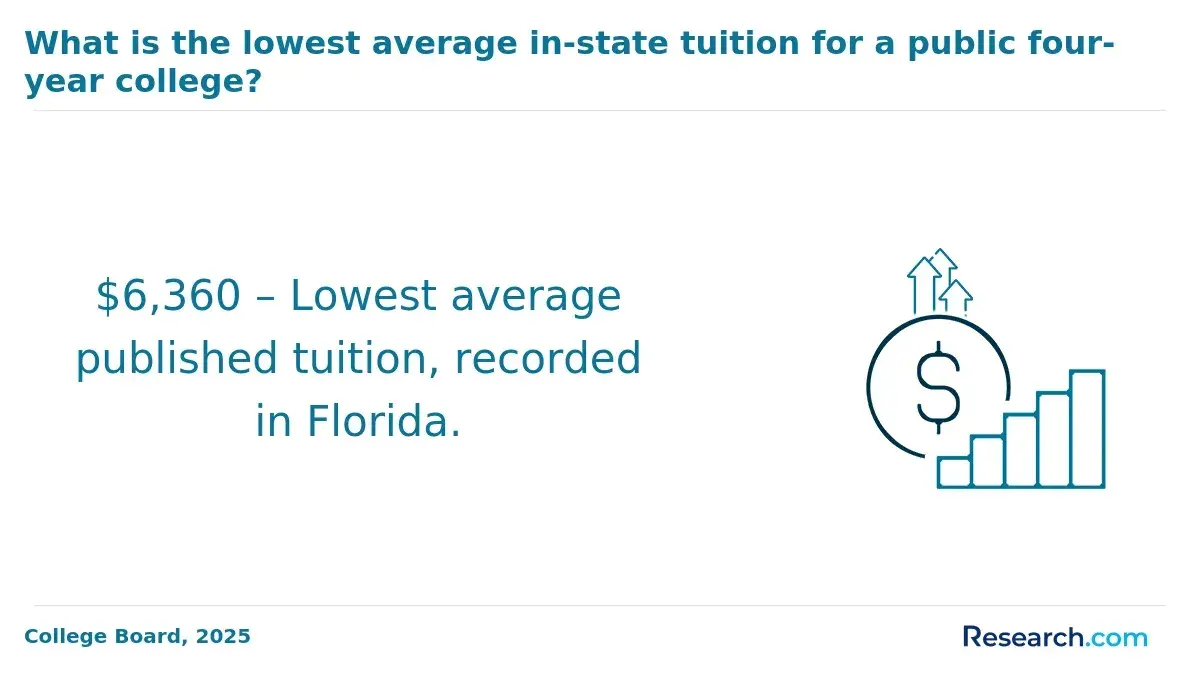
Considering rising education costs-averaging approximately $58,600 annually at private nonprofit four-year colleges versus about $27,300 at public in-state institutions-the total loan amount can easily exceed $120,000 over four years, increasing the cosigner's exposure.
Potential cosigners should:
- Request the borrower's credit report and repayment plan.
- Recognize that their credit is equally impacted by the loan's status.
- Explore alternatives such as no-cosign loans or smaller loan amounts.
- Discuss backup repayment strategies in case of difficulties.
Other Things You Should Know About
Yes, a cosigner can be denied retroactively if new information arises during the loan process or in a post-approval review, such as changes in credit status. This may lead to a loan denial or require the borrower to find a new cosigner or repay the loan under different terms. It is important to maintain open communication with the lender throughout the loan lifecycle.
Removing a cosigner typically requires meeting specific lender requirements, often including demonstrating the borrower's ability to repay the loan independently. Some lenders offer cosigner release options after a set number of on-time payments and credit checks. Without release approval, the cosigner remains legally responsible for the loan.
In 2027, having a cosigner can enhance the likelihood of obtaining a student loan, especially if the borrower has limited credit history. A cosigner's positive credit profile might lead to better rates or approval chances, making their role significant when applying for student loans.
Cosigners are equally responsible for loan repayment if the borrower defaults, which can damage their credit score and financial standing. They can be contacted by lenders for payments and may face legal consequences in case of default. Before agreeing to cosign, it is important to understand the full financial commitment involved.