2027 How to Pay for College If You Lost a Scholarship

Student Finance & Loan Expert
Imagine losing a scholarship crucial to funding graduate studies after already committing to a program. This sudden financial gap can disrupt plans and create uncertainty about how to cover tuition and living expenses. Many students face this challenge due to changes in eligibility or funding cuts. Navigating alternative funding sources becomes essential to avoid delaying or abandoning education goals. This article explores practical strategies, including student loans, scholarships, grants, and budgeting tips tailored for graduate students who must quickly identify secure and manageable ways to finance their education despite this setback.
- What should you do immediately after losing a college scholarship to stay enrolled? First steps
- How can you use federal student loans to cover costs after losing a scholarship? Federal loans
- When do private student loans make sense if your scholarship is withdrawn? Private loans
- How do you update your FAFSA and financial aid package after a scholarship loss? Update FAFSA
- What emergency grants, appeals, and institutional aid can replace lost scholarship money? Appeals & aid
- Can you switch schools, programs, or enrollment status to reduce costs without borrowing more? Lower costs
- How do borrowing limits, interest rates, and fees change your funding strategy now? Loan terms
- What payment plans, employer tuition benefits, and third-party payers can help you pay? Payment options
- How can parents use PLUS loans or co-signing to help when a scholarship disappears? Parent help
- How do you avoid overborrowing and plan repayment if you replace a scholarship with loans? Smart borrowing
What should you do immediately after losing a college scholarship to stay enrolled?
Contact your college's financial aid office immediately after losing a college scholarship to explore alternative funding options. Many schools offer emergency grants, short-term funding solutions, work-study programs, or institutional aid to temporarily bridge financial gaps. Request a reevaluation of your aid package by providing documentation of your lost scholarship and current financial need.
Submit or update your Free Application for Federal Student Aid (FAFSA) as soon as possible. Even if you missed the initial deadline, some colleges accept late submissions or adjust aid awards when financial circumstances change. Federal loans like Direct Subsidized or Unsubsidized Loans usually have lower interest rates and flexible repayment options compared to private loans, which should be a last resort.
Seek external scholarships and grants through online databases, community organizations, or employers. Diversifying your funding reduces reliance on a single source. Additionally, many schools offer payment plans to help spread tuition costs over time. For students needing quick funding, learn how to get student loans quickly.
Students losing Satisfactory Academic Progress or aid eligibility at four-year institutions face significantly higher dropout rates than peers who maintain aid. Maintaining eligibility is crucial; focus on academic support by working with advisors or tutoring centers to improve grades and regain scholarships.
How can you use federal student loans to cover costs after losing a scholarship?
Federal student loans provide a vital resource for covering college costs when a scholarship is lost. To apply, students complete the Free Application for Federal Student Aid (FAFSA) and must meet financial need criteria or dependency status. Federal Direct Subsidized Loans offer interest-free periods while enrolled, making them preferable when available, whereas Direct Unsubsidized Loans accrue interest immediately but do not require demonstrated need.
Borrowing limits vary: dependent undergraduates can take out up to $5,500 annually, independent undergraduates may qualify for up to $9,500, and graduate students can borrow up to $20,500 through unsubsidized loans. It's important to consider cumulative loan limits-$31,000 for dependent undergraduates and $57,500 for independent students-when using federal student loan options for covering college costs after losing a scholarship.
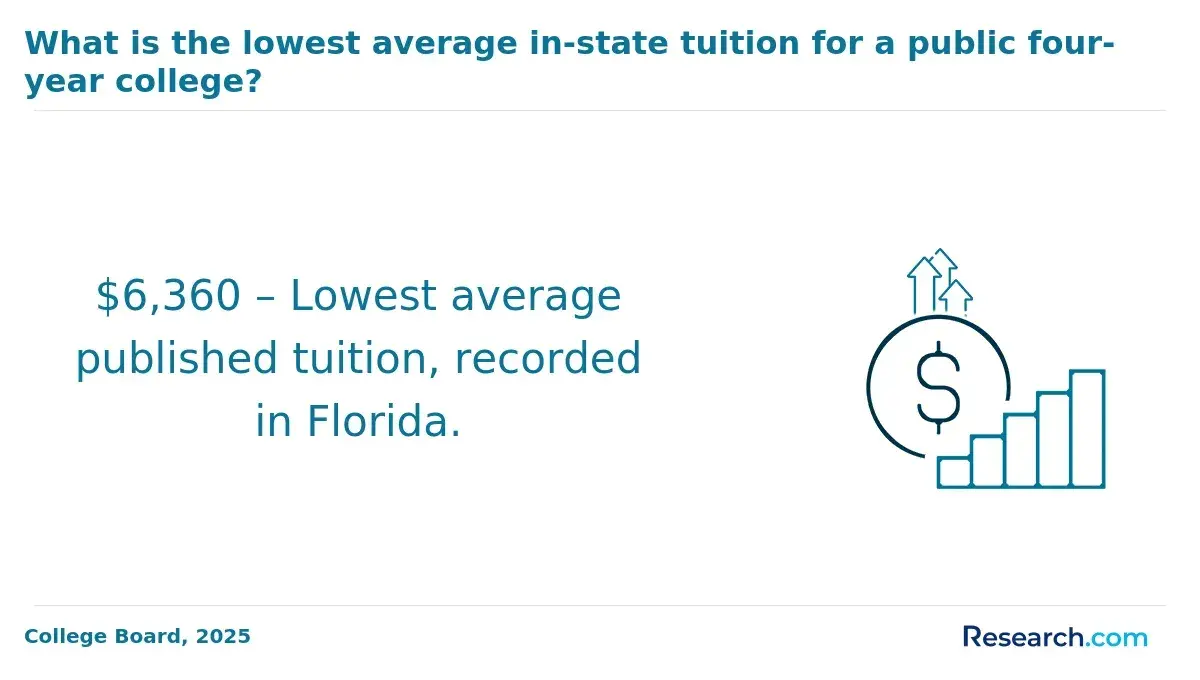
Due to wide variations in tuition fees-ranging from $6,370 to $12,990 at public four-year universities-federal loans help bridge funding gaps. Repayment typically begins six months after leaving school, but options like income-driven repayment plans or deferment can ease financial pressure. Students should proactively contact their school's financial aid office for guidance on increasing federal loan amounts and updating aid packages.
For those exploring alternatives, understanding the private student loan application timeline is also helpful. Mapping out these timelines aids in planning federal loans and other funding sources efficiently.
How to use federal loans after losing a scholarship is primarily about managing these limits and seeking professional advice to maximize financial aid. Loan counseling can offer essential insight into borrowing wisely and repaying sustainably.
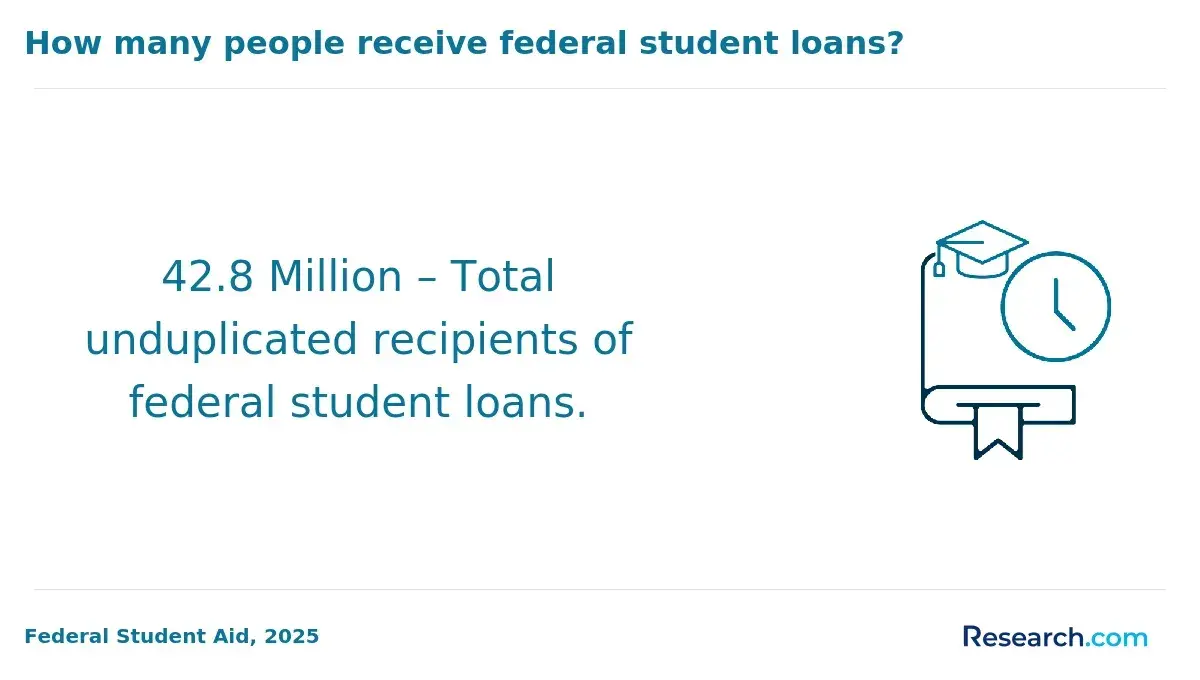
When do private student loans make sense if your scholarship is withdrawn?
Private student loans are a viable option after scholarship loss only if all federal aid options, including loans, work-study, and grants, have been exhausted. Many students miss out on federal funding by not filing the FAFSA, which can provide less costly aid than private loans. Using private loans if your scholarship is revoked requires careful consideration of higher interest rates and fewer borrower protections.
Private loans make sense when you have maximized federal Direct and Perkins Loans, can demonstrate responsible repayment ability or have a creditworthy co-signer, understand the loan's interest rates and repayment terms, and need immediate funds to continue enrollment. They may also help cover unique costs like specialized equipment or study abroad fees that scholarships don't cover.
- Maximize federal loan options before turning to private lenders.
- Only borrow the specific amount required to avoid over-borrowing.
- Compare private lenders to find the best rates and terms.
- Reassess eligibility for all scholarships and institutional aid regularly.
When private student loans are a good option after scholarship loss, strategic borrowing is key. You can learn more about grants for adults going back to school to help minimize debt before taking on private loans. Thoughtful use of private loans can bridge funding gaps responsibly if you know how to use private student loans if your scholarship is revoked.
How do you update your FAFSA and financial aid package after a scholarship loss?
To update your FAFSA after losing a scholarship, contact your school's financial aid office immediately to report changes in your financial situation. The FAFSA cannot be changed once submitted unless a qualifying life event, like loss of a scholarship, occurs. In such cases, request a special circumstances appeal or professional judgment review from the aid office to adjust your aid package.
During the appeal, provide documentation of your scholarship loss and updated financial details. Schools may then increase grants, work-study, or loans. Approximately 31% of first-year undergraduates who appeal their financial aid awards receive additional institutional aid, with successful appeals often resulting in $3,000 to $5,000 more per year.
It's important to adjust your financial aid package after scholarship loss to reflect your new situation accurately. Also, update your FAFSA for the next academic year by correcting income or asset information through the "Make FAFSA Corrections" feature in your online account, and notify the financial aid office once completed to speed re-evaluation.
Keep copies of all communications and follow up with your school regularly. If your school's resources are limited, explore external scholarships or state aid. For students considering loans, researching best banks for student loan refinancing can also provide financial relief options.
What emergency grants, appeals, and institutional aid can replace lost scholarship money?
Emergency grants can quickly address sudden financial hardships without requiring repayment. Many colleges offer these need-based grants with fast approval, so students should contact their financial aid office promptly to learn about eligibility and application steps.
Appealing a lost scholarship due to academic or financial changes is another option. Students should submit a formal appeal explaining their situation, supported by documentation like medical records or proof of job loss. Meeting appeal deadlines and following specific school procedures is crucial.
Institutional aid often includes work-study programs, campus grants, and tuition payment plans that help replace lost funds. Work-study allows students to earn income while enrolled, and some colleges provide additional internal grants for those facing unexpected financial gaps.
External emergency funds from nonprofits and local governments can offer immediate relief with minimal paperwork. Combining multiple aid sources-grants, appeals, work-study, and external funds-helps minimize the need for additional borrowing.
According to the National Student Clearinghouse Research Center report, about 20% of bachelor's degree earners who started at community colleges receive transfer-specific scholarships at their four-year institutions, highlighting targeted aid opportunities when transferring or changing enrollment.
Can you switch schools, programs, or enrollment status to reduce costs without borrowing more?
Switching schools, programs, or enrollment status can significantly reduce college costs and minimize the need for additional student loans. Transferring from a public four-year institution to a community college, for instance, dramatically lowers tuition. According to the College Board's Trends in College Pricing report, average tuition and fees at public two-year colleges are about $3,990 annually, compared to $11,720 at public four-year colleges-a 66% reduction in direct costs.
Opting for academic programs with lower fees or fewer resource demands also helps control expenses. Some majors require costly labs or materials, while others do not. Selecting a less expensive or more flexible program can ease your financial burden. Reducing your enrollment from full-time to part-time status is another tactic, especially if your school charges by credit hour. This allows you to spread courses over more semesters, decreasing immediate costs without increasing borrowing.
Consider these strategies:
- Start at a community college for general education, then transfer to complete your bachelor's degree.
- Choose programs with minimal lab or equipment fees.
- Take part-time classes while working to balance income and tuition.
Planning carefully to ensure credit transfer and program alignment with career goals is essential. These approaches are effective ways to reduce expenses while avoiding extra student debt.
How do borrowing limits, interest rates, and fees change your funding strategy now?
Federal student loan borrowing limits affect how much funding you can access after losing a scholarship. Undergraduates can borrow between $5,500 and $7,500 annually through direct subsidized and unsubsidized loans, depending on grade level and dependency status. Borrowing beyond these caps usually requires private loans, which tend to have higher interest rates and fees.
Federal loan interest rates are fixed, ranging from about 4.99% for undergraduates to 7.54% for graduate students in 2026. Private loans often feature variable rates that may increase over time, raising repayment costs. Additionally, federal loans include origination fees around 1.057%, adding upfront expenses that should be factored into your budget.
Managing loans involves considering:
- Borrowing limits and their impact on financial strategy
- Interest rates and fee structures
- Repayment flexibility and postgraduation earning potential
Working on campus 10-19 hours weekly can improve academic persistence by 8-12 percentage points, reducing reliance on costly borrowing. Prioritizing federal loans and carefully evaluating fee details helps create a sustainable funding plan.
To avoid excessive debt, always compare total expected loan costs against future income, and seek alternative funding before turning to private loans. Effective management of these financial factors supports smarter borrowing decisions after scholarship loss.
What payment plans, employer tuition benefits, and third-party payers can help you pay?
Colleges often offer payment plans that break tuition into monthly or quarterly installments, easing financial strain when a scholarship is lost. These plans usually feature low or no interest, helping students avoid expensive loans. Contact your bursar or student accounts office to learn about deadlines and options.
Employer tuition assistance programs provide another resource, with nearly 47% of U.S. employers offering tuition reimbursement or assistance. Benefits can cover part or all of tuition costs and may apply to full-time or part-time employees. Check with your HR department about eligibility, reimbursement limits, and whether payment is upfront or direct between employer and school.
Third-party payers like state agencies, non-profits, and foundation grants also help bridge financial gaps. State workforce boards often fund tuition for in-demand training, while community foundations may offer grants based on merit or need. Applying to multiple sources increases funding chances.
Federal student loan data shows a median monthly payment of $222, representing about 4.4% of median borrower income of $60,000. This payment-to-income ratio is a useful benchmark when negotiating plans or weighing employer benefits against private loans. Exploring all institutional, employer, and third-party options reduces reliance on costly debt for smoother financial planning.
How can parents use PLUS loans or co-signing to help when a scholarship disappears?
Parents can fill the gap left by a lost scholarship using federal PLUS loans or by co-signing private student loans. PLUS loans permit borrowing up to the full cost of attendance minus other aid, with fixed interest rates. Repayment starts after disbursement but offers deferment while the student attends at least half-time.
Co-signing a private loan means the parent backs the student's credit, helping secure loans or better rates when the student's credit is limited. However, this places repayment responsibility on the parent if the student cannot pay, so assessing financial readiness is vital.
Both options increase debt but may be necessary for continuous enrollment. Parents should compare PLUS loan rates and terms with private offers to find the best option. Exploring federal repayment plans or loan forgiveness programs can ease burdens.
Parents and students can reduce college costs by living at home and commuting, saving an average of $8,200 annually compared to on-campus housing at public four-year colleges, per the College Board's Trends in College Pricing and Student Aid.
Careful planning is essential to balance funding needs with long-term financial health when using these loans.
How do you avoid overborrowing and plan repayment if you replace a scholarship with loans?
Calculate your exact funding gap before replacing a lost scholarship with loans to avoid borrowing more than necessary. Focus on covering tuition, fees, and essential living expenses by creating a detailed budget that separates needs from wants. Prioritize federal student loans since they typically offer lower interest rates and more flexible repayment options compared to private loans.
Estimate your loan repayment ability based on projected post-graduation income. Data from the U.S. Bureau of Labor Statistics shows that bachelor's degree holders earn a median of $28,800 more annually than those with only a high school diploma and experience 45% lower unemployment. Use these figures to realistically assess how much debt you can manage without financial strain.
Utilize loan repayment calculators from trusted sources such as the Department of Education to determine monthly payments under different borrowing scenarios. Aim to keep payments under 10-15% of your expected monthly income after graduation.
Explore alternative funding options:
- Part-time jobs or work-study programs
- Payment plans through your school
- Emergency grants or institutional aid
- External scholarships or community organizations
Stay informed about loan forgiveness programs and income-driven repayment plans that may reduce your debt burden. Regularly update your budget and monitor loan balances during your education to prevent accidental overborrowing and maintain control over your financial future.
Other Things You Should Know About
Yes, many scholarships accept applications year-round. Use websites like Fastweb or College Board to search for opportunities specific to your major or interests. Additionally, contact your college’s financial aid office to inquire about any internal scholarships or emergency funds that may be available.
If you face difficulty repaying your student loans, contact your loan servicer immediately to discuss options. Federal loans offer repayment plans based on income, deferment, or forbearance options that can temporarily pause or reduce payments. Private loans have fewer flexible options, so communicating early is crucial to avoid default.
Yes, student loans impact your credit score since they are a form of debt. Making timely payments will build a positive credit history, while late or missed payments may harm your credit. Maintaining consistent repayment is important to preserve your credit rating, especially after losing a scholarship and increasing your loan burden.
Consolidating federal loans can simplify payments by combining multiple loans into one, often with a fixed interest rate. Refinancing through a private lender may lower your interest rate but can result in losing federal borrower protections. Carefully weigh benefits and risks before consolidating or refinancing after replacing scholarship funds with loans.