2027 Best Medical School Loans

Student Finance & Loan Expert
Funding medical school poses a major financial challenge for many prospective students, especially those transitioning from unrelated fields. Rising tuition costs and living expenses often require substantial borrowing, which can lead to overwhelming debt post-graduation. Choosing the right loan options impacts long-term financial wellbeing and career flexibility. This article examines various medical school loan options available to help readers make informed decisions. It evaluates loan features, eligibility criteria, and repayment plans to guide prospective students toward manageable and strategic borrowing tailored to their unique situations.
- What types of medical school loans are available and how do they work? Loan types
- How do federal medical school loans compare to private medical school loans? Federal vs private
- How much can you borrow for medical school and what interest rates apply? Limits & rates
- How do you qualify and apply for medical school loans using the FAFSA and other forms? Apply for loans
- Which federal repayment plans work best for medical school graduates and residents? Repayment plans
- How do income-driven repayment and PAYE/REPAYE-style plans affect doctors' payments? IDR for doctors
- What loan forgiveness and repayment assistance programs exist specifically for physicians? Physician forgiveness
- When does interest capitalization happen on medical school loans and why does it matter? Interest capitalization
- When should doctors refinance or consolidate medical school loans, and what are the risks? Refinance vs consolidate
- How can medical students and residents minimize borrowing and manage debt during training? Manage debt
What types of medical school loans are available and how do they work?
Medical school loan options and how they work fall into two main types: federal and private loans. Federal loans include Direct Unsubsidized Loans and Grad PLUS Loans. Direct Unsubsidized Loans have fixed rates and no credit check, making them accessible but limited in amount. Grad PLUS Loans cover additional costs but require credit approval and have higher interest rates. Both offer income-driven repayment options and possible loan forgiveness, vital for managing significant debt.
Private loans, which are credit-based with variable or fixed rates, often need a co-signer and lack federal protections such as repayment plans and forgiveness programs. They carry more risk but can provide competitive rates and flexible terms for borrowers with strong credit. Students should consider private loans cautiously and only after maximizing federal options.
Other choices include loan consolidation that combines multiple loans into one payment, though it might affect eligibility for forgiveness programs. Some schools also offer institutional loans or scholarships, which vary widely.
Types of loans available for medical students must be chosen with care given the high debt scale: Among U.S. medical graduates with education debt, the median was $215,000, with 24% owing $300,000 or more (Association of American Medical Colleges). Prioritizing federal loans first provides borrower protections that are critical.
For students who need quick funding, researching options like same day student loans for students can be helpful. Exploring income-driven repayment and Public Service Loan Forgiveness can greatly ease the burden of medical school debt.
How do federal medical school loans compare to private medical school loans?
Federal medical school loans offer lower fixed interest rates, more flexible repayment options, and valuable protections such as income-driven repayment plans and potential loan forgiveness. These benefits make federal loans the primary choice for 95% of U.S. medical students with education debt, according to the Association of American Medical Colleges. In a comparison of medical school loan interest rates, private loans generally carry higher interest rates and fewer borrower protections.
Private loans often require a creditworthy cosigner and may come with variable interest rates that can increase over time. Unlike federal loans, private lenders rarely offer income-based repayment plans or deferment options during residency or hardship periods, which may cause financial strain. Prospective borrowers seeking student loans for students with poor credit should carefully weigh these factors when considering private lending.
Federal loan programs include Direct Unsubsidized Loans, PLUS Loans for medical students, and the Public Service Loan Forgiveness program that can significantly cut long-term debt for qualifying individuals. Students aiming for nonprofit or governmental healthcare careers benefit most from federal loans due to forgiveness prospects. Those without federal loan access-such as international students-or needing to borrow beyond federal limits may consider private options but should compare interest rates and terms closely.
Evaluating federal vs private medical school loan options requires assessing financial stability, career goals, and repayment capacity. Federal loans provide standardized terms and federal protections largely absent in private loans, making them a safer and more cost-effective choice for most U.S. medical students.
How much can you borrow for medical school and what interest rates apply?
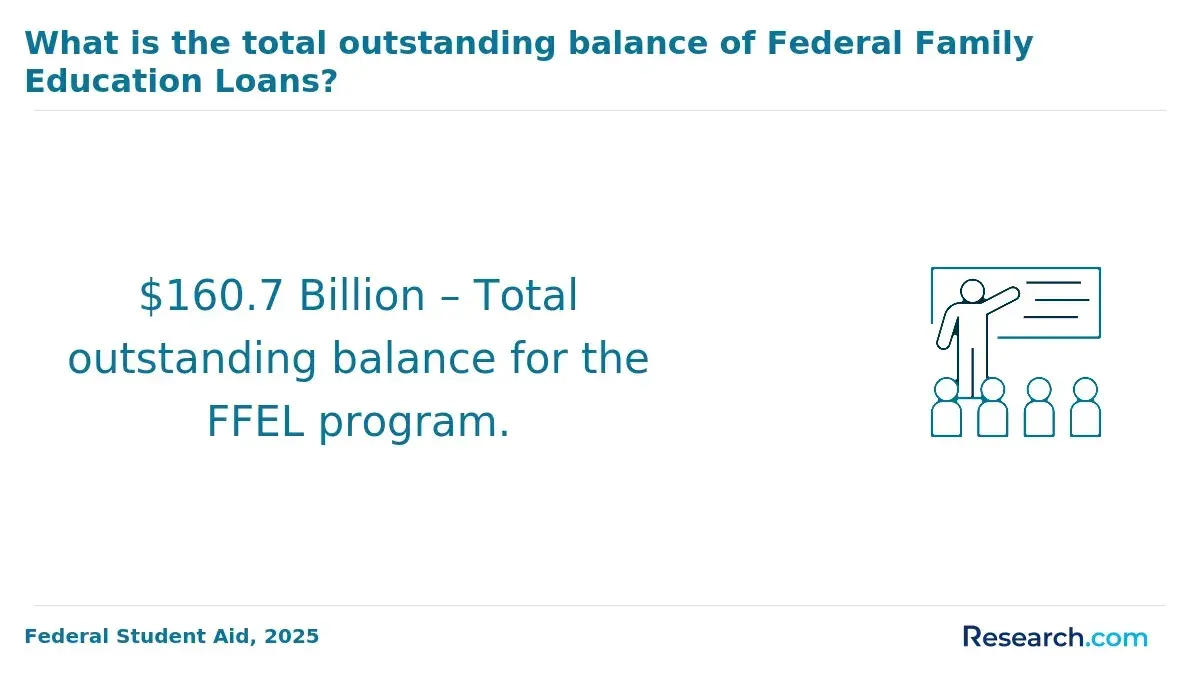
Medical students can borrow up to the full cost of attendance, including tuition, fees, room, board, and other expenses, through federal student loans. The two primary federal options are Direct Unsubsidized Loans and Grad PLUS Loans. The maximum borrowing limits for medical school loans depend on these federal options and the student's financial need.
For 2024-25, the fixed interest rate on Direct Unsubsidized Loans for graduate and professional students is 7.05%, according to the U.S. Department of Education. These loans allow borrowers to receive up to $20,500 annually but may not cover the entire cost of medical school.
Grad PLUS Loans fill this gap by enabling students to borrow up to the school-certified cost of attendance minus any other financial aid. The fixed interest rate for Grad PLUS Loans is 8.05%, before fees, and these loans require a credit check. Generally, they carry higher fees and interest compared to Direct Unsubsidized Loans, which affects the average interest rates on US medical student loans.
Most private lenders base their loan amounts on tuition and creditworthiness, often requiring a co-signer and charging variable or fixed rates above federal rates. Private loans can supplement federal borrowing if needed but usually come with less favorable repayment terms. For those interested, information on private parent loans for college may be helpful.
Choosing the right loan depends on individual needs and financial situations:
- Direct Unsubsidized Loans offer lower interest rates but have lower borrowing limits.
- Grad PLUS Loans provide higher borrowing limits with higher costs and stricter eligibility requirements.
- Private loans can fill funding gaps but typically have higher rates and less advantageous terms.
Students often combine these federal loans to cover their entire cost but should carefully consider total debt load, repayment plans, and loan forgiveness eligibility before borrowing.
How do you qualify and apply for medical school loans using the FAFSA and other forms?
To apply for federal medical school loans using FAFSA, start by completing the Free Application for Federal Student Aid form available annually from October 1. Input accurate financial data for yourself and your family, as this determines your Expected Family Contribution (EFC) and eligibility for federal loans such as Direct Unsubsidized Loans and Grad PLUS Loans. These loans often cover a large portion of medical school costs but may not cover every expense.
The cost of attendance (COA) for medical school has risen significantly, with the median four-year COA at U.S. public medical schools increasing by 19% over a decade according to the Association of American Medical Colleges. This makes maximizing your loan eligibility early essential. After submitting FAFSA, the financial aid office of your chosen school will send a detailed loan offer package. You must accept loans formally, and note that Grad PLUS Loans require a credit check; denial may mean needing a cosigner or turning to private loans.
How to qualify for medical school loans with FAFSA depends on factors like student independence, credit history, and military status. Examples of application nuances include:
- Independent students may qualify for higher loan amounts based on income and assets.
- Those with adverse credit histories might need to appeal or explore private lending alongside federal options.
- Veterans or military-affiliated students should apply for education benefits in parallel.
Stay proactive by filing FAFSA early and monitoring deadlines to maximize federal aid access, vital for covering tuition and living expenses. For options on managing or refinancing federal student loans after borrowing, consider resources on how to refinance federal student loans.
Which federal repayment plans work best for medical school graduates and residents?
Medical school graduates and residents often carry significant student loan debt paired with variable early-career income, making Income-Driven Repayment (IDR) plans an ideal choice. The Revised Pay As You Earn (REPAYE) Plan caps payments at 10% of discretionary income and provides loan forgiveness after 20 years for undergraduate loans and 25 years for graduate loans, including medical school debt.
Graduates with average debts-ranging from $207,003 at public medical schools to $223,750 at private schools per EducationData.org-benefit greatly from REPAYE's reduced payment structure during residency and fellowship when income is lower.
Other IDR options like the Income-Based Repayment (IBR) Plan limit payments to 10-15% of discretionary income, depending on loan origination, but REPAYE's interest subsidies help reduce accruing interest during low-income periods, an advantage not offered by IBR.
Standard repayment plans require fixed monthly amounts over 10 years, which can strain new physicians early on. Extended Repayment plans offer up to 25 years to repay, lowering monthly bills but increasing total interest costs.
For those pursuing public service careers, enrolling in IDR plans allows eligibility for the Public Service Loan Forgiveness (PSLF) Program, forgiving remaining balances after 120 qualifying payments. Graduates should carefully review loan servicer agreements to ensure IDR plans align with their income and loan types, maximizing repayment flexibility and forgiveness opportunities.
How do income-driven repayment and PAYE/REPAYE-style plans affect doctors' payments?
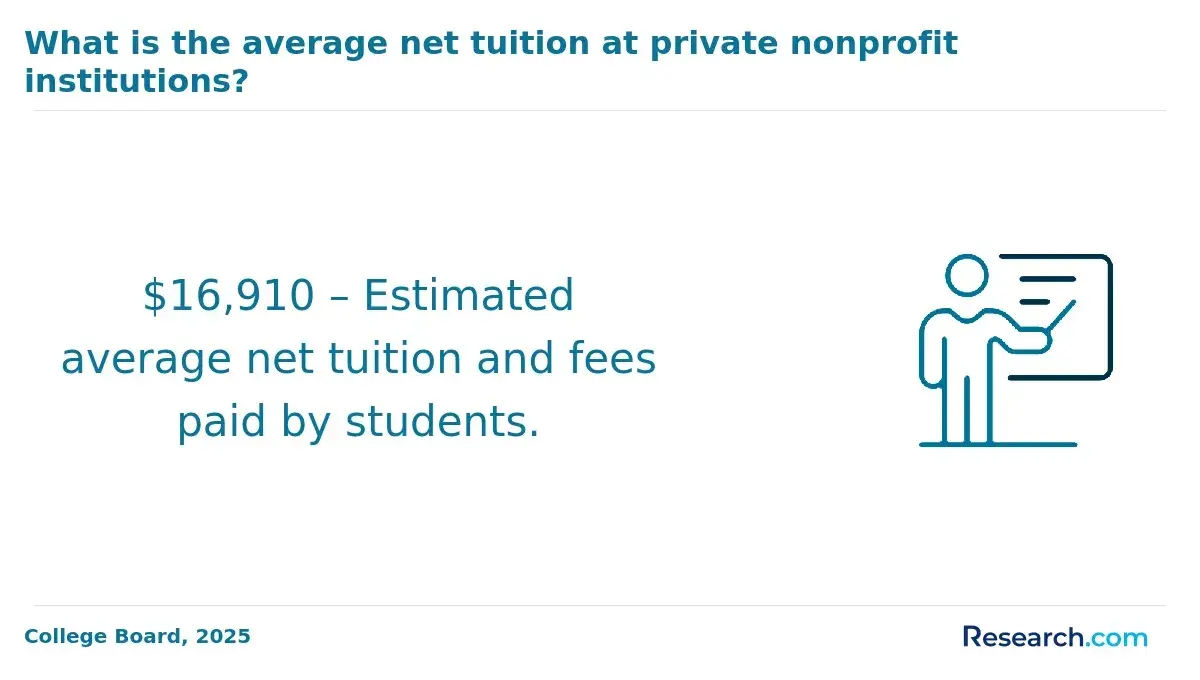
Income-driven repayment (IDR) plans like Pay As You Earn (PAYE) and Revised Pay As You Earn (REPAYE) adjust monthly student loan payments based on discretionary income, easing the burden for physicians. These plans typically cap payments at 10-15% of income exceeding 150% of the federal poverty level. Residents and fellows with variable or lower early-career salaries find IDR useful to maintain manageable payments and avoid default.
REPAYE stands out by providing an interest subsidy covering 50% of unpaid interest for the first three years on both subsidized and unsubsidized loans, which slows debt growth. PAYE restricts payments but does not offer ongoing interest relief after those initial years. Physicians with large debts and limited income during training benefit most from REPAYE's interest subsidy.
With physicians earning a median compensation of $365,000-over five times the median U.S. household income-IDR payments increase as income rises. This progression accelerates loan payoff and reduces total interest compared to standard repayment plans.
Important considerations for doctors include:Balancing payment affordability during training with eventual forgiveness after 20-25 years;Recognizing REPAYE's potential to save thousands in interest during residency;Tracking income changes to prevent payment shocks when moving from training to attending status.Consulting a loan specialist can help tailor repayment strategies based on individual income fluctuations and loan types.
What loan forgiveness and repayment assistance programs exist specifically for physicians?
Several federal programs provide loan forgiveness and repayment assistance specifically for physicians, acknowledging the high cost of medical education and the critical need for care in underserved areas. The National Health Service Corps (NHSC) Loan Repayment Program offers up to $50,000 for a two-year commitment, with extra funds available for those serving in Health Professional Shortage Areas (HPSAs). This program targets physicians in primary care, dental, or mental health specialties.
The Public Service Loan Forgiveness (PSLF) program forgives the remaining balance on Direct Loans after 120 qualifying monthly payments while working full-time for government or eligible non-profit employers, including public hospitals and academic medical centers.
The Indian Health Service (IHS) Loan Repayment Program provides up to $40,000 for two years of service in IHS facilities, tribal organizations, or urban Indian health sites, especially benefiting American Indian and Alaska Native physicians.
Other options include state-specific forgiveness programs for rural or underserved communities and specialty-focused programs like the Military Health Professions Loan Repayment, helping physicians who commit to military service.
Income-driven repayment plans such as Revised Pay As You Earn (REPAYE) cap payments at 10% of discretionary income and forgive outstanding debt after 20 or 25 years.
When does interest capitalization happen on medical school loans and why does it matter?
Interest capitalization on medical school loans raises the total amount owed by adding unpaid interest to the principal balance. This often occurs after leaving grace periods, exiting deferment or forbearance, or switching repayment plans. For instance, if interest isn't paid during residency grace periods, it can capitalize, increasing the loan principal before payments resume. Similarly, switching from a non-income-driven repayment plan to an income-driven repayment (IDR) plan without paying accrued interest triggers capitalization.
The timing of capitalization is crucial because future interest accumulates on a larger principal, leading to higher monthly payments and greater total repayment costs. Medical students, who often hold large loans, may face substantially increased debt over the extended repayment periods typical in medicine.
Many physicians use IDR plans and Public Service Loan Forgiveness (PSLF) to manage their debt burden effectively. According to the Association of American Medical Colleges, 38% of physicians in training with federal loans were enrolled in IDR plans, and 24% planned to pursue PSLF. These strategies help minimize capitalization by allowing interest payments or applying payments toward accrued interest.
To reduce long-term costs, borrowers should:
- Understand grace periods and repayment plan terms
- Make interest payments before capitalization events
- Consult loan servicers about capitalization timing
When should doctors refinance or consolidate medical school loans, and what are the risks?
Doctors should consider refinancing or consolidating medical school loans when they can obtain a lower interest rate or simplify repayment by merging multiple loans. Refinancing is particularly beneficial for graduates with high-interest private loans who want to reduce monthly payments or total interest costs. It can also be a good option after residency if the doctor's credit score improves, allowing access to better terms. On the other hand, federal Direct Consolidation Loans provide access to different repayment options and the Public Service Loan Forgiveness (PSLF) program.
Refinancing federal loans into private loans risks losing federal protections such as income-driven repayment plans and loan forgiveness. This is crucial since 76% of U.S. citizen international medical graduates (IMGs) and 89% of U.S. allopathic graduates relied on federal loans, demonstrating the importance of these benefits (Association of American Medical Colleges).
Doctors experiencing financial difficulties or career changes benefit from the flexibility of federal loans, which private consolidations do not offer. Those in academic medicine or public service should keep federal loans to remain eligible for PSLF. Conversely, high-earning specialists with stable incomes might gain from refinancing.
Consider how loan terms affect payments: longer terms lower monthly dues but increase total interest paid, while shorter terms raise payments but enable faster payoff. Evaluating career plans, income stability, and loan types helps ensure an informed choice.
- Refinance to lower interest rates or simplify payments
- Consolidate federal loans for alternative repayment options
- Balance risk of losing federal protections
- Match strategy to career path and income
How can medical students and residents minimize borrowing and manage debt during training?
Medical students and residents can manage debt effectively by enrolling early in income-driven repayment plans, which lower monthly payments to a manageable portion of their income during training. Applying for Public Service Loan Forgiveness (PSLF) or state-specific forgiveness programs is crucial for those in qualifying public or nonprofit roles, requiring careful tracking of payments to meet the 120-payment eligibility threshold.
Living on a strict budget and selecting affordable housing options can significantly reduce financial stress during residency. Graduate students are advised to prioritize federal loans over private ones to take advantage of borrower protections and flexible repayment options.
Refinancing federal loans should be approached with caution. The American Medical Association reports that 32% of U.S. physicians with education debt have refinanced or consolidated with private lenders, which may lower interest rates but sacrifice federal benefits like income-driven plans and forgiveness eligibility.
Those near the end of training with stable employment plans outside public service might benefit from refinancing fixed-rate federal loans after comparing multiple lenders for optimal rates and terms. Utilizing debt management apps helps track expenses, loan balances, and payment schedules to avoid missed payments and defaults.
- Enroll early in income-driven repayment plans
- Apply for PSLF or state forgiveness programs
- Maintain strict budgeting and affordable living arrangements
- Prioritize federal loans over private loans
- Be cautious with refinancing to avoid losing benefits
- Use debt management tools to track loans and payments
Other Things You Should Know About
Both federal and some private medical school loans offer deferment or forbearance options that allow you to temporarily pause or reduce your loan payments. These options are typically available during residency, fellowship, or other financial hardships, but interest may continue to accrue depending on the loan type. It is important to communicate with your loan servicer to understand the terms.
Yes, scholarships and grants can directly lower the amount you need to borrow by covering part or all of your medical school expenses. Unlike loans, these funds do not require repayment, making them a valuable way to reduce overall student debt. It is advisable to actively seek out scholarships and grants throughout your medical education.
If you pause loan payments through deferment or forbearance after graduation, interest may continue accruing depending on the loan type, increasing your total debt. Additionally, not making payments can extend your repayment period and potentially affect your credit if not managed properly. It's crucial to review your loan terms and consider income-driven repayment plans that may offer more affordable monthly payments.