2027 Can Parents Take Out Student Loans for Adult Children?

Student Finance & Loan Expert
Parents often face dilemmas when adult children pursue higher education yet encounter financial gaps. Many wonder if they can take out student loans on behalf of their grown children to ease the burden without affecting the child's credit. This challenge grows more pressing as tuition costs rise and traditional loan options may be limited for non-traditional students. Understanding the rules governing parent loans and eligibility criteria is crucial for making informed decisions. This article examines whether parents can borrow for adult children and how these loan options work, helping families navigate financing choices effectively.
- Can parents take out federal Parent PLUS Loans to help pay for an adult child's college? Parent PLUS basics
- What are the eligibility requirements for parents who want to borrow student loans for their children? Parent eligibility
- How much can parents borrow for their child's education and what are the limits? Parent loan limits
- What is the difference between parent loans and student loans in terms of responsibility and ownership? Parent vs student
- Can parents use private student loans to finance an adult child's education, and how do they work? Private parent loans
- How do interest rates, fees, and credit checks work for Parent PLUS and private parent loans? Rates and credit
- What repayment options do parents have for Parent PLUS and private loans, including income-contingent plans? Parent repayment
- Are there forgiveness, discharge, or tax benefits available for parent borrowers of student loans? Parent forgiveness
- Can parents refinance or consolidate Parent PLUS and private loans, or transfer them to the student? Refinance or transfer
- How should families decide whether the parent or student should take on the educational debt? Who should borrow
Can parents take out federal Parent PLUS Loans to help pay for an adult child's college?
Federal Parent PLUS Loans allow parents to borrow funds to cover college expenses for adult children who are dependent undergraduate students. These loans offer parents the ability to borrow up to the total cost of attendance minus any other financial aid, making them useful when the student has exhausted their federal student loan limits or attends an expensive private institution.
The loan is in the parent's name, which means the parent is fully responsible for repayment, possibly affecting their credit. Parents with an adverse credit history may be denied but can still qualify by obtaining an endorser or documenting extenuating circumstances. Parent PLUS loan eligibility for adult children is not restricted by the child's age as long as the student qualifies for federal aid.
These loans have fixed interest rates, typically higher than Direct Subsidized and Unsubsidized Loans, but offer repayment flexibility through deferment and income-contingent plans. However, deferment during school is generally not available without subsidies. For additional living costs, families might consider whether can student loans cover off-campus housing to help manage expenses.
Parent PLUS loans represent 6.7% of all federal student loan debt, reflecting their role in financing higher education. Parents should carefully assess their financial situation before borrowing and consult financial advisors or their school's financial aid office to explore options and understand the impact of these loans.
What are the eligibility requirements for parents who want to borrow student loans for their children?
Parents seeking to borrow student loans for adult children must meet specific eligibility requirements that vary by loan type. Federal Parent PLUS Loans require borrowers to be biological, adoptive parents, or sometimes stepparents, who pass a credit check free from adverse histories such as recent bankruptcies or loan defaults. The student must also be enrolled at least half-time in an eligible degree or certificate program.
Private parent loans focus heavily on creditworthiness, often requiring a strong credit score, verified income, and a manageable debt-to-income ratio. Requirements for parents borrowing student loans in the US vary between lenders, with some requiring co-signers or imposing minimum credit scores. Unlike federal loans, private loans typically have fewer restrictions on borrower relationships.
Income verification is common in applications, with some lenders imposing age limits or restricting loans if repayment extends beyond the parent's expected retirement. Eligibility also considers whether the student demonstrates sufficient need or attends an accredited institution recognized by lenders or federal guidelines.
Many families consider parent loans a practical funding option, as over 27% of adults age 23 or older receive parental financial assistance (Bankrate Financial Independence Survey). Parents should assess their credit profile and understand repayment obligations, since responsibility rests solely with them, not the student. For information on alternatives, visit federal student loans without parents.
How much can parents borrow for their child's education and what are the limits?
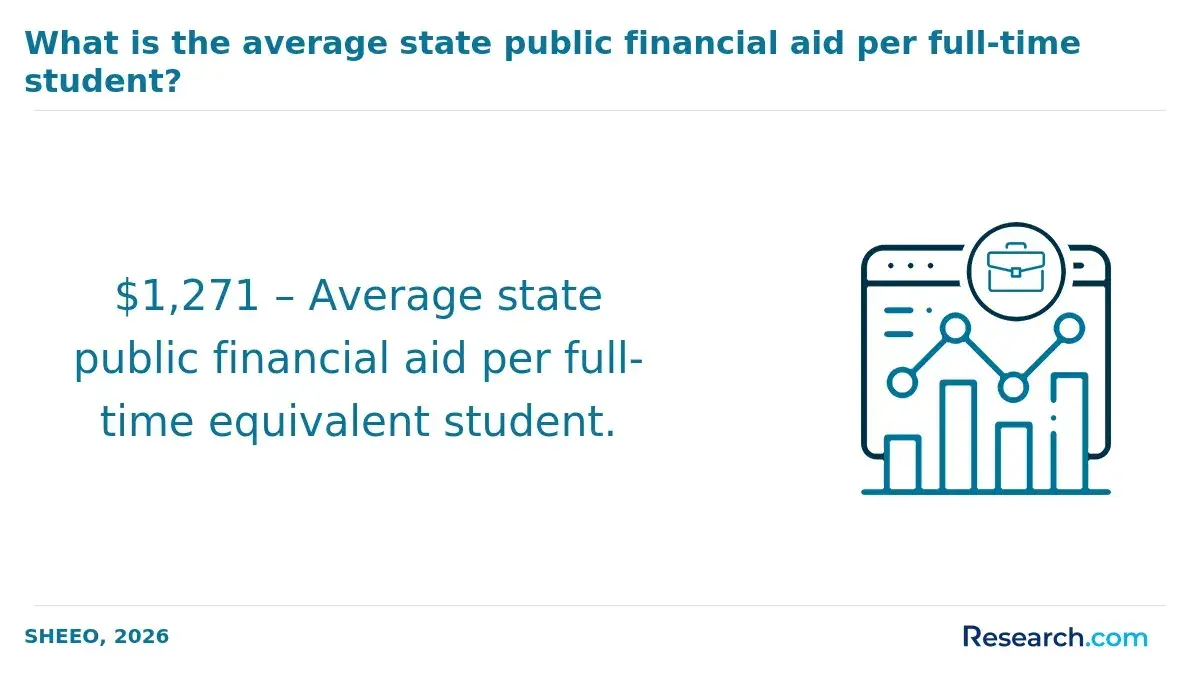
Parents looking to support their adult children's education generally rely on federal Parent PLUS Loans. These loans allow parents to borrow up to the actual cost of attendance set by the child's school, minus any other financial aid. This means the parent student loan borrowing limits vary based on each student's expenses including tuition, fees, and room and board.
For instance, if the cost of attendance is $30,000 and the student obtains $10,000 in scholarships, a parent may borrow up to $20,000 for that year. There is no lifetime cap on Parent PLUS Loans, but borrowing cannot exceed the child's education costs. Parents must pass a credit check to qualify, and failure to do so may leave the student eligible for additional unsubsidized Direct Loans in their own name.
The maximum amount parents can borrow for education can create financial pressure. A Bankrate survey found 61% of parents with grown children sacrificed personal finances like retirement savings to cover education expenses. Carefully weighing borrowing capacity against long-term financial health is crucial before applying.
For those exploring options, it's worth reviewing best student loan refinance promotions to find ways to manage or lower loan costs effectively.
What is the difference between parent loans and student loans in terms of responsibility and ownership?
Parent loans versus student loans responsibility differ mainly in who holds the repayment obligation. Parent loans, like the federal Parent PLUS Loan, are taken out by the parent, meaning the parent is solely responsible for repayment, regardless of the student's enrollment or financial situation. In contrast, student loans are held in the student's name and affect their financial record directly.
The ownership differences between parent and student loans lead to distinct credit impacts. Parent loan debt influences the parent's credit profile and financial planning, including risks to retirement savings if repayment difficulties arise. Approximately 13% of midlife parents have educational debt related to their children, with averages exceeding $21,000, according to a national study published in PMC.
Repayment flexibility also varies: student loans often provide income-driven options based on the borrower's income, while parent loans usually require fixed payment schedules or refinancing through private lenders. Parents are advised to consider alternatives such as encouraging students to secure federal student loans first, applying for scholarships, or seeking part-time work. Co-signing private loans can spread responsibility but still affects the parent's credit indirectly.
For those exploring options specific to nursing programs, examining nursing school loan options can provide valuable guidance.
Can parents use private student loans to finance an adult child's education, and how do they work?
Parents seeking to finance an adult child's education through private student loans should note the distinct differences from federal parent loans. Typically, the parent is the primary borrower and must qualify based on creditworthiness, income, and debt-to-income ratio. Some lenders allow co-signing, where both parent and adult child apply together, often resulting in better loan terms if both have strong credit profiles.
Private parent loans feature fixed or variable interest rates and flexible repayment options but lack federal Parent PLUS loan benefits like income-based repayment or automatic deferments. Borrowers need to compare interest rates, fees, and terms carefully, as private loans usually carry higher rates and fewer borrower protections than federal alternatives.
Examples illustrate how credit profiles impact borrowing costs: a parent with strong credit may obtain a 6% fixed rate loan, while a co-signed loan could reduce this to 4.5%. Loan eligibility and amounts vary widely, sometimes limited to tuition and expenses, other times covering the total cost of attendance. These loans directly affect the parent's credit and debt load.
Considering the federal Parent PLUS loan debt crisis, with average balances around $42,780 for older borrowers according to Education Data Initiative, parents should weigh the added financial risk of private loans. Careful assessment and comparison remain essential before committing to private lending options.
How do interest rates, fees, and credit checks work for Parent PLUS and private parent loans?
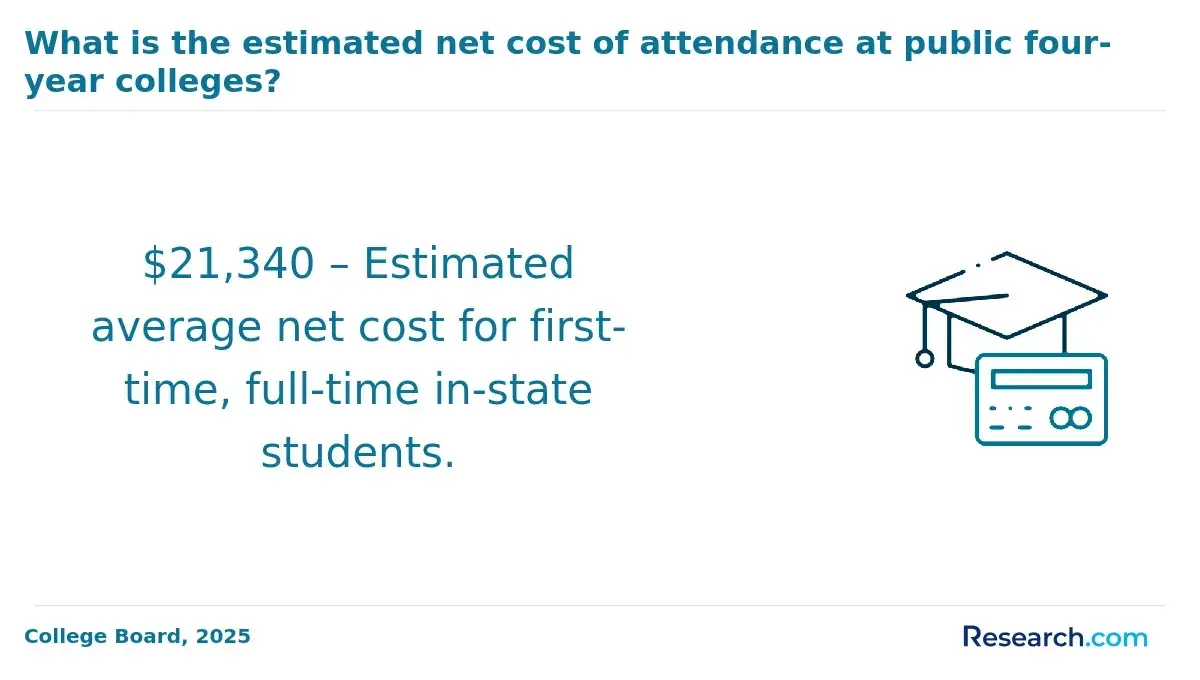
Parent PLUS loans have a fixed interest rate set annually by the federal government, expected around 8.05% for 2026, with origination fees usually about 4% deducted upfront. No minimum credit score is required, but applicants must pass a basic credit check focusing on recent defaults, bankruptcies, or outstanding collections. If an applicant fails, they may reapply with an endorser or appeal the decision.
Private parent loans differ significantly. Lenders set interest rates based on creditworthiness, ranging roughly from 4% to over 12%, and these rates can be fixed or variable. Origination fees vary and may be waived to attract borrowers. Unlike Parent PLUS, private loans often require strong credit scores and sufficient income, and cosigners may be necessary for weaker credit. Many private lenders also provide options like deferment or flexible repayment, depending on the lender.
What repayment options do parents have for Parent PLUS and private loans, including income-contingent plans?
Parent PLUS loan borrowers face limited options when it comes to income-driven repayment plans. These loans are not eligible for common plans like Income-Based Repayment (IBR) or Pay As You Earn (PAYE). Instead, parents can consolidate Parent PLUS loans into a Direct Consolidation Loan, which then qualifies for the Income-Contingent Repayment (ICR) plan. ICR bases payments on the lesser of 20% of discretionary income or a fixed 12-year repayment amount adjusted for income. While consolidation typically extends the repayment term up to 25 years, it can result in higher total interest costs.
Private student loans taken by parents vary and generally do not offer income-driven repayment or forgiveness options common in federal loans. Repayment usually follows fixed or variable schedules, though some lenders provide deferment, forbearance, or refinancing options depending on creditworthiness and lender policies.
Parents should weigh the long-term financial impact of ICR versus fixed repayment plans. According to the Bankrate Financial Independence Survey, 38% of adults with postgraduate degrees received ongoing parental financial support at age 23 or older. This indicates many families continue financial assistance beyond college, affecting repayment dynamics.
Are there forgiveness, discharge, or tax benefits available for parent borrowers of student loans?
Parent borrowers of student loans face limited options for forgiveness or discharge compared to student borrowers. Federal Parent PLUS Loans do not qualify for standard public service loan forgiveness programs. However, loans can be discharged if the borrower dies or becomes permanently disabled. Additionally, if the student for whom the parent borrowed passes away or becomes permanently disabled, the parent might be eligible for loan discharge.
Tax benefits for parents are often restricted. The student loan interest deduction typically applies only to loans taken out by the students themselves. Interest payments on Parent PLUS Loans cannot be claimed under this deduction, removing a common tax advantage available to student borrowers.
Private parent loans tend to have fewer forgiveness or discharge options and rarely offer tax benefits. Federal PLUS loan borrowers can use income-driven repayment plans like Income-Contingent Repayment (ICR), which lowers monthly payments and offers forgiveness after 25 years. However, forgiven amounts are generally taxable as income.
Parents often face ongoing financial responsibility. For example, a Savings.com and Yahoo Finance report found parents with children aged 18 to 28 pay an average of $1,813 monthly toward adult children's expenses.
Parents should consider refinancing to improve loan terms or coordinate with their adult children's loan options when possible. Consulting a financial advisor experienced in education funding can provide personalized strategies to ease repayment burdens.
Can parents refinance or consolidate Parent PLUS and private loans, or transfer them to the student?
Parent PLUS loans are federal student loans that parents cannot refinance or consolidate into their adult children's student loans. These loans remain the parent's responsibility under federal rules and cannot be transferred. However, parents can consolidate Parent PLUS loans with other federal education loans in consolidation programs, though repayment responsibility does not shift to the student.
Private student loans have slightly more flexibility but typically cannot be transferred between borrowers. Some private lenders allow refinancing with a new borrower, but the student must apply independently and qualify based on their own credit and income. Parents interested in refinancing should seek lenders offering parent and student refinancing options, keeping in mind that transfer approvals vary widely.
Adult children may also take out new loans in their own name to pay off private education debt, but this is considered new borrowing and does not discharge parents' existing loans.
Parents often support ongoing expenses like car insurance, health insurance, phone bills, and student loan payments, highlighting that financial responsibility is shared within families.
Parents struggling with loan repayment should explore income-driven repayment plans and federal tax benefits. Adult children refinancing or consolidating their own loans can sometimes reduce interest rates and monthly payments, lessening the family's overall financial burden. Seeking professional financial advice can help navigate these options more effectively.
How should families decide whether the parent or student should take on the educational debt?
Families weighing who should take educational debt must balance financial capacity, repayment responsibility, and long-term goals carefully. Parents often qualify for lower interest rates due to higher credit scores and income but typically borrow during midlife, a critical time to focus on retirement savings. According to a National study published in PMC, parent loans for education can jeopardize retirement security, making this a vital consideration.
Students carry higher default risks but have access to federal loans offering income-driven repayment plans and potential forgiveness-protections unavailable to parents. When a student has stable income and credit, it's often better for them to borrow to safeguard parental retirement funds. However, parents may opt for loans if the student cannot qualify or to diversify financial risk.
Key factors include:
- Parents close to retirement should generally avoid debt to protect retirement savings.
- Parents might secure better loan terms if the student lacks credit history but increase their own debt burden.
- Students pursuing long-term steady careers may benefit from direct borrowing, fostering financial responsibility.
Families must also consider loan types, tax impacts, and the ability to repay without sacrificing other priorities. Open discussions about future earnings and repayment willingness are essential. Consulting a financial advisor for repayment modeling can help clarify the best decision.
Other Things You Should Know About
Yes, adult children can apply for federal and private student loans independently if their parents are unable or choose not to borrow. Federal loans like Direct Subsidized and Unsubsidized Loans do not require a co-signer, and eligibility is based on the student's financial need and credit history, if applicable. Private lenders may require a creditworthy co-signer if the borrower has limited credit history.
Parents must adhere to the repayment terms set by the lender when taking out loans for adult children. Federal Parent PLUS loans, for instance, typically have standard repayment terms of 10 to 25 years, depending on the plan selected. Private loans will vary by lender. No loans can be kept indefinitely without consequences.
If the adult child takes responsibility for repaying the loan, the parent remains liable unless the loan is refinanced or otherwise modified to release the parent from obligation. Some private lenders allow refinancing that can transfer the debt to the student, but federal Parent PLUS Loans cannot be transferred. Coordination between parent and child is necessary to manage repayment.
Yes, adult children can still qualify for financial aid regardless of their parents' existing student loans. Federal aid eligibility primarily considers family income and assets rather than outstanding debts. However, high parent loan debt might indirectly affect household finances, which could influence the aid package.