2027 Best PharmD Programs for Stable Long-Term Pharmacy Careers

Co-Founder and Chief Data Scientist
Choosing a PharmD program is a high-stakes decision because it affects licensure, debt, residency options, and long-term career flexibility. The U.S. Bureau of Labor Statistics reports a $137,480 median annual wage for pharmacists based on May 2024 data, with steady demand tied to medication therapy, chronic disease management, and expanding clinical services.
This guide is for students comparing pharmacy schools, online options, costs, and career outcomes. You will learn how to evaluate program quality, avoid costly mistakes, and choose a PharmD path that supports stable pharmacy employment.
Key Things You Should Know
- For stable pharmacist careers, choose an ACPE-accredited PharmD program because state licensure generally requires graduation from an accredited professional pharmacy degree program.
- The BLS reports a May 2024 median pharmacist wage of $137,480, but earnings vary by setting, location, residency training, specialization, and management responsibility.
- PharmD programs usually take 3 to 4 professional years after prerequisites, and total cost should be judged by the full cost of attendance, not tuition alone.
What makes a top PharmD program for long-term, stable pharmacy careers?
A top PharmD program is not simply the school with the most recognizable name. For long-term pharmacy stability, the strongest programs combine accreditation, strong clinical rotations, licensure preparation, employer relationships, residency placement support, and training in areas where pharmacists are becoming more clinically involved.
The best choice also depends on your career target. A student aiming for hospital pharmacy may need strong acute-care rotations and residency advising, while a student interested in community pharmacy may value immunization training, medication therapy management, business operations, and patient counseling practice.
Use the following criteria to compare programs beyond marketing claims and rankings:
- Accreditation status: Confirm that the program is accredited by the Accreditation Council for Pharmacy Education or has the appropriate preaccreditation status for newer programs.
- Licensure outcomes: Review published NAPLEX and MPJE or state law exam performance, but compare multi-year patterns rather than relying on one class year.
- Clinical rotation network: Look for diverse experiential sites, including hospitals, ambulatory care clinics, community pharmacies, managed care organizations, long-term care settings, and specialty pharmacies.
- Residency and fellowship support: Strong programs help students prepare for postgraduate year one residencies, industry fellowships, research experiences, and competitive specialty pathways.
- Career services: Evaluate employer connections, interview preparation, alumni networks, job placement support, and access to local healthcare systems.
- Financial fit: Compare the full cost of attendance, scholarship renewal rules, commuting or relocation costs, and the debt level needed to finish the degree.
This table summarizes how different program strengths align with different long-term pharmacy goals. It can help you prioritize what matters most before building a school list.
| Career goal | Program features to prioritize | Why it matters for stability |
| Community pharmacy leadership | Patient counseling labs, immunization training, business coursework, chain and independent pharmacy rotations | Prepares graduates for high-volume patient care, operations, and management roles |
| Hospital or health-system pharmacy | Acute-care rotations, residency advising, interprofessional education, pharmacotherapy depth | Improves readiness for residency competition and clinical team-based roles |
| Ambulatory care pharmacy | Chronic disease management, collaborative practice exposure, primary care clinic rotations | Supports roles tied to diabetes, hypertension, anticoagulation, and medication optimization |
| Industry, regulatory, or managed care pharmacy | Electives in pharmacoeconomics, drug development, health outcomes, informatics, and policy | Builds flexibility beyond traditional dispensing roles |
| Rural or underserved practice | Rural rotations, public health training, telepharmacy exposure, community partnerships | Matches graduates with areas where access to medication expertise is especially important |
A common mistake is choosing a PharmD program mainly because it is nearby or has a familiar brand. A better approach is to match the program's clinical sites, student support, and cost profile to the pharmacy work you actually want after graduation.
How do accreditation and program quality affect pharmacist licensing and career stability?
Accreditation is one of the most important decision points in PharmD selection because it connects directly to pharmacist licensure. In the United States, state boards generally require candidates to graduate from an ACPE-accredited professional pharmacy program, pass the North American Pharmacist Licensure Examination, and meet state-specific law, internship, background check, and application requirements.
Program quality matters because licensure is only the first gate. Employers may also evaluate clinical rotation depth, communication skills, residency readiness, professionalism, and the ability to work with physicians, nurses, insurers, and patients. A program with weak experiential learning may leave students less prepared even if it technically meets minimum requirements.
Before enrolling, verify quality signals in this order:
- Check the program's current ACPE status directly with ACPE or the school's accreditation disclosures.
- Review the school's published licensure exam pass rates and compare them with national patterns over several years.
- Ask how introductory and advanced pharmacy practice experiences are assigned, supervised, and evaluated.
- Request information on residency match support, fellowship advising, employer partnerships, and recent graduate outcomes.
- Confirm that the program meets educational requirements for the state where you intend to become licensed.
Licensure rules can vary by state, so students should not assume that acceptance into a program automatically resolves every licensing issue. This is especially important for students with prior disciplinary history, international coursework, online coursework, or plans to move across state lines after graduation.
Red flags include unclear accreditation language, limited transparency around clinical placements, unusually low or declining licensure outcomes without explanation, and pressure to enroll before you have reviewed total cost and licensure fit. Stable careers begin with a program that supports both legal eligibility and professional readiness.
What are the key differences between PharmD programs and other pharmacy pathways?
The PharmD is the professional doctorate required for new pharmacists in the United States. It prepares students to evaluate medication therapy, counsel patients, prevent drug interactions, support chronic disease management, and participate in healthcare teams. Other pharmacy-related pathways can be valuable, but they do not lead to the same licensed pharmacist role.
Students sometimes compare pharmacy with nursing, healthcare administration, pharmaceutical science, or pharmacy technician training. These options can be excellent fits, but they lead to different responsibilities, timelines, costs, and regulatory requirements.
For example, a nurse considering broader clinical mobility may compare pharmacy with an ADN to BSN pathway, but the patient care model, licensure process, and daily work are very different.
The table below compares common pharmacy-adjacent education paths. It is useful for deciding whether you want prescribing support and medication expertise, laboratory research, operations leadership, or entry-level pharmacy work.
| Pathway | Typical purpose | Does it qualify you to become a licensed pharmacist? | Best fit |
| PharmD | Professional pharmacy practice and pharmacist licensure preparation | Yes, if the program meets accreditation and state board requirements | Students who want to become pharmacists in clinical, community, hospital, managed care, or specialty settings |
| Pharmacy technician certificate or diploma | Entry-level preparation for assisting pharmacists with dispensing, inventory, and administrative tasks | No | Students seeking faster entry into pharmacy support roles or experience before applying to PharmD programs |
| Pharmaceutical sciences degree | Drug discovery, formulation, laboratory research, or graduate research preparation | No | Students interested in research, biotech, manufacturing, or graduate science programs |
| Healthcare administration degree | Healthcare operations, policy, finance, and management | No | Students who prefer leadership and operations over direct medication therapy responsibility |
| PhD in pharmacy-related field | Advanced research and academic scholarship | No, unless paired with qualifying professional pharmacy education | Students aiming for research-intensive academic, industry, or laboratory careers |
The key decision is whether you want the legal responsibility of medication-related patient care. If your goal is to become the professional who verifies prescriptions, manages medication therapy, and advises patients and healthcare teams, a PharmD is the standard path. If you prefer research, administration, or support roles, another pathway may be more efficient and less expensive.
How should students compare online, hybrid, and campus-based PharmD program formats?
PharmD education is more hands-on than many online degrees because students must complete labs, simulations, patient communication practice, and supervised clinical rotations. Online or hybrid PharmD programs can improve access, but they still require in-person components, and clinical placements must satisfy professional and state expectations.
Students considering the best online pharmacy school options should look closely at how the program delivers labs, assessments, and rotations. Convenience is valuable only if the format still supports licensure, clinical competence, and reliable access to experiential sites.
This comparison shows where each format tends to work best. The right choice depends on your schedule, location, learning style, and willingness to travel for required campus or clinical activities.
| Format | Strengths | Trade-offs | Best for |
| Campus-based | Frequent face-to-face labs, direct faculty access, local peer community, established clinical networks | Less geographic flexibility and possible relocation costs | Students who want structured in-person learning and access to campus resources |
| Hybrid | Combines online coursework with scheduled campus intensives and local rotations | Requires careful travel planning and strong time management | Students who need flexibility but still want recurring hands-on instruction |
| Mostly online with required in-person components | Greater location flexibility for didactic coursework | Clinical placements, labs, proctored assessments, and state authorization can be complex | Self-directed students who can verify all in-person and licensing requirements before enrolling |
Ask admissions teams specific operational questions before choosing a format:
- How many campus visits are required each year, and how long does each visit last?
- Who is responsible for securing clinical rotations in my area: the school, the student, or both?
- Does the program have state authorization and clinical agreements where I live?
- How are skills labs, sterile compounding, patient counseling, and practical exams completed?
- What technology, proctoring, attendance, and travel costs are not included in tuition?
A common mistake is assuming that "online" means fully remote. In PharmD education, online usually refers to didactic coursework, while professional skills and rotations still require in-person performance. Students who cannot travel or relocate for required experiences should confirm every requirement in writing before committing.
What admission requirements and prerequisites do competitive PharmD programs typically expect?
PharmD admissions requirements vary, but competitive programs typically look for strong science preparation, evidence of communication skills, healthcare or pharmacy exposure, and readiness for a demanding professional curriculum. Some programs admit students after completing prerequisites, while others use early assurance, direct-entry, or accelerated pathways.
Most applicants should expect prerequisite coursework in biology, general chemistry, organic chemistry, anatomy and physiology, microbiology, calculus or statistics, English composition, economics, and social sciences. Requirements differ by school, so students should build a prerequisite spreadsheet before applying.
Admissions committees often evaluate the following items together rather than relying on one factor:
- Academic preparation: Overall GPA, science GPA, prerequisite completion, course rigor, and grade trends.
- Pharmacy or healthcare exposure: Work as a pharmacy technician, shadowing, volunteering, research, or patient-facing experience.
- Professional readiness: Communication skills, ethical judgment, teamwork, leadership, and maturity.
- Application materials: Personal statement, recommendation letters, interview performance, and explanations for academic challenges.
- Testing policies: Some programs no longer require the PCAT, but applicants should verify current testing rules for each school.
Students can improve their odds by preparing early and applying strategically. The following steps are practical for applicants who want to avoid delays:
- Complete prerequisite mapping at least one year before applying.
- Prioritize science courses that build a strong foundation for pharmacology and therapeutics.
- Gain pharmacy exposure so you can explain why the profession fits your goals.
- Ask for recommendation letters from faculty, pharmacists, supervisors, or healthcare professionals who know your work well.
- Prepare for interviews by practicing ethical scenarios, patient communication examples, and teamwork stories.
One frequent mistake is applying with weak science foundations while assuming professional motivation will compensate for it. Motivation matters, but PharmD coursework moves quickly. If your chemistry, biology, or math background is shaky, taking time to strengthen prerequisites may be the smarter long-term decision.
How long do PharmD programs take, and what tuition and total costs are typical?
Traditional PharmD programs usually require 3 to 4 professional years after prerequisite coursework. Some students complete prerequisites in 2 undergraduate years before entering a 4-year PharmD, while others enter 3-year accelerated professional programs that run year-round. Direct-entry programs may combine undergraduate prerequisites and professional study into a structured 6-year pathway.
Cost varies widely by public or private status, residency classification, program length, fees, and living expenses. The most useful number is the school's full cost of attendance, which includes tuition, fees, books, supplies, health insurance, transportation, housing, food, and required travel for rotations.
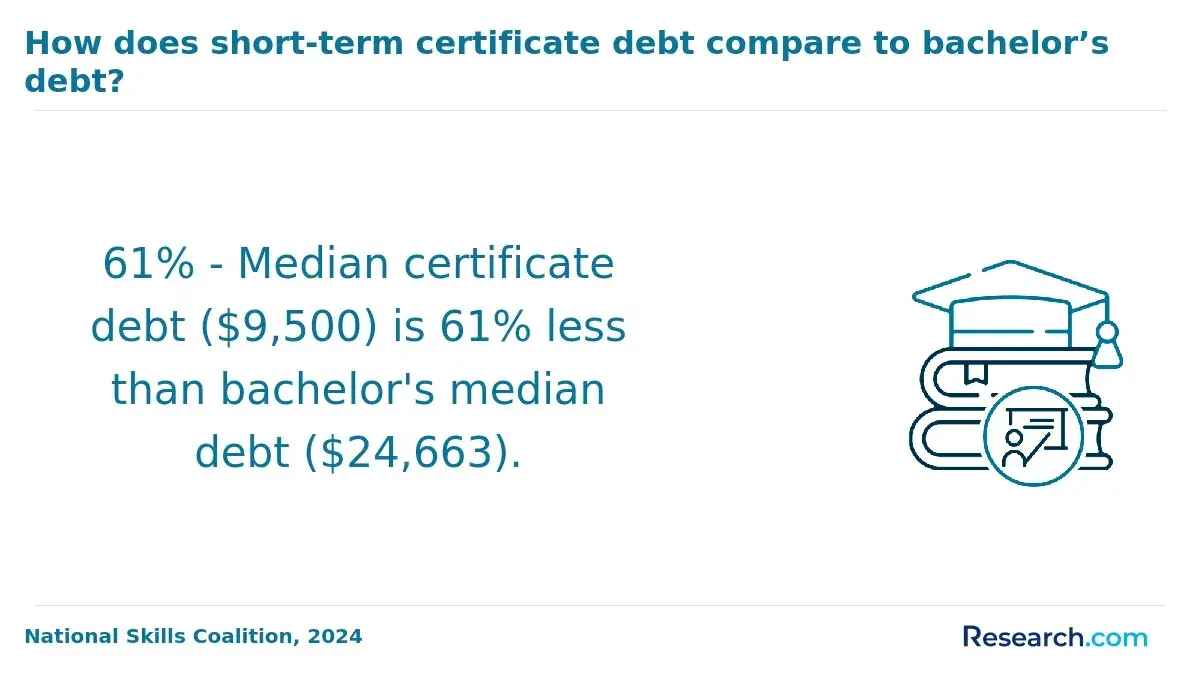
For federal borrowing context, graduate and professional students may use Direct Unsubsidized Loans up to $20,500 per academic year, subject to federal rules, with Grad PLUS loans often used for the remaining eligible cost of attendance. This matters because many PharmD students must plan for multi-year financing rather than one-time tuition payments.
The table below outlines major cost categories students should compare before choosing a program. It helps reveal expenses that may not be obvious in tuition-only comparisons.
| Cost category | What to check | Why it affects value |
| Tuition and mandatory fees | Annual rate, credit-hour rate, professional fees, tuition increases | Usually the largest direct cost and the easiest to underestimate over multiple years |
| Residency classification | In-state, out-of-state, regional tuition agreements, rules for reclassification | Public program affordability can change significantly based on residency status |
| Program length | 3-year accelerated versus 4-year traditional calendar | Shorter programs may reduce time out of the workforce but can limit breaks for work or recovery |
| Clinical rotation costs | Travel, parking, housing, background checks, immunizations, testing, and site requirements | Advanced rotations may create extra expenses, especially if sites are far from home |
| Lost income and work limits | Ability to work during didactic years and rotations | Heavy workloads can reduce part-time income and increase borrowing |
| Scholarships and renewal rules | Minimum GPA, annual renewal, service commitments, and one-time awards | A scholarship is more valuable when you know whether it continues after the first year |
To evaluate affordability, compare programs using a complete return-on-investment checklist:
- Calculate the total estimated cost of attendance for every year of the program.
- Subtract guaranteed scholarships, employer tuition support, savings, and family contributions.
- Estimate likely borrowing, including interest and fees, without assuming the highest possible future salary.
- Compare the program's clinical strengths with the settings where you are most likely to work.
- Ask whether a lower-cost program still provides the rotations and residency support needed for your target career.
A common mistake is choosing the fastest program without considering intensity. Accelerated PharmD programs can be efficient for focused students, but the pace may make it harder to work, remediate courses, build relationships, or prepare for competitive residencies.
What core PharmD curriculum and clinical experiences best prepare pharmacists for evolving roles?
A strong PharmD curriculum teaches students to connect drug science with patient care. The best programs do not treat pharmacy as memorizing medications; they train students to assess therapy, communicate clearly, document interventions, prevent harm, and collaborate across healthcare teams.
Core coursework usually includes pharmacology, medicinal chemistry, pharmacokinetics, pharmaceutics, pharmacotherapy, immunology, infectious disease, cardiology, endocrinology, oncology, psychiatry, law, ethics, public health, informatics, pharmacoeconomics, and patient assessment.
Students also learn dispensing systems, sterile and nonsterile compounding, medication safety, and evidence-based practice.
Experiential education is where students convert classroom knowledge into professional judgment. High-quality clinical preparation usually includes the following elements:
- Introductory pharmacy practice experiences: Early exposure to community, institutional, and patient care settings.
- Advanced pharmacy practice experiences: Full-time rotations in required and elective areas, commonly including community pharmacy, hospital or health-system pharmacy, ambulatory care, internal medicine, and specialty electives.
- Interprofessional learning: Practice working with physicians, nurses, physician assistants, social workers, and other healthcare professionals.
- Simulation and skills labs: Structured practice in counseling, calculations, sterile compounding, patient assessment, and emergency scenarios.
- Medication safety and informatics: Training in electronic health records, drug information resources, clinical decision support, and error prevention.
Current pharmacy practice is being shaped by automation, artificial intelligence, and expanded clinical service models. Automated dispensing and verification systems can reduce repetitive tasks, but they also raise the value of pharmacists who can interpret complex therapy, manage risk, and communicate with patients. Programs that include informatics, data literacy, and medication-use systems can help students adapt as technology changes workflow.
Students should ask how often the curriculum is updated and whether elective pathways exist in areas such as oncology, infectious disease, ambulatory care, geriatrics, informatics, managed care, industry, or public health. A program that offers flexible electives and diverse rotations can provide more career insurance if the student's interests change.
What pharmacy career paths, practice settings, and advancement options follow a PharmD?
A PharmD can lead to several pharmacy careers, but each path has different expectations. Some roles are available immediately after licensure, while others often prefer or require residency, fellowship, board certification, specialized experience, or management training.
Pharmacists work in community pharmacies, hospitals, clinics, long-term care facilities, specialty pharmacies, home infusion services, managed care organizations, government agencies, pharmaceutical companies, academia, and public health settings.
Students who enjoy healthcare operations but do not want pharmacist licensure may also compare pharmacy with an accelerated healthcare administration degree.
The table below shows common PharmD career directions and what they typically involve. It can help you connect program selection with the work environment you want after graduation.
| Career path | Typical responsibilities | Common preparation beyond PharmD |
| Community pharmacist | Prescription verification, patient counseling, immunizations, medication therapy management, adherence support | State licensure, immunization authorization, business and leadership skills |
| Hospital staff pharmacist | Medication order review, dosing, sterile products oversight, clinical consultation, medication safety | Licensure; residency may improve competitiveness in many health systems |
| Clinical pharmacist | Therapy optimization, rounds participation, disease-state management, provider consultation | PGY1 residency, PGY2 specialty residency, or equivalent experience depending on employer |
| Ambulatory care pharmacist | Chronic disease medication management, patient education, collaborative practice support | Residency, board certification, and strong patient assessment skills may be preferred |
| Managed care pharmacist | Formulary management, prior authorization policy, outcomes analysis, medication cost management | Managed care rotations, residency, analytics, pharmacoeconomics coursework |
| Industry pharmacist | Medical affairs, regulatory affairs, drug safety, clinical development, health outcomes, market access | Fellowship, internship, research, networking, and business communication skills |
| Pharmacy manager or director | Staff supervision, compliance, budgeting, workflow design, quality improvement | Experience, leadership training, management credentials, or graduate business coursework |
Advancement often depends on building a specialty profile. Practical ways to do that include seeking targeted rotations, joining professional organizations, presenting posters, pursuing residencies or fellowships when needed, and documenting measurable contributions such as medication safety projects or patient outcome initiatives.
One mistake is assuming every PharmD graduate follows the same career path. Pharmacy is broad, and students who build a focused portfolio during school are usually better positioned than those who wait until the final year to choose a direction.
What salary ranges, benefits, and earning potential can PharmD graduates expect over time?
Pharmacist compensation is generally strong compared with many healthcare roles requiring graduate-level education, but it should never be treated as guaranteed. Pay varies by employer, state, local labor market, shift schedule, setting, specialty training, union status, and management responsibility.
The BLS reports a May 2024 median annual wage of $137,480 for pharmacists. For students, the practical meaning is that the PharmD can support solid long-term earning potential, but the value of the degree depends heavily on debt level, job setting, and whether the program supports the career path that matches your goals.
Benefits can also affect total compensation. Pharmacists may receive health insurance, retirement contributions, paid leave, continuing education support, licensure reimbursement, bonuses, shift differentials, or residency stipends depending on the employer. Hospital and health-system positions may offer different advancement structures than retail or managed care roles.
Use this table as a planning framework rather than a salary promise. It explains common compensation patterns by career stage and why two PharmD graduates can have different financial outcomes.
| Career stage | Compensation factors | Planning implication |
| Newly licensed pharmacist | Employer type, region, schedule, sign-on incentives, and prior intern experience | Compare first jobs by benefits, workload, advancement, and loan repayment support, not salary alone |
| Residency or fellowship trainee | Stipend-based compensation during postgraduate training | Short-term pay may be lower, but training can support access to specialized roles |
| Experienced staff pharmacist | Performance, reliability, clinical competence, and local demand | Stable earnings often depend on maintaining licensure, certifications, and adaptable skills |
| Specialist or clinical pharmacist | Residency, board certification, specialty experience, and health-system demand | Specialization may improve role fit and mobility, but requirements vary by employer |
| Manager, director, or industry professional | Leadership responsibility, business impact, compliance oversight, or specialized expertise | Higher earning potential may require management skills, travel, longer hours, or nontraditional career moves |
Students should estimate loan repayment before enrolling. A high salary can still feel restrictive if debt is excessive, interest accumulates during school, or the graduate chooses a lower-paid residency or public service role. The safest financial plan is one that remains workable under conservative income assumptions.
What is the job outlook for pharmacists, and which PharmD specialties are most in demand?
The pharmacist job outlook is stable but changing. The BLS projects pharmacist employment to grow 5% from 2024 to 2034, which suggests continued demand but not unlimited opportunity in every location or practice setting. Students should use this as a signal to choose programs that build adaptable clinical, technology, and communication skills.
Demand is influenced by population aging, chronic disease management, specialty medications, immunization services, medication safety needs, and cost control across healthcare systems.
At the same time, automation and changing retail models may reduce demand for purely dispensing-focused work. The most resilient pharmacists are often those who can combine medication expertise with patient care, informatics, operations, or outcomes management.
Specialties and practice areas with strong relevance include:
- Ambulatory care: Pharmacists support chronic disease management, medication adherence, and collaborative care in clinics and primary care settings.
- Oncology and specialty pharmacy: Complex therapies require monitoring, patient education, adherence support, and coordination with payers and providers.
- Infectious disease and antimicrobial stewardship: Health systems need medication experts who can support appropriate antibiotic use and resistance prevention.
- Geriatrics and long-term care: Older adults often use multiple medications, making safety review and therapy optimization important.
- Managed care and pharmacoeconomics: Employers and insurers need pharmacists who understand formularies, outcomes, utilization management, and cost-effective therapy.
- Pharmacy informatics: Medication-use systems, electronic records, clinical decision support, and automation create demand for pharmacists comfortable with technology.
Students interested in the business and policy side of healthcare may also benefit from a healthcare administration course to understand operations, finance, compliance, and organizational decision-making. This can be especially useful for pharmacists considering management, managed care, consulting, or health-system leadership.
To improve long-term employability, students should choose rotations and electives that build evidence of specialization. Employers increasingly value pharmacists who can solve specific problems: reducing medication errors, improving adherence, managing high-cost therapies, supporting population health, or using data to improve medication-use decisions.
Other Things You Should Know About PharmD
A residency is not required for every pharmacist job, but it is often important for competitive hospital, clinical, ambulatory care, and specialty roles. Community pharmacy and some other positions may hire licensed PharmD graduates without residency training.
No. Most U.S. PharmD programs no longer require the PCAT, and many schools have made it optional or removed it entirely. Admissions usually focus on prerequisite science courses, GPA, letters of recommendation, and interview performance, along with state authorization and ACPE-accredited status.
It may not be the best investment if you do not want medication-related patient responsibility. Before enrolling, shadow pharmacists in multiple settings and compare alternatives such as pharmaceutical science, public health, healthcare administration, or research-focused graduate programs.
References
- Pharmacy Career Outlook: Is a Career in Pharmacy Worth It? - Roseman University https://www.roseman.edu/student-experience/news/pharmacy-career-outlook-is-a-career-in-pharmacy-worth-it/
- What Jobs Can You Get With a Health Science Degree? https://www.belmont.edu/stories/articles/2024/career-paths-for-pharmd-degree.html
- Accreditation Standards for Pharmacy Programs https://www.pharmacycouncil.org.au/resources/pharmacy-program-standards/
- Best Online PharmD Programs https://pharmddegree.com/choosing/best-online-pharmd-programs
- Pharm.D. Program Structures https://pharmacyforme.org/pharm-d-structures
- Admission Requirements https://www.ualberta.ca/en/pharmacy/programs/pharmd-doctor-of-pharmacy/admission-requirements.html
- Earn Your PharmD with Flexibility: Explore the Hybrid Program at West Coast University | West Coast University https://westcoastuniversity.edu/blog/earn-your-pharmd-with-flexibility-explore-the-hybrid-program-at-west-coast-university
- How to apply to Pharmacy School https://capsi.ca/pharmacy-school/
- Clinical Experience https://www.westernu.edu/pharmacy/programs/academic/pharmd-clinical-experience/
- PharmD vs. PhD vs. Master of Science | Mercer U. https://pharmacy.mercer.edu/2024/07/03/decoding-degrees/