2027 Pharmacy Career Paths That Move Fastest Into Leadership and Advanced Practice

Co-Founder and Chief Data Scientist
Choosing a pharmacy path is no longer just about becoming a retail or hospital pharmacist. The faster moves are often into clinical specialization, medication safety, informatics, managed care, and pharmacy administration. The U. S. Bureau of Labor Statistics reported a May 2024 median pharmacist wage of $137,480, but advancement depends heavily on residency training, credentials, practice setting, and leadership exposure. This guide is for prospective PharmD students, current pharmacy students, and working pharmacists who want to compare routes and choose the path that best supports rapid growth.
Key Things You Should Know
- The fastest pharmacy routes into advanced practice usually combine a PharmD, strong clinical rotations, a PGY1 residency, and either a PGY2 specialty residency, fellowship, or board certification.
- BLS May 2024 data places the median pharmacist wage at $137,480, but leadership compensation varies by employer, region, responsibility level, and whether the role includes management or specialized clinical authority.
- Pharmacy informatics, ambulatory care, oncology, critical care, managed care, and health-system leadership tend to create faster advancement opportunities than paths focused only on dispensing volume.
Which pharmacy career paths lead most quickly into leadership and advanced practice roles?
The pharmacy career paths that move fastest into leadership and advanced practice roles are the ones that put pharmacists closest to complex medication decisions, measurable outcomes, interprofessional teams, and systems improvement. In practical terms, that often means health-system pharmacy, ambulatory care, managed care, informatics, specialty pharmacy, oncology, critical care, and medication safety.
Advanced pharmacy practice means a pharmacist is doing more than verifying prescriptions. It can include managing medication therapy under collaborative practice agreements, leading formulary decisions, preventing adverse drug events, designing clinical protocols, supervising pharmacy teams, or managing population-level medication outcomes. Leadership may be clinical, administrative, operational, or technology-focused.
The table below compares common pharmacy paths by how quickly they can lead to advanced responsibilities. Use it to match your preferred work style with the kind of experience employers usually value for promotion.
| Career path | Typical early role | Why it can move quickly | Best fit |
| Health-system clinical pharmacy | Staff pharmacist, clinical pharmacist, resident | Direct exposure to rounds, protocols, medication safety, and specialty teams | Students who want patient-care authority and hospital-based advancement |
| Ambulatory care pharmacy | Clinic pharmacist, transitions-of-care pharmacist | Often supports chronic disease management, collaborative practice, and measurable outcomes | Pharmacists who like long-term patient relationships and provider collaboration |
| Pharmacy informatics | Informatics pharmacist, clinical systems analyst | Connects medication expertise with electronic health records, automation, decision support, and AI-enabled workflows | Pharmacists who enjoy technology, workflow design, and safety analytics |
| Managed care pharmacy | Prior authorization pharmacist, formulary pharmacist, clinical program pharmacist | Builds experience in cost-effectiveness, population health, utilization management, and payer strategy | Students interested in policy, data, and system-level medication decisions |
| Specialty pharmacy | Specialty pharmacist, clinical program pharmacist | Centers on high-cost, high-complexity therapies where adherence, access, and outcomes matter | Pharmacists interested in oncology, immunology, rare disease, or complex therapy management |
| Community pharmacy leadership | Pharmacist-in-charge, pharmacy manager | Can move quickly into supervision, workflow leadership, immunization services, and business operations | Pharmacists who want faster people-management responsibility and patient access roles |
For the fastest route, look for roles where you can document outcomes: improved adherence, reduced readmissions, safer anticoagulation management, better formulary compliance, fewer medication errors, or stronger patient satisfaction. Employers promote pharmacists who can connect clinical judgment to operational results.
A common mistake is assuming that "advanced practice" always means hospital specialization. Community pharmacy can also lead quickly to management, immunization program leadership, medication therapy management, and district-level operations. However, pharmacists who want highly specialized clinical authority usually need residency training or comparable experience.
What PharmD training is required to qualify for advanced pharmacy practice and leadership?
The Doctor of Pharmacy, or PharmD, is the entry-level professional degree required to become a licensed pharmacist in the United States. A PharmD program combines biomedical science, pharmacotherapy, patient-care skills, ethics, pharmacy law, interprofessional teamwork, and supervised practice experiences.
Leadership-focused students should treat the PharmD as more than a licensing credential. The program's experiential education, elective choices, faculty mentorship, and residency placement record can strongly influence how quickly a graduate moves into specialized or supervisory roles. Students comparing flexible formats can start by reviewing online PharmD options, but they should confirm that any program meets state licensure and hands-on clinical placement requirements.
The table below shows the core PharmD components that matter most for students aiming beyond entry-level practice. The goal is to identify training experiences that translate into leadership evidence on a CV or residency application.
| Training component | What it develops | Why it matters for advancement |
| Foundational sciences | Pharmacology, medicinal chemistry, physiology, and pharmaceutics | Supports safe, evidence-based medication decisions in complex cases |
| Pharmacotherapy sequence | Disease-state management and medication optimization | Prepares students for clinical rotations, residency interviews, and board certification later |
| Introductory pharmacy practice experiences | Early exposure to community, hospital, and patient-care settings | Helps students choose a specialty before advanced rotations begin |
| Advanced pharmacy practice experiences | Full-time rotations in direct-care and system-based settings | Creates the strongest evidence for residency readiness and employer fit |
| Leadership and management coursework | Personnel management, quality improvement, operations, finance, and policy | Builds the administrative foundation needed for manager and director roles |
| Research or quality improvement projects | Data analysis, presentation, and practice improvement | Strengthens applications for residencies, fellowships, and clinical leadership roles |
Students who want advanced practice should prioritize programs that offer strong clinical rotations in hospitals, ambulatory clinics, managed care organizations, specialty pharmacies, and informatics settings. A program with limited rotation variety may still lead to licensure, but it can make specialized advancement harder unless the student builds experience outside the curriculum.
Licensure requirements vary by state, but graduates generally need to complete an accredited PharmD, pass the North American Pharmacist Licensure Examination, and satisfy state-specific law exams and intern-hour rules. Because state boards can change requirements, applicants should verify rules directly before enrolling.
How do residency and fellowship programs accelerate pharmacy leadership and specialization?
Residencies and fellowships accelerate pharmacy careers because they compress high-value experience into structured, mentored training. Instead of learning only through routine staffing, residents and fellows rotate through complex clinical, administrative, research, teaching, and project-based assignments that can make them more competitive for specialty roles.
A PGY1 residency usually builds broad health-system or community-based clinical competence. A PGY2 residency narrows that training into a specialty such as oncology, critical care, ambulatory care, infectious diseases, emergency medicine, pediatrics, psychiatry, or health-system administration. Fellowships are more common for pharmacists pursuing industry, research, medical affairs, regulatory affairs, or drug development careers.
The table below summarizes how these postgraduate options differ. It can help students decide which route fits their target role instead of applying broadly without a strategy.
| Postgraduate path | Typical duration | Main career advantage | Best target roles |
| PGY1 residency | 1 year | Builds broad clinical readiness and often serves as the gateway to specialized practice | Clinical pharmacist, inpatient pharmacist, ambulatory care pharmacist, PGY2 applicant |
| PGY2 specialty residency | 1 additional year | Signals focused expertise in a defined practice area | Specialist pharmacist, clinical coordinator, advanced practice pharmacist |
| Health-system pharmacy administration residency | Often 2 years, sometimes paired with graduate coursework | Combines leadership, operations, finance, safety, and clinical management | Pharmacy manager, operations leader, assistant director, director-track roles |
| Industry fellowship | Often 1 to 2 years | Develops research, medical affairs, regulatory, pharmacovigilance, or market access expertise | Medical science liaison, regulatory pharmacist, medical affairs associate, drug safety specialist |
Students who want to maximize their match competitiveness should start preparing early. The strongest residency applicants usually show consistent performance, leadership, strong letters, research or quality improvement experience, and clear career direction.
- Choose rotations that match your intended specialty rather than selecting only convenient sites.
- Ask preceptors for measurable projects, such as protocol updates, medication-use evaluations, or patient outcome tracking.
- Present posters or platform presentations when possible, even if the project starts small.
- Document leadership in student organizations, work settings, committees, or service initiatives.
- Practice explaining why a specific residency or fellowship matches your long-term role, not just why you want more training.
The main trade-off is time and opportunity cost. A residency may delay full pharmacist earnings for one or two years, but it can open doors that are harder to access through entry-level staffing alone. A fellowship makes sense when the goal is industry or research; it is usually not the most direct path to hospital clinical specialist roles.
Which pharmacy specialties offer the fastest route into clinical and administrative leadership?
The fastest specialties are usually those with high clinical complexity, strong demand for medication expertise, visible impact on patient outcomes, or direct connection to organizational cost and safety goals. These areas give pharmacists a chance to lead protocols, committees, clinics, medication-use strategies, and interprofessional initiatives.
Specialty choice should depend on more than prestige. A competitive specialty can be worth pursuing if it matches your strengths, but a less obvious niche may produce faster advancement if your region has employer demand and fewer qualified candidates.
The specialties below are especially relevant for pharmacists who want advanced practice or leadership. They are not ranked by salary; they are grouped by how they tend to create leadership opportunities.
- Ambulatory care: Often supports chronic disease clinics, transitions of care, anticoagulation, diabetes, hypertension, and collaborative practice models.
- Oncology: Involves complex therapies, high-risk medication management, infusion operations, specialty pharmacy coordination, and clinical protocol leadership.
- Critical care and emergency medicine: Places pharmacists in high-acuity decision-making environments where rapid medication judgment and team communication are essential.
- Infectious diseases: Often connects to antimicrobial stewardship, formulary oversight, resistance prevention, and hospital quality measures.
- Medication safety: Focuses on reducing harm through system redesign, error analysis, policy development, automation review, and quality improvement.
- Pharmacy informatics: Supports electronic health record optimization, clinical decision support, automation, analytics, and safe implementation of AI-enabled tools.
- Managed care: Builds leadership in formulary strategy, utilization management, value-based care, and population-level medication outcomes.
AI, automation, and central-fill models are changing how employers define pharmacy leadership. Routine dispensing efficiency is increasingly supported by technology, while human advancement is shifting toward judgment-heavy work: clinical assessment, medication safety, informatics governance, patient counseling, and cross-functional leadership.
A common red flag is choosing a specialty because it sounds advanced without understanding the daily work. For example, informatics may be a poor fit for someone who dislikes systems, data, and workflow troubleshooting. Oncology may be rewarding but emotionally demanding. Managed care can be influential, but it may involve less direct patient contact than clinic-based practice.
How do online, hybrid, and campus PharmD programs compare for leadership-focused careers?
Online, hybrid, and campus PharmD programs can all support leadership-focused careers if they are properly accredited, include robust experiential training, and prepare students for licensure. The key difference is not whether lectures happen online; it is whether students receive strong clinical placements, faculty access, mentorship, and leadership opportunities.
Prospective students should also compare pharmacy against adjacent healthcare pathways if their primary goal is patient care or healthcare leadership rather than medication expertise. For example, career changers exploring broader clinical options may compare PharmD training with best online BSN programs for non nurses before committing to the time and cost of pharmacy school.
The table below compares program formats from a leadership-readiness perspective. Use it to identify which format supports your learning style and career constraints.
| Format | Strengths | Trade-offs | Best fit |
| Campus PharmD | More face-to-face faculty interaction, easier access to labs, organizations, research, and local health-system relationships | Less geographic flexibility and potentially higher relocation or commuting costs | Students who want immersive campus networking and structured peer support |
| Hybrid PharmD | Combines online coursework with in-person labs, intensives, and clinical experiences | Requires travel planning and strong time management | Students who need flexibility but still want structured hands-on learning |
| Mostly online PharmD | May reduce relocation barriers and help some working students remain near home | Clinical placements, labs, state authorization, and licensure fit must be checked carefully | Self-directed learners who can verify placement quality and licensing alignment |
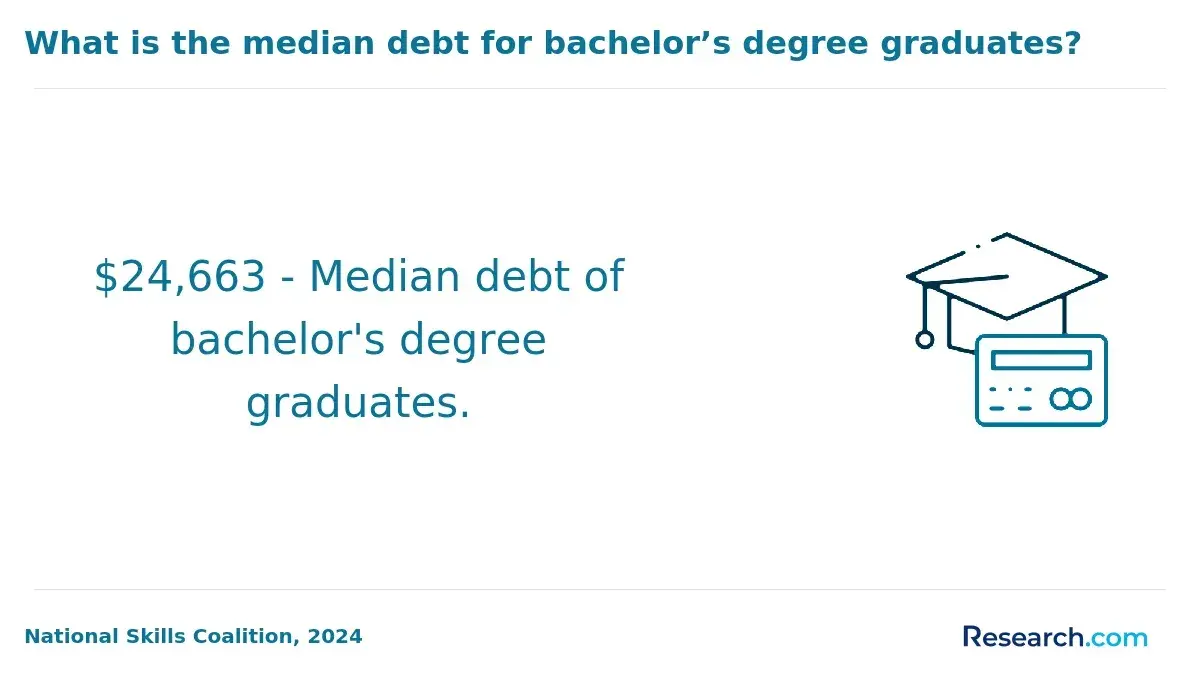
Cost comparisons should include more than tuition. Federal Direct Unsubsidized Loans for graduate and professional students are capped at $20,500 per academic year before Grad PLUS borrowing, so higher-cost PharmD programs can increase reliance on credit-based loans. That matters because pharmacy school is a professional investment, and loan burden can limit flexibility after graduation.
Students focused on advancement should ask whether online or hybrid students have equal access to student leadership roles, research mentors, residency advising, professional organizations, and competitive rotations. A flexible format is valuable only if it does not weaken the experiences employers and residency directors evaluate.
What admissions requirements and prior experience best position applicants for rapid advancement?
PharmD admissions requirements vary by school, but most programs evaluate prerequisite science coursework, GPA, communication skills, service orientation, professionalism, and readiness for patient care. Many programs have reduced or eliminated PCAT requirements, so applicants often need to prove readiness through coursework, experience, essays, interviews, and references.
Prior pharmacy experience is not always required, but it can be a major advantage. Work as a pharmacy technician, hospital volunteer, research assistant, public health worker, or clinic support staff can help applicants understand pharmacy practice and speak credibly about career goals.
Licensed nurses comparing pharmacy with nursing advancement may also evaluate options such as RN to BSN no prerequisites programs if their fastest leadership path may be through nursing rather than pharmacy.
Applicants who want rapid advancement should build evidence before they apply. The following steps are especially useful because they show maturity, initiative, and fit for advanced practice.
- Complete prerequisite biology, chemistry, anatomy, physiology, microbiology, statistics, and communication courses with strong grades, especially in recent science coursework.
- Gain direct exposure to at least one pharmacy setting and one broader healthcare setting so you can compare practice environments.
- Shadow pharmacists in different roles, such as ambulatory care, hospital operations, informatics, managed care, or specialty pharmacy.
- Ask for recommendation letters from people who can describe your judgment, reliability, teamwork, and patient-facing communication.
- Use the admissions essay to connect your experiences to a specific pharmacy direction rather than writing only about wanting to help people.
- Prepare for interviews by discussing ethical scenarios, medication safety, health equity, teamwork, and how technology is changing pharmacy practice.
A common mistake is applying with a vague plan and assuming career direction can wait until the final year. Exploration is normal, but students who start with a focused hypothesis can choose better rotations, mentors, electives, and leadership activities from the beginning.
How long do accelerated and traditional PharmD pathways take from enrollment to leadership roles?
The timeline from PharmD enrollment to leadership depends on the program length, whether the student completes a residency or fellowship, and the type of leadership targeted. Community pharmacy management can happen relatively soon after licensure, while specialist clinical roles often require residency training and board certification eligibility.
The table below provides realistic timeline ranges rather than guaranteed outcomes. Use it to compare how quickly each path may reach meaningful responsibility after starting pharmacy school.
| Pathway | Typical education and training sequence | Approximate time from PharmD start to advanced responsibility | Likely early leadership point |
| Accelerated PharmD to community management | Accelerated PharmD, licensure, pharmacist role, manager track | About 4 to 6 years | Pharmacist-in-charge, pharmacy manager, immunization or workflow lead |
| Traditional PharmD to clinical practice | Four-year PharmD, PGY1 residency, optional PGY2 | About 5 to 7 years | Clinical pharmacist, specialist pharmacist, preceptor, committee contributor |
| PharmD to health-system administration | PharmD, PGY1 or combined administration residency, leadership projects | About 6 to 8 years | Operations manager, clinical coordinator, assistant director-track role |
| PharmD to industry fellowship | PharmD, fellowship, industry entry role | About 5 to 6 years | Medical affairs, regulatory, pharmacovigilance, or market access role |
| PharmD to informatics leadership | PharmD, informatics rotation or residency, systems experience | About 5 to 8 years | Informatics pharmacist, medication safety systems lead, clinical decision support lead |
Accelerated PharmD programs can shorten school time, but they are intensive. They may leave less room for part-time work, leadership roles, research, or remediation. Traditional programs may take longer, but they can provide more time to build a residency-ready profile.
The smartest choice depends on your target role. If your goal is pharmacy ownership, community management, or faster entry into the workforce, an accelerated path may make sense. If your goal is oncology, critical care, infectious diseases, or academic medical center leadership, the extra time for research, rotations, and residency preparation may be worth it.
What are typical salaries and earning potential for advanced-practice pharmacists and pharmacy leaders?
Pharmacist pay varies by setting, region, schedule, responsibility level, and employer type. The most reliable baseline is the national pharmacist wage data from the U.S. Bureau of Labor Statistics, which reported a May 2024 median annual wage of $137,480 for pharmacists. This figure is useful as a midpoint, not a promise of what any graduate will earn.
Advanced-practice pharmacists and pharmacy leaders may be paid within pharmacist salary bands, management bands, or specialized clinical compensation structures. Because BLS does not publish a single national category for every pharmacy leadership title, readers should use national pharmacist data as a baseline and then compare local employer postings.
The table below explains how compensation potential tends to differ by role type. It focuses on earning factors rather than unsupported salary promises.
| Role type | Compensation drivers | What to evaluate |
| Clinical specialist pharmacist | Residency training, board certification, specialty demand, academic medical center experience | Specialty expectations, weekend coverage, precepting, protocol authority |
| Pharmacy manager | Staff supervision, volume, compliance responsibility, business performance, patient service metrics | Bonus structure, staffing model, workload, liability, district support |
| Health-system pharmacy leader | Operations scope, budget responsibility, service lines, accreditation readiness, medication safety outcomes | Number of sites, reporting structure, on-call expectations, director-track potential |
| Managed care pharmacist | Formulary strategy, utilization management, population health programs, payer or PBM experience | Remote-work policy, productivity metrics, clinical review authority, advancement ladder |
| Industry pharmacist | Fellowship experience, therapeutic area knowledge, regulatory or medical affairs expertise | Travel, bonus eligibility, publication expectations, cross-functional leadership |
Students should also consider opportunity cost. A PGY1 or PGY2 residency may pay less than a full pharmacist position during training, while a fellowship may delay traditional practice earnings. The trade-off can be worthwhile if the credential opens roles that would otherwise be difficult to access, but it should be evaluated against loan payments, geographic flexibility, and personal goals.
For job outlook, BLS projects pharmacist employment to grow 5% from 2023 to 2033. The more important takeaway is that growth is uneven: pharmacists who can manage complex medication therapy, technology-enabled workflows, and interdisciplinary programs may be better positioned than those whose skills remain limited to traditional dispensing.
Which board certifications and licenses most strongly support advanced pharmacy practice careers?
Licensure is mandatory for pharmacist practice, while board certification is usually optional but valuable for specialized roles. Employers may prefer or require certification for clinical specialist jobs, preceptor roles, collaborative practice positions, or leadership tracks in certain service lines.
The table below summarizes credentials that commonly support advanced pharmacy careers. Requirements can change, so pharmacists should verify eligibility rules with the certifying body and their state board before making plans.
| Credential | Best aligned career area | How it supports advancement |
| State pharmacist license | All pharmacist roles | Required to practice and usually tied to continuing education obligations |
| State immunization authorization or certification | Community, ambulatory care, public health | Supports vaccine services, patient access initiatives, and clinical service expansion |
| Board Certified Pharmacotherapy Specialist | General clinical pharmacy and hospital practice | Signals broad pharmacotherapy competence for inpatient and clinical roles |
| Board Certified Ambulatory Care Pharmacist | Clinic-based chronic disease management | Supports collaborative practice and outpatient medication management |
| Board Certified Oncology Pharmacist | Oncology and infusion services | Supports advanced roles in chemotherapy, oral oncology, and specialty treatment protocols |
| Board Certified Critical Care Pharmacist | ICU and emergency-adjacent acute care | Signals readiness for high-acuity medication decision support |
| Board Certified Infectious Diseases Pharmacist | Antimicrobial stewardship | Supports leadership in antibiotic optimization and resistance prevention |
| Certified Professional in Healthcare Quality | Medication safety, quality, administration | Can strengthen roles involving process improvement, safety systems, and compliance |
Board certification is most powerful when it matches the role you actually want. Adding credentials without targeted experience can create a long resume but not necessarily a stronger career story.
Pharmacists seeking advanced practice should also understand state-specific scope rules. Collaborative practice agreements, prescribing authority, test-and-treat services, immunization authority, and provider recognition vary by state. A credential may strengthen your case, but it does not override state law or employer policy.
How can prospective students evaluate PharmD programs for strong leadership and career outcomes?
Prospective students should evaluate PharmD programs by asking one central question: does this program create the experiences and evidence needed for my target role? Accreditation and licensure preparation are the baseline, but leadership outcomes depend on rotations, mentorship, residency placement, professional networks, and student access to meaningful projects.
If your main goal is healthcare administration rather than pharmacist practice, compare the PharmD with alternatives before committing. Some students may find that a masters degree in healthcare management is a more direct route to operations, policy, or executive roles that do not require pharmacist licensure.
The following checklist can help you compare programs beyond marketing claims. Use these questions in admissions meetings, open houses, and conversations with current students or alumni.
- Accreditation: Is the PharmD program accredited by ACPE, and are there any accreditation warnings or teach-out concerns?
- Licensure outcomes: What are the program's recent NAPLEX and state law exam outcomes, and how does the school support students who struggle?
- Residency placement: What share of residency applicants match, and which types of residencies do they enter?
- Rotation quality: Are advanced rotations available in hospitals, ambulatory clinics, managed care, informatics, specialty pharmacy, and administration?
- Leadership access: Can students lead organizations, serve on committees, complete quality improvement projects, or work with faculty on research?
- Career advising: Does advising begin early, or only when students are close to graduation?
- Cost transparency: Does the school provide total cost of attendance, fees, travel expectations, experiential costs, and borrowing scenarios?
- Format fit: If the program is online or hybrid, how are labs, rotations, exams, advising, and state authorization handled?
There are also red flags that should slow down your decision. Be cautious if a school cannot clearly explain rotation placement support, provides only vague career outcomes, discourages questions about licensure, or focuses on speed without discussing workload and residency competitiveness.
The best PharmD program is not automatically the cheapest, fastest, highest-ranked, or most convenient. It is the one that fits your target practice area, gives you credible clinical and leadership experiences, and keeps debt manageable relative to your likely career options.
Other Things You Should Know About PharmD
In 2027, pharmacy career paths advancing quickly into leadership and advanced practice include clinical pharmacy, pharmacogenomics, and health informatics. These fields offer opportunities for pharmacists to take on roles in patient care innovation, personalized medicine, and healthcare tech integration.
Sometimes, but authority varies by state and practice setting. Some pharmacists prescribe under collaborative practice agreements, statewide protocols, or specific test-and-treat rules, while others must work through a prescriber's order.
Yes, but the process is state-specific and can be lengthy. International graduates may need foreign credential evaluation, English proficiency documentation, the Foreign Pharmacy Graduate Equivalency process, internship hours, NAPLEX, and state law exams.
Many clinical leadership roles, such as clinical coordinator, pharmacy manager, and director positions in hospitals, prefer or require a PGY1 residency, and advanced practice roles often add PGY2 training. ASHP-accredited residencies usually take 12 months and are the standard route into faster advancement.
References
- ACCP - Frequently Asked Questions About Board Certification https://www.accp.com/careers/boardfaq.aspx
- Advanced Pharmacy Practice MSc/PGDip - University of Bradford https://www.bradford.ac.uk/courses/pg/advanced-pharmacy-practice/
- Advanced Pharmacy Practice https://www.nottstraininghub.nhs.uk/resources/advanced-practice/advanced-pharmacy-practice/
- Pharmacy Specialties https://pharmddegree.com/considering/pharmacy-specialties
- 13 Career Tips for Young Advancement Professionals - Aspen Leadership Group https://www.aspenleadershipgroup.com/13-tips-for-young-advancement-professionals/
- Exploring the Diverse Career Paths in Pharmacy - Roseman University https://www.roseman.edu/student-experience/news/spectrum-exploring-the-diverse-career-paths-in-pharmacy/
- Advancing Your Pharmacy Career: Strategies for Professional Growth https://bluebirdstaffing.com/2024/03/06/advancing-your-pharmacy-career-strategies-for-professional-growth/
- Accelerated Doctor of Pharmacy, PharmD https://www.roosevelt.edu/colleges/science-health-pharmacy/pharmacy/programs/pharmd
- Getting Your PharmD: How Long is Pharmacy School? https://www.pacificu.edu/blog/getting-your-pharmd-how-long-pharmacy-school
- Pharmacy Residency https://hennepinhealthcare.org/professional-healthcare-education-and-training/residency-programs/pharmacy-residency