2027 Online PharmD Programs With Clinical Skills Coursework

Co-Founder and Chief Data Scientist
Choosing an online PharmD is not just about flexible coursework; it is about whether the program can prepare you for real patient care, licensure, and residency or employment expectations. The Bureau of Labor Statistics reports a May 2024 median pharmacist wage of $137,480, making program quality and debt control especially important. This guide is for prospective pharmacy students comparing online and hybrid Doctor of Pharmacy options. You will learn how clinical skills training works online, what accreditations to verify, what costs to expect, and how to choose a program that supports your licensing and career goals.
Key Things You Should Know
- Online PharmD programs are usually hybrid rather than fully remote because ACPE-accredited curricula require introductory and advanced pharmacy practice experiences, including at least 1,440 hours of APPE rotations under current accreditation standards.
- Applicants should verify ACPE accreditation, state authorization, experiential site availability, and NAPLEX/MPJE preparation before comparing tuition, because licensure eligibility depends on more than online convenience.
- The BLS reported a May 2024 median pharmacist wage of $137,480 and projected 5% employment growth from 2024 to 2034, but outcomes vary by state, setting, residency training, and student debt.
What is an online PharmD program with clinical skills coursework, and who is it best for?
An online PharmD program with clinical skills coursework is a Doctor of Pharmacy pathway that delivers some didactic instruction through online classes while still requiring in-person or site-based clinical training. The degree prepares graduates to pursue pharmacist licensure, which generally requires completing an accredited PharmD, passing national and state exams, and meeting state board requirements.
The phrase "clinical skills coursework" matters because pharmacy education is not limited to pharmacology lectures. Students must learn how to assess medication therapy, counsel patients, communicate with prescribers, document care, compound or verify medications where appropriate, and respond to safety problems. In an online format, these competencies may be taught through live virtual classes, simulated patient encounters, remote case conferences, short campus immersions, and supervised practice experiences near the student's location.
This format tends to fit students who need geographic flexibility but can still commit to scheduled labs, rotations, and occasional travel. It may be especially useful for working pharmacy technicians, career changers with strong science prerequisites, military spouses, rural students, or students who cannot relocate for four years. Readers comparing a pharmacy school online should treat "online" as a delivery model, not a shortcut around clinical preparation.
The table below summarizes who is most likely to benefit from an online or hybrid PharmD and who may be better served by a campus-based or alternative healthcare degree pathway.
| Student profile | Online PharmD fit | Decision note |
| Working pharmacy technician | Often strong | Existing exposure to pharmacy workflow can help, but clinical rotations may still require reduced work hours. |
| Student who cannot relocate | Potentially strong | Only if the school can place or approve experiential sites in the student's region. |
| Student seeking a fully asynchronous degree | Weak | PharmD training usually includes live sessions, scheduled assessments, labs, and rotations. |
| Student unsure about patient care | Mixed | Pharmacy involves direct and indirect patient responsibility, even in informatics, industry, or managed care roles. |
| Student primarily interested in hospital administration | May be excessive | A healthcare administration pathway may align better if the goal is operations rather than medication therapy expertise. |
A common mistake is assuming an online PharmD is easier than a campus program. The better question is whether the delivery format matches your schedule, learning style, local rotation access, and long-term licensure plan.
How do online PharmD programs integrate hands-on clinical skills training and simulation?
Online PharmD programs integrate hands-on skills by separating what can be learned remotely from what must be demonstrated in person or under supervision. Drug information research, case analysis, pharmacotherapy planning, interprofessional communication, and documentation can be taught online, but physical assessment, compounding, immunization technique, and patient counseling often require live evaluation or structured simulation.
Most programs use a layered model of skills development. The components below are important because they show whether a program is genuinely designed for clinical readiness or simply streaming lectures online.
- Live case-based classes where students defend medication recommendations, adjust therapy plans, and practice clinical reasoning with faculty feedback.
- Virtual simulations using standardized patient scenarios, electronic health records, pharmacokinetic calculators, and medication safety cases.
- Campus or regional immersions for objective structured clinical examinations, sterile or nonsterile compounding, immunization technique, and patient counseling assessments.
- Introductory Pharmacy Practice Experiences that expose students to community, institutional, and patient-care settings before advanced rotations.
- Advanced Pharmacy Practice Experiences in settings such as ambulatory care, inpatient medicine, community pharmacy, health systems, and electives.
Technology is also changing how pharmacy students practice. Programs increasingly use video-based counseling assessments, simulated EHR documentation, remote proctoring, clinical decision-support tools, and AI-assisted drug information exercises. These tools can improve repetition and feedback, but they do not replace supervised practice with real patients and licensed pharmacists.
When speaking with admissions staff, ask how often students must travel, whether skills labs are concentrated into short intensives, how failed competencies are remediated, and whether simulation software is included in tuition or charged separately. These details affect both readiness and total cost.
Are online PharmD programs accredited, and which accreditations should applicants verify?
Applicants should verify accreditation before applying because accreditation is directly tied to licensure eligibility, federal financial aid access, and employer confidence. For U.S. PharmD programs, the key programmatic accreditor is the Accreditation Council for Pharmacy Education, commonly known as ACPE. Regional or institutional accreditation also matters because it confirms the broader college or university meets recognized higher education standards.
Do not rely only on a school's marketing language. Use this verification sequence before you submit an application deposit or sign enrollment paperwork.
- Confirm that the PharmD program is ACPE-accredited or has the appropriate ACPE candidate status if it is new.
- Check that the institution itself is accredited by a recognized institutional accreditor.
- Verify that the program is authorized to enroll students from your state, especially if you will complete online coursework from outside the school's home state.
- Ask whether the program has approved experiential education sites in your state or whether you must secure sites yourself.
- Contact your state board of pharmacy if you plan to practice in a state with specific intern hour, background check, or jurisprudence requirements.
Accreditation can be confusing because "approved," "authorized," "licensed," and "accredited" do not always mean the same thing. The table below explains the main quality checks and why each one matters for an online PharmD applicant.
| Quality check | What it tells you | Why it matters |
| ACPE accreditation | The PharmD curriculum meets pharmacy education standards | Usually essential for pharmacist licensure pathways and employer recognition |
| Institutional accreditation | The college or university meets broader academic standards | Important for federal aid, transfer evaluation, and academic credibility |
| State authorization | The school may enroll online students in your state | Protects students from enrolling in a program not authorized where they live |
| Experiential site approval | Clinical placements meet program and regulatory expectations | Determines whether you can complete required rotations without relocating |
| Licensure disclosure | The school states whether its curriculum meets specific state requirements | Helps you avoid enrolling in a program that does not align with your target state |
The biggest red flag is a program that describes itself as "licensure-focused" but does not clearly state its ACPE status, experiential rotation structure, and state authorization disclosures. If those answers are hard to find, pause before applying.
What are the admission requirements and prerequisites for online PharmD programs in the U.S.?
Admission requirements vary by school, but online PharmD applicants usually need substantial college-level science preparation, evidence of academic readiness, and a clear understanding of pharmacy practice. Some programs admit students after completing prerequisites, while others prefer or require a bachelor's degree. Many schools use PharmCAS, though individual requirements still differ.
Prerequisites commonly include general chemistry, organic chemistry, biology, microbiology, anatomy and physiology, calculus or statistics, English composition, and social science or humanities coursework. Competitive applicants usually demonstrate strong performance in science courses because PharmD curricula move quickly into pharmacotherapy, pharmacokinetics, and patient assessment.
The following checklist helps applicants organize the most common requirements before comparing program length or tuition.
- Completed prerequisite courses from an accredited college or university, with minimum grade requirements set by the pharmacy school.
- Official transcripts from every postsecondary institution attended, including transfer and dual-enrollment coursework.
- Letters of recommendation, often from science faculty, pharmacists, supervisors, or healthcare professionals.
- Personal statement explaining motivation for pharmacy, readiness for online learning, and professional goals.
- Healthcare or pharmacy exposure, which may include technician work, volunteering, shadowing, research, or patient-care experience.
- Interview participation, often using behavioral questions, ethical scenarios, or multiple mini-interview formats.
- Background check, drug screening, immunization records, CPR certification, and technical standards review before clinical placements.
Some applicants discover that their goals are healthcare leadership rather than medication therapy. If you are comparing clinical pharmacy with administrative pathways, a healthcare administration bachelor's degree online may be a better first step for roles in operations, compliance, or health services management.
A practical admissions strategy is to build a prerequisite spreadsheet with each target school's required courses, expiration rules, minimum grades, lab requirements, and online course policies. This prevents a costly mistake: applying to programs before confirming that your science credits are current and accepted.
How do online PharmD formats compare with campus-based programs for clinical preparation?
Online and campus-based PharmD programs can prepare students for the same licensure pathway when they are properly accredited, but the learning experience is different. The key comparison is not whether one is automatically better; it is which format gives you the structure, skills access, faculty interaction, and rotation support you need.
The table below compares the major decision points students should weigh when choosing between online or hybrid PharmD formats and traditional campus-based programs.
| Factor | Online or hybrid PharmD | Campus-based PharmD |
| Course delivery | Online lectures, live virtual sessions, digital cases, and scheduled assessments | In-person lectures, labs, seminars, and campus-based academic support |
| Clinical skills labs | May require campus intensives, regional labs, or scheduled live assessments | Usually integrated into the weekly campus schedule |
| Peer interaction | Requires intentional participation in virtual groups and discussion sessions | More spontaneous interaction through labs, study groups, and organizations |
| Rotation logistics | May allow placements near home if approved sites are available | Often tied to the school's established local or regional network |
| Best fit | Self-directed students who need location flexibility and can manage travel for skills requirements | Students who want daily structure, immediate campus access, and frequent in-person faculty contact |
Online programs can be a strong choice for disciplined students who communicate proactively and have reliable technology, quiet study space, and schedule flexibility for synchronous requirements. Campus programs may be stronger for students who learn best through frequent face-to-face interaction or want easy access to research labs, student organizations, and local health-system networking.
The trade-off is usually flexibility versus built-in structure. If you choose online study, ask how the program tracks clinical competency, how faculty provide feedback on patient counseling, and whether rotation sites are arranged by the school or primarily by the student.
What core courses and clinical experiences can students expect in an online PharmD curriculum?
An online PharmD curriculum typically combines biomedical science, pharmaceutical science, clinical pharmacotherapy, professional practice, and experiential education. The goal is to move students from understanding drugs to making patient-specific medication decisions in collaboration with other healthcare professionals.
The curriculum categories below show what students are likely to encounter and why each area matters for clinical readiness.
- Foundational biomedical sciences such as physiology, pathophysiology, immunology, and microbiology, which help students understand disease processes.
- Pharmaceutical sciences such as medicinal chemistry, pharmacology, pharmaceutics, and pharmacokinetics, which explain how drugs work and move through the body.
- Clinical pharmacotherapy courses covering cardiovascular disease, infectious disease, endocrinology, oncology, psychiatry, neurology, critical care, and other patient-care areas.
- Patient care skills such as medication therapy management, physical assessment, immunization, motivational interviewing, cultural humility, and health literacy.
- Pharmacy law, ethics, pharmacoeconomics, population health, informatics, medication safety, and evidence-based practice.
- Introductory and advanced pharmacy practice experiences that place students in supervised real-world pharmacy settings.
Clinical experiences are where students connect coursework to practice. ACPE standards require substantial experiential learning, and the APPE year is often the most schedule-intensive part of the program. Students may complete required rotations in community pharmacy, ambulatory care, hospital or health-system pharmacy, inpatient general medicine, and elective areas.
Students interested in broader health system leadership should notice how pharmacy coursework overlaps with quality improvement, informatics, safety, and population health. If your long-term goal is management rather than pharmacist licensure, comparing pharmacy with a healthcare administration degree online accredited can clarify which credential better fits your target role.
A useful way to evaluate curriculum quality is to ask for examples of recent clinical cases, simulation activities, interprofessional education events, and APPE elective options. Strong programs can explain not only what courses they offer, but how they assess whether students can apply knowledge safely.
How long do online PharmD programs take, and what do they typically cost to complete?
Online PharmD timelines vary by entry point and curriculum model. Many professional PharmD programs take four academic years after prerequisites, while accelerated pathways may compress the schedule into three calendar years with fewer long breaks. Some schools offer early-assurance or combined undergraduate-to-PharmD pathways, but those are different from standalone online professional programs.
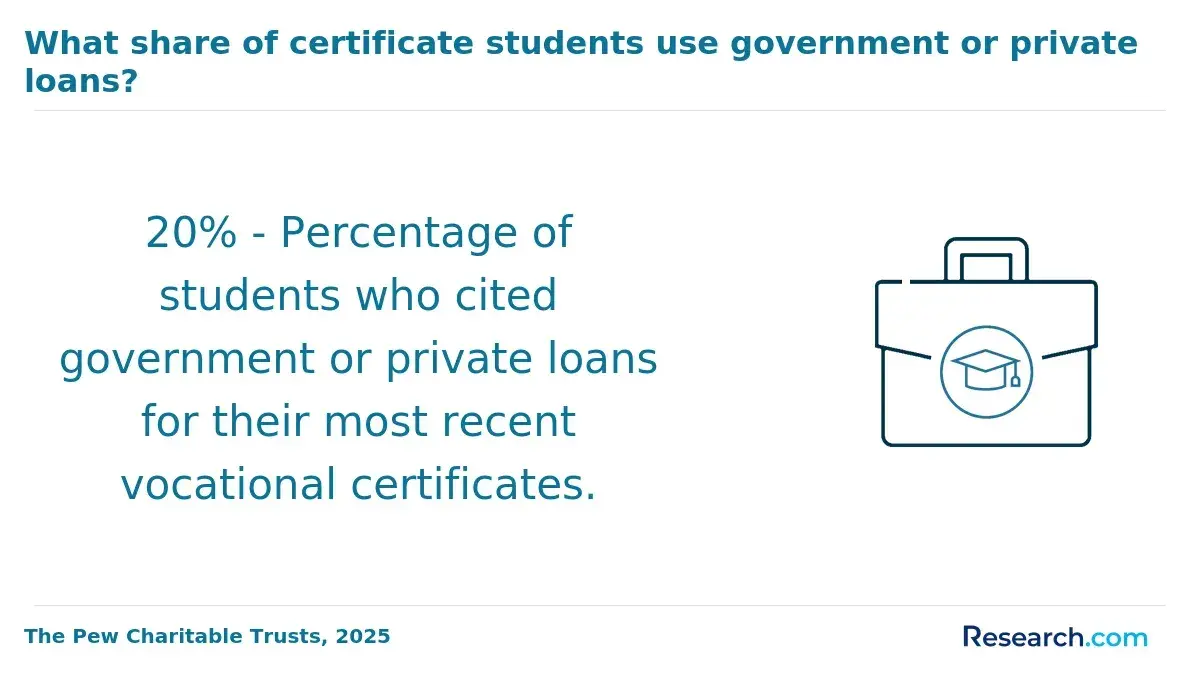
Cost is highly school-specific, so students should compare total cost of attendance rather than tuition alone. The federal Direct Unsubsidized Loan annual limit for graduate or professional students is $20,500 for the 2024-2025 award year, which means many PharmD students who borrow may need institutional aid, scholarships, income, savings, or Grad PLUS loans to cover remaining costs. That financing reality makes debt planning part of program selection.
The table below highlights major cost categories that can differ significantly between online and campus-based PharmD programs.
| Cost category | Why it matters | Question to ask |
| Tuition and professional fees | Usually the largest direct cost and may differ by residency status or cohort model | Is tuition charged per credit, per term, or as a flat professional rate? |
| Campus immersion travel | Online students may still pay for transportation, lodging, meals, and time away from work | How many required visits are there, and how long is each visit? |
| Experiential rotation expenses | APPE rotations may require commuting, temporary housing, parking, immunizations, and onboarding fees | Can required rotations be completed near my home? |
| Technology and materials | Simulation platforms, exam software, devices, and drug information tools may add costs | Which tools are included in tuition and which are separate? |
| Lost income | Full-time rotations can make outside employment difficult | When do students typically reduce or stop working? |
Before enrolling, ask each school for a full cost-of-attendance estimate for your state, your entry term, and your expected pace. Then compare that estimate with expected borrowing, scholarship opportunities, employer tuition support, and your likely ability to work during the program.
The most common cost mistake is choosing the lowest advertised tuition without checking rotation travel, professional fees, loan interest, and whether delayed graduation would add another term of expenses.
What licensure steps must graduates of online PharmD programs complete to become pharmacists?
Graduating from an online PharmD program does not by itself make someone a licensed pharmacist. Licensure is controlled by state boards of pharmacy, and requirements vary by jurisdiction. However, most U.S. pathways include an accredited PharmD, internship or experiential hour requirements, national licensure examinations, and state-specific checks.
The steps below outline the general process students should expect, but applicants should confirm details with the board of pharmacy in the state where they plan to practice.
- Complete an ACPE-accredited PharmD program, including required didactic coursework, skills assessments, IPPEs, and APPEs.
- Meet state intern registration and experiential hour requirements, which may include hours earned through the PharmD curriculum and any additional state requirements.
- Apply to the state board of pharmacy for eligibility to test and submit required documentation, background checks, and fees.
- Pass the North American Pharmacist Licensure Examination, commonly called the NAPLEX.
- Pass the Multistate Pharmacy Jurisprudence Examination or a state-specific pharmacy law exam if required by the licensing state.
- Complete any additional state requirements, such as age, moral character, immunization authority, controlled substance registration, or continuing education rules.
Students should also understand license transfer and reciprocity rules if they may move after graduation. A program that works well for one state may require extra steps for another, especially if state authorization, intern hours, or jurisprudence requirements differ.
A practical safeguard is to save program disclosures, experiential hour records, course descriptions, immunization training documentation, and board correspondence. These records can be useful when applying for licensure, residency, or license transfer.
What careers, practice settings, and advanced roles are available after an online PharmD?
An online PharmD can lead to the same broad pharmacist career categories as a campus PharmD when the program is accredited and the graduate becomes licensed. Career options depend on licensure, residency training, experience, location, employer needs, and sometimes board certification.
The table below summarizes common practice settings and how the pharmacist's work may differ across them.
| Practice setting | Typical responsibilities | Common advancement path |
| Community pharmacy | Dispensing, immunizations, medication counseling, adherence support, point-of-care services, and safety checks | Pharmacy manager, district support, clinical services lead, ownership, or ambulatory care transition |
| Hospital or health-system pharmacy | Medication verification, clinical rounds, sterile products oversight, antimicrobial stewardship, transitions of care, and formulary support | PGY1 residency, specialist role, operations manager, or pharmacy leadership |
| Ambulatory care | Chronic disease management, medication therapy management, collaborative practice, patient education, and outcomes tracking | Residency training, board certification, clinic leadership, or population health role |
| Managed care | Formulary management, prior authorization, utilization review, quality measures, and cost-effectiveness analysis | Clinical program manager, pharmacy benefits leadership, or health plan strategy role |
| Industry, informatics, or research | Medical information, pharmacovigilance, clinical trials, data systems, drug safety, or evidence review | Fellowship, informatics specialization, medical affairs, or regulatory leadership |
Advanced roles often require more than the PharmD. Hospital specialist roles may prefer residency training. Ambulatory care positions may value collaborative practice experience and board certification. Industry and regulatory careers may reward fellowships, research experience, or data skills.
Healthcare careers also overlap. For example, nurses considering leadership-oriented online pathways may compare pharmacy with the best value nursing education online WGU discussion to understand how different clinical degrees lead to different scopes of practice, licensure obligations, and advancement options.
Pharmacy is a strong fit for students who like applied science, patient counseling, medication safety, and evidence-based decision-making. It is a weaker fit for students who want a short credential, dislike high-stakes exams, or prefer healthcare roles without licensure and continuing education obligations.
What is the salary outlook and job demand for pharmacists with an online PharmD?
The salary outlook for pharmacists remains strong relative to many graduate-level healthcare roles, but it should be evaluated alongside debt, geography, work setting, and schedule expectations. The Bureau of Labor Statistics reported a May 2024 median annual wage of $137,480 for pharmacists. For students, that figure is best used as a midpoint for national comparison, not a prediction of a first job offer.
Job demand is more nuanced than salary alone. BLS projects pharmacist employment to grow 5% from 2024 to 2034, which is about as fast as the average for all occupations. Demand is influenced by healthcare access needs, medication complexity, immunization and clinical service expansion, hospital staffing, mail-order pharmacy, automation, and changing retail pharmacy business models.
Technology is reshaping the profession rather than eliminating the need for clinical judgment. Automation can support dispensing, inventory, verification workflows, and adherence outreach, while pharmacists are increasingly expected to interpret complex medication regimens, manage safety risks, counsel patients, and work with interprofessional teams. Students who build skills in informatics, pharmacogenomics, population health, chronic disease management, and medication safety may have more flexible career options.
To evaluate return on investment, compare your projected total borrowing with realistic entry routes in your target region. A student pursuing community pharmacy near home may evaluate ROI differently from a student planning residency, fellowship, or relocation. The strongest decision is not always the cheapest program; it is the accredited program that offers the best combination of licensure alignment, clinical placement support, manageable cost, and career fit.
Other Things You Should Know About PharmD
It may be possible during some early coursework, but it becomes difficult during labs, exams, IPPEs, and especially APPE rotations. Ask programs for sample weekly schedules before assuming full-time work is realistic.
Graduates of accredited PharmD programs may pursue residencies, but selection is competitive. Residency programs typically evaluate academic performance, clinical rotations, recommendations, leadership, work experience, and interview performance rather than delivery format alone.
Many online PharmD programs in 2027 have made the PCAT optional, focusing instead on evaluating applicants through academic records, letters of recommendation, and personal statements. Emphasis is often placed on undergraduate coursework and any relevant healthcare experience instead.
Ask about ACPE status, state authorization, rotation placement responsibility, campus visit requirements, NAPLEX preparation, total cost of attendance, remediation policies, and whether the curriculum meets licensure requirements in your target state.
References
- Pharmacy Doctorate (PharmD) Salary and Career Outlook https://teach.com/online-ed/healthcare-degrees/online-pharm-d-programs/pharmacy-doctorate-salary-career-outlook/
- Distance Doctor of Pharmacy Program https://pharmdonline.findlay.edu/programs/online-pharm-d
- Elevate Your PharmD Degree with the FlexPharmD: A Flexible Path to Success https://www.unthealth.edu/college-of-pharmacy/doctor-of-pharmacy-pharmd.html
- PharmCAS https://www.pharmcas.org/school-directory/explore-and-compare/post_bs_programs
- Online PharmD Programs (2026): Accredited Distance & Hybrid Pathways https://www.pharmacyschoolfinder.org/online-pharmd-programs/
- Earn Your PharmD with Flexibility: Explore the Hybrid Program at West Coast University | West Coast University https://westcoastuniversity.edu/blog/earn-your-pharmd-with-flexibility-explore-the-hybrid-program-at-west-coast-university
- A Closer Look at Pharmacist Schooling https://www.creighton.edu/blog/closer-look-pharmacist-schooling
- Client Challenge https://www.slideshare.net/slideshow/pharmacy-careers-pharmacist-practice-settings/65070419
- International Students and Graduates https://www.aacp.org/resource/international-students-and-graduates
- Best Online PharmD Programs https://pharmddegree.com/choosing/best-online-pharmd-programs