2027 How to Compare Online PharmD Programs by Licensure Preparation

Co-Founder and Chief Data Scientist
Choosing an online PharmD program is really a licensure decision, the wrong fit can delay your ability to sit for exams or complete required rotations. The U.S. Bureau of Labor Statistics projects pharmacist employment to grow 5% from 2023 to 2033, so preparation quality matters for applicants planning a regulated healthcare career.
This guide is for prospective pharmacy students comparing online or hybrid PharmD options. You will learn how to evaluate accreditation, NAPLEX readiness, state requirements, costs, timelines, and career outcomes so you can choose a program with fewer surprises.
Key Things You Should Know
- For U.S. pharmacist licensure, prioritize ACPE-accredited PharmD programs and verify state board requirements before applying, online delivery alone does not determine eligibility.
- The BLS reports a median pharmacist pay of $136,030 and projected employment growth of 5% for 2023 to 2033, but outcomes vary by setting, location, residency training, and licensure status.
- Strong licensure preparation depends on NAPLEX-focused coursework, MPJE or state law support, supervised IPPE and APPE rotations, published board-pass outcomes, and clinical skills assessment.
What should you look for in accreditation when comparing online PharmD programs for licensure?
Accreditation is the first filter when comparing online PharmD programs for licensure preparation. In the United States, a professional PharmD program should be accredited by the Accreditation Council for Pharmacy Education, commonly called ACPE, because state boards generally rely on ACPE-recognized professional education when determining eligibility for pharmacist licensure.
Do not assume "online," "hybrid," or "distance pathway" means the same thing as licensure-ready. A program can offer online coursework while still requiring in-person labs, campus intensives, and supervised pharmacy practice experiences. The key question is whether the professional PharmD pathway itself is ACPE-accredited or formally in the ACPE accreditation process, not whether the school has general institutional approval.
The table below summarizes accreditation checkpoints that matter most for licensure. Use it to separate essential requirements from helpful but secondary signals.
| Accreditation item | Why it matters for licensure preparation | What to ask the school |
| ACPE accreditation status | State boards commonly use ACPE-accredited PharmD completion as a core education requirement for licensure eligibility. | Is this exact online or hybrid PharmD pathway ACPE-accredited, candidate status, or pre-candidate status? |
| Institutional accreditation | Institutional accreditation affects federal financial aid eligibility, credit transfer, and overall school legitimacy. | Which institutional accreditor recognizes the university, and is the campus offering the PharmD included? |
| Experiential education approval | Licensure preparation depends on supervised pharmacy practice experiences, not only online coursework. | How are IPPE and APPE sites approved, supervised, documented, and evaluated in my state? |
| State authorization | Some programs may not be authorized to enroll students in every state or place students in rotations everywhere. | Can the program enroll students from my state and arrange required placements there? |
| Board exam transparency | NAPLEX outcomes help you evaluate whether graduates are academically prepared for licensure exams. | Where can I find recent first-time NAPLEX pass-rate data for this program? |
A common mistake is checking only the university's overall accreditation and skipping program-level verification. For PharmD licensure, the professional pharmacy program's status is the critical piece. If admissions staff cannot clearly explain ACPE status, state authorization, and experiential placement policies, treat that as a red flag.
How do online PharmD programs prepare students for NAPLEX and state licensure exams?
Online PharmD programs prepare students for licensure through a combination of didactic coursework, clinical simulations, supervised pharmacy practice experiences, and board exam review. The main national exam is the NAPLEX, which assesses whether a candidate can apply pharmacy knowledge to patient care and medication-use decisions. Many states also require the MPJE or another state-specific pharmacy law examination.
The National Association of Boards of Pharmacy publishes school-level NAPLEX pass-rate information, including recent reporting made available in 2024. Applicants should use those reports carefully: a pass rate is not a personal outcome guarantee, but it can reveal whether a program has a consistent record of preparing students for the licensing exam.
When comparing programs, look for licensure preparation that is built into the curriculum rather than added as a last-minute review. The strongest programs usually combine several forms of support:
- Required NAPLEX-style assessments throughout pharmacotherapy, calculations, patient safety, and pharmacy practice courses.
- Structured remediation plans for students who underperform on benchmark exams or clinical skills assessments.
- Integrated pharmacy law preparation that addresses MPJE-style reasoning and state-specific legal differences.
- Objective structured clinical examinations, commonly called OSCEs, that test counseling, clinical decision-making, and communication.
- Capstone or cumulative review experiences before advanced pharmacy practice experiences and graduation.
- Faculty advising that tracks academic risk early instead of waiting until the final professional year.
Ask whether board review fees are included in tuition, whether students receive adaptive question banks, and how the school supports graduates who do not pass on the first attempt. A program that talks openly about remediation and exam analytics is usually more useful than one that only advertises a high-level "board prep included" promise.
What is the difference between online and campus PharmD formats for licensure readiness?
The biggest difference between online and campus PharmD formats is delivery, not the licensure endpoint. Both formats must prepare students for the same pharmacist licensure process: completion of an acceptable PharmD curriculum, supervised experiential hours, NAPLEX, state law requirements, and any state-specific documentation.
Online PharmD programs are usually hybrid in practice. They may deliver lectures, discussions, and some assessments online, but students still complete in-person labs, skills intensives, introductory pharmacy practice experiences, and advanced pharmacy practice experiences. The table below compares the decision factors that most directly affect licensure readiness.
| Comparison factor | Online or hybrid PharmD | Campus PharmD | Licensure readiness question |
| Course delivery | Online lectures, virtual discussions, remote assessments, and scheduled live sessions may be used. | Most instruction occurs in classrooms, labs, and campus-based learning spaces. | Are online students assessed with the same academic standards as campus students? |
| Skills labs | Often completed during campus intensives or regional in-person sessions. | Usually completed on campus throughout the term. | How often must I travel, and what skills are assessed in person? |
| Rotations | May be arranged near the student, through school-approved sites, or in assigned regions. | Often tied to the school's established local or regional network. | Can the school secure required placements where I am authorized to train? |
| Peer and faculty access | Depends heavily on virtual office hours, advising systems, and cohort design. | More spontaneous access may be available through campus presence. | How quickly can I reach faculty when I struggle academically or clinically? |
| Schedule fit | May reduce relocation needs, but not necessarily workload or clinical availability demands. | May offer clearer routines but usually requires living near campus. | Can I meet attendance, lab, and rotation requirements without delaying graduation? |
Online formats can work well for disciplined students who need geographic flexibility and can travel for required in-person components. Campus formats may be better for students who want daily face-to-face contact, easier access to labs, and a more traditional learning environment. Neither option is automatically stronger for licensure; the better choice is the one with verified accreditation, reliable rotation access, strong exam outcomes, and support that matches how you learn.
How can you verify that an online PharmD program meets your state's licensure requirements?
State licensure rules vary, so verification should happen before you apply, before you enroll, and again before rotations begin. This is especially important for online PharmD students because their school, residence, rotation site, and intended licensing state may not all be the same.
Use the following sequence to reduce the risk of enrolling in a program that does not fit your state's rules. Keep written records of answers from the school and the state board because requirements can change.
- Identify the state where you plan to seek your first pharmacist license, not just the state where the school is located.
- Review that state board of pharmacy's education, internship, exam, background check, and application requirements.
- Confirm that the PharmD pathway is ACPE-accredited or otherwise acceptable to that specific state board.
- Ask the program whether it is authorized to enroll students from your state and whether it can place students in approved experiential sites there.
- Confirm whether the state requires the MPJE, a state-specific law exam, internship hour documentation, fingerprinting, or additional jurisprudence training.
- Ask how the school documents IPPE and APPE hours and whether its reporting format matches board expectations.
- Before accepting an offer, request a written licensure disclosure that states whether the program meets, does not meet, or has not determined requirements for your state.
One red flag is vague language such as "graduates should be eligible everywhere" without state-specific documentation. A stronger answer names the states the program serves, explains any limitations, and directs you to the relevant licensure disclosure. If you may move after graduation, ask about multi-state licensure planning and score transfer policies early.
What PharmD curriculum components are essential for strong licensure preparation online?
A licensure-focused PharmD curriculum should teach more than drug facts. It should train students to make safe medication decisions, communicate with patients and prescribers, manage pharmacy systems, understand law and ethics, and apply evidence in real clinical settings. Online delivery can support these goals, but only if the curriculum includes structured assessment and hands-on practice.
The table below shows the curriculum components that most directly support NAPLEX readiness, state licensure, and early pharmacist performance.
| Curriculum component | Licensure preparation value | What strong online programs provide |
| Pharmacotherapy | Builds the clinical reasoning tested on NAPLEX and used in patient care. | Case-based learning, cumulative exams, disease-state integration, and faculty feedback. |
| Pharmaceutical calculations | Supports safe dosing, compounding, infusion, and medication-use decisions. | Frequent low-stakes practice and proctored competency checks. |
| Pharmacy law and ethics | Prepares students for MPJE or state law exams and regulated practice. | State-specific resources, legal scenario analysis, and controlled-substance training. |
| Patient communication | Supports counseling, immunization conversations, adherence support, and interprofessional care. | Recorded simulations, live OSCEs, standardized patients, and rubric-based assessment. |
| IPPE and APPE rotations | Connects classroom learning with supervised practice required for licensure preparation. | Approved sites, clear preceptor expectations, and documented competencies. |
| Informatics and medication safety | Prepares students for electronic health records, clinical decision support, automation, and error prevention. | Training with pharmacy systems, safety reporting, data interpretation, and technology-enabled care. |
Current practice trends make informatics, telepharmacy, automation oversight, pharmacogenomics, and patient-care documentation increasingly important. Artificial intelligence and automated dispensing systems can support pharmacists, but they also raise the need for professionals who can verify clinical accuracy, recognize risk, and communicate clearly with patients.
When reviewing a curriculum map, look for evidence that licensure skills are assessed repeatedly. A common mistake is choosing a program with convenient online lectures but limited live skills practice, weak rotation coordination, or little feedback before high-stakes exams.
What admission requirements do online PharmD programs typically have for prospective licensure candidates?
Admission requirements vary by school, but most online PharmD programs look for academic readiness in science, evidence of communication skills, and the maturity to complete a professional healthcare curriculum. Applicants should compare requirements early because missing prerequisites can delay entry by a year or more.
Typical requirements may include the following, although each program sets its own standards and deadlines:
- Prerequisite coursework in biology, chemistry, organic chemistry, anatomy or physiology, microbiology, calculus or statistics, English, and social sciences.
- A minimum overall and science GPA, with competitive applicants often showing stronger performance in recent science courses.
- Official transcripts from all colleges attended, including community colleges and dual-enrollment coursework.
- Letters of recommendation from faculty, pharmacists, employers, or healthcare supervisors.
- A personal statement explaining motivation for pharmacy practice and readiness for an online or hybrid format.
- An interview, which may assess ethical judgment, communication, teamwork, and understanding of the profession.
- Background checks, drug screening, immunization records, CPR certification, or other clinical site requirements after admission.
The PCAT has become less central in many admissions processes, and some programs no longer require it. That makes transcripts, prerequisite grades, healthcare exposure, and interviews even more important. If you are comparing traditional timelines with accelerated pharmacist programs, pay close attention to whether the faster option leaves enough time for academic recovery, work obligations, and rotation travel.
Online PharmD programs are usually best for applicants who are self-directed, comfortable with technology, and able to protect time for labs and experiential learning. They may be a poor fit for students who need a highly structured daily campus routine or cannot travel for required in-person components.
How long do online PharmD programs take, and how does program length affect licensure timing?
Most professional PharmD programs take about three to four years after prerequisites, though timelines vary by structure, transfer credit, academic calendar, and whether the program is accelerated. Program length matters because pharmacist licensure generally cannot move faster than completion of required coursework, experiential education, graduation verification, and board exam authorization.
Online PharmD students should be especially careful about experiential timing. ACPE standards include substantial pharmacy practice experiences, including advanced pharmacy practice experiences that typically occur in the final phase of the program. Even if didactic courses are online, rotations require availability at approved practice sites and may follow full-time schedules.
Use this comparison to understand how timeline choices can affect licensure planning.
| Program timeline | Who it may fit | Licensure timing trade-off |
| Three-year accelerated PharmD | Students who can handle year-round study and limited breaks. | May shorten time to graduation, but leaves less room for work, remediation, or schedule disruptions. |
| Four-year PharmD | Students who want a more traditional academic rhythm and broader co-curricular opportunities. | May provide more time for leadership, research, internships, and residency preparation. |
| Part-time or extended pathway | Students balancing significant work, caregiving, or academic rebuilding. | May improve sustainability but delays exam eligibility and entry into licensed practice. |
| Transfer or advanced standing pathway | Students with prior professional coursework or a completed pharmacy degree from another context. | May reduce repeated coursework only if the school and licensing board accept prior credits. |
Applicants considering healthcare careers outside pharmacy should compare the licensure timeline with other clinical or administrative routes. For example, direct entry MSN programs for non-nurses online may appeal to career changers who want a nursing pathway rather than pharmacist licensure, but they lead to different exams, roles, and state board requirements.
The practical takeaway is simple: choose the shortest program only if it still provides strong academic support, reliable rotations, and realistic exam preparation time. A slightly longer pathway can be the better decision if it improves readiness and reduces the risk of delayed progression.
What tuition, fees, and financial aid factors matter when comparing online PharmD programs?
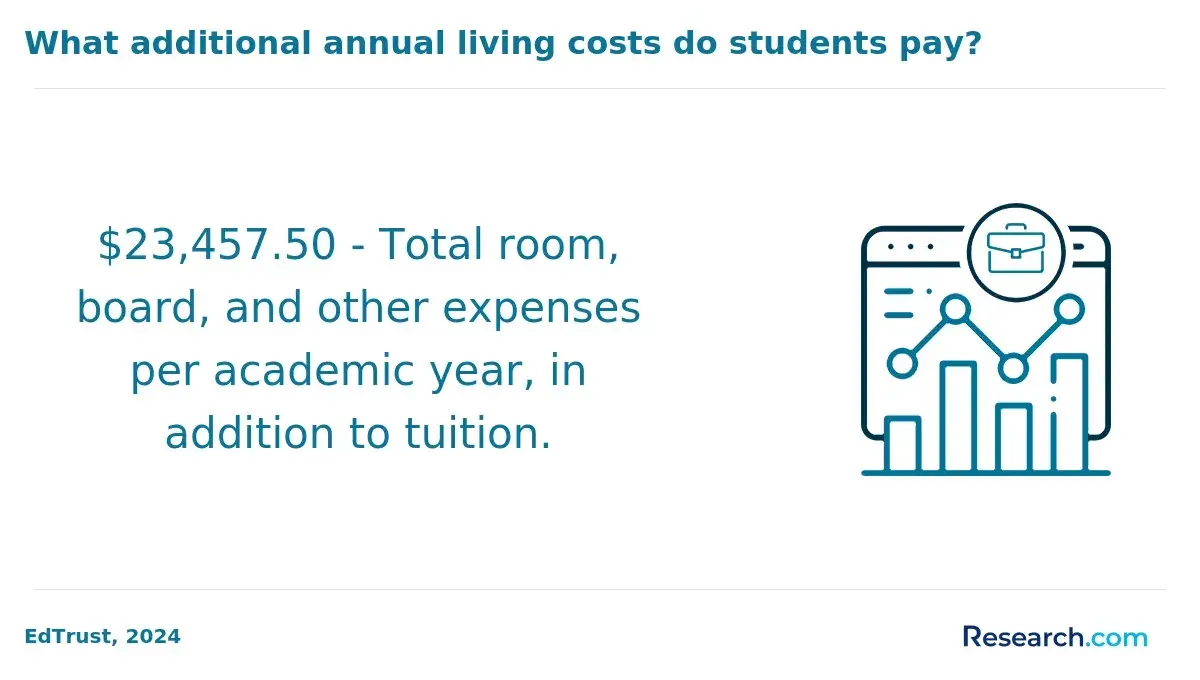
Cost comparisons should go beyond tuition per credit. Online PharmD students may still pay professional program fees, technology fees, lab fees, clinical placement expenses, travel costs for campus intensives, background checks, immunizations, exam preparation costs, and licensure application fees. The best comparison is total cost of attendance, not the advertised tuition line.
For federal aid planning, graduate and professional students may be eligible for Direct Unsubsidized Loans, with an annual limit of $20,500 for many eligible students, and may use Grad PLUS Loans up to the school-certified cost of attendance if they qualify. This matters because a program with higher indirect costs can increase borrowing even when tuition looks competitive.
The table below shows cost categories that commonly affect online PharmD affordability and return on investment.
| Cost factor | Why it matters | Comparison question |
| Tuition structure | Programs may charge by credit, term, professional year, or cohort. | What is the total tuition through graduation if I progress on time? |
| Professional and lab fees | PharmD programs often require simulations, skills labs, testing platforms, and clinical tools. | Which fees are mandatory, and are they included in the published estimate? |
| Travel and residency costs | Online students may need to attend campus intensives or travel to rotation sites. | How many in-person visits are required, and who pays for travel and lodging? |
| Rotation-related expenses | APPE schedules may make full-time work difficult and can require relocation or commuting. | Can I complete rotations near home, or should I budget for temporary housing? |
| Exam and licensure costs | NAPLEX, law exams, background checks, and state applications add costs near graduation. | Which board review and licensing expenses are included, if any? |
| Scholarships and employer support | Institutional aid, service commitments, and employer benefits can change net cost. | What aid is renewable, and what GPA or enrollment conditions apply? |
Common mistakes include comparing only first-year tuition, ignoring interest on loans, assuming online means cheaper, and forgetting that full-time rotations can reduce income. Ask each school for a written cost-of-attendance estimate for your exact pathway and state of residence. Then compare net cost against licensure readiness indicators such as accreditation, pass-rate history, rotation access, and graduate outcomes.
How do career outcomes, residency placement, and job roles differ among online PharmD graduates?
Online PharmD graduates who become licensed pharmacists can pursue many of the same practice settings as campus graduates, but career outcomes depend on licensure, clinical experience, residency training, networking, geography, and employer preferences. The diploma format is usually less important than whether the program is accredited, whether rotations are strong, and whether the graduate can demonstrate practice-ready skills.
Residency placement is especially important for students targeting clinical, hospital, specialty, academic, or ambulatory care roles. A program's residency advising, preceptor network, research opportunities, and faculty mentorship can affect competitiveness. Ask for recent PGY1 match participation, the types of sites where graduates match, and how many students pursued residency compared with how many matched.
The table below outlines common paths after an online PharmD and the preparation signals that matter for each.
| Career path | Typical responsibilities | Preparation signals to compare |
| Community pharmacist | Dispensing, counseling, immunizations, medication therapy support, and patient safety checks. | Community APPE quality, patient counseling practice, immunization training, and workflow simulations. |
| Hospital or health-system pharmacist | Medication verification, clinical consults, sterile products, rounds, transitions of care, and safety protocols. | Hospital rotations, residency advising, acute care pharmacotherapy, and interprofessional training. |
| Ambulatory care pharmacist | Chronic disease management, medication optimization, adherence support, and collaborative practice. | Primary care rotations, motivational interviewing, documentation training, and population health coursework. |
| Specialty pharmacy or managed care | Prior authorization, specialty medication support, outcomes monitoring, and formulary-related work. | Managed care electives, specialty pharmacy exposure, data analysis, and payer-system knowledge. |
| Industry, informatics, or regulatory roles | Drug information, safety, medical affairs, technology systems, compliance, or research support. | Electives, internships, informatics training, research experience, and professional networking. |
Some PharmD graduates later move into leadership, operations, compliance, or healthcare management. If your long-term goal is administration rather than direct pharmacist practice, comparing a PharmD with a degree in healthcare administration can clarify whether you need pharmacist licensure or a broader management credential.
Before enrolling, ask schools for outcomes broken down by practice setting rather than broad employment claims. Stronger programs can explain where graduates work, how many pursued residency, what support students received, and how outcomes differ for online cohorts if the pathway is new.
What salary expectations and job outlook can licensed pharmacists anticipate after an online PharmD?
Salary expectations should be based on licensed roles, not simply completion of an online PharmD. According to the U.S. Bureau of Labor Statistics, the median annual pay for pharmacists was $136,030, and pharmacist employment is projected to grow 5% from 2023 to 2033. For students, this suggests a stable professional labor market, but compensation varies by state, setting, schedule, residency training, and local demand.
The salary value of an online PharmD depends on whether the program helps you become licensed on time and compete for the setting you want. Retail, hospital, ambulatory care, specialty pharmacy, managed care, and industry roles may differ in schedules, advancement opportunities, residency expectations, and day-to-day work.
The table below summarizes how career goals can affect the return you should expect from a PharmD investment.
| Goal | What to compare before enrolling | Why it affects ROI |
| Fastest route to licensed practice | Program length, progression rules, NAPLEX preparation, and rotation availability. | Delays in graduation or exam readiness can increase borrowing and postpone income. |
| Hospital or clinical practice | Residency advising, acute care rotations, research opportunities, and faculty mentorship. | Competitive clinical roles may value residency training and strong experiential records. |
| Community pharmacy | Workflow training, immunization certification, patient counseling, and employer partnerships. | Practice-ready skills can affect hiring confidence and early performance. |
| Leadership or administration | Management coursework, dual-degree options, and health-system exposure. | Some leadership tracks may benefit from business or administration training in addition to licensure. |
| Non-dispensing healthcare management | Whether pharmacist licensure is actually required for the desired role. | A PharmD may be more education than needed if the target job is administrative rather than clinical. |
If you are more interested in healthcare leadership than patient-facing pharmacy practice, a masters of health administration may be a more direct route to management roles. The smartest financial decision is the credential that matches the license, job setting, and responsibilities you actually want.
Other Things You Should Know About PharmD
Yes, several online PharmD programs offer pathways for practicing pharmacists with a bachelor's degree. These programs typically focus on advanced clinical skills and licensure preparation, allowing pharmacists to fulfill the requirements to practice at a doctoral level or meet additional state licensure needs.
Some schools allow transfer or prerequisite credit, but professional PharmD coursework is often limited because of sequencing, accreditation standards, and competency requirements. Ask for a transcript evaluation before assuming prior credits will shorten the program.
Students typically need a reliable computer, high-speed internet, webcam, microphone, secure testing software, and access to required pharmacy databases or learning platforms. Because proctored exams and live skills sessions may be mandatory, students should check hardware and privacy requirements before classes begin.
References
- What Is the NAPLEX Exam? https://pharmddegree.com/license/what-is-the-naplex-exam
- Distance Doctor of Pharmacy Program https://pharmdonline.findlay.edu/programs/online-pharm-d
- Admission Requirements https://www.ualberta.ca/en/pharmacy/programs/pharmd-doctor-of-pharmacy/admission-requirements.html
- Unlocking the Perfect Fit: Your Ultimate Guide to Selecting the Ideal Pharmacy School https://pharmacyforme.org/2024/02/29/unlocking-the-perfect-fit-your-ultimate-guide-to-selecting-the-ideal-pharmacy-school
- Pharmacy Accreditation | NABP Accreditation Programs https://nabp.pharmacy/programs/accreditations/
- Pharmacy School Costs in 2025 https://pharmacy.uworld.com/blog/how-much-does-pharmacy-school-cost/
- Pharmacy Career Outlook: Is a Career in Pharmacy Worth It? - Roseman University https://www.roseman.edu/student-experience/news/pharmacy-career-outlook-is-a-career-in-pharmacy-worth-it/
- No Going Back: Should Pharmacy Exams Be One-Way Streets? https://pulsesrx.com/2026/01/06/no-going-back-should-pharmacy-exams-be-one-way-streets/
- Assessing the Change in Career Choice of Doctor of ... https://trendsinpharmacy.org/index.php/pub/article/download/64/33
- Pharmacy Doctorate (PharmD) Salary and Career Outlook https://teach.com/online-ed/healthcare-degrees/online-pharm-d-programs/pharmacy-doctorate-salary-career-outlook/