2027 Most Affordable Online Sterile Processing Technician Certificate Programs

Co-Founder and Chief Data Scientist
Choosing an affordable online sterile processing technician certificate is not just a tuition comparison. The better question is whether the program prepares you for real sterile processing work, certification exams, hands-on experience requirements, and entry-level hiring in hospitals, surgery centers, clinics, dental offices, and related healthcare settings. A low-cost program can be a smart move if it covers infection control, decontamination, instrumentation, sterilization methods, and certification preparation without leaving you to figure out clinical experience on your own.
This guide is for students, career changers, healthcare support workers, and recent graduates who want a practical route into sterile processing without committing to a long degree program. You will learn what online certificate programs include, how much listed programs cost, what certification and hands-on requirements may apply, where graduates can work, what salary ranges to expect, and how to avoid choosing a program that looks cheap but fails to support your career goals.
Quick answer: Is an affordable online sterile processing technician certificate worth it?
An affordable online sterile processing technician certificate can be worth it if the program prepares you for national certification, explains the 400-hour hands-on experience requirement where applicable, includes current infection control and instrument processing content, and is offered by a credible institution. The best choice is usually not the cheapest option alone; it is the lowest-cost program that still provides certification preparation, student support, transparent pricing, and a realistic pathway to clinical or workplace experience.
| Decision point | What to look for | Why it matters |
| Career fit | Interest in infection control, instruments, procedures, and behind-the-scenes healthcare work | Sterile processing is essential but detail-heavy and protocol-driven. |
| Program cost | Tuition, payment plans, books, exam vouchers, background checks, and clinical costs | A program with a low sticker price may still cost more if required items are not included. |
| Certification preparation | CRCST, CBSPD, CSPDT, or related exam preparation | Many employers prefer or require certification-ready candidates. |
| Hands-on experience | Externship, clinical placement, lab work, or clear guidance on experience requirements | Some certification routes require documented practical experience. |
| Recognition | Institutional accreditation or alignment with recognized industry bodies | Credibility can affect employer trust, transfer options, and continuing education plans. |
What are the benefits of getting an online sterile processing technician certificate qualification?
- Direct entry into healthcare support: A certificate can prepare you for roles such as Sterile Processing Technician, Central Service Technician, or medical equipment preparer without requiring a lengthy degree.
- Practical earning potential: Reported pay commonly falls around $19-$27 per hour, with annual salary ranges of $39,000-$56,000 depending on experience, location, employer, and certification.
- Flexible access to training: Online and hybrid options can help working adults, caregivers, and career changers study around existing responsibilities.
- Foundation for advancement: Sterile processing experience may support later movement into lead technician roles, surgical technology, healthcare operations, or management-focused education.
What can I expect from an online sterile processing technician certificate program?
Online sterile processing technician programs usually combine healthcare fundamentals with job-specific training in infection prevention and instrument reprocessing. The online portion often covers theory, terminology, regulations, and procedures, while the strongest programs also provide labs, simulations, externship support, or clear instructions for completing required hands-on hours.
- Core technical training: Expect lessons on decontamination, sterilization, surgical instrumentation, infection control, quality assurance, storage, distribution, and inventory practices.
- Applied learning tools: Some programs use virtual labs, interactive modules, simulations, case scenarios, or structured practice activities to reinforce sterile processing workflows.
- Certification exam preparation: Many programs are built around national exams such as the CRCST, while others may prepare students for CBSPD or related credentials.
- Flexible pacing: Several programs are self-paced and can be completed in months, but students should confirm whether instructor access, tutoring, and career support are included.
Where can I work with an online sterile processing technician certificate qualification for 2025?
Certificate holders typically seek work in facilities that clean, assemble, sterilize, store, and distribute medical instruments or equipment. Hospitals remain the most visible employment setting, but sterile processing knowledge is also used in outpatient and specialty environments.
- Hospitals: Many technicians work in Sterile Processing Departments, Central Service, or related operating room support areas.
- Ambulatory surgery centers: Outpatient surgical facilities need reliable instrument preparation and sterilization workflows.
- Specialty clinics and dental offices: Facilities that perform invasive procedures or use reusable instruments may require sterile processing support.
- Medical device manufacturing and sterilization services: Some workers support sterilization, packaging, documentation, or quality control for medical products.
- Other settings: Veterinary clinics, research labs, mobile surgical units, and third-party sterilization providers may also need related skills.
- Longer-term options: Experience may support advancement into lead roles, surgical technology, quality assurance, training, or healthcare operations.
How much can I make with an online sterile processing technician certificate qualification for 2025?
Pay varies by location, employer, shift, certification status, and experience. A certificate alone does not guarantee a specific wage, but it can help you qualify for entry-level roles and prepare for certification that may improve employability.
- Entry-level pay: New technicians commonly see $17-$20 per hour, or about $35,000-$42,000 annually.
- Experienced technician pay: With experience, wages may rise to $20-$24 per hour, or about $41,000-$50,000 annually.
- Advanced or leadership roles: Lead, senior, or specialized positions may reach $25-$30+ per hour, or $52,000-$62,000+ annually.
- Most Affordable Online Sterile Processing Technician Certificate Programs for 2027
- Coursework in an Affordable Online Sterile Processing Technician Certificate Program
- Admission Requirements for Affordable Online Sterile Processing Technician Programs
- How to Check Whether a Program Matches Your Career Goals
- Scholarships, Grants, Payment Plans, and Financial Aid Options
- Career Prospects After Completing a Sterile Processing Certificate
- Salary Expectations After an Affordable Online Certificate
- Job Outlook and Employment Trends
- Accreditation and Industry Recognition
- Quality Factors to Compare Before Enrolling
- Online vs. Traditional Sterile Processing Technician Programs Program quality checklist
- How Healthcare Administration Study Can Support Advancement
- Current Industry Trends and Future Outlook
- Continuing Education After a Sterile Processing Certificate
- Additional Career Pathways Your Certificate May Support Continuing education options Industry trends
Most Affordable Online Sterile Processing Technician Certificate Programs for 2027
The programs below were selected from the provided list and should be evaluated carefully before enrollment. Costs, formats, accreditation status, clinical requirements, and certification preparation vary. Always confirm current tuition, admissions policies, exam eligibility, externship availability, and state or employer requirements directly with the school.
| Program | Format and length | Listed cost | Best fit |
| Ashworth College | Self-paced, average 4–6 months | $999 pay in full or $1,249 monthly payments | Students seeking a DEAC-accredited, fully online career diploma with CRCST preparation |
| Calhoun Community College | 3 terms | In-State: $129.00/credit hour; Out-of-State: $258.00/credit hour | Students interested in a surgical technology A.A.S. with sterile field and operating room training |
| Central Piedmont Community College | 562-hour program; length not specified | North Carolina Residents: $76/credit hour; Non-North Carolina Residents: $268/credit hour | Students who want online coursework plus a required clinical externship when applications are available |
| Eastern Iowa Community Colleges | 3 terms | In-State: $209/credit; Online & Nearby Illinois Counties: $230/dredit; Out-of-State: $276/credit | Students seeking surgical technology training with clinical rotations and lab sessions |
| El Paso Community College | 12 Months, Self paced; 190 Course Hrs | $885 in-district, $1,590 out-of-district, $3,300 out-of-state | Students who want CRCST preparation with a prepaid exam voucher |
| Health Tech Academy | 16 weeks | $266/month or $2,900 upfront payment | Students looking for a structured bootcamp-style online program with mentorship and career coaching |
| North Central Texas College | 1 semester, 16 weeks | $522 | Students seeking a short 3-credit entry-level certificate |
| Portland Community College | One term, 42 hours online and hands-on hospital training | $1,498 | Students who want a hybrid program with hospital-based training requirements |
| U.S. Career Institute | 4-9 months, part-time and self-paced | $69/month | Students who want open enrollment, DEAC accreditation, and self-paced study |
1. Ashworth College
Ashworth College provides a fully online Sterile Processing Technician Career Diploma designed for students who need flexible scheduling. The program focuses on decontamination, sterilization, safe medical equipment handling, medical terminology, aseptic practices, pathogen awareness, inventory procedures, HIPAA, patient privacy, quality assurance, and professional readiness. Students move through five lesson groups that progress from foundational healthcare language to sterile processing technologies and quality systems. The curriculum is intended to help graduates prepare for the Healthcare Sterile Processing Association Certified Registered Central Service Technician exam.
- Program Length: Self-paced, with an average completion time of 4–6 months
- Tracks/Concentrations: None
- Tuition Cost: $999 pay in full or $1,249 through monthly payments
- Required Credits to Graduate: Not credit-based; career diploma
- Accreditation: Distance Education Accrediting Commission (DEAC)
2. Calhoun Community College
Calhoun Community College offers an Associate in Applied Science in Surgical Technology rather than a short sterile processing-only certificate. The program prepares students for operating room roles and includes training in surgical procedures, sterile field maintenance, instrument and equipment handling, and patient safety. Students complete three terms of study, must earn a grade of 75% or higher in each ST course to progress, and complete at least 200 externship hours. Graduates may sit for the Certified Surgical Technologist exam, which is preferred by employers in Alabama. Admission is selective and applications are accepted twice each year.
- Program Length: 3 terms
- Tracks/Concentrations: None
- Tuition Cost: In-State: $129.00/credit hour; Out-of-State: $258.00/credit hour
- Required Credits to Graduate: 62 credits, including 33 program core credits
- Accreditation: Commission on Accreditation of Allied Health Education Programs (CAAHEP)
3. Central Piedmont Community College
Central Piedmont Community College offers a Sterile Processing Certificate that combines online coursework with a required clinical externship. The 562-hour course trains students in sterilization, disinfection, instrument and supply preparation, equipment handling, and inventory processes. Students must complete three required courses to earn the certificate. The program is designed to support eligibility for CBSPD and HSPA certification exams. Because the application process is currently paused, prospective students should verify availability before building their timeline around this option.
- Program Length: Not specified
- Tracks/Concentrations: None
- Tuition Cost: North Carolina Residents: $76/credit hour; Non-North Carolina Residents: $268/credit hour
- Required Credits to Graduate: 3 courses
- Accreditation: Healthcare Sterile Processing Association Credential (CBSPD) and Certification Board for Sterile Processing and Distribution (HSPA)
4. Eastern Iowa Community Colleges
Eastern Iowa Community Colleges offers an online Surgical Technology program that includes sterile technique, instrument handling, and operating room preparation. The program takes two years and prepares graduates to take the Certified Surgical Technologist exam. Iowa’s Last-Dollar Scholarship may cover tuition for eligible students. Coursework includes surgical instruments, sterilization practices, surgeon needs during procedures, human relations, pharmacology, disease processes, and advanced surgical concepts. Students also complete two operating room clinicals, and required lab sessions and clinical rotations must be completed on campus.
- Program Length: 3 terms
- Tracks/Concentrations: None
- Tuition Cost: In-State: $209/credit; Online & Nearby Illinois Counties: $230/dredit; Out-of-State: $276/credit
- Required Credits to Graduate: 64
- Accreditation: Commission on Accreditation of Allied Health Education Programs (CAAHEP) in collaboration with the American College of Surgeons (ACS) and the Association of Surgical Technologists (AST)
5. El Paso Community College
El Paso Community College offers a primarily online Sterile Processing Technician Certificate with a required clinical practicum component. Students study medical terminology, anatomy, infection control, sterilization methods, inventory management, cleaning, and distribution of medical supplies. Students may test out of Medical Terminology by scoring at least 80%. The program prepares learners for the Healthcare Sterile Processing Association Certified Registered Central Service Technician certification and includes a prepaid exam voucher. To earn full CRCST certification, candidates must complete 400 hours of hands-on experience; provisional certification may be available if those hours are completed within six months after passing the exam.
- Program Length: 12 Months, Self paced
- Tracks/Concentrations: None
- Tuition Cost: $885 in-district, $1,590 out-of-district, $3,300 out-of-state
- Required Credits to Graduate: 190 Course Hrs
- Accreditation: Not specified
6. Health Tech Academy
Health Tech Academy offers a 16-week, fully online Sterile Processing Technician program with a bootcamp-style structure. Students learn through virtual simulations, expert instruction, mentorship, and career coaching. Topics include medical terminology, anatomy, microbiology, sterilization techniques, infection control, inventory procedures, and surgical instrument handling. The program includes CRCST exam preparation and a prepaid exam voucher. Students pursuing full CRCST certification must complete 400 hours of hands-on central services experience within six months after passing the exam.
- Program Length: 16 weeks
- Tracks/Concentrations: CRCST Certification Preparation
- Tuition Cost: $266/month or $2,900 upfront payment
- Required Credits to Graduate: Not specified
- Accreditation: Not specified; its programs are approved by an assortment of industry-specific organizations.
7. North Central Texas College
Northcentral Technical College offers a 3-credit Sterile Processing Technician Certificate for entry-level central service preparation. The curriculum covers cleaning, decontamination, packaging, sterilization, medical terminology, anatomy, physiology, and microbiology as they relate to sterile processing. Students complete lecture-based learning and hands-on lab experiences. The program is short, low-cost, and designed to prepare graduates for technician or central services roles. The application is free, and acceptance notices are sent by email after approval.
- Program Length: 1 semester, 16 weeks
- Tracks/Concentrations: None
- Tuition Cost: $522
- Required Credits to Graduate: 3 credits
- Accreditation: Southern Association of Colleges and Schools Commission on Colleges (SACSCOC)
8. Portland Community College (PCC)
Portland Community College offers a hybrid Sterile Processing Technician program that combines online study with hands-on hospital training. The one-term program includes 42 hours of self-directed study and hospital-based learning. Students study infection control, sterilization techniques, inventory management, medical terminology, anatomy, microbiology, and surgical instrument handling. Federal financial aid is not available, and payment is required in full after acceptance. Students should also plan for background checks, drug screening, and vaccination requirements. Certification eligibility may require a year of sterile processing experience plus passing CBSPD or IAHCSMM exams.
- Program Length: One term, with 42 hours online and hands-on hospital training
- Tracks/Concentrations: None
- Tuition Cost: $1,498
- Required Credits to Graduate: Not credit-based; certificate program
- Accreditation: Healthcare Sterile Processing Association (HSPA)
9. U.S. Career Institute
The U.S. Career Institute offers a self-paced online Sterile Processing Technician Certificate Program that can prepare students for certification in as little as four months. The DEAC-accredited program includes instructor support, one-on-one career coaching, and a five-day money-back guarantee. Students study medical terminology, aseptic techniques, infection prevention, inventory management, sterilization processes, surgical instrument handling, workplace safety, and healthcare documentation. The program includes four instructional units and has open enrollment with no waiting period.
- Program Length: 4-9 months, part-time and self-paced
- Tracks/Concentrations: None
- Tuition Cost: $69/month
- Required Credits to Graduate: Not specified; certificate program
- Accreditation: Distance Education Accrediting Commission (DEAC)
What kind of coursework can I expect in an affordable online sterile processing technician certificate program?
A strong sterile processing curriculum should teach the full instrument life cycle: receiving contaminated items, cleaning and inspecting them, assembling and packaging trays, sterilizing items according to protocol, documenting quality checks, storing supplies properly, and distributing sterile instruments to clinical teams.
- Introduction to sterile processing: Explains the role of central service and sterile processing teams in patient safety and surgical readiness.
- Medical terminology: Builds the vocabulary needed to understand instruments, procedures, documentation, and clinical communication.
- Anatomy and physiology: Provides basic body system knowledge that helps technicians understand surgical contexts and instrument use.
- Microbiology and infection control: Covers pathogens, contamination risks, disinfection, sterilization, and healthcare-associated infection prevention.
- Decontamination procedures: Teaches cleaning, sorting, inspecting, and preparing instruments before sterilization.
- Preparation and packaging: Covers tray assembly, wrapping, labeling, packaging, and maintaining sterility.
- Sterilization methods: Reviews processes such as steam, ethylene oxide, and hydrogen peroxide gas plasma.
- Storage and distribution: Explains how sterile supplies should be stored, tracked, transported, and delivered.
- Quality assurance and regulations: Introduces documentation, testing, compliance practices, and standards associated with HSPA and CBSPD expectations.
Some of these topics also appear in broader healthcare pathways. For example, students planning a future transition into nursing or advanced practice may later compare options such as the shortest NP program offerings, but sterile processing programs are primarily designed for technical support roles rather than advanced clinical practice.
According to the BLS in 2024, general medical and surgical hospitals had the highest concentration of employment for medical equipment preparers, with 46,330 professionals. Offices of dentists employed 5,010, outpatient care centers employed 4,140, specialty hospitals excluding psychiatric and substance abuse facilities employed 800, and other ambulatory health care services employed 590. The chart below reinforces that hospitals remain the largest employment setting for workers who prepare medical equipment and help maintain sterile procedural environments.
The employment mix also shows why sterile processing training can transfer across multiple healthcare settings, not just large hospital systems.
What are the prerequisites for admission to affordable online sterile processing technician certificate programs?
Most online sterile processing technician programs have accessible admissions requirements. However, programs with clinical placements may add health, background, or documentation requirements before students can enter a hospital or patient-care environment.
- High school diploma or GED: Most programs require proof that you completed high school or an equivalent credential.
- Minimum age: Many programs expect applicants to be at least 18 years old.
- Computer and internet access: Online students need reliable internet, a suitable computer, and basic technology skills.
- English proficiency: Students must be able to read healthcare instructions, understand technical content, and communicate clearly.
- Clinical clearance: Programs with externships or hospital training may require a background check, drug screening, immunization records, or other health documentation.
Compared with graduate healthcare programs, sterile processing certificates are usually more accessible. For contrast, the prerequisites for speech pathology graduate programs often include specific undergraduate coursework, GPA expectations, and observation requirements. Students who later want to pursue nursing may also explore affordable RN to BSN online programs after meeting separate nursing licensure and admissions requirements.
How can I ensure that the curriculum of an affordable online sterile processing technician certificate program is relevant to my career goals?
Start by identifying your target role. A student aiming for a hospital sterile processing job should prioritize certification preparation and hands-on experience, while someone interested in operating room support may need a surgical technology pathway instead. Use the curriculum as evidence, not marketing language.
- Check accreditation or institutional recognition: Confirm whether the school is accredited or whether the program is recognized by relevant employers or industry bodies.
- Confirm exam alignment: Ask whether the program prepares students for CRCST, CSPDT, CBSPD, or another specific credential.
- Verify hands-on experience support: Look for externships, clinical placements, labs, or clear guidance on documenting required experience hours.
- Review standards coverage: Make sure the program addresses current sterile processing, infection prevention, and regulatory expectations, including AAMI-related concepts where applicable.
- Read the course outline: A career-relevant program should cover decontamination, sterilization, instrumentation, packaging, documentation, inventory, and quality control.
- Ask about outcomes: Request certification pass rates, completion rates, employer partners, and job placement support if the school tracks those measures.
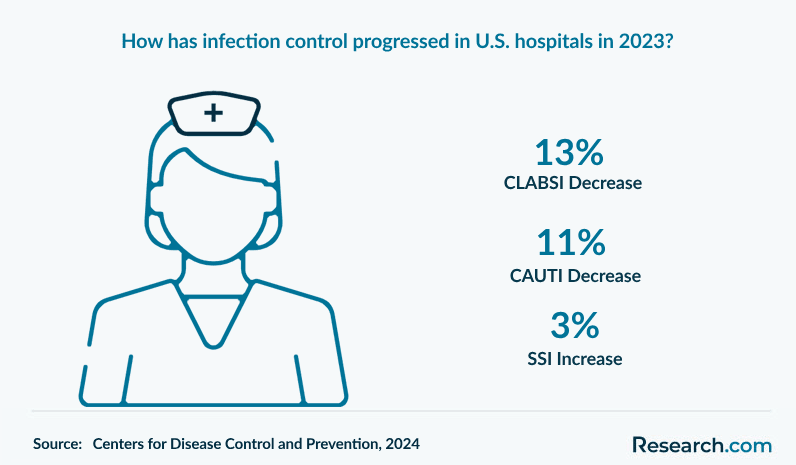
Hospital-acquired infection data shows why relevant sterile processing training matters. Hospital-acquired infections generally continued to decline in 2023 compared with 2022. Central line-associated bloodstream infections decreased by 13% overall, with reductions of 20% in intensive care units, 13% in neonatal intensive care units, and 8% in Wards. Catheter-associated urinary tract infections decreased by 11% overall, including a 16% decrease in ICU locations and an 8% decrease in Ward locations. Surgical site infections combined from Surgical Care Improvement Project procedures, however, increased slightly by 3% overall between 2022 and 2023.
Are there any scholarships, grants, or financial aid options available for online sterile processing technician certificate programs?
Financial aid for short certificate programs can be more limited than aid for degree programs, especially when a program is non-credit or offered through workforce training. Still, students should not assume they must pay the full cost out of pocket without asking about available support.
- School payment plans: Many online providers divide tuition into monthly payments, which can reduce upfront cost.
- Institutional scholarships: Some colleges and training providers offer scholarships for certificate or workforce students.
- Workforce development funding: State and local workforce agencies may fund healthcare training for eligible students.
- Employer tuition assistance: Current healthcare employees should ask human resources about reimbursement or education benefits.
- Private scholarships: Community organizations, foundations, and professional groups may offer need-based or career-based awards.
- Veterans benefits: Eligible veterans and dependents may be able to use education benefits if the program qualifies.
Students comparing non-degree career training may also review how other short programs manage cost. For example, the most affordable online CCNA training bootcamps often use payment plans, employer sponsorship, or workforce funding. For sterile processing, the most important step is to contact the program directly and ask for the total cost in writing before enrolling.
What are the career prospects for sterile processing technicians of affordable online sterile processing technician certificate programs?
Sterile processing technicians support the safe use of reusable instruments and medical equipment. Because healthcare facilities must maintain infection control standards, this role is closely tied to patient safety, surgical readiness, and regulatory compliance. Graduates of credible certificate programs may pursue entry-level jobs if they can meet employer, certification, and hands-on requirements.
- Stable healthcare need: Surgical procedures, outpatient care, dental services, and medical device processing all depend on sterile equipment.
- Multiple work environments: Graduates may seek roles in hospitals, ambulatory surgery centers, clinics, dental offices, third-party sterilization companies, or medical device organizations.
- Patient safety impact: Technicians reduce infection risks by following validated cleaning, sterilization, documentation, and storage procedures.
- Entry-level healthcare access: A certificate can be a practical starting point for students without prior healthcare experience.
- Career ladder potential: With experience and credentials, technicians may move into lead, trainer, quality assurance, or department management roles.
- Management preparation: Workers who want administrative responsibilities later may compare the cheapest online healthcare management degree programs after gaining healthcare experience.
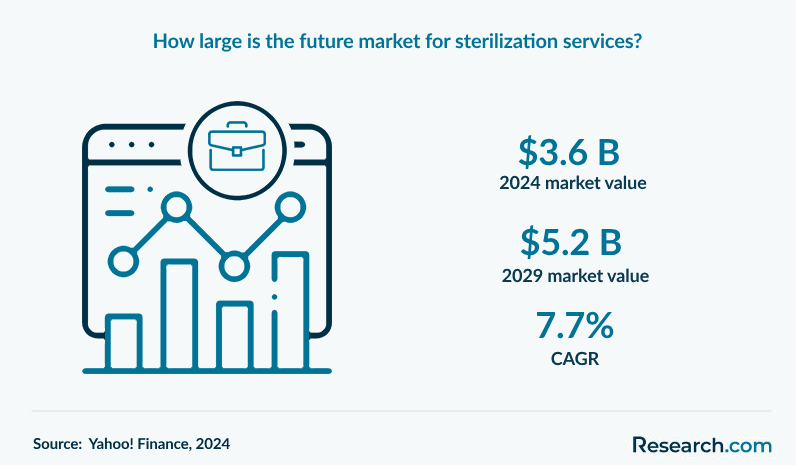
One broader indicator of demand is the sterilization services market. According to Yahoo! Finance, the global sterilization services market is projected to grow from $3.6 billion in 2024 to $5.2 billion by 2029, a compound annual growth rate of 7.7%. The market is influenced by hospital-acquired infection concerns and increased outsourcing of sterilization services by hospitals and medical device manufacturers. Gamma sterilization remains dominant, while e-beam sterilization is gaining attention because of its speed and effectiveness.
The CDC’s healthcare-associated infections resources also show why sterile processing remains central to healthcare safety. Improper reprocessing can contribute to infection risk, so employers value technicians who understand protocols, documentation, and quality checks.
Growth in sterilization services does not guarantee a job for every certificate graduate, but it does show that sterile processing knowledge is connected to a larger healthcare safety and medical device ecosystem.
What kind of salaries can I expect after completing an affordable online sterile processing technician certificate program?
Salary outcomes depend on job title, location, certification, shift differentials, union status, healthcare system, and experience. Treat the figures below as planning benchmarks rather than guaranteed earnings.
- New graduate range: Entry-level technicians often earn $17 to $20 per hour, or about $35,000 to $42,000 annually.
- Early-to-mid career range: Technicians with 1-4 years of experience may earn $20-$24 per hour, or about $41,000 to $50,000 annually.
- Senior or lead roles: Advanced positions may reach $25-$30+ per hour, or $52,000 to $62,000+ annually.
- Location differences: Metropolitan markets and higher-cost states may offer higher wages, though living costs may also be higher.
- Certification value: National certification such as CRCST can improve competitiveness for some roles.
- Long-term education: Allied health workers seeking leadership roles sometimes compare affordable healthcare MBA programs, though an MBA is not required for entry-level sterile processing jobs.
As of 2025 PayScale data, a central sterile processing technician earns an average salary of $30,034 nationally, while a sterile processing technician averages $40,394. Entry-level central sterile processing technicians average $23,974, increasing to $39,443 for experienced workers. Entry-level sterile processing technicians average $35,942, early career professionals average $38,022, and experienced technicians average $43,222.
Location can make a noticeable difference. PayScale reports an average of $41,829 for a sterile processing technician in Seattle, Washington. State averages include California at $45,760, Massachusetts at $43,680, New York at $44,720, Missouri at $38,480, and Florida at $37,440. Employer differences also matter; sterile processing technicians at Kaiser Permanente earn an average of $51,334.
What are the job outlook and employment rates for sterile processing technicians of affordable online sterile processing technician certificate programs?
The job outlook for sterile processing technicians is tied to surgical volume, outpatient procedure growth, infection prevention standards, medical device use, and the need to replace workers who retire or move into other roles. Employers may be more competitive in large hospitals and surgical centers, especially for candidates who already have certification or documented hands-on experience.
- Healthcare procedure demand: Surgeries and invasive procedures require properly sterilized instruments and well-managed supply workflows.
- Infection control expectations: Facilities rely on technicians who can follow detailed procedures and maintain documentation.
- Replacement hiring: Openings may come from retirements, turnover, promotions, and workers transferring to related healthcare roles.
- Credential preference: Certification-ready applicants may be more attractive to employers than candidates with coursework alone.
- Possible career transition: Some healthcare support workers later move toward nursing through options such as an RN to BSN online no clinicals degree, but nursing pathways have separate licensure and clinical requirements.
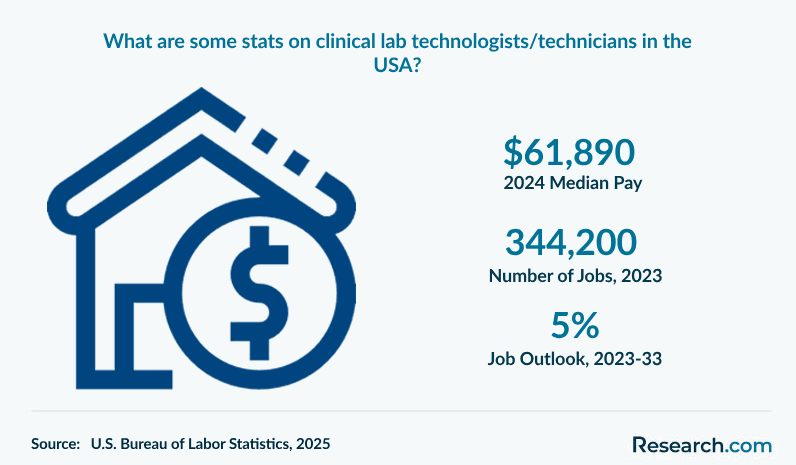
Data from the U.S. Bureau of Labor Statistics for clinical laboratory technologists and technicians gives a broader view of technical healthcare roles. In 2024, median pay for those professionals was $61,890 per year, or $29.75 per hour. A bachelor's degree is typically the entry-level education for that occupation, and in 2023 there were 344,200 jobs. From 2023 to 2033, employment is projected to grow by 5%, adding 18,200 jobs.
For medical equipment preparers, national estimates show employment of 66,790, with a mean hourly wage of $22.79 and a mean annual wage of $47,410. These figures point to ongoing demand for workers who prepare and maintain medical equipment for safe patient care.
Are these certificate programs accredited and recognized by leading industry bodies?
Accreditation and recognition should be checked before enrollment because they affect program credibility, certification preparation, and employer confidence. Some schools in this list report institutional accreditation, such as DEAC or CAAHEP, while others list industry preparation or do not specify accreditation. Do not assume that “certificate” automatically means the same thing across providers.
Look for recognized institutional accreditation, relevant programmatic accreditation where applicable, or clear alignment with certification bodies such as HSPA or CBSPD. You can also compare quality indicators with related healthcare training options, such as an online medical assistant school, where accreditation, externships, and exam preparation are also central concerns.
| Term | What it means | What to ask |
| Institutional accreditation | The school is reviewed by an accrediting agency for overall educational quality. | Which accreditor recognizes the institution, and is the accreditation current? |
| Programmatic accreditation | A specific healthcare program meets standards for that field. | Is the sterile processing or surgical technology program accredited by a relevant body? |
| Industry recognition | The curriculum prepares students for credentials or standards used in the profession. | Does the program prepare students for CRCST, CBSPD, CSPDT, or another exam? |
| Certification eligibility | Students meet exam and experience requirements set by the certifying body. | Does coursework alone qualify me, or do I also need documented hands-on hours? |
What factors should I consider when evaluating the quality of an affordable online sterile processing technician certificate program?
A quality program should do more than provide videos and quizzes. It should make you employable by teaching current sterile processing procedures, preparing you for certification, and explaining how to gain practical experience.
- Accreditation: Confirm whether the institution appears in credible accreditation sources. Research.com’s list of nationally accredited online colleges can help you understand accreditation basics.
- Complete curriculum: The program should cover decontamination, sterilization, instrumentation, infection control, packaging, storage, documentation, and compliance.
- Hands-on component: Prioritize programs that include labs, hospital training, or externship assistance if you need practical hours.
- Certification exam preparation: Ask whether the program aligns with CRCST, CBSPD, CSPDT, or another exam and whether vouchers are included.
- Instructor qualifications: Look for instructors with sterile processing, surgical technology, infection control, or healthcare operations experience.
- Student support: Compare tutoring, instructor access, technical support, career coaching, and job search help.
- Transparent total cost: Ask about tuition, books, supplies, exam vouchers, uniforms, immunizations, background checks, drug screening, and clinical placement fees.
- Schedule fit: Choose a timeline that matches your work schedule, certification goals, and ability to complete hands-on requirements.
Like students comparing cheapest Microsoft Azure dual certification courses online, sterile processing students should judge programs by exam readiness, instructor support, and practical relevance rather than price alone.
How do online programs compare to traditional sterile processing technician certificate programs?
Online sterile processing programs are best for students who need schedule flexibility and can learn procedures through structured digital content. Traditional or hybrid programs may be stronger for students who want direct lab practice, campus equipment access, or built-in clinical placement. The right format depends on your learning style, location, budget, and need for supervised hands-on training.
| Program format | Advantages | Trade-offs | Best for |
| Fully online | Flexible schedule, no commute, often lower cost, self-paced options | May require students to find hands-on experience independently | Working adults and self-directed learners |
| Hybrid | Combines online theory with labs, externships, or hospital training | Requires travel and fixed in-person availability | Students who want flexibility but still need supervised practice |
| Campus-based | More direct instructor interaction and hands-on equipment practice | Less schedule flexibility and possible commuting costs | Students who prefer structured classroom learning |
The same cost-and-flexibility logic appears in other healthcare training areas, including the cheapest medical billing and coding classes online. However, sterile processing has a stronger hands-on component, so students should not choose a fully online option without understanding how practical experience will be completed.
What kind of technology and tools do I need to participate in an affordable online sterile processing technician certificate program?
Online learning requires dependable technology. Before enrolling, confirm the program’s learning platform requirements and make sure your computer can handle videos, exams, assignments, and any simulations.
- Computer or laptop: Use a reliable Windows or Mac device with an up-to-date operating system.
- Stable internet: High-speed internet is important for course videos, learning platforms, discussions, and exam tools.
- Webcam and microphone: These may be required for virtual meetings, instructor check-ins, or proctored exams.
- Compatible browser: Chrome, Firefox, Edge, Safari, or another modern browser may be required by the school’s learning system.
- Office software: Word processing, spreadsheet, or presentation tools may be needed for assignments.
- Email account: You will need a reliable email address for instructor and administrative communication.
- PDF reader: Course handouts, manuals, and forms may be distributed as PDF files.
Can combining my sterile processing certificate with further healthcare administration studies elevate my career?
Yes, but the timing matters. A sterile processing certificate is most useful first as a technical entry point. After gaining experience, technicians who want supervisory, training, compliance, purchasing, or department leadership roles may benefit from studying healthcare administration, operations, finance, or quality improvement. A healthcare administration degree online may be relevant for workers who want to move from hands-on processing into broader healthcare management.
What are the current industry trends and future outlook for online sterile processing technician certificate sterile processing technicians?
Sterile processing is becoming more technology-driven, more closely monitored, and more documentation-heavy. Training programs should reflect these workplace realities.
- Automation and robotics: Facilities are adopting automated systems to improve cleaning, disinfection, instrument tracking, and workflow reliability.
- New sterilization technologies: Technicians must adapt as facilities update equipment and processes.
- Stronger infection prevention focus: Healthcare-associated infection prevention continues to influence procedures, documentation, and quality checks.
- Instrument tracking and data systems: Software is increasingly used for inventory, traceability, case cart management, and quality assurance.
- Continuing education: Employers may value technicians who keep credentials current and learn new procedures.
- Remote learning support: Online education, virtual simulation, and remote coaching can support theory instruction, although hands-on competency still matters.
Technology-focused healthcare careers are not limited to sterile processing. Graduates of affordable physics degree online programs may work in technical or scientific fields, while sterile processing professionals increasingly interact with automated sterilization, tracking systems, and inventory technology in healthcare environments.
What are my continuing education options after earning an online sterile processing technician certificate?
After earning a certificate, your next step should match your career goal. If you want to stay in sterile processing, consider certification renewal, advanced sterile processing credentials, quality assurance training, or leadership development. If you want to move into a different healthcare role, compare prerequisites, transfer credit, clinical requirements, and licensure rules before committing to another program.
- Certification maintenance: Keep professional credentials current through required continuing education.
- Advanced sterile processing roles: Build toward lead technician, supervisor, educator, instrument specialist, or quality assurance responsibilities.
- Surgical technology: Consider accredited surgical technology pathways if you want operating room responsibilities.
- Healthcare administration: Explore management education if your goal is operations or department leadership.
- Clinical career change: Programs such as the quickest PharmD online degree programs may interest students considering broader clinical roles, but these pathways have much more extensive admissions and professional requirements.
What Additional Career Pathways Can My Certificate Unlock?
A sterile processing certificate can support several healthcare pathways, but advancement usually depends on experience, certification, additional training, and employer requirements. The certificate is not a shortcut into licensed clinical practice, but it can help you build healthcare experience and understand safety-critical workflows.
- Sterile processing technician: Entry-level instrument cleaning, sterilization, packaging, storage, and distribution work.
- Lead technician or supervisor: Team coordination, workflow monitoring, training, and quality checks after experience.
- Quality assurance support: Documentation, compliance checks, process improvement, and instrument tracking.
- Surgical technology pathway: Additional education may prepare workers for operating room support roles.
- Healthcare operations: Experience plus further education may support roles in supply chain, materials management, or department administration.
- Allied health study: Students interested in broader health and human movement fields may compare options such as an online kinesiology bachelor's degree, although that path serves different career goals.
Common mistakes to avoid when choosing an online sterile processing technician certificate
| Mistake | Why it can hurt you | Better approach |
| Choosing only by lowest tuition | The cheapest program may not include exam vouchers, clinical support, books, or required screenings. | Compare total cost and what is included. |
| Ignoring accreditation or recognition | Employers may question training from an unknown or unrecognized provider. | Verify institutional accreditation and certification alignment. |
| Assuming online coursework equals certification | Some credentials require hands-on experience in addition to passing an exam. | Ask how the program supports required experience hours. |
| Overlooking clinical requirements | Externships may require background checks, immunizations, drug screening, travel, or fixed schedules. | Request a written list of clinical requirements before enrolling. |
| Relying only on rankings | A ranked program may still be a poor fit for your location, schedule, or certification goals. | Use rankings as a starting point, then verify details directly with the school. |
| Assuming salary outcomes are guaranteed | Pay depends on market, employer, certification, experience, and shifts. | Compare local job postings and ask employers what they prefer. |
Questions to ask before enrolling
- Is the school institutionally accredited, and by which agency?
- Does the program prepare students for CRCST, CBSPD, CSPDT, or another specific credential?
- Does tuition include books, supplies, exam vouchers, background checks, drug screening, or clinical fees?
- Will the school help arrange an externship or hands-on experience?
- If certification requires 400 hours of experience, how do students typically complete those hours?
- Are instructors experienced in sterile processing, surgical technology, infection control, or healthcare operations?
- What student support is available if I struggle with coursework or technology?
- Does the program publish completion rates, certification pass rates, or employment support information?
- Are there state, employer, or facility-specific requirements I should know before enrolling?
- Can credits transfer if I later pursue surgical technology, healthcare administration, or another healthcare program?
Key Insights
- Affordability must be measured by total value, not sticker price: Compare tuition, fees, books, exam vouchers, clinical requirements, and support services before choosing a program.
- Hands-on experience is a major decision factor: Some certification routes require documented practical hours, so fully online students need a clear plan for completing experience requirements.
- Hospitals remain the largest employer group in the available BLS data: General medical and surgical hospitals employed 46,330 medical equipment preparers in 2024, followed by offices of dentists with 5,010 and outpatient care centers with 4,140.
- Salary varies widely by title, employer, and location: PayScale 2025 data lists $30,034 for central sterile processing technicians and $40,394 for sterile processing technicians, with higher reported averages in locations such as California, Massachusetts, New York, and Seattle.
- Infection control remains central to the role: 2023 data showed declines in several hospital-acquired infection categories, including a 13% decrease in CLABSI and an 11% decrease in CAUTI, while surgical site infections from SCIP procedures increased by 3%.
- Technology is changing sterile processing work: Automation, instrument tracking software, advanced sterilization methods, and stronger documentation expectations make current training and continuing education important.
- A certificate can be a career starting point: It may lead to sterile processing roles first, then support advancement into lead technician, quality assurance, surgical technology, or healthcare administration pathways with additional experience and education.
References:
- Centers for Disease Control and Prevention. (2024, November 25). 2023 National and State Healthcare-Associated Infections Progress Report. U.S. Department of Health and Human Services. Centers for Disease Control and Prevention.
- U.S. Bureau of Labor Statistics. (2024, April 17). Occupational employment and wages, May 2023. U.S. Bureau of Labor Statistics.
- U.S. Bureau of Labor Statistics. (2024, April 18). Clinical laboratory technologists and technicians. Occupational Outlook Handbook. U.S. Bureau of Labor Statistics.
- PayScale. (2025). Central Sterile Processing Technician Hourly Pay in 2025. PayScale.
- PayScale. (2025). Sterile Processing Technician Hourly Pay at Kaiser Permanente in 2025. PayScale.
- PayScale. (2025). Sterile Processing Technician Hourly Pay in 2025. PayScale.
- PayScale. (2025). Sterile Processing Technician Hourly Pay in Seattle, Washington in 2025. PayScale.
- PayScale. (2025). Sterile Processing Technician Salary in California. PayScale.
Other Things You Should Know About the Most Affordable Online Sterile Processing Technician Certificate Programs
For 2027's most affordable online sterile processing technician certificate programs, prerequisites usually include a high school diploma or GED and passing a background check. Some programs may require CPR certification or immunization records. Verify specific requirements with the program provider before applying.
Many low-cost programs are not accredited by HSPA itself, but they should prepare you for the Certified Registered Central Service Technician (CRCST) exam offered by HSPA. Check whether the program aligns with eligibility standards, includes required theory hours, and supports externship placement.