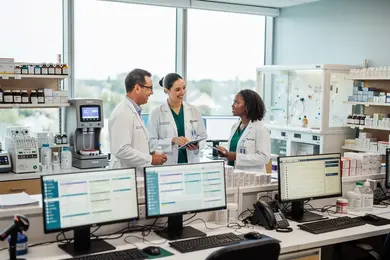
2027 Online PharmD Programs With Patient Counseling Coursework

Co-Founder and Chief Data Scientist
Choosing an online PharmD program is really a licensure, cost, and career-fit decision. The U. S. Bureau of Labor Statistics reported a median pharmacist wage of $137,480 in May 2024, but patient-facing roles increasingly reward communication, medication therapy management, and clinical judgment rather than dispensing knowledge alone. This guide is for pre-pharmacy students, career changers, and healthcare workers comparing online or hybrid PharmD options. You will learn how these programs work, what counseling training looks like, how to verify accreditation, and how to judge whether the investment matches your goals.
Key Things You Should Know
- Online PharmD programs are usually hybrid, not fully remote: didactic courses may be online, but IPPEs, APPEs, labs, simulations, and state licensure steps require in-person participation.
- For licensure, the key checkpoint is ACPE accreditation; graduates generally must complete an accredited PharmD, pass the NAPLEX, meet state-specific requirements, and often pass a law exam such as the MPJE.
- BLS projects pharmacist employment to grow 5% from 2023 to 2033, and the May 2024 median pharmacist wage was $137,480, making program cost, debt, and patient-care career fit central ROI factors.
What is an online PharmD with patient counseling coursework, and how does it work?
An online PharmD with patient counseling coursework is a Doctor of Pharmacy program that delivers some academic instruction online while preparing students to counsel patients, caregivers, and healthcare teams about medication use. The PharmD is the entry-level professional degree required for pharmacist licensure in the U.S.; "online" usually describes the delivery format, not a reduced clinical requirement.
Patient counseling coursework teaches students how to explain medication purpose, dosing, side effects, interactions, adherence strategies, device use, health literacy concerns, and safety warnings. In a strong program, counseling is not confined to one communications class. It appears across pharmacotherapy, self-care, ethics, interprofessional care, medication therapy management, and experiential rotations.
The table below shows how common online or hybrid PharmD components usually function and why each matters for counseling preparation.
| Program component | How it typically works online | Why it matters for patient counseling |
| Didactic coursework | Lectures, readings, quizzes, and discussions may be asynchronous or live online. | Students build the drug knowledge needed to explain therapy decisions clearly. |
| Skills labs and simulations | Programs may require campus intensives, virtual standardized patients, recorded counseling encounters, or synchronous role-play. | Students practice tone, empathy, teach-back, and handling patient questions. |
| Introductory pharmacy practice experiences | Early supervised experiences occur in community, institutional, or service settings approved by the school. | Students learn how real patients behave, ask questions, and struggle with adherence. |
| Advanced pharmacy practice experiences | Final-year rotations are completed in approved practice sites, often full time. | Students apply counseling skills in ambulatory care, community pharmacy, hospitals, and specialty settings. |
| Assessment | Exams, oral cases, objective structured clinical examinations, portfolios, and preceptor evaluations may be used. | Students must show they can communicate safely, not just memorize pharmacology. |
The best fit is usually a student who needs location flexibility but can still attend required labs, complete rotations during business hours, and meet the professional expectations of a healthcare program. Students who need a fully self-paced degree with no in-person obligations should be cautious, because that format does not match pharmacist licensure training.
Are online PharmD programs with patient counseling training accredited and recognized for licensure?
Online PharmD programs can be legitimate and licensure-oriented, but only if they meet the same professional standards as campus programs. In the U.S., the central accreditation body for PharmD programs is the Accreditation Council for Pharmacy Education, commonly called ACPE. State boards of pharmacy typically rely on ACPE accreditation when determining whether a graduate is eligible for pharmacist licensure.
Recognition for licensure is not based on whether the program is online or campus-based. It is based on accreditation status, completion of required experiential hours, successful passage of licensing exams, background checks, state law requirements, and any additional state-specific conditions.
Before applying, students should verify the following items directly with the school and the relevant state board of pharmacy. These checks reduce the risk of enrolling in a program that does not match the student's licensure plan.
- Confirm the PharmD program's current ACPE status, including whether it is accredited, candidate, or pre-candidate.
- Ask whether the program is designed to meet pharmacist licensure education requirements in the state where you plan to practice.
- Review NAPLEX, MPJE or state law exam, internship-hour, immunization, background-check, and fingerprinting requirements for your intended state.
- Ask how the school places or approves IPPE and APPE rotations for online students who live outside the school's home state.
- Confirm whether any campus visits, skills labs, orientation sessions, or exams are mandatory and how often they occur.
A common mistake is assuming that "online" means nationally portable without restrictions. Pharmacy is regulated at the state level, so a program that works well for one student may create complications for another if rotation availability, state authorization, or licensure disclosures are unclear.
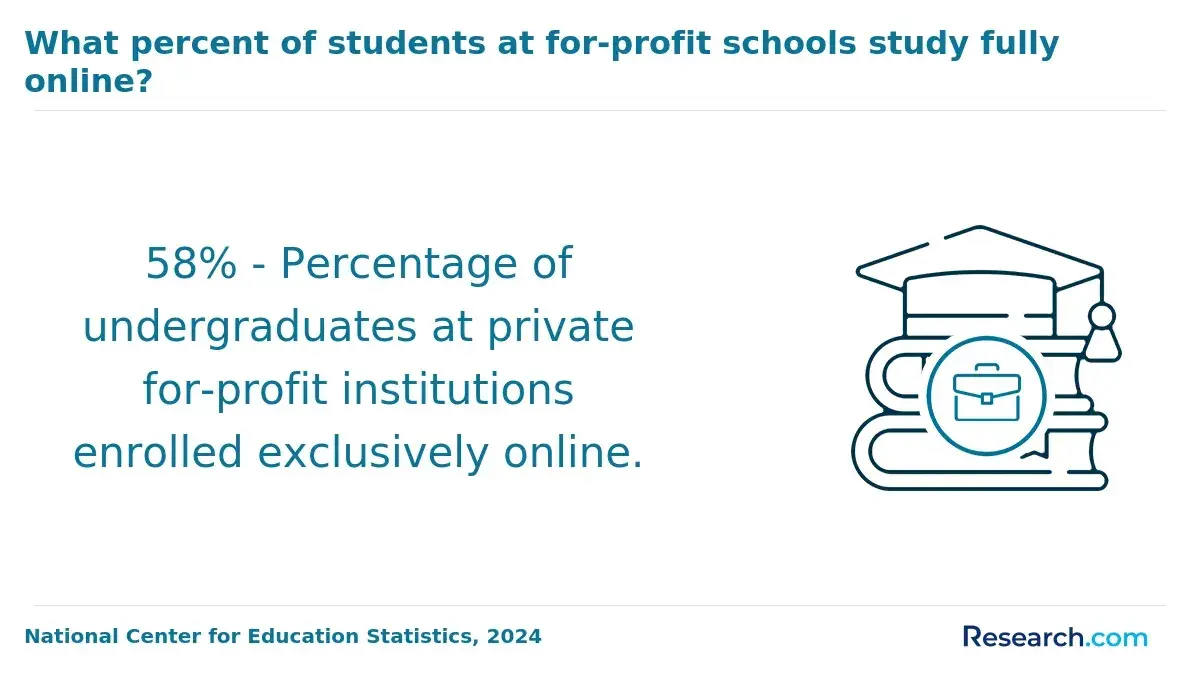
How do online PharmD programs compare with campus-based options for patient counseling preparation?
Online and campus-based PharmD programs can both prepare students for patient counseling, but the learning experience differs. The right choice depends on how you learn clinical communication, how much structure you need, and how easily you can access approved practice sites.
The comparison below summarizes the most important differences for students who care specifically about counseling readiness, not just convenience.
| Decision point | Online or hybrid PharmD | Campus-based PharmD |
| Flexibility | Better for students who need to remain in a home region or manage work and family obligations. | Better for students who want a fixed schedule and frequent in-person access to faculty and peers. |
| Counseling practice | May use video submissions, virtual standardized patients, and required intensives. | Often offers more frequent in-person labs, peer role-play, and live faculty observation. |
| Clinical networking | Depends heavily on the school's rotation network and the student's local market. | May offer stronger local access to university-affiliated hospitals and clinics. |
| Accountability | Requires strong self-management because online coursework can feel less externally structured. | Provides more built-in routine through campus attendance and face-to-face expectations. |
| Best-fit student | Organized, proactive, comfortable with technology, and able to travel for required experiences. | Prefers immersion, immediate feedback, and frequent in-person skills practice. |
An online format makes sense when flexibility would allow you to attend a reputable accredited program you otherwise could not access. A campus format may be better if you learn communication skills best through repeated live practice, want a dense peer network, or need easier access to faculty-led clinical opportunities.
Do not choose solely based on format. A hybrid program with strong counseling simulations, responsive faculty, and excellent rotations may prepare students better than a campus program with limited patient-facing practice. The reverse can also be true.
What patient counseling courses and clinical experiences are included in online PharmD curricula?
Patient counseling preparation in a PharmD program should be visible across the curriculum. Students need scientific knowledge, but they also need to translate that knowledge into patient-friendly recommendations under real-world constraints such as low health literacy, language barriers, cost concerns, side effects, and mistrust.
Most counseling-focused curricula include a combination of communication coursework, applied therapeutics, and supervised practice. The items below are especially important because they connect classroom learning to patient behavior and medication safety.
- Pharmacy communications, including active listening, motivational interviewing, cultural humility, conflict management, and teach-back methods.
- Self-care and nonprescription therapeutics, where students learn to triage symptoms and counsel patients on safe OTC medication use.
- Pharmacotherapy sequences covering chronic diseases such as diabetes, hypertension, asthma, heart failure, psychiatric disorders, and infectious diseases.
- Medication therapy management, including medication reconciliation, adherence assessment, drug-interaction review, and documentation.
- Immunization and public health training, which may include patient screening, vaccine education, and addressing vaccine hesitancy.
- Interprofessional education, where pharmacy students practice communicating recommendations to physicians, nurses, and other clinicians.
- Ethics, law, and patient safety, including privacy, informed consent, controlled substances, and error prevention.
- Experiential rotations in community pharmacy, ambulatory care, institutional care, specialty pharmacy, and other patient-facing sites.
Technology is also changing counseling practice. Telepharmacy, remote medication management, electronic health records, clinical decision-support tools, and AI-assisted documentation can improve access, but they do not replace professional judgment. Students should look for programs that teach how to use technology while still verifying information, protecting privacy, and communicating recommendations in plain language.
A red flag is a curriculum that describes counseling only as a single course rather than a skill assessed repeatedly. Ask admissions staff how many times students are observed counseling actual or simulated patients before APPE rotations begin.
What are the typical admission requirements for online PharmD programs focused on patient counseling?
Admission requirements vary by school, but online PharmD programs generally expect applicants to prove academic readiness, healthcare motivation, and the maturity needed for professional practice. Because counseling-focused work requires trust and communication, admissions committees may also look closely at service experience, professionalism, and interpersonal skills.
Applicants commonly prepare the following materials. Requirements differ, so students should check each program's prerequisites before assuming their coursework will transfer.
- Prerequisite coursework in areas such as general chemistry, organic chemistry, biology, microbiology, anatomy and physiology, calculus or statistics, economics, communication, and humanities.
- Official transcripts from all colleges attended, with attention to science GPA and prerequisite grades.
- PharmCAS application materials if the school participates in the centralized pharmacy application service.
- Letters of recommendation, often from science faculty, pharmacists, healthcare supervisors, or professional mentors.
- Personal statement explaining pharmacy goals, patient-care interests, resilience, and understanding of the profession.
- Interview participation, which may include behavioral questions, ethical scenarios, communication exercises, or group activities.
- Healthcare, pharmacy technician, volunteer, research, or community-service experience, which may strengthen the application even when not strictly required.
The PCAT has become less central at many schools, and some programs no longer require it. That does not mean admissions are casual. Strong prerequisite performance, clear motivation, and evidence of patient-service readiness still matter.
Students coming from other healthcare fields should compare paths before committing. For example, nurses weighing pharmacy against advanced nursing may also research BSN to MSN programs to decide whether prescribing, care coordination, pharmacy practice, or clinical leadership better fits their long-term goals.
One common mistake is applying before confirming prerequisite expiration rules. Some schools require recent science coursework, while others accept older credits. If your biology or chemistry credits are several years old, ask whether you need refreshers before investing in applications.
How long do online PharmD programs take, and what do they cost overall?
Most entry-level PharmD programs take four professional years after completion of prerequisites, though some accelerated pathways compress the professional phase. Students entering directly from high school through an early-assurance or "0-6" structure may spend about six total years in pre-professional and professional study. Online or hybrid delivery does not remove clinical-hour expectations, so the timeline still depends on labs, rotations, and licensure preparation.
Cost is more complicated than tuition. PharmD students should evaluate the full cost of attendance, because online learners may still pay professional program fees, travel for intensives, background checks, immunization documentation, simulation fees, testing costs, rotation expenses, and technology costs. Federal loan planning also matters: eligible health professions students may have higher Direct Unsubsidized Loan limits than many other graduate students, with annual limits that can reach $40,500 depending on program and eligibility, but borrowing capacity is not the same as affordability.
The table below summarizes the cost categories that can change the real price of an online PharmD program. Use it to compare school estimates line by line rather than focusing only on advertised tuition.
| Cost category | What to check | Why it matters |
| Tuition model | Per-credit, per-term, professional-year, in-state, out-of-state, or flat-rate pricing. | The cheapest credit price may not produce the lowest total program cost. |
| Mandatory fees | Technology, simulation, laboratory, assessment, graduation, health, and professional fees. | Fees can materially change total cost even when tuition looks competitive. |
| Travel requirements | Campus intensives, orientation, lab weeks, testing, and rotation-related travel. | Online students may need lodging, transportation, and time away from work. |
| Experiential costs | Background checks, drug screening, immunizations, liability insurance, uniforms, and site requirements. | Clinical placement readiness often creates recurring out-of-pocket expenses. |
| Lost income | Whether rotations are full time and whether work hours must be reduced. | Opportunity cost can be significant during APPE year. |
| Licensure costs | NAPLEX, state law exam, board application, license fees, and exam prep. | These costs arrive near graduation, when students may already be managing debt. |
Students comparing healthcare management alternatives should note that PharmD programs are clinical licensure degrees, not general business degrees. If your goal is administration rather than direct medication care, researching the cheapest online MBA healthcare management options may provide a more aligned and less clinically intensive route.
A practical way to evaluate affordability is to calculate total program cost, likely borrowing, expected monthly repayment, and the type of pharmacist role you realistically want. A high-cost program may be reasonable for some students, but only if accreditation, licensure fit, rotation quality, and career goals support the investment.
What pharmacy careers rely heavily on patient counseling skills after earning a PharmD?
Patient counseling skills are valuable across pharmacy, but they matter most in roles where the pharmacist directly influences patient behavior, therapy understanding, adherence, and safety. These positions require more than accurate drug knowledge; they require empathy, judgment, documentation, and the ability to adjust explanations for different patients.
The following career paths commonly rely on counseling and patient education. Exact duties vary by employer, state scope-of-practice rules, credentials, and practice setting.
| Career path | Patient counseling focus | Additional preparation that may help |
| Community pharmacist | Counsels on prescriptions, OTC products, immunizations, adherence, side effects, and medication safety. | Immunization certification, MTM experience, and strong workflow communication skills. |
| Ambulatory care pharmacist | Works with patients managing chronic diseases such as diabetes, hypertension, anticoagulation, asthma, and heart failure. | PGY1 residency, PGY2 ambulatory care residency, or board certification may be preferred. |
| Clinical pharmacist | Educates patients during transitions of care and advises healthcare teams on therapy decisions. | Residency training is commonly preferred in hospitals and health systems. |
| Specialty pharmacist | Counsels patients using complex or high-cost medications, including biologics, oncology therapies, and injectables. | Specialty pharmacy experience, disease-state expertise, and payer-navigation knowledge. |
| Medication therapy management pharmacist | Conducts comprehensive medication reviews and creates action plans to improve adherence and safety. | Documentation skill, telehealth comfort, and chronic-care knowledge. |
| Managed care pharmacist | May counsel indirectly through formulary design, prior authorization, population health, and member education programs. | Managed care residency, analytics skills, and understanding of payer operations. |
Some PharmD graduates also move into industry, regulatory, medical affairs, or commercial roles where communication remains valuable but patient counseling is less central. If you are comparing pharmacy practice with industry-facing options, a guide to pharma sales rep salary can help clarify how compensation and day-to-day work differ outside pharmacist licensure roles.
Students who want heavy patient interaction should prioritize programs with strong ambulatory care, community pharmacy innovation, chronic disease management, and MTM rotations. Students who prefer research, administration, or industry should still value counseling training, but they may evaluate programs through a broader career lens.
What salary ranges can PharmD graduates with strong patient counseling training expect?
PharmD salary expectations should be evaluated carefully because pay varies by setting, region, schedule, residency training, union status, employer type, and leadership responsibility. The most useful national benchmark is the U.S. Bureau of Labor Statistics figure: the median annual wage for pharmacists was $137,480 in May 2024. This means half of pharmacist wage observations were below that level and half were above; it is not a guarantee for a new graduate or for any specific role.
The table below provides a decision-oriented salary context for counseling-heavy pharmacy roles. It uses the national median as a reference point rather than promising exact earnings.
| Role type | Typical salary position relative to the national median | Why pay may differ |
| New graduate community pharmacist | May start below, near, or occasionally above the median depending on market demand and schedule. | Retail demand, evening or weekend shifts, regional shortages, and employer structure can affect offers. |
| Ambulatory care pharmacist | Often near the median, with variation based on health-system funding and credential expectations. | Residency training, chronic disease clinics, collaborative practice authority, and payer models can influence pay. |
| Hospital clinical pharmacist | Often near or above the median after residency or specialized experience. | Acute-care complexity, shift differentials, residency expectations, and specialty units can affect compensation. |
| Specialty pharmacist | Can be competitive with or above the median in some markets. | Complex therapies, payer coordination, accreditation requirements, and disease-state specialization matter. |
| Pharmacy manager or director | May exceed the median when leadership scope is substantial. | Budget responsibility, staffing, compliance, performance metrics, and operational accountability add value. |
For ROI planning, compare expected pay with total debt, repayment options, and the type of job you would actually accept. A student who strongly prefers ambulatory care may need residency training after graduation, which can improve fit but may delay full pharmacist earnings. A student who accepts high-volume community work may earn a competitive salary sooner but should consider burnout, schedule demands, and counseling time constraints.
Strong patient counseling training can make a graduate more adaptable, especially as pharmacies expand immunizations, chronic-care services, transitions-of-care programs, and telehealth medication support. Still, salary outcomes depend on the job market and credentials, not coursework alone.
What is the job outlook for pharmacists in patient-facing and counseling-focused roles?
The pharmacist job outlook is moderate but changing. The U.S. Bureau of Labor Statistics projects pharmacist employment to grow 5% from 2023 to 2033, with openings driven by healthcare demand, retirements, job changes, and evolving medication-use services. For students, the key takeaway is that growth exists, but competition and job quality can vary sharply by location and practice setting.
Patient-facing roles are being shaped by several trends. Community pharmacies are under pressure from workload and reimbursement challenges, yet they remain major access points for vaccines, adherence support, and medication questions. Health systems continue to use pharmacists in transitions of care, chronic disease management, antimicrobial stewardship, anticoagulation, and specialty medication programs. Telepharmacy and remote counseling can expand access, particularly in rural or underserved areas, but they also require strong documentation and digital communication skills.
Automation and AI are another important trend. Dispensing robotics, verification tools, clinical decision support, and automated refill systems may reduce some repetitive tasks. That makes human-centered counseling more important, not less, because patients still need help understanding trade-offs, managing side effects, using devices, and deciding when to contact a clinician.
Students should not assume every pharmacist job is equally counseling-focused. Some roles are heavily operational, while others involve scheduled patient visits, collaborative practice agreements, disease-state coaching, or medication optimization. If counseling is your primary interest, ask programs where recent graduates work and how many pursue residencies, ambulatory care, specialty pharmacy, or MTM roles.
How can students evaluate and choose a reputable online PharmD counseling program?
Choosing a reputable online PharmD counseling program requires more than scanning rankings. The best program for you should be accredited, licensure-aligned, financially realistic, clinically strong, and transparent about student outcomes. Because the PharmD is a professional degree, weak due diligence can create costly problems later.
Use the steps below to compare programs in a disciplined way. They are ordered to help you eliminate risky options before spending time on minor preferences.
- Start with accreditation and licensure disclosures, then confirm requirements with the state board where you plan to practice.
- Ask for a complete list of required campus visits, lab intensives, synchronous sessions, testing formats, and rotation expectations.
- Review the counseling curriculum and ask how students are assessed in patient communication before advanced rotations.
- Examine IPPE and APPE placement support, especially if you live outside the school's main region.
- Compare total cost of attendance, not just tuition, and include travel, fees, lost income, and licensure expenses.
- Ask for recent NAPLEX pass-rate context, residency match support, graduate employment patterns, and student attrition information.
- Speak with current students or recent graduates about faculty responsiveness, workload, rotations, and online learning quality.
- Check whether the program supports your preferred career path, such as ambulatory care, community innovation, specialty pharmacy, or health-system practice.
Several red flags deserve special attention. Be cautious if a school avoids discussing accreditation status, cannot explain out-of-state rotation placement, advertises unrealistic timelines, minimizes in-person requirements, or focuses heavily on convenience without explaining clinical expectations. Also avoid choosing solely because a program is the cheapest or fastest; pharmacy education must prepare you for licensure, patient safety, and professional accountability.
If you discover that your real goal is healthcare operations rather than direct medication counseling, it may be worth comparing PharmD programs with a health administration degree online. That comparison can prevent you from overinvesting in a clinical licensure path when management, policy, or operations work is the better fit.
The strongest applicants choose programs backward from their desired outcome: state licensure, preferred practice setting, acceptable debt, and realistic learning format. If a program cannot clearly support those four areas, keep looking.
Other Things You Should Know About PharmD
Some students work part time during the didactic years, but full-time work is difficult and often unrealistic during labs, exams, and APPE rotations. Ask each program about workload, attendance rules, and rotation schedules before relying on employment income.
A residency is not required for pharmacist licensure, but it is often preferred or expected for many hospital, ambulatory care, specialty, and clinical roles. Community pharmacy and some managed care or industry roles may not require residency, depending on the employer.
Most 2027 online PharmD programs do not require applicants to have a background as a pharmacy technician. Admission often focuses on prerequisites such as chemistry, biology, and other related science courses. It's essential to review the specific requirements of each program prior to applying.
Possibly, but the pathway is complex and depends on prior education, credential evaluation, exams, internship hours, immigration status, and state board rules. International graduates should contact the relevant state board and review foreign graduate requirements before enrolling.
References
- Alternative career paths for pharmacists https://www.sermo.com/resources/pharmacist-alternative-careers/
- Distance Doctor of Pharmacy Program https://pharmdonline.findlay.edu/programs/online-pharm-d
- Elevate Your PharmD Degree with the FlexPharmD: A Flexible Path to Success https://www.unthealth.edu/college-of-pharmacy/doctor-of-pharmacy-pharmd.html
- Pharmacy Career Outlook: Is a Career in Pharmacy Worth It? - Roseman University https://www.roseman.edu/student-experience/news/pharmacy-career-outlook-is-a-career-in-pharmacy-worth-it/
- 2025 Best Online Pharmacy Schools https://www.onlineu.com/degrees/pharmacy
- Earn Your PharmD with Flexibility: Explore the Hybrid Program at West Coast University | West Coast University https://westcoastuniversity.edu/blog/earn-your-pharmd-with-flexibility-explore-the-hybrid-program-at-west-coast-university
- Careers for pharmacists https://pharmacistsupport.org/i-need-help-managing-my/work-life/careers-for-pharmacists/
- Pharmacy Technician (ASHP/ACPE) Online Training Course - MedCerts https://medcerts.com/programs/healthcare/pharmacy-technician-professional-ashp-online-training
- PharmD Admissions Requirements: Understanding Prerequisite Courses and Planning Ahead https://blog.accepted.com/pharmd-prerequisite/
- Many Paths of Pharmacy - The Happy PharmD https://thehappypharmd.com/ultimate-guide-to-pharmacy-career-opportunities/