2027 Best Online PharmD Programs for Students With a Chemistry Background

Co-Founder and Chief Data Scientist
Chemistry graduates considering pharmacy face a high-stakes choice: choose a PharmD program that fits their science background, budget, and licensure goals. The decision matters because pharmacists remain well-paid clinical professionals, the U.S. Bureau of Labor Statistics reported a May 2024 median pharmacist wage of $137,480.
This guide is for chemistry majors, career changers, and pre-pharmacy students comparing online and hybrid PharmD options. You will learn how these programs work, what to verify before enrolling, and how to judge whether the investment supports your career plans.
Key Things You Should Know
- Online PharmD programs in the U.S. are usually hybrid, not fully remote, because ACPE-accredited pharmacy education requires supervised labs, simulations, and in-person experiential rotations.
- A chemistry background can reduce academic friction in medicinal chemistry, pharmacokinetics, toxicology, and drug formulation, but it does not replace required pharmacy practice, patient care, and licensure preparation.
- The BLS reported a May 2024 median pharmacist wage of $137,480 and projected 5% employment growth for pharmacists from 2023 to 2033, so program choice should be evaluated against total cost, licensure fit, and career direction.
What is an online PharmD program and how does it work for chemistry majors?
An online PharmD program is a Doctor of Pharmacy pathway that delivers part of the didactic coursework through a digital learning platform while still requiring hands-on learning, assessments, and supervised clinical experiences. For chemistry majors, it is best understood as a professional clinical degree rather than an advanced chemistry degree: the goal is to prepare students to become licensed pharmacists who can evaluate medications, counsel patients, manage therapy, and collaborate with healthcare teams.
Most U.S. programs marketed as online are hybrid. Students may complete lectures, quizzes, case discussions, and some group work remotely, but they should expect campus intensives, laboratory skills sessions, objective structured clinical examinations, and local or regional pharmacy practice rotations. Students comparing online PharmD programs should therefore look beyond the word "online" and confirm exactly how often they must travel, where rotations are arranged, and whether the program supports licensure in their intended state.
The table below clarifies the main formats students are likely to encounter. This distinction matters because convenience, licensure preparation, and cost can differ significantly even when programs use similar marketing language.
| Program format | How learning usually works | Best fit | Main caution |
| Hybrid online PharmD | Online didactic classes with required in-person labs, assessments, and rotations | Students who need flexibility but can travel for required sessions | Not all states or regions may be supported for placements |
| Campus-based PharmD | Most classes, labs, simulations, and faculty interactions occur on campus | Students who want daily structure and frequent in-person access | Less flexible for working adults or students far from campus |
| Accelerated PharmD | Condensed academic calendar with fewer long breaks | Students with strong prerequisites and readiness for an intense pace | Less time for employment, remediation, or relocation planning |
| Early assurance or pre-pharmacy pathway | Undergraduate coursework followed by reserved or conditional PharmD progression | Students still completing bachelor-level prerequisites | May limit flexibility if academic or career goals change |
For a chemistry graduate, the best online PharmD program is not simply the fastest or cheapest one. It is the accredited program that recognizes your science preparation, gives you realistic access to experiential training, and positions you for the state licensure process you actually plan to pursue.
How does a chemistry background prepare students for an online PharmD pathway?
A chemistry background can be a strong foundation for pharmacy school because many PharmD concepts depend on molecular structure, reaction behavior, solubility, metabolism, and quantitative reasoning. Students who have taken organic chemistry, biochemistry, analytical chemistry, physical chemistry, and lab-intensive courses may be more comfortable interpreting drug mechanisms and understanding why small molecular changes can alter potency, safety, or absorption.
That said, chemistry preparation is only part of the PharmD skill set. Pharmacy education adds patient assessment, evidence-based therapy selection, communication, immunization practice, health systems, law, ethics, and interprofessional care. A student who enjoys chemistry but does not want patient-facing work should compare pharmacy with pharmaceutical science, medicinal chemistry, toxicology, regulatory affairs, or laboratory research before committing to a professional doctorate.
The following comparison shows how common chemistry strengths translate into PharmD coursework. Use it to identify where your background may help and where you may need extra preparation.
| Chemistry background area | How it helps in PharmD study | Possible gap to address |
| Organic chemistry | Supports understanding of drug structure, functional groups, and medicinal chemistry | Connecting molecular properties to real patient therapy decisions |
| Biochemistry | Helps with metabolism, enzymes, receptors, and disease mechanisms | Applying pathways to pharmacotherapy guidelines |
| Analytical chemistry | Builds precision with measurement, assays, quality control, and lab interpretation | Translating lab values into clinical recommendations |
| Physical chemistry | Strengthens quantitative thinking relevant to kinetics, thermodynamics, and formulation | Adapting calculations to dosage, renal function, and patient variability |
| Laboratory research | Improves documentation, troubleshooting, and scientific reasoning | Developing direct patient communication and counseling skills |
Chemistry graduates should also be realistic about workload. PharmD programs reward students who can move from "what is this compound?" to "what is the safest, most effective medication plan for this patient?" That shift from molecule-centered thinking to patient-centered decision-making is one of the biggest transitions.
What accreditation and professional standards must online PharmD programs meet in the U.S.?
In the U.S., the most important quality marker for a PharmD program is accreditation by the Accreditation Council for Pharmacy Education, commonly called ACPE. Graduation from an ACPE-accredited PharmD program is generally required before a candidate can sit for pharmacist licensure exams, including the North American Pharmacist Licensure Examination and state-specific law exams.
Students should verify accreditation directly rather than relying only on advertising pages. Accreditation status can include full accreditation, candidate status, precandidate status, probationary status, or other public notices. A program may be legitimate but still carry conditions that affect student risk, so applicants should understand what the status means before paying a deposit.
Before applying, use the following checks to reduce licensure and quality risks. These steps are especially important for online and hybrid programs because state authorization, clinical placement access, and licensing rules may vary by location.
- Confirm the program's ACPE status on the accreditor's official directory and note whether there are public warnings, probationary actions, or teach-out notices.
- Ask whether the school is authorized to enroll students from your state and whether it can support required rotations where you live.
- Review the program's published outcomes, including licensure exam performance, graduation rates, residency match information, and employment reporting methods.
- Contact your state board of pharmacy to confirm education, internship hour, exam, background check, and immunization-related requirements.
- Ask how the program documents experiential hours and whether out-of-state placements require additional approvals.
Accreditation is necessary, but it is not the only quality signal. A reputable program should be transparent about faculty access, experiential education partnerships, remediation support, technology requirements, and whether students have faced placement delays.
How do online PharmD programs compare with campus-based options for pharmacy training?
Online and campus-based PharmD programs can both lead to licensure preparation when properly accredited, but they serve different student needs. The strongest online pathway for one student may be a poor match for another if it creates travel burdens, weak peer connection, or uncertainty around rotations.
The table below summarizes the practical differences students should weigh. The goal is not to declare one format universally better, but to help you match format to learning style, geography, and career constraints.
| Comparison point | Online or hybrid PharmD | Campus-based PharmD |
| Flexibility | Often better for students balancing work, family, or relocation limits | Better for students who want a fixed daily academic schedule |
| Hands-on training | Still required, but may occur through intensives and arranged rotation sites | More frequent access to on-campus labs, simulations, and faculty spaces |
| Networking | Requires more intentional effort through virtual events, rotations, and professional associations | Often easier through campus organizations, study groups, and local employer visits |
| Travel requirements | Can be unpredictable if intensives or rotations are far from home | Usually concentrated near the campus or affiliated practice sites |
| Learning style fit | Best for self-directed students who communicate proactively | Best for students who benefit from in-person structure and immediate access |
Students exploring healthcare careers should also compare pharmacy with other clinical and nonclinical pathways. For example, someone more interested in advanced nursing practice might examine a shortest online nurse practitioner program, while someone drawn to operations rather than prescribing and dispensing may prefer healthcare administration.
A common mistake is assuming online always means easier. In pharmacy education, online delivery can shift more responsibility to the student. If you struggle with independent study, delayed feedback, or remote group work, a campus-based program may produce a stronger learning experience even if it is less convenient.
What are typical admission requirements for online PharmD programs for chemistry graduates?
Admission requirements vary by school, but chemistry graduates typically apply with a strong prerequisite record, evidence of communication ability, and some exposure to healthcare or pharmacy practice. Some applicants already hold a bachelor's degree in chemistry; others may apply after completing prerequisite coursework without finishing a separate degree, depending on the program.
Most PharmD admissions committees look for readiness in both science and service. A high grade in organic chemistry can help, but it does not fully offset weak interpersonal skills, limited understanding of the pharmacist's role, or poor academic consistency in biology and physiology.
Applicants should expect schools to review several common materials. The exact requirements differ, so each student should build a checklist for every program under consideration.
- Completion of prerequisite coursework such as general chemistry, organic chemistry, biology, microbiology, anatomy and physiology, calculus or statistics, economics, and communication.
- Official transcripts from all colleges attended, including transfer, dual-enrollment, and post-baccalaureate coursework.
- Minimum GPA standards, often with separate attention to science GPA and prerequisite GPA.
- Letters of recommendation from faculty, pharmacists, supervisors, or healthcare professionals who can evaluate readiness.
- Personal statement or essays explaining motivation for pharmacy, career goals, and fit with the program format.
- Interview participation, which may include ethical scenarios, communication exercises, or multiple mini-interview stations.
- Pharmacy or healthcare exposure through work, volunteering, shadowing, research, or patient service.
The PCAT has become less central in PharmD admissions than it once was, and many schools no longer require it. However, test policies change, so applicants should verify current requirements directly with each program rather than assuming that an optional test cannot strengthen an otherwise uneven application.
Chemistry graduates should pay close attention to prerequisite age limits. Some programs may require older science courses to be repeated, especially if the applicant has been out of school for several years or if key coursework did not include modern lab components.
How long do online PharmD programs take, and what curriculum can students expect?
Online and hybrid PharmD programs commonly take three to four years after prerequisites, although timelines vary by academic calendar, transfer policies, and whether the program is accelerated. A chemistry graduate with all prerequisites completed may be able to move directly into the professional phase, while a student missing anatomy, physiology, microbiology, or communication requirements may need additional time before matriculation.
The PharmD curriculum usually moves from foundational biomedical and pharmaceutical sciences into clinical decision-making, patient care, and advanced experiential training. Chemistry-heavy students often find the early science content familiar but may need to work harder on patient interviewing, therapeutic reasoning, and documentation.
The table below outlines a typical progression. It is not a universal schedule, but it helps applicants understand why a PharmD cannot be reduced to online lectures alone.
| Program phase | Typical focus | What chemistry graduates should expect |
| Early professional coursework | Pharmaceutics, medicinal chemistry, biochemistry, pathophysiology, calculations, and introductory practice | Strong science transfer, but new emphasis on patient context and medication use systems |
| Middle professional coursework | Pharmacotherapy, pharmacokinetics, pharmacology, drug information, communication, and pharmacy law | Growing need to synthesize evidence, safety, dosing, and patient preferences |
| Introductory pharmacy practice experiences | Early exposure to community, institutional, or health-system pharmacy settings | Opportunity to test whether patient-facing pharmacy work feels like a good fit |
| Advanced pharmacy practice experiences | Full-time clinical rotations in areas such as ambulatory care, internal medicine, community practice, and hospital pharmacy | High-stakes transition from student knowledge to supervised professional judgment |
Technology is also changing the curriculum. Students may encounter electronic health records, telepharmacy workflows, pharmacogenomics tools, clinical decision support, dispensing automation, and AI-assisted drug information platforms. These tools can improve efficiency, but programs should still teach students how to verify sources, identify bias, and make accountable clinical decisions.
What are the costs of online PharmD programs and what financial aid is available?
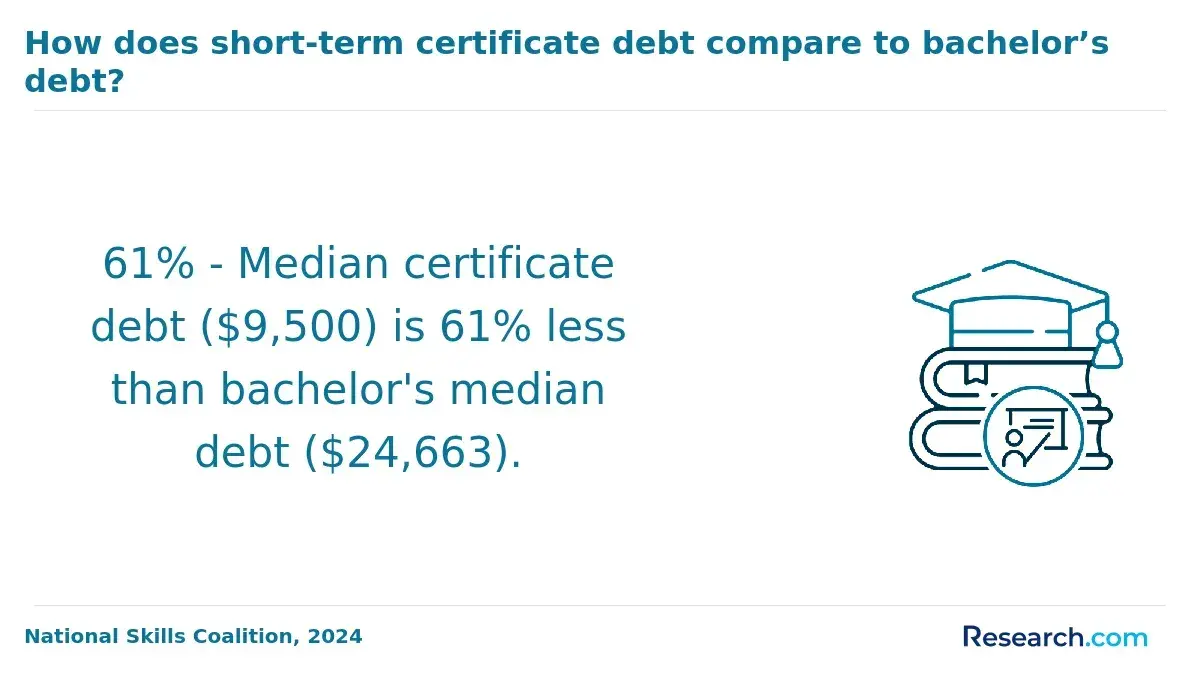
PharmD costs vary widely by institution, residency status, program length, fees, travel, and rotation location. Online delivery may reduce relocation or commuting costs, but it does not automatically make a program inexpensive because professional doctorate tuition, technology fees, immunization costs, background checks, and travel for intensives can add up.
Federal borrowing terms also affect affordability. For loans first disbursed during the 2024-2025 award year, graduate and professional students could borrow up to $20,500 annually through Direct Unsubsidized Loans before considering Grad PLUS loans, which generally carry higher borrowing costs. This means students should compare total program cost, not just per-credit tuition.
The following cost categories are worth reviewing before enrollment. Asking about each one can prevent a program that looks affordable from becoming unexpectedly expensive.
- Tuition by credit, term, or professional year, including whether rates differ for in-state and out-of-state students.
- Mandatory professional fees, technology fees, simulation fees, lab fees, assessment fees, and graduation fees.
- Travel, lodging, meals, and missed work related to required campus intensives or regional skills sessions.
- Experiential education costs such as transportation, parking, background checks, drug screening, immunizations, liability insurance, and uniforms.
- Board preparation, licensure exam fees, state application fees, fingerprinting, and continuing requirements after graduation.
- Interest accrual, origination fees, and repayment timing for federal or private student loans.
Students comparing healthcare degrees should also consider opportunity cost. A PharmD may fit someone committed to medication therapy and licensure as a pharmacist, while a nonclinical management route may have a different cost-benefit profile; reviewing healthcare administration degree cost can help clarify that trade-off for students open to leadership roles outside direct pharmacy practice.
Financial aid may include federal loans, institutional scholarships, state grants, employer tuition support, military benefits, service-based scholarships, and professional association awards. The safest strategy is to request a full cost-of-attendance estimate and a debt projection based on your expected completion timeline before committing.
What careers can a PharmD lead to for students with a chemistry background?
A PharmD prepares graduates for pharmacist licensure, but the career paths can extend beyond traditional dispensing. Students with a chemistry background may be especially interested in roles that connect drug properties, formulation, safety, and evidence evaluation with patient or population outcomes.
The table below summarizes common PharmD career directions. It can help chemistry graduates decide whether they want a patient-facing, industry-facing, research-adjacent, or systems-oriented pharmacy career.
| Career path | Typical responsibilities | Why a chemistry background may help |
| Community pharmacist | Dispense medications, counsel patients, administer vaccines, manage adherence, and identify drug interaction risks | Supports clear explanations of how medications work and why safety warnings matter |
| Hospital or health-system pharmacist | Review orders, monitor therapy, adjust dosing, support rounds, and collaborate with clinicians | Helps with pharmacokinetics, compatibility, compounding, and evidence interpretation |
| Ambulatory care pharmacist | Manage chronic conditions, optimize medication regimens, and educate patients in clinic settings | Strengthens medication mechanism knowledge used in long-term therapy decisions |
| Industry or pharmaceutical affairs role | Work in medical information, pharmacovigilance, regulatory support, clinical research, or scientific communication | Aligns well with molecular understanding, lab experience, and scientific writing |
| Managed care pharmacist | Evaluate formularies, utilization, medication policy, and population-level outcomes | Helps with evidence review and therapeutic class comparisons |
| Compounding or specialty pharmacy | Prepare or manage complex medications, sterile products, biologics, or specialty therapies | Directly uses knowledge of stability, solubility, formulation, and quality control |
Some roles may require or strongly prefer postgraduate residency, fellowship, board certification, or specialized experience. For example, clinical hospital roles often favor residency-trained candidates, while pharmaceutical industry fellowships can be competitive and may value research experience, writing samples, and networking.
The best fit depends on how much patient contact you want. If you like chemistry but prefer lab discovery over direct care, a PhD, MS in pharmaceutical sciences, or regulatory science pathway may be a better match than a PharmD.
What salary ranges and job outlook can PharmD graduates expect in pharmacy roles?
Salary and job outlook should be used as decision inputs, not guarantees. Pharmacy pay varies by setting, geography, employer, experience, residency training, and whether the role is clinical, retail, industry, government, or managed care.
The U.S. Bureau of Labor Statistics reported a May 2024 median annual wage of $137,480 for pharmacists. That figure indicates strong earning potential relative to many graduate-level healthcare roles, but students should weigh it against debt, unpaid rotation time, relocation requirements, and the opportunity cost of spending several years in professional school.
The table below gives a practical view of pharmacy employment contexts. It focuses on how roles differ rather than promising a specific salary outcome for any graduate.
| Employment context | Common work setting | Career considerations |
| Retail and community pharmacy | Chain pharmacies, grocery pharmacies, independent pharmacies, and outpatient pharmacies | Broad access to jobs, but workload, hours, staffing models, and patient volume vary widely |
| Hospitals and health systems | Inpatient units, emergency departments, oncology centers, and specialty clinics | Clinical roles may prefer residency training and strong interprofessional communication |
| Industry and life sciences | Pharmaceutical companies, contract research organizations, and medical affairs teams | May reward chemistry, research, writing, and regulatory experience, but entry can be competitive |
| Managed care and insurance | Health plans, pharmacy benefit managers, and population health organizations | Often involves formulary review, utilization management, and outcomes analysis |
| Government and public health | Federal agencies, public hospitals, correctional health, and public health programs | May offer mission-driven work and structured benefits, with hiring rules that differ by agency |
The BLS projected 5% employment growth for pharmacists from 2023 to 2033. For students, the key interpretation is that pharmacy remains a viable profession, but not one where any program choice or location automatically produces the same opportunity. Graduates who combine licensure with clinical experience, technology fluency, immunization skills, medication therapy management, informatics, or industry knowledge may have more ways to adapt as pharmacy practice changes.
How can prospective students evaluate and choose a reputable online PharmD program?
Choosing a reputable online PharmD program requires more than reading rankings. The strongest decision comes from matching accreditation, licensure compatibility, clinical placement support, total cost, learning format, and career outcomes with your personal constraints.
Use the following process to compare programs in a structured way. It can help you avoid common mistakes such as choosing only by tuition, assuming all online programs are equivalent, or overlooking state licensure limitations.
- Start with ACPE accreditation and remove any program that does not clearly support pharmacist licensure preparation.
- Confirm state authorization, rotation availability, and whether the school has placed students successfully in your region.
- Request a complete cost estimate that includes tuition, fees, travel, experiential requirements, equipment, and licensure preparation.
- Compare published student outcomes, but ask how each metric is calculated and whether online cohorts are reported separately.
- Ask current students or alumni about faculty responsiveness, exam support, rotation coordination, and workload realism.
- Review the technology model, including whether classes are live, asynchronous, recorded, proctored, team-based, or simulation-heavy.
- Check whether the program offers career advising for your preferred path, such as residency, fellowship, community practice, managed care, or industry.
Red flags include vague accreditation language, unclear experiential placement responsibilities, limited disclosure of fees, pressure to enroll quickly, poor licensure exam transparency, and promises about guaranteed employment or salary. A trustworthy program should be willing to answer direct questions in writing.
If you are comparing pharmacy with other healthcare education routes, remember that the right program depends on the license and role you want. A nurse seeking degree completion may be better served by a fastest RN to BSN pathway, while a chemistry graduate aiming to become a medication expert should focus on PharmD accreditation, experiential quality, and licensure readiness.
Other Things You Should Know About PharmD
Most online PharmD programs in 2027 accept chemistry coursework completed within the past five to ten years to meet prerequisites. However, it's crucial to verify each program's specific policies, as requirements can vary. Some schools may offer placement tests to assess current proficiency.
No, a pharmacy technician license is not usually required for PharmD admission. However, technician work or pharmacy volunteering can strengthen your understanding of the profession and help confirm that the career fits you.
A residency is not required for pharmacist licensure, but it is often preferred for many hospital, specialty, and advanced clinical roles. Community pharmacy and some industry or managed care paths may not require residency, depending on the employer.
It depends on the school. Some programs accept older coursework if grades are strong, while others may require recent science credits or repeated labs. Applicants with older transcripts should ask for a prerequisite review before applying.
References
- Best Online PharmD Programs https://pharmddegree.com/choosing/best-online-pharmd-programs
- Accreditation Standards for Pharmacy Programs https://www.pharmacycouncil.org.au/resources/pharmacy-program-standards/
- How to Choose a Pharmacy School - Pharmacy School Finder https://www.pharmacyschoolfinder.org/how-to-choose-a-pharmacy-school/
- Admission Requirements https://www.ualberta.ca/en/pharmacy/programs/pharmd-doctor-of-pharmacy/admission-requirements.html
- Pharm.D. (Online or On-Campus) https://lipscomb.edu/academics/programs/pharmacy
- Introducing the New Online PharmD Pathway at Howard University College of Pharmacy https://pharmacy.howard.edu/articles/introducing-new-online-pharmd-pathway-howard-university-college-pharmacy
- Pharmacy Career Outlook: Is a Career in Pharmacy Worth It? - Roseman University https://www.roseman.edu/student-experience/news/pharmacy-career-outlook-is-a-career-in-pharmacy-worth-it/
- What Jobs Can You Get With a Health Science Degree? https://www.belmont.edu/stories/articles/2024/career-paths-for-pharmd-degree.html
- Online Course Prerequisites https://www.pharmcas.org/school-directory/explore-and-compare/online-course-prerequisites
- Unlocking the Perfect Fit: Your Ultimate Guide to Selecting the Ideal Pharmacy School https://pharmacyforme.org/2024/02/29/unlocking-the-perfect-fit-your-ultimate-guide-to-selecting-the-ideal-pharmacy-school