2027 Best Online PharmD Programs for Students Who Need Local Rotation Options

Co-Founder and Chief Data Scientist
Choosing an online PharmD is really a licensure decision, not just a convenience decision. The program must prepare you for pharmacist licensing while helping you complete required clinical rotations close enough to your home, job, or family responsibilities. The U.S. Bureau of Labor Statistics reports a 2024 median pharmacist pay of $137,480, which makes program quality, accreditation, debt, and rotation access especially important.
This guide helps pre-pharmacy students, career changers, and working adults compare online PharmD options, verify licensure fit, and avoid expensive enrollment mistakes.
Key Things You Should Know
- Online PharmD programs can deliver didactic coursework remotely, but ACPE-accredited pathways still require in-person experiential training, including IPPE and APPE rotations at approved practice sites.
- The strongest local-rotation options are usually programs with established experiential education teams, clear site-approval processes, regional preceptor networks, and transparent travel expectations before enrollment.
- Pharmacist pay is attractive but not guaranteed, the BLS lists 2024 median pay at $137,480, while employment growth is projected at 5% from 2024 to 2034, so debt and licensure fit should drive program choice.
What is an online PharmD program and how does it handle local rotation requirements?
An online PharmD program is a Doctor of Pharmacy pathway that uses online coursework for lectures, discussions, exams, case work, and sometimes live skills sessions. It is not an entirely remote degree. Pharmacy is a licensed clinical profession, so students must complete hands-on practice experiences in real pharmacies, hospitals, clinics, community settings, and other approved healthcare sites.
Local rotation options matter because they determine whether you can stay in your community while completing required experiential education. A program may advertise online delivery but still require travel for skills labs, campus immersions, orientation, exams, or rotations if approved sites are not available near you.
The key terms below help decode how online PharmD programs describe their clinical training model. Understanding these terms makes it easier to ask admissions teams precise questions instead of relying on broad "online" marketing language.
| Term | What it means | Why it matters for local rotations |
| IPPE | Introductory Pharmacy Practice Experiences completed earlier in the program | These may include community and institutional pharmacy experiences that can sometimes be arranged near the student |
| APPE | Advanced Pharmacy Practice Experiences completed near the end of the program | These are full-time clinical rotations and are often the biggest location challenge for online students |
| Preceptor | A licensed pharmacist or qualified clinician who supervises students | Programs must approve preceptors, so a local pharmacy contact does not automatically qualify |
| Campus immersion | Required in-person visit for labs, assessments, skills checks, or orientation | Even "online" programs may require travel several times during the degree |
| State authorization | Permission for a school to offer distance education to students in a state | A program may be unavailable to residents of certain states even if it is accredited |
For most students, the best online PharmD is not simply the one with the fewest campus visits. It is the one that has a realistic plan for your rotations, your state licensure goal, your schedule, and your budget.
Which online PharmD programs offer the strongest local clinical rotation options?
The strongest programs for local clinical rotations are typically not ranked by a single national metric. A better approach is to compare how each school supports site placement, how early it verifies your location, and how transparent it is about travel if a local site cannot be secured.
The programs below are commonly reviewed by students looking for online or distance PharmD pathways with local or regional experiential education possibilities. Always confirm current availability, state eligibility, campus-visit requirements, and rotation policies directly with the school before applying.
| Program to review | Online or distance format | Why it may fit students seeking local rotations | Rotation caveat to verify |
| Creighton University Distance Pathway | Distance PharmD coursework with required in-person components | Longstanding distance pathway with structured experiential education support | Ask whether the program already has approved IPPE and APPE options in your state or metro area |
| Lake Erie College of Osteopathic Medicine Distance Education Pathway | Distance PharmD pathway with required in-person labs or activities | Designed for students who need more geographic flexibility than a traditional campus pathway | Confirm how far students commonly travel for APPEs and whether you may propose local sites |
| St. John Fisher University Online PharmD Pathway | Online coursework with campus immersions and experiential placements | Built for remote learners who still need supervised practice experiences | Ask how site placement works outside the school's strongest geographic networks |
| University of Findlay Distance PharmD | Distance learning format with in-person skills and experiential requirements | May appeal to students who want a more flexible didactic schedule while remaining connected to practice sites | Verify state authorization and whether local rotations are guaranteed or only attempted |
| Duquesne University Online PharmD Pathway | Online pathway with experiential education and required practice components | Worth reviewing for students who want online coursework supported by a university pharmacy school infrastructure | Ask about required travel, rotation geography, and whether your state is eligible |
A useful shortlist should include no more than four or five schools at first. If a program cannot clearly explain how rotations are approved in your location, treat that as a major decision factor rather than a minor administrative detail.
How can I verify that an online PharmD program is properly accredited for licensure?
Accreditation is the first non-negotiable checkpoint. In the U.S., entry-level PharmD programs should be accredited by the Accreditation Council for Pharmacy Education, commonly called ACPE, or hold an appropriate preaccreditation or candidate status recognized in the pharmacy education process. Graduation from the wrong type of program can block or complicate licensure, even if the coursework appears legitimate.
Use the following steps before you submit an application or deposit. This process is especially important for online students because licensure depends on both the school's accreditation and the state where you plan to practice.
- Search the ACPE-recognized program status for the exact PharmD pathway, not just the university name.
- Confirm whether the online or distance pathway is included in the accredited professional program and not treated as a separate unapproved offering.
- Ask the school whether it is authorized to enroll students from your state for distance education.
- Contact your state board of pharmacy to confirm whether the program meets educational requirements for NAPLEX eligibility, internship hours, and MPJE or state law requirements.
- Request written clarification about what happens if you move to another state during the program.
Be cautious with programs that avoid direct answers about ACPE status, use vague language such as "pharmacy-related doctorate," or emphasize speed while saying little about licensure. A PharmD is valuable only if it connects to the licensing pathway you need.
What are the admission requirements for online PharmD programs with local rotations?
Admission requirements vary, but most online PharmD programs expect the same academic preparation as campus-based PharmD programs. Online delivery usually does not mean easier admission; it means the classroom format is different while the clinical and licensing expectations remain rigorous.
Most applicants should be ready to document academic readiness, healthcare exposure, and the maturity needed for remote learning. The most common requirements include the following:
- Completion of prerequisite courses such as general chemistry, organic chemistry, biology, microbiology, anatomy or physiology, calculus or statistics, economics, and communication.
- Competitive college GPA, often with separate attention to science prerequisite performance.
- Official transcripts from all colleges attended.
- Pharmacy or healthcare experience, which may include technician work, shadowing, volunteering, or patient-facing employment.
- Letters of recommendation from faculty, pharmacists, supervisors, or healthcare professionals.
- Interview participation, often using behavioral, ethical, and communication-based questions.
- Background check, drug screening, immunization records, CPR certification, and technical standards review before clinical placement.
Some schools no longer require the PCAT, but policies differ. If your science grades are older or uneven, ask whether recent prerequisite repeats, upper-division science courses, or a strong pharmacy technician record can strengthen your application.
Students focused on speed should compare standard four-year online pathways with 3-year accelerated PharmD programs. Accelerated options can reduce calendar time, but they often leave less room for part-time work, family obligations, and rotation-site flexibility.
How do online PharmD programs compare to campus-based programs in training and outcomes?
Online and campus-based PharmD programs are held to the same professional outcome: preparing students for pharmacist licensure and safe patient care. The main difference is how didactic learning is delivered and how much flexibility students have before they enter full-time practice experiences.
The table below compares the practical trade-offs. Use it to decide whether online delivery fits your learning style and clinical-placement needs rather than assuming one format is automatically better.
| Factor | Online PharmD | Campus-based PharmD | Best fit |
| Class schedule | Often combines asynchronous work with live online sessions | Usually follows set on-campus class times | Online may fit students who need location flexibility but can manage deadlines independently |
| Skills practice | May require campus immersions, simulations, or approved local labs | Uses campus labs and direct faculty observation more frequently | Campus may fit students who want repeated in-person coaching |
| Peer interaction | Requires intentional participation in online groups and live sessions | Built into daily campus life | Campus may feel more natural for students who learn socially |
| Rotations | May occur locally if approved sites and preceptors are available | Often tied to the school's regional network | Online may fit students outside major pharmacy-school hubs if the placement model is strong |
| Accountability | Requires strong self-management and technology comfort | Provides more physical structure and immediate access to campus resources | Online works best for disciplined students with reliable internet and study space |
Online programs are not a shortcut around clinical training. Students who struggle with independent study, need frequent hands-on faculty feedback, or cannot travel for occasional required activities may be better served by a campus pathway.
What coursework and experiential learning should I expect in an online PharmD curriculum?
A PharmD curriculum builds from biomedical science into medication therapy, patient care, public health, pharmacy law, and professional practice. Online students typically complete the same core subject areas as campus students, but lectures, case discussions, exams, and team projects are delivered through a learning platform.
The curriculum is usually designed to move students from foundational knowledge to supervised patient-care decision-making. Expect the following major components:
- Foundational sciences such as pathophysiology, medicinal chemistry, pharmacology, pharmacokinetics, and pharmaceutics.
- Therapeutics courses focused on disease states, drug selection, monitoring, adverse effects, and patient counseling.
- Pharmacy practice skills, including prescription processing, medication safety, immunization technique, sterile or nonsterile compounding concepts, and communication.
- Health systems topics such as pharmacy law, ethics, managed care, pharmacoeconomics, public health, interprofessional care, and quality improvement.
- Technology-supported practice, including electronic health records, clinical decision support tools, data interpretation, telepharmacy workflows, and AI-assisted medication safety considerations.
- IPPE and APPE rotations in approved practice environments where students apply classroom knowledge with real patients and healthcare teams.
The experiential portion is where online students should pay the closest attention. ACPE standards have historically required substantial hands-on experience, including introductory and advanced practice experiences, so the quality of your rotation network can shape your confidence, references, residency competitiveness, and first-job readiness.
How long do online PharmD programs take, and what do they cost overall?
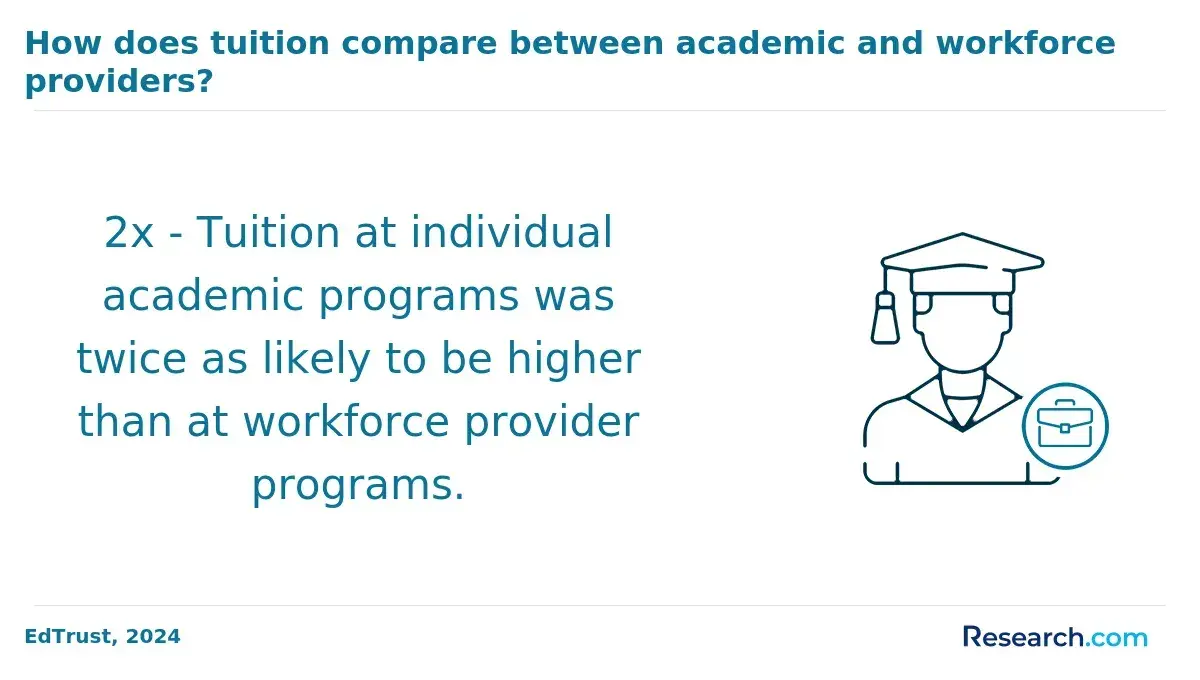
Most entry-level PharmD pathways take about four academic years after prerequisites, though some accelerated pathways compress the professional phase. Online programs do not necessarily cost less than campus programs because they still require faculty supervision, labs, experiential coordination, clinical compliance, technology platforms, and student support.
When estimating total cost, look beyond tuition. The table below shows the cost categories that commonly affect online PharmD students and why each one matters for affordability planning.
| Cost category | What to include | Why online students should watch it |
| Tuition and university fees | Per-credit or annual tuition, professional fees, technology fees, and student service fees | Online delivery may not reduce professional-program tuition |
| Travel and lodging | Campus immersions, skills labs, exams, interviews, and distant rotations | A program with "local" rotations can still require travel if sites are limited |
| Clinical compliance | Background checks, drug screens, immunizations, physical exams, CPR, and health insurance | These costs often arrive before rotations and may repeat annually |
| Equipment and materials | Laptop, webcam, software, lab kits, textbooks, white coat, and assessment tools | Remote learning requires reliable technology and a professional testing setup |
| Licensure preparation | NAPLEX review, MPJE or state law review, exam fees, and license applications | These expenses usually occur after tuition has already been paid |
| Lost income | Reduced work hours during labs, exams, and full-time APPE rotations | APPE rotations can make full-time employment unrealistic near graduation |
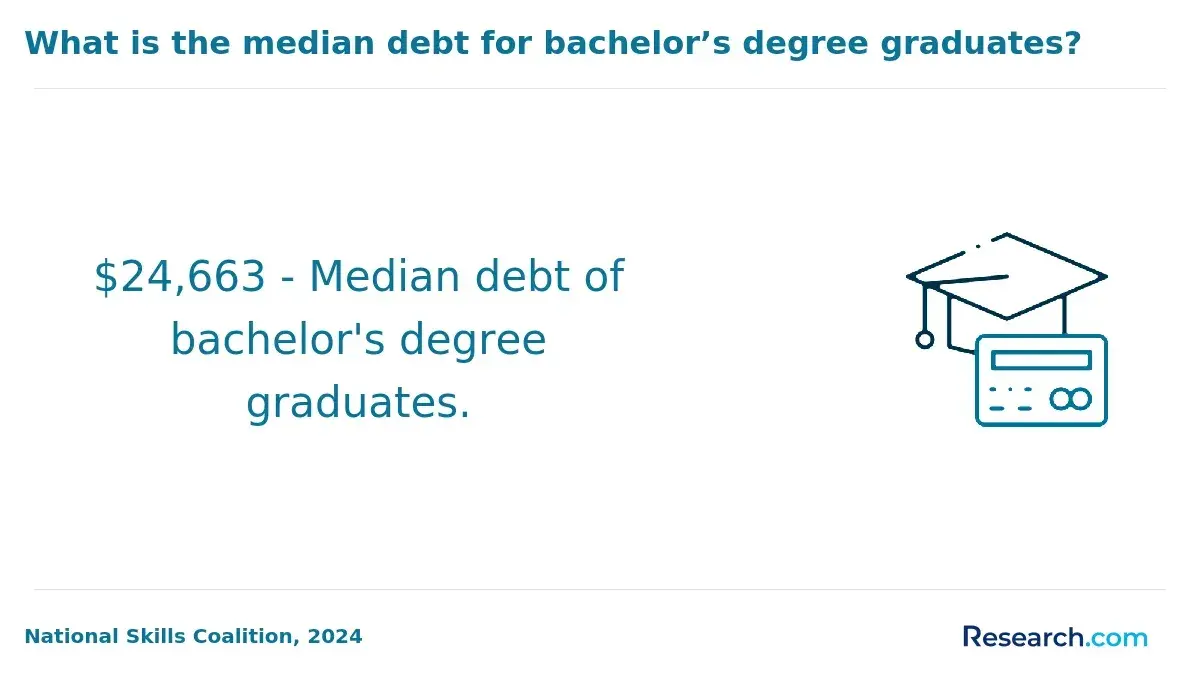
For federal planning, graduate and professional students can generally borrow up to $20,500 per academic year through Direct Unsubsidized Loans before considering Grad PLUS or other financing. That limit is useful because it reminds applicants that PharmD borrowing can extend beyond standard unsubsidized loan amounts.
If you are comparing healthcare education investments more broadly, a resource such as an RN to BSN online programs cost comparison can help you see how different clinical degrees handle tuition, transfer credits, and work-compatible scheduling. The right comparison is not which degree is cheapest, but which credential matches the licensed role you actually want.
What pharmacist career paths are available after completing an online PharmD?
An online PharmD prepares graduates for the same pharmacist licensure pathway as an accredited campus PharmD, assuming state requirements are met. Career options depend on licensure, location, residency training, work history, networking, and the type of rotations completed.
The table below summarizes common pharmacist career paths and the preparation that can make each path more realistic. Use it to align elective choices, rotation requests, and post-graduation plans.
| Career path | Typical responsibilities | Helpful preparation |
| Community pharmacist | Dispenses medications, counsels patients, provides immunizations, manages adherence, and screens for interactions | Community IPPE or APPE rotations, patient counseling strength, immunization certification, workflow experience |
| Hospital or health-system pharmacist | Reviews medication orders, supports inpatient teams, monitors therapies, and manages formulary processes | Hospital APPEs, residency interest, clinical documentation skills, sterile compounding familiarity |
| Ambulatory care pharmacist | Works with patients managing chronic conditions such as diabetes, hypertension, anticoagulation, or asthma | Clinic rotations, interprofessional teamwork, motivational interviewing, chronic disease management |
| Managed care pharmacist | Evaluates medication use, formulary design, prior authorization, outcomes, and population-level cost-effectiveness | Managed care rotation, pharmacoeconomics, data analysis, policy understanding |
| Industry or medical affairs pharmacist | Supports drug information, regulatory strategy, pharmacovigilance, clinical trials, or scientific communication | Industry electives, research experience, writing samples, fellowship exploration |
| Pharmacy informatics specialist | Supports medication-related technology, EHR optimization, clinical decision support, and safety analytics | Informatics electives, health data skills, systems thinking, medication safety experience |
Some PharmD graduates eventually move into operations, policy, compliance, or executive roles. If you are more interested in healthcare leadership than direct medication management, comparing pharmacy school with the best schools for healthcare administration online may lead to a better-fitting path.
What are typical pharmacist salaries and job outlook for online PharmD graduates?
The salary outlook for pharmacists remains strong compared with many occupations requiring graduate-level education, but outcomes vary by employer, region, setting, experience, and willingness to complete residency or specialized training. The BLS reports 2024 median pharmacist pay of $137,480, which is useful as a national benchmark rather than a personal salary forecast.
Job growth is more nuanced. BLS projections show pharmacist employment growing 5% from 2024 to 2034, which is about as fast as the average for all occupations. For students, that means the degree can still support stable career goals, but program choice should be paired with strategic rotations, licensure flexibility, and skills that match employer demand.
Current hiring trends favor pharmacists who can work beyond traditional dispensing. Employers increasingly value immunization services, chronic disease management, specialty medications, transitions of care, pharmacogenomics awareness, informatics, and comfort with AI-supported clinical decision tools. Technology is not replacing pharmacist judgment, but it is changing what strong entry-level candidates are expected to understand.
If your long-term salary goal is tied to administration rather than pharmacist practice, compare the PharmD with less clinically intensive options such as the cheapest master's in healthcare administration. A lower-cost leadership degree may make more sense if you do not want the licensing, rotations, and patient-care responsibilities of pharmacy.
How do I choose a reputable online PharmD program with quality rotation sites?
Choosing a reputable online PharmD requires more than checking whether classes are online. The right program should be accredited, available in your state, realistic about rotation geography, transparent about costs, and strong enough to support your licensure and career goals.
Before enrolling, use these steps to compare programs in a way that protects your time and money:
- Confirm ACPE status for the exact PharmD pathway and ask whether the online format is included.
- Ask for a written explanation of how IPPE and APPE sites are selected, approved, assigned, and monitored.
- Request examples of recent rotation settings available to students in your state or region, without expecting private student placement details.
- Ask whether students may propose local preceptors and what approval timeline applies.
- Verify required campus visits, lab weeks, exams, orientations, and travel expectations before calculating affordability.
- Compare NAPLEX preparation support, academic tutoring, remediation policies, faculty access, and residency advising.
- Review attrition, graduation, licensure exam performance, and student support information when the school makes it available.
- Contact your state board of pharmacy before enrolling if you plan to practice in a specific state after graduation.
Watch for red flags. These include vague accreditation claims, pressure to deposit quickly, no clear answer about state authorization, promises of guaranteed local rotations, unwillingness to discuss travel, or a program that treats clinical placement as mainly the student's responsibility.
The best choice is usually the program that can answer your practical questions clearly before you enroll. If two schools look similar academically, choose the one with the stronger rotation plan for your location and the lower total cost of attendance after travel and lost work time are considered.
Other Things You Should Know About PharmD
Some students work during early coursework, but full-time work becomes difficult during labs, exams, and especially APPE rotations. Ask each program how many hours students typically spend weekly on classes and when full-time clinical rotations begin.
They can, if they graduate from an accredited PharmD program and meet residency application requirements. Residency competitiveness depends on grades, rotations, recommendations, leadership, research, work experience, and interview performance, not simply whether coursework was online.
An online PharmD can be a valuable step even if you have pharmacy technician experience. It advances your career potential and earning power by providing the clinical knowledge and credentials necessary for pharmacist roles, allowing for greater professional flexibility and responsibility in 2027.
References
- Pharmacist - Florida Board of Pharmacy https://floridaspharmacy.gov/pharmacist/
- Career options for MPharm graduates https://pharmacistsupport.org/i-need-help-managing-my/work-life/careers-advice-and-options-for-pharmacy-graduates/
- Hybrid PharmD Program | WCU https://westcoastuniversity.edu/programs/pharmd
- Doctor of Pharmacy, PharmD https://www.pacific.edu/pharmacy/academics/doctor-pharmacy
- Distance Doctor of Pharmacy Program https://pharmdonline.findlay.edu/programs/online-pharm-d
- How to Verify Online Pharmacies in Canada https://www.napra.ca/resources/online-pharmacies/
- Do All Pharmacy Programs Offer Experiential Education? https://www.belmont.edu/stories/articles/2024/pharmacy-program-experiential-education.html
- PDF.js viewer https://aspe.sggw.edu.pl/plugins/generic/pdfJsViewer/pdf.js/web/viewer.html
- Careers in Pharmacy https://pharmacyforme.org/careers-in-pharmacy
- Digital Pharmacy Accreditation | National Association of Boards of Pharmacy https://nabp.pharmacy/programs/accreditations/digital-pharmacy/