2027 How to Choose the Right PharmD Path as a Nontraditional Student

Co-Founder and Chief Data Scientist
Choosing a PharmD path as an adult learner is a high-stakes decision because the degree affects your schedule, debt, licensure timeline, and career options. The U.S. Bureau of Labor Statistics reported a $137,480 median annual wage for pharmacists in 2024, but reaching that role requires an accredited Doctor of Pharmacy program and state licensure.
This guide is for career changers, returning students, parents, working technicians, nurses, and science graduates who need a practical way to compare formats, costs, prerequisites, accreditation, and long-term fit before applying.
Key Things You Should Know
- A PharmD is the entry-level professional doctorate required for pharmacist licensure in the U.S.; most paths take about 3 to 4 professional years after prerequisites, while part-time and extended formats may take longer.
- Program quality starts with ACPE accreditation, because graduating from an accredited PharmD program is generally required before taking the NAPLEX and state law exams.
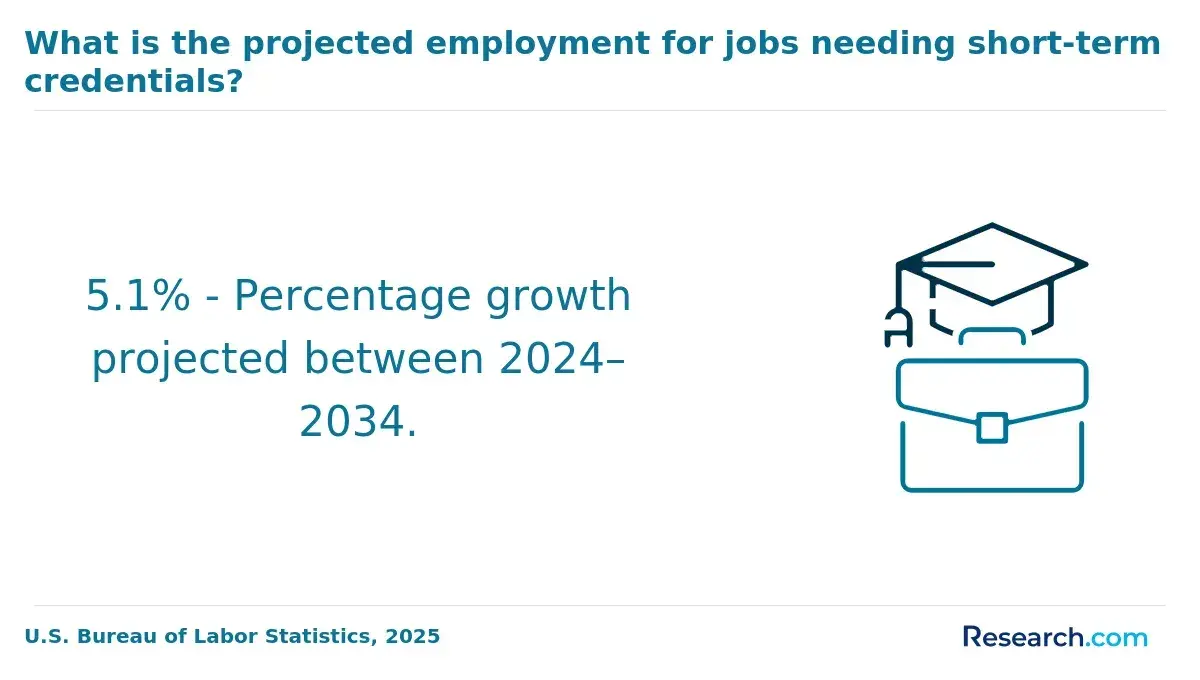
- The BLS lists the 2024 median pharmacist wage at $137,480 and projects 5% employment growth for pharmacists from 2024 to 2034, so ROI depends heavily on tuition, debt, location, work setting, and whether you plan to pursue residency or specialty roles.
How do PharmD pathways differ for nontraditional students returning to school?
A doctor of pharmacy, or PharmD, is a professional doctorate that prepares graduates to become licensed pharmacists. For nontraditional students, the main issue is not whether the degree is legitimate; it is whether the pathway fits your existing credits, job responsibilities, family schedule, finances, and career goal.
Nontraditional PharmD applicants often fall into different starting points. A pharmacy technician may already understand medication workflows but need science prerequisites. A nurse may bring patient-care experience but still need chemistry and calculus. A business or humanities graduate may need a longer prerequisite plan before becoming competitive.
The table below compares common starting points so you can identify which path is likely to be realistic before you contact admissions offices:
| Starting point | Typical strengths | Common gaps | Best-fit PharmD path |
| Working pharmacy technician | Medication names, pharmacy workflow, patient interaction | Upper-level science courses, bachelor's-level academic record | Traditional, accelerated, or hybrid PharmD after completing prerequisites |
| Nurse or allied health professional | Clinical judgment, patient communication, healthcare documentation | Organic chemistry, biochemistry, pharmacy-specific prerequisites | Flexible or hybrid PharmD if clinical scheduling can be managed |
| Science bachelor's graduate | Strong biology, chemistry, and lab background | Pharmacy exposure, recommendation letters, recent coursework if degree is older | Three-year accelerated or four-year PharmD depending on readiness |
| Career changer from a non-science field | Maturity, professional discipline, leadership or customer service | Most science prerequisites, healthcare exposure, study adjustment | Prerequisite-first plan followed by a standard PharmD program |
| Internationally educated pharmacist | Prior pharmacy education and professional experience | U.S. equivalency, English proficiency, state-specific licensure rules | State board review, possible PharmD or foreign graduate licensure route |
The smartest path is usually the one that minimizes unnecessary repetition without rushing past foundational science. For example, a registered nurse comparing pharmacy with nursing advancement may also want to evaluate affordable RN to BSN online programs before committing to the longer PharmD route, especially if the main goal is leadership in patient care rather than medication expertise.
Common mistakes include assuming healthcare experience replaces prerequisites, choosing the shortest program without checking workload, or applying before confirming whether older credits are still accepted. Adults returning to school should ask each program for a transcript review early, because the same course may be accepted by one school and rejected by another.
What admission requirements and prerequisites do PharmD programs have for career changers?
PharmD admission requirements vary by school, but most programs look for evidence that you can handle intensive biomedical coursework and patient-care responsibilities. Career changers should expect a review of college transcripts, prerequisite grades, recommendations, interviews, and healthcare exposure.
Prerequisites usually matter more than your original major. Many programs admit students without a completed bachelor's degree if all prerequisite coursework is finished, but applicants with a bachelor's degree may be stronger if their science record is recent and competitive.
Most PharmD programs evaluate the following categories because they predict readiness for the professional curriculum:
- Science coursework: General chemistry, organic chemistry, biology, microbiology, anatomy and physiology, and often biochemistry.
- Quantitative coursework: Calculus, statistics, or related math depending on the program.
- General education: English composition, communication, economics, psychology, or humanities courses that support patient counseling and professional practice.
- Academic performance: Cumulative GPA, science GPA, trend in recent grades, and whether difficult prerequisites were completed successfully.
- Professional readiness: Pharmacy or healthcare experience, service, leadership, interview performance, and recommendation letters.
- Testing policies: Many programs no longer require the PCAT, but applicants should verify each school's current policy rather than relying on old advice.
If you have been out of school for years, recent coursework can help demonstrate readiness. A strong grade in a current organic chemistry or biochemistry class may tell an admissions committee more than a decade-old transcript with unclear relevance.
A practical application sequence can prevent wasted time and fees. Use the steps below before submitting applications.
- Request unofficial transcript reviews from target programs before enrolling in new prerequisites.
- Ask whether prerequisite courses expire after a certain number of years.
- Confirm whether online labs, community college courses, or accelerated science courses are accepted.
- Build a realistic prerequisite calendar that accounts for course sequencing, such as chemistry before organic chemistry.
- Document healthcare exposure through work, volunteering, shadowing, or pharmacist interviews.
- Prepare an explanation of why pharmacy is the right next step, especially if your previous career was unrelated.
Red flags include schools that will not explain prerequisite policies clearly, pressure applicants to enroll before reviewing transcripts, or provide vague answers about whether a course meets admissions requirements. For adult learners, ambiguity can create expensive delays.
How can nontraditional students choose between online, hybrid, and campus PharmD programs?
PharmD programs cannot be entirely self-paced because pharmacy education requires labs, simulations, introductory pharmacy practice experiences, and advanced clinical rotations. However, the classroom portion may be delivered on campus, online, or in a hybrid format depending on the school.
The best format depends on how much flexibility you need and how much structure helps you succeed. Adults with jobs or caregiving responsibilities may prefer hybrid delivery, while students who need daily in-person accountability may do better on campus.
The comparison below shows how the main delivery formats differ in ways that matter for nontraditional students:
| Format | How it usually works | Best for | Main trade-off |
| Campus PharmD | Most classes, labs, and student services occur in person | Students who want structure, direct faculty access, and campus networking | Less geographic and schedule flexibility |
| Hybrid PharmD | Online coursework combined with required campus immersions, labs, or skills sessions | Working adults who can travel periodically and manage independent learning | Travel, lodging, and intensive campus sessions may add cost and stress |
| Online-heavy PharmD | Didactic courses are primarily online, but experiential rotations are completed in approved practice settings | Students far from a pharmacy school who are disciplined online learners | Requires strong time management and careful verification of rotation placement support |
| Accelerated PharmD | Year-round or compressed schedule, often with shorter breaks | Students who can study full time and want a shorter calendar timeline | Harder to combine with work or major family obligations |
If flexibility is your top concern, compare PharmD online programs by accreditation, campus visit requirements, rotation placement support, and licensure alignment rather than by convenience alone.
Before choosing a format, ask questions that reveal the real workload behind the marketing language:
- How many campus visits are required each term, and how long does each visit last?
- Are live online sessions mandatory, and are they scheduled during business hours?
- Who arranges introductory and advanced pharmacy practice experiences?
- Can rotations be completed near my home, or will relocation be required?
- What technology, proctoring, lab kits, travel, and lodging costs are not included in tuition?
- What support exists for students who have been out of school for several years?
A common mistake is treating "online" as easier. In a PharmD program, online delivery changes where you learn, not the professional standard you must meet. If you need flexibility, choose a program that is designed for adults rather than simply choosing the least campus-based option.
What should nontraditional PharmD applicants know about ACPE accreditation and program quality?
ACPE accreditation is one of the most important checks in PharmD program selection. The Accreditation Council for Pharmacy Education evaluates professional pharmacy programs in the U.S., and graduates generally must complete an ACPE-accredited PharmD program to be eligible for pharmacist licensure exams.
Accreditation is not the same as prestige. A well-known school may not be the best fit for your schedule, while a less familiar accredited program may offer stronger adult learner support. Your goal is to verify both baseline eligibility and practical quality.
Program quality should be judged across several dimensions because a PharmD is both an academic degree and a licensure pathway.
- Accreditation status: Confirm whether the program is accredited, a candidate, or a pre-candidate, and understand the risk level of each status.
- NAPLEX performance: Review recent pass rates, but interpret them alongside class size, admissions selectivity, and student support.
- Experiential education: Examine how the school places students in community, hospital, ambulatory care, and specialty rotations.
- Faculty and advising: Look for accessible faculty, academic coaching, remediation policies, and career advising.
- Residency and employment support: Ask about residency advising, interview preparation, alumni networks, and employer relationships.
- Student outcomes transparency: Be cautious if a school makes career claims without providing licensure, retention, or placement context.
Current pharmacy education trends also matter. ACPE's updated standards emphasize practice readiness, interprofessional care, population health, medication safety, and evolving technology. For nontraditional students, that means the best program is not just one that teaches drug facts; it should prepare you to work in team-based, data-supported, patient-centered practice.
Red flags include unclear accreditation language, unusually aggressive admissions pressure, weak rotation explanations, and lack of data on licensure exam performance. If a program cannot explain how it supports students through difficult science courses and clinical rotations, keep comparing options.
How long do PharmD programs take and what flexible scheduling options exist for adults?
The professional portion of a PharmD program typically takes 3 to 4 years after prerequisites. Some programs use an accelerated three-year calendar, while others follow a traditional four-year model with summer breaks or more breathing room between terms.
For nontraditional students, "fastest" is not always best. A shorter calendar can reduce time away from full-time earnings, but it may also make it harder to work, care for family, or recover academically from a difficult term.
The table below summarizes common timeline models and the type of adult learner each one tends to fit:
| Timeline model | Approximate structure | Good fit | Potential drawback |
| Traditional four-year PharmD | Professional coursework, labs, introductory experiences, then advanced rotations | Students who want a steadier pace and more time for leadership or work-study | Longer calendar before licensure eligibility |
| Accelerated three-year PharmD | Compressed, year-round study with shorter breaks | Students who can study full time and want to enter practice sooner | Limited flexibility for employment or caregiving |
| Extended or flexible PharmD | Reduced course load or modified progression where available | Adults balancing school with family, military, or employment obligations | May increase total time and living costs |
| Prerequisite-to-PharmD plan | One or more years of prerequisite completion before professional study | Career changers without recent science coursework | Requires patience before starting the professional curriculum |
Adults should plan the timeline around the most demanding parts of the degree. Advanced pharmacy practice experiences often resemble full-time work and may occur at sites with fixed daytime hours. Even if earlier coursework is flexible, rotations can limit your ability to maintain a regular job.
Use the following planning steps to avoid timeline surprises:
- Map prerequisite semesters first, including course sequences and lab availability.
- Ask whether the professional curriculum allows part-time progression or only cohort-based full-time study.
- Identify when rotations begin and whether relocation might be necessary.
- Estimate lost wages, childcare, commuting, and health insurance changes during full-time study.
- Build an emergency plan for illness, family disruption, or failed coursework.
A realistic timeline is one you can complete without relying on perfect conditions. Nontraditional students often succeed when they choose a sustainable schedule rather than the most aggressive one advertised.
What does the PharmD curriculum include and how can prior education transfer?
The PharmD curriculum combines pharmaceutical sciences, patient care, healthcare systems, ethics, communication, and supervised practice. Students learn how medications work, how to evaluate therapy, how to prevent medication errors, and how to counsel patients and collaborate with prescribers.
Prior education can help, but transfer policies are usually strict because pharmacy programs must verify professional competencies. General prerequisites may transfer more easily than professional PharmD courses, especially if the prior coursework came from outside an accredited pharmacy program.
Most PharmD curricula include the areas below, though course names differ by school:
- Biomedical sciences: anatomy, physiology, pathophysiology, microbiology, immunology, and biochemistry foundations.
- Pharmaceutical sciences: medicinal chemistry, pharmacology, pharmaceutics, pharmacokinetics, and toxicology.
- Clinical therapeutics: medication selection, dosing, monitoring, adverse effects, and disease-state management.
- Pharmacy practice skills: patient counseling, immunization training, compounding, drug information, documentation, and interprofessional communication.
- Healthcare systems: pharmacy law, ethics, public health, pharmacoeconomics, medication safety, informatics, and managed care.
- Experiential education: introductory and advanced pharmacy practice experiences in real pharmacy and patient-care settings.
Technology is becoming more important in pharmacy education and practice. Automation, clinical decision support, electronic health records, pharmacogenomics, and AI-assisted drug information tools are changing how pharmacists work. Students should look for programs that teach responsible use of technology rather than treating it as a separate add-on.
When asking about transfer credit, be specific. Admissions staff may give a general answer, but the registrar or academic affairs office usually determines what actually transfers.
- Send syllabi, catalog descriptions, credit hours, lab details, and grades for older or unusual courses.
- Ask whether community college sciences are accepted for all prerequisites.
- Confirm whether online lab sciences meet the program's standards.
- Ask whether prior graduate or professional coursework can waive any requirements.
- Get transfer decisions in writing before making enrollment or relocation decisions.
The biggest mistake is assuming that professional experience equals academic credit. A decade in healthcare may strengthen your application, but it rarely replaces required pharmacy coursework unless the program has a formal policy allowing it.
What are typical PharmD tuition costs, funding options, and ROI for midcareer adults?
PharmD costs vary widely by institution, residency status, program length, fees, and living expenses. For midcareer adults, the full cost is not just tuition; it also includes reduced earnings, childcare, commuting or relocation, technology, exam fees, licensing fees, and interest on borrowed funds.
Federal loan limits are an important planning constraint. Under current federal student aid rules, graduate and professional students may borrow up to $20,500 per academic year in Direct Unsubsidized Loans, with additional borrowing often handled through Grad PLUS loans if eligible. This matters because many PharmD students cannot cover the total cost with unsubsidized loans alone.
The table below separates cost categories so you can compare schools more accurately than tuition alone allows:
| Cost category | Why it matters for adult learners | Questions to ask |
| Tuition and mandatory fees | Usually the largest direct school cost and may differ for in-state and out-of-state students | Is the quoted amount annual, per term, or total program cost? |
| Living expenses | Adults may have mortgages, dependents, insurance, or reduced household income | Does the cost of attendance reflect my real housing and family situation? |
| Travel and campus requirements | Hybrid programs may require flights, hotels, meals, and missed work | How often must I travel, and are those costs included in estimates? |
| Rotation costs | Advanced practice experiences may require commuting, relocation, parking, or background checks | Where are rotation sites, and who pays related expenses? |
| Licensure and exam costs | Graduates must budget for NAPLEX, law exams, applications, and license fees | What fees should I expect after graduation before starting work? |
| Opportunity cost | Leaving or reducing work can be more expensive than tuition for some adults | How much income will I give up during prerequisites, coursework, and rotations? |
Funding options may include federal loans, scholarships, employer tuition assistance, military or veteran benefits, state workforce programs, part-time work, and repayment programs tied to underserved practice settings. Because aid packages vary by school and personal eligibility, adults should compare net cost and borrowing needs instead of sticker price.
To evaluate ROI, compare the PharmD against your actual alternatives. If your goal is healthcare operations, payer leadership, or administrative advancement rather than dispensing or clinical medication management, an affordable healthcare administration degree may offer a shorter and less clinically intensive route.
Use the following ROI checklist before enrolling:
- Estimate total program cost, including prerequisites, fees, rotations, and living expenses.
- Calculate how much you expect to borrow and whether interest will accrue during school.
- Compare likely pharmacist roles in your region with your current career trajectory.
- Ask whether residency is necessary for your preferred career path and how that affects the earnings timeline.
- Review licensure pass rates and student retention because delayed graduation can significantly change ROI.
- Consider quality of life, work hours, physical demands, and family impact, not only salary.
A PharmD can be financially sensible for adults who want licensed medication-care roles and can manage debt carefully. It may be a poor fit if the applicant is mainly seeking a general healthcare credential, is unable to relocate for rotations, or would need unsustainable borrowing to attend.
What licensure steps must PharmD graduates follow to become licensed pharmacists?
Graduating with a PharmD does not automatically make someone a licensed pharmacist. Licensure is controlled by state boards of pharmacy, and requirements vary by jurisdiction. Still, most U.S. pathways include an accredited degree, internship or experiential hour verification, national examination, law examination, and background review.
The general licensure sequence below applies broadly, but applicants should verify details with the state board where they plan to practice:
- Graduate from an ACPE-accredited PharmD program or meet the state's approved education pathway.
- Complete required supervised practice hours through school-based rotations, internships, or additional state-approved experience.
- Apply to the state board of pharmacy and submit required documentation, fees, background checks, and disclosures.
- Take and pass the North American Pharmacist Licensure Examination, commonly called the NAPLEX.
- Take and pass the required pharmacy law exam, often the MPJE or a state-specific law examination.
- Complete any additional state requirements, such as immunization authorization, continuing education, or controlled substance registration.
- Maintain the license through renewal, continuing education, and compliance with state practice rules.
Nontraditional students should pay attention to state-specific rules early, especially if they study online or near a state border. A program may be accredited nationally, but internship documentation, law exams, and practice privileges can still differ by state.
Licensure planning is especially important for students with past legal, disciplinary, or professional licensing issues. A background issue does not always prevent licensure, but failing to disclose it properly can create bigger problems. Applicants with concerns should contact the relevant state board before investing in a program.
Another common mistake is waiting until the final year to learn about law exams and application timelines. Adult learners who need to start earning quickly after graduation should budget time and money for exams, board processing, and potential retakes.
What pharmacy career paths, work settings, and advancement options exist after a PharmD?
A PharmD prepares graduates for pharmacist roles across community pharmacies, hospitals, ambulatory clinics, managed care organizations, long-term care, specialty pharmacy, public health, industry, academia, and informatics. The right path depends on whether you prefer direct patient counseling, acute care, business operations, medication safety, population health, or research-adjacent work.
Many nontraditional students bring prior skills that can shape their pharmacy career. Former teachers may excel in patient education. Nurses may transition well into ambulatory care or medication therapy management. Business professionals may move toward pharmacy operations, managed care, or compliance.
The table below summarizes common post-PharmD directions and what they typically involve:
| Career path | Typical work setting | Core responsibilities | Additional preparation often valued |
| Community pharmacist | Retail chains, grocery pharmacies, independent pharmacies | Dispensing, counseling, immunizations, medication safety, workflow supervision | Customer care, leadership, immunization credentials |
| Hospital pharmacist | Hospitals and health systems | Medication verification, dosing, rounds support, sterile products, safety monitoring | Residency often preferred for clinical roles |
| Ambulatory care pharmacist | Clinics, primary care, specialty clinics | Chronic disease management, medication therapy management, patient follow-up | Residency, board certification, collaborative practice experience |
| Managed care pharmacist | Insurers, pharmacy benefit managers, health plans | Formulary management, utilization review, outcomes analysis, policy support | Data literacy, population health, managed care experience |
| Specialty pharmacist | Specialty pharmacies, health systems, manufacturers | High-cost medication coordination, adherence support, prior authorization, patient monitoring | Specialty disease knowledge and payer experience |
| Pharmacy informatics | Hospitals, vendors, health systems | EHR optimization, clinical decision support, medication safety technology | Informatics training, data systems, workflow analysis |
Advancement can come through residency, fellowships, board certification, management experience, informatics skills, or graduate study. If your long-term goal is executive leadership, policy, or organizational strategy rather than pharmacist practice, a PhD in healthcare management may be a better advanced-degree comparison point than another clinical credential.
Pharmacy is also being reshaped by automation and AI. Dispensing robots, central fill models, electronic prior authorization, clinical decision support, and AI-enabled drug information tools are reducing some repetitive tasks while increasing the need for pharmacists who can interpret data, manage risk, counsel patients, and collaborate with care teams.
To choose a career direction while in school, take practical steps early:
- Use introductory practice experiences to compare community, hospital, ambulatory, and specialty settings.
- Ask pharmacists what they like and dislike about their schedules, metrics, and patient-care responsibilities.
- Join student organizations connected to your target setting, such as health system, managed care, or community pharmacy groups.
- Track whether your preferred roles typically require residency, fellowship, or board certification.
- Build technology and data skills if you are interested in informatics, managed care, or medication safety.
The best PharmD path is the one that aligns with the type of pharmacist you want to become. A student aiming for hospital clinical practice may need a very different strategy from a student planning to lead community pharmacy operations.
What are current pharmacist salary ranges and job outlook for PharmD graduates?
Pharmacist salaries vary by state, employer, setting, schedule, experience, and whether the role is clinical, retail, administrative, or industry-based. The most reliable national benchmark is the Bureau of Labor Statistics, which reported a $137,480 median annual wage for pharmacists in 2024.
That median should be treated as a planning reference, not a personal guarantee. A new graduate in a competitive urban market, a resident, or a part-time pharmacist may earn less than the national median, while some roles in high-demand regions, management, specialty pharmacy, or industry may pay more.
The table below explains how to interpret salary expectations without relying on one national number:
| Salary factor | How it can affect pay | Why it matters for nontraditional students |
| Work setting | Retail, hospital, managed care, specialty, industry, and government roles may use different pay structures | Your target setting should influence program choice, residency planning, and debt tolerance |
| Geography | Pay often differs by state, metro area, rural demand, and cost of living | A higher salary may not improve ROI if housing, taxes, or commuting costs are also higher |
| Schedule | Evenings, weekends, overnight shifts, or floating roles may affect compensation | Adults with family obligations should compare schedule demands, not only base pay |
| Residency or fellowship | Postgraduate training can improve access to some clinical or industry roles but may reduce short-term earnings | The value depends on your desired career path and opportunity cost |
| Management responsibility | Pharmacy managers, directors, and operations leaders may earn more but carry staffing, compliance, and performance responsibilities | Prior business or leadership experience may be useful for advancement |
The job outlook is stable but not uniform across all settings. BLS projects 5% growth for pharmacists from 2024 to 2034, which suggests continued demand, but applicants should understand that growth is shaped by healthcare delivery changes, automation, retail consolidation, and expanding clinical services.
For nontraditional students, the employment question should be local and role-specific. Before enrolling, review job postings in your target region, talk with pharmacists in your desired setting, and ask schools where recent graduates work. If your local market is saturated and relocation is impossible, the financial case for a PharmD may be weaker.
The strongest salary strategy is to match education choices with market demand. Students who combine medication expertise with patient communication, immunization services, chronic disease management, data literacy, informatics, or managed care knowledge may have more adaptable career options than students who prepare for only one narrow role.
Other Things You Should Know About PharmD
No, a PharmD (Doctor of Pharmacy) and a PhD in pharmacy are distinct degrees. A PharmD is a professional doctorate focused on clinical practice, while a PhD is a research-focused degree. Nontraditional students often pursue the PharmD for direct patient care roles.
Often, yes. Many programs allow applicants to apply while prerequisites are in progress, as long as required courses are completed before enrollment. Always confirm deadlines and minimum grade requirements with each school.
It is usually not required, but it can help you confirm that pharmacy work fits your interests. Technician experience can also strengthen your application by showing exposure to medication systems and patient service.
Residency is not required for pharmacist licensure, but it is often preferred or expected for many hospital, ambulatory care, academic, and specialized clinical roles. Community pharmacy and some industry or managed care roles may not require residency.
References
- Pharmacy Career Outlook: Is a Career in Pharmacy Worth It? - Roseman University https://www.roseman.edu/student-experience/news/pharmacy-career-outlook-is-a-career-in-pharmacy-worth-it/
- Career Paths in Pharmacy | University of Health Sciences and Pharmacy in St. Louis https://www.uhsp.edu/academics/pharmd-program/career-paths-in-pharmacy/
- PharmD Admissions Requirements: Understanding Prerequisite Courses and Planning Ahead https://blog.accepted.com/pharmd-prerequisite/
- PharmD Tuition and Financial Aid https://www.pacific.edu/pharmacy/pharmd/tuition-financial-aid
- Pharmacy School Costs in 2025 https://pharmacy.uworld.com/blog/how-much-does-pharmacy-school-cost/
- Nontraditional Doctor of Pharmacy (NTDP) https://www.su.edu/pharmacy/programs/non-traditional-pathway/
- Getting Your PharmD: How Long is Pharmacy School? https://www.pacificu.edu/blog/getting-your-pharmd-how-long-pharmacy-school
- Hybrid Programs- Which Students Want Them? https://encoura.org/resources/wake-up-call/hybrid-programs-which-students-want-them/
- Why I Choose Pharmacy: A Non-Traditional Path to Pharmacy School https://pharmacyforme.org/2022/02/22/why-i-choose-pharmacy-non-traditional-path-pharmacy-school