2027 Best Online PharmD Programs for Students Interested in Long-Term Career Stability

Co-Founder and Chief Data Scientist
Choosing an online PharmD program is a high-stakes decision because the degree leads to a licensed healthcare profession, not just a credential. The U. S. Bureau of Labor Statistics reported a May 2024 median annual wage of $137,480 for pharmacists, making PharmD training a potentially strong long-term investment when chosen carefully. This guide is for students comparing online or hybrid PharmD options, including career changers and working adults. You will learn how programs differ, how to verify accreditation, what licensure requires, and which career paths may offer stronger stability.
Key Things You Should Know
- Online PharmD programs are usually hybrid professional doctorates: didactic coursework may be online, but ACPE-required experiential rotations must be completed in approved practice settings.
- The strongest programs for career stability are ACPE-accredited or ACPE-recognized pathways with strong clinical placement support, NAPLEX preparation, transparent outcomes, and access to hospital, ambulatory care, managed care, or specialty pharmacy experiences.
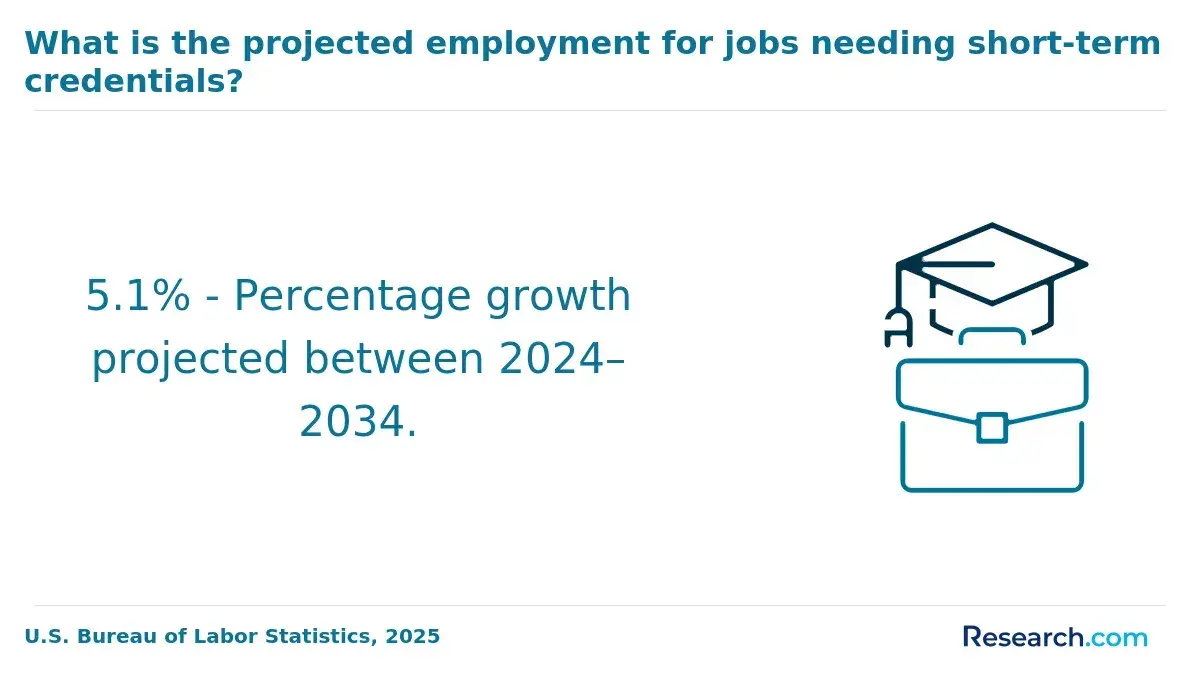
- Pharmacists had a May 2024 median annual wage of $137,480, while BLS projections for 2024 to 2034 show 5% employment growth, so ROI depends heavily on tuition, borrowing, residency plans, and career setting.
What is an online PharmD program and how does it differ from a campus program?
An online Doctor of Pharmacy, or PharmD, is a professional doctorate designed to prepare students for pharmacist licensure. It is not the same as a research PhD. The PharmD focuses on medication therapy, patient counseling, drug safety, clinical decision-making, healthcare systems, and supervised practice experiences.
For most students, "online PharmD" means the lecture-based portion is delivered online, while labs, assessments, campus immersions, and clinical rotations may still require in-person attendance. This distinction matters because pharmacy licensure is built around patient care competency, not only course completion.
The table below compares the major decision points between online and campus PharmD formats. Use it to decide whether flexibility is worth the added responsibility of managing remote learning and travel requirements.
| Feature | Online or hybrid PharmD | Campus PharmD |
| Course delivery | Most lectures and discussions may be online, often with live or asynchronous components. | Most lectures, labs, and group activities occur on campus. |
| Clinical rotations | Completed in approved pharmacies, hospitals, clinics, or health systems; location support varies by school. | Completed through the school's established regional or affiliated practice network. |
| Best fit | Self-directed students, working adults, or students who cannot relocate for the full program. | Students who prefer face-to-face learning, daily faculty access, and a traditional campus community. |
| Main risk | Assuming "online" means fully remote; most programs still require in-person labs or rotations. | Less flexibility for students with work, caregiving, or location constraints. |
| Career outcome | Can lead to the same licensure pathway if the program meets accreditation and state requirements. | Can lead to the same licensure pathway if the program meets accreditation and state requirements. |
A good online PharmD program should be judged less by convenience and more by whether it can get you to licensure, clinical competence, and employable practice experience. Flexibility is valuable only if the program's accreditation, rotations, and outcomes support your intended state and career path.
Which online PharmD programs are considered the best for long-term career stability?
The best online PharmD programs for long-term career stability are not simply the fastest or most convenient. They are programs that combine recognized pharmacy accreditation, a clear licensure pathway, strong experiential education, transparent student outcomes, and access to practice settings that remain important even as dispensing becomes more automated.
The following programs are commonly worth comparing because they offer online, distance, or hybrid PharmD pathways through established U.S. pharmacy schools. Always verify current accreditation status, state authorization, tuition, and rotation availability before applying.
| Program | Online or hybrid pathway | Why it may support career stability | Best fit |
| Creighton University | Distance PharmD pathway | Long-running distance model with professional pharmacy training and required clinical experiences. | Students who want an established distance pathway with structured professional expectations. |
| Lake Erie College of Osteopathic Medicine | Distance education PharmD pathway | Designed for remote didactic learning with required experiential components and licensure preparation. | Students seeking a flexible pathway who can manage intensive professional coursework. |
| St. John Fisher University | Online PharmD pathway | Combines online learning with experiential pharmacy education and patient-care preparation. | Students who want a private university model with online delivery and clinical placement planning. |
| Butler University | Online PharmD pathway | May appeal to students looking for a structured professional doctorate with online access and practice-based training. | Students comparing online PharmD options tied to an established health sciences college. |
| University of Colorado Anschutz Medical Campus | Distance or online PharmD options for eligible students | Can be especially relevant for pharmacists or advanced students seeking a pathway connected to an academic medical campus environment. | Students who meet eligibility requirements and want strong health-system exposure. |
If speed is one of your priorities, compare accelerated options carefully against workload, residency competitiveness, and total cost. Some students also research 3 year PharmD programs, but accelerated timing only helps if the format still supports licensure, rotations, and career readiness.
For long-term stability, prioritize programs that can show how students move into clinical practice, community pharmacy, residency, managed care, specialty pharmacy, public health, informatics, or industry roles. A program with slightly higher tuition may be a better fit than a cheaper option if it provides stronger experiential placement support in your target region.
Are online PharmD programs accredited, and how can students verify accreditation status?
Online PharmD programs can be accredited, but students must verify this before enrolling. In the U.S., the Accreditation Council for Pharmacy Education, commonly called ACPE, is the key accreditor for professional PharmD programs that prepare students for pharmacist licensure.
Accreditation matters because state boards of pharmacy generally require graduation from an ACPE-accredited PharmD program or an accepted equivalent pathway before a candidate can sit for licensure exams. If a program is not properly accredited, the student may complete coursework but still be blocked from licensure.
Use the following steps before you submit an application or deposit. This process helps reduce the risk of choosing a program that does not meet your state's licensure rules.
- Search the current ACPE directory and confirm the exact pharmacy school name, campus, and pathway status.
- Check whether the program is accredited, candidate status, precandidate status, probationary, or discontinued, because these categories have different implications.
- Ask the admissions office whether the online or distance pathway is included under the school's ACPE status.
- Contact your state board of pharmacy and ask whether graduates from the specific program are eligible for licensure in your state.
- Save written confirmations from the school and state board before paying a nonrefundable deposit.
A common mistake is assuming that regional institutional accreditation is enough. Institutional accreditation is important for federal financial aid and academic legitimacy, but pharmacy licensure depends on professional pharmacy accreditation and state board rules.
What education, exams, and clinical requirements are needed to become a licensed pharmacist?
To become a licensed pharmacist in the U.S., students usually need prerequisite undergraduate coursework, an accredited PharmD degree, supervised experiential hours, and passing scores on required licensure exams. Exact rules vary by state, so students should treat national requirements as a starting point rather than a complete checklist.
The path typically follows a sequence. Understanding the sequence helps applicants estimate time, cost, and risk before committing to a program.
- Complete required prerequisite courses, often including general chemistry, organic chemistry, biology, anatomy or physiology, microbiology, calculus or statistics, English, and social science coursework.
- Enroll in an ACPE-accredited PharmD program and complete the professional curriculum.
- Complete Introductory Pharmacy Practice Experiences and Advanced Pharmacy Practice Experiences in approved settings.
- Apply to the state board of pharmacy for examination eligibility and meet background check or intern registration requirements.
- Pass the North American Pharmacist Licensure Examination, usually called the NAPLEX.
- Pass the Multistate Pharmacy Jurisprudence Examination or a state-specific law exam when required.
- Complete any additional state-specific requirements, such as immunization certification, controlled substance registration, or continuing education after licensure.
Students interested in hospital, ambulatory care, oncology, infectious disease, pediatrics, psychiatry, or other clinical specialties may also pursue a postgraduate residency. Residency is not required for all pharmacist jobs, but it can be important for competitive clinical roles and health-system advancement.
How do online PharmD curricula, clinical rotations, and experiential learning typically work?
Online PharmD curricula usually combine science-heavy coursework with patient-care training. Early courses focus on foundations such as pharmacology, medicinal chemistry, pathophysiology, pharmaceutics, calculations, ethics, and healthcare systems. Later coursework emphasizes therapeutics, pharmacokinetics, patient assessment, interprofessional care, medication safety, and evidence-based decision-making.
Experiential learning is where the program becomes more than online coursework. Pharmacy students must practice in real healthcare environments because they need to learn how to evaluate medication therapy, communicate with patients, collaborate with prescribers, document care, and manage safety risks.
The table below summarizes the major learning components. It can help you ask better questions about how much of the program is remote and how much requires in-person participation.
| Component | What students usually do | Why it matters for stability |
| Didactic coursework | Study drug therapy, disease states, calculations, law, patient safety, and healthcare systems. | Builds the knowledge base needed for licensure exams and clinical decisions. |
| Skills labs | Practice counseling, sterile or nonsterile compounding concepts, communication, and patient assessment. | Helps students demonstrate competence beyond memorizing drug information. |
| IPPE rotations | Complete early practice experiences in community, institutional, or other pharmacy settings. | Introduces real workflows and helps students confirm career fit before advanced rotations. |
| APPE rotations | Complete advanced full-time rotations in settings such as acute care, ambulatory care, community pharmacy, and electives. | Often shapes references, residency competitiveness, and first-job opportunities. |
| Capstone or readiness assessments | Demonstrate integration of clinical reasoning, law, calculations, and patient-care skills. | Supports NAPLEX preparation and employer confidence. |
Technology is also changing pharmacy training. Electronic health records, clinical decision-support tools, automation, telepharmacy, pharmacogenomics platforms, and AI-supported medication review are becoming more common. Students who want durable careers should choose programs that teach pharmacists to interpret technology outputs, catch safety issues, and communicate recommendations rather than simply process prescriptions.
What are the admission requirements and prerequisite courses for online PharmD programs?
Admission requirements vary by school, but online PharmD programs generally expect the same academic preparation as campus programs. Applicants usually need strong performance in science prerequisites, evidence of communication skills, healthcare exposure, and readiness for graduate-level professional study.
Before applying, compare requirements school by school because missing one prerequisite can delay admission by a full cycle. Most applicants should review these common requirements early.
- Prerequisite coursework in chemistry, biology, anatomy or physiology, microbiology, calculus or statistics, English composition, psychology, sociology, economics, or communication, depending on the program.
- Minimum GPA requirements, often with separate attention to science GPA and prerequisite GPA.
- Official transcripts from all colleges attended, including dual enrollment and transfer coursework.
- Letters of recommendation from science faculty, pharmacists, supervisors, or healthcare professionals.
- Personal statement explaining interest in pharmacy, patient care, leadership, and career goals.
- Interview participation, often using behavioral, ethical, or situational questions.
- Healthcare or pharmacy experience, which may be recommended even when not strictly required.
- Background check, drug screening, immunization records, and technical standards review before experiential placement.
The PCAT has become less central than it once was, and many pharmacy schools no longer require it. That said, applicants with uneven academic records should ask whether an optional standardized test, recent upper-level science coursework, or documented pharmacy experience could strengthen their file.
Red flags include programs that are vague about prerequisites, cannot explain clinical placement expectations, pressure applicants into quick deposits, or avoid answering state licensure questions. A reputable admissions office should be able to explain exactly how online students progress from prerequisites to rotations to licensure eligibility.
How long do online PharmD programs take, and what do they cost overall?
Most PharmD programs take three to four professional years after prerequisites, but the full timeline depends on whether you already completed undergraduate science courses. Some students enter after two or more years of college prerequisites, while others complete a bachelor's degree first.
The table below summarizes common timeline models. It helps clarify why two students in "online PharmD" programs may have very different completion dates and total costs.
| Pathway | Typical structure | Best fit | Main trade-off |
| Traditional four-year PharmD | Four professional years after prerequisites. | Students who want a standard pace with more time for work, leadership, and career exploration. | Longer enrollment may increase living costs and borrowing time. |
| Accelerated three-year PharmD | Year-round professional study with shorter breaks. | Students who can handle an intensive pace and want to enter the workforce sooner. | Less flexibility for employment, remediation, or personal obligations. |
| Early assurance or direct-entry pathway | Undergraduate prerequisites are paired with conditional progression into the PharmD phase. | High school or early college students committed to pharmacy. | Changing majors later may require careful credit planning. |
| Post-BS or nontraditional pathway | Designed for students who already hold specific pharmacy or science preparation. | Licensed pharmacists or advanced students meeting specialized eligibility rules. | Not always appropriate for first-time licensure candidates. |
Overall cost varies widely because PharmD pricing depends on tuition rate, fees, residency status, program length, travel for labs or rotations, health requirements, equipment, exam fees, and lost income while studying. Instead of comparing tuition alone, students should request the full cost of attendance for each year of the program.
Borrowing costs are especially important. Federal graduate and professional student loans carried a 2024-2025 interest rate of 8.08% for Direct Unsubsidized Loans and 9.08% for Grad PLUS Loans, so a lower-tuition program can become significantly more valuable if it reduces the amount financed.
When estimating total cost, ask each school for line-item amounts in these categories so you can compare programs on the same basis.
- Professional tuition and mandatory university or pharmacy school fees.
- Technology fees, simulation fees, lab fees, background checks, drug screenings, immunizations, and required health documentation.
- Travel and lodging for campus immersions, skills assessments, exams, or distant rotations.
- Books, software, laptop requirements, testing platforms, professional memberships, and liability insurance.
- NAPLEX, law exam, state licensure, intern registration, and transcript fees near graduation.
- Interest, origination fees, and repayment timing if you plan to use federal or private loans.
A practical ROI test is to compare your expected debt at graduation with realistic pharmacist roles in the region where you plan to work. The degree may be financially reasonable for a student entering a stable health-system, managed care, or specialty pharmacy pathway, but riskier for someone borrowing heavily without geographic flexibility or a clear employment plan.
What pharmacist career paths offer the strongest long-term job stability and advancement?
Pharmacist stability increasingly depends on the setting and skill mix. Traditional community dispensing remains a major employment sector, but automation, central-fill models, corporate consolidation, and reimbursement pressure can affect staffing patterns. Roles that combine medication expertise with direct patient care, outcomes management, informatics, or population health may offer stronger advancement potential.
The BLS projects 5% employment growth for pharmacists from 2024 to 2034. That is a positive signal, but it does not mean every pharmacy role will grow equally; students should choose rotations and electives that align with settings where pharmacists are expanding clinical or operational value.
The table below highlights career paths to compare. It focuses on stability drivers rather than promising any specific outcome.
| Career path | Typical responsibilities | Stability and advancement factors |
| Hospital or health-system pharmacist | Medication verification, clinical consults, rounds support, transitions of care, safety monitoring. | Strong fit for students pursuing residency, board certification, and interprofessional clinical work. |
| Ambulatory care pharmacist | Chronic disease management, medication therapy management, anticoagulation, diabetes or hypertension support. | Can be stable where value-based care and team-based primary care are expanding. |
| Specialty pharmacy pharmacist | High-cost or complex medication management, adherence monitoring, prior authorization support, patient education. | Stability may come from growth in biologics, oncology, immunology, and rare disease therapies. |
| Managed care or PBM pharmacist | Formulary management, utilization review, pharmacoeconomic analysis, quality measures. | Good fit for students interested in population health, policy, analytics, and payer systems. |
| Informatics or medication safety pharmacist | Clinical systems, medication-use technology, alerts, automation, safety reporting, workflow optimization. | Technology-literate pharmacists may be better positioned as AI and automation reshape dispensing. |
| Community pharmacist with expanded services | Dispensing, counseling, vaccinations, testing, medication synchronization, adherence services. | More stable when pharmacists are used for clinical services, immunization, and patient access, not dispensing alone. |
| Industry, regulatory, or medical affairs pharmacist | Drug information, pharmacovigilance, clinical development, medical communications, regulatory support. | Often competitive and may require fellowship, networking, research experience, or specialized electives. |
Students who want leadership outside direct patient care may eventually consider health administration, policy, analytics, or executive roles. For pharmacists aiming at senior healthcare leadership or academic administration, a PhD in healthcare management can be a later-stage option, but it is not a substitute for the PharmD when pharmacist licensure is the goal.
What salary ranges, benefits, and earning potential can PharmD graduates expect?
PharmD graduates should evaluate salary using national data, regional labor markets, practice setting, schedule, and post-graduate training. The BLS reported a May 2024 median annual wage of $137,480 for pharmacists, which is a useful national benchmark but not a guaranteed starting salary for every graduate.
Salary outcomes vary because pharmacist roles differ significantly. A residency-trained clinical pharmacist, retail floater, managed care pharmacist, industry fellow, overnight hospital pharmacist, and rural community pharmacist may all have different compensation structures and advancement paths.
The table below summarizes the major factors that influence earning potential. It can help students think beyond a single national median.
| Factor | How it can affect compensation | What students should consider |
| Practice setting | Retail, hospital, managed care, industry, government, and specialty pharmacy use different pay models. | Compare likely roles in the state or metro area where you plan to work. |
| Schedule | Evening, overnight, weekend, floating, or high-need locations may pay differently. | Higher pay may come with lifestyle trade-offs. |
| Residency or fellowship | Postgraduate training may improve access to competitive clinical or industry roles. | Residency stipends are usually lower than full pharmacist salaries during training. |
| Board certification | Specialty credentials can support advancement in clinical roles. | Value depends on employer, specialty, and job responsibilities. |
| Leadership skills | Management, operations, finance, and analytics can open director or executive tracks. | Students interested in leadership should build business and people-management skills early. |
Benefits can also materially affect total compensation. Pharmacists may receive health insurance, retirement contributions, paid time off, continuing education support, licensure reimbursement, professional membership support, parental leave, bonuses, or loan repayment assistance, depending on the employer.
Pharmacists who want to move into operations, payer strategy, consulting, or executive leadership sometimes add business training after gaining practice experience. An affordable online MBA healthcare management program may make sense for pharmacists targeting management roles, but it should be weighed against debt, time, and the value of employer tuition assistance.
How can students compare and choose a reputable online PharmD program in the U.S.?
The smartest way to choose an online PharmD program is to start with licensure fit, then compare cost, experiential support, outcomes, and career alignment. Rankings can be useful for discovery, but they should not replace accreditation verification or a state-specific licensure check.
Use the following process before committing. It is designed to help you avoid the most expensive mistakes students make when choosing professional healthcare programs.
- Confirm ACPE status for the pharmacy school and ask whether the online pathway is covered under that status.
- Contact your state board of pharmacy to verify that graduates are eligible for licensure where you plan to practice.
- Request full cost of attendance for each year, not just tuition per credit or per term.
- Ask how rotations are assigned, who secures sites, and what happens if a local site is unavailable.
- Review NAPLEX preparation support, graduation timelines, attrition policies, remediation rules, and student support services.
- Compare electives, experiential sites, residency advising, and career services against your target career path.
- Speak with current students or recent graduates about workload, faculty access, clinical placement, and exam preparation.
- Evaluate whether the program's schedule realistically fits your job, caregiving, travel, and financial situation.
The table below summarizes common red flags and better alternatives. Use it as a quick screening tool before paying an application fee or deposit.
| Red flag | Why it matters | Better alternative |
| The program markets itself as fully online without explaining in-person requirements. | PharmD training requires supervised practice and may require labs or campus visits. | Choose a school that clearly lists immersions, labs, rotation expectations, and travel needs. |
| Accreditation language is vague or hard to verify. | Licensure eligibility can depend on precise ACPE and state board status. | Verify the school in the ACPE directory and confirm with your state board. |
| Admissions staff cannot explain rotation placement support. | Weak placement planning can delay graduation or limit clinical exposure. | Ask for written details on site assignment, geographic limits, and student responsibilities. |
| The school highlights speed but not outcomes. | Accelerated study can increase workload and reduce flexibility. | Compare graduation, exam preparation, residency support, and career placement resources. |
| You are comparing healthcare careers but only looking at PharmD programs. | Pharmacy is a specific licensure route and may not fit every patient-care goal. | Compare alternatives such as physician assistant, nursing, public health, or a BSN to MSN program if your goals align more with nursing leadership or advanced practice. |
The final decision should come down to fit: Can this program legally and practically get you licensed in your state, train you well in real practice settings, keep debt manageable, and support the type of pharmacist role you want? If any one of those answers is weak, keep comparing.
Other Things You Should Know About PharmD
Yes. Pharmacy technician experience can strengthen an application because it shows exposure to medication workflows, patient communication, insurance issues, and pharmacy operations. It does not replace prerequisite coursework, but it can help applicants explain why they understand the profession.
No. A residency is not required for pharmacist licensure. However, postgraduate residency training is often preferred or expected for many hospital, ambulatory care, and specialty clinical roles, especially in competitive markets.
An online PharmD program in 2027 can provide numerous opportunities for career stability through flexible learning, access to diverse course offerings, and the ability to balance work and study. These programs often offer specialized tracks, ensuring that graduates can meet the evolving demands of the pharmacy field with a strong foundation in both traditional and digital practices.
Usually not fully. Many online PharmD programs use structured weekly schedules, live sessions, deadlines, exams, group work, and required clinical milestones. Students should expect a rigorous professional program, not an open-ended self-paced course.
References
- 2025 Best Online Pharmacy Schools https://www.onlineu.com/degrees/pharmacy
- Admission Requirements https://www.ualberta.ca/en/pharmacy/programs/pharmd-doctor-of-pharmacy/admission-requirements.html
- PharmCAS https://www.pharmcas.org/school-directory/pharmd-directory
- Online PharmD Programs: Best Flexible Online Pharmacy Schools https://www.phds.me/online-programs/pharmd-for-rph/
- Best Online PharmD Programs https://pharmddegree.com/choosing/best-online-pharmd-programs
- Careers in Pharmacy https://pharmacyforme.org/careers-in-pharmacy
- Pharmacist education and training | General Pharmaceutical Council https://www.pharmacyregulation.org/students-and-trainees/pharmacist-education-and-training
- Practice Experience Curriculum https://www.presby.edu/graduate-programs/pharmacy/pharmd/practice-experience/
- Start Your Future at the Only Online Pharmacy School in Ohio https://pharmdonline.findlay.edu/
- Elevate Your PharmD Degree with the FlexPharmD: A Flexible Path to Success https://www.unthealth.edu/college-of-pharmacy/doctor-of-pharmacy-pharmd.html