2027 Can You Get Student Loans If You Owe Your School Money?

Student Finance & Loan Expert
Students who owe money to their current or former schools often face challenges when applying for new student loans. Unpaid balances may impact eligibility for federal aid and complicate the financial planning required for further education. This obstacle can deter individuals from pursuing advanced degrees or professional certifications.
Understanding the specific conditions under which additional loans are granted is essential for managing education financing effectively. This article examines how existing school debts affect loan approval and outlines strategies to improve prospects for securing student loans despite outstanding obligations.
- Can you get new student loans if you already owe a balance to your college? Getting Student Loans with a Balance
- Does an unpaid balance or transcript hold affect federal student loan eligibility? Do Balances or Holds Block Federal Loans?
- How does owing your school money impact FAFSA completion and financial aid processing? FAFSA Impact of Unpaid Blances
- Can colleges refuse to certify federal or private loans when you have an unpaid bill? Loan Certification with an Unpaid Balance
- What options exist to pay off past-due tuition so you can re-enroll or graduate? Options for Resolving Past-Due Tuition
- Are there payment plans or third-party sponsorships that can cover prior term balances? Payment Plans for Prior Balances
- How do federal loan limits and Satisfactory Academic Progress rules apply when you owe money? SAP and Federal Loan Limits
- Can you use private student loans or personal loans to pay an existing balance owed? Using Private Loans for Existing Balances
- How does unpaid institutional debt affect your credit, collections, and future borrowing? Credit and Collections Risks of Past-Due Tuition
- What strategies help choose the safest way to borrow when you already owe your school? Safest Ways to Borrow for Past-Due Tuition
Can you get new student loans if you already owe a balance to your college?
You can get new federal student loans even if you owe money to your school, but there are important restrictions. Federal loans depend on your current enrollment and eligibility, not on your outstanding balance. However, many institutions place holds that block registration or access to services until previous debts are paid.
When considering eligibility for new student loans with existing college debt, each college's policies differ; some allow new loan disbursements but may apply funds first to old balances.
Private lenders often require a clear payment history and may deny loans if tuition remains unpaid. Understanding these distinctions is crucial when getting student loans when you owe money to your school, as private loans have stricter conditions related to existing debt.
The risk related to unpaid tuition is growing. Data shows 9.57% of federal student loans were 90+ days delinquent as of late, a steep rise from the previous year, reflecting more students facing interrupted enrollment due to unpaid balances.
Students should:
- Contact the financial aid office to understand policies on outstanding balances.
- Explore payment plans or emergency aid to clear debts.
- Consider federal options like Direct Subsidized and Unsubsidized Loans if eligible.
- Review private loan terms carefully to avoid denial due to unpaid balances.
For those in urgent need, researching last minute student loans can provide additional guidance on options available under tight timelines.
Does an unpaid balance or transcript hold affect federal student loan eligibility?
An unpaid school balance does not directly affect federal student loan eligibility. Federal student loans depend mainly on enrollment status and satisfactory academic progress, rather than institutional holds or unpaid charges. However, a transcript hold or outstanding balance can indirectly impact student loan approval if it stops your school from certifying your enrollment to the loan servicer.
For example, a transcript hold due to unpaid tuition may prevent you from registering for classes or re-enrolling. Since federal loans require at least half-time enrollment, this restriction can delay loan disbursement until the balance is paid or the hold is removed.
Many students face this challenge: about 6.6 million were affected by "stranded credits," where transcript holds or unpaid balances blocked re-enrollment or transfers, according to the National Student Clearinghouse Research Center.
If you owe money to your school, consider these options:
- Contact your financial aid office immediately to discuss payment plans or hold removal.
- Explore external loans or private lenders to cover your balance, though eligibility differs.
- Check if partial enrollment is possible to maintain federal loan eligibility despite a hold.
Clearing your debt helps ensure timely certification and disbursement of aid. For guidance on timing, see when to fill out FAFSA.
How does owing your school money impact FAFSA completion and financial aid processing?
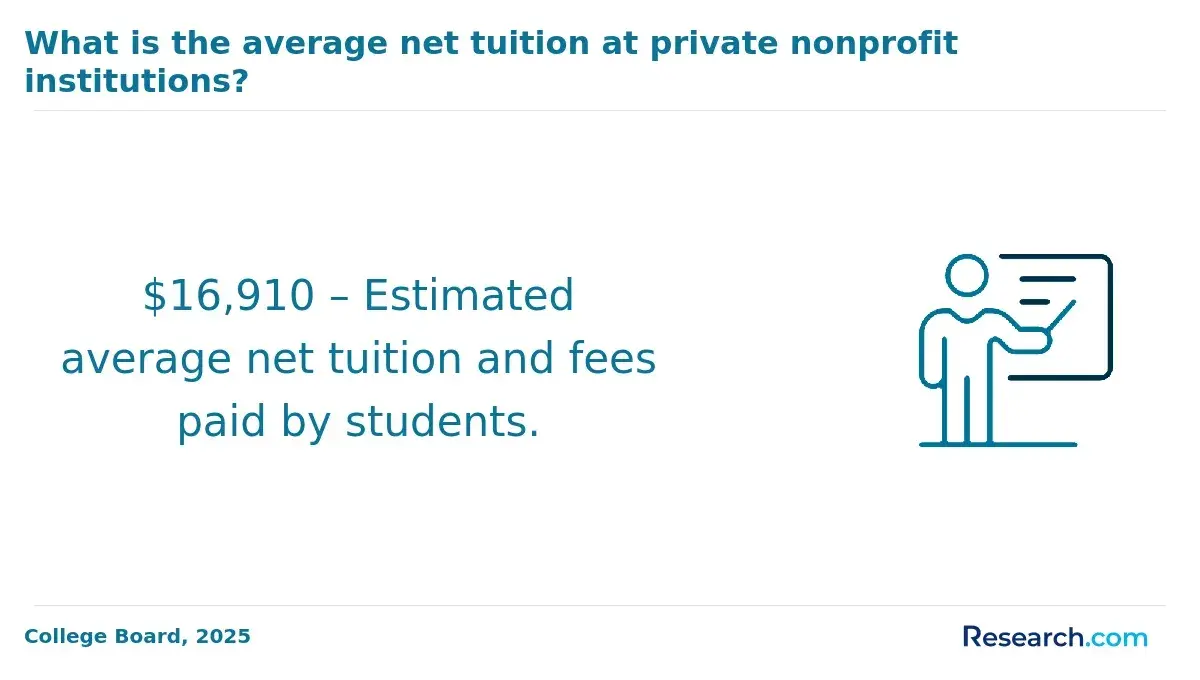
Owing your school money directly affects FAFSA completion and financial aid processing. Schools often require outstanding balances to be cleared before releasing additional federal student aid, including new loans. If you have unpaid tuition or fees, your institution may place a hold on your financial aid disbursements until the debt is resolved. This situation illustrates how student loan eligibility with outstanding school balance can be restricted by institutional policies.
Federal regulations require borrowers to be enrolled and in good financial standing to receive new federal loans. Although roughly 44.6 million borrowers held federal student loans in 2025, only about 18.5 million were actively repaying, underscoring how enrollment status and financial responsibility impact access to federal aid. This highlights that owing school debt affects FAFSA completion and the ability to secure new loans.
For instance, dropping a class that results in a balance due may make a student temporarily ineligible for future aid until the debt is settled. Past-due fines or housing fees can also cause holds on financial aid. To avoid delays, consider these steps:
- Contact your school's bursar or financial aid office to clarify the balance owed and its effect on your aid.
- Arrange payment plans if immediate payment isn't possible.
- Confirm your enrollment status remains active and that financial obligations are current.
Promptly resolving balances ensures smooth processing of financial aid, including new federal loans. Ignoring debts can delay or deny additional aid, limiting your ability to pay tuition and expenses. Students seeking extra financial help might explore grants for adult learners as a potential resource. Always align with your school's policies to maintain financial aid eligibility throughout your education.
Can colleges refuse to certify federal or private loans when you have an unpaid bill?
Colleges often refuse to certify federal or private student loans if you have an unpaid balance with the school. This refusal affects your ability to secure additional funds for tuition or other expenses. The impact of unpaid school debts on federal loan certification is significant because schools use loan certification as leverage to recover outstanding balances before approving new loans.
For federal loans, campuses act as certifying agents and commonly withhold certification when accounts show delinquency. Your financial aid office may delay disbursing funds until overdue amounts are cleared. College policies on loan eligibility with outstanding balances vary, but many institutions follow this standard to prevent accumulating debts.
Private lenders verify your student account independently and are more likely to reject loan applications if unpaid balances are detected. Stricter underwriting standards result in lower default rates; in fact, only 1.62% of private student loan balances were in default by Q3, compared with 10.0% delinquency for federal loans. If you owe money to your school:
- Contact the bursar or financial aid office immediately to explore repayment plans.
- Settle debts to avoid interruptions in loan certification and course registration.
- Consider loan alternatives or institutional emergency funds if needed.
Maintaining a clear account is essential to secure and sustain loan assistance. Students interested in options for managing debt might explore student loan refinancing through banks, which can offer more favorable terms and improve financial flexibility.
What options exist to pay off past-due tuition so you can re-enroll or graduate?
Students with past-due tuition balances must clear these debts to access financial aid, re-enroll, or graduate. Institutions typically require full payment or a formal repayment plan to remove holds on transcripts and enrollment records.
Common options to address outstanding tuition include:
- Paying off the full outstanding balance through savings, loans, or school-provided payment plans.
- Utilizing institutional payment plans offering low or no interest to spread payments over several months.
- Applying for emergency grants or scholarships designed to support students facing financial hardship, which can reduce or eliminate owed amounts.
- Obtaining private or personal loans specifically for tuition repayment, while carefully considering interest rates and terms.
- Restoring federal student loan eligibility by settling past balances or through consolidation and rehabilitation options for defaulted loans.
The average published in-state tuition and fees at public four-year colleges have increased notably, raising the chances of unpaid balances creating larger debts that block aid eligibility. Early communication with your school's financial aid office is essential to negotiate payment plans and understand specific institutional policies.
Are there payment plans or third-party sponsorships that can cover prior term balances?
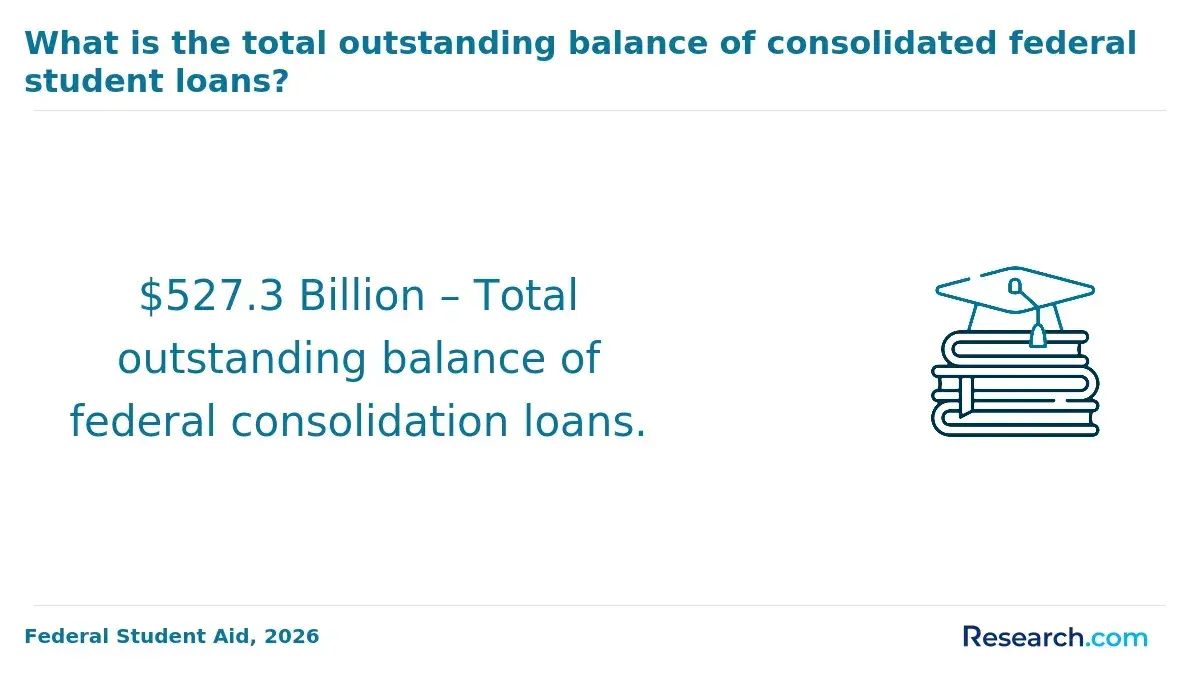
Many schools provide payment plans to help students manage prior term balances by breaking owed amounts into smaller, scheduled installments. These plans typically prevent registration or transcript holds as long as payments continue. For instance, a $1,200 debt might be split into three $400 monthly payments across a semester. Enrollment usually involves contacting the bursar or student accounts office directly.
Occasionally, third-party sponsorships, like emergency grants or private organizations, assist students in covering past due balances. Some nonprofits specifically focus on helping students with debts that block degree completion. These resources are limited and competitive, so early outreach to institutional aid offices and external foundations is important. Applicants generally need to demonstrate financial hardship.
Federal student loan programs do not directly cover unpaid school charges, but students may still qualify for new loans if the school permits enrollment and certifies eligibility. Missing payments or unresolved debt can negatively affect loan disbursement and credit status. According to the Education Data Initiative, 10.0% of federal student loan dollars were delinquent as of 2025 Q4, with delinquent repayment debt making up 11.3% in 2020 Q1, underscoring the risks of unpaid balances.
Proactive communication with your institution is essential. You may need to provide financial documents such as proof of income or hardship to access available payment options or sponsorships, helping avoid holds on registration and maintain financial aid eligibility.
How do federal loan limits and Satisfactory Academic Progress rules apply when you owe money?
Federal loan limits remain the same even if you owe money to your school. You are still eligible for federal student loans up to the limits set by the Department of Education, regardless of outstanding institutional debt. However, lenders and financial aid offices evaluate your enrollment status and academic standing before approving new loans.
Maintaining Satisfactory Academic Progress (SAP) is required to qualify for federal aid. SAP evaluates your grades, course completion rate, and timeframe for program completion. Owing money to your school often indicates challenges with meeting these standards.
If you fail to meet SAP requirements, you could lose eligibility for additional federal loans until you improve academically or repay the debt. Some schools allow appeals for SAP suspensions or offer institutional payment plans, but federal loans won't be disbursed until holds from unpaid balances are lifted.
Many students face financial difficulties, with billions in federal loans under deferment or forbearance. These temporary relief options help manage balances similarly to school payment plans, preventing immediate loss of loan access.
Communicating with your financial aid office is essential to understand your SAP status and explore payment options. Policies vary, and some schools place enrollment or loan disbursement holds when balances remain unpaid.
Can you use private student loans or personal loans to pay an existing balance owed?
Using private student loans or personal loans to pay off existing school balances is possible but generally not recommended. Private student loans often come with higher interest rates and fewer borrower protections compared to federal loans. Personal loans usually carry even higher interest rates, which can increase overall debt more quickly. Both require credit approval, which can be challenging for many students and recent graduates.
Private lenders may allow their loans to cover institutional debts, but many require proof that the loan proceeds will be used for future educational costs rather than past balances. Personal loans tend to have fewer restrictions but at a higher cost, so using them for consolidation requires careful consideration against potential savings.
Data from the Department of Education shows that a significant portion of education borrowing comprises unsubsidized Stafford loans and private or other nonfederal loans. Most loans begin accruing interest immediately, compounding the cost when used to pay existing balances instead of current tuition or fees.
Before choosing private or personal loans to pay school debts, compare interest rates, fees, and terms carefully. Consider alternatives such as institutional payment plans, scholarships, or federal Direct PLUS loans. Always weigh your repayment ability and total borrowing costs for a better financial outcome.
How does unpaid institutional debt affect your credit, collections, and future borrowing?
Unpaid institutional debt can severely damage your credit profile. Schools may send overdue balances to collections agencies, which negatively affects your credit score and reduces your ability to obtain loans or favorable interest rates on mortgages, auto loans, and credit cards. Unlike federal student loans, these debts lack protections like income-based repayment or deferment options.
When debts go to collections, debt collectors can garnish wages or levy bank accounts without court approval, impacting your financial stability. This process often adds fees, increasing your total owed amount. Even after repayment, the collections record can stay on your credit report for up to seven years.
These unresolved debts make future borrowing more difficult, as lenders view collections as financial risk. Owing $1,000 or more to your school could disqualify you from private student loans or refinancing opportunities.
Before the pandemic, $193.7 billion in federal student loan debt was delinquent during the first quarter of 2020, with 1.64% entering default-highlighting how unpaid balances escalate to collections and wage garnishment (Education Data Initiative, Student Loan Debt Crisis).
To minimize harm, pay institutional debts promptly or negotiate repayment plans directly with your school. Ignoring these debts can limit access to further education financing or employment in sectors requiring credit checks.
What strategies help choose the safest way to borrow when you already owe your school?
Contact your school's financial aid office to clarify your balance and explore options like payment plans or partial payments that may lift holds on enrollment or transcripts. Schools often allow flexible arrangements to prevent borrowing restrictions.
Prioritize federal student loans over private loans because federal loans provide fixed interest rates, income-driven repayment plans, and deferment options that protect borrowers facing financial hardship. Private loans usually lack these benefits and require credit checks, which can be challenging if you have outstanding balances.
Only consolidate or refinance federal loans if it lowers your interest rate without sacrificing borrower protections. Refinancing federal loans into private ones eliminates options like income-driven repayment and loan forgiveness programs.
Before borrowing more, assess whether your total debt is manageable after graduation. Student debt rose over 500% between 2004 and 2023, reaching about $1.6 trillion, making it the third-largest household debt category after mortgages and auto loans (Peter G. Peterson Foundation).
Look for scholarships, grants, or work-study opportunities to reduce costs instead of increasing loans. Consider part-time enrollment or delaying classes until existing balances are resolved to avoid unmanageable debt.
Maintain clear communication with your school and lenders, fully understand loan terms, and commit to repayment plans that suit your financial capacity to protect both your education and credit.
Other Things You Should Know About
State-based student loan programs often have their own policies regarding unpaid school balances. While some states may restrict access to these loans if you have an outstanding debt to your institution, others do not directly link eligibility to past-due amounts. It is important to check the specific rules of your state's loan program to understand how an unpaid balance might influence your eligibility.
Yes, if you are not currently enrolled but owe money, the school may send your account to a collection agency, which can negatively impact your credit score. Additionally, some institutions may withhold transcripts or diplomas until the debt is resolved, which can pose challenges if you seek further education or employment needing proof of credentials.
Federal student loans typically can only be disbursed for the current period of enrollment and approved educational expenses. However, if you are enrolled and the school authorizes it, new federal loans may sometimes cover past balances owed for educational costs already incurred. This depends on the school's policies and federal regulations, so confirming with your financial aid office is essential.