2027 Paralegal Career Outlook by Specialization

Co-Founder and Chief Data Scientist
Choosing a paralegal specialization affects the cases you support, the technology you use, and the employers most likely to hire you. The U. S. Bureau of Labor Statistics projects about 37,300 paralegal and legal assistant openings each year from 2023 to 2033, even though overall employment growth is modest.
This guide is for students, career changers, and working legal support staff comparing practice areas. You will learn which specializations appear strongest, what training fits each path, and how to choose a program that supports your career goals.
Key Things You Should Know
- Paralegal demand is steady rather than explosive: BLS 2024 projections show 1% employment growth from 2023 to 2033, with openings driven largely by turnover, retirements, and law firms' need for cost-effective legal support.
- Specialization matters because employers often hire for practice-specific skills such as e-discovery, immigration forms, contract management, intellectual property docketing, litigation support, or healthcare compliance.
- The national median pay for paralegals and legal assistants was $60,970 in May 2023, but salaries can vary significantly by employer type, metro area, experience, and whether the role supports high-demand corporate, litigation, IP, or regulatory work.
What does the paralegal career outlook look like across major legal specializations?
The paralegal career outlook is best understood by specialization because "paralegal" is a broad job title. A litigation paralegal may organize discovery and trial exhibits, while a corporate paralegal may maintain entity records, draft board consents, and support mergers or compliance filings. The core job is legal support under attorney supervision, but the documents, software, deadlines, and client issues differ by practice area.
Nationally, the outlook is stable. The BLS projects 1% growth for paralegals and legal assistants from 2023 to 2033, which is slower than many occupations, but the projected annual openings remain meaningful because firms, corporations, government agencies, and nonprofits continue to replace workers and delegate routine legal tasks to trained support staff. For students, this means the strongest strategy is not simply "become a paralegal"; it is to build targeted skills that match real employer workflows.
The table below compares common paralegal specializations by typical responsibilities and outlook signals. Because public labor data usually does not separate paralegal projections by legal practice area, the "outlook signal" should be read as practical hiring context rather than a guaranteed forecast.
| Specialization | Common responsibilities | Outlook signal | Best fit for students who like |
| Litigation and e-discovery | Discovery tracking, document review, pleadings, trial binders, case calendars, electronic evidence platforms | Strong practical demand where firms handle complex civil, commercial, insurance, or employment disputes | Deadlines, research, organization, legal technology |
| Corporate and business law | Entity formation, annual reports, contract support, due diligence, board records, compliance tracking | Often attractive in corporate legal departments and business-focused law firms | Contracts, business operations, structured processes |
| Intellectual property | Trademark filings, patent docketing, portfolio management, correspondence with agencies and counsel | Specialized and skills-driven, especially for candidates comfortable with docketing systems and strict deadlines | Detail-heavy filings, innovation, brand protection |
| Immigration law | Visa petitions, family-based filings, client intake, evidence packets, deadline tracking | Steady need in communities, nonprofits, and firms serving individuals, families, and employers | Client communication, forms, cross-cultural service |
| Criminal law | Case files, discovery review, subpoenas, trial preparation, court scheduling, client communication | Consistent need in public defender offices, prosecutor offices, and defense firms | Courts, investigation, public service |
| Family law | Financial affidavits, custody documents, hearing preparation, client intake, case management | Stable local demand, especially in firms serving divorce, custody, and support matters | Client service, local court procedure, sensitive cases |
| Real estate law | Closing documents, title review, purchase agreements, recording, escrow coordination | More cyclical because hiring can move with interest rates and property transactions | Transactions, documents, local procedures |
| Healthcare, privacy, and compliance | Policy tracking, regulatory research, records requests, HIPAA-related support, audits | Promising for candidates combining legal support with compliance literacy | Regulation, healthcare systems, documentation |
Technology is reshaping all of these areas. AI tools can summarize documents, identify clauses, and assist with legal research, but employers still need paralegals who can verify accuracy, protect confidentiality, manage deadlines, and understand attorney instructions. The most resilient paralegals are likely to be those who combine legal judgment, communication, and software fluency rather than relying only on routine document preparation.
Which paralegal specializations are projected to see the strongest job growth?
No major federal dataset publishes official growth projections for every paralegal specialization, so the best way to evaluate growth is to combine the national outlook with practice-area demand signals. The BLS 2024 projection of about 37,300 annual openings shows that the occupation remains active, but specialization choice can influence how competitive a candidate is for specific roles.
The strongest outlook generally favors specializations tied to large document volumes, regulatory complexity, business activity, and technology-enabled legal work. These areas often require paralegals who can handle precise workflows that attorneys do not have time to manage alone.
For students comparing options, the following specializations often offer the clearest demand signals:
- Litigation and e-discovery: Civil litigation, insurance defense, employment disputes, and commercial lawsuits generate discovery obligations, document databases, deposition schedules, and trial preparation needs. Candidates who understand e-discovery platforms and litigation calendars can stand out.
- Corporate and contract support: Companies need help with entity management, contract intake, compliance records, due diligence, and vendor agreements. This path is especially relevant for students interested in in-house legal departments.
- Intellectual property: IP paralegal work is specialized because filing deadlines, docketing, and portfolio management require precision. Candidates who learn trademark and patent workflow basics may find less generic competition than in entry-level legal assistant roles.
- Healthcare, privacy, and compliance: Healthcare organizations, insurers, and regulated businesses need staff who can support policy documentation, records management, and regulatory research. This specialization can fit students who want legal-adjacent work outside a traditional law firm.
- Immigration law: Immigration practices need paralegals who can manage client communication, evidence gathering, form preparation, and strict filing deadlines. Language skills and cultural competence can be valuable in this area.
A good way to evaluate growth locally is to search job postings in your target metro area and note repeated requirements. If postings consistently mention Relativity, contract lifecycle management, trademark docketing, bilingual client intake, or healthcare compliance, those are signals that a specialization has practical hiring value in your market.
How do paralegal salaries differ by specialization, experience level, and location?
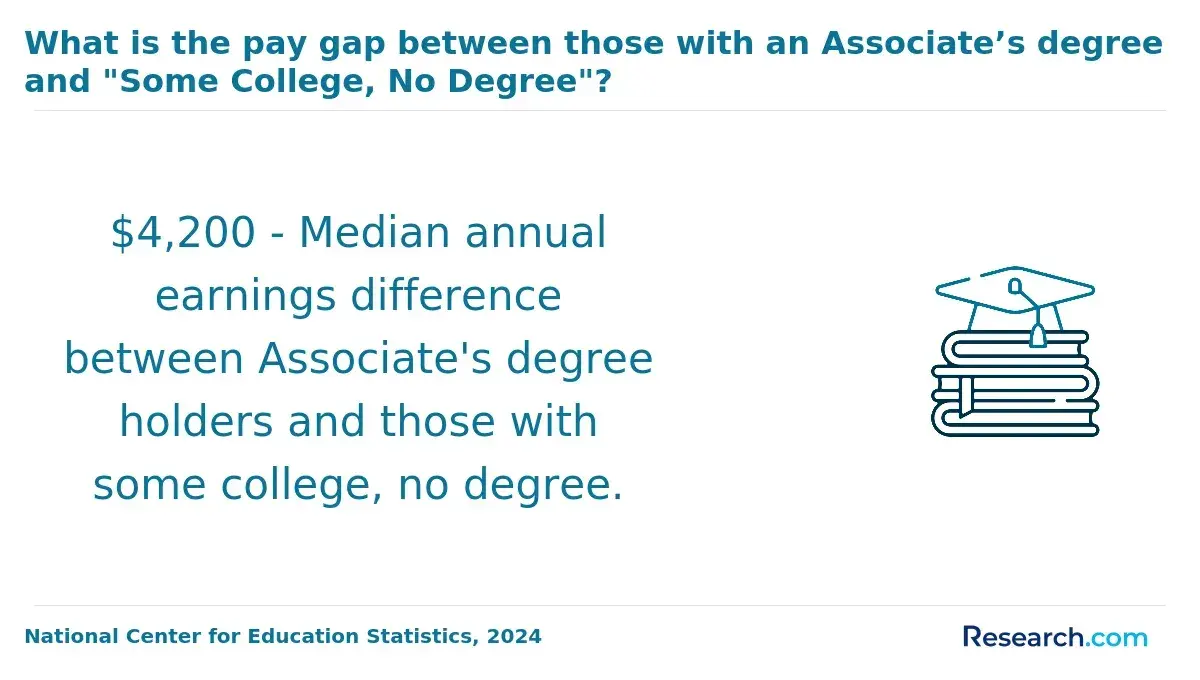
Paralegal salaries vary because employers do not pay only for the title; they pay for the work complexity, practice area, client base, and level of independence. The BLS reported a national median annual wage of $60,970 for paralegals and legal assistants in May 2023. Use that figure as a benchmark, not a promise, because actual pay can move above or below it depending on location, employer, and specialization.
Specialization affects salary most when it creates measurable employer value. A paralegal who can manage discovery databases, support complex transactions, track IP deadlines, or handle compliance documentation may qualify for more specialized roles than someone with only general office experience. However, entry-level salaries can still be modest until the candidate develops proven practice-area skills.
The table below shows how salary potential typically differs by career stage and specialization. It avoids unsupported dollar ranges because reliable public salary data is generally not broken down by paralegal practice area.
| Factor | How it affects pay | Examples of higher-value signals |
| Specialization | Complex or technical practice areas may command stronger pay when employers need less training time | E-discovery, IP docketing, corporate governance, healthcare compliance, contract management |
| Experience level | Entry-level roles focus on file management and basic drafting; senior roles may involve case strategy support, workflow supervision, and client coordination | Independent deadline tracking, attorney-ready drafts, training junior staff, managing vendor communication |
| Location | Large legal markets and high-cost metro areas often pay more, but competition and living costs are also higher | Federal hubs, corporate headquarters regions, major litigation markets, technology centers |
| Employer type | Pay may differ between small firms, large firms, corporations, government agencies, and nonprofits | Large law firms, in-house legal departments, federal agencies, regulated industries |
| Technology skills | Software fluency can improve competitiveness, especially in litigation and corporate work | Relativity, PACER, Westlaw or Lexis, contract management tools, docketing systems, Microsoft Excel |
Location can be especially important. A family law paralegal in a small local market may have a very different salary ceiling than a litigation paralegal supporting mass tort or commercial cases in a major metro area. Before choosing a specialization, compare local postings rather than relying only on national salary averages.
Students should also consider total compensation. Government and nonprofit jobs may offer lower starting salaries than some private-sector roles, but they may provide stable schedules, public service loan forgiveness eligibility for qualifying borrowers and employers, or valuable courtroom experience. Private firms may offer stronger pay in some markets but can involve heavier deadlines and overtime during trial or transaction periods.
What education is required to enter different paralegal specializations in the U.S.?
Most paralegal roles require some combination of formal education, legal training, and office or legal experience. There is no single national license required to work as a paralegal in most U.S. settings, but states, courts, and employers may impose their own expectations. The common education paths include a paralegal certificate, associate degree, bachelor's degree with paralegal coursework, or post-baccalaureate certificate.
A certificate can make sense for students who already have a degree or want targeted legal training. An associate degree can be a better fit for students who need both general education and career preparation. A bachelor's degree may help for corporate, compliance, IP, or government roles where employers prefer broader analytical and writing preparation.
The table below summarizes common education pathways and where they tend to fit best. It can help you avoid overpaying for credentials you do not need or undertraining for a specialization that expects technical competence.
| Education path | Typical student profile | Specializations where it can fit | Key limitation to check |
| Paralegal certificate | Career changers, degree holders, or students seeking focused legal training | Litigation, family law, immigration, real estate, general practice | Some certificates are designed for students who already hold an associate or bachelor's degree |
| Associate degree in paralegal studies | Students starting college or seeking a two-year career path | General practice, criminal law, family law, local government, small firms | Transfer policies matter if you later want a bachelor's degree |
| Bachelor's degree with legal studies or paralegal concentration | Students targeting competitive markets, corporate roles, or future law school | Corporate, compliance, IP support, complex litigation, government | Higher total cost may not be necessary for every entry-level role |
| Post-baccalaureate paralegal certificate | Bachelor's degree holders who want legal career preparation without another degree | Corporate, litigation, IP, immigration, regulatory support | Program quality and employer recognition vary |
If affordability is your main concern, compare tuition, transfer credit, required fees, and ABA approval rather than choosing by advertised price alone. Students looking for the cheapest paralegal certificate online should still confirm whether the program's format, internship options, and specialization courses match local employer expectations.
Criminal law can also overlap with broader justice-system training. Students who want legal support roles in prosecutor offices, public defender offices, law enforcement-adjacent agencies, or court systems may benefit from comparing paralegal studies with criminal justice associate programs online, especially if they are not yet sure whether they prefer legal drafting, investigation support, corrections, or public safety administration.
How do online and campus-based paralegal programs compare for specialized training?
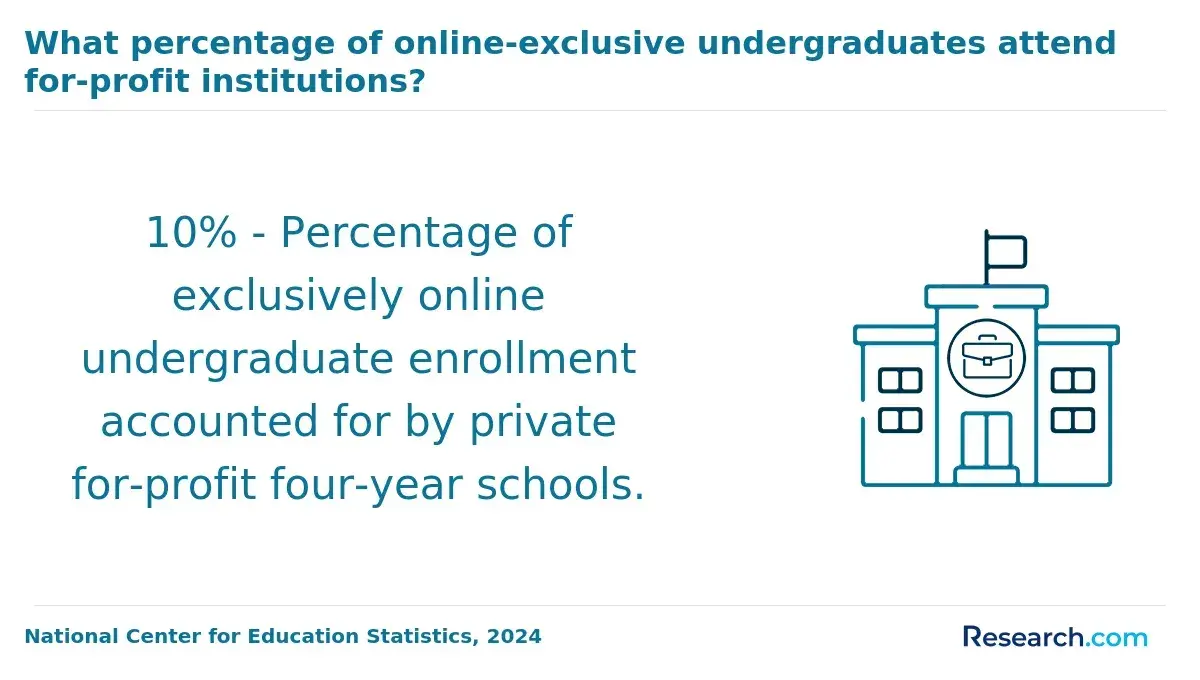
Online and campus-based paralegal programs can both prepare students for specialized work, but they differ in flexibility, networking, hands-on support, and access to local legal employers. The better choice depends on your schedule, learning style, location, and target practice area.
Online programs often work well for working adults, parents, military learners, and students who do not live near a campus with paralegal training. Campus programs can be stronger for students who want face-to-face faculty access, local internship connections, courthouse exposure, and structured peer interaction. Hybrid programs may offer a useful middle ground.
The table below compares online and campus formats through the lens of specialization readiness. Use it to identify which format supports the kind of paralegal work you want, not just which one is more convenient.
| Program format | Advantages | Trade-offs | Specializations where it may work well |
| Online | Flexible scheduling, broader school choice, easier for working students, often strong for research and writing assignments | May require more self-discipline; internship placement may be less local or less structured | Corporate, immigration, compliance, legal research, contract support |
| Campus-based | In-person mentoring, local legal networking, easier access to campus career services and nearby courts | Less flexible schedule; commuting and housing can increase total cost | Litigation, family law, criminal law, local government, trial support |
| Hybrid | Combines online coursework with selected in-person sessions or internships | Availability varies; students still need to plan around required campus meetings | E-discovery, litigation, real estate, general practice |
Online study is not automatically less rigorous, but students should verify how the program teaches practical tools. For example, a litigation-focused student should ask whether the curriculum includes electronic filing, discovery management, legal research platforms, and drafting assignments that resemble real pleadings or motions.
Students interested in legal-adjacent roles involving behavior, courts, victims, or expert testimony may also compare paralegal training with an online forensic psychology masters if they already hold a bachelor's degree and want a graduate-level path outside traditional paralegal employment. That route is not a substitute for paralegal training, but it can align with forensic casework, victim advocacy, or justice-focused human services careers.
What courses and skills prepare students for specific paralegal practice areas?
The best paralegal courses combine legal knowledge with work-ready skills. Employers often want candidates who can draft, organize, research, communicate with clients, use legal technology, and follow ethical boundaries. Specialization courses matter because they expose students to the documents and workflows used in specific practice areas.
Students should look for programs that teach both core paralegal foundations and practice-area electives. The most useful curriculum usually includes legal research and writing, civil litigation, ethics, law office technology, contracts, and at least one hands-on capstone, internship, or document drafting course.
The table below connects specialization goals with courses and skills that can make a student more competitive for entry-level or early-career roles.
| Career goal | Helpful courses | Practical skills to develop |
| Litigation paralegal | Civil litigation, legal research and writing, evidence, e-discovery, trial preparation | Calendaring, discovery tracking, deposition summaries, exhibit organization, e-filing |
| Corporate paralegal | Business organizations, contracts, commercial law, compliance, legal technology | Entity maintenance, contract review support, due diligence checklists, board records |
| Immigration paralegal | Immigration law, administrative law, legal writing, client interviewing | Form preparation, evidence collection, bilingual communication where applicable, deadline management |
| IP paralegal | Intellectual property, business law, legal research, administrative procedure | Docketing, trademark search basics, portfolio tracking, agency correspondence |
| Criminal law paralegal | Criminal procedure, evidence, constitutional law, legal research | Discovery review, witness lists, subpoena preparation, court file organization |
| Family law paralegal | Family law, legal drafting, client interviewing, ethics | Financial documents, parenting plans, hearing preparation, sensitive client communication |
| Compliance or regulatory support | Administrative law, healthcare law, privacy, contracts, business law | Policy tracking, audit support, records management, regulatory research |
Beyond coursework, students should build a portfolio of writing samples and practical projects. A strong portfolio might include a legal research memo, sample complaint, discovery plan, contract summary, immigration evidence checklist, or compliance policy summary. Do not include confidential client materials from an internship or job unless they are fully authorized and anonymized.
Some paralegals later move into business operations, legal marketing, client development, or law firm management. If that longer-term path interests you, a master's degree in marketing may be relevant after gaining workplace experience, especially for roles involving legal services growth, client analytics, or professional services strategy.
Because AI tools are now common in document review, research assistance, and contract analysis, students should also learn how to verify AI-generated summaries. A good paralegal does not simply accept an automated answer; they check citations, compare source documents, flag uncertainty, and protect confidential information.
How long do paralegal programs take, and what do specialization tracks cost?
Paralegal program length depends on credential type, enrollment status, transfer credits, and whether the student chooses a general track or specialization electives. A short certificate may take months for a student with prior college credit, while an associate degree typically takes about two years of full-time study and a bachelor's degree commonly takes about four years.
Costs vary widely by institution, residency status, delivery format, and whether the program charges technology, legal database, graduation, or internship fees. The College Board reported average published tuition and fees of $4,050 for public two-year in-district students in 2024-25, which is a useful baseline for students comparing community college paralegal options. The actual cost of a paralegal program can be higher or lower depending on credits required and local pricing.
The table below compares common program timelines and cost considerations. It is designed to help you estimate total investment rather than focusing only on the advertised tuition line.
| Path | Common full-time timeline | Cost drivers | When it may make sense |
| Paralegal certificate | Several months to about one year | Credit count, whether prior degree is required, legal database access, textbooks, exam fees | You already have college credit or want targeted legal training quickly |
| Associate degree | About two years | Tuition, general education credits, transfer policies, books, technology fees | You want a college credential plus career preparation |
| Bachelor's degree | About four years | Institution type, residency status, housing, electives, internship costs | You are targeting competitive corporate, compliance, government, or future graduate study options |
| Post-baccalaureate certificate | Often less than one year full time | Graduate or upper-division tuition rates, required legal specialty credits, technology tools | You already hold a bachelor's degree and want a faster route into legal support work |
Specialization tracks do not always add separate tuition, but they can affect cost indirectly. For example, litigation or e-discovery courses may require access to specialized platforms, while internship requirements can add transportation, schedule, or unpaid work considerations. Online students should also check whether remote proctoring, software subscriptions, or residency sessions add fees.
To control cost without weakening career preparation, compare programs in this order:
- Confirm the credential level required by employers in your target specialization and location.
- Check total program cost, including fees, books, technology, and transportation or residency requirements.
- Ask whether credits transfer to a higher degree if you may continue later.
- Compare internship placement, career services, and employer connections.
- Prioritize programs with practice-area electives that match your specialization goals.
A common mistake is choosing the shortest program without checking whether it includes legal specialty courses, research training, ethics, and writing. A fast program can be worthwhile, but only if it produces skills employers can recognize.
What certifications or professional credentials support advancement in paralegal specialties?
Professional certification is different from completing a school certificate. A school certificate is an academic credential awarded by a college or training provider, while professional certification is usually earned through an exam and maintained through continuing education. Certification is not required for every paralegal job, but it can help demonstrate commitment, especially for candidates without extensive experience.
Common national credentials include NALA's Certified Paralegal credential, NFPA's registered paralegal credentials, and NALS legal professional certifications. Eligibility rules, exam formats, and continuing education requirements vary, so students should review each organization's current requirements before planning around a specific credential.
The table below explains how credentials can support different advancement goals. It is not a ranking; the right credential depends on your experience level, employer expectations, and practice area.
| Credential type | Potential value | Best use case |
| National paralegal certification | Shows knowledge of legal research, ethics, communication, and substantive law concepts | Early-career or mid-career paralegals seeking broader employer recognition |
| Advanced specialty certificates or courses | Demonstrates focused training in areas such as litigation, discovery, contracts, immigration, or IP | Paralegals moving from general practice into a specialized department |
| Technology credentials | Signals practical ability with tools used in discovery, databases, document management, or contract workflows | Litigation support, e-discovery, corporate legal operations |
| State or local credentials | May improve credibility where state associations or courts recognize specific standards | Paralegals working in states or local markets where employers value those credentials |
Certification is most useful when paired with experience. For example, a litigation paralegal with e-discovery coursework, a strong writing sample, and supervised case experience may benefit more from certification than someone who has an exam credential but no practical understanding of deadlines, filings, or document review.
Before paying for any credential, take these steps:
- Read current eligibility requirements directly from the certifying organization.
- Check whether employers in your area mention the credential in job postings.
- Ask your school's career office or local paralegal association which credentials carry weight locally.
- Calculate exam fees, preparation materials, renewal fees, and continuing education costs.
- Choose credentials that support your specialization rather than collecting unrelated initials.
Be cautious of programs that imply certification guarantees employment or a specific salary. A credential can improve marketability, but hiring still depends on experience, writing ability, references, location, and employer needs.
How can students choose an accredited paralegal program aligned with their specialization goals?
Accreditation and program approval are important because they help students evaluate quality, transferability, and employer recognition. Institutional accreditation applies to the school as a whole, while ABA approval applies to specific paralegal education programs that meet American Bar Association standards. ABA approval is not legally required for every paralegal job, but some employers prefer it, and it can be a useful quality signal.
The smartest program choice starts with your target role. A student aiming for immigration law may need strong client interviewing and administrative filing practice, while a future corporate paralegal should look for business organizations, contracts, compliance, and technology tools. A future litigation paralegal should prioritize civil procedure, legal research, e-discovery, and practical drafting.
The table below highlights program features that matter most when comparing schools. Use it as a screening tool before speaking with admissions representatives.
| Feature to verify | Why it matters | Red flag |
| Institutional accreditation | Supports transfer credit, financial aid eligibility, and baseline academic quality | The school is vague about who accredits it or uses unfamiliar accreditation claims |
| ABA approval status | Can strengthen recognition for paralegal-specific training | The program implies ABA approval when only the institution, not the paralegal program, has recognition |
| Legal specialty credits | Employers want practical legal coursework, not only general business or criminal justice classes | Few courses are taught by legal professionals or focused on paralegal tasks |
| Specialization electives | Electives help align training with litigation, corporate, immigration, IP, or compliance goals | The catalog lists specializations but offers the courses rarely or only if enrollment is high |
| Internship or experiential learning | Practical exposure can help students build references and work samples | No clear placement support or alternatives for online and working students |
| Career outcomes support | Resume help, job boards, employer contacts, and alumni networks can matter for entry-level roles | The school advertises outcomes but will not explain placement support or typical hiring partners |
When you contact schools, ask direct questions rather than relying on marketing language. Good questions include:
- Is the paralegal program ABA-approved, institutionally accredited, both, or neither?
- Which legal specialty courses are required, and which are electives?
- How often are specialization courses offered?
- Are instructors practicing attorneys, experienced paralegals, or full-time academics?
- What legal research, e-discovery, filing, or docketing tools do students use?
- Can online students complete internships locally or through approved remote projects?
- What career services are available after graduation?
One common mistake is choosing a program based only on a specialization label. A "corporate law track" is only useful if it includes relevant coursework, practical assignments, and employer-recognized skills. Always read the course descriptions and graduation requirements before enrolling.
What typical career paths and promotion opportunities exist within each paralegal specialization?
Paralegal career paths usually progress from administrative and document-focused work toward more independent case, transaction, or compliance support. Advancement depends on employer size, practice area, performance, technology skills, and whether the paralegal can manage complex workflows with limited supervision.
Entry-level workers may start as legal assistants, file clerks, intake coordinators, document review assistants, or junior paralegals. With experience, they may become litigation paralegals, corporate paralegals, immigration paralegals, IP paralegals, senior paralegals, team leads, litigation support specialists, contract administrators, compliance analysts, or legal operations coordinators.
The table below maps typical advancement options by specialization. Titles vary by employer, but the progression shows how skills can compound over time.
| Specialization | Entry-level roles | Mid-career roles | Advancement options |
| Litigation | Legal assistant, litigation support assistant, document review assistant | Litigation paralegal, trial paralegal, e-discovery coordinator | Senior litigation paralegal, litigation support manager, case manager |
| Corporate | Legal assistant, contract assistant, corporate records clerk | Corporate paralegal, contract administrator, governance specialist | Senior corporate paralegal, legal operations specialist, compliance manager |
| Immigration | Intake assistant, immigration legal assistant, forms assistant | Immigration paralegal, case coordinator, nonprofit legal services paralegal | Senior immigration paralegal, case team lead, program coordinator |
| Intellectual property | IP assistant, docketing assistant, trademark assistant | IP paralegal, trademark paralegal, patent prosecution assistant | Senior IP paralegal, docketing manager, portfolio specialist |
| Criminal law | Legal assistant, court support assistant, records clerk | Criminal defense paralegal, prosecution paralegal, investigator support specialist | Senior trial paralegal, case coordinator, victim or witness services supervisor |
| Family law | Client intake assistant, family law legal assistant | Family law paralegal, case coordinator, mediation support assistant | Senior family law paralegal, office manager, client services lead |
| Compliance | Records assistant, policy assistant, legal administrative assistant | Compliance paralegal, regulatory coordinator, privacy support specialist | Compliance analyst, legal operations coordinator, risk management support role |
Promotion is usually tied to judgment and reliability. A senior paralegal is not simply faster at forms; they understand deadlines, anticipate missing documents, communicate clearly with attorneys and clients, and know when a task requires legal judgment that must remain with an attorney.
Students who want long-term mobility should build transferable skills as early as possible. These include legal writing, project management, spreadsheet literacy, database searching, client communication, confidentiality, and professional ethics. Those skills can carry across practice areas if the legal market changes.
A practical career-building sequence looks like this:
- Start with a credential that matches your local market and target specialization.
- Build a portfolio of writing samples and practice documents from coursework.
- Complete an internship, clinic, or supervised project if possible.
- Apply first to roles that build practice-area experience, even if the title is legal assistant rather than paralegal.
- After one to three years, pursue specialization courses, technology training, or certification aligned with your strongest experience.
- Track accomplishments such as caseload size, filings prepared, databases used, contracts reviewed, or process improvements supported.
Paralegal work can also be a stepping stone, but students should be realistic. It can lead to law school, compliance, court administration, legal operations, contract management, or public-sector roles, but those moves may require additional education, licensing, or experience. The best path is the one that fits your preferred work style, tolerance for deadlines, and interest in the underlying legal subject matter.
Other Things You Should Know About Paralegal Studies
In 2027, paralegals specializing in intellectual property law have promising career prospects. With the growth of technology and innovation, demand for IP expertise is rising. Companies need paralegals to assist in patent filings, trademark applications, and IP litigation, creating ample job opportunities in this field.
The terms sometimes overlap, but they are not always identical. In many workplaces, paralegals perform more substantive legal work such as research, drafting, and case preparation, while legal assistants may focus more on administrative support. Job descriptions matter more than titles.
No. Paralegal studies is a separate career path from becoming an attorney. Law school is required for most people who want to become lawyers, but paralegals can enter the field through certificates, associate degrees, bachelor's programs, or related experience.
Yes, some paralegals work remotely or hybrid, especially in research, contracts, immigration forms, document review, and e-discovery. However, court filings, client meetings, trials, notarization, and office procedures may still require in-person work depending on the employer and practice area.
References
- Paralegal Certification Guide https://onlinemasteroflegalstudies.com/career-guides/become-a-paralegal/paralegal-certification/
- 8 Things to Consider When Choosing a Paralegal Program - Paralegal College | Center for Advanced Legal Studies https://paralegal.edu/blog/8-things-to-consider-when-choosing-a-paralegal-program/
- 11 Types of Paralegals That Are in Demand https://campus.edu/blog/paralegal/paralegal-specialties-that-are-in-demand
- Paralegal Certifications: Best Credentials to Advance Your Career | Teal https://www.tealhq.com/career-paths/paralegal-certifications
- How to Conquer These Hands-On Legal Training Challenges https://www.paralegalinst.com/hands-on-legal-training
- Steps to Become a Paralegal in Texas | All Criminal Justice Schools https://www.allcriminaljusticeschools.com/legal-and-paralegal/texas/
- The Paralegal Job Outlook in the USA: A Promising Career Path - CONCORD RUSAM https://www.concordrusam.com/news/the-paralegal-job-outlook-in-the-usa-a-promising-career-path/
- Career Outlook and Projected Growth - NALS... the association for legal professionals https://www.nals.org/page/USDEPlabor
- What do paralegals do? | University of Law https://www.law.ac.uk/employability/career-finder/paralegal/
- Continuing Education for Paralegals - Sink or Swim? https://paralegal-bootcamp.com/continuing-education-for-paralegals-sink-or-swim/