2027 Best Online Associate in Paralegal Studies for Entry-Level Legal Careers

Co-Founder and Chief Data Scientist
Choosing an online associate in paralegal studies is a practical way to enter the legal field without committing to law school. The U. S. Bureau of Labor Statistics reported a $61,010 median annual wage for paralegals and legal assistants in May 2024, making this path appealing for students seeking career-focused, affordable legal training.
This guide is for first-time college students, working adults, and career changers comparing online options. You will learn how programs work, what they cost, which credentials matter, and how to choose a program that supports entry-level legal careers.
Key Things You Should Know
- An online associate in paralegal studies usually takes about two years full time and is designed for entry-level legal support roles, not independent legal practice or attorney licensure.
- The BLS reported a $61,010 median annual wage for paralegals and legal assistants in May 2024, but entry-level pay varies by employer, location, experience, and legal specialty.
- The best programs combine institutional accreditation, legal research and writing courses, ethics training, technology skills, internship options, and clear transfer or career pathways.
What is an online associate in paralegal studies and who is it best suited for?
An online associate in paralegal studies is a two-year undergraduate degree that teaches students how to support attorneys, courts, government agencies, corporate legal departments, and compliance teams. Students learn legal terminology, document preparation, research methods, litigation processes, ethics, and office technology. A paralegal can perform substantive legal work under attorney supervision, but cannot give legal advice, represent clients in court, or practice law independently.
This degree is best suited for students who want a structured college credential for entry-level legal support work. It can also fit working adults who need an online schedule, military-affiliated learners, parents, and students planning to transfer later into a bachelor's program in legal studies, criminal justice, public administration, or business.
The degree is not the best fit for every legal-interest student. If your goal is policing, corrections, probation, or public safety administration rather than law office support, a 2-year criminal justice degree online may align better with your target jobs. If you already have a college degree, a shorter post-degree paralegal certificate may also be more efficient than earning a second associate degree.
The table below compares common student goals with the program type that may fit best. Use it to avoid choosing a legal education path based only on the word "law" in the program title.
| Student goal | Best-fit option | Why it may fit |
| Enter law office support with no prior college degree | Associate in paralegal studies | Combines general education with legal specialty courses and can qualify students for many entry-level support roles. |
| Already hold an associate or bachelor's degree | Paralegal certificate | May provide faster legal-specific training without repeating general education requirements. |
| Plan to become an attorney | Bachelor's degree followed by law school | An associate can be a first step, but attorney licensure requires a much longer path and a Juris Doctor in most cases. |
| Prefer law enforcement or corrections work | Criminal justice associate degree | Focuses more on public safety systems, courts, corrections, and policing than legal office procedures. |
How does an online associate in paralegal studies prepare you for entry-level legal jobs?
An online paralegal associate program prepares students for legal workplaces by combining legal knowledge with practical office skills. The strongest programs do not simply ask students to memorize laws; they require students to draft documents, research legal questions, organize case materials, and apply professional ethics to realistic scenarios.
Entry-level legal employers often want candidates who can be productive quickly while still understanding their limits. A good program should help you build the following job-ready abilities:
- Legal research using statutes, regulations, case law, secondary sources, and online legal databases.
- Legal writing for internal memoranda, pleadings, discovery documents, correspondence, and case summaries.
- Civil litigation support, including filing timelines, discovery organization, trial preparation, and document management.
- Client and witness communication skills, with attention to confidentiality, professionalism, and attorney supervision.
- Technology skills, including e-filing systems, document automation, spreadsheets, case management software, and e-discovery basics.
- Ethical judgment, especially around unauthorized practice of law, conflicts of interest, billing, and privileged information.
Technology is changing the work, but it has not eliminated the need for trained legal support staff. AI-assisted legal research, contract review tools, and e-discovery platforms can speed up routine tasks, but employers still need people who can verify sources, protect confidential information, track deadlines, and understand legal context.
For students, this means programs with legal technology and ethics coverage may offer better preparation than programs built only around traditional office administration.
What accreditation should paralegal studies programs have, and why does it matter?
Accreditation matters because it affects transfer credit, financial aid eligibility, employer confidence, and the overall credibility of your degree. At minimum, the college should hold institutional accreditation from an accreditor recognized by the U.S. Department of Education or the Council for Higher Education Accreditation. Without that, you may have trouble receiving federal financial aid, transferring credits, or using the degree for future education.
Paralegal programs may also have approval from the American Bar Association. ABA approval is program-specific and voluntary; it is not the same as institutional accreditation. Some employers prefer or recognize ABA-approved paralegal education, but many entry-level jobs accept degrees from institutionally accredited colleges that offer strong legal specialty coursework.
If you are comparing an associate degree with a shorter credential, review whether a certificate is intended for beginners or for students who already hold a degree. Students seeking the cheapest paralegal certificate online ABA-approved should still confirm institutional accreditation, total cost, course delivery rules, and whether the certificate matches the jobs they want.
Before applying, verify accreditation through official databases rather than relying only on marketing language. These checks can prevent expensive mistakes:
- Confirm the college's institutional accreditation on the U.S. Department of Education's Database of Accredited Postsecondary Institutions and Programs.
- If ABA approval is advertised, verify the exact program name and delivery format through the ABA's approved paralegal education program directory.
- Ask whether online students complete the same legal specialty courses, assignments, and internship options as campus students.
- Confirm whether credits will transfer to a bachelor's program if you may continue your education later.
- Ask local employers, legal aid offices, courts, or bar association career resources whether they recognize the school's paralegal credential.
How do online paralegal associate programs compare to campus-based options?
Online and campus-based paralegal associate programs can lead to similar academic credentials, but the learning experience and networking opportunities differ. Online study often works best for students who need flexibility, while campus programs may suit students who want face-to-face instruction, local legal networking, and easier access to campus support.
The table below summarizes the main trade-offs. Use it to decide which format fits your schedule, learning style, and career market.
| Factor | Online associate program | Campus-based associate program |
| Schedule flexibility | Often offers asynchronous coursework, evening access, or part-time pacing. | Usually requires scheduled class meetings and commuting. |
| Networking | May rely on virtual events, online discussion, and remote career services. | May provide easier access to local attorneys, court visits, and campus events. |
| Internships | Can be strong if the school helps online students find placements near home. | May have established relationships with nearby law firms, courts, and agencies. |
| Technology practice | Often emphasizes digital document handling, online research, and remote collaboration. | May provide in-person labs or office simulations depending on the school. |
| Best for | Working adults, caregivers, rural students, and students outside commuting distance. | Students who learn best in person or want local legal community exposure. |
Online does not automatically mean easier. Legal writing, research, and deadline management require discipline, and some students underestimate the reading load. A good online program should provide responsive faculty, library access, tutoring, legal database training, and career services rather than simply posting lectures and assignments.
Students comparing law-related majors should also consider the type of workplace they want. If your long-term interest is courts, corrections, policing, or public administration and price is your biggest concern, researching the cheapest online criminal justice degree may make more sense than choosing paralegal studies only because it is online.
What courses and skills are typically included in an online paralegal associate curriculum?
An online associate in paralegal studies usually includes general education courses, legal specialty courses, computer applications, and sometimes an internship or capstone. The legal specialty portion is the heart of the degree because it shows employers that you understand how legal offices and court processes work.
The following table explains common course areas and the workplace skills they support. Course names vary by school, but reputable programs should cover most of these competencies.
| Course area | What students typically learn | Career relevance |
| Introduction to law and legal systems | Court structure, sources of law, legal terminology, and the role of legal professionals. | Builds the foundation needed to understand attorney instructions and case procedures. |
| Legal research and writing | Case law research, statutes, citations, legal memoranda, and analytical writing. | Supports one of the most important entry-level paralegal skill sets. |
| Civil litigation | Pleadings, discovery, motions, trial preparation, and case timelines. | Prepares students for law firms, insurance defense, legal aid, and court-related work. |
| Contracts, torts, family law, criminal law, or real estate law | Substantive legal concepts in common practice areas. | Helps students identify specialties and understand documents used in legal practice. |
| Ethics for paralegals | Unauthorized practice of law, confidentiality, conflicts, billing, and professional conduct. | Reduces workplace risk and shows employers that students understand professional boundaries. |
| Legal technology | E-filing, case management systems, spreadsheets, document formatting, and legal databases. | Improves readiness for modern legal offices and remote or hybrid workflows. |
Strong students also build soft skills that are hard to replace with software. These include accuracy, organization, judgment, professional writing, listening, and the ability to manage confidential information. In legal work, a small filing mistake or missed deadline can create serious consequences, so attention to detail is more than a résumé phrase.
What are typical admission requirements for online associate in paralegal studies programs?
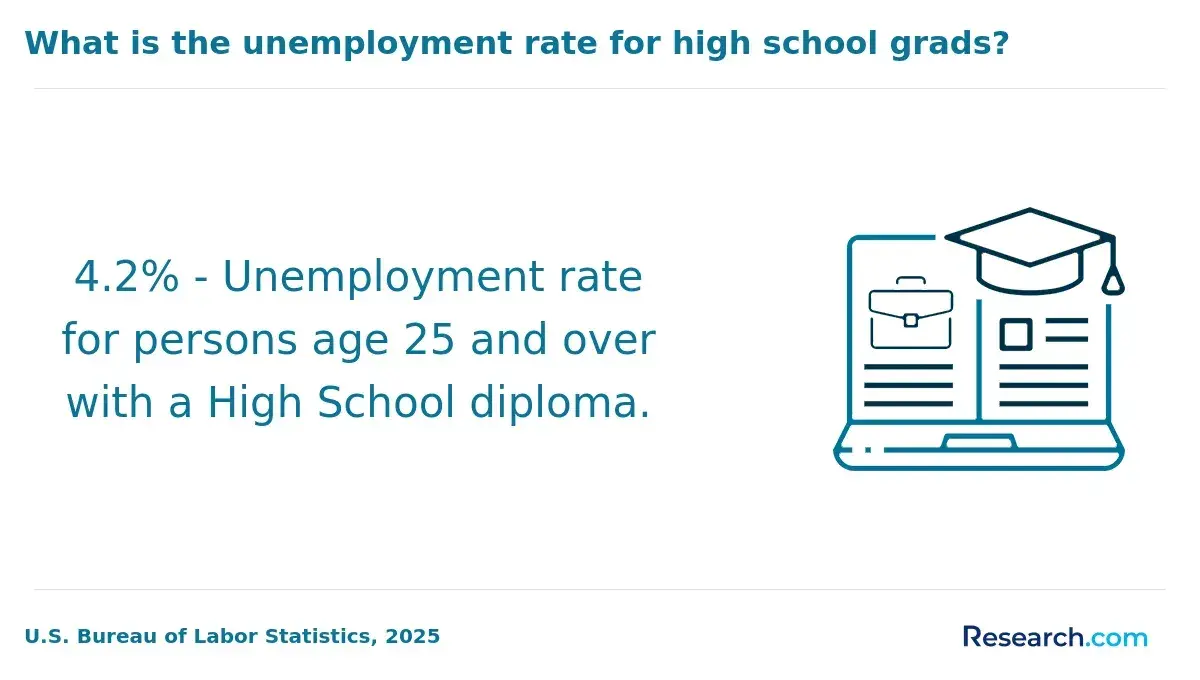
Admission requirements for online associate in paralegal studies programs are usually accessible because these degrees are designed for early undergraduate students. Most programs require a high school diploma or GED, an application, transcripts, and proof of placement readiness in English and math. Some community colleges use open-admission policies, while selective or private institutions may review GPA, essays, or prior college performance.
Applicants should look beyond the basic admissions checklist and ask whether they are academically ready for legal reading and writing. Paralegal coursework can be writing-intensive, and online learners must manage deadlines without daily in-person reminders.
Common admission and enrollment items include the following:
- High school diploma, GED, or equivalent credential.
- Official transcripts from high school and any prior colleges.
- Placement assessment or prior coursework showing readiness for college-level writing and math.
- Online learning orientation or technology requirements.
- FAFSA completion if the student plans to use federal financial aid.
- Background check requirements if an internship, court placement, or certain employer partnership is included.
Transfer credit can significantly reduce time and cost. If you have prior college coursework, ask for a preliminary transfer evaluation before enrolling. Also ask whether legal specialty courses must be completed at the institution, because some paralegal programs limit how many legal courses can transfer in.
How long does it take to earn an online associate in paralegal studies, and what does it cost?
Most online associate in paralegal studies programs require about 60 semester credits. Full-time students often finish in two academic years, while part-time students may take three years or more. Accelerated formats can be faster, but they are not always easier because legal research and writing courses require sustained attention.
Cost depends heavily on whether the school is a public community college, public university, private nonprofit college, or private for-profit institution. The College Board's 2024 Trends in College Pricing reported average published tuition and fees of $4,050 for public two-year in-district students for the 2024-25 academic year. That figure is useful as a benchmark, but online fees, books, technology charges, out-of-district tuition, and summer enrollment can change the total bill.
The table below shows common cost drivers. Use it to compare total program cost rather than focusing only on per-credit tuition.
| Cost factor | Why it matters | Question to ask |
| Tuition rate | Public community colleges may be less expensive for in-district students, while private colleges may charge one online rate. | Is the quoted rate in-district, in-state, out-of-state, or online-only? |
| Fees | Online, technology, lab, graduation, and course fees can add to the final cost. | What is the full cost for the entire degree, not just tuition? |
| Books and databases | Legal texts and research tools can be costly, though some schools use open educational resources. | Are legal databases and required materials included in tuition or billed separately? |
| Transfer credits | Accepted credits can reduce both time and cost. | How many prior credits apply directly to the associate degree? |
| Internship requirements | Internships may create travel, scheduling, or background check costs. | Can online students complete internships near where they live? |
To control costs, compare net price after grants and scholarships, not sticker price alone. Also check whether the program is eligible for federal aid, whether credits transfer to a bachelor's degree, and whether part-time attendance affects aid eligibility. The cheapest option is not always the best value if it lacks legal specialty depth, career services, or employer recognition.
What entry-level paralegal and legal support roles can you get with this degree?
An associate in paralegal studies can support several entry-level legal and legal-adjacent roles. Job titles vary by employer, and some organizations reserve the title "paralegal" for candidates with experience while hiring new graduates first as legal assistants or legal secretaries. The degree is most useful when paired with strong writing samples, technology skills, internships, and local employer connections.
The table below outlines common starting roles and how the degree may apply. It is not a promise of employment, but it can help you match coursework to real job functions.
| Entry-level role | Typical responsibilities | Where the role may be found |
| Paralegal assistant | Supports attorneys with research, document preparation, case files, and deadlines under supervision. | Law firms, legal aid offices, corporate legal departments, and government agencies. |
| Legal assistant | Combines administrative support with legal document handling, scheduling, filing, and client communication. | Small and midsize law firms, public agencies, and nonprofit legal organizations. |
| Legal secretary | Prepares correspondence, formats legal documents, manages calendars, and supports office operations. | Law offices, courts, insurance companies, and local government offices. |
| Court clerk assistant | Processes filings, maintains records, assists court users, and follows procedural rules. | Municipal, county, state, and federal court systems. |
| Compliance or contracts assistant | Tracks documents, reviews forms for completeness, supports audits, and maintains records. | Healthcare, finance, real estate, insurance, and corporate compliance departments. |
Graduates who want to advance may later pursue a bachelor's degree, specialize in litigation or e-discovery, earn voluntary certification, or move into compliance, claims, contracts, or legal operations. Advancement usually depends on experience, writing quality, reliability, and the complexity of work an employer is willing to assign.
What salary ranges and job outlook can paralegal associate graduates expect?
Salary outcomes vary widely, so students should treat national data as a planning benchmark rather than a guarantee. The BLS reported that paralegals and legal assistants had a median annual wage of $61,010 in May 2024. Entry-level roles may pay less than the median, while experienced paralegals in specialized practice areas, large metropolitan markets, federal agencies, or corporate legal departments may exceed it.
Job outlook should also be viewed with nuance. BLS projections published for 2023 to 2033 show little or no overall employment change for paralegals and legal assistants, with about 37,300 openings each year largely tied to worker replacement. For students, this means the field is not disappearing, but competition can be real, and practical skills matter.
The table below summarizes factors that can move pay and opportunity above or below the national midpoint. Use it to evaluate whether a program helps you compete in your target market.
| Factor | How it can affect entry-level opportunity | What to look for in a program |
| Location | Large legal markets may offer more openings, but often have higher competition and cost of living. | Career support tied to your region or remote-friendly legal employers. |
| Practice area | Litigation, corporate law, real estate, insurance, healthcare, and compliance may require different document skills. | Electives, assignments, or internships in the specialty you want. |
| Technology skills | Employers may value candidates who can work with e-filing, legal databases, spreadsheets, and e-discovery tools. | Hands-on legal technology coursework rather than only theory-based classes. |
| Experience | Internships, legal office work, and strong writing samples can improve competitiveness. | Capstone projects, mock case files, internship placement help, and portfolio development. |
| Credential reputation | Employer familiarity with the college or program can influence interviews. | Institutional accreditation, transparent outcomes, and employer partnerships. |
AI and automation may reduce time spent on routine document review or first-draft research, but they also increase the need for verification, confidentiality awareness, and careful supervision. Students should choose programs that teach legal judgment and technology use together, because knowing how to check AI-generated content may become as important as knowing how to produce it.
How can you choose a reputable online paralegal associate program aligned with your career goals?
The best online associate in paralegal studies for you is the one that matches your career goal, budget, schedule, transfer plans, and local employer expectations. Rankings can be useful starting points, but they should not replace your own due diligence. A lower-cost program with strong accreditation, legal writing instruction, and internship support may be a better fit than a more expensive program with weak career services.
Use the following steps to compare programs before you apply. This process can help you avoid programs that look convenient but do not support your intended outcome:
- Verify institutional accreditation and, if relevant to your goals, ABA approval for the exact paralegal program.
- Compare total cost, including tuition, fees, books, technology charges, and expected time to completion.
- Review the curriculum for legal research, legal writing, ethics, civil litigation, and legal technology.
- Ask whether online students receive the same career services, library access, tutoring, and internship help as campus students.
- Request transfer information if you may continue into a bachelor's degree later.
- Look for evidence of employer engagement, such as advisory boards, internship sites, alumni examples, or local legal partnerships.
- Ask how the program teaches AI, e-discovery, legal databases, and confidentiality in digital legal work.
Watch for red flags. Be cautious if a school avoids naming its accreditor, advertises unrealistic salary outcomes, pressures you to enroll immediately, will not provide a full cost estimate, or cannot explain how online students complete practical legal assignments. Also avoid assuming that "online" means lower quality or that "ABA-approved" automatically means affordable or flexible.
If you are still deciding among very different online majors, compare each program by field-specific outcomes rather than format alone. For example, an online animal science degree should be judged by different labs, career pathways, and employer expectations than a legal studies program. The same principle applies here: the best degree is the one built for the work you actually want to do.
Other Things You Should Know About Paralegal Studies
Yes, internships are crucial in an online paralegal program. They offer practical experience, networking opportunities, and a better understanding of the legal work environment. Many online programs include or recommend internships to complement academic learning and develop key skills that employers seek.
Most states do not require paralegals to be licensed, but voluntary certifications from professional organizations may help experienced candidates show competence. Requirements and employer preferences vary.
Many students do, especially in part-time or asynchronous programs. Before enrolling, confirm weekly time expectations, assignment deadlines, and whether any required meetings or internships occur during business hours.
References
- Best Online Paralegal Associate Degrees https://www.onlineu.com/degrees/associate-paralegal
- Paralegal Certificate vs Certification | Let's clear up the confusion. https://paralegal.edu/blog/paralegal-certificate-vs-paralegal-certification-lets-clear-up-the-confusion/
- Paralegal Certificate from a non-ABA Accredited Program https://www.online-paralegal-degree.org/faq/non-aba-accredited-program-credibility/
- Should You Get a Paralegal Certificate? https://www.wordrake.com/resources/should-you-get-a-paralegal-certificate
- The Difference Between a Paralegal Certification and Degree | Bryan University Online© https://bryanuniversity.edu/faq/the-difference-between-a-paralegal-certification-and-degree/
- Your Guide to Online Paralegal Programs: Degrees, Classes, and Training https://www.paralegalinst.com/online-paralegal-program
- Pursue Your Legal Career: Online Paralegal Studies (ASPS) https://www.southuniversity.edu/online/degrees-programs/criminal-justice-and-legal-studies/paralegal-studies-as
- Paralegal Schools: Types of Studies and Paralegal Degrees https://www.allcriminaljusticeschools.com/legal-and-paralegal/paralegal-programs/
- Online Paralegal Course - Copiah-Lincoln Workforce Development https://workforce.colin.edu/online-training/online-skills-and-career-training/online-paralegal-course/
- Online Paralegal Degree Programs: Certificate, Associate’s, Bachelor’s and Master’s https://www.becomeaparalegal.org/online-paralegal-studies-degree/