2027 Online Paralegal Studies Degrees With the Best Tuition-to-Career Value

Co-Founder and Chief Data Scientist
Choosing an online paralegal studies degree is really a value decision: how much will you pay, how quickly can you finish, and will employers respect the credential? The U. S. Bureau of Labor Statistics reported a $60,970 median annual wage for paralegals and legal assistants in its 2024 Occupational Outlook Handbook, making cost control especially important. This guide is for career changers, working adults, and first-time students comparing online legal education options. You will learn how to judge tuition-to-career value, accreditation, curriculum quality, timelines, and realistic career outcomes before enrolling.
Key Things You Should Know
- The best tuition-to-career value usually comes from regionally accredited public community colleges for associate degrees, in-state public universities for bachelor's completion, and ABA-approved or employer-recognized programs with strong internship placement.
- College Board's 2024 pricing data puts average published tuition and fees at $4,050 for public two-year in-district colleges and $11,610 for public four-year in-state colleges, so residency and transfer policy can affect value as much as sticker price.
- Paralegal roles are not licensed in most states, but employers often prefer formal legal training, strong research and writing skills, legal technology experience, and optional credentials such as NALA Certified Paralegal or NFPA Registered Paralegal.
What is an online paralegal studies degree and how does it prepare you for legal work?
An online paralegal studies degree is a college program that teaches students how to support attorneys, legal departments, courts, agencies, and compliance teams. The word "paralegal" does not mean "junior lawyer." Paralegals perform substantive legal work under attorney supervision, but they generally cannot give legal advice, represent clients in court, set legal fees, or establish attorney-client relationships.
Online paralegal programs usually come in two degree levels. An associate degree is often designed for entry-level legal assistant or paralegal roles. A bachelor's degree may be better for students who want broader legal, business, government, compliance, or management opportunities. Some schools also offer post-baccalaureate certificates, but those are not degrees.
The strongest programs connect legal theory with workplace tasks. Instead of only reading about law, students learn how to draft pleadings, summarize depositions, organize discovery, perform legal research, cite authorities, manage case files, and use legal databases. That practical training matters because many employers want new hires who can contribute quickly without extensive remedial training.
Before choosing a degree, it helps to understand which credential fits which goal. The table below summarizes common online paralegal education paths and the type of student each one typically serves.
| Program type | Typical student fit | Career value | Main trade-off |
| Associate degree in paralegal studies | First-time students and career changers seeking entry-level legal work | Often the strongest low-cost path into legal assistant and paralegal roles | May offer less advancement flexibility than a bachelor's degree |
| Bachelor's degree in paralegal studies or legal studies | Students who want broader career mobility or may later pursue graduate or law-related study | Can support advancement into compliance, contracts, litigation support, or legal operations roles | Usually costs more and takes longer than an associate degree |
| Bachelor's completion program | Students with transfer credits or an associate degree | Can improve credential strength while reducing time and cost | Value depends heavily on transfer-credit acceptance |
| Post-baccalaureate paralegal certificate | Students who already hold a bachelor's degree in another field | Can provide focused legal training without earning another degree | Not ideal for students who still need a college degree |
A paralegal degree is most likely to be worth it when it is affordable, accredited, skills-based, and connected to local or remote legal employers. It is less likely to be a good investment if the program has weak accreditation, limited legal specialty coursework, little career support, or tuition that is high relative to entry-level wages in the student's target market.
How do online paralegal programs compare with campus-based options for flexibility and outcomes?
Online paralegal programs can be just as useful as campus-based programs when they are properly accredited, taught by qualified legal professionals, and built around practical assignments. The key difference is not whether the class is online; it is whether the program gives students enough structure, feedback, legal research practice, and employer exposure.
For working adults, online delivery can reduce commuting time and make it easier to keep a job while studying. That can improve the tuition-to-career equation because lost wages are part of the real cost of college. However, online students need to be more proactive about networking, internships, and faculty contact.
The table below compares the decision factors that usually matter most when choosing between online and campus-based paralegal study.
| Factor | Online paralegal degree | Campus-based paralegal degree | Best fit |
| Schedule | Often asynchronous or evening-friendly | More fixed class times | Online fits working adults and caregivers |
| Networking | Requires intentional outreach through virtual events, internships, and alumni groups | May offer easier in-person faculty and peer contact | Campus fits students who want built-in local networking |
| Legal research training | Can be strong if students receive database access and instructor feedback | Can be strong if library and writing support are available | Either format can work if assignments are realistic |
| Internships | May be local, remote, hybrid, or arranged by the student | Often tied to local law firms or courts | Campus may help students targeting one local market |
| Cost control | May reduce transportation and relocation costs | May include more campus fees or commuting costs | Online often helps students who cannot relocate |
Outcomes depend more on program quality than delivery format. A lower-cost online associate degree with strong legal writing, research, and internship support may offer better value than an expensive campus program with limited employer connections. On the other hand, a campus program may be worthwhile if it has strong ties to local courts, government agencies, or law firms where you want to work.
Before enrolling in an online program, ask these questions to avoid the most common mistakes students make when they focus only on convenience:
- Does the school provide access to legal research platforms such as Westlaw, LexisNexis, Bloomberg Law, or comparable tools?
- Are legal specialty courses taught by attorneys, experienced paralegals, or faculty with direct legal practice experience?
- Does the program include an internship, capstone, legal writing portfolio, or supervised practical project?
- Can online students use the same career services, tutoring, library support, and alumni networks as campus students?
- Will the school disclose total program cost, transfer-credit rules, graduation requirements, and job-placement support in writing?
Which online paralegal studies degrees offer the best balance of tuition cost and career value?
The best tuition-to-career value is not always the cheapest program. A program has strong value when it combines reasonable tuition, recognized accreditation, transferability, legal skills training, employer credibility, and realistic career support. For many students, that means starting at a public community college and transferring later if a bachelor's degree becomes useful.
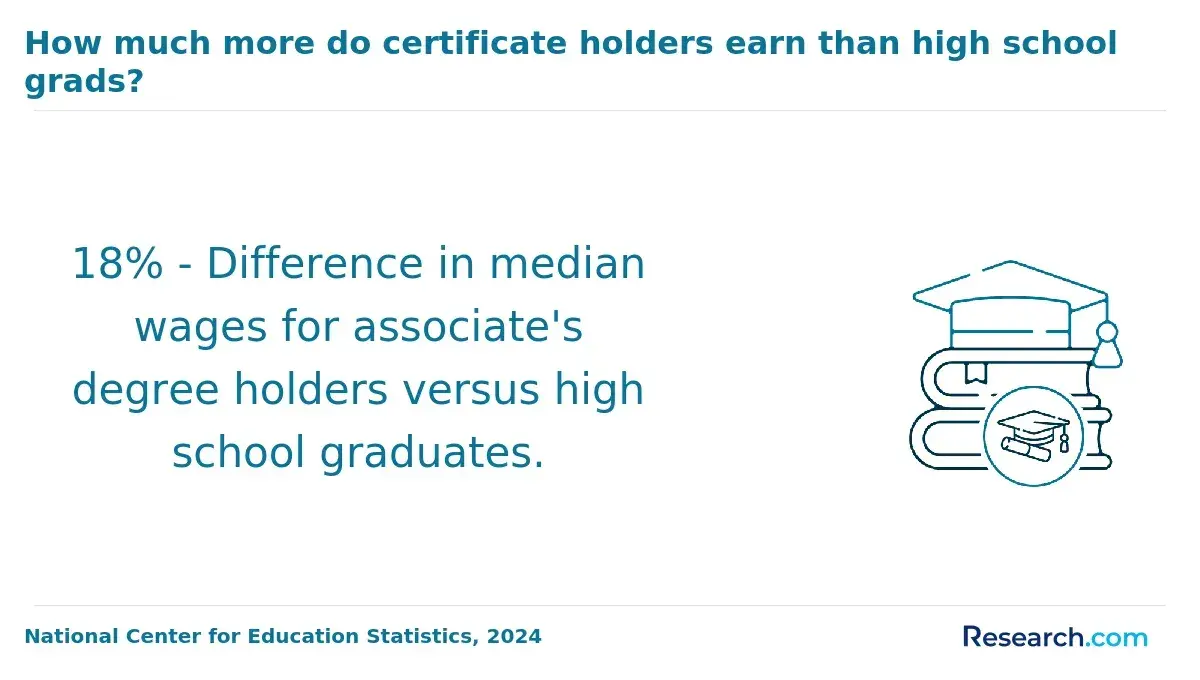
College Board's 2024 Trends in College Pricing reported average published tuition and fees of $4,050 for public two-year in-district colleges. That figure explains why community college paralegal associate degrees often rank high for value: they can prepare students for entry-level legal work at a much lower sticker price than many four-year options.
The table below ranks program categories by practical tuition-to-career value, not by prestige alone. Use it to narrow your search before comparing individual schools.
| Value tier | Program category | Why it can be valuable | Watch for |
| Highest value for entry-level work | Regionally accredited public community college associate degree | Low tuition, practical coursework, local employer ties, and transfer options | Confirm online availability, internship support, and legal specialty depth |
| Strong value for advancement | In-state public university bachelor's completion program | Allows students to build on prior credits while gaining a four-year credential | Transfer-credit limits can raise total cost if many credits are rejected |
| Strong value for employer recognition | ABA-approved online or hybrid paralegal program | Signals that the paralegal curriculum has met an external program review standard | Some ABA-approved programs require synchronous or in-person components |
| Good value for degree holders | Post-baccalaureate paralegal certificate from a regionally accredited school | Provides targeted legal training without paying for another full degree | Not a substitute for a degree if employers require one |
| Variable value | Private nonprofit or private for-profit online paralegal degree | May offer flexibility, accelerated schedules, or strong student support | Compare net price, accreditation, debt, completion data, and employer reputation carefully |
Students comparing value should also think about opportunity cost. A fast, low-cost program may be ideal if your goal is to enter a law office quickly. A bachelor's degree may be worth the extra cost if you want a broader path into compliance, contracts, government, risk management, or legal operations. If you are still comparing career-focused online degrees outside law, tuition guides for fields such as animal science degrees online can provide a useful benchmark for how program length, lab requirements, and career pathways affect overall value.
To compare programs fairly, calculate total value using the same checklist for each school. This is more reliable than choosing a program based only on a ranking or an advertised tuition rate.
- Confirm institutional accreditation and, if important to your employer market, ABA program approval.
- Request the full estimated cost, including tuition, fees, books, legal database access, technology fees, and graduation fees.
- Ask how many transfer credits the school will accept before you apply or enroll.
- Review the legal specialty courses to make sure the curriculum includes research, writing, litigation, ethics, contracts, and technology.
- Ask whether online students can complete internships locally, remotely, or through employer-approved legal projects.
- Compare the total cost against likely entry-level wages in your city or remote job market, not against national salary figures alone.
What accreditation should online paralegal studies programs have to be recognized by employers?
Accreditation is one of the most important safeguards when evaluating an online paralegal degree. At minimum, the school should hold institutional accreditation from an accreditor recognized by the U.S. Department of Education or the Council for Higher Education Accreditation. This affects credit transfer, federal financial aid eligibility, graduate school recognition, and employer trust.
Paralegal programs may also hold approval from the American Bar Association. ABA approval is programmatic, not institutional. It is not required for all paralegal jobs, and many respected programs are not ABA-approved. However, some employers prefer it because it indicates that the paralegal curriculum has gone through a specialized review process.
Students should be careful with the phrase "accredited paralegal program." Sometimes schools use that phrase to refer to the institution, not the paralegal program itself. The distinction matters because a regionally accredited college may offer a paralegal program that is not ABA-approved, while an ABA-approved paralegal program must still be housed within a legitimate institution.
The table below explains the accreditation and recognition terms you are likely to see while comparing online programs.
| Recognition type | What it means | Why it matters | How to verify |
| Institutional accreditation | The college or university has been reviewed by a recognized accrediting agency | Supports financial aid eligibility, transferability, and employer recognition | Check the U.S. Department of Education database or the school's accreditation page |
| ABA approval | The paralegal program has met American Bar Association paralegal education guidelines | Can strengthen employer confidence, especially in competitive legal markets | Check the ABA directory of approved paralegal education programs |
| State authorization | The school is allowed to deliver online education to students in your state | Protects students who enroll across state lines | Ask admissions whether the program is authorized for your state of residence |
| Professional association alignment | Curriculum may align with NALA, NFPA, NALS, or local paralegal association standards | Can help students prepare for optional certification | Review course outcomes and certification-preparation statements |
Red flags include vague accreditation claims, pressure to enroll before you receive cost details, credits that do not transfer to other accredited schools, and programs that imply graduates can practice law independently. When in doubt, ask employers in your target city which schools they recognize for paralegal hiring.
What are the typical admission requirements for online paralegal associate and bachelor's degrees?
Admission requirements vary by school, but online paralegal degrees are usually more accessible than many selective professional programs. Associate degree programs often require a high school diploma or GED, a completed application, transcripts, placement testing or college readiness review, and proof of residency for tuition classification. Bachelor's programs typically require high school transcripts for first-year applicants or college transcripts for transfer applicants.
Some paralegal programs ask applicants to complete English composition, introductory government, or basic computer literacy requirements early in the program. This makes sense because paralegal work depends heavily on clear writing, careful reading, document management, and deadline tracking.
Students with prior college credit should pay close attention to transfer rules. The most affordable bachelor's path is often not the school with the lowest per-credit rate; it is the school that accepts the most applicable credits without forcing you to retake general education or elective courses.
Common admission materials include the following items. Requirements may differ for open-admission community colleges, selective universities, and adult-degree completion programs.
- Online application and application fee or fee waiver
- Official high school, GED, or college transcripts
- Placement assessment or proof of college-level English and math readiness
- Transfer-credit evaluation for students with prior coursework
- Personal statement or short essay for some bachelor's programs
- Resume or work-history information for adult learner or completion programs
- State residency documentation for in-state or in-district tuition
Applicants with criminal records should be especially careful before enrolling. A record may not automatically prevent admission or employment, but it can affect internships, court access, government placements, background checks, and some employer policies. If this applies to you, ask the program directly about placement limitations and compare broader education options through resources on choosing the best degree for felons.
Before applying, contact admissions and the paralegal program director with specific questions. Ask whether online students receive the same transfer evaluation, internship access, faculty advising, and career support as campus students. Keep written copies of answers about cost, transfer credit, and required in-person components.
How long do online paralegal degrees take to complete and what do they cost?
Online paralegal associate degrees usually take about two years of full-time study, while bachelor's degrees usually take about four years for first-time students. Transfer students may finish faster if prior credits apply to degree requirements. Part-time students often need more time, but part-time enrollment may be the better value if it lets them keep working and avoid unnecessary borrowing.
Cost varies widely by residency, institution type, credit load, fees, transfer credits, and whether the student qualifies for grants or employer tuition assistance. College Board's 2024 data shows why public options often provide strong value: average published tuition and fees were $11,610 for in-state students at public four-year institutions, which is far below the average private nonprofit sticker price.
Use these published national averages as a starting point, not as a quote from any specific paralegal program. Your actual net price may be lower after grants or higher after fees and repeated courses.
- Public two-year in-district average published tuition and fees: $4,050
- Public four-year in-state average published tuition and fees: $11,610
- Public four-year out-of-state average published tuition and fees: $30,780
- Private nonprofit four-year average published tuition and fees: $43,350
The table below shows how time and cost factors interact. This can help you compare an affordable program with a faster program without assuming that either one is automatically better.
| Path | Typical completion time | Cost factors | Best-value scenario |
| Full-time associate degree | About 2 years | Per-credit tuition, fees, books, legal database access | Best when offered by a public college with strong local employer ties |
| Part-time associate degree | About 3 years or more | Lower term-by-term cost but longer time to completion | Best for working students who want to limit debt |
| Full bachelor's degree | About 4 years | Tuition level, residency, housing if any, transfer credits | Best for students seeking broader legal, compliance, or management mobility |
| Bachelor's completion | Often 1 to 2 years after transfer | Number of accepted credits, upper-division tuition, fees | Best for students who already completed an associate degree or substantial credits |
| Accelerated online format | May shorten calendar time | Condensed terms, heavier workload, possible higher per-credit tuition | Best for disciplined students who can study intensively |
To reduce total cost, start with transfer-friendly public programs, file the FAFSA if eligible, ask about scholarships from local bar or paralegal associations, and check whether your employer reimburses legal education. Avoid borrowing based on national salary medians alone; compare debt payments with realistic entry-level pay in your target region.
What core courses and legal skills are taught in reputable online paralegal programs?
Reputable online paralegal programs teach both legal knowledge and applied legal skills. Students should expect more than broad introductions to law. The curriculum should require repeated practice in research, writing, analysis, citation, document drafting, ethics, and case management.
AI and legal technology are changing paralegal work, especially in e-discovery, document review, contract analysis, and case organization. That does not eliminate the need for human judgment. It makes accuracy, confidentiality, source checking, and ethical supervision more important because paralegals must know when technology output is incomplete, biased, outdated, or not legally reliable.
The table below summarizes common courses and the workplace skills they should build.
| Course area | What students study | Workplace skill developed |
| Legal research and writing | Statutes, cases, secondary sources, citations, memoranda | Finding authority and explaining legal issues clearly |
| Civil litigation | Pleadings, discovery, motions, trial preparation, deadlines | Supporting attorneys through the litigation process |
| Legal ethics | Unauthorized practice of law, confidentiality, conflicts, supervision | Understanding professional boundaries and risk |
| Contracts | Formation, interpretation, breach, remedies, drafting basics | Reviewing and organizing contract documents |
| Business organizations | Corporations, LLCs, filings, governance documents | Supporting corporate and transactional legal work |
| Family, estate, real estate, or criminal law electives | Practice-area procedures and documents | Preparing for specialized law office roles |
| Legal technology and e-discovery | Case management systems, document review, electronic evidence | Handling digital files and discovery workflows |
Students who want to work with multilingual clients should also consider language skills as a career enhancer. For example, legal aid, immigration, family law, and public-interest offices often value bilingual communication, so comparing paralegal study with short Spanish degrees online can help students decide whether to add language training alongside legal coursework.
A strong program should also help students create work samples. Before graduation, try to leave with a practical portfolio that demonstrates employer-ready skills.
- A legal research memorandum with proper citation
- A sample pleading, motion, or discovery document
- A case chronology or fact investigation summary
- A contract review checklist or due diligence log
- A writing sample revised after instructor feedback
- A capstone, internship evaluation, or supervisor recommendation when available
What paralegal careers, work settings, and advancement paths are available after graduation?
Paralegal graduates can work in many settings, including law firms, corporate legal departments, banks, insurance companies, hospitals, courts, government agencies, nonprofit organizations, real estate companies, and compliance offices. The best setting depends on whether you prefer client contact, document-heavy research, deadlines, investigation, regulatory work, or business operations.
Entry-level titles may include legal assistant, paralegal assistant, document specialist, litigation support assistant, legal intake coordinator, contracts assistant, or compliance assistant. With experience, paralegals may move into senior paralegal, litigation support manager, contracts manager, legal operations specialist, compliance analyst, or law office administrator roles.
The table below connects common paralegal work settings with the type of tasks graduates are likely to perform.
| Work setting | Common responsibilities | Good fit for students who like |
| Law firms | Drafting documents, managing deadlines, communicating with clients, preparing cases | Fast-paced legal work and varied matters |
| Corporate legal departments | Contracts, governance, compliance records, vendor documents | Business law and organized document workflows |
| Government agencies | Administrative records, investigations, public filings, hearings support | Public service and procedural rules |
| Courts | Case files, docket support, public records, courtroom administration | Legal procedure and public-facing work |
| Nonprofits and legal aid | Client intake, benefits documents, housing, family, immigration, or consumer matters | Mission-driven service and direct community impact |
| Compliance and risk teams | Policies, audits, regulatory filings, internal investigations | Rules, documentation, and business processes |
Paralegal work is also a useful testing ground for people considering law school, public policy, investigations, or government service. If your interest is more focused on behavioral investigation and federal criminal analysis than legal document support, a career path such as criminal profiler may be a better comparison point.
To improve career value after graduation, treat the degree as the foundation, not the finish line. Build experience and specialization deliberately.
- Choose electives that match your target setting, such as litigation, contracts, estate planning, immigration, real estate, or compliance.
- Complete an internship, clinic, practicum, or supervised legal project whenever possible.
- Join a local paralegal association or bar-related student group to learn employer expectations in your region.
- Develop legal technology skills, including document management, e-filing, spreadsheet tracking, and e-discovery basics.
- Keep writing samples and supervisor feedback because many legal employers care about precision and professionalism.
What salary ranges and job outlook can paralegals expect in the United States?
Paralegal pay depends on geography, employer type, specialization, education, experience, and technical skill. The U.S. Bureau of Labor Statistics reported a $60,970 median annual wage for paralegals and legal assistants in its 2024 Occupational Outlook Handbook. That median is useful as a national benchmark, but it should not be treated as a starting salary estimate for every graduate.
The same BLS outlook projected slower-than-average employment growth for paralegals and legal assistants from 2023 to 2033. For students, that means value depends on employability, specialization, and cost control. A low-debt graduate with strong writing, research, and technology skills may be better positioned than a high-debt graduate from a weak program.
The table below explains how salary potential often differs by work setting and skill focus. It does not promise outcomes; it shows where value may increase as experience and specialization grow.
| Career factor | How it can affect earnings | What students can do |
| Location | Large legal markets and high-cost cities often pay more, but living costs may also be higher | Compare local wage data with rent, commuting, and debt payments |
| Employer type | Corporate legal departments and specialized firms may pay differently than small firms or nonprofits | Target internships in the setting where you want to work |
| Specialization | Litigation, intellectual property, compliance, contracts, and e-discovery can reward technical skill | Choose electives and projects tied to in-demand practice areas |
| Experience | Senior paralegals often handle more complex work and may supervise others | Track accomplishments, software skills, and case responsibilities |
| Certification | Optional credentials can strengthen credibility with some employers | Consider certification after meeting eligibility and experience requirements |
Technology is reshaping the job market. AI-assisted review, automated templates, and e-discovery tools can reduce routine work, but they also increase demand for paralegals who can manage data, verify sources, protect confidentiality, and coordinate complex workflows. Students should avoid programs that ignore legal technology or treat it as an optional add-on.
A realistic salary strategy is to compare three numbers before enrolling: total program cost, likely entry-level pay in your target area, and the wage premium you might gain from specialization or a bachelor's degree. If a program requires substantial borrowing, ask the school for job-placement support details and speak with local employers before committing.
Are certification or licensing required for paralegals, and how do degrees help you qualify?
Most U.S. states do not license paralegals the way they license attorneys, nurses, teachers, or accountants. In general, paralegals work under attorney supervision, and employers decide what education, experience, and certification they prefer. Some states have specific rules or statutory definitions, so students should check local requirements before assuming that one national rule applies everywhere.
Certification is different from licensing. Licensing is government permission to practice a regulated profession. Certification is usually a voluntary professional credential offered by an association. For paralegals, certification can help demonstrate knowledge, professionalism, and commitment, especially after a graduate has some experience.
The table below outlines common voluntary paralegal credentials and how degree programs can help students prepare.
| Credential | Organization | How a degree can help | Best for |
| Certified Paralegal | NALA | Legal coursework can support eligibility and exam preparation | Paralegals seeking a widely recognized professional credential |
| Registered Paralegal | NFPA | Degree and experience combinations may support eligibility | Paralegals who want a competency-based credential |
| Professional Paralegal or Professional Legal Secretary | NALS | Coursework in legal procedure, writing, and office practice can help prepare | Legal support professionals in law office environments |
| State or local association credentials | State or regional paralegal groups | Approved coursework may support local recognition | Students targeting a specific state or metropolitan legal market |
A degree helps by building the knowledge base that certification exams often test: ethics, research, writing, litigation, contracts, legal systems, and professional responsibility. It may also help meet education requirements when a credential allows different combinations of education and work experience.
Before choosing a program based on certification claims, take these steps:
- Check the certification organization's current eligibility rules directly.
- Ask the school which graduates have pursued certification and what preparation support is available.
- Confirm whether the program includes legal specialty courses required or preferred by the credentialing body.
- Ask local employers whether certification improves hiring or advancement in your target setting.
- Avoid schools that imply certification is automatic after graduation unless the credentialing body clearly says so.
Other Things You Should Know About Paralegal Studies
Sometimes. Some programs allow remote or hybrid internships with law firms, legal aid groups, compliance teams, or corporate legal departments. Others require local in-person placements. Ask the program how online students are placed, who approves the site, and what happens if no placement is available near you.
It can help you understand legal work and confirm whether law is the right field, but it does not replace law school prerequisites or improve admission automatically. Law schools usually focus on undergraduate GPA, LSAT or approved test policies, writing ability, recommendations, and the overall application.
In 2027, several online paralegal programs provide excellent tuition-to-career value. Key institutions include Southern New Hampshire University, Purdue Global University, and Liberty University. These programs are known for affordable tuition, comprehensive curricula, and strong job placement rates, making them ideal for cost-conscious students seeking a rewarding paralegal career.
It can be, but remote paralegal jobs often require experience, strong communication, secure document handling, and comfort with legal software. New graduates may find it easier to start in hybrid or office-based roles, then move into remote work after building trust and technical skill.
References
- Paralegal Salary Guide | How Much Can You Make? https://www.learnhowtobecome.org/paralegal-salary/
- How To Get Certified | North Carolina State Bar https://www.ncbar.gov/paralegal-certification/how-to-get-certified/
- Affordable Online Paralegal Certification - Get Certified Today https://www.expertrating.com/certifications/personal-development-and-enrichment/paralegal-certification.asp
- Exploring the Advantages of Online Paralegal Programs - Lakewood University https://lakewood.edu/online-paralegal-programs-benefits/
- Paralegal Career Paths & Progression https://www.paralegaledu.org/careers/
- The Best Alternative Career for Paralegals (+Other Roles to Consider) | Brightflag https://brightflag.com/resources/paralegal-career-change/
- How long does it take to become a paralegal? That depends. https://paralegal-bootcamp.com/how-long-does-it-take-to-become-a-paralegal/
- Paralegal Degree Information https://www.paralegal411.org/degrees/
- Online Paralegal Studies Associate Degree https://www.marian.edu/blog/2026/04/a-flexible-path-to-the-legal-field-marians-online-paralegal-degree
- Paralegal Certification Guide https://onlinemasteroflegalstudies.com/career-guides/become-a-paralegal/paralegal-certification/