2027 How to Choose an Online Paralegal Studies Degree for Litigation Support Careers

Co-Founder and Chief Data Scientist
Choosing an online paralegal studies degree is really a career-fit decision: will the program prepare you for the research, document management, e-discovery, and case-preparation work used in litigation? The stakes are practical because the U. S. Bureau of Labor Statistics reported a $61,010 median annual wage for paralegals and legal assistants in 2024. This guide is for career changers, working adults, and first-time students comparing online options. You will learn how to judge accreditation, curriculum, costs, timelines, career outcomes, and red flags before enrolling.
Key Things You Should Know
- For litigation support, prioritize programs with legal research, civil litigation, e-discovery, legal writing, case management, and technology-based document review rather than a general legal overview alone.
- The BLS reported a 2024 median annual wage of $61,010 for paralegals and legal assistants, but pay varies by employer, region, experience, and specialization.
- Use College Board 2024-25 tuition benchmarks-$4,050 for public two-year in-district tuition and fees and $11,610 for public four-year in-state tuition and fees-as comparison points when judging online program affordability.
What is an online paralegal studies degree focused on litigation support?
An online paralegal studies degree focused on litigation support is a college program that prepares students to assist attorneys before, during, and after legal disputes. "Litigation support" usually refers to the practical work behind lawsuits: organizing evidence, drafting legal documents, managing deadlines, preparing trial materials, summarizing depositions, supporting discovery, and using legal technology platforms.
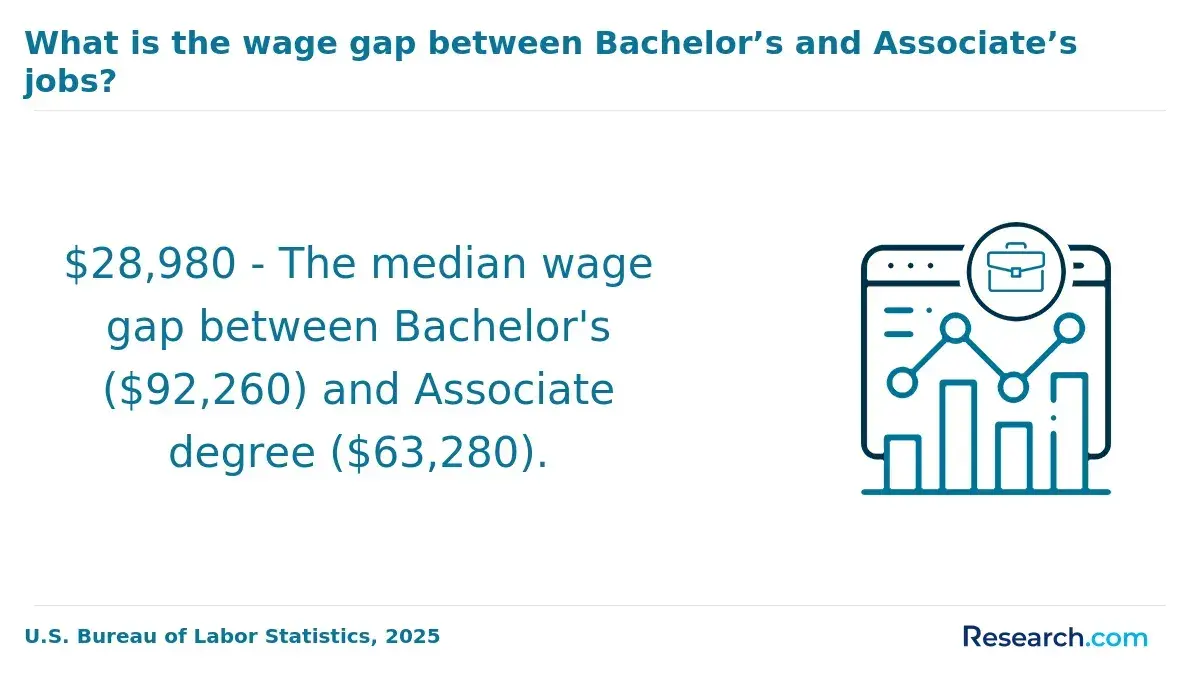
Online programs may be offered as associate degrees, bachelor's degrees, post-baccalaureate certificates, or degree-completion pathways. The best fit depends on your education history and target role. An associate degree may help with entry-level legal assistant or paralegal roles, while a bachelor's degree can be more useful for competitive law firms, corporate legal departments, government agencies, or future law school applicants.
The table below compares common online paralegal education paths. Use it to match your current education level with the credential most likely to support your litigation support goals.
| Program type | Typical student | Best fit for litigation support | Main trade-off |
| Associate degree in paralegal studies | Students starting college or changing careers | Entry-level legal assistant, paralegal trainee, court support roles | Faster and often cheaper, but may be less competitive for some employers |
| Bachelor's degree in paralegal studies or legal studies | Students seeking broader career mobility | Law firms, corporate litigation teams, compliance-adjacent legal roles | Stronger credential, but higher total cost and longer timeline |
| Post-baccalaureate paralegal certificate | Students who already have a bachelor's degree | Career changers who need legal-specific training | Efficient path, but not a standalone undergraduate degree |
| Criminal justice or legal studies pathway with paralegal electives | Students interested in courts, corrections, investigations, or legal systems | Public-sector legal support, prosecutor or defense office support | May lack deep litigation-document training unless electives are chosen carefully |
If your interests are closer to courts, policing, corrections, or prosecution support than law office litigation, an accredited online criminal justice associate degree may be worth comparing before you commit to paralegal studies.
How does an online paralegal program prepare you for litigation support roles?
A strong online paralegal program should do more than teach legal vocabulary. It should simulate the way litigation teams actually work: gathering facts, tracking procedural deadlines, managing documents, preparing filings, and communicating clearly with attorneys, clients, courts, vendors, and witnesses.
Look for applied assignments that produce a portfolio or practical work samples. These experiences matter because entry-level litigation support jobs often test accuracy, organization, writing, and comfort with legal software before they test abstract legal theory.
Strong programs usually build preparation in several connected areas:
- Legal research and analysis: Students learn how to locate statutes, cases, regulations, court rules, and secondary sources, then summarize their relevance for attorney review.
- Civil litigation procedure: Coursework should explain pleadings, motions, discovery, trial preparation, settlement, appeals, and the paralegal's role at each stage.
- Document drafting: Students may draft complaints, answers, discovery requests, deposition summaries, correspondence, and internal legal memoranda.
- E-discovery and case technology: Programs should introduce electronically stored information, document review, metadata, litigation databases, confidentiality, and preservation issues.
- Ethics and professional responsibility: Students must understand unauthorized practice of law, confidentiality, conflicts, billing accuracy, and attorney supervision.
- Workplace readiness: Internships, capstones, mock case files, or legal clinic-style assignments can help students connect coursework with employer expectations.
The rise of AI-assisted legal research and document review makes technology preparation especially important. AI can speed up first-pass review and pattern detection, but paralegals still need judgment, verification skills, confidentiality awareness, and the ability to spot incomplete or unreliable outputs.
What accreditation should an online paralegal studies program have for legal careers?
For an online paralegal studies degree, institutional accreditation is the baseline. The school should be accredited by an agency recognized by the U.S. Department of Education or the Council for Higher Education Accreditation. This affects transfer credits, financial aid eligibility, employer recognition, and admission to future degree programs.
Program-level recognition can also matter. Some paralegal programs are approved by the American Bar Association, commonly called ABA approval. ABA approval is not legally required for every paralegal job, and many reputable programs do not have it, especially fully online programs. However, some employers view it as a quality signal because it reflects review of curriculum, faculty, student services, and professional standards.
Use the table below to separate essential accreditation from optional but useful quality signals. This distinction can prevent you from overpaying for a brand name while still avoiding programs with weak recognition.
| Quality marker | What it means | Why it matters | Decision guidance |
| Institutional accreditation | The college or university has recognized accreditation | Supports financial aid, credit transfer, employer trust, and graduate study options | Treat this as non-negotiable |
| ABA-approved paralegal program | The paralegal program has met ABA approval standards | Can strengthen employer confidence in certain legal markets | Valuable, but not always required |
| State authorization for online education | The school is permitted to enroll online students in your state | Protects access to instruction, complaints processes, and sometimes internships | Confirm before applying |
| Transparent career and transfer policies | The school clearly explains outcomes, credits, and credential limits | Reduces enrollment surprises | Favor schools that publish clear policies |
Be cautious with schools that imply paralegal licensure is universal. Most U.S. paralegal roles do not require a state license, but employer preferences, court rules, and certification expectations can vary by location and practice area.
How do online paralegal degrees compare with campus programs for litigation support?
Online and campus paralegal programs can lead to similar legal support roles when the curriculum, accreditation, faculty quality, and career services are comparable. The bigger difference is how you learn, network, complete assignments, and access internships.
Online programs often work well for adults balancing work, family, military service, or geographic limits. Campus programs may be stronger for students who want in-person networking, direct access to local courts, or structured classroom accountability. Neither format is automatically better; the right choice depends on your learning style and legal market.
The table below summarizes the most important comparison points for litigation-focused students. Use it to identify which format supports your schedule and career goals without sacrificing practical preparation.
| Factor | Online paralegal degree | Campus paralegal degree | Best choice when |
| Schedule | Often asynchronous or evening-friendly | Set class times and physical attendance | Online fits working adults; campus fits students who need structure |
| Litigation practice assignments | Can use digital case files, research platforms, and e-discovery simulations | May include live workshops, mock trials, or courthouse visits | Choose the program with stronger applied work, regardless of format |
| Networking | Depends on virtual events, alumni access, and internship support | May offer easier local networking with faculty and legal employers | Campus may help if you are targeting one local legal market |
| Technology exposure | Often naturally integrated into online learning | Varies by course design and lab access | Online may be useful for tech-heavy litigation support |
| Internship access | May require students to arrange local placements | May have established nearby placements | Ask for placement support before enrolling |
The most common mistake is assuming "online" means easier. Good online paralegal programs still require close reading, precise writing, deadlines, ethical judgment, and frequent use of legal databases.
What courses and skills are included in a litigation-focused paralegal curriculum?
A litigation-focused paralegal curriculum should combine legal foundations with hands-on casework. The goal is to help you understand how a dispute moves through the legal system and how paralegals support attorneys at each stage.
Before enrolling, review the course catalog rather than relying only on marketing language. A program that mentions "legal studies" may still be too broad if it lacks civil litigation, legal research, and e-discovery coursework.
Look for courses and skill areas such as these:
- Introduction to law and legal systems: Covers court structures, sources of law, legal terminology, and the role of legal professionals.
- Legal research and writing: Builds the ability to find authority, verify citations, and write clear legal summaries.
- Civil litigation: Explains pleadings, motions, discovery, settlement, trial preparation, and appeals.
- Evidence: Introduces relevance, admissibility, privilege, hearsay, authentication, and litigation strategy from a support perspective.
- E-discovery: Covers electronically stored information, litigation holds, document review workflows, and production issues.
- Legal technology: May include case management software, docketing tools, research platforms, spreadsheets, PDF tools, and collaboration systems.
- Ethics for paralegals: Focuses on confidentiality, attorney supervision, conflicts, billing, client communication, and unauthorized practice of law.
- Internship or capstone: Gives students a chance to apply skills through supervised legal work or a simulated case file.
Soft skills matter as much as legal knowledge. Litigation support paralegals need attention to detail, calm communication under deadline pressure, document organization, professional discretion, and the ability to revise work based on attorney feedback.
What are the typical admission requirements for online paralegal studies programs?
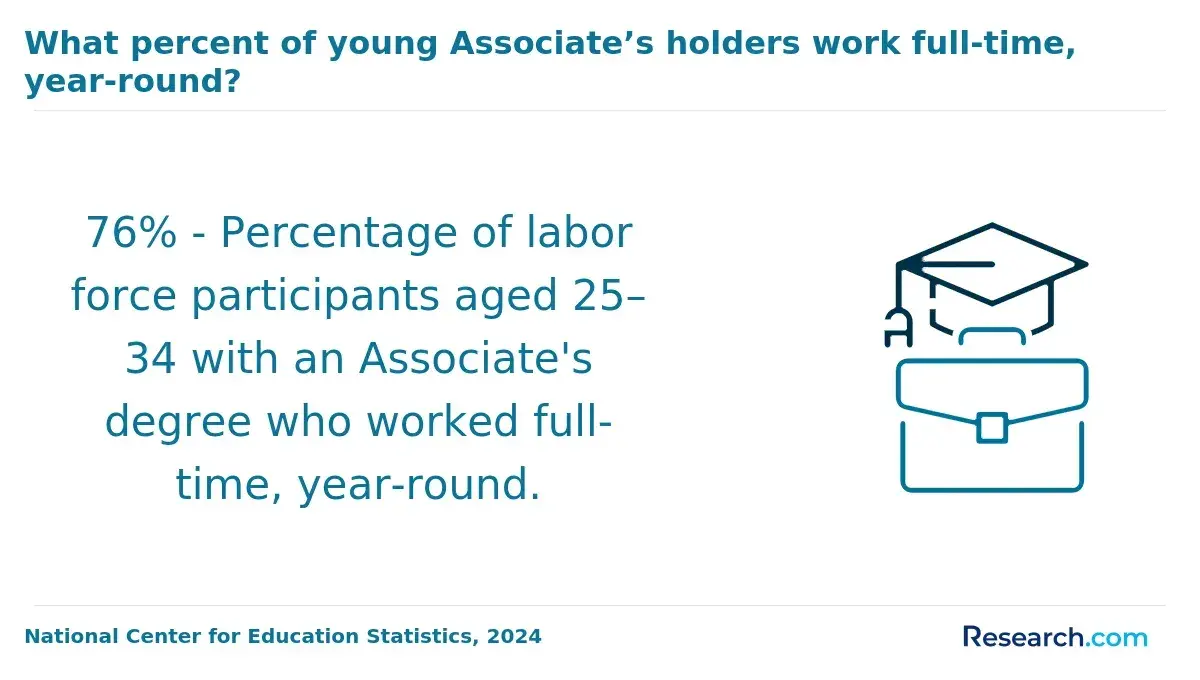
Admission requirements vary by degree level. Associate programs are often open to students with a high school diploma or GED, while bachelor's completion programs may require prior college credits. Post-baccalaureate certificates usually require an already completed bachelor's degree.
Most online paralegal programs ask for a standard set of materials. Checking these early can help you avoid delays and choose a realistic start date.
- Application form: Usually submitted through the school's online admissions portal.
- Official transcripts: High school, GED, prior college, or bachelor's transcripts depending on program level.
- Minimum GPA: Some programs set a threshold, especially for transfer or bachelor's completion applicants.
- Placement requirements: Schools may require math or writing placement if college-level coursework has not been completed.
- Technology readiness: Students may need reliable internet, word processing software, webcam access, and the ability to use learning platforms.
- Personal statement or advising interview: Some programs ask students to explain career goals or confirm that paralegal work matches their expectations.
If you want to work in immigration, family law, international business, or public-interest legal services, language ability can strengthen your profile. Students who want a language-centered path alongside legal support may also compare options like a bachelors in Spanish online, especially if they are targeting bilingual client-facing roles.
Transfer credit policy is especially important. Ask whether prior credits apply to general education, legal specialty courses, or electives, and confirm the maximum number of credits you can transfer before you estimate your total cost.
How long do online paralegal degrees take, and what do they cost?
Program length depends on credential type, course load, transfer credits, and whether the school uses traditional semesters or accelerated terms. A full-time associate degree commonly takes about two years, while a bachelor's degree often takes about four years from the start of college. Students with transfer credits may finish faster.
Cost is harder to compare because schools quote tuition differently. Some list per-credit tuition, while others emphasize term pricing, fees, books, technology charges, internship expenses, or exam costs. College Board's 2024-25 undergraduate benchmarks can help you sense-check prices before you accept an offer:
- Public two-year in-district tuition and fees: $4,050
- Public four-year in-state tuition and fees: $11,610
- Private nonprofit four-year tuition and fees: $43,350
These figures are broad national benchmarks, not paralegal-specific prices. They are still useful because they show why an online program's total cost should be compared against public community college and public university alternatives, not just against other online advertisements.
When estimating total cost, include more than tuition. A low per-credit price may be less affordable if the program requires many nontransferable credits, expensive software, repeated fees, or unpaid internship travel.
Use these steps to compare cost realistically:
- Calculate total credits required after confirmed transfer credits, not before.
- Multiply remaining credits by tuition and add mandatory fees.
- Ask whether books, legal database access, proctoring, graduation fees, and technology fees are included.
- Compare full-time and part-time timelines because a slower path may increase fee exposure.
- Check whether the program qualifies for federal financial aid and whether scholarships are renewable.
- Estimate likely entry-level earnings conservatively rather than assuming top-market paralegal salaries.
An accelerated program can be worth it if you have strong writing skills, stable time each week, and prior college credit. It may be a poor fit if you are new to legal reading, working overtime, or need tutoring and career support.
What litigation support careers can you pursue with a paralegal studies degree?
A paralegal studies degree can prepare you for several litigation support roles, but titles vary by employer. In small firms, one person may handle client communication, filings, discovery, and trial notebooks. In large firms or corporate legal departments, litigation support duties may be split among paralegals, legal assistants, e-discovery specialists, and case clerks.
The table below shows common roles connected to litigation support. It can help you decide whether you want broad legal support work or a more technology-focused litigation operations role.
| Role | Typical responsibilities | Who it fits |
| Litigation paralegal | Drafts documents, manages discovery, organizes evidence, tracks deadlines, prepares trial materials | Students who want hands-on case preparation and attorney support |
| Legal assistant | Handles scheduling, filings, client communication, document formatting, and administrative support | Entry-level candidates building legal office experience |
| E-discovery support specialist | Helps collect, process, review, and produce electronically stored information | Students interested in law, data, software, and document systems |
| Court or legal records clerk | Processes filings, maintains case records, supports court or agency procedures | Students interested in public-sector legal operations |
| Case manager in a legal setting | Coordinates case timelines, documents, communications, and status updates | Organized professionals who like workflow management |
| Compliance or claims support assistant | Reviews documents, supports investigations, organizes records, and assists regulated workflows | Students open to legal-adjacent roles outside law firms |
If your interest leans more toward investigations, behavioral analysis, or federal law enforcement rather than legal document support, read about how to become a profiler before choosing a paralegal program. The education path and day-to-day work are very different.
Career mobility often comes from combining legal knowledge with a specialization. For example, litigation paralegals may build experience in personal injury, employment law, insurance defense, medical malpractice, intellectual property, family law, or complex commercial disputes.
What salary ranges and job outlook can litigation support paralegals expect?
The BLS reported a $61,010 median annual wage for paralegals and legal assistants in 2024. This is a national midpoint, not a starting salary or a guarantee. New graduates may earn less, while experienced paralegals in major legal markets, specialized practices, or large corporate environments may earn more.
Job outlook should be interpreted carefully. BLS employment projections for paralegals and legal assistants show slower-than-average growth over the 2023-2033 period, but the occupation still has recurring openings because firms replace workers who retire, change roles, or leave the labor force. For students, that means employability may depend less on the degree title alone and more on practical skills, internships, technology fluency, and local employer demand.
The table below summarizes salary and outlook considerations without treating national data as a promise. Use it as a starting point for comparing your local legal market.
| Career factor | What the national data suggests | How to use it |
| Median pay | BLS reported $61,010 for paralegals and legal assistants in 2024 | Compare program cost against realistic local wages, not best-case salaries |
| Experience effect | Pay often rises with litigation experience, technical ability, and practice-area knowledge | Prioritize internships, writing samples, and software exposure |
| Employer differences | Law firms, corporations, government agencies, and nonprofits may pay differently | Research local postings before choosing electives |
| Technology trend | AI and e-discovery tools are changing document review and research workflows | Choose programs that teach verification, legal tech, and ethical technology use |
To improve your odds, search current job postings in your city before enrolling. Note required education, preferred software, requested years of experience, writing expectations, and whether employers mention ABA-approved education or certification.
How can you evaluate and choose a reputable online paralegal program?
The smartest way to choose an online paralegal program is to evaluate it like an investment in a specific career outcome. Do not start with rankings or advertisements. Start with the litigation support jobs you want, then work backward to the education, skills, software, and credentials those employers request.
Follow this sequence before applying:
- Identify three to five target job titles in your area, such as litigation paralegal, legal assistant, e-discovery assistant, or court clerk.
- Review current job postings and list repeated requirements, including degree level, experience, software, writing skills, and practice areas.
- Confirm institutional accreditation and, if relevant to your market, check whether the paralegal program has ABA approval.
- Read the actual curriculum and verify that it includes legal research, civil litigation, legal writing, ethics, and technology-based casework.
- Ask how online students obtain internships, local placements, mock case experience, or portfolio assignments.
- Request a written transfer-credit evaluation and total cost estimate before enrolling.
- Compare student services, including tutoring, library access, legal database access, career coaching, and alumni support.
- Speak with an admissions advisor, but verify claims through catalogs, accreditation pages, and written policies.
Red flags deserve attention because they often appear before enrollment, not after. Be cautious if a school avoids accreditation questions, promises specific salaries, refuses to provide total cost estimates, pressures you to enroll immediately, or cannot explain how online students complete practical litigation assignments.
Program fit also depends on whether you are choosing the right field, not just the right school. The same decision logic applies across specialized online degrees: for example, students comparing an online bachelors in animal science would also need to check labs, internships, employer expectations, and career alignment rather than relying on convenience alone.
A reputable online paralegal studies program should make you more employable in specific legal support settings. If a program cannot show how its courses connect to litigation support work, it may still be educationally valid but not the best match for your goal.
Other Things You Should Know About Paralegal Studies
Certification is usually voluntary, but it can strengthen a resume. Common options include credentials from national paralegal organizations. Before paying for an exam, check local job postings to see whether employers in your area request or prefer certification.
Some legal support jobs are remote or hybrid, especially in e-discovery, document review, and corporate legal operations. However, entry-level roles may still require office time for training, court filings, client files, or team coordination.
It can be, especially if you want exposure to legal writing, litigation, and law office workflows before applying. However, law school admission depends on broader academic performance, admissions tests or school-specific policies, recommendations, and application strength, not on paralegal study alone.
References
- How long does it take to become a paralegal? That depends. https://paralegal-bootcamp.com/how-long-does-it-take-to-become-a-paralegal/
- Paralegal Studies Online Training Program - Campus Sacramento https://sacramento.campus.edu/programs/legal/paralegal-studies-online
- Is the Paralegal Field Booming? Your Job Outlook Guide https://www.paralegalinst.com/paralegal-job-prospects
- The Best Alternative Career for Paralegals (+Other Roles to Consider) | Brightflag https://brightflag.com/resources/paralegal-career-change/
- Online Advanced Civil Litigation paralegal course | BCI https://blackstone.edu/civil-litigation/
- Guide To Online Paralegal Certificate Programs https://www.accreditedschoolsonline.org/online-degrees/certificate/paralegal-programs/
- 8 Things to Consider When Choosing a Paralegal Program - Paralegal College | Center for Advanced Legal Studies https://paralegal.edu/blog/8-things-to-consider-when-choosing-a-paralegal-program/
- Litigation Paralegal | Salary, Duties, Skills & Requirements {2024} https://www.onlinedegree.com/article/litigation-paralegal/
- Earn an Online Paralegal Degree | OEDb.org https://www.oedb.org/rankings/online-paralegal-programs/
- How to Become a Paralegal https://onlinemasteroflegalstudies.com/career-guides/become-a-paralegal/