2027 Best Healthcare Certificate Student Loans

Student Finance & Loan Expert
Many students pursuing healthcare certificates face challenges financing their education, especially those switching careers. Traditional student loans often come with high interest rates and inflexible repayment options, increasing financial stress. Unfamiliarity with specialized loan programs tailored to certificate courses can leave borrowers burdened with debt longer than necessary. Navigating these choices without clear guidance risks costly mistakes and missed opportunities for financial aid designed for healthcare students. This article examines the best student loan options specifically for healthcare certificate programs, aiming to equip readers with practical knowledge to make informed borrowing decisions and manage costs effectively.
- What are the best student loan options for healthcare certificate programs? Best loans
- How do federal and private loans differ for healthcare certificate students? Federal vs private
- How much can you borrow for a healthcare certificate and what will it cost? Limits & costs
- Who is eligible for federal student aid when pursuing a healthcare certificate? Aid eligibility
- How do you use the FAFSA to fund a healthcare certificate program? FAFSA steps
- Which federal repayment plans work best for short-term healthcare certificate debt? Best repayment
- Are healthcare certificate student loans eligible for forgiveness or PSLF? Forgiveness options
- How do interest rates, fees, and credit requirements compare across private lenders? Private terms
- When does refinancing or consolidating healthcare certificate loans make sense? Refinance vs consolidate
- What happens if you can't afford payments on healthcare certificate student loans? Payment trouble
What are the best student loan options for healthcare certificate programs?
The best student loan options for healthcare certificate programs focus on low interest rates, flexible repayment plans, and borrower protections. Federal student loans, especially Direct Subsidized and Direct Unsubsidized Loans, remain the primary option due to fixed rates and income-driven repayment options without credit checks. These features make them ideal for affordable student loans for healthcare certificate students.
Private loans may be required to cover costs beyond federal limits but often involve higher risk with variable interest rates and creditworthy cosigner requirements. It is crucial to compare terms carefully before committing to a private loan.
Considering the high average debt of $216,659 reported by EducationData.org for medical graduates, certificate students should borrow prudently. Strategies include:
- Maximizing federal loan eligibility before private borrowing
- Exploring state-specific loan programs or employer tuition assistance
- Evaluating income-driven repayment or deferment plans
- Investigating loan forgiveness for healthcare professionals in underserved areas
Applying for federal aid early through FAFSA increases options. For programs under one year or part-time, federal Parent PLUS loans might provide additional support. Many healthcare organizations also offer specialized loan repayment help for certificate holders in high-demand fields like medical assisting or phlebotomy. For those interested in other options, there is useful information available about student loans for dental school.
How do federal and private loans differ for healthcare certificate students?
Federal student loans for healthcare certificate programs offer key advantages such as fixed interest rates, often lower than private loans, and borrower protections like income-driven repayment plans and deferments. These features provide critical support for students facing financial hardship, especially given that the median one-year public community college health certificate cost was $13,120 in 2024-25, according to the College Board.
Federal loans do not require a credit check or cosigners, making them accessible to most certificate students. Direct Subsidized Loans, for example, are awarded based on financial need, with the government paying interest while the student is enrolled at least half-time.
The differences between private and federal healthcare student loans are notable. Private loans typically depend on credit history and income, often requiring cosigners and offering less flexible repayment options. Interest rates may be variable and rise over time. However, students with strong credit might find competitive terms. Those with limited credit options can explore private student loans for bad credit, but such loans carry higher risks without federal safeguards.
Students should prioritize federal loans to reduce debt and maximize protections. Private loans can supplement expenses like supplies or transportation after exhausting federal aid. Comparing loan terms carefully relative to expected earnings after certificate completion is essential.
How much can you borrow for a healthcare certificate and what will it cost?
Students seeking healthcare certificate student loan borrowing limits generally find that federal loans provide most funding, with borrowing amounts typically between $5,000 and $20,000 depending on the program and institution. Dependent undergraduates can access up to $5,500 in direct unsubsidized loans, while independent or graduate-level certificate students have higher limits. To cover remaining expenses beyond federal caps, many students also qualify for Federal PLUS Loans.
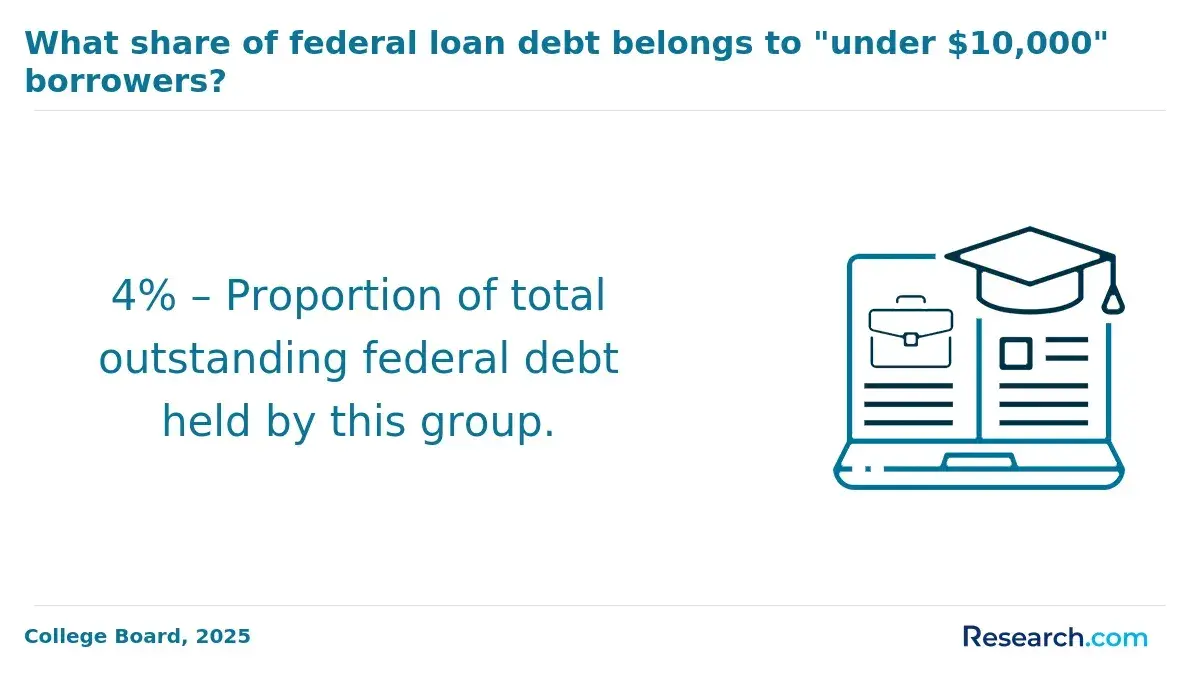
Private loans can fill gaps but usually have higher interest rates and stricter repayment terms. In fact, 92% of all education debt for U.S. undergraduate and graduate students is held through federal loans, emphasizing their dominance in the cost of healthcare certificate student loans in the United States.
Typical costs vary widely: a Certified Nursing Assistant (CNA) certificate might cost from $1,500 to $3,000, while more advanced certifications such as medical coding or phlebotomy range between $5,000 and $15,000. Federal loan interest rates hover near 5.5% for unsubsidized loans, usually paid back over 10 years, making monthly payments manageable. Borrowers should also explore loan forgiveness programs tailored to healthcare jobs and income-driven repayment plans that base payments on earnings.
Students are advised to review loan terms carefully, use federal aid first, and consider options like parent PLUS loans when applicable. These steps help secure affordable funding and avoid excess debt in healthcare certificate programs.
Who is eligible for federal student aid when pursuing a healthcare certificate?
Federal student aid eligibility requirements for healthcare certificate student loan eligibility depend on enrolling in an eligible postsecondary institution that offers healthcare certificate programs approved by the U.S. Department of Education. These programs typically serve as career pathways that usually take less than two years of full-time study, such as Licensed Practical Nurse or Medical Coding and Billing certificates from recognized community colleges or vocational schools.
Students must demonstrate financial need by completing the Free Application for Federal Student Aid (FAFSA). Both undergraduate and graduate students can qualify for federal Direct Unsubsidized Loans if pursuing healthcare certificates at qualified schools. Federal Direct PLUS Loans are also available to graduate students and parents of dependent undergraduates, contingent on a credit check.
Interest rates vary by loan type, with 8.08% fixed for Direct Unsubsidized Loans and 9.08% fixed for Direct PLUS Loans for disbursements between July 1, 2024, and July 1, 2025. Part-time students may qualify for federal aid, though loan limits differ from full-time students. U.S. citizenship or eligible non-citizen status is required, and veterans or active military members have access to additional specialized aid programs.
For those exploring funding options beyond federal loans, it is important to understand student loan refinance requirements to manage repayments effectively.
- Enrolling in an eligible healthcare certificate program is essential for federal aid.
- FAFSA completion is required to demonstrate financial need.
- Loan options include Direct Unsubsidized Loans and Direct PLUS Loans with fixed interest rates.
- Part-time enrollment and military status impact aid eligibility.
How do you use the FAFSA to fund a healthcare certificate program?
To fund a healthcare certificate program using the FAFSA (Free Application for Federal Student Aid), first verify your program is eligible for federal aid by checking with your school's financial aid office. Most accredited healthcare certificate programs qualify. Submit your FAFSA form at fafsa.ed.gov starting October 1 for the upcoming academic year, using accurate financial data from tax returns to optimize your aid eligibility.
Your Expected Family Contribution (EFC) is calculated after processing FAFSA, guiding schools in assembling your financial aid package. Aid options may include Pell Grants, federal student loans such as Direct Subsidized or Unsubsidized Loans, and work-study programs. Grants do not require repayment, while federal loans usually offer lower interest rates and flexible repayment terms compared to private loans.
Federal loan limits for certificate programs generally range between $5,500 and $7,500 annually, dependent on academic status and dependency status. Early application enhances your chance of receiving aid before funds are depleted.
Consider loan amounts cautiously; the American Association of Colleges of Nursing's 2024 Debt Report shows median education debt for nursing certificate or associate degree holders is about $22,000, notably lower than bachelor's or master's degree holders.
Maintaining satisfactory academic progress is essential to continue receiving aid and avoid loan repayment issues.
Which federal repayment plans work best for short-term healthcare certificate debt?
Federal income-driven repayment (IDR) plans like REPAYE and IBR offer short-term healthcare certificate debt holders a balanced approach for managing payments and loan forgiveness. REPAYE caps payments at 10% of discretionary income and forgives remaining debt after 20 years, ideal for those earning modest incomes.
IBR requires payments between 10-15% of discretionary income, depending on loan origination date, and offers forgiveness after 20 or 25 years. It benefits borrowers expecting salary growth by maintaining low initial payments. Both plans adjust annually based on income, providing flexibility during early career fluctuations.
The Standard 10-Year Plan features fixed, predictable payments that reduce interest but may strain recent graduates earning median annual wages around $46,520, compared to $40,560 for high school graduates, per authoritative U.S. labor statistics.
When choosing a repayment plan, consider:
- Ability to commit to fixed monthly payments
- Expected income growth trajectory
- Need for flexibility during job changes or further education
IDR plans protect against default by limiting payments to income percentages, which supports healthcare certificate holders facing fluctuating earnings early in their careers.
Are healthcare certificate student loans eligible for forgiveness or PSLF?
Healthcare certificate student loans may qualify for federal loan forgiveness programs like Public Service Loan Forgiveness (PSLF) if they meet certain criteria. To be eligible for PSLF, borrowers need federal Direct Loans, must work full-time for qualifying employers such as government agencies or nonprofits, and must make 120 qualifying payments under an income-driven repayment plan.
Key eligibility points include:
- Certificates must come from accredited programs leading to eligible healthcare jobs.
- Private loans or non-federal Direct Loans do not qualify for forgiveness.
- Employment must be verified and maintained correctly through resources like the Department of Education's PSLF Help Tool.
Income-driven repayment plans adjust monthly payments based on income and family size, forgiving any remaining balance after 20 to 25 years. These plans can help healthcare certificate holders manage debt while working toward forgiveness.
The U.S. Department of Education's Cohort Default Rate data shows that borrowers from for-profit certificate programs had a higher three-year default rate (11.2%) compared to public institutions (4.1%). Choosing accredited, nonprofit, or public programs may reduce default risk and improve eligibility for loan forgiveness.
How do interest rates, fees, and credit requirements compare across private lenders?
Private lenders offering student loans for healthcare certificate programs show considerable variation in interest rates, fees, and credit requirements. Borrowers with excellent credit profiles typically access rates near 4% to 5% APR, often fixed, while those with fair or limited credit may encounter rates closer to 15%. Variable rates can start lower but carry the risk of increasing over time.
Credit criteria usually include a minimum score around 650, with many lenders requiring a co-signer if the borrower's credit or income history is weak. Approval often depends on verifying steady income and managing debt-to-income ratios.
Fees add to overall costs and range mostly from 0% to 5% in origination fees. While late payment fees and prepayment penalties may apply, these are less common in healthcare-related loans. Careful review of loan terms is essential to avoid unexpected charges.
A study by the Strada Education Foundation highlights that approximately 72% of healthcare certificate graduates see earnings increases sufficient to cover program costs within five years, emphasizing the value of comparing loan expenses to expected income growth.
- Interest rates range from 4% to 15% APR depending on creditworthiness and loan terms
- Minimum credit scores usually around 650; co-signers often required for weaker credit
- Origination fees vary from 0%-5%, with some lenders offering fee waivers
- Income verification and debt-to-income ratio strongly affect loan approval
When does refinancing or consolidating healthcare certificate loans make sense?
Refinancing or consolidating healthcare certificate loans can improve your loan terms, reduce monthly payments, or simplify repayment. If your credit score has improved since taking out the original loan, refinancing might secure a lower interest rate and save you significant money. For example, lowering a 7% interest rate to 5% on a $10,000 loan could save nearly $400 annually.
Loan consolidation is helpful when you have multiple loans with different interest rates or payment schedules. Combining them into a single loan can lower your monthly payment and streamline budgeting. This method benefits borrowers overwhelmed by managing several payments or concerned about missing deadlines.
For short-term healthcare certificates, refinancing should only be pursued if the savings outweigh any fees and do not extend the loan repayment period unnecessarily, as longer terms may increase total interest paid.
Also, verify eligibility for employer tuition assistance. According to the Society for Human Resource Management's 2024 Employee Benefits Survey, 36% of employers cover short-term healthcare certificates. Refinancing could affect your qualification for these benefits or make it unnecessary altogether.
- Refinance if you can reduce your interest rate by 1-2 percentage points.
- Consolidate loans to lower monthly payments or simplify management.
- Avoid refinancing if it raises total repayment costs or risks losing employer assistance.
What happens if you can't afford payments on healthcare certificate student loans?
If healthcare certificate student loan payments become unaffordable, contacting your loan servicer promptly is essential. They can offer flexible repayment options, including income-driven repayment plans that adjust payments based on your income, often lowering them significantly if earnings are low.
Federal loans provide additional relief through deferment or forbearance, allowing temporary reduction or suspension of payments during financial hardship. Avoid loan default, as it leads to serious consequences like damaged credit scores, wage garnishment, and loss of eligibility for future aid. Federal loans typically enter default after 270 days of missed payments, requiring immediate full repayment.
Refinancing or consolidating loans may help obtain lower interest rates or extend repayment terms, but it's important to consider the loss of federal protections. Private loans usually offer fewer relief options, so knowing your loan type is crucial.
Healthcare certificates often lead to advanced degrees, improving earning potential. According to a Georgetown University study, 32% of adults with healthcare certificates pursue further education, increasing earnings by about 19%. Planning additional education can boost your ability to repay loans.
Explore all federal assistance programs and consider professional financial counseling tailored to student debt to navigate repayment challenges effectively.
Other Things You Should Know About
Yes, healthcare certificate programs at community colleges can qualify for federal student loans if the institution is accredited and the program meets federal requirements. It is important to check with the specific community college to ensure their program is eligible for federal financial aid.
Yes, loan eligibility generally depends on the program's length and enrollment status. Since healthcare certificate programs are often short-term, loans are usually offered for the program's duration plus a grace period. However, exceeding standard time frames may affect continued loan eligibility.
Taking out federal student loans for a healthcare certificate program can impact eligibility for certain federal benefits, such as income-based repayment plans or future aid awards. Borrowers should carefully monitor their loan status and maintain eligibility criteria to avoid complications with benefits like loan forgiveness or deferment options.
If you withdraw from a certificate program after receiving student loans, you may be required to repay a portion of the loan immediately or sooner than expected. Loan disbursements often need to be returned based on the official withdrawal date, and you may lose eligibility for some deferment or forbearance protections.