2027 How to Pay a Tuition Balance Before Graduation

Student Finance & Loan Expert
Facing a looming tuition balance before graduation can cause significant stress, especially when funds are limited or unexpected expenses arise. Many students find themselves unsure how to manage or pay off these costs promptly, risking holds on transcripts or diplomas. Navigating this financial hurdle requires understanding available payment options, loan strategies, and institutional policies. This article explores practical methods to settle tuition balances efficiently, offering clear guidance on leveraging loans, scholarships, payment plans, and budgeting tactics to ensure timely graduation without unnecessary financial burden.
- How can I figure out exactly how much I still owe before graduation? Balance check
- What are the best ways to pay a tuition balance before I can register or graduate? Payment options
- Can I use federal or private student loans to cover an existing tuition balance? Federal vs private
- How do school payment plans work for covering past-due tuition and fees? Payment plans
- Are there emergency grants, scholarships, or hardship funds to clear a remaining balance? Emergency aid
- Can I negotiate with the bursar's office or set up a custom repayment agreement? Bill negotiation
- What short-term financing options exist if I can't get more student loan funding? Short-term credit
- How does an unpaid tuition balance affect graduation, transcripts, and future enrollment? Consequences
- What are the risks of using credit cards or personal loans to pay tuition? Credit card risks
- How can I prevent future tuition balances and budget for remaining semesters? Prevention
How can I figure out exactly how much I still owe before graduation?
To determine your current tuition balance check before graduation, start by accessing your school's online student account portal. This tool provides your latest tuition balance, fees, and any outstanding charges. If the portal isn't available, contact your bursar's or student accounts office directly to request an updated billing statement that outlines tuition, fees, room and board, and any additional charges such as library fines or lab fees.
When trying to find out remaining tuition fees owed, be sure to verify that all payments and financial aid disbursements have been applied, as these impact the total due. The average total cost of college in the U.S. is around $38,270 per year, including supplies and living expenses, so your tuition balance may only reflect part of this overall figure.
Consider these steps for accuracy:
- Confirm any outstanding balance with your school's official tuition billing office rather than relying solely on third-party apps.
- Check if financial aid, scholarships, or payment plans are reflected in your balance.
- Note final payment deadlines to avoid late fees or diploma holds.
If you have student loans, review your loan servicer's account because paying off loans early can reduce interest charges. For help with unexpected shortfalls, see options like student loans for tuition deadline. Staying in close contact with your financial aid advisor ensures any discrepancies are cleared and you receive a confirmed payoff amount before graduating.
What are the best ways to pay a tuition balance before I can register or graduate?
Students looking for the best payment options for outstanding tuition fees have several choices. Using personal savings is the simplest way to pay a tuition balance before graduation, avoiding future debt. When funds are tight, federal student loans via FAFSA offer Direct Subsidized and Unsubsidized Loans with borrowing limits, lower interest rates, and flexible repayment plans.
If these limits are exceeded, federal Parent PLUS or graduate PLUS loans provide extra funds. Private student loans are an alternative but often come with higher rates and fewer benefits, so carefully comparing lenders and checking borrower perks is crucial. Schools may also offer payment plans splitting tuition into interest-free installments, which help manage payments without more loans.
Employer tuition assistance programs can reduce the balance if eligibility criteria are met, so checking with employers is worthwhile. Credit cards may be used in emergencies but generally carry high interest and are not recommended. Additionally, exploring scholarships, grants, or part-time work may help offset costs but require early effort.
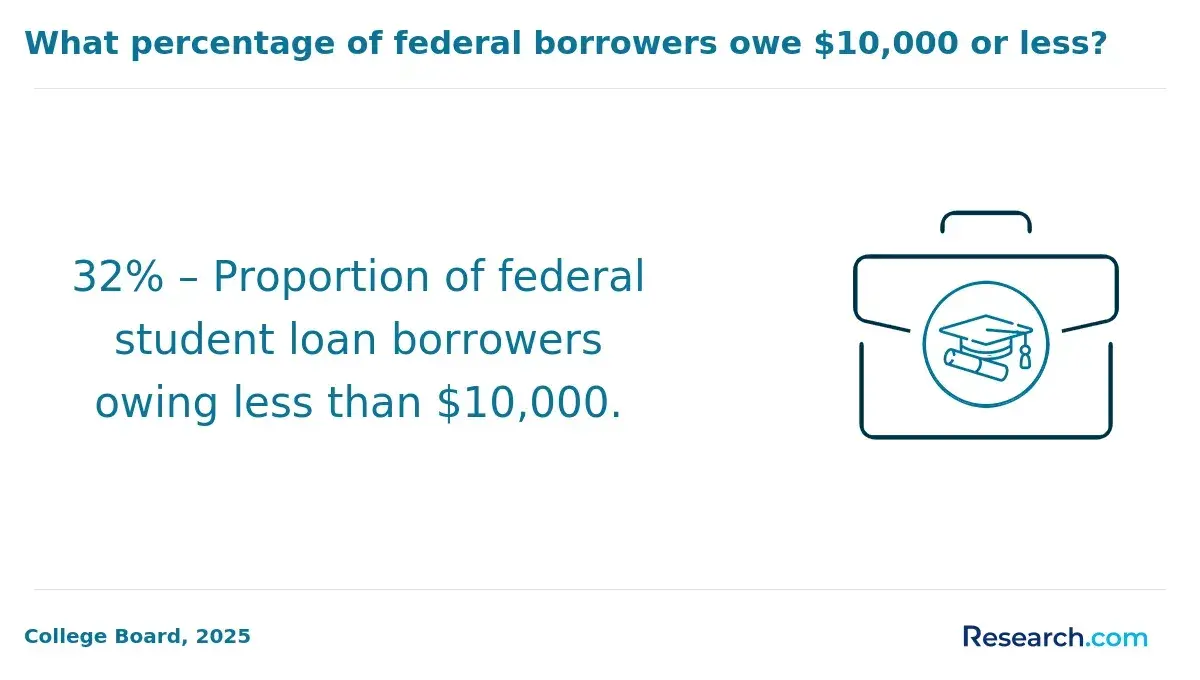
The average federal student loan balance is $39,547, and total debt-including private loans-reaches $43,333 according to Education Data Initiative. For detailed funding options, students can refer to an ascent student loans review for insight.
Can I use federal or private student loans to cover an existing tuition balance?
Federal Direct Loans, including Direct Subsidized and Unsubsidized Loans, allow students to cover an existing tuition balance before graduation by borrowing for educational expenses. If you have an unpaid balance late in your academic program, you can request additional loan disbursements to clear it, provided you remain enrolled and meet eligibility requirements. This approach to use federal student loans to pay tuition balance helps students manage outstanding debt efficiently.
Private student loans for covering tuition debt are offered by banks, credit unions, and other lenders with varying interest rates and repayment terms. These loans often require a credit check and a co-signer and may supplement federal loan limits or cover balances remaining after federal aid is applied. However, they usually have higher interest rates and fewer borrower protections than federal loans.
- Federal loan amounts have annual and aggregate limits, so unlimited borrowing is not possible for balances.
- Applications for additional funds must be submitted before the final payment deadline or graduation date.
- Private loans generally present higher costs and less flexibility in repayment.
Tuition increases, such as the 25.6% rise at four-year colleges reported by the Education Data Initiative between 2012-13 and 2022-23, put pressure on students managing large balances. Consulting your financial aid office promptly is essential to explore loan eligibility and alternative payment options. Federal loans offer lower fixed rates and income-driven repayment plans that private loans usually lack, so prioritize maximizing federal aid first.
For families considering borrowing alternatives, parent loan options for college can provide additional support to cover tuition costs. Learning about these options can be helpful alongside federal and private student loans.
How do school payment plans work for covering past-due tuition and fees?
School payment plans help cover past-due tuition balances by allowing students to split amounts owed into manageable monthly payments. Typically, a down payment is required, followed by fixed installments over a semester or academic year. This makes past balances easier to handle and prevents issues like transcript holds or delays in graduation clearance.
Tuition payment plan options for overdue college fees usually include tuition, fees, and housing charges. For instance, a student with a $2,000 balance might pay $500 upfront and $250 monthly for six months. Some schools offer interest-free plans, while others assess modest fees between 3% and 5%. These fees represent the cost of administrative flexibility, often lower than typical loan interest rates.
Public four-year colleges had average tuition and fees around $9,800 for in-state students, rising to approximately $27,146 for those living on campus. Such costs highlight why affordable, predictable payment options are essential. Students should confirm eligibility requirements, such as minimum balance thresholds and payment timeliness, since missed installments may lead to late fees or revoked plan privileges.
Payment plans do not replace financial aid or loans but can ease immediate repayment stress when combined thoughtfully. Students are advised to evaluate plan fees alongside alternatives such as bank student loan rates and their budgets before committing.
Are there emergency grants, scholarships, or hardship funds to clear a remaining balance?
Emergency grants, scholarships, and hardship funds can help students pay off remaining tuition balances before graduation. Many colleges offer institutional emergency aid for students facing unexpected financial difficulties like sudden income loss, medical expenses, or family emergencies. These funds are usually awarded quickly and do not require repayment, making them essential for urgent needs.
Students should contact their school's financial aid office to learn about available emergency funds. Eligibility varies widely; some grants require proof of financial crisis, while others target specific groups such as veterans or students with dependents. Certain universities provide scholarships designed to cover outstanding tuition for low-income students nearing graduation.
Private nonprofit colleges reported high tuition costs, with average tuition and fees reaching $40,700 and total costs exceeding $58,628 for on-campus students, according to NCES and Education Data Initiative. This financial challenge has increased demand for emergency aid across campuses.
Other emergency aid sources include:
- Campus-based funds supported by alumni or institutional reserves
- Nonprofits offering hardship grants for students at particular universities
- State or federal emergency relief programs activated during large-scale disasters
Applicants should prepare documentation such as income statements, medical bills, or eviction notices. Staying in close contact with financial aid offices and exploring multiple aid sources can improve the chance of clearing tuition debts before graduation.
Can I negotiate with the bursar's office or set up a custom repayment agreement?
Many students negotiate with the bursar's office or arrange custom repayment plans to cover tuition balances before graduation. Schools often offer flexible options like installment plans, deferred payments, or reduced lump-sum settlements to help students facing financial difficulties. Early communication with the bursar's office is crucial; clearly explaining your situation and providing hardship documentation can increase your chances of favorable terms.
Custom repayment agreements vary significantly between institutions. Some schools allow spreading payments over months, while others may waive late fees or reduce balances based on need. It is important to inquire about eligibility, how such plans affect your graduation clearance, and whether any interest or penalties apply.
Effective negotiation requires preparation:
- Know the total amount owed and payment deadlines.
- Gather proof of income, expenses, or unexpected financial hardships.
- Suggest a payment schedule you can realistically meet.
- Obtain written confirmation of any agreement reached.
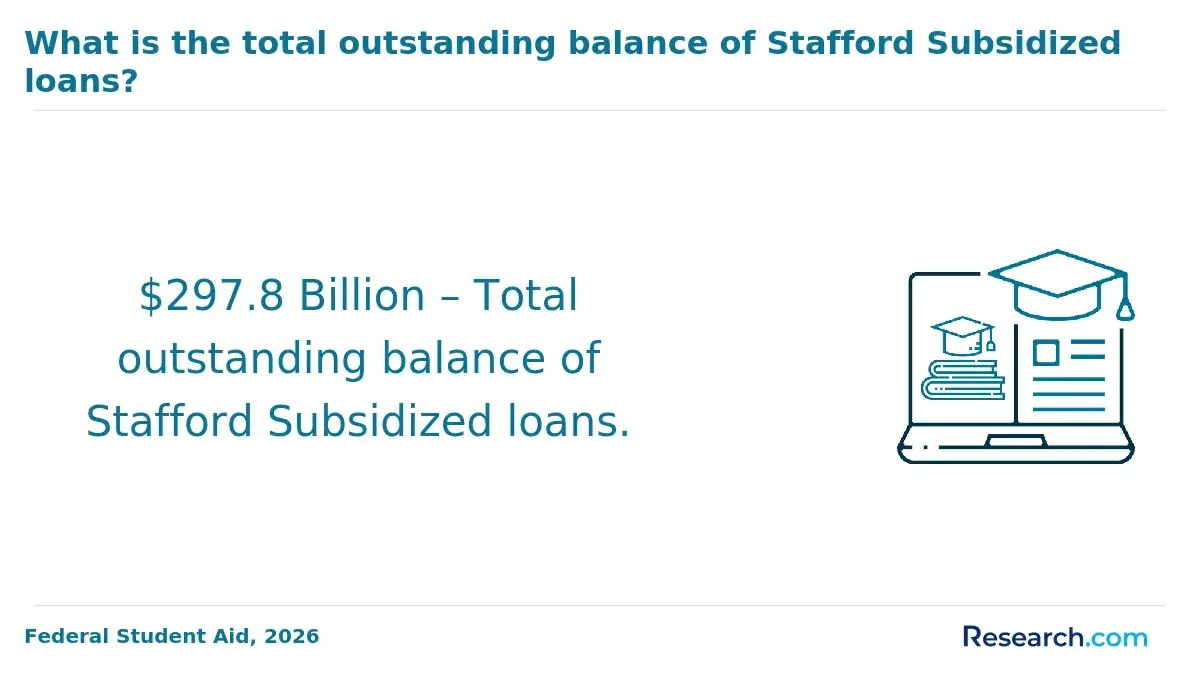
Borrowing remains common; federal student loan debt totals $1.693 trillion across 42.8 million borrowers, according to Education Data Initiative. Exploring repayment options with your bursar can reduce dependence on loans or costly credit alternatives.
What short-term financing options exist if I can't get more student loan funding?
If additional federal student loans are not an option, short-term credit methods can help cover tuition balances before graduation but often come with higher costs and varied terms.
Private personal loans from banks or credit unions usually feature fixed repayment schedules lasting months to years, with interest rates between 7% and 36% depending on creditworthiness. These loans require days for approval, limiting last-minute use.
Credit cards offer immediate access to funds up to a limit, but they typically have high interest rates, often above 20% APR. Some cards provide introductory 0% APR periods lasting 6 to 18 months, which can be advantageous if balances are repaid promptly.
Short-term installment or payday alternative loans from credit unions provide smaller amounts, generally $500 to $1,000, with fixed fees and repayment over a few months. These tend to be less costly than payday loans but involve high fees relative to the loan size.
Peer-to-peer lending platforms connect borrowers with individual investors, offering fixed terms and middle-range interest rates of 10% to 20%. These require detailed credit checks and longer approval times.
Federal loans still make up about 90.9% of all student debt, meaning many students exhaust federal limits before considering costly short-term credit options.
How does an unpaid tuition balance affect graduation, transcripts, and future enrollment?
Most U.S. colleges withhold diplomas until unpaid tuition balances are fully settled. Students who owe fees cannot receive their degree certificates or participate in commencement, delaying official recognition.
Official transcripts are also blocked or marked with financial holds, preventing graduates from sending records to employers or graduate schools. This creates obstacles in job searches and continuing education.
Unpaid balances can trigger registration holds, stopping students from enrolling in future semesters or accessing university services. This affects both current and returning students planning to complete courses or degrees.
For instance, a student owing $1,200 may be unable to register for the next term and will have transcripts withheld, hampering academic and professional plans until the debt is resolved.
The National Center for Education Statistics reports many students carry unpaid balances, leading to graduation delays and administrative challenges. Schools may also report these debts to credit agencies, negatively impacting credit scores.
Students should contact financial aid offices promptly to negotiate payment plans or emergency funding options. Ignoring tuition debts risks escalating consequences, including legal actions and collection efforts.
What are the risks of using credit cards or personal loans to pay tuition?
Paying tuition with credit cards or personal loans carries significant credit risks that students should weigh carefully. Credit cards often have APRs between 15% and 25%, which can rapidly increase the total amount owed if balances are not fully paid each month. This interest can quickly double the cost of education compared to the original tuition.
Personal loans generally offer lower interest rates, typically between 6% and 15%, but represent fixed debts with less flexible repayment options than federal student loans. Missing payments on personal loans can severely damage credit scores and lead to collections. Unlike federal loans, personal loans rarely provide deferment or hardship options.
The disparity in tuition costs adds to these financial challenges. As reported by U.S. News, average tuition and fees are about $11,011 at ranked public colleges and $43,505 at private colleges. Using credit cards or personal loans to finance high tuition amounts without a clear repayment strategy may cause unsustainable debt.
- High-interest debt accumulation.
- Credit score damage from missed payments.
- Difficulty qualifying for other credit due to debt-to-income issues.
- Lack of borrower protections found in federal loans.
Students and families should consider federal student aid, scholarships, and college payment plans before relying on credit cards or personal loans for tuition financing.
How can I prevent future tuition balances and budget for remaining semesters?
Careful budgeting and proactive payment planning are essential to prevent future tuition balances. Start by reviewing tuition rates, fees, and anticipated increases to create a detailed budget that includes living expenses and textbooks.
Set automatic payments when possible to avoid late fees. Keep track of scholarship renewals and grant conditions to ensure funds continuously apply to tuition. If your school offers payment plans, consider dividing large tuition bills into monthly installments to reduce financial pressure.
Maintain a dedicated savings fund for education expenses. Consistent monthly contributions can help cover unexpected costs like course materials or tuition adjustments. Update this fund regularly based on your academic schedule.
Explore tuition waivers, employer tuition assistance, and federal or state grants early on. These options decrease loan reliance, which is important since data from the College Board indicates total education borrowing has recently increased after years of decline.
Stay in regular contact with your school's financial aid office. Early communication helps to negotiate payment options or discover additional aid opportunities, preventing surprise balances later.
Other Things You Should Know About
Defaulting on student loans before graduation in 2027 can lead to severe financial consequences. Penalties may include damage to your credit score, accumulation of late fees, and possible garnishment of wages. It is essential to contact your loan servicer to discuss options like deferment or income-driven repayment plans to prevent default.
Yes, paying your tuition balance before graduation can reduce the total amount you need to borrow or repay after school. By lowering your outstanding balance early, you minimize the amount of interest that accrues over time. This proactive approach helps limit your long-term debt burden and may shorten your loan repayment period.
Typically, federal and private student loan disbursements are applied directly to your tuition balance by the school once funds are received. If the loan amount exceeds the tuition owed, the remaining funds may be released to you for other education-related expenses. It is important to monitor billing statements to ensure disbursements are credited properly and to understand any timing delays.
Making extra payments on student loans before graduation can positively impact your credit score by lowering your overall debt and showing responsible borrowing behavior. However, since many loans do not require payments until after graduation, early payments may not immediately influence your credit unless payments are reported. Still, reducing your principal balance early is financially beneficial.