2027 Best Student Loans for Military Students

Student Finance & Loan Expert
Military students often face unique financial challenges when pursuing higher education. Limited time, frequent relocations, and balancing service commitments with studies can complicate access to affordable funding.
Many struggle to identify loans that offer favorable terms or benefits aligned with their service. Navigating multiple loan options without clear guidance risks unnecessary debt or missed opportunities for assistance.
This article reviews the best student loans tailored for military students, helping readers find optimal financing solutions that accommodate their specific needs and support long-term success.
- What are the best federal and private student loan options for military students? Best loan options
- How do military benefits like the GI Bill and Tuition Assistance work with student loans? Military benefits
- How can active-duty service members minimize borrowing and out-of-pocket college costs? Minimize borrowing
- What special interest rate, SCRA, and fee protections apply to military student borrowers? Rate protections
- How do eligibility, FAFSA, and application steps differ for military and veteran students? Military FAFSA
- Which repayment plans work best for service members, veterans, and their families? Best repayment
- What loan forgiveness and discharge programs are available specifically to military borrowers? Military forgiveness
- How should military students compare private lenders, discounts, and cosigner options? Comparing lenders
- What deferment, forbearance, and deployment-related relief can military borrowers use? Military relief
- When does refinancing or consolidating student loans make sense for service members? Refinance vs. consolidate
What are the best federal and private student loan options for military students?
Direct Subsidized and Unsubsidized Loans offer some of the best federal student loans for military students due to their low fixed interest rates and flexible repayment plans. These loans include military-specific benefits, such as interest rate reductions during active duty.
The Perkins Loan program also provides fixed rates and cancellation opportunities linked to military service, though it is less widely available.
Private student loan options for military members should be approached cautiously. It's important to choose lenders who provide military benefits like zero origination fees, competitive fixed or variable interest rates often ranging from 3% to 6%, and deferment options aligned with deployment or service commitments. Many lenders customize repayment terms to fit active duty schedules and typical credit profiles among military families.
Research shows that among undergraduate veterans using federal aid, only 42% borrowed loans, compared to 56% of non-veterans, highlighting the heavy use of GI Bill benefits to minimize borrowing. Maximizing GI Bill and Military Tuition Assistance benefits is crucial before considering loans.
Federal loans also protect borrowers with income-driven repayment plans and Public Service Loan Forgiveness eligibility, benefiting veterans in government or nonprofit jobs.
When loans are needed to cover gaps, borrow only what is necessary and prioritize federal loan limits and eligibility to access lower overall costs and forgiveness programs. For more details on eligible expenses, see what can student loans be used for.
How do military benefits like the GI Bill and Tuition Assistance work with student loans?
Military benefits such as the GI Bill and Tuition Assistance play a crucial role in reducing or eliminating the need for student loans among many veterans and active service members.
The Post-9/11 GI Bill offers direct payments covering tuition, fees, housing, and books for those who qualify, averaging $10,915 per beneficiary in FY 2024. This amount can cover 100% of in-state public undergraduate tuition, significantly lowering loan dependency.
Tuition Assistance (TA) is another valuable benefit for active duty personnel, paying up to 100% of tuition costs but typically capped at $250 per credit hour and $4,500 annually. TA benefits apply before loans, limiting the amount borrowed to expenses exceeding the set caps or other uncovered costs.
When military aid offsets tuition, student loans serve mainly to cover remaining needs like room, board, or out-of-state tuition beyond GI Bill limits. Many combine VA benefits with federal loans, such as Direct Subsidized Loans, which offer low interest and deferred payments while in school. This strategy helps control debt and manage repayment burdens more effectively.
Prospective students should know about military student loan benefits and eligibility to make informed borrowing decisions. Collaborating with financial aid offices helps clarify benefit limits and loan options. For example, if TA covers $4,500 but tuition totals $6,000, loans may cover the $1,500 difference.
For those exploring private lending options, ascent private student loans can complement federal aid. Using military benefits wisely improves affordability and financial security, reducing overall loan balances and interest accrual.
How can active-duty service members minimize borrowing and out-of-pocket college costs? - Minimize borrowing
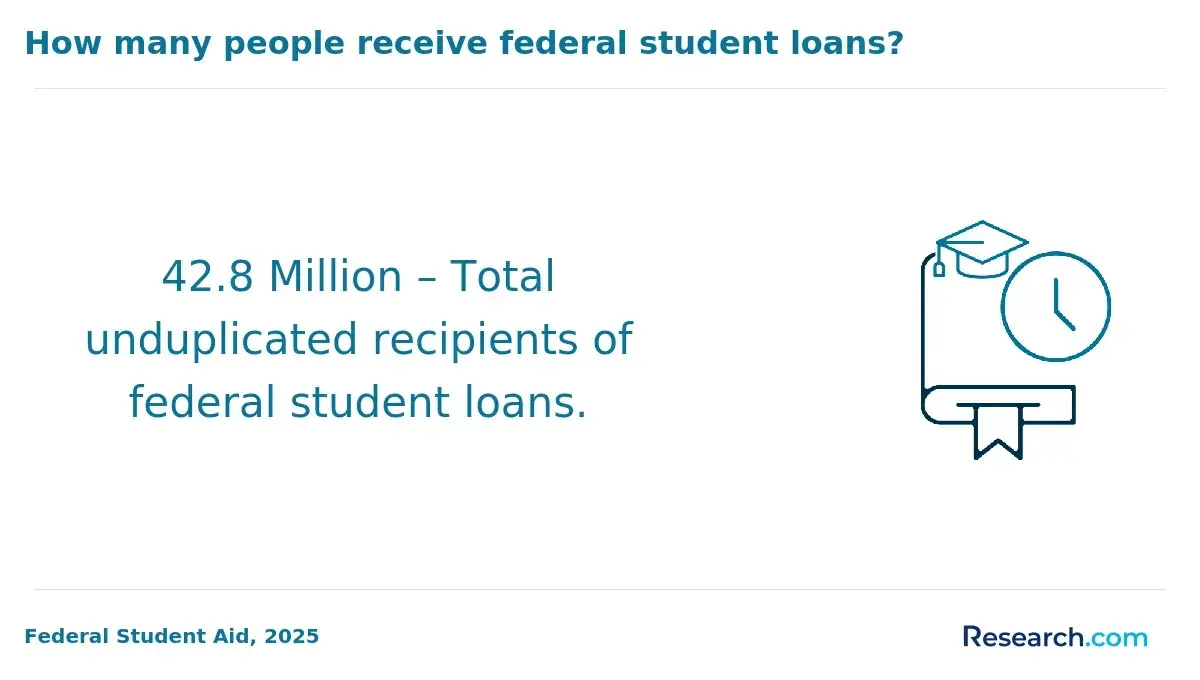
Active-duty military student loan options should be maximized to minimize borrowing and out-of-pocket college expenses. The federal Direct Loan program typically offers an average interest rate of 5.50%, significantly lower than the 9.78% average rate on private undergraduate loans reported by the Consumer Financial Protection Bureau.
This difference highlights the importance of prioritizing federal and GI Bill benefits before considering private loans, which often have higher rates and fewer protections.
Strategies to reduce college costs for military students include:
- Utilizing the Post-9/11 GI Bill to cover tuition, housing, and stipends based on service duration and location.
- Applying for Tuition Assistance programs that can cover up to 100% of tuition during active duty, reducing direct expenses.
- Seeking scholarships and grants specifically designed for military members and their families, which do not require repayment.
- Limiting federal loan borrowing to only necessary amounts, benefiting from protections like income-driven repayment and deferment options.
Consulting education services officers can help service members create effective financing plans and uncover all available military education benefits.
For those seeking additional options, learning how to pay for MBA program expenses carefully is also essential. Avoiding private loans is critical to managing costs effectively and reducing long-term debt burdens.
What special interest rate, SCRA, and fee protections apply to military student borrowers? - Rate protections
Military student borrowers receive specific interest rate benefits for military student loans through the Servicemembers Civil Relief Act (SCRA), which caps interest rates at 6% on federal and private student loans during active duty and deployment. This mandatory cap prevents excessive interest accumulation, lowering financial pressures while servicemembers serve.
SCRA fee waivers and protections for military borrowers also restrict certain fees and penalties, including limits on prepayment penalties and collection actions during active duty. These safeguards help avoid additional financial stress from fees or lender enforcement.
A Consumer Financial Protection Bureau review found that servicemembers using the SCRA 6% interest cap saved a median of $1,546 in interest over a typical 12-month deployment. To benefit, servicemembers must notify lenders of their active duty status since some private lenders may not automatically apply these protections without borrower request.
Beyond mandatory protections, some lenders offer military-friendly loan options with lower interest rates or deferred payment plans during service. Comparing these can provide greater savings and flexibility.
For those considering refinancing, consulting the best banks for student loan refinancing can help identify favorable terms tailored to military borrowers.
How do eligibility, FAFSA, and application steps differ for military and veteran students?
Military and veteran students accessing federal student aid, including FAFSA, benefit from special provisions linked to their service. These include eligibility for the Post-9/11 GI Bill and the Yellow Ribbon Program, as well as unique loan forgiveness and repayment options unavailable to most civilian applicants.
When completing the FAFSA, military-affiliated students must accurately report service history and military benefits such as Service Members' Group Life Insurance (SGLI) and Veterans Affairs (VA) benefits. Sometimes, certain military benefits can be excluded from income calculations, raising aid eligibility.
Additional loan programs tailored for military families include the Direct PLUS Loan for parents and Military Service Loan Forgiveness programs. Verification often requires documents like Deployment Orders or DD Form 214. Active-duty applicants may also need command approval based on service branch rules.
Federal programs significantly support military borrowers. For example, Public Service Loan Forgiveness (PSLF) has benefited over 96,000 current or former military service members, who received an average of $63,700 in loan forgiveness each.
Which repayment plans work best for service members, veterans, and their families?
Repayment plans that offer flexibility, protection, and cost savings best serve service members, veterans, and their families. Income-driven repayment (IDR) options like Revised Pay As You Earn (REPAYE) and Income-Based Repayment (IBR) adjust monthly payments based on income, providing relief during deployment or unemployment.
Public Service Loan Forgiveness (PSLF) is particularly valuable for military personnel working in qualifying government or nonprofit roles, forgiving loan balances after 120 qualifying payments.
Military-specific benefits such as deployment forbearance and Servicemembers Civil Relief Act (SCRA) protections allow borrowers to pause or reduce payments without penalty.
While only 27% of lenders clearly disclose these options, 61% offer at least one military-specific benefit (Consumer Financial Protection Bureau, 2024). Borrowers should actively ask about these provisions when selecting lenders.
Some lenders provide SCRA automation, which automatically applies interest rate caps and payment adjustments once deployment is reported, easing administrative burdens.
Federal student loans include the most comprehensive military protections, including interest rate caps and forgiveness program eligibility, whereas private loans often require careful review of military benefits. Refinancing should be approached cautiously since it can forfeit federal protections.
Options for families, like joint repayment and cosigner release policies, help manage shared debt. Service members considering career changes should evaluate repayment flexibility and loan forgiveness eligibility to avoid financial strain.
What loan forgiveness and discharge programs are available specifically to military borrowers?
Military borrowers can benefit from several loan forgiveness and discharge programs designed to reduce student debt. The Public Service Loan Forgiveness (PSLF) program forgives remaining federal Direct Loan balances after 120 qualifying payments for service members employed full-time by qualifying government or nonprofit organizations, including military branches. Forgiveness under PSLF is tax-free.
Military service discharge benefits include options like the Total and Permanent Disability discharge for veterans with service-connected disabilities and the Closed School discharge, applicable if a military student's college closes before program completion.
The Servicemembers Civil Relief Act (SCRA) limits interest rates on pre-service student loans to 6% during active duty, significantly lowering repayment costs. Additionally, the Military College Loan Repayment Program offers enlistment incentives to help repay qualifying federal loans, varying by service branch and commitment.
Active-duty enlisted members also access the Department of Defense Tuition Assistance (TA) Program, which averaged $3,108 annually per member, covering about 68% of tuition at public four-year institutions, according to the U.S. Department of Defense Voluntary Education/Tuition Assistance Annual Report 2024.
- PSLF offers tax-free loan forgiveness after 120 qualifying payments.
- SCRA reduces active duty interest rates to 6%.
- Discharge benefits address disabilities and school closures.
- Tuition assistance covers a significant portion of costs for enlisted personnel.
How should military students compare private lenders, discounts, and cosigner options?
Military students should focus on lenders offering competitive interest rates, military-specific discounts, and favorable cosigner terms. These factors vary significantly among private lenders, so a careful comparison is crucial.
Military discounts typically reduce interest rates by 0.25% to 0.5%, which can result in substantial savings over time. It is important to seek lenders that clearly state their military benefits instead of assuming generic discounts apply.
Cosigner requirements need careful evaluation. Some lenders waive them for active-duty service members or veterans with good credit, while others require cosigners regardless. If a cosigner is necessary, choose lenders with flexible cosigner release policies that allow removal after a designated number of on-time payments.
Examine lender fees such as origination charges and prepayment penalties closely. Flexible repayment options-like interest-only payments while in school or deferred payments-can help manage budgets effectively.
Federal student loans remain a vital resource. Veterans who completed a bachelor's degree have significantly lower median federal student loan debt compared to non-veterans, largely thanks to GI Bill benefits. Maximizing GI Bill and federal loan usage before turning to private loans can reduce overall student debt.
- Identify private lenders with explicit military discounts.
- Confirm cosigner policies and release terms.
- Compare interest rates and fees precisely.
- Prioritize GI Bill and federal loans before private options.
What deferment, forbearance, and deployment-related relief can military borrowers use?
Military borrowers benefit from specific relief options that ease student loan repayment during active duty or military-related financial hardship. The Servicemembers Civil Relief Act (SCRA) limits interest rates on federal student loans to 6% while on active duty and provides automatic deferment for loans taken out before service, pausing payments without accruing interest beyond that cap.
When financial difficulties arise but deferment isn't available, military borrowers may request administrative forbearance through their loan servicers. This suspends payments for up to 12 months and can be renewed during continued active duty, though interest typically continues to accrue.
Additional deployment-related relief includes automatic payment suspensions and extra interest benefits for those serving in combat zones or contingency operations. The Department of Education may also adjust repayment plans or grant extended grace periods to align with deployment schedules.
Military students also receive significant aid through state and institutional military-related scholarships and grants. In the 2023-24 award period, about $1.4 billion in gift aid averaged $4,780 per student, offering valuable support that doesn't require repayment. Combined with deferment and forbearance options, these resources help reduce student loan burdens during and after military service.
When does refinancing or consolidating student loans make sense for service members?
Refinancing student loans can benefit service members who want lower interest rates or to switch from variable to fixed rates, which may reduce monthly payments. It also lets borrowers combine multiple private or federal loans into one for simpler repayment.
However, refinancing federal loans with a private lender removes federal protections like income-driven repayment plans, deferment, forbearance options, and Public Service Loan Forgiveness eligibility. Those with stable incomes and strong credit tend to gain the most from refinancing.
Consolidation merges multiple federal loans into a single Direct Consolidation Loan, preserving federal benefits while streamlining payments. This option is useful for accessing alternative repayment plans or qualifying for forgiveness programs. Consolidation can extend repayment terms, lowering monthly payments but increasing total interest over time.
For example, a service member juggling different loan servicers might consolidate to simplify finances without losing military-specific protections. Refinancing may suit veterans or those with private loans who no longer qualify for federal benefits.
According to a RAND Corporation study, service members who maximized Tuition Assistance and GI Bill benefits carried 41% less student debt than those relying mainly on loans. This highlights the importance of using military educational benefits fully before considering refinancing or consolidation.
Other Things You Should Know About
Yes, military students can use student loans to pay for certain non-degree programs if the institution is eligible for federal student aid. However, it is important to verify that the program qualifies for loan funding before borrowing, as some vocational or certificate courses may not be covered. Borrowers should also consider whether the program aligns with their career goals to avoid unnecessary debt.
Military students are subject to the same federal loan limits as other borrowers, which depend on factors like year in school and dependency status. Aggregate federal loan limits apply, meaning total borrowing across all federal loans cannot exceed set thresholds. Private lenders may impose their own limits, often based on creditworthiness.
Student loans generally do not impact eligibility for military education benefits such as the GI Bill or Tuition Assistance. However, defaulting on loans can affect credit status, which may have indirect consequences. It is advisable for military students to maintain loan payments to preserve both financial standing and access to benefits.
Military spouses can apply for student loans, but they are not eligible for military-specific student loan programs. However, they may qualify for federal student loans and scholarships geared towards military families, which offer financial assistance based on their education and career goals.