2027 How Cost of Attendance Affects Student Loan Limits

Student Finance & Loan Expert
Imagine a student planning graduate school but facing uncertainty about how tuition increases and living expenses impact their available federal loan amounts. Many borrowers underestimate how the cost of attendance(COA) in different institutions directly limits the total funds they can borrow through federal student loans. This gap between educational costs and borrowing caps can affect financial planning and potentially delay or disrupt academic progress. This article explains the relationship between COA and student loan limits, helping prospective students understand how to navigate loan eligibility and optimize their funding strategies.
- How does a college's cost of attendance determine your maximum federal student loan amount? COA & Federal Limits
- How do cost of attendance and expected family contribution together shape your aid package? COA & Need
- How do federal annual and lifetime loan limits interact with cost of attendance caps? Federal Caps
- How is cost of attendance calculated by schools, and what expenses does it include? COA Breakdown
- How do cost of attendance rules differ for undergraduates, graduate students, and parents? COA by Level
- How do private student lenders use cost of attendance to set borrowing limits? Private Limits
- How can you appeal or request an adjustment to your school's cost of attendance? COA Appeal
- How should you decide how much to borrow when your cost of attendance is higher? Borrowing Strategy
- How does cost of attendance impact repayment amounts, interest costs, and loan forgiveness? COA & Repayment
- How does enrollment status and living situation change your cost of attendance and loans? Status & COA
How does a college's cost of attendance determine your maximum federal student loan amount?
Your maximum federal student loan amount depends heavily on your college's cost of attendance (COA). The COA covers tuition, fees, housing, food, books, transportation, and other related expenses. Federal student loan limits are calculated based on the total COA minus any other financial aid you receive. Therefore, understanding how cost of attendance impacts federal student loan limits can help you estimate your borrowing capacity.
For example, the average COA for first-time, full-time undergraduates was about $28,240 at public four-year colleges, compared to $57,570 at private nonprofit four-year colleges, according to College Board data. Because of this, students attending private institutions with higher expenses may qualify for larger loan amounts, reflecting the relationship between college expenses and maximum student loan amount.
Federal loan programs, like Direct Subsidized and Unsubsidized Loans, set annual and total borrowing limits to prevent loans from exceeding your COA minus grants and scholarships. If your COA is lower, your borrowing eligibility is capped accordingly. Costs such as living expenses, which can vary widely by location, also influence your maximum loan eligibility. Urban schools typically have higher room and board costs than rural schools.
Students should carefully review their financial aid award letters and school COA details to understand how loan limits are determined. For those wondering if aid can help with living expenses, resources explaining whether can FAFSA cover rent offer valuable guidance.
How do cost of attendance and expected family contribution together shape your aid package?
The cost of attendance impact on federal student loan limits is a crucial factor in financial planning for college. The COA comprises tuition, fees, room and board, books, and other related expenses, while the expected family contribution role in financial aid calculation estimates what a family can reasonably pay. The difference between COA and EFC determines a student's financial need, which affects eligibility for federal, institutional, and sometimes state aid.
Federal student loans have fixed annual borrowing limits. For instance, from July 1, 2025, to June 30, 2026, dependent undergraduates may borrow between $5,500 and $7,500 annually in federal Direct Loans. However, total aid, including scholarships and grants, can cover up to the full COA, leaving gaps that loans alone may not fill.
Families with a high EFC often face reduced eligibility for need-based aid and may depend more on unsubsidized or private loans. Conversely, students with lower EFC values typically receive greater grants and subsidized loans, reducing out-of-pocket costs.
Students should secure scholarships and grants early to close gaps in funding, utilize work-study or institutional aid, and consider private loans cautiously. There are options like private student loans for bad credit but these should be a last resort after exhausting federal and institutional resources.
How do federal annual and lifetime loan limits interact with cost of attendance caps?
Federal annual and lifetime student loan limits are influenced by the cost of attendance (COA) caps set by each institution. These caps establish the maximum amount a student can borrow federally for an academic year but remain within federal loan limits. This interaction of annual and lifetime loan limits with attendance cost means students' borrowing power adjusts based on COA and federal rules.
Annual loan limits restrict how much federal aid a student can receive yearly, varying by year in school and dependency status. For example, independent undergraduates might borrow up to $9,500 annually in unsubsidized federal loans, subject to COA limits. If a school's COA is lower, loan eligibility correspondingly drops.
Lifetime loan limits further restrict cumulative borrowing, with undergraduates capped at $57,500 total, including a $23,000 subsidized loan maximum. Students attending institutions with high COA might need alternative financing to bridge gaps.
The increasing tuition and fees have elevated COA figures significantly. Between 2010-11 and 2021-22, average undergraduate tuition and fees rose 17% inflation-adjusted, pushing COA closer to or beyond federal loan limits. This dynamic highlights the federal student loan limits versus cost of attendance caps and the need for planning.
Planning funding is essential since loans cannot exceed either COA or federal caps. Prospective borrowers may also explore scholarships for returning students as part of addressing these limits.
How is cost of attendance calculated by schools, and what expenses does it include?
Schools calculate cost of attendance (COA) by estimating the total expenses a student faces for one academic year, which helps students calculate cost of attendance for students in the United States more accurately. This estimate includes direct and indirect expenses such as tuition and fees, room and board, books and supplies, transportation, and personal costs. Tuition varies significantly by institution type and residency status, with in-state public university rates generally lower than out-of-state or private college tuition.
Rooms and board costs depend on student living arrangements, including on-campus housing fees or average off-campus rent and food expenses. Books and supplies cover textbooks, technology, and other learning materials needed, while transportation includes commuting costs like public transit or fuel. Personal expenses address everyday needs such as clothing, laundry, and entertainment. Variations in COA can occur for students with dependents, disabilities, veterans, or those attending part-time or summer sessions.
Expenses included in US college cost of attendance also consider special allowances for childcare or medical services based on individual circumstances. For example, first-time full-time students at public four-year institutions face an average net COA of $19,250, whereas the maximum Direct Loan limit for dependent juniors and seniors is $7,500. This gap often requires students to seek scholarships, savings, or private loans.
For those looking into options to manage their loans, researching student loan refinance lenders can be a vital step in financial planning.
How do cost of attendance rules differ for undergraduates, graduate students, and parents?
Cost of attendance (COA) rules set specific borrowing limits for undergraduates, graduate students, and parents, shaping federal student loan eligibility. Undergraduates can borrow up to their school's total COA, which includes tuition, fees, room, board, and related expenses. This flexibility ensures they have access to sufficient funds to cover educational costs.
Graduate students face a fixed loan cap of $20,500 per year starting July 1, 2026. Since programs like nursing and social work often exceed a $30,000 annual COA, this creates a funding gap of roughly $9,500, according to data from the American Hospital Association. Graduate students must look to scholarships, assistantships, or private loans to fill this shortfall.
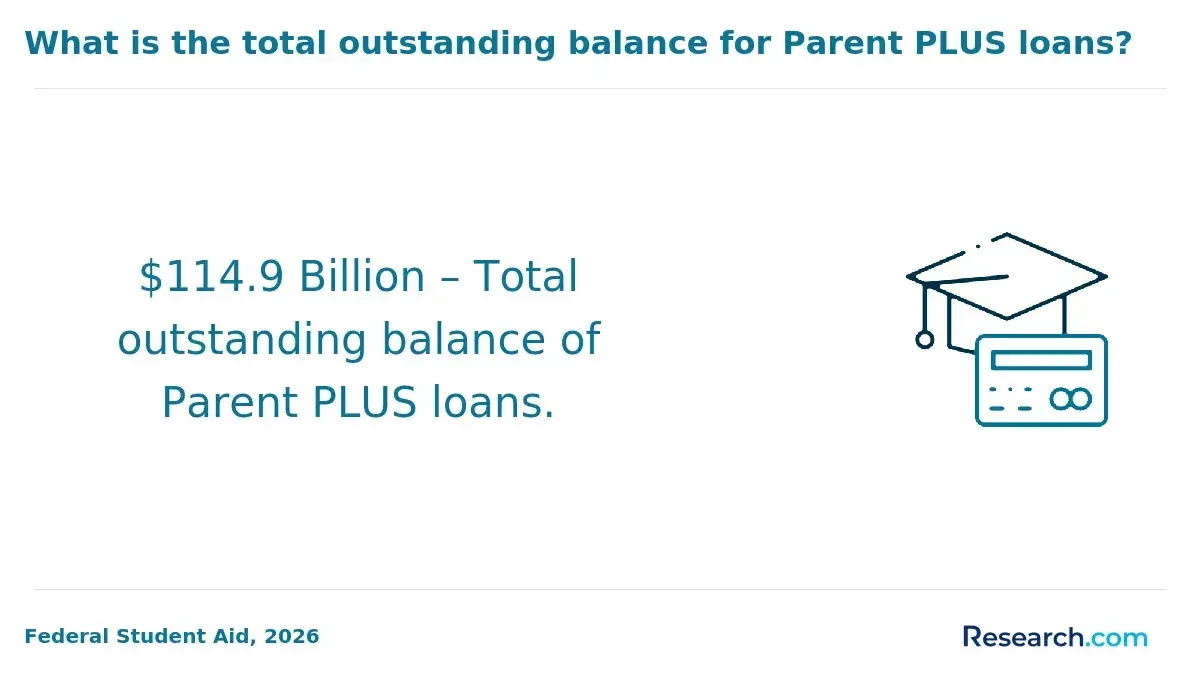
Parents borrowing through the Federal Parent PLUS Loan program can cover the full COA for their undergraduate children, provided they meet credit requirements. This program offers families the ability to finance education costs without annual loan limits.
Key distinctions include:
- Undergraduates borrow up to total COA with no fixed dollar limits.
- Graduate students are capped at $20,500 annually despite higher actual costs.
- Parents may borrow up to full COA for undergrad children if creditworthy, with no annual caps.
Students and families should evaluate these borrowing limits and seek additional funding sources to bridge gaps, especially in graduate education programs with high costs.
How do private student lenders use cost of attendance to set borrowing limits?
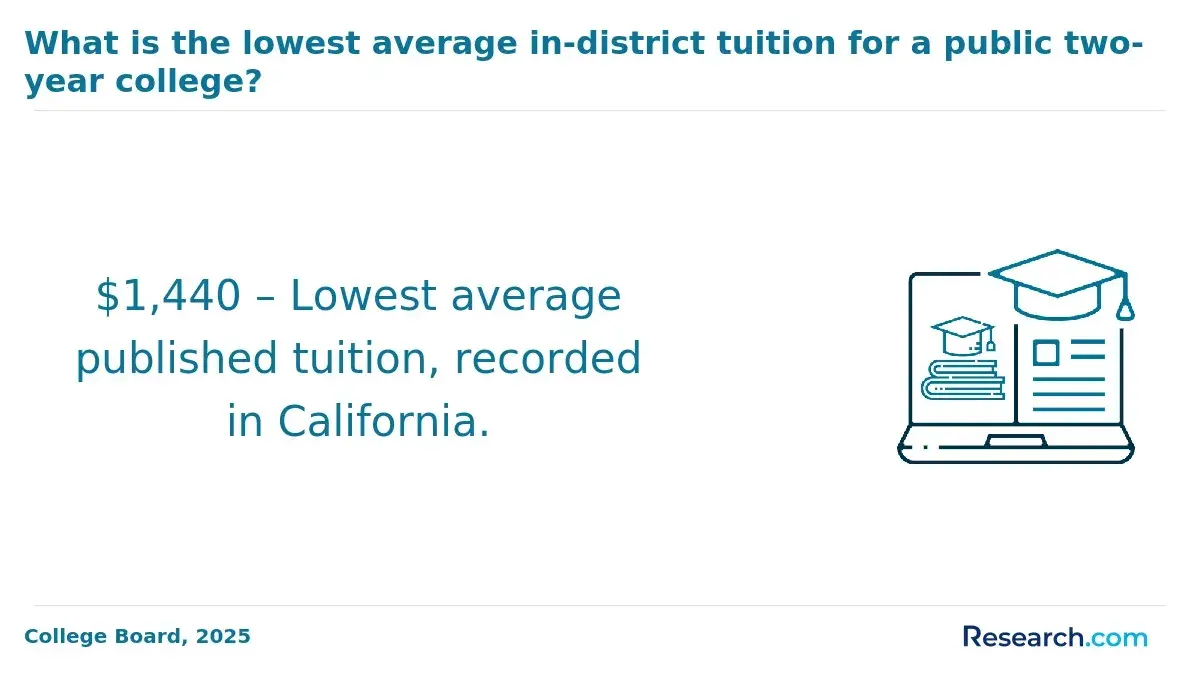
Private student lenders often set borrowing limits based on an institution's cost of attendance (COA), using it as a benchmark to cap loans so they do not exceed a student's estimated education expenses. This helps prevent overborrowing and keeps debt aligned with actual costs. For example, community colleges, which have lower tuition and fees, offer smaller private loans to match those reduced expenses.
Data from Community College Daily shows that although a majority of community college students receive federal loans, the average loan amount remains lower compared to other institutions. This is due to both the lower COA and federal loan restrictions.
Private lenders typically customize borrowing limits by considering various components of the COA, such as room and board, course materials, and other direct expenses. These limits can also be influenced by a borrower's financial profile and the lender's risk tolerance. Unlike federal loans with fixed caps, private loans reflect the specific COA at each school, so loan limits vary significantly between students attending different institutions.
Students transferring or attending multiple schools should note that their borrowing capacity may change as COA differs among institutions. Careful review of each school's COA can help students plan their funding needs and explore scholarships or alternative aid if private loan amounts prove insufficient.
How can you appeal or request an adjustment to your school's cost of attendance?
You can request an adjustment to your school's cost of attendance (COA) by submitting a formal appeal to the financial aid office. This usually requires detailed documentation to prove that your standard COA does not match your actual educational expenses. Unexpected costs such as medical bills, childcare, or housing can cause financial hardship beyond the typical budget.
Contact your financial aid office early and provide evidence like bills, leases, or medical records. Common reasons for COA adjustments include:
- Significant changes in family income or tax status
- High medical or dental expenses not covered by insurance
- Costs for dependent care or special needs accommodations
- Higher-than-usual transportation expenses
Some schools also allow appeals for study-related expenses such as required technology, supplies, or off-campus program fees. Each institution has its own policies, so ask about specific procedures and required forms.
Tuition at private nonprofit four-year colleges increased substantially over the decades compared to public colleges, making COA adjustments important to reduce borrowing burdens (College Board, Trends in College Pricing and Student Aid 2025).
An effective appeal can increase your COA and improve eligibility for federal student loans or institutional aid. Keep detailed records of all communications and submit your appeal promptly to maximize your chances of receiving additional funds.
How should you decide how much to borrow when your cost of attendance is higher?
When borrowing student loans, take only what's necessary to cover essential costs like tuition, fees, and basic living expenses. Avoid loans for luxury or discretionary spending, as borrowing beyond your actual cost of attendance (COA) increases repayment burdens and heightens the risk of default. For example, in 2025 Q4, the average federal student loan balance was $39,547, with 10.0% delinquency among federal loans (Education Data Initiative).
Assess your expected income after graduation carefully. Use salary data relevant to your chosen career to estimate a realistic loan repayment plan. If your projected income is modest, keep borrowing within amounts manageable by federal repayment plans, which commonly base payments on 10-15% of discretionary income.
To minimize debt and improve financial outcomes:
- Calculate only education-related costs necessary for attendance.
- Seek scholarships, grants, work-study, or part-time jobs to reduce loan needs.
- Use reliable student loan calculators tailored to your program and graduate year.
- Estimate monthly loan payments and compare them to expected income.
- Include an emergency fund only if absolutely essential, avoiding unnecessary borrowing.
Borrowing cautiously, aligned with career prospects and repayment capacity, helps avoid prolonged debt stress and improves chances of successful repayment.
How does cost of attendance impact repayment amounts, interest costs, and loan forgiveness?
Student loan limits are directly influenced by the cost of attendance (COA), which determines how much can be borrowed by students or their parents. Loan amounts cover up to the COA minus any other financial aid, meaning that a higher COA allows for larger loan balances. This increase results in higher monthly repayments and greater interest accumulation over time, adding to the borrower's financial obligations after graduation.
Graduate PLUS and Parent PLUS loans, unlike Direct Loans, have no aggregate borrowing cap but are limited by the COA. This enables students or parents facing high COA to borrow significantly more through these loans. In recent years, the federal government has disbursed tens of billions in federal student loans, with PLUS loans making up a substantial share to cover costs beyond Direct Loan limits.
The larger principal amounts from higher COA lead to more total interest accrued since interest compounds on the full loan balance. Consequently, early repayment and loan consolidation strategies become essential for managing debt effectively. Furthermore, loan forgiveness programs and income-driven repayment plans may be affected. Borrowers with high COA-related loans often face longer timelines to qualify for forgiveness or to repay loans with manageable payments based on their income.
- Higher COA raises borrowing limits and repayment amounts.
- Increased loan principal causes more interest over time.
- PLUS loans extend borrowing beyond standard Direct Loan caps.
- Loan forgiveness timelines may lengthen with larger debts.
- Income-driven repayment plans might require higher payments due to large loan amounts.
How does enrollment status and living situation change your cost of attendance and loans?
Enrollment status significantly impacts your cost of attendance (COA) and student loan eligibility. Full-time students usually have a higher COA due to increased tuition and fees, allowing access to larger federal loan amounts. In contrast, part-time students often have prorated tuition, resulting in lower COA and reduced loan limits. For instance, full-time graduate students may secure loans covering full tuition and living expenses, while part-time students may only qualify for a portion of tuition without room and board coverage.
Living arrangements also play a crucial role. Students residing on-campus or renting tend to face higher housing and meal costs reflected in their COA. This includes room and board, utilities, and meal plans, which can add thousands annually. Conversely, students living with family might see reduced or eliminated housing costs in their COA, shrinking their allowable federal loan amounts.
Federal loan limits are tied to COA and capped to prevent borrowing beyond actual educational costs. Starting July 1, 2026, under the One Big Beautiful Bill Act, aggregate federal borrowing will be restricted to $100,000 for graduate degrees and $200,000 for professional degrees. Since programs like physical therapy often have COA between $108,212 and $126,034 before accounting for living expenses and fees, some students may find loans insufficient and should plan expenses carefully.
Other Things You Should Know About
Yes, student loans can cover various education-related expenses beyond tuition and fees, such as room and board, books, supplies, transportation, and personal expenses. These additional costs are included in the cost of attendance (COA) and can increase the total amount you are eligible to borrow through federal student loans.
Yes, federal student loans include subsidized and unsubsidized types, each with different borrowing limits. Subsidized loans have lower limits and are based on financial need, while unsubsidized loans have higher limits but accrue interest from disbursement. Both types' combined limits must stay within annual and aggregate federal maximums.
In 2027, the Cost of Attendance (COA) determines the maximum amount students can borrow in federal loans. COA includes tuition, housing, books, and other education-related expenses. Federal limits prevent borrowing beyond this amount, affecting how much students must seek from other funding sources.
Student loan limits can change if your enrollment status changes, such as dropping below half-time or switching programs. Schools update your cost of attendance accordingly, which may increase or decrease your maximum borrowing eligibility. Maintaining at least half-time enrollment is usually necessary to retain federal student loan eligibility.