2027 Best Student Loans for Online Psychology Programs

Student Finance & Loan Expert
Many prospective students pursuing online psychology programs face the challenge of securing affordable financing options. With rising educational costs and varied loan terms, choosing the right student loan can be overwhelming. Without clear guidance, borrowers risk high interest rates or unfavorable repayment conditions that could impact their financial future. This article discusses the best student loans available for online psychology studies, comparing federal and private options, interest rates, repayment plans, and eligibility criteria. It aims to help borrowers make informed decisions that align with their educational and financial goals efficiently and responsibly.
- What types of student loans are best for online psychology degrees and certificates? Best loans
- How do federal and private student loans compare for online psychology students? Federal vs private
- What eligibility and enrollment rules apply to loans for online psychology programs? Eligibility rules
- How do interest rates, fees, and borrowing limits work for psychology student loans? Rates and limits
- What steps should online psychology students take to apply for federal student loans? Apply steps
- Which federal loans work best for graduate and doctoral psychology students online? Grad options
- How can parents finance an online psychology degree with PLUS and private loans? Parent loans
- What repayment plans fit typical psychology careers and expected starting salaries? Repayment fit
- Can psychology borrowers qualify for loan forgiveness, PSLF, or mental health programs? Forgiveness paths
- When should psychology graduates refinance or consolidate their student loans? Refinance timing
What types of student loans are best for online psychology degrees and certificates?
Federal student loans for online psychology degrees offer lower interest rates, borrower protections, and flexible repayment plans that benefit both undergraduates and graduate students. Direct Subsidized Loans cover interest while undergraduates attend school, reducing overall costs for those with financial need. Direct Unsubsidized Loans provide a fixed interest rate and help cover tuition and fees regardless of need. Graduate students earning certificates or advanced degrees can consider Grad PLUS loans, which allow borrowing up to the full cost of attendance but have higher interest rates compared to other federal loans.
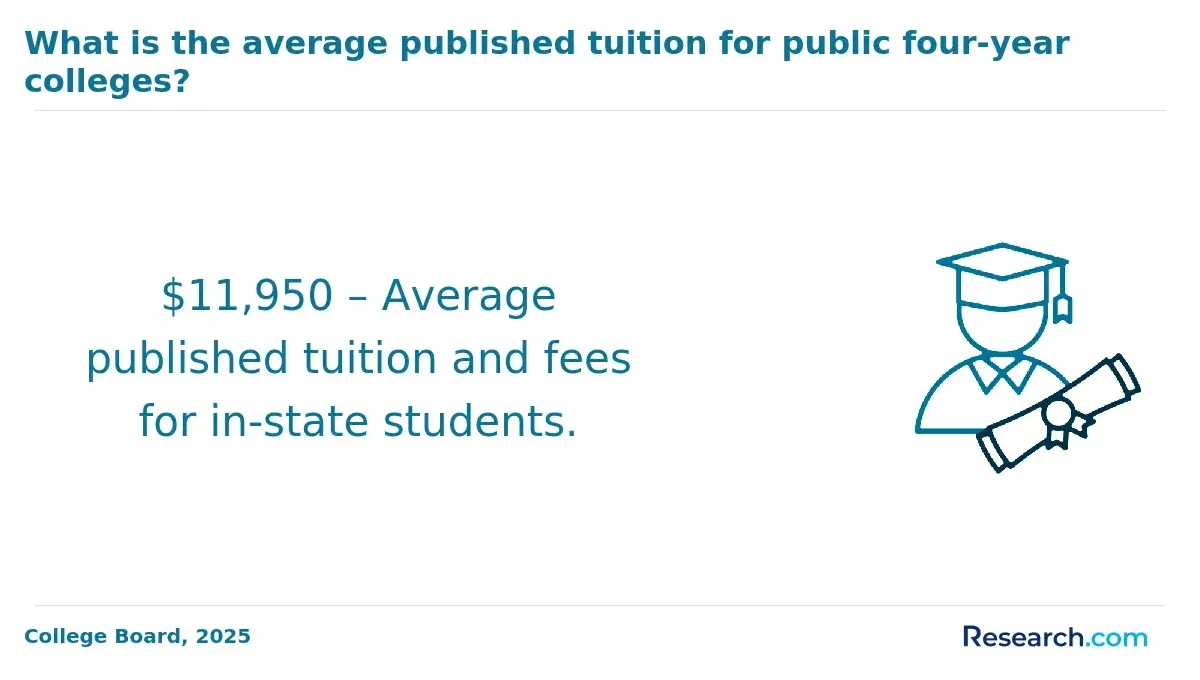
Private student loan options for psychology certificates may become necessary, especially at private institutions where average annual tuition can exceed $38,000. Such loans often come with variable interest rates and limited repayment flexibility, making them a less favorable choice unless federal loan limits are insufficient. It is important to exhaust federal loans before turning to private financing.
Borrowers should carefully evaluate interest rates, loan fees, and repayment terms. Income-driven repayment plans linked to federal loans can adjust monthly payments based on income, a crucial feature for psychology students entering professions with varying salaries. Students pursuing certificates or associate degrees online should also investigate state-specific loan programs or employer tuition assistance to minimize reliance on high-interest private loans.
For those needing quick financing options, resources like student loans after semester starts can provide valuable guidance.
How do federal and private student loans compare for online psychology students?
Federal student loans provide more predictable financing for online psychology students than private options. For the 2024-25 academic year, federal Direct Subsidized and Unsubsidized Loans carry a fixed interest rate of 6.53%, offering stable repayment plans such as income-driven options and deferment. These features protect borrowers, especially those uncertain about their future income, by allowing pauses without penalty. Private loans, often considered in discussions of federal vs private student loans for online psychology programs, can offer lower rates but vary widely-from about 4.5% to over 15%-based on creditworthiness. They typically require a creditworthy cosigner and have less flexible repayment terms.
Students pursuing psychology online should prioritize federal loans because of consistent terms, borrower protections, eligibility for Pell Grants, and public service loan forgiveness programs-particularly relevant for graduates entering government or nonprofit roles. Private loans might be an option only after federal aid is exhausted, ensuring careful comparison of rates and conditions.
The best student loan options for psychology students online often include federal sources first, but some may explore private lenders if they have strong credit or a cosigner. For those unsure about credit or support, resources on how to take out a student loan without your parents can be essential.
What eligibility and enrollment rules apply to loans for online psychology programs?
Loans for online psychology programs require meeting specific eligibility criteria for student loans in online psychology programs, including U.S. citizenship or eligible noncitizen status and enrollment at least half-time in an eligible institution. Schools set their own standards for satisfactory academic progress, generally involving maintaining minimum GPA and credit requirements for federal student loans such as Direct Subsidized, Unsubsidized, and PLUS loans.
Enrollment requirements for loans in online psychology degrees affect borrowing limits: full-time students can access higher loan amounts than part-time enrollees. For example, half-time enrollment reduces annual loan eligibility, impacting overall debt capacity throughout the program.
Graduate students in clinical psychology or related fields benefit from higher federal loan caps. While most graduate borrowers face a $138,500 lifetime Direct Loan limit, certain clinical psychology tracks allow borrowing up to $224,000 to cover extended training requirements.
Direct PLUS loans require a credit check and cover remaining tuition costs beyond other federal loans. Borrowers with adverse credit need a cosigner or must show extenuating circumstances. Private loans, available regardless of enrollment status, typically have higher interest rates and require credit approval.
Careful loan planning helps avoid exceeding federal limits and ensures program eligibility for continued borrowing. Additional financial aid options like scholarships and grants for adults provide valuable support during multi-year psychology programs.
How do interest rates, fees, and borrowing limits work for psychology student loans?
Interest rates for psychology student loans vary greatly depending on lender, loan type, and borrower qualifications. Federal student loans commonly have fixed rates from about 4.99% to 7.54% for undergraduates, while private loans feature variable APRs ranging roughly from 5.0% to 16.0%. Private lenders like College Ave, SoFi, and Sallie Mae usually require a co-signer to access the lowest rates near 5.0%. Borrowers without co-signers typically face rates near the upper end.
Loan fees, including origination fees and late payment penalties, also impact costs. Federal loans typically charge an origination fee between 1% and 1.06% deducted from the disbursement. Private loans may have upfront fees or none at all, so reviewing fee disclosures is essential for understanding total repayment amounts. This highlights the importance of considering psychology student loan interest rates and fees carefully when planning financing.
Borrowing limits depend on loan type and academic level. Federal Direct Loans offer undergraduates annual limits between $5,500 and $12,500, and cumulative limits from $31,000 to $57,500 depending on dependency status. Graduate students have higher caps. Private lenders may permit borrowing up to the full cost of attendance, subject to credit and income verification. Knowing borrowing limits for psychology degree loans is vital to avoid excessive debt.
Students should compare fixed versus variable interest rates, weigh the effect of fees on affordability, and understand annual and total borrowing caps. Co-signers can significantly reduce interest costs but take on legal repayment responsibility. Exploring the best bank student loans can help identify suitable options aligned with program costs and future earning potential.
What steps should online psychology students take to apply for federal student loans?
Start your federal student loan application by completing the Free Application for Federal Student Aid (FAFSA) at studentaid.gov. Submit it early and update it annually, providing accurate personal and financial details, including your school's federal code. After processing, check your Student Aid Report (SAR) carefully for any errors.
Federal loans available to psychology students include Direct Subsidized, Direct Unsubsidized, and Direct PLUS Loans. Graduate students typically qualify for unsubsidized and PLUS loans, with loan limits tied to academic standing and dependency status.
Before accepting a loan, use tools like the U.S. Department of Education's Loan Simulator to estimate repayment costs. For example, a $40,000 graduate loan at 7.0% interest may accrue about $15,760 over 10 years, but extending repayment to 20 years can increase interest to $33,600.
Sign loan agreements electronically via your school's portal or the federal aid website, and keep copies for your records. Notify your financial aid office promptly if your enrollment status changes, as this affects your loan eligibility and disbursement.
Explore income-driven repayment plans after graduation and stay in contact with your loan servicer to avoid default. Consolidating multiple federal loans may simplify repayment once you qualify.
Which federal loans work best for graduate and doctoral psychology students online?
Federal Direct Unsubsidized Loans and Grad PLUS Loans are essential funding options for graduate and doctoral psychology students enrolled in online programs. Direct Unsubsidized Loans provide a fixed interest rate that is typically lower than that of Grad PLUS Loans and offer up to $20,500 per year. This makes them the primary resource for many doctoral candidates.
Once the Direct Loan limit is reached, Grad PLUS Loans become vital, covering the full cost of attendance, including tuition, fees, and living expenses. These loans require a credit check and usually come with higher interest rates and origination fees compared to Direct Unsubsidized Loans. They are particularly important for PsyD students, who often face greater borrowing needs.
According to the APA's Doctoral Employment report, psychology PhD graduates carry a median debt of about $50,000, while PsyD graduates owe close to $120,000. This significant difference highlights the need for thoughtful borrowing strategies. Borrowers should aim to maximize Direct Unsubsidized Loans before turning to Grad PLUS Loans to help limit total debt.
Federal loan benefits like income-driven repayment plans and Public Service Loan Forgiveness can reduce monthly payments and long-term loan burdens. Prospective students should borrow only what they need and carefully evaluate these options for managing their debt effectively.
How can parents finance an online psychology degree with PLUS and private loans?
Parents financing an online psychology degree can utilize Federal PLUS loans and private loans to cover educational expenses beyond grants and standard federal loans. The Graduate PLUS Loan allows borrowing up to the full cost of attendance minus other aid, offering fixed interest rates and flexible, income-driven repayment plans. This provides predictable payments, which is beneficial for families managing monthly budgets.
Private loans vary significantly in terms, interest rates, and borrower qualifications. Key considerations include comparing fixed versus variable interest rates, fees, and co-signer requirements. Unlike PLUS loans, private loans usually need strong credit or a co-signer. Some private lenders permit deferred payments during enrollment but fewer offer income-driven repayment options.
Filing the FAFSA plays an essential role. Research from AffordableCollegesOnline.org shows students who file receive an average of $9,000 more annually in grants and federal loans. This extra aid can markedly reduce parent borrowing through PLUS or private loans.
Parents should assess yearly costs including tuition, fees, technology, and living expenses. Combining federal PLUS loans for core expenses with private loans for supplemental costs can optimize financing strategies.
Consulting the school's financial aid office and maintaining a careful budget helps ensure families choose the best loan mix while avoiding excessive debt.
What repayment plans fit typical psychology careers and expected starting salaries?
Student loan repayment plans should align with psychology career salaries for manageable monthly payments and long-term financial stability. Licensed psychologists, earning a median annual wage of $92,740 according to U.S. Bureau of Labor Statistics (BLS), may benefit from standard or graduated plans. These repayment options allow for consistent or gradually increasing payments, helping borrowers leverage higher initial salaries to repay debt more quickly.
For roles like substance abuse or mental health counselors, with a median wage of $53,710, income-driven repayment (IDR) plans such as Income-Based Repayment (IBR) or Pay As You Earn (PAYE) are often more appropriate. These plans adjust monthly payments based on discretionary income, easing financial pressure as salaries start lower and grow over time.
Public Service Loan Forgiveness (PSLF) is a valuable option for psychology professionals working in qualifying non-profit or government positions. After 120 qualifying payments, remaining loan balances may be forgiven, which benefits those committed to public sector careers.
Carefully comparing these elements alongside BLS salary data supports selecting repayment plans that balance affordability with debt reduction efficiency, especially for those earning online psychology degrees.
Can psychology borrowers qualify for loan forgiveness, PSLF, or mental health programs?
Psychology borrowers can access several loan forgiveness options, including Public Service Loan Forgiveness (PSLF) and mental health-specific programs. PSLF applies to full-time employees of qualifying public service organizations such as government agencies, nonprofits, and many mental health providers. To qualify, borrowers must make 120 qualifying payments on Direct Loans while enrolled in an income-driven repayment plan.
More than 800,000 borrowers have benefited from over $56 billion in federal loan forgiveness through PSLF, with many recipients in health and mental health sectors. Psychology graduates working in community mental health centers, public hospitals, or nonprofit counseling services often meet eligibility criteria.
Additional programs like the National Health Service Corps Loan Repayment Program support licensed mental health professionals working in underserved areas by providing repayment assistance tied to service commitments.
Borrowers should confirm their loan types and employment status, as PSLF requires Direct Loans. Those with Federal Family Education Loans (FFEL) or Perkins Loans typically must consolidate. Enrolling in income-driven repayment plans is crucial to qualify and track payments.
Annual submission of employment certification forms helps avoid forgiveness delays. Aligning career choices with these programs can substantially reduce student loan debt for psychology professionals committed to public service and underserved communities.
When should psychology graduates refinance or consolidate their student loans?
Psychology graduates should consider refinancing or consolidating student loans to lower interest rates, decrease monthly payments, or simplify multiple loans into one. Refinancing is especially beneficial if a borrower's credit score has improved since graduation, unlocking access to better terms than the original loans offered.
Consolidation works well for those managing several federal loans by combining them into a single payment. While this simplifies repayment, it may lengthen the loan term and increase total interest paid over time. Graduates must carefully weigh these trade-offs.
Timing matters: converting federal loans to private loans through refinancing leads to losing federal protections like income-driven repayment and loan forgiveness programs. Graduates expecting income volatility or pursuing public service should avoid refinancing too soon. However, those with high-interest private loans or multiple private loans might refinance earlier to save money.
A survey by Sallie Mae and Ipsos found that 44% of families borrowing for college didn't compare offers from more than one lender, missing opportunities to save over $1,000 in interest. This highlights the value of researching and comparing loan options thoroughly.
Before refinancing or consolidating, consider key points:
- Current interest rates versus original rates
- Eligibility for federal protections and forgiveness
- Credit score and income stability
- Loan term length and overall repayment costs
Other Things You Should Know About
Psychology students who take out student loans may be eligible for the student loan interest deduction, which allows borrowers to deduct up to $2,500 of interest paid on qualified student loans annually. This can lower taxable income but depends on income limits and filing status.
If you withdraw from your online psychology program, you are still responsible for repaying any student loans you have borrowed, even if the degree is not completed. Schools may adjust your financial aid eligibility when you drop out, which can affect how much loan money you owe immediately.
Federal student loan borrowers may qualify for deferment or forbearance options that allow temporary pause of payments if enrolled at least half-time, including part-time studies, in an eligible psychology program. Private loans vary, so it's important to check with your lender for specific policies.