2027 Best Ways to Cover a College Funding Shortfall

Student Finance & Loan Expert
Many prospective graduate students encounter unexpected financial gaps when planning for advanced degrees. These shortfalls can arise from tuition increases, living expenses, or reduced access to scholarships. Without a clear strategy, funding these gaps may delay or prevent degree completion.
This article outlines effective methods to cover college funding shortfalls, focusing on reliable financing options and smart loan choices designed to support working professionals transitioning to graduate studies.
- What are the smartest ways to plug a college funding gap after financial aid? Filling Aid Gaps
- How should you decide between federal and private student loans to cover shortfalls? Federal vs Private
- How do you calculate the exact amount you should safely borrow for college? Calculating College Debt
- What grants, scholarships, and work-study options can reduce how much you need to borrow? Reducing Loan Needs
- How do FAFSA, CSS Profile, and appeals affect your remaining college cost? FAFSA and CSS
- How do borrowing limits, interest rates, and fees differ by loan type and lender? Comparing Loan Costs
- What flexible payment options exist if you borrow to close a funding shortfall? Flexible Payment Options
- How can parents help cover a shortfall using PLUS loans, home equity, or other tools? Parent Loan Alternatives
- When does refinancing or consolidation make sense after borrowing for a funding gap? Refinancing and Consolidation
- How does taking on extra student debt impact your credit, budget, and long-term goals? Long-Term Debt Effects
What are the smartest ways to plug a college funding gap after financial aid?
Maximizing federal, state, and institutional aid by submitting the FAFSA early is a vital smart strategy to cover a college funding gap. Students who file within the first three months of the FAFSA opening generally receive twice as much state grant aid compared to later applicants. Early submission boosts eligibility for grants and scholarships that don't require repayment.
Merit-based scholarships from colleges and private organizations are among the best options to bridge college finance shortfall, rewarding academic achievement, leadership, or specific talents. Applying broadly for these awards can substantially reduce out-of-pocket expenses.
Federal student loans should be prioritized over private loans due to their lower interest rates and flexible repayment options like income-driven repayment. For instance, Direct Subsidized Loans do not accumulate interest while the student is in school, helping minimize long-term debt.
Additional resources include work-study programs and tuition payment plans that break down costs into manageable monthly payments. Parents and students can also consider 529 college savings plans or custodial accounts to help reduce borrowing needs over time.
Families might explore part-time jobs or freelance work for students to cover daily costs and reduce reliance on borrowing. For those renting off campus, it's important to understand options such as student loans for off-campus rent, which may be incorporated into some funding plans.
How should you decide between federal and private student loans to cover shortfalls?
Choosing between federal vs private student loans for college funding requires a careful look at terms, protections, and costs. Federal loans usually offer lower fixed interest rates, flexible repayment plans including income-driven options, and temporary relief like deferment or forbearance.
These safeguards make federal loans more secure if your future income is uncertain or if you anticipate financial hardships during repayment.
Private loans, often from banks or credit unions, tend to have variable interest rates and more stringent credit requirements. They may allow borrowing beyond federal loan limits but rarely provide income-based repayment options or federal protections.
Private loans are best suited if you have strong credit, need to cover costs exceeding federal caps, or want to avoid fees associated with government loans. To explore alternatives, consider student loans for bad credit as well.
Before borrowing, always appeal your financial aid offer. Data from SwiftStudent and the National Association of Student Financial Aid Administrators shows about 40% of appeals increase aid, with a median gain of $3,000 in grants or scholarships. This can significantly reduce the amount you need to borrow.
How to choose between federal and private student loans depends on factors such as:
- Interest Rates: Federal are generally lower and fixed; private can be higher and variable.
- Repayment Flexibility: Federal loans offer more leniency during financial difficulties.
- Borrowing Limits: Private loans may cover costs beyond federal caps.
- Credit requirements: Private loans often require strong credit or a co-signer.
If limiting debt is a priority, start with federal loans and appeal for more aid. Use private loans only to fill remaining gaps after maximizing federal options.
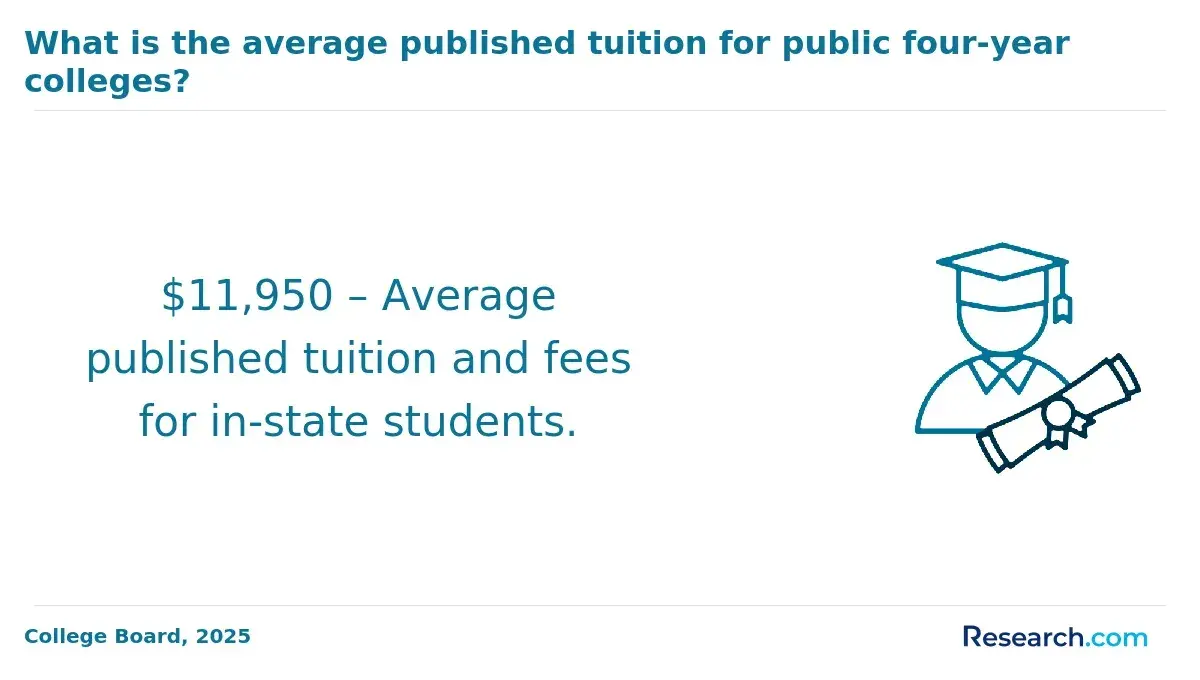
How do you calculate the exact amount you should safely borrow for college?
Calculate the exact college loan amount needed by first determining your total cost of attendance (COA), including tuition, fees, housing, food, books, and personal expenses. Subtract expected financial aid, scholarships, and grants to find your net cost. This net cost represents your baseline borrowing need, helping ensure safe borrowing limits for college funding shortfall.
Private scholarships and grants can significantly lower your loan amount. According to the College Board's "Trends in Student Aid 2024," recipients of these awards reduce their student borrowing by an average of $7,600 over a bachelor's degree. Actively pursuing these awards is a smart strategy to reduce debt.
Consider expected family contributions and savings as part of your financial resources. Borrow only the gap that remains after accounting for these to avoid excessive debt.
Estimate realistic post-graduation income based on your major and location, using conservative salary projections to keep loan payments manageable. Ideally, your total student debt should not exceed 12%-15% of your anticipated gross income.
Borrowing amount guidelines must respect federal student loan limits, which impose annual and aggregate caps to prevent excessive borrowing. If necessary, supplement federal loans carefully with private options, such as college loans for parents.
Account for interest that accumulates during school and grace periods by borrowing slightly less to accommodate these costs.
- Calculate COA minus grants, scholarships, and family funds to find your net need.
- Prioritize scholarships and grants targeting a $7,600 average reduction in loans.
- Keep total debt under 15% of expected starting salary.
- Be cautious with private loans beyond federal limits.
- Include interest costs when planning borrowing amounts.
What grants, scholarships, and work-study options can reduce how much you need to borrow? - Free Aid
Grants, scholarships, and work-study programs play a crucial role in reducing the need to borrow for college expenses. Federal Pell Grants offer need-based aid that does not require repayment, with priority eligibility based on income and FAFSA filing.
Many states also provide grants aimed at in-state residents, often requiring specific GPA or enrollment criteria. These grants scholarships for college funding shortfall are essential resources for students seeking free financial aid.
Merit-based scholarships reward academic performance, talents, or leadership and are available beyond just financial need. Examples include National Merit Scholarships and awards from institutions, community organizations, employers, and professional associations. Applying for multiple scholarships can maximize aid.
Federal work-study programs enable eligible students to work part-time, prioritizing those with financial need. Jobs may be on campus or within the community, helping students cover daily costs without increasing loan debt. Utilizing work-study programs to reduce student loans is a smart strategy for managing education expenses.
Opting for a more affordable college path can stretch grant and scholarship dollars further. The College Board's "Trends in College Pricing" reports that starting at a public two-year community college before transferring to a public four-year institution can reduce bachelor's degree tuition and fees by about 28% on average, minimizing loan dependence.
Early FAFSA submission, full-time enrollment, maintaining GPA requirements, and pursuing diverse aid sources ensure eligibility for maximum free aid. Combining these approaches systematically lowers the need to borrow.
For students considering specialized training, exploring options for financial aid for nursing school can provide targeted financial support and reduce debt burdens.
How do FAFSA, CSS Profile, and appeals affect your remaining college cost?
FAFSA, the CSS Profile, and appeals play crucial roles in determining your college expenses after financial aid. FAFSA qualifies you for federal programs such as grants, loans, and work-study, reducing your out-of-pocket costs. Many private institutions require the CSS Profile to evaluate more detailed financial information, often unlocking additional aid beyond FAFSA.
If your financial situation changes due to job loss or unexpected medical bills, filing an appeal with supporting documents can lead to reassessment and increased aid. Taking advantage of these processes can significantly lower what you owe.
Work-study, awarded through FAFSA, offers part-time campus jobs with flexible hours. Research from the National Center for Education Statistics "Condition of Education 2024" shows undergraduates working 1-20 hours per week are 20% more likely to continue to a second year. Working more than 20 hours, however, may negatively affect academic persistence.
Additionally, consider outside income sources like freelance work or part-time jobs to cover remaining expenses. Accurate completion of FAFSA and submission of the CSS Profile where needed enhance your chances for aid. Promptly filing appeals with thorough documentation can maximize the support you receive.
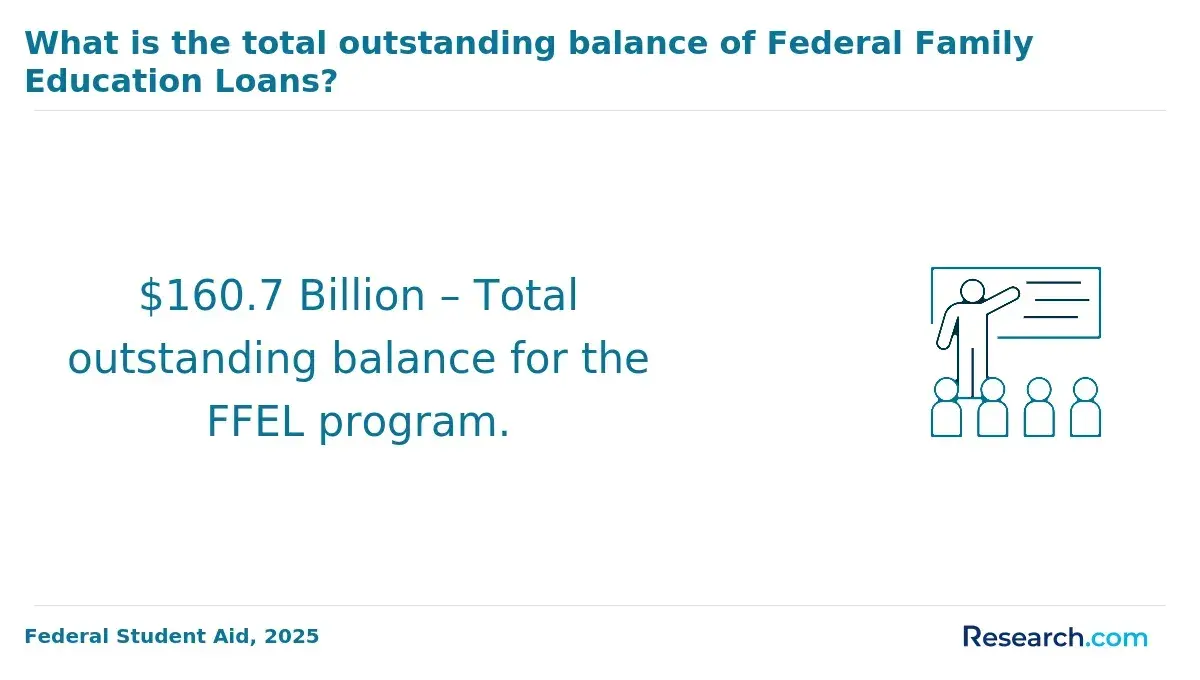
How do borrowing limits, interest rates, and fees differ by loan type and lender?
Borrowing limits, interest rates, and fees vary widely between federal and private student loans, impacting total repayment costs. Federal loans cap borrowing amounts-for instance, dependent undergraduates may borrow up to $5,500 annually in Direct Subsidized and Unsubsidized Loans, with aggregate limits near $31,000.
Private loans often offer higher or flexible limits based on credit score and school expenses, sometimes covering the full remaining balance.
Interest rates for federal loans are fixed by Congress, typically ranging from 4% to 7% depending on the loan type. These set rates provide predictability to borrowers. Private lenders may charge fixed or variable rates, generally between 5% and 14%, often higher for those with lower credit ratings. Variable rates can increase over time, accelerating the amount owed.
Fee structures also differ significantly. Federal loans often have origination fees around 1% to 1.5%, deducted upfront, and come with benefits like income-driven repayment plans and potential loan forgiveness.
Private loans may charge origination fees between 1% and 5% and usually lack such protections. Late or missed payment penalties tend to be harsher with private loans, raising risks of increased interest and default.
- Living at home and commuting can reduce attendance costs by about $11,000 annually compared to campus living, helping to lower loan amounts and fees.
- Considering repayment plans and protections linked to federal loans can aid in managing long-term debt.
What flexible payment options exist if you borrow to close a funding shortfall?
Loans taken to cover college expenses come with various flexible repayment options suited to different financial situations. Federal student loans offer income-driven repayment plans that adjust monthly payments based on income and family size, potentially lowering payments to 10%-15% of discretionary income.
Loan forgiveness may occur after 20 to 25 years for qualifying borrowers. Graduated repayment plans start with lower payments that rise every two years, easing the initial financial load.
Private student loans differ significantly among lenders. Some permit interest-only payments while you are in school or during deferment, whereas others require full repayment immediately. Refinancing can reduce interest rates or extend terms but refinancing federal loans with private lenders eliminates federal protections.
Short-term relief options like deferment and forbearance temporarily suspend or reduce payments if you face financial hardship, unemployment, or attend school at least half-time.
Many families reduce borrowing by combining loans with personal savings or income. According to Sallie Mae's "How America Pays for College 2024," about 72% of parents use cash savings or current income for college costs, contributing a median $4,200 annually. This strategy helps decrease repayment burdens after graduation.
Careful evaluation of repayment choices-considering income stability and loan types-is essential to avoid default and minimize total interest paid. Early selection of the right plan can improve financial outcomes.
How can parents help cover a shortfall using PLUS loans, home equity, or other tools?
Parents can address college funding gaps with federal Parent PLUS loans, home equity loans, and other financial tools. Parent PLUS loans allow borrowing up to the full cost of attendance after other aid, with fixed interest rates and repayments beginning shortly after disbursement. These loans suit families needing immediate funds once other options are exhausted, though one must carefully consider interest rates and origination fees.
Home equity loans or HELOCs offer typically lower interest rates by leveraging home equity. Interest may be tax-deductible, and repayment terms tend to be flexible, but missing payments risks the family home. This option works best for those with substantial equity and disciplined payment plans.
Optimizing existing resources can reduce borrowing needs. The College Savings Plans Network "529 Report 2024" shows families using 529 plans cover about 28% of college expenses on average, compared to 10% from regular savings accounts. Maximizing 529 plan contributions or employer tuition benefits helps lower shortfalls and borrowing costs.
Other options include personal loans, refinancing debt, and encouraging student employment for extra income. Parents should weigh total costs, repayment obligations, and financial stability when selecting these strategies.
- Assess eligibility and borrowing limits for Parent PLUS loans.
- Compare interest rates and tax benefits of home equity financing.
- Maximize 529 plans and employer tuition benefits to close funding gaps.
- Consider personal loans only if they offer better terms than federal alternatives.
When does refinancing or consolidation make sense after borrowing for a funding gap?
Refinancing or consolidating student loans can help reduce interest rates or monthly payments but may sacrifice important borrower protections. Federal Direct loans, which make up about 92% of new U.S. student loan volume, generally have interest rates 1.5-3 points lower than private loans. These federal loans should be used wisely before considering refinancing with private lenders.
Consolidation works well for combining multiple federal loans into a single payment, simplifying your schedule. It can also extend repayment terms, which lowers monthly payments but may increase the total interest paid. This option benefits those with tight cash flow but who can afford longer repayment periods.
Refinancing through a private lender is best if you have strong credit and stable income, and the new interest rate is significantly lower than your current federal rate. For instance, switching from a 6% federal loan to a 4% private refinance rate can reduce costs and shorten repayment. However, refinancing federal loans causes loss of federal benefits such as income-driven repayment plans and loan forgiveness programs.
Consider refinancing only if you no longer qualify for federal benefits, for example, after graduation or when entering a steady-income career. Always compare total repayment costs, monthly savings, and protections lost. If income stability is uncertain, federal consolidation may be safer.
Before taking any steps, consult your loan servicer to understand how refinancing affects your long-term financial security and protections over 10 to 20 years post-graduation.
How does taking on extra student debt impact your credit, budget, and long-term goals?
Taking on extra student debt impacts your credit score, monthly budget, and long-term financial plans. Higher borrowing increases your debt-to-income ratio, which can lower your credit score if balances remain elevated.
Missed or late payments further harm credit, restricting future borrowing opportunities. Beyond credit, increased monthly payments reduce disposable income, making budgets tighter and possibly delaying necessities like housing or transportation.
Excessive debt may limit your ability to save for retirement, buy a home, or invest in career growth. For instance, repaying an additional $400 monthly could postpone homeownership by years. Financial stress from high debt can also cause students to reduce course loads or take breaks.
The Trellis Company Student Financial Wellness Survey 2024 found that nearly 39% of undergraduates facing financial shortfalls either stopped out or cut back on courses. These students were twice as likely to use private loans or credit cards, which often have higher interest rates and unfavorable terms.
To protect your credit and financial future, explore alternatives before relying on private credit, such as:
- Scholarships.
- Federal loans with income-based repayment plans.
- Employer tuition assistance.
Developing a repayment plan aligned with your job prospects and living costs is crucial. Careful debt management preserves credit health and supports steady progress toward financial independence.
Other Things You Should Know About
In most cases, student loans are not discharged in bankruptcy. To have federal or private student loans forgiven through bankruptcy, you must prove that repaying the loans causes an "undue hardship," which is a challenging legal standard to meet. This limitation means that simply declaring bankruptcy rarely relieves student debt obligations.
Failure to repay student loans on time can lead to late fees, increased interest accrual, and damage to your credit score. For federal loans, missing payments may result in loan delinquency, followed by default, which triggers wage garnishment, tax refund seizure, and loss of eligibility for federal aid. Private loans can have similar consequences but vary by lender.
You may be eligible to deduct up to $2,500 of student loan interest paid during the year on your federal tax return. This deduction can reduce your taxable income if you meet certain income limits and filing conditions. Keep records of your payments and check current IRS rules to maximize this benefit.
In 2027, students can cover college funding shortfalls through scholarships, work-study programs, or part-time jobs. Additionally, setting up a 529 College Savings Plan, exploring state-based aid, or considering federal student loans might bridge the gap.