2027 How to Appeal a Financial Aid Award

Student Finance & Loan Expert
Students often receive financial aid awards that fall short of covering their educational expenses. This discrepancy can create significant stress and uncertainty about how to afford graduate school, especially for those transitioning from unrelated fields or balancing work commitments.
Institutions may overlook critical factors such as changes in income or exceptional circumstances when determining aid amounts. Consequently, students must know how to effectively challenge these initial decisions to seek more support.
This article explains the appeal process, offers strategies to strengthen requests, and guides readers through securing additional aid to better manage their educational financing.
- What are the main reasons to appeal a financial aid award and when is it worth it? Reasons to appeal
- How does the financial aid appeal process work step by step at most colleges? Appeal process
- What qualifies as "special circumstances" that can increase your financial aid offer? Special circumstances
- How do you write an effective financial aid appeal letter that gets attention? Appeal letter
- What documents and evidence should you include with a financial aid appeal? Appeal documents
- How do changes in income, job loss, or medical bills affect your aid eligibility? Income changes
- How can you appeal your aid package if your offers from other schools are better? Competing offers
- How do financial aid appeals differ for federal aid, institutional aid, and scholarships? Types of aid
- What should you do if your financial aid appeal is denied or only partly approved? After denial
- How does appealing your financial aid award affect student loans and future borrowing? Loans impact
What are the main reasons to appeal a financial aid award and when is it worth it?
A financial aid appeal is valuable when significant changes in a family's financial circumstances occur, such as job loss, medical expenses, or divorce. It also applies if there were errors or incomplete information in the initial application. These are common reasons for appealing a financial aid award and can improve eligibility when properly documented.
Unexpected costs-like higher tuition, essential lab fees, or extra semesters-also justify requesting a financial aid reconsideration. Families should submit supporting documents such as tax returns, medical records, or letters explaining the hardship to strengthen their case. Clear evidence helps the financial aid office adjust the award to better reflect the student's true needs.
Appeals are especially important when the original aid package does not cover essential expenses, pushing students toward heavy borrowing or outside jobs. Studies reveal that 60-80% of documented appeals result in aid adjustments, underscoring the flexibility available if substantial reasons are provided.
Students weighing whether to appeal should focus on material financial changes or errors rather than minor issues. Preparing well-documented appeals increases the chance of success and can reduce reliance on loans. For those needing quick financial solutions meanwhile, exploring options like last minute student loans could be helpful.
Ultimately, appeals should be submitted when current financial aid awards fail to reflect true circumstances or leave a significant gap, accompanied by prompt submission of relevant updated documents.
How does the financial aid appeal process work step by step at most colleges?
The financial aid appeal process steps at most colleges require you to first contact the financial aid office to learn about their specific appeal procedures and deadlines. Each school has distinct policies, so verifying requirements early helps you prepare properly.
When appealing, write a clear, formal letter explaining your unique circumstances, such as changes in family income, job loss, or unexpected medical expenses. Supporting documents like tax returns or medical bills strengthen your case. Some colleges may also require a specific appeal form, so check in advance.
Submit your appeal along with all paperwork by the deadline since late submissions are usually rejected. Follow up if you don't get confirmation within two weeks. The college will review your appeal considering your documentation and available aid funds.
Outcomes vary: increased aid, loan modifications, or denial. If denied, ask if you can provide updated financial data or reapply next term. Keeping detailed records of all correspondence is important for later reference.
Many students miss out on federal aid because they do not complete the FAFSA, which is a critical step to prevent needing an appeal. Nationally, billions in Pell Grants go unclaimed due to incomplete FAFSA applications.
Learning how to appeal a financial aid decision at most colleges can help when unexpected financial changes occur, but completing the FAFSA on time remains essential.
For those considering student loans, it's useful to review the ascent student loan pros and cons to make informed borrowing decisions aligned with your financial needs.
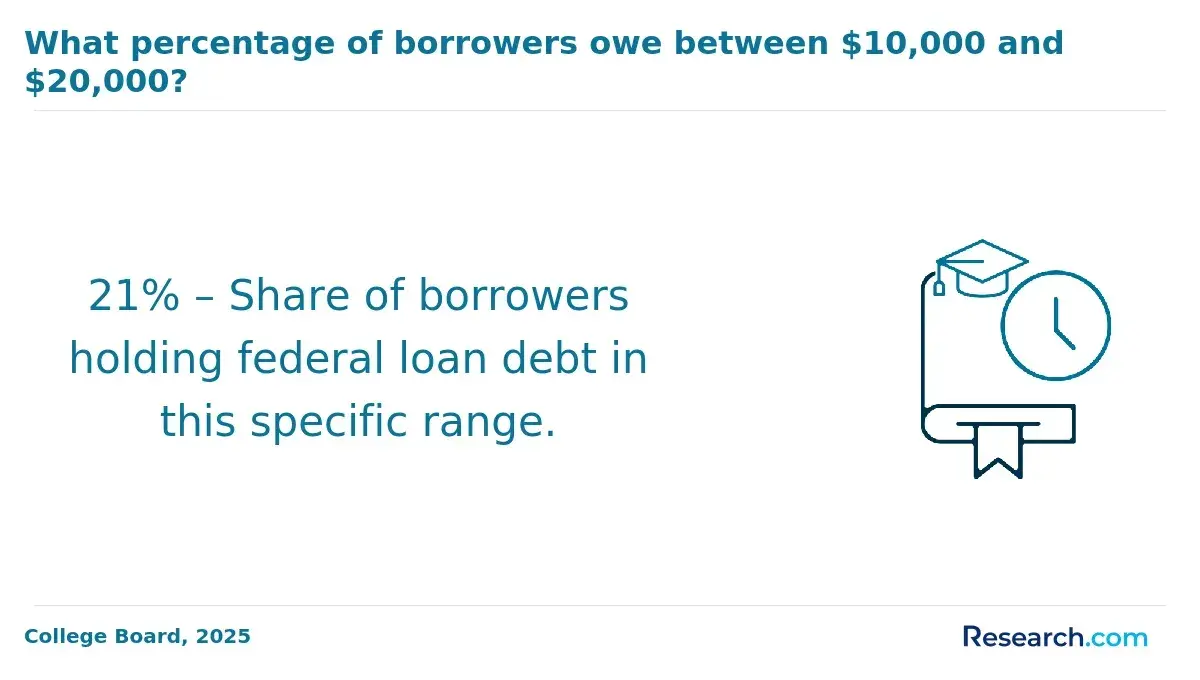
What qualifies as "special circumstances" that can increase your financial aid offer?
Special circumstances that affect financial aid eligibility often arise from significant changes in a family's financial situation not reflected in the original FAFSA. These can include job loss, income reduction, or unexpected medical bills. For instance, if a parent loses a job or the family business suffers a sharp decline, students qualify to request a review through "professional judgment."
Other life changes impacting financial aid appeals may include the death or divorce of a parent, which alters household resources dramatically. Increases in education costs for siblings or dependent care expenses can also be considered. Financial aid officers might take into account natural disasters or emergency home repairs affecting family assets.
Families impacted by the pandemic with sudden income drops or those facing high out-of-pocket medical or disability expenses not captured on tax returns can request aid adjustments. This process requires proper documentation like termination notices, medical bills, or legal papers. A National Association of Student Financial Aid Administrators (NASFAA) survey found that about 26% of administrators saw a rise in "professional judgment" requests, reflecting more families seeking reconsiderations.
When appealing, students should clearly explain specific changes with up-to-date financial information. Each institution's requirements vary, but thorough evidence strengthens the case. Prospective borrowers may also want to explore MBA loan options to help manage funding amidst these challenges.
How do you write an effective financial aid appeal letter that gets attention?
When writing a financial aid appeal letter, focus on specific financial changes or errors that affect your eligibility. Begin by stating your full name, student ID, and award year, then clearly explain the reason for the appeal, such as job loss, medical expenses, or other significant financial burdens not reported on your FAFSA. Providing concrete details and documentation like pay stubs, termination letters, or updated tax returns strengthens your case.
Address the letter respectfully to the financial aid office, using a professional and straightforward tone. Avoid relying solely on emotional appeals, as institutions prioritize factual data for reconsideration.
If applicable, explicitly request a professional judgment review; Federal Student Aid notes that 5-10% of FAFSA filers receive such adjustments. This is an important tip for crafting a successful financial aid appeal letter.
Highlight any financial circumstances missing from your FAFSA, such as private loans taken for medical bills or emergencies. Explain why previous financial information was inaccurate or incomplete, and request reevaluation based on updated facts. Clearly list attached documents, ensuring they are current and relevant.
Finally, specify how additional aid would enable you to enroll or continue your studies. Prompt submission after award notification increases the chances of timely review. For those interested, exploring student loans for RN programs can provide valuable options to support your education financing.
What documents and evidence should you include with a financial aid appeal?
When appealing a financial aid award, submit comprehensive documentation proving your financial situation. Key documents include income verification such as recent pay stubs, tax returns (Form 1040), and W-2 or 1099 forms.
If your family's financial circumstances have changed, provide evidence such as termination letters, medical bills, divorce decrees, or statements of reduced work hours. Schools require concrete proof to verify claims of unforeseen financial hardship.
Include a detailed, signed letter explaining specific changes in income or household status, specifying amounts lost or new expenses incurred. For example, if a parent lost a job after filing FAFSA, attach a termination notice and updated income documents. Medical debt should be supported with copies of bills and insurance denials.
Verification of household size and dependency status is critical, especially if family members have moved out or if dependents are involved. Documents like birth certificates, lease agreements, or other legal papers can confirm these changes.
Nearly 4.4 million FAFSA applicants for 2022-23 were first-time college students, who often experience shifts in income or household makeup that justify an appeal, according to the Education Data Initiative's analysis of federal data (2025). This highlights the importance of submitting current and accurate documentation.
Additional supporting evidence might include bank statements showing current finances and letters from employers or social service agencies verifying income changes. Avoid submitting incomplete or speculative information, as financial aid offices require verifiable documentation to reconsider awards.
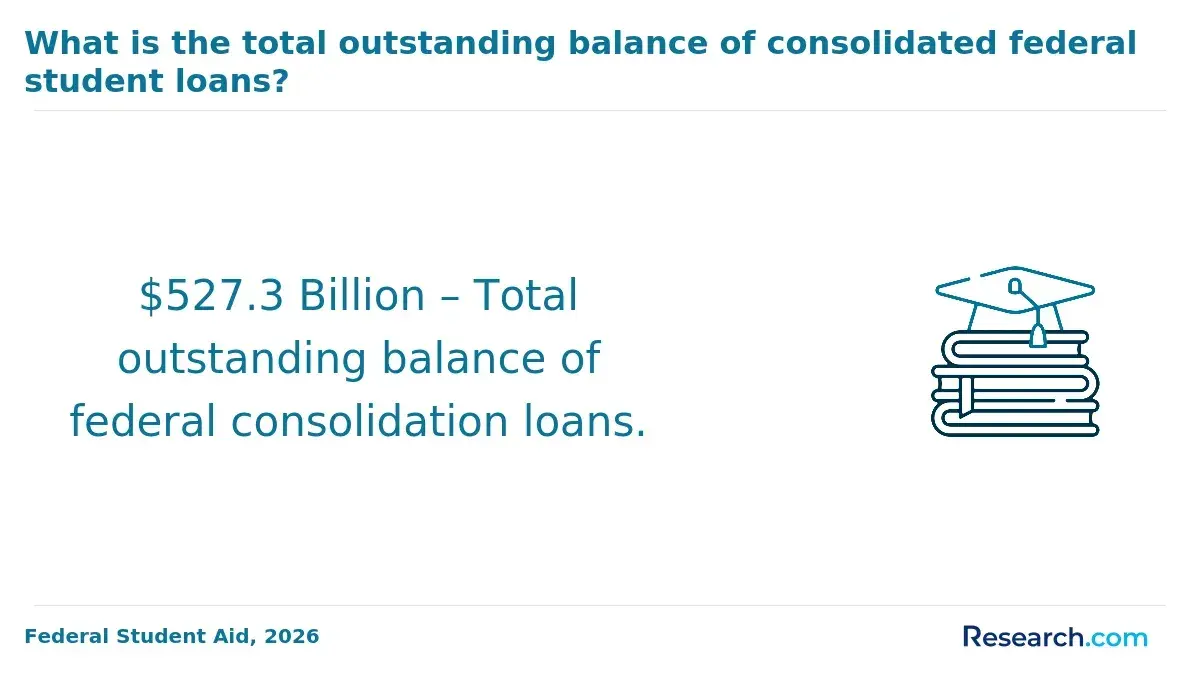
How do changes in income, job loss, or medical bills affect your aid eligibility?
Financial aid eligibility can change significantly due to income loss, job changes, or unexpected medical expenses. Schools typically reconsider aid packages when you submit an appeal explaining these financial hardships. For example, job loss lowers household income, which may reduce your Expected Family Contribution (EFC) and increase demonstrated financial need.
Medical bills omitted from your initial financial aid application also support reconsideration. These costs decrease disposable income and justify requesting additional aid or loan eligibility review.
When appealing, provide clear documentation such as termination notices, recent pay stubs reflecting reduced earnings, updated tax returns, or detailed medical bills. Accuracy and transparency improve your chances.
Private colleges report about a 75% success rate for need-based financial aid appeals, whereas public institutions have around 25%. Successful appeals often yield an additional $3,000 to $5,000 per year, highlighting how institution type affects outcomes, according to financial aid consultant Carpenter cited in Forbes.
Key points to address in your appeal include:
- Changes in household income since your initial application.
- New medical or essential expenses incurred.
- Unemployment or income loss among family members.
Timely appeals that clearly detail financial shifts with supporting evidence and follow school-specific procedures enhance the likelihood of success. Maintaining thorough records of your communications is also important.
How can you appeal your aid package if your offers from other schools are better?
To appeal a financial aid package when other schools offer better awards, contact the financial aid office of your preferred college with a formal appeal letter. Include detailed award letters from competing institutions as documented evidence. Clearly explain your financial situation and why additional aid is essential to make attendance possible.
Mention any changes in your financial circumstances not reflected in your initial application, such as loss of income, job changes, or unexpected expenses. Use any appeal forms or official procedures the school provides to ensure your request is processed properly.
Highlight merit-based or need-based aid offers from other institutions. For instance, if another school offers $10,000 more in grants or scholarships, specify this amount and inquire if your preferred school can match or come close to that aid. Many schools reserve discretionary funds for these cases.
- Be concise, clear, and professional in your communication.
- Submit appeals early, before deadlines or enrollment decisions.
- Provide updated tax returns, pay stubs, or financial documents as evidence.
- Ask about loan adjustments or work-study opportunities.
- Request a review by a financial aid counselor if your family's financial situation has significantly changed.
The Education Data Initiative notes federal student aid disbursements of $135.0 billion, including $40.651 billion in grants. This highlights the competitive nature of need-based aid and the importance of demonstrating clear eligibility during appeals.
How do financial aid appeals differ for federal aid, institutional aid, and scholarships?
Financial aid appeals differ depending on the type of aid-federal, institutional, or scholarships. Federal appeals focus on updating FAFSA information to reflect changes like income shifts or unexpected expenses.
These must comply with strict federal regulations and are handled by your school's financial aid office. Examples include job losses or significant medical bills affecting your Expected Family Contribution (EFC).
Institutional aid appeals are more flexible, often considering unique personal or financial situations. Colleges typically request detailed explanations and supporting documents.
Private institutions may offer higher success rates, with some reporting up to 75% appeal approval according to Forbes. This aid can sometimes be negotiated alongside other offers to increase grants or scholarships based on demonstrated need or merit.
Scholarship appeals rely on the grantor's specific rules and usually involve reapplying or providing new documentation of hardship or achievements. Limited funding and high competition mean appeals must clearly present updated information, such as sudden financial difficulties or improved academic records.
- Federal appeals focus on FAFSA corrections within government guidelines.
- Institutional appeals allow personalized requests and broader criteria.
- Scholarship appeals depend on donor-specific requirements and proof of changed circumstances.
College counselors interviewed by Forbes estimate that about 40% of appeals result in increased aid, highlighting the importance of timely, accurate appeals tailored to the type of assistance sought.
What should you do if your financial aid appeal is denied or only partly approved?
When a financial aid appeal is denied or partly approved, carefully review the decision letter for specific reasons such as missing documentation or income verification issues. To improve your chances, gather updated financial records, a detailed letter explaining circumstances like job loss or medical expenses, and any proof of family changes.
Contact the financial aid office directly to clarify the decision, ask about submitting a second appeal, or provide additional evidence. Many institutions allow multiple appeals if new information becomes available.
While pursuing an appeal, consider alternative funding options including state grants, private scholarships, work-study programs, and federal student loans. Data from the Education Data Initiative show only about 61.1% of fall enrollees submit a FAFSA annually, so ensure your application is complete to maximize funding opportunities.
Keep detailed records throughout your appeal process and adhere strictly to deadlines. If the appeal is unsuccessful, reapplying the next year or choosing a more affordable program may help manage costs. Campus financial aid advisors and student advocacy groups can provide valuable guidance and support during this process.
How does appealing your financial aid award affect student loans and future borrowing?
Appealing your financial aid award can shift the balance between grants, scholarships, and loans, impacting how much you need to borrow. If the appeal results in more grants, your loan requirement and overall debt decrease. However, if loans increase instead, your borrowing costs and future repayment obligations will rise.
Loan eligibility and terms don't change after an appeal, but the total loan amount can. For instance, if your original package offered $5,000 in loans and this rises to $8,000 post-appeal, your debt grows accordingly. On the other hand, securing an additional $3,000 in grants will lower your loan needs.
Different loan types-such as federal subsidized, unsubsidized, or private loans-affect long-term costs. Appeals seldom change your eligibility for specific loan categories but can alter your total aid package. An increase in loans may influence your debt-to-income ratio, potentially impacting future credit and financial stability.
With tuition averaging $11,260 at public and $41,540 at private nonprofit colleges, appeals are an important tool. If aid remains insufficient, consider alternatives like income-share agreements or part-time employment to reduce loan dependence.
Always ask your financial aid office for a detailed explanation of any revised award to understand the loan implications before accepting changes.
Other Things You Should Know About
Student loan terms such as interest rates and repayment schedules are generally set by the lender or loan program and cannot be negotiated after you receive your financial aid award. However, you may have some flexibility in choosing between federal loan options, like Direct Subsidized and Unsubsidized Loans, which have different conditions. Private loans may offer some room for negotiation before you accept them, but once agreed upon, the terms are usually fixed.
Appealing your financial aid award typically does not directly reduce the amount you can borrow in student loans. Federal student loan limits are set by the government based on your year in school and dependency status, and an appeal usually seeks to increase grants or scholarships rather than lower loans. However, if your appeal results in more gift aid, you might choose to borrow less, reducing your overall debt.
To appeal a financial aid award in 2027, first review the financial aid office’s policies, then gather supporting documents. Write a formal letter detailing your circumstances and submit it to the school's financial aid office. Follow up if necessary to clarify any issues.
If your appeal is denied, consider alternative funding sources such as scholarships, work-study programs, or payment plans offered by your institution. Private grants from community organizations or employers might also be available to help cover costs. Additionally, some schools have emergency funds for students facing financial hardship, which can be explored through the financial aid office.