2027 Can Parents Get Student Loans Without Parent PLUS?

Student Finance & Loan Expert
Many parents face frustration when trying to support their child's graduate education without qualifying for the Parent PLUS loan. Rising education costs and safety concerns about credit checks create uncertainty about borrowing options.
Some worry about exposing their credit history or facing strict repayment terms tied to Parent PLUS loans. This uncertainty can delay critical decisions for funding advanced degrees.
This article explores alternatives for parents seeking student loan support without Parent PLUS. It aims to clarify borrowing options, eligibility criteria, and strategies to ease the financial burden while avoiding Parent PLUS loans.
- Can parents help fund college with student loans without using Parent PLUS? Loans without PLUS
- What federal student loans can students take so parents don't need Parent PLUS? Student federal options
- How do parent contributions work if the student borrows instead of using Parent PLUS? Parent role
- When are private student loans a better alternative to Parent PLUS loans? Private vs PLUS
- How do interest rates and fees compare between Parent PLUS and other loan options? Rates comparison
- What credit and income requirements apply to private loans instead of Parent PLUS? Private eligibility
- How can parents co-sign student loans safely and reduce future repayment risk? Co-signing safely
- Which payment plans and forgiveness options differ between Parent PLUS and student loans? Repayment & forgiveness
- Can Parent PLUS loans be replaced later through refinancing or consolidation strategies? Replacing PLUS
- How should families decide between Parent PLUS, private loans, and student borrowing? Choosing options
Can parents help fund college with student loans without using Parent PLUS?
Parents looking to explore whether they can parents secure student loans without Parent PLUS have several alternatives.
One common method is encouraging students to apply for federal student loans such as Direct Subsidized and Unsubsidized Loans, which are in the student's name and don't require parental credit checks. These loans often offer lower interest rates and flexible repayment terms compared to private options.
Private student loans taken out directly by the student are another option, though these usually require a co-signer, commonly a parent, and often come with higher interest rates and stricter credit requirements.
Parents seeking alternatives might also consider private loans in their own name outside of Parent PLUS loans, although these are less frequent and typically harder to obtain due to credit standards.
Home equity loans or lines of credit can provide funding but carry the risk of using the family home as collateral. Families looking at alternative student loan options for parents should weigh factors like interest rates, repayment terms, credit qualifications, and potential risks carefully.
For those needing urgent funds, considering same day student loans for students might be helpful, depending on eligibility and credit status.
What federal student loans can students take so parents don't need Parent PLUS?
Students seeking federal student loans for college students without parent help have several options that avoid Parent PLUS loans. The Direct Subsidized Loan is designed for undergraduates with demonstrated financial need.
The government covers interest while the student is enrolled at least half-time and during deferment. Annual borrowing limits vary by grade level, typically ranging from $3,500 to $5,500.
Direct Unsubsidized Loans offer more flexibility, available to both undergraduate and graduate students without regard to financial need. Interest accrues throughout all periods.
Undergraduates may borrow up to $7,500 annually, while graduate students can borrow as much as $20,500. This loan option is ideal for those seeking student loan options excluding parent plus loans. Graduate or professional students can also apply for Direct PLUS Loans known as Grad PLUS Loans, which require a credit check but no parent involvement.
These options complement federal Pell Grants and work-study programs, which help but rarely cover full tuition and living costs at public four-year colleges where expenses often exceed $24,000 annually.
Given these costs, students often combine loan types to cover expenses. For those interested in learning more about how to get student loans with bad credit, various strategies involving federal and private loans can improve eligibility.
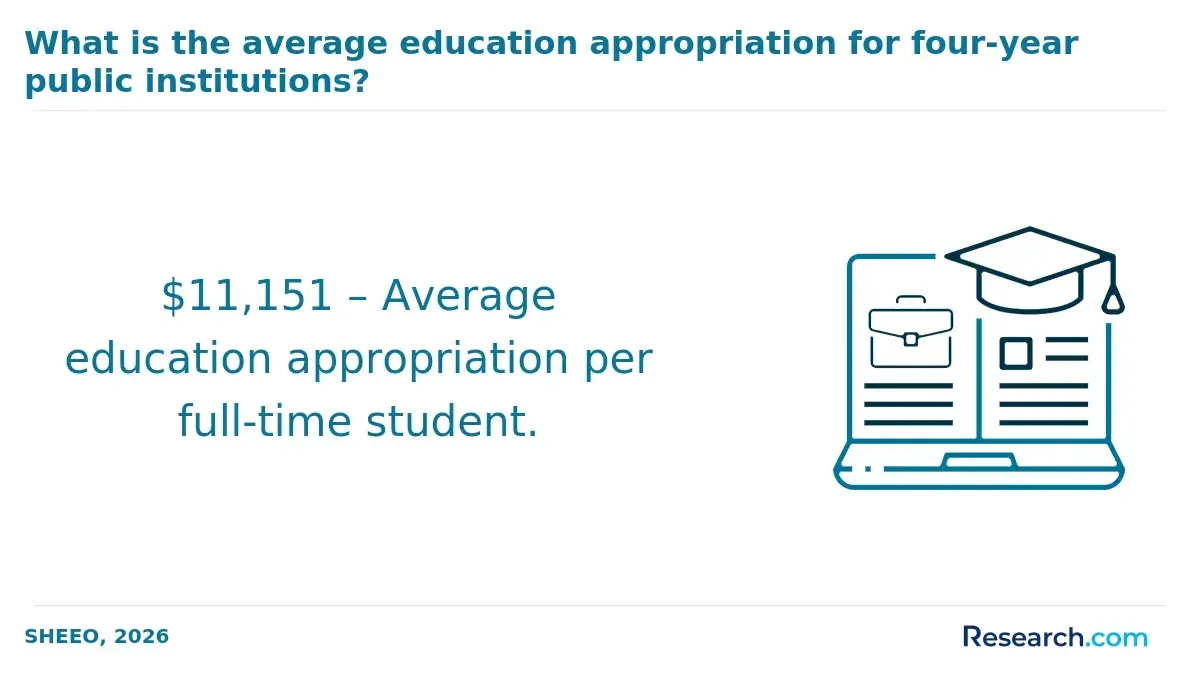
How do parent contributions work if the student borrows instead of using Parent PLUS?
If a student borrows student loans instead of using a Parent PLUS Loan, the financial responsibility shifts primarily to the student, but parent contributions when student borrows student loans instead of Parent PLUS remain significant.
Approximately 74% of families rely on parent income and savings to help cover college costs, with nearly half of families reporting that parents pay about 50% of those expenses, according to Sallie Mae's How America Pays for College 2025.
The Free Application for Federal Student Aid (FAFSA) continues to include parent income and assets in the Expected Family Contribution (EFC) calculation regardless of who takes out the loan. This means parent financial responsibility changes without Parent PLUS loans but parents are still expected to contribute through savings, income, or other resources to support college expenses.
Federal unsubsidized or subsidized student loans have much lower annual borrowing limits than Parent PLUS Loans, which cover up to the full cost of attendance minus other aid. For example, if tuition and fees total $30,000 per year and student loans cover only $7,500, parents may need to provide the remaining $22,500 from their savings or ongoing support.
Parents often assist with upfront costs such as tuition deposits and living expenses, which student loans may not fully cover in a timely manner. Many colleges also require parental financial information or contributions for institutional aid eligibility, regardless of the borrowing method.
To explore alternatives, students and families can review parent loan options for college.
When are private student loans a better alternative to Parent PLUS loans?
Private student loans without parent credit check become an appealing choice when parents do not qualify for Parent PLUS loans due to adverse credit history.
Many private lenders allow a student's co-signer to qualify instead, offering more lenient credit standards. These loans often provide lower interest rates than the fixed 7.54% rate typical of Parent PLUS loans, especially for borrowers with strong credit profiles.
Additionally, private loans offer greater repayment flexibility. Unlike Parent PLUS loans, which require repayment to start soon after disbursement, private loans may allow deferred payments until after graduation or interest-only options during school. This flexibility helps families manage finances more effectively throughout college.
Since federal Direct Subsidized and Unsubsidized loans total only $5,500 combined for first-year dependent undergraduates, many students must seek additional funding. Private loans cover these gaps when Parent PLUS eligibility is limited or unavailable.
However, private loans lack federal protections such as income-driven repayment plans and forgiveness programs. Families planning careers in public service or expecting financial struggles might prefer to exhaust federal options first, including Parent PLUS.
For those considering refinancing, learning how does student loan refinancing work can also help manage debt post-graduation.
How do interest rates and fees compare between Parent PLUS and other loan options?
Parent PLUS loans carry a fixed interest rate of 9.08%, notably higher than the 6.53% rate for undergraduate Direct Subsidized and Unsubsidized Loans, according to Federal Student Aid. This substantial rate difference increases the total repayment amount, making Parent PLUS loans more expensive over time.
Additional costs include an origination fee of about 4.228% for Parent PLUS loans, compared to roughly 1.057% for undergraduate Direct Loans. These fees add to the initial borrowing expense.
Direct Subsidized and Unsubsidized Loans often provide more borrower-friendly terms, such as better deferment and forbearance options. Private student loans might offer lower or competitive rates for borrowers with strong credit but generally lack federal protections and income-driven repayment plans commonly unavailable to Parent PLUS borrowers.
For parents, these factors translate into higher monthly payments and overall costs. When possible, supplementing or substituting with Direct Subsidized or Unsubsidized Loans can reduce the financial impact. Some states and institutions also offer alternative emergency or supplemental loan programs with lower interest rates or no fees.
Considering these variables before borrowing can help identify the most cost-effective loan strategy. Evaluate interest rates, fees, repayment flexibility, and eligibility to make informed decisions tailored to your financial situation.
What credit and income requirements apply to private loans instead of Parent PLUS?
Private student loans require borrowers to meet stricter credit and income criteria compared to federal Parent PLUS loans. Unlike Parent PLUS loans, which do not involve a traditional credit check but exclude applicants with adverse credit history, private lenders typically require a credit score between 650 and 700.
Additionally, lenders review debt-to-income ratios, often expecting them to be below 40%, to evaluate repayment capacity. Many private loan applicants need a co-signer if their credit or income is insufficient.
Common co-signers include parents or relatives with stronger credit profiles, which can improve approval chances and reduce interest rates. Some lenders place more emphasis on income than credit scores, requiring steady employment or a minimum income, usually between $25,000 and $30,000 annually.
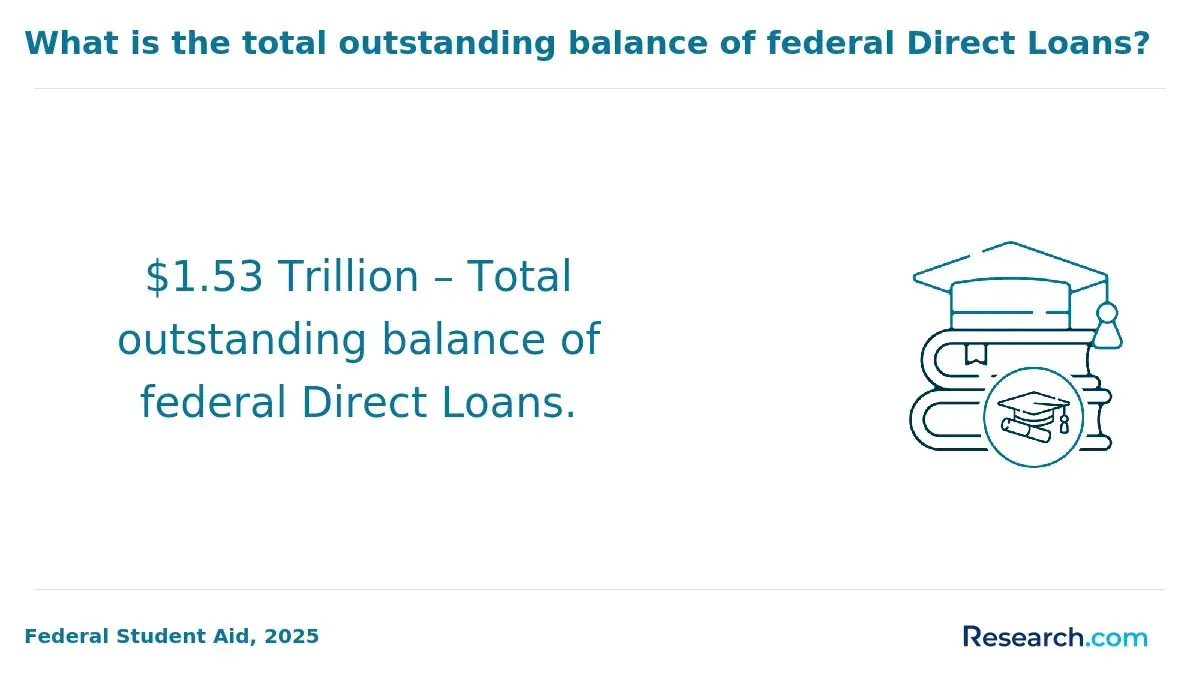
Private loans also take into account factors such as recent bankruptcies, missed payments, and existing debts. Borrowers with significant derogatory marks might be denied, contrasting with Parent PLUS loans that exclude only those with adverse credit history. According to EducationData.org, Parent PLUS loans represent about 6.7% of all federal student loan debt.
Applicants should prepare thorough documentation, including pay stubs and tax returns, and review credit reports for accuracy before applying. Comparing multiple private lenders is crucial, as their credit and income requirements vary.
Families seeking alternatives to Parent PLUS loans benefit from understanding these distinctions clearly.
How can parents co-sign student loans safely and reduce future repayment risk?
Parents co-signing student loans can safeguard their financial future by choosing private loans that include a co-signer release after 12 to 24 on-time payments. This limits ongoing liability and protects credit. Clear communication between parents and students is essential to establish formal repayment plans, preventing unexpected difficulties if the student faces financial hardship.
Selecting loans with fixed interest rates and avoiding those that capitalize unpaid interest during deferment or forbearance can reduce long-term costs. Parents may also benefit from contributing to a 529 college savings plan, which lowers the amount needed in loans from the start.
If a Parent PLUS loan is denied due to credit issues, students become eligible for higher Direct Unsubsidized Loan limits, increasing borrowing capacity without requiring a co-signer, according to guidelines from the U.S. Department of Education.
Before co-signing, parents should review and improve their credit scores. Using a dedicated checking account for loan payments and automating those payments can help avoid missed deadlines and protect credit ratings for both parents and students.
Which payment plans and forgiveness options differ between Parent PLUS and student loans?
Parent PLUS loans differ from federal student loans in repayment and forgiveness options. Parent PLUS loans typically have fixed repayment terms of about 10 years and do not offer income-driven repayment (IDR) plans directly.
Meanwhile, Direct Subsidized and Unsubsidized loans provide IDR options like Income-Based Repayment (IBR), Pay As You Earn (PAYE), and Revised Pay As You Earn (REPAYE), which adjust monthly payments according to income and family size.
Parents borrowing through PLUS loans cannot lower payments based on income unless they consolidate into a Direct Consolidation Loan. Once consolidated, they may qualify for REPAYE, potentially reducing monthly payments.
Forgiveness opportunities also vary. Federal student loans are eligible for programs such as Public Service Loan Forgiveness (PSLF) after 10 years of qualifying payments, Teacher Loan Forgiveness, and income-driven forgiveness after 20 or 25 years. Parent PLUS loans must be consolidated to access many of these options.
Parents should also consider that about 30% of families did not file the FAFSA, missing federal aid including these flexible plans, according to Sallie Mae's How America Pays for College 2025. Exploring loan consolidation can be a strategic step toward managing payments more effectively.
Can Parent PLUS loans be replaced later through refinancing or consolidation strategies?
Parent PLUS loans can be refinanced or consolidated, though options are limited and impact federal protections differently. Federal Parent PLUS loans cannot be consolidated with student loans into direct subsidized or unsubsidized loans while keeping federal benefits intact.
A Direct Consolidation Loan combines multiple federal loans into a single payment and may lower monthly bills by extending repayment terms, but it only restructures the debt rather than eliminating the Parent PLUS loan. Refinancing with private lenders is an alternative that can reduce interest rates or monthly payments.
However, this option removes federal protections such as income-driven repayment plans and loan forgiveness eligibility. Refinancing requires the parent to have qualifying credit, which can be challenging depending on income and credit history.
Students themselves cannot refinance Parent PLUS loans once working; only the parent borrower qualifies for refinancing or consolidation. This can leave parents solely responsible for managing these loans.
Data from the U.S. Department of Education highlights that among federal borrowers entering repayment, a significant portion remain without principal reduction after many years, underlining the need to carefully consider repayment strategies to avoid prolonged debt.
How should families decide between Parent PLUS, private loans, and student borrowing?
Families deciding between Parent PLUS loans, private loans, and student borrowing should consider the borrower's credit profile, loan terms, and repayment flexibility.
Parent PLUS loans offer fixed interest rates and maximum borrowing up to the full cost of attendance minus other aid, but they require a credit check and have fewer protections compared to federal student loans made directly to students.
Private loans depend heavily on the creditworthiness of the borrower or cosigner and may provide competitive rates for those with strong credit.
These loans typically have less flexible repayment options and fewer benefits, such as deferment or income-driven repayment plans. They can be an option if Parent PLUS loan eligibility is denied or to avoid federal loan origination fees.
Federal Direct Loans taken by students often feature lower interest rates and more repayment options, including income-driven plans and potential loan forgiveness. Students with little or no credit history may qualify without a cosigner, making these loans the preferred first choice.
Given the wage premium for bachelor's degree holders compared to those with only a high school diploma, managing debt carefully is essential. Students should prioritize maximizing federal student loans before parents explore Parent PLUS or private loans.
Other Things You Should Know About Can Parents Get Student Loans Without Parent PLUS
Yes, students can apply for federal student loans through the FAFSA without providing their parents' financial information if they qualify as independent. Criteria for independence include being 24 years or older, married, a veteran, or having dependents other than a spouse. Otherwise, dependent students must include parental data, which impacts eligibility for certain loans.
If parents decide not to or cannot take out a Parent PLUS loan, the student's financial aid package may be limited to unsubsidized federal student loans and other aid types. In some cases, the school might offer additional institutional aid or allow the student to seek private loans, but overall loan amounts available may decrease without the Parent PLUS loan.
Yes, if parents are denied a Parent PLUS loan because of credit reasons, the student may qualify for additional unsubsidized federal loans beyond the usual limits. Also, parents can appeal the decision by documenting extenuating circumstances, or the student can pursue private loans with or without co-signers as an alternative funding source.