2027 Best Computer Science Graduate School Loans

Student Finance & Loan Expert
Facing the high cost of graduate school in computer science can create significant financial stress for students without relevant funding. Many prospective students must balance tuition, living expenses, and other costs while pursuing advanced degrees. This challenge often delays enrollment or limits program choices, impacting career goals.
Securing suitable loans can bridge this gap effectively but navigating varied loan options is daunting. This article reviews key computer science graduate school loan options, offering clear guidance on terms, eligibility, and benefits to help students manage expenses and make informed borrowing decisions.
- What types of student loans are available for computer science graduate programs? Loan Types
- How do federal and private loans compare for computer science grad school? Federal vs Private
- How much can I borrow for a computer science master's or PhD program? Borrowing Limits
- What interest rates and fees should I expect on grad school loans? Rates and Fees
- How do I qualify and apply for computer science graduate student loans? Eligibility & Application
- Which federal repayment plans work best for computer science graduate borrowers? Repayment Plans
- What loan forgiveness and cancellation options exist for computer science graduates? Forgiveness Options
- How do Grad PLUS and private loans compare for covering remaining costs? Grad PLUS vs Private
- When does repayment start, and what deferment or forbearance options are available? Repayment Timing
- When should computer science graduates consider refinancing or consolidating their loans? Refinance or Consolidate
What types of student loans are available for computer science graduate programs?
Graduate student loans for computer science programs in the United States primarily include federal Direct Unsubsidized Loans and the Grad PLUS Loan. The Direct Unsubsidized Loan allows borrowing up to $20,500 per academic year, with interest accumulating during study but offering flexible repayment options. The Grad PLUS Loan covers remaining education costs beyond this limit but requires a credit check and carries a higher interest rate.
Federal and private loans for computer science graduate students provide alternatives to cover expenses. Private loans from banks or credit unions typically need strong credit or a co-signer, often have higher interest rates, and lack federal benefits like income-driven repayment or loan forgiveness. Terms vary, so comparing rates and conditions carefully is important.
Refinancing options are available post-graduation, allowing consolidation of multiple loans into a single payment with potentially lower rates for those with good credit and steady income. This can help manage repayment more effectively.
Considering that computer and information research scientists with a master's degree earn a median $145,080 annually and have a 23% projected employment growth from 2022 to 2032, investing in graduate education often justifies higher loan amounts. Prospective students must evaluate their borrowing against expected income to prevent excessive debt burdens and understand what costs loans can cover, including whether can you use student loans to pay for rent.
How do federal and private loans compare for computer science grad school?
Federal and private loans differ notably in interest rates, repayment options, and borrower protections for computer science graduate programs. Federal loans generally feature fixed interest rates, such as the 7% rate on federal graduate loans, which tend to be lower and more predictable than private loan rates that can range from 6% to over 13% depending on creditworthiness. Choosing the best loan options for computer science grad school students often means weighing these differences carefully.
Repayment flexibility is a major advantage of federal loans. These loans offer income-driven repayment plans, deferment, forbearance, and potential for loan forgiveness programs, benefits not commonly available with private loans. Students expecting financial challenges or aiming for public service loan forgiveness should prioritize federal aid. Private loans typically require good credit or co-signers and may have variable rates, adding uncertainty to repayment.
The average annual tuition for computer science graduate programs varies widely by institution type: around $13,270 at public universities versus $29,180 at private nonprofit schools. This gap influences borrowing needs, with private school students often needing larger loans and thus needing to critically assess private loan terms against federal options.
When preparing financial aid applications, prospective students should be mindful of important deadlines like the FAFSA deadline to maximize federal aid eligibility. Overall, federal loans provide standardized protections vital for managing debt, while private loans are generally best as supplementary financing once federal limits are reached.
How much can I borrow for a computer science master's or PhD program?
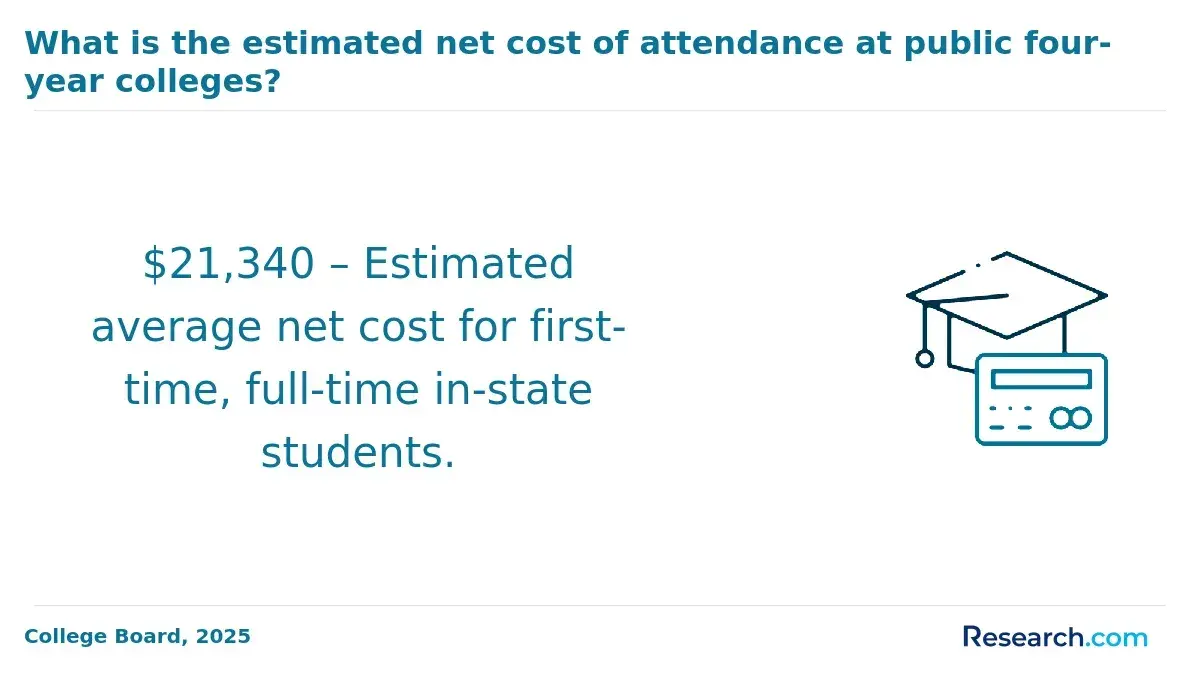
Graduate students in computer science programs typically can borrow up to $20,500 per academic year through Direct Unsubsidized Loans, reflecting the federal loan limits for graduate students. Beyond this, Grad PLUS loans can cover up to the full cost of attendance minus any other financial aid, allowing borrowing that depends largely on tuition, fees, and living expenses rather than fixed annual caps alone. These graduate student loan limits for computer science degrees provide a useful baseline for budgeting educational costs.
Private loans are also an option, but their terms and amounts vary and often require credit approval, usually resulting in higher interest rates. Comparing federal and private loans carefully is important to secure the best possible terms. Most computer science graduates borrow less than the average for all master's degree fields. According to the Education Data Initiative's 2026 report, the median balance for new graduates in computer and information sciences master's programs is $45,209, significantly lower than the $71,179 median for all master's students.
PhD candidates often reduce loan dependence through research assistantships or fellowships, though they share similar borrowing limits with master's students. Total loan needs should also consider indirect expenses such as software, hardware, and conference travel. Prospective students exploring funding sources, including grants for adult learners, can improve borrowing efficiency.
What interest rates and fees should I expect on grad school loans?
Interest rates and fees on graduate school loans can vary widely between federal and private lenders. Federal graduate loans typically offer fixed interest rates ranging from about 6.3% to 7.0% in 2026, depending on the loan type such as Direct Unsubsidized Loans or Grad PLUS Loans. These loans include an origination fee of around 4%, deducted upfront. Importantly, federal loans do not carry prepayment penalties and provide flexible repayment and forgiveness options, making their costs more predictable.
Private loan interest rates for graduate students in fields like computer science vary significantly, usually between 4% and 14%, influenced heavily by the borrower's creditworthiness and the lender's policies. Origination fees often range between 1% and 6%, and some private loans may include deferred interest accrual or prepayment penalties, potentially increasing the total repayment amount. Understanding the average interest rates for computer science graduate loans is crucial when evaluating these options.
Data from the College Board's Trends in Student Aid shows that 40% of graduate and professional students relied on private loans in 2023-24, with a median private loan balance of $54,600. Borrowers should carefully compare federal and private offers, considering total costs including interest compounding and fees. Many prospective students find it helpful to explore college loans from banks to identify competitive private options.
Shopping around and prioritizing federal loans first can help avoid unexpected financial burdens during and after graduate studies, ensuring better management of grad school loan interest rates and fees.
How do I qualify and apply for computer science graduate student loans?
Applicants seeking computer science graduate student loans must be admitted to an accredited graduate program. Federal loans such as Direct Unsubsidized Loans and Grad PLUS Loans require completing the Free Application for Federal Student Aid (FAFSA). Eligibility criteria include enrollment status, satisfactory academic progress, and citizenship or eligible noncitizen status. Private loans typically require proof of admission and a credit check, sometimes necessitating a co-signer.
Submit the FAFSA early, ideally by your school's priority deadline, to access federal loan options featuring fixed interest rates and borrower protections. For private loans, compare lenders for competitive interest rates and flexible terms, including deferred payments until after graduation.
Graduate students can qualify for higher loan amounts than undergraduates, often covering tuition and living expenses. Interest accrues on unsubsidized loans during study; paying interest while enrolled can reduce total debt. Creditworthiness plays a key role in private loan approval, so students with weaker credit should prioritize federal loans. Borrowers may reapply annually and adjust loan amounts based on financial needs.
Consider the financial benefits before borrowing. According to the Education Data Initiative and The Ways to Wealth in 2025, a computer science graduate earns an estimated $911,426 in net profit over a decade after student debt, significantly higher than many other fields. This outlook supports thoughtful, responsible borrowing for graduate education in computer science.
Which federal repayment plans work best for computer science graduate borrowers?
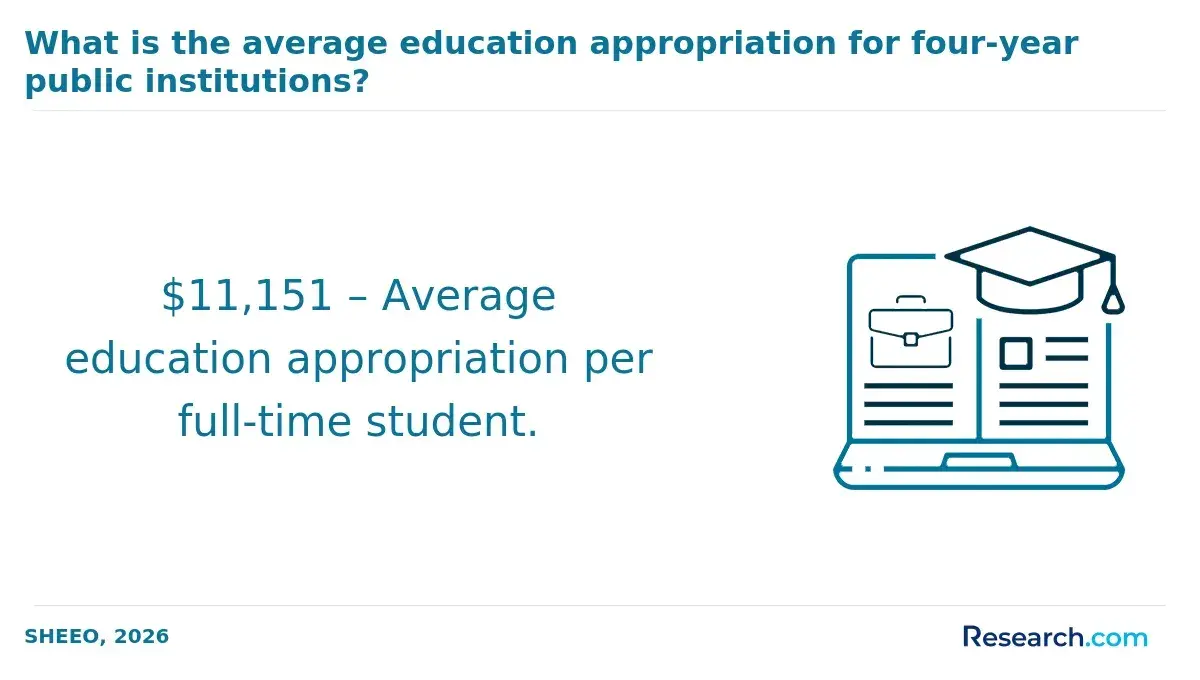
Income-Driven Repayment (IDR) plans offer tailored monthly payments based on income and family size, making them highly suitable for computer science graduate borrowers. Options like Pay As You Earn (PAYE) and Revised Pay As You Earn (REPAYE) limit payments to 10-15% of discretionary income, often lowering monthly costs compared to standard plans.
CS graduates typically benefit from these plans due to higher salaries and a lower risk of loan delinquency. Data from the Federal Reserve's 2024 Report on the Economic Well-Being of U.S. Households shows a 2.2% serious delinquency rate among computer and mathematical occupation borrowers three years after starting IDR plans, significantly below the overall 7.8% average.
Key advantages include:
- REPAYE offers interest subsidies during negative amortization and removes payment caps after 25 years for graduate loans.
- Public Service Loan Forgiveness (PSLF) combined with IDR can forgive loans after 120 qualifying payments for those in public or nonprofit sectors.
- IDR plans recalibrate annually to reflect income changes, helping manage variable earnings or side income.
Standard 10-year repayment plans may cause higher monthly payments, potentially stressing early career finances. Choosing an IDR plan aligned with career growth and repayment ability optimizes debt management for computer science graduates.
What loan forgiveness and cancellation options exist for computer science graduates?
Several federal loan forgiveness and cancellation options exist for computer science graduates, depending on their employment and service conditions. The Public Service Loan Forgiveness (PSLF) program forgives remaining Direct Loan balances after 120 qualifying monthly payments while working full-time for eligible public service employers, such as government and nonprofit organizations. This is especially valuable for those in public sector roles like government tech agencies or nonprofit research institutions.
Teacher Loan Forgiveness may offer up to $17,500 in loan relief for computer science graduates teaching in low-income schools for five consecutive years, though this is more common in education than tech roles. Those employed in federal research or national labs can qualify for permanent loan cancellation through the Federal Perkins Loan program, which cancels loan balances progressively over years of service.
Income-Driven Repayment (IDR) plans provide forgiveness after 20 to 25 years of qualifying payments, adjusting monthly amounts based on income to ease financial burdens during early career phases or less lucrative positions.
Institutional support greatly reduces loan dependency. At research universities with very high research activity, 66% of full-time computer science graduate students received assistantships, fellowships, or scholarships in 2023-24, according to the Digest of Education Statistics from the National Center for Education Statistics.
Graduates should also consider state-specific tech workforce incentive programs and employer tuition reimbursement plans, which can significantly complement federal forgiveness options.
How do Grad PLUS and private loans compare for covering remaining costs?
Grad PLUS loans provide federal financing for graduate students, covering the cost of attendance minus other aid. These loans have fixed interest rates near 7% and include origination fees. They offer flexible repayment options such as income-driven plans and forbearance but require a credit check.
Private loans from banks or lenders fill funding gaps or serve students ineligible for federal aid. Interest rates vary widely, typically ranging from 4% to 14%, influenced by creditworthiness and cosigner presence. Repayment terms on private loans tend to be less flexible and usually do not include income-based adjustments.
International students, who make up 78% of full-time computer and information sciences master's enrollees in the U.S., are generally ineligible for Grad PLUS loans. They often rely on private loans or personal funds, with lenders commonly requiring cosigners or collateral. This creates unique challenges for these borrowers, as noted by the Council of Graduate Schools' Graduate Enrollment and Degrees report.
Important factors when choosing between these loans include:
- Eligibility: Grad PLUS loans are available to U.S. citizens and eligible noncitizens; international students usually cannot access them.
- Interest rates and fees: Federal loans have fixed rates and origination fees; private loan rates vary by credit profile.
- Repayment flexibility: Federal loans offer more protection with deferment and income-driven plans.
- Credit requirements: Private loans demand stronger credit or cosigners, while Grad PLUS credit checks are more lenient.
Using Grad PLUS loans alongside private financing can help eligible students cover costs beyond federal aid. Prospective borrowers should carefully assess their repayment options and eligibility to manage financial risk effectively.
When does repayment start, and what deferment or forbearance options are available?
Repayment of computer science graduate school loans generally starts six months after graduation or once enrollment drops below half-time. This grace period allows new graduates to find employment before payments begin. However, some loans, like federal Direct PLUS loans, often require repayment to start immediately after disbursement unless a deferment is approved.
Deferment enables borrowers to temporarily postpone payments without accruing interest on subsidized federal loans. Typical deferment reasons include in-school enrollment, economic hardship, unemployment, or active military service. Maintaining half-time enrollment qualifies graduate students for in-school deferment, delaying both principal and interest payments.
Forbearance offers a temporary reduction or suspension of payments but interest continues to accrue on all loan types, causing loan balances to grow. It is often used during financial difficulties or medical issues, but should be approached cautiously due to interest capitalization increasing total costs.
According to the Education Data Initiative's 2026 Student Loan Debt by Major report, computer science majors have a median undergraduate debt of $15,164, 26% lower than the overall median of $20,971. This lower debt burden contributes to reduced default rates among CS graduates.
Graduates should promptly communicate with loan servicers to apply for deferment or forbearance if repayment difficulties arise. Federal loans typically offer streamlined online applications; private lenders' policies vary. Proactive management of repayment options helps preserve credit and reduce financial stress during transitional phases.
When should computer science graduates consider refinancing or consolidating their loans?
Computer science graduates should explore refinancing or consolidating their student loans when they can access substantially lower interest rates. For instance, federal loans carrying rates of 6% or more might be refinanced through reputable private lenders to rates near 3%, potentially reducing total repayment costs.
Consider refinancing once your financial footing stabilizes, especially if you have steady employment in technology roles, where median salaries exceed $100,000. This financial stability improves your chances of qualifying for better loan terms.
Consolidation is beneficial if you have several federal loans with different rates and repayment terms. It simplifies monthly payments and may lengthen repayment periods for easier budgeting. However, be aware that consolidation can forfeit certain federal benefits, so it suits those prioritizing convenience over protections.
As the computer and information technology sector is projected to add around 377,500 jobs over a decade, graduates with stable careers and growing incomes might benefit from refinancing. Conversely, if your income is uncertain, keeping federal loan protections is often safer.
Private refinancing usually requires a strong credit score and steady income. Without these, you may face higher rates or rejection. Evaluate your credit profile carefully and refinance only if it clearly improves your financial situation without compromising federal loan forgiveness or income-driven repayment options.
Other Things You Should Know About
International students can access various loan options such as private international student loans offered by lenders like Prodigy Finance or MPOWER Financing. These loans often don’t require a co-signer and offer competitive interest rates tailored to international students enrolling in 2027 computer science graduate programs.
International students generally have more limited access to federal student loans and must often rely on private loans or loans from their home countries. Some private lenders provide loans specifically for international graduate students, but these typically require a U.S. co-signer and may have higher interest rates.
If you take a leave of absence, loan disbursements may be paused depending on your school's policies and lender requirements. Interest on unsubsidized loans will continue to accrue during the leave, and repayment timelines will not typically be extended unless you qualify for deferment or forbearance.
Yes, student loans can cover not only tuition and fees but also reasonable living expenses such as housing, food, transportation, and supplies. The total loan amount a student can borrow each year is usually calculated to include these costs as part of the cost of attendance determined by the school.