2027 Best Social Work Graduate School Loans

Student Finance & Loan Expert
Many prospective social work graduate students face financial challenges due to limited funding options. Balancing tuition costs and living expenses often leads to reliance on loans, increasing post-graduation debt. For those switching careers or returning to school after work, understanding loan options becomes even more crucial. Identifying loans with favorable terms can significantly ease financial stress and support academic success. This article examines the best social work graduate school loans, highlighting key features and benefits to help readers make informed borrowing decisions and manage their educational investment wisely.
- What are the best loan options to pay for a social work master's degree? Best loan options
- How do federal and private graduate loans compare for social work students? Federal vs private
- Which federal loans are available specifically for MSW and other social work grad programs? Federal MSW loans
- How much can social work graduate students borrow and what interest rates apply? Loan limits & rates
- How do you qualify and apply for social work graduate school loans using the FAFSA? FAFSA steps
- What repayment plans work best for social work graduates with modest starting salaries? Best repayment
- Which loan forgiveness and repayment assistance programs exist for social workers? Social work forgiveness
- How do Public Service Loan Forgiveness rules apply to social work careers? PSLF for social work
- When should social work graduates consider refinancing or consolidating their student loans? Refinance vs consolidate
- How can social work students minimize debt and manage payments during and after grad school? Manage MSW debt
What are the best loan options to pay for a social work master's degree?
The best social work master's degree loan options blend federal and private financing tailored to education costs and income prospects for social workers. Federal Direct Unsubsidized Loans are popular due to fixed interest rates and deferment possibilities, making them ideal for graduate students. Grad PLUS Loans cover additional tuition but have higher interest rates and require credit approval. Public Service Loan Forgiveness (PSLF) offers a major benefit by forgiving remaining balances after 120 qualifying payments for those working in nonprofit or government roles.
Affordable social work graduate school loans often rely on federal aid first, as private loans typically carry higher, variable rates and fewer protections. Students should carefully compare terms and seek lenders with career-specific repayment plans. Income-Driven Repayment (IDR) programs are essential for managing monthly payments based on earnings, particularly for social workers with a median salary near $58,380.
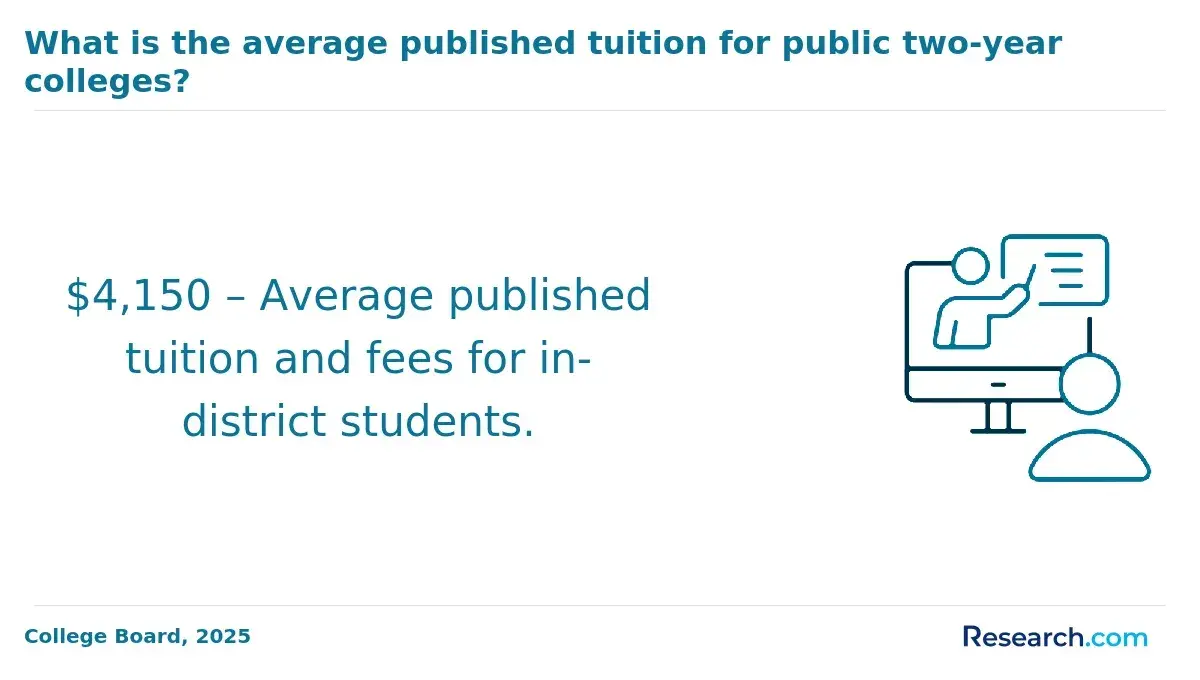
Tuition averages about $12,394 at public universities and $30,664 at private nonprofits, highlighting the importance of maximizing federal resources. To keep borrowing sustainable relative to future income and career demands, students should:
- Apply for federal loans before private lending
- Seek scholarships and assistantships aimed at social work
- Use IDR or PSLF for repayment if entering public service
- Limit loans to direct education costs to avoid unnecessary debt
For a clearer understanding of what expenses can be covered by aid, visit can financial aid pay for living expenses.
How do federal and private graduate loans compare for social work students?
Federal and private graduate loans differ significantly for social work students, particularly in interest rates, repayment options, and borrower protections. Federal Direct Unsubsidized Loans have a fixed 6.53% interest rate for loans disbursed from July 1, 2025, through June 30, 2026, up from 5.50% the previous year (Federal Student Aid, U.S. Department of Education). These fixed rates provide predictability in repayment. A key comparison of federal and private student loans for social work degrees shows federal loans offer income-driven repayment plans, deferment, forbearance, and potential Public Service Loan Forgiveness (PSLF) after 10 years of qualifying payments in public service roles.
In contrast, private graduate loans usually have variable or fixed interest rates that may be higher or lower than federal loans but often lack flexible repayment options. They rarely provide income-driven plans or forgiveness programs. Qualification depends heavily on creditworthiness or requires a cosigner, which can be challenging for many.
Choosing private loans may help cover funding gaps when federal limits are reached or if a borrower has substantial federal debt. Still, federal loans remain the preferred first option for social work graduate students due to stronger borrower protections and overall financial benefits.
Prospective borrowers comparing federal graduate loans vs private loans for social work students should weigh fixed interest rates, repayment flexibility, and forgiveness options carefully. Additional information and alternatives, including ascent student loans, can support informed borrowing decisions.
Which federal loans are available specifically for MSW and other social work grad programs?
Federal student loans for MSW programs primarily include Direct Unsubsidized Loans and Graduate PLUS Loans. Direct Unsubsidized Loans offer up to $20,500 annually with a fixed 6.54% interest rate on loans disbursed between July 1, 2025, and June 30, 2026. These loans do not require demonstrating financial need, and payments can be deferred until after graduation or dropping below half-time enrollment.
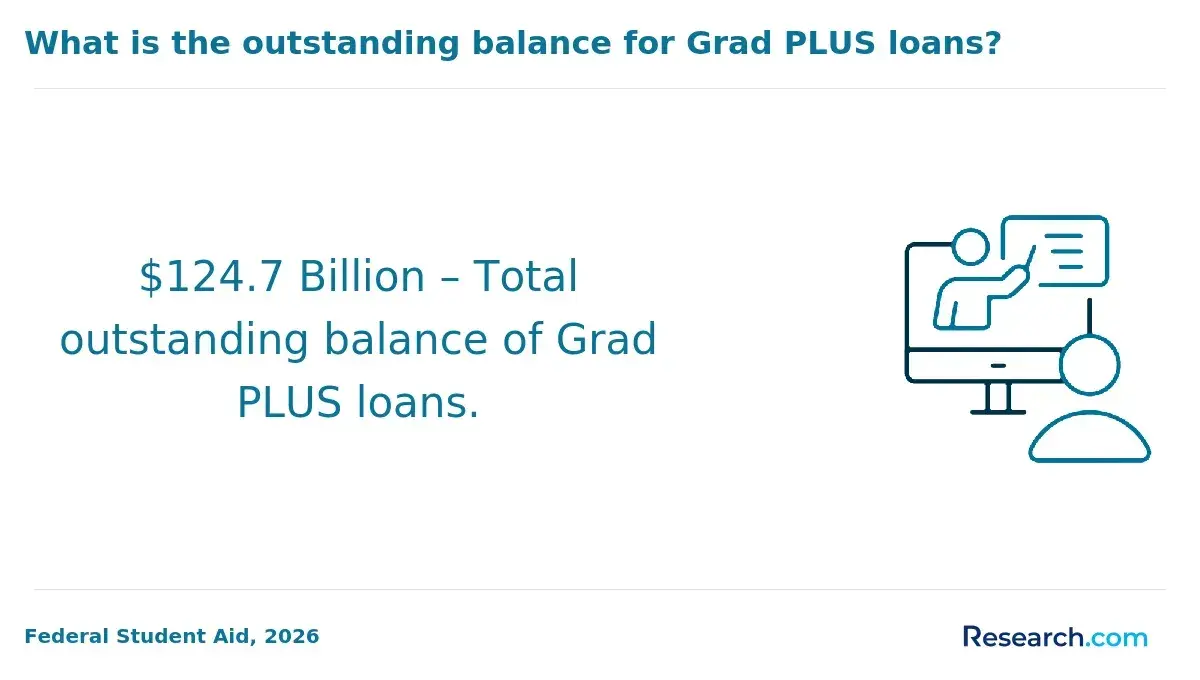
Graduate PLUS Loans complement federal loan options by covering costs not met by other aid, including tuition, fees, and living expenses. They carry a fixed 7.53% interest rate for the same period and a 4.228% origination fee on disbursements through October 1, 2025. These loans require a credit check but generally do not need a cosigner. Due to higher interest rates and fees, borrowers should consider Graduate PLUS Loans carefully.
Eligibility for these graduate school federal loan options for social work extends to both full-time and part-time students in accredited MSW programs, offering flexible repayment options such as income-driven repayment plans. These options are vital for social workers entering lower-paying public or nonprofit sectors.
Students seeking additional financial strategies may explore programs like the student loan refinance bonus to manage their debt efficiently.
How much can social work graduate students borrow and what interest rates apply?
Social work graduate students can typically borrow up to federal loan limits, with maximum loan amounts for social work graduate students including $20,500 per academic year through Federal Direct Unsubsidized Loans. Beyond this, Graduate PLUS Loans can cover the remaining cost of attendance, often reaching tens of thousands annually. Private graduate student loans provide additional borrowing options but vary based on lender policies and borrower creditworthiness.
Typical interest rates on graduate social work loans show federal loans fixed at 6.54% for Direct Unsubsidized Loans and about 7.54% for Graduate PLUS Loans. Private loan rates are more variable, ranging from 4.5% to 14% APR depending on credit scores and cosigner status. Most private lenders require minimum FICO scores near 660-680, with lower rates available to borrowers with strong credit and qualified cosigners.
Borrowers should carefully assess the total cost of borrowing-interest rates, origination fees, repayment terms, and grace periods. Private loans often have less flexible repayment options and fewer borrower protections compared to federal loans. For instance, a $30,000 private loan at 7% fixed APR can cost substantially more in interest over 10 years than the same amount borrowed federally at 6.54%, especially when factoring in shorter repayment timelines or additional fees.
Students interested in managing their debt wisely might explore options for student loan refinancing to reduce costs and improve repayment terms.
How do you qualify and apply for social work graduate school loans using the FAFSA?
To apply for social work graduate school loans through FAFSA, you must be a U.S. citizen or eligible non-citizen enrolled in an approved degree program. Financial need is assessed by examining your income, assets, family size, and how many family members attend college. For graduate students, loan eligibility is based on the Expected Family Contribution (EFC) and cost of attendance.
Start the FAFSA application for the 2026-27 academic year on October 1, 2025, at fafsa.gov. Have financial documents like tax returns ready, and remember to submit FAFSA annually to keep your eligibility active. Once processed, your school will offer a financial aid package, including federal loans such as unsubsidized Direct Loans and Grad PLUS Loans.
- Unsubsidized federal loans allow up to $20,500 per academic year, but interest accrues during study.
- Grad PLUS Loans can cover additional costs but require a credit check and often have higher interest rates.
- Private loans are an option but typically carry higher interest than federal loans.
Average in-state tuition for public MSW programs was $12,394, whereas private nonprofit institutions averaged $30,664, about 2.5 times higher, according to the College Board. These figures highlight the importance of budgeting for living expenses as well.
Compare financial aid offers carefully and review loan repayment terms before borrowing. If eligible, explore loan forgiveness programs focused on social workers serving high-need areas as part of your long-term financial planning.
What repayment plans work best for social work graduates with modest starting salaries?
Income-driven repayment (IDR) plans like Income-Based Repayment (IBR), Pay As You Earn (PAYE), and Revised Pay As You Earn (REPAYE) are ideal for social workers with modest starting salaries. These plans limit monthly loan payments to a portion of discretionary income, adjusting annually based on changes in income and family size. This flexibility supports borrowers experiencing income growth over time.
Public Service Loan Forgiveness (PSLF) benefits social workers employed by qualifying nonprofits or government agencies. Borrowers who make 120 qualifying payments under an IDR plan can receive tax-free forgiveness of their remaining loan balance. Over 800,000 borrowers, many of whom are in public service, have been granted more than $56 billion in loan forgiveness through PSLF and related programs, emphasizing its importance in managing debt for social work professionals.
REPAYE offers an interest subsidy on unpaid interest, which helps manage balance growth but covers payments on all federal loans, including Parent PLUS loans that are ineligible for PSLF. For social workers not qualifying for PSLF, Extended or Graduated Repayment Plans may be alternatives, though they often increase total interest paid.
Key factors to consider include:
- Employment type and PSLF eligibility.
- Income changes and family size.
- Loan types and consolidated loans' effects on eligibility.
Early selection of the appropriate repayment plan can reduce financial stress and overall repayment costs. Consulting loan servicers or a financial advisor familiar with public service debt relief can help borrowers align repayment strategies with their career paths and financial goals.
Which loan forgiveness and repayment assistance programs exist for social workers?
Loan forgiveness and repayment assistance programs can help social workers manage graduate school debt. The Public Service Loan Forgiveness (PSLF) program forgives loans after 120 qualifying monthly payments for those working full-time in government or nonprofit roles. Social workers in community mental health centers and similar settings often qualify, easing their financial burden.
The National Health Service Corps (NHSC) Loan Repayment Program offers up to $50,000 for social workers who serve two years in Health Professional Shortage Areas. This program supports professionals working in underserved communities by providing significant loan repayment assistance and career opportunities.
Many states provide additional repayment help for social workers employed in public child welfare or behavioral health. These programs vary by state but can cover thousands in loan repayment annually.
Social workers pursuing education or research careers might qualify for Teacher Loan Forgiveness or comparable programs with specific service commitments.
Despite these options, most social workers still rely heavily on loans due to limited scholarships and grants. According to the College Board's Trends in College Pricing and Student Aid 2024, the average Pell Grant covers about one-third of public graduate tuition but less than 15% at private nonprofits. This gap requires combining loan forgiveness, institutional aid, and personal finance strategies for effective debt management.
How do Public Service Loan Forgiveness rules apply to social work careers?
The Public Service Loan Forgiveness (PSLF) program benefits social workers with federal Direct Loans who work full-time for qualifying government or nonprofit employers. After making 120 on-time, qualifying payments, borrowers can receive loan forgiveness, significantly easing the burden from graduate school debt. It is essential to confirm that both the loans and the employer meet PSLF criteria.
Employment certification forms should be submitted annually to ensure payments count toward forgiveness and to track eligibility. Partial or deferred payments do not qualify, so consistent repayment is critical. Many social workers in public agencies or nonprofit organizations can leverage this program, especially since 36% of social service bachelor's graduates with debts over $30,000 find their salaries strain loan repayment (Federal Reserve, "Economic Well-Being of U.S. Households in 2023").
For those ineligible for PSLF, income-driven repayment plans offer an alternative by reducing monthly payments and possibly granting forgiveness after 20 to 25 years. Older federal loans may require consolidation to qualify for PSLF, so reviewing loan types is important.
- Confirm loan and employer eligibility for PSLF.
- Make 120 qualifying payments under an approved plan.
- Submit employment certification annually.
- Consider income-driven repayment plans if PSLF is unavailable.
When should social work graduates consider refinancing or consolidating their student loans?
Social work graduates looking to lower monthly payments, reduce interest rates, or simplify multiple student loans should consider refinancing or consolidating. Refinancing often benefits those with stable income and strong credit because private lenders may offer lower interest rates. It also allows switching from variable to fixed rates for predictable payments. However, refinancing private loans can disqualify borrowers from certain forgiveness programs, especially those offered by states or employers.
Consolidation, mainly through federal programs, combines multiple federal loans into a single Direct Consolidation Loan. This can make loan management easier but may reset repayment terms and eliminate borrower benefits linked to individual loans.
Graduates with fluctuating incomes or those using income-driven repayment plans should be cautious about refinancing, as private loans usually lack federal protections. Consolidation may delay eligibility for public service loan forgiveness.
Key points to consider include:
- Your current job stability and income level
- Eligibility for forgiveness programs provided by states or employers, which currently exist in at least 32 states and Washington, D.C.
- Impact of refinancing on federal protections and repayment plans
- Desire to simplify payments by consolidating multiple servicers
Weigh these factors carefully before deciding, as the right choice depends on personal financial circumstances and long-term goals.
How can social work students minimize debt and manage payments during and after grad school?
Social work students can reduce loan debt by borrowing only what is essential, using scholarships, grants, and federal work-study opportunities. Federal loans are generally better than private loans due to their lower interest rates and flexible repayment options.
While in school, students should consider income-driven repayment (IDR) plans or deferment to lower monthly payments and avoid default. Part-time jobs or assistantships can help manage living costs without adding to loan debt. Keeping track of loan balances and accrued interest is important to avoid surprises after graduation.
After finishing their programs, graduates should focus on a clear repayment plan. A Brookings Institution analysis showed about 30% of graduate borrowers still owe student loans two decades later. Without a strategy, loans may last into mid-career.
- Enroll in income-driven repayment plans suited to current income and job prospects.
- Use Public Service Loan Forgiveness (PSLF) if working in qualified social service roles to potentially cancel remaining debt after 10 years.
- Make extra payments when possible to lower the principal and reduce interest.
- Recertify income and family size regularly for IDR plans to keep payments accurate.
Carefully reviewing communications from loan servicers ensures compliance with repayment terms and access to benefits. Early, informed actions can ease financial challenges throughout a social work career.
Other Things You Should Know About
In 2027, the top loan options for social work graduate students include federal Direct Unsubsidized Loans, which offer a fixed interest rate and flexible repayment plans. Grad PLUS Loans are also popular, known for covering additional costs. Private loans like those from Sallie Mae or SoFi may offer custom terms but usually require good credit scores.
While federal graduate loans have annual and aggregate borrowing limits, private loans vary by lender, often based on your creditworthiness. Social work students should review federal limits first, as these loans typically offer lower interest rates and more flexible repayment options. Exceeding federal limits usually means turning to private loans or alternative funding.
Yes, student loans often cover a wide range of educational costs, including books, supplies, housing, transportation, and other living expenses. It's important to budget carefully and consider how much you genuinely need to borrow, since loans must be repaid with interest. Keeping loan amounts aligned with total education-related expenses helps avoid unnecessary debt.
Dropping below half-time enrollment can trigger the start of your loan repayment grace period sooner than expected or cause loans to go into repayment immediately. For federal loans, half-time is typically at least half the full course load, so maintaining enrollment status is crucial for deferring payments while studying. Check with your school's financial aid office to understand how changes in enrollment affect your specific loans.