2027 Best Online Bachelor's in Mechanical Engineering for Community College Graduates

Co-Founder and Chief Data Scientist
Community college graduates often face a hard question: which online mechanical engineering bachelor's program will accept the most credits without weakening career options? The choice matters because the U. S. Bureau of Labor Statistics reports a 2024 median pay of $102,320 for mechanical engineers, making degree quality and accreditation important ROI factors. This guide is for associate-degree holders comparing online, transfer-friendly pathways. You will learn how programs work, which schools to check first, what they cost, how long they take, and how to avoid expensive transfer and accreditation mistakes.
Key Things You Should Know
- For community college graduates, generous transfer credit policies can significantly reduce the time and cost of completing a bachelor's degree, but each school sets its own transfer evaluation and residency requirements.
- An ABET-accredited mechanical engineering program is generally the best choice because many employers and some engineering licensure pathways expect graduates to hold a degree from an ABET-accredited program.
- The BLS reported a $102,320 median annual wage for mechanical engineers in May 2024, but earnings vary based on industry, location, experience, education, and the type of engineering work performed.
What is an online bachelor's in mechanical engineering for community college graduates?
An online bachelor's in mechanical engineering is a four-year engineering degree delivered partly or fully through distance learning. For community college graduates, it usually functions as a transfer-completion pathway: the student brings in lower-division general education, math, science, and introductory engineering credits, then completes upper-division engineering courses through the university.
Mechanical engineering focuses on how machines, structures, thermal systems, fluids, materials, and manufacturing processes work. In a bachelor's program, students typically study calculus-based physics, statics, dynamics, thermodynamics, fluid mechanics, heat transfer, mechanical design, materials science, computer-aided design, and engineering labs. A strong mechanical engineer degree should prepare students for design, testing, analysis, manufacturing, operations, or graduate study.
The most important distinction is between mechanical engineering and mechanical engineering technology. Mechanical engineering programs are usually more theory-heavy and are the standard route for many design engineering, research, graduate school, and Professional Engineer licensure pathways. Mechanical engineering technology programs are more applied and may fit manufacturing, product testing, field engineering, technical sales, or production roles. Both can be valuable, but they are not interchangeable for every employer or licensing board.
This degree can be a strong fit if you completed an associate of science, associate of engineering, or transfer-oriented associate degree with calculus, physics, and engineering prerequisites. It may be harder if your associate degree was highly career-focused and lacks calculus-based science courses, because many technical credits may transfer only as electives.
How do online mechanical engineering bachelor's programs compare with on-campus options?
Online mechanical engineering programs can be academically equivalent to campus programs when they use the same curriculum, faculty standards, labs, exams, and ABET-accredited outcomes. The main difference is delivery: lectures, homework, advising, and some simulations may be remote, while labs, proctored exams, senior design reviews, or short residencies may still require scheduled participation.
The table below compares online and on-campus formats from a transfer student's perspective. Use it to identify which format fits your work schedule, learning style, and need for hands-on access.
| Factor | Online mechanical engineering bachelor's | On-campus mechanical engineering bachelor's |
| Best fit | Working adults, military students, place-bound learners, and transfer students who need scheduling flexibility | Students who want daily access to labs, faculty, clubs, research teams, and in-person recruiting |
| Labs and projects | May use remote labs, simulation tools, mailed lab kits, partner sites, or short campus visits | Usually offers regular access to machine shops, test equipment, fabrication spaces, and project teams |
| Transfer experience | Can be excellent if the school has clear articulation maps and dedicated transfer advising | Can be smoother for students near campus who can resolve advising, lab, and course-sequencing issues in person |
| Networking | Requires more intentional effort through online design teams, internships, professional societies, and virtual career fairs | Often easier through student chapters, faculty labs, employer visits, and peer study groups |
| Main risk | Choosing a program without verifying ABET status, lab requirements, or whether key courses are offered online often enough | Paying more in relocation, commuting, housing, or lost work hours than the added campus access is worth |
Online delivery is not automatically easier. Mechanical engineering remains math-heavy, project-heavy, and deadline-driven. Students who need high structure, immediate lab support, or frequent peer collaboration may prefer campus or hybrid programs, while students with strong time management and relevant work experience may benefit from online flexibility.
Remote science and engineering education has become more accepted as universities improve simulations, virtual labs, and asynchronous course design. Students comparing lab-based STEM pathways sometimes also review online geology degrees, where fieldwork and lab access create similar questions about hands-on learning quality.
Which accredited schools offer online mechanical engineering bachelor's degrees for transfer students?
The best options for community college graduates are usually regionally accredited universities with ABET-accredited mechanical engineering programs, transparent transfer policies, and enough online upper-division engineering courses to let students finish without relocating. Because online mechanical engineering is less common than online business or computing degrees, students should verify accreditation and delivery format directly with the school and ABET before applying.
The table below highlights well-known U.S. options and closely related alternatives that transfer students commonly evaluate. It is not a ranking; it is a decision shortlist for checking accreditation, transfer fit, and career alignment.
| School | Online or distance option to review | Accreditation point to verify | Best for |
| University of Alabama | Bachelor of Science in Mechanical Engineering by distance learning | Confirm the online pathway leads to the ABET-accredited mechanical engineering degree | Transfer students who want a traditional mechanical engineering curriculum from a large public university |
| University of North Dakota | Online Bachelor of Science in Mechanical Engineering | Confirm current ABET Engineering Accreditation Commission status for the mechanical engineering degree | Students who want a long-established distance engineering option with structured online delivery |
| Arizona State University | Online mechanical engineering pathway to evaluate with admissions | Confirm whether the specific online program, catalog year, and degree title meet ABET expectations for your goals | Students seeking a large online university ecosystem and broad engineering support services |
| Old Dominion University | Online mechanical engineering technology degree-completion pathway | Review Engineering Technology Accreditation Commission status and understand the difference from mechanical engineering | Students focused on applied technical, manufacturing, testing, or operations roles rather than theory-heavy design engineering |
| Indiana State University | Online engineering technology or mechanical-related pathway to review | Check the exact program title, ABET status, and whether it supports your desired employer or licensure path | Students who want an applied degree-completion option and have technical associate credits |
A good school for one transfer student may be a poor fit for another. For example, a student planning to pursue Professional Engineer licensure should be more cautious about engineering technology pathways, while a student already working in manufacturing may value applied coursework and credit for technical experience.
Before you treat any program as a final option, ask the admissions office for a written transfer evaluation, the exact degree title that appears on the diploma and transcript, ABET accreditation details, lab or residency requirements, and a term-by-term plan showing when each remaining course is offered.
What admission and transfer credit requirements apply to community college graduates?
Admission requirements vary by university, but online mechanical engineering programs usually expect more than a completed associate degree. They often require specific prerequisite courses, minimum grades in technical subjects, and a cumulative GPA that shows readiness for junior-level engineering work.
Most transfer reviews focus on whether your associate coursework matches the university's first two years of engineering. The following items are especially important because missing one can delay graduation by a semester or more.
- Calculus sequence: Mechanical engineering programs typically require calculus I, calculus II, calculus III, and differential equations, though some students complete the later courses after transfer.
- Calculus-based physics: Algebra-based physics often does not satisfy engineering requirements, so verify that your physics courses were calculus-based and included required labs.
- Chemistry and materials foundations: Many programs require general chemistry and may expect early exposure to materials science or engineering graphics.
- Introductory engineering courses: Statics, programming, computer-aided design, and engineering problem-solving courses may transfer if course outcomes align closely.
- General education: English composition, communication, humanities, social science, and ethics courses can reduce the remaining load if they match the receiving school's requirements.
- Minimum grades: Engineering departments may require a C or higher in technical prerequisites, and repeated math or science courses may receive closer review.
Community college graduates should not assume that an associate degree automatically equals junior standing. A student may have 60 transferable credits overall but still be missing engineering prerequisites needed to begin upper-division courses. That distinction matters because engineering courses are sequential; if you cannot take thermodynamics until statics and differential equations are complete, your timeline can stretch quickly.
To reduce transfer risk, request an unofficial pre-evaluation before applying, then compare it with a degree audit after admission. If the two do not match, ask for clarification in writing before enrolling in your first term.
How long does it take to finish an online mechanical engineering bachelor's after an associate degree?
Most community college graduates need two to three years after transfer, but the exact timeline depends on prerequisites, course sequencing, lab availability, and whether the student studies full time. Mechanical engineering is less flexible than many majors because courses build on each other in a strict order.
The table below summarizes common completion scenarios. It can help you estimate whether an "accelerated" online option is realistic for your academic record and weekly availability.
| Transfer situation | Typical remaining credits | Likely completion pace | Why it may take longer |
| Associate of engineering with calculus, physics, and introductory engineering sequence completed | About 60 to 70 credits | Roughly 2 years full time | Senior design, labs, and upper-division course rotation may limit course stacking |
| Associate of science with strong math and science but few engineering courses | About 65 to 80 credits | About 2.5 to 3 years | Student may need statics, dynamics, CAD, or programming before advanced courses |
| Associate of applied science in a technical field | Varies widely | Often 3 years or more | Many applied credits may transfer as electives rather than engineering requirements |
| Part-time working adult pathway | Depends on transfer evaluation | Often 3 to 5 years | Taking one or two technical courses per term slows progress but may protect grades and work-life balance |
The fastest path is not always the smartest path. Taking thermodynamics, fluid mechanics, dynamics, and an intensive lab in the same term while working full time can create avoidable academic risk. A slightly slower plan may produce stronger grades, better internship timing, and a more manageable senior design experience.
Before enrolling, ask for a course rotation plan. Some online engineering courses may be offered only once per year, and missing one prerequisite can delay the next course in the sequence.
What core courses and specializations are included in online mechanical engineering curricula?
Online mechanical engineering curricula usually mirror campus-based engineering curricula. Students build from mathematics and basic science into mechanics, thermal systems, materials, design, manufacturing, controls, and a capstone design project.
The core curriculum usually includes several clusters of coursework. These clusters matter because they indicate what types of jobs or graduate programs the degree can support.
- Mathematics and computation: Calculus, differential equations, numerical methods, programming, and modeling tools used to solve engineering problems.
- Mechanics and structures: Statics, dynamics, mechanics of materials, vibrations, and machine design for analyzing forces, motion, stress, and failure.
- Thermal and fluid systems: Thermodynamics, heat transfer, fluid mechanics, and energy systems for work involving engines, HVAC, turbines, pumps, and thermal management.
- Materials and manufacturing: Materials science, manufacturing processes, quality methods, computer-aided manufacturing, and design for manufacturability.
- Design and experimentation: CAD, finite element analysis, lab methods, instrumentation, technical communication, and senior capstone design.
- Systems and controls: Mechatronics, control systems, sensors, automation, and robotics-related electives where available.
Specializations are not always formal concentrations. In many online programs, students shape their focus through technical electives, senior design topics, internships, and software skills. Common emphasis areas include aerospace systems, automotive engineering, robotics, advanced manufacturing, renewable energy, thermal-fluid systems, product design, and biomedical devices.
Current industry trends make software fluency more valuable than ever. Mechanical engineering students increasingly benefit from CAD, simulation, finite element analysis, computational fluid dynamics, MATLAB, Python, data acquisition, and digital manufacturing tools. AI-assisted design and generative modeling are changing workflows, but they do not replace engineering judgment; graduates still need to understand physics, constraints, safety, cost, and manufacturability.
How much do online mechanical engineering bachelor's programs cost, and what aid is available?
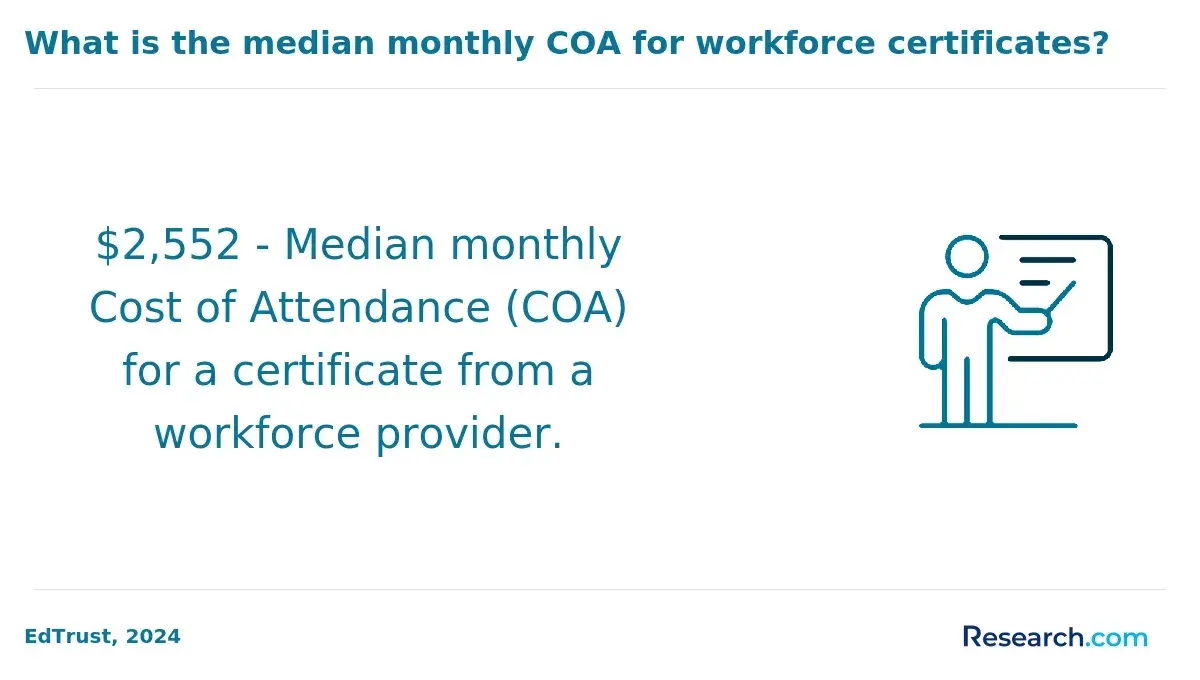
Cost varies widely because transfer credits, residency rules, online tuition policies, fees, books, software, lab requirements, and travel can all change the final amount. College Board's 2024 pricing data lists average published tuition and fees for in-state students at public four-year institutions at $11,610 for the 2024-25 academic year. That figure is a useful benchmark, but engineering students should calculate total program cost based on remaining credits, not annual sticker price alone.
When comparing programs, collect prices in the same format so you are not comparing a per-credit quote from one school with an annual tuition estimate from another. Common cost items include the following.
- Remaining tuition based on accepted transfer credits and upper-division engineering credit requirements
- Mandatory online learning, technology, engineering, lab, proctoring, and graduation fees
- Software, computer hardware, calculators, lab kits, textbooks, and design project supplies
- Travel and lodging for any campus labs, orientations, exams, or senior design presentations
- Lost income or reduced work hours if the program requires full-time study or daytime synchronous sessions
Financial aid can reduce upfront cost, but students should compare aid packages carefully. The maximum Federal Pell Grant is $7,395 for the 2024-25 award year, and eligible transfer students may also use federal loans, state grants, employer tuition assistance, military education benefits, scholarships, and paid internships. Aid availability depends on enrollment status, satisfactory academic progress, prior borrowing, citizenship or residency status, and institutional rules.
Use the following cost-control steps before committing to a program.
- Request a written transfer evaluation before enrollment and calculate the cost of only the credits you still need.
- Ask whether online students pay in-state, out-of-state, flat-rate, or separate distance tuition.
- Confirm whether engineering fees, lab kits, proctoring, software, and required travel are included in the published estimate.
- Compare net price after grants, scholarships, employer benefits, and transfer credits rather than focusing only on tuition.
- Avoid using private loans until you have reviewed federal aid, payment plans, scholarships, and part-time pacing options.
The cheapest program is not always the best value if it loses too many transfer credits, lacks ABET recognition for your goal, or delays graduation. The best financial choice is usually the program that combines acceptable accreditation, strong credit transfer, manageable pacing, and credible career support.
What mechanical engineering careers are available with an online bachelor's degree?
An online mechanical engineering bachelor's degree can support the same broad career categories as a campus degree when the program is accredited, rigorous, and aligned with employer expectations. Employers typically care most about degree title, accreditation, technical competence, projects, internships, software skills, and communication ability.
The table below summarizes common career paths. It is designed to help transfer students connect coursework and electives with likely job functions.
| Career path | Typical responsibilities | Helpful preparation |
| Mechanical design engineer | Create and refine components, assemblies, machines, fixtures, or products | CAD, machine design, materials, finite element analysis, tolerance analysis, and design projects |
| Manufacturing engineer | Improve production processes, tooling, quality, throughput, and safety | Manufacturing processes, lean methods, automation, robotics, quality control, and plant experience |
| Thermal or fluids engineer | Analyze heat transfer, fluid flow, HVAC, pumps, engines, cooling systems, or energy equipment | Thermodynamics, heat transfer, fluid mechanics, computational fluid dynamics, and lab skills |
| Test engineer | Plan experiments, collect data, validate designs, and troubleshoot performance issues | Instrumentation, statistics, data acquisition, lab methods, technical writing, and programming |
| Product development engineer | Move products from concept through prototype, testing, manufacturing, and launch | Design thinking, CAD, materials, manufacturing, project management, and cross-functional communication |
| Field or applications engineer | Support customers, install systems, solve technical problems, and connect engineering with sales or operations | Mechanical fundamentals, communication, troubleshooting, systems knowledge, and customer-facing experience |
Mechanical engineering graduates work in many industries, including aerospace, automotive, defense, energy, utilities, construction systems, robotics, medical devices, consumer products, advanced manufacturing, and logistics automation. Students who enjoy modeling, programming, and analytics may also compare engineering with data science degrees, especially if they prefer software-heavy work over physical systems design.
To improve career readiness, build a portfolio before graduation. Include CAD models, simulations, test reports, senior design documentation, manufacturing improvements, code samples, and internship work you are allowed to share. For online students, a portfolio helps compensate for fewer in-person lab and club interactions.
What salary ranges and job outlook can mechanical engineering graduates expect?
The U.S. Bureau of Labor Statistics reports a 2024 median annual wage of $102,320 for mechanical engineers. Median pay is not an entry-level guarantee; it reflects workers across experience levels, industries, regions, and employers. New graduates may start below the median, while experienced engineers in high-demand sectors or high-cost regions may earn more.
Job outlook is also favorable but not automatic. BLS projects mechanical engineer employment to grow 9% from 2024 to 2034, which is faster than the average for all occupations. For students, this suggests a healthy labor market, but hiring still depends on internships, technical skills, location, security clearance eligibility for some defense roles, industry cycles, and the strength of project experience.
Several factors can influence salary and advancement after an online bachelor's degree. These factors are worth evaluating before choosing electives or accepting your first role.
- Industry: Aerospace, defense, energy, automation, and advanced manufacturing roles may value different skills and may have different pay structures.
- Location: Engineering salaries often reflect regional industry concentration and cost of living.
- Accreditation and licensure path: ABET-accredited engineering degrees may matter for employers, graduate programs, and Professional Engineer pathways.
- Experience before graduation: Internships, co-ops, military technical experience, and technician experience can improve competitiveness.
- Software and analysis skills: CAD, simulation, Python, MATLAB, data acquisition, and manufacturing software can strengthen applications.
- Communication and documentation: Engineers who can explain trade-offs, write clear reports, and work across teams often progress faster.
Students should treat salary data as a planning tool, not a promise. A practical ROI estimate should compare expected total program cost, time to completion, likelihood of finishing, local job markets, and the student's ability to gain experience while enrolled.
How can students evaluate and choose a reputable online mechanical engineering program?
The safest way to choose a program is to evaluate accreditation, transfer fit, academic rigor, student support, cost, and career outcomes together. A program that looks affordable can become expensive if it rejects technical credits, and a program that looks flexible can become impractical if labs or upper-division courses are hard to schedule.
Use the following checklist before applying or enrolling. It focuses on decisions that have the biggest impact on completion time, cost, and employability.
- Verify institutional accreditation: Make sure the university is accredited by a recognized institutional accreditor.
- Verify ABET status: Check the exact degree title, campus or modality, and accrediting commission, especially if licensure or traditional engineering roles are goals.
- Request a written transfer audit: Ask which courses satisfy major requirements, which count only as electives, and which must be repeated.
- Review course sequencing: Confirm how often upper-division courses are offered and whether prerequisites can delay graduation.
- Ask about labs and residencies: Identify any campus visits, lab kits, proctored exams, synchronous sessions, or senior design requirements.
- Compare total net cost: Include tuition, fees, software, lab supplies, travel, and lost work time.
- Evaluate career support: Look for internship help, employer connections, engineering career advising, resume support, and project-based portfolios.
- Check student outcomes carefully: Ask for graduation rates, retention data, job placement information, FE exam support, and examples of employers hiring graduates.
Common red flags include vague accreditation language, pressure to enroll before receiving a transfer evaluation, unclear lab requirements, no term-by-term plan, unusually aggressive credit promises, and program names that sound like mechanical engineering but are actually a different credential. Related online fields, including MLIS programs, often publish clearer online student support and outcomes information; engineering students should expect the same level of transparency before making a financial commitment.
The best choice is the program that fits your end goal. Choose an ABET-accredited mechanical engineering degree if you want the broadest traditional engineering pathway. Consider mechanical engineering technology if your goal is applied manufacturing, testing, operations, or technical implementation. Consider a campus or hybrid option if you need extensive lab access, design-team culture, or in-person recruiting.
Other Things You Should Know About Mechanical Engineering
Possibly, but requirements vary by state. Many boards prefer or require an ABET-accredited engineering degree, successful FE and PE exams, and qualifying work experience under licensed engineers. Always check your state board before enrolling.
Graduates of online bachelor's programs in mechanical engineering receive a diploma identical to those awarded for on-campus programs, with no distinction that the degree was earned online, ensuring equal recognition in the professional field.
Students usually need a reliable computer capable of running engineering software, a strong internet connection, a webcam for proctored exams, and sometimes access to CAD, simulation, or programming tools. Ask the department for hardware specifications before buying equipment.
Internships are not always required, but they are strongly recommended. They help students gain hands-on experience, build employer contacts, and turn classroom projects into credible resume evidence.
References
- How Long to Become a Mechanical Engineer? | University of Bridgeport https://www.bridgeport.edu/news/time-to-become-a-mechanical-engineer/
- Transferring from Community College to University (Step-by-Step Guide) | NEIT https://www.neit.edu/blog/transferring-from-community-college-to-university
- 2025 Most Affordable Bachelor's in Engineering Online https://www.onlineu.com/most-affordable-colleges/engineering-degrees
- Online Mechanical Engineering Degrees 2026: Costs & Salary Compared https://www.fernstudi.net/en/onlinestudies/technology/mechanical-engineering
- How to Evaluate If an Engineering Program Is a Good Fit - Your College-Bound Kid https://yourcollegeboundkid.com/2023/03/10/how-to-evaluate-if-an-engineering-program-is-a-good-fit/
- Transfer Principles https://www.berkshirecc.edu/academics/transfer-planning/transferprinciples.php
- Transferring from a community college | University of Phoenix https://www.phoenix.edu/blog/tips-for-transferring-from-community-college-to-university.html
- Online Mechanical Engineering Degrees 2025 https://www.affordablecollegesonline.org/degrees/engineering-programs/mechanical-engineering/
- Campus vs Online Engineering Degrees - What Employers Think https://www.itcareerfinder.com/brain-food/blog/entry/what-employers-think-about-online-engineering-degrees.html
- Online mechanical engineering courses | edX https://www.edx.org/learn/mechanical-engineering