2027 Online Mechanical Engineering Degrees for Students Who Want Energy Systems Careers

Co-Founder and Chief Data Scientist
Choosing a mechanical engineering program is harder when your goal is energy work, because employers may expect design skills, systems thinking, lab experience, and familiarity with electrification. The U.S. Bureau of Labor Statistics projects mechanical engineer employment to grow 11% from 2023 to 2033, which signals expanding demand across manufacturing, power, transportation, and clean-energy systems.
This guide is for students comparing online mechanical engineering degrees with energy-focused career goals. You will learn how programs work, what they cost, how accreditation matters, and which career paths can make the investment worthwhile.
Key Things You Should Know
- ABET accreditation is especially important for bachelor's programs because it can affect engineering licensure eligibility, employer screening, and transferability into graduate engineering programs.
- Mechanical engineers earned a median annual wage of $99,510 in 2024, according to BLS data, energy-focused roles can vary widely by industry, location, experience, and security or fieldwork requirements.
- Online mechanical engineering programs can fit working adults, but students should confirm lab delivery, proctored exam rules, internship access, transfer-credit limits, and whether energy systems courses are electives, certificates, or a formal concentration.
What is an online mechanical engineering degree with a focus on energy systems?
An online mechanical engineering degree with a focus on energy systems is a mechanical engineering program delivered fully or partly online that includes coursework in how energy is generated, converted, stored, distributed, and used. The degree may be a bachelor's, master's, or graduate certificate pathway, and the energy focus may appear as a concentration, elective cluster, research area, or capstone theme.
Mechanical engineering is broader than energy alone. Students usually study mechanics, thermodynamics, fluids, materials, controls, and design before applying those foundations to power plants, renewable energy systems, building energy performance, batteries, heat pumps, combustion, hydrogen systems, industrial efficiency, or thermal management. If you are comparing an online mechanical engineering degree, the key question is whether the program teaches both core engineering fundamentals and energy-specific applications.
The best fit depends on your starting point. First-time college students usually need a bachelor's degree that includes calculus, physics, engineering labs, and design projects. Current engineers often choose an online master's degree to specialize in thermal sciences, energy systems, controls, or sustainable engineering without leaving their jobs. Students who already have an engineering or technical bachelor's degree may use a graduate certificate to add energy credentials faster, though a certificate is usually not a substitute for a full engineering degree.
The table below summarizes the most common academic options. Use it to match your current education level with the credential that is most likely to support your next career move.
| Credential | Best fit | Typical energy systems connection | Main decision point |
| Bachelor's in Mechanical Engineering | Students seeking entry-level engineering roles | Energy electives, senior design, labs, internships | Confirm ABET accreditation and hands-on requirements |
| Master's in Mechanical Engineering | Engineers or STEM graduates seeking specialization | Thermal systems, energy conversion, optimization, advanced controls | Check prerequisites and whether a thesis is required |
| Graduate Certificate in Energy Systems | Working professionals adding focused skills | Power, renewables, building energy, storage, sustainability | Verify whether credits can transfer into a master's degree |
| Engineering Technology Degree | Students seeking applied technical roles | Operations, testing, maintenance, manufacturing support | Clarify whether roles will be engineering, technologist, or technician positions |
How do online mechanical engineering programs prepare students for energy systems careers?
Online mechanical engineering programs prepare students for energy systems careers by combining engineering science, computational tools, design practice, and applied projects. Strong programs do not simply post lecture videos; they build a sequence that moves from theory to modeling, testing, analysis, and design decisions.
Energy work is systems work. A mechanical engineer may need to understand how a compressor affects an industrial process, how a battery thermal management system affects vehicle performance, or how a building's HVAC design affects energy use and indoor air quality. Online programs support this preparation through simulations, remote labs, mailed lab kits, local lab partnerships, intensive campus visits, or employer-based projects.
Students should look for programs that build the following career-ready capabilities. These skills matter because energy employers often want graduates who can connect engineering calculations to real operating systems.
- Thermal and fluid analysis for engines, turbines, HVAC systems, heat exchangers, fuel cells, and cooling systems.
- Computer-aided design and simulation using tools for modeling, finite element analysis, computational fluid dynamics, or system-level energy analysis.
- Instrumentation and data interpretation for testing equipment performance, diagnosing inefficiencies, and validating design assumptions.
- Controls and automation knowledge for energy systems that rely on sensors, feedback loops, smart devices, and predictive maintenance.
- Design communication skills, including technical reports, drawings, presentations, and cross-functional teamwork with electrical, civil, environmental, and software specialists.
AI and data analytics are also becoming more relevant. Mechanical engineers increasingly work with digital twins, optimization tools, predictive maintenance models, and sensor data from energy assets. Students interested in deeper computational careers may eventually compare engineering graduate study with advanced analytics options such as a PhD in data science online, especially if their long-term goal is research leadership in modeling, forecasting, or autonomous energy systems.
A common mistake is choosing a program based only on the phrase "energy systems" without checking the actual curriculum. A stronger approach is to review course descriptions, faculty research, capstone examples, internship support, and software access before applying.
Are online mechanical engineering degrees for energy systems respected and accredited?
Yes, online mechanical engineering degrees can be respected when they come from properly accredited institutions and meet the academic expectations of engineering employers. The delivery format is usually less important than accreditation, curriculum rigor, lab quality, faculty credentials, and whether the diploma and transcript identify the same degree as the campus program.
For U.S. engineering degrees, students should understand two levels of accreditation. Institutional accreditation applies to the college or university. Programmatic accreditation, especially ABET accreditation, applies to specific engineering programs. ABET accreditation is most important at the bachelor's level because it is commonly connected to the pathway for the Fundamentals of Engineering exam, Engineer in Training status, and later Professional Engineer licensure, though state boards set their own rules.
The table below explains how to evaluate legitimacy. This is important because online engineering options vary widely in format, selectivity, lab requirements, and professional recognition.
| Factor to verify | Why it matters | Red flag |
| Institutional accreditation | Supports financial aid eligibility, credit transfer, and basic degree recognition | The school cannot clearly identify its recognized accreditor |
| ABET accreditation for engineering bachelor's programs | May affect licensure eligibility and employer confidence | The program says the university is accredited but avoids saying whether the specific engineering program is ABET-accredited |
| Lab and design requirements | Mechanical engineering requires applied measurement, testing, and design practice | The program has no clear explanation of how labs are completed online |
| Transcript and diploma wording | Employers may review whether the credential is mechanical engineering, engineering technology, or a concentration | The advertised program title differs from the official degree name |
Licensure is not required for every energy systems job, but it can matter in consulting, public infrastructure, utilities, building systems, and roles involving safety-critical designs. Before enrolling, students should check the state licensing board where they plan to work and ask the school whether graduates meet that state's education requirements.
Respect also depends on outcomes. Ask admissions advisors for graduation rates, employer partnerships, internship access, career services for online students, and examples of recent capstone projects. Avoid any program that promises a specific salary, guarantees employment, or refuses to explain accreditation in plain language.
What mechanical engineering and energy systems courses do online programs typically include?
Online mechanical engineering programs usually start with math, science, and core engineering fundamentals before moving into design and specialization. Energy systems courses are often built on thermodynamics, heat transfer, fluid mechanics, and controls because these subjects explain how energy moves through real machines and infrastructure.
The following course areas are common in bachelor's and master's pathways. Exact titles vary by school, so students should compare learning outcomes rather than relying only on course names.
- Engineering mathematics, including calculus, differential equations, numerical methods, and statistics for modeling physical systems.
- Core mechanical engineering courses such as statics, dynamics, mechanics of materials, thermodynamics, fluid mechanics, heat transfer, machine design, and materials science.
- Design and computing courses covering CAD, simulation, programming for engineers, finite element analysis, or computational fluid dynamics.
- Energy-focused courses such as renewable energy systems, energy conversion, combustion, HVAC, power generation, sustainable design, thermal systems design, or energy storage.
- Project-based courses such as senior design, capstone, research practicum, or industry-sponsored energy system analysis.
Students who are new to engineering should not skip the fundamentals in favor of only "green energy" electives. Employers need engineers who can calculate loads, assess failure risks, evaluate performance, and communicate design trade-offs. A renewable energy course is more valuable when it rests on strong thermodynamics, materials, controls, and fluid mechanics knowledge.
Students coming from adjacent fields should also check prerequisites. For example, someone who previously considered a nutritional science degree online but now wants engineering will likely need a much heavier sequence of calculus, physics, and laboratory science before entering upper-division mechanical engineering courses.
A practical way to compare curricula is to download the degree plan and mark which courses directly support your target role. If you want building energy work, look for HVAC, energy modeling, controls, and codes. If you want battery or electric vehicle work, look for thermal management, materials, controls, and manufacturing. If you want utility or power generation work, look for energy conversion, turbomachinery, reliability, and systems design.
How do online mechanical engineering degrees compare to campus programs for energy careers?
Online and campus mechanical engineering degrees can lead to similar career goals when the online program has the same academic standards, qualified faculty, and credible lab structure. The biggest differences are not always academic; they are often practical, including scheduling, access to equipment, networking, internships, and how easily students can participate in team projects.
The table below compares the two formats from the perspective of a student targeting energy systems careers. Use it to identify which format better matches your life situation and learning needs.
| Comparison point | Online mechanical engineering | Campus mechanical engineering |
| Schedule flexibility | Often better for working adults and military students | Usually structured around fixed class and lab times |
| Lab access | May use remote labs, kits, simulations, local sites, or short residencies | Direct access to campus labs and equipment is more common |
| Networking | Requires intentional use of virtual career fairs, faculty office hours, and professional societies | Informal networking can be easier through clubs, labs, and campus events |
| Internships | Can be strong if the student is near energy employers or already employed | May be easier when the school has local industry pipelines |
| Best fit | Self-directed students who need flexibility | Students who want frequent in-person collaboration and lab access |
An online format makes sense if you are already working, cannot relocate, or want to apply coursework directly to your current job. It may be less ideal if you need frequent hands-on supervision, struggle with self-paced learning, or want full access to campus research labs every week.
One common mistake is assuming all online professional degrees operate the same way. A library science degree, for example, may have very different accreditation, practicum, and lab expectations than mechanical engineering. Engineering students should evaluate the specific requirements of mechanical engineering rather than judging online learning as a single category.
Before choosing online or campus study, ask each school how students complete labs, how often synchronous attendance is required, whether online students can join research teams, and whether career services help place students in energy-related internships. These details can affect your experience more than the word "online" on its own.
What are the admission requirements for online mechanical engineering programs in energy systems?
Admission requirements vary by degree level, but mechanical engineering is usually math-intensive. Schools commonly evaluate prior coursework, GPA, calculus readiness, physics preparation, transcripts, and evidence that the student can handle technical problem-solving in an online environment.
For bachelor's programs, applicants may need high school or transfer coursework in algebra, trigonometry, precalculus, chemistry, and physics. Transfer students may need college calculus and lab science before entering upper-division engineering courses. For master's programs, applicants usually need a bachelor's degree in mechanical engineering or a closely related engineering field. Students from physics, mathematics, or engineering technology backgrounds may be admitted with bridge courses, but this depends on the institution.
The table below summarizes typical requirements. It is not a substitute for a school's admissions page, but it can help you prepare the right questions before contacting admissions.
| Program level | Common requirements | What to ask before applying |
| Bachelor's degree | High school diploma or transfer credits, math placement, science preparation, transcripts | Can I enter directly, or do I need prerequisite math and physics first? |
| Transfer bachelor's pathway | College credits, minimum GPA, completed calculus or physics, course equivalency review | How many credits will transfer into the engineering major, not just electives? |
| Master's degree | Engineering or STEM bachelor's degree, transcripts, statement of purpose, recommendations, possible prerequisite courses | Will I need bridge courses if my undergraduate degree is not mechanical engineering? |
| Graduate certificate | Bachelor's degree, technical background, selected prerequisites | Can the certificate credits later apply to a master's program? |
Students can strengthen an application by completing calculus and physics early, documenting technical work experience, building a portfolio of design or energy projects, and writing a focused statement of purpose. For energy systems, it helps to explain whether your interest is in renewable generation, building systems, industrial energy efficiency, thermal design, mobility, storage, or power equipment.
Do not assume that admission to the university means admission to the engineering major. Some schools have separate progression requirements after foundational courses. Before enrolling, ask whether students must earn specific grades in calculus, physics, programming, or introductory engineering courses to continue in the major.
How long do online mechanical engineering degrees take and what do they cost?
Program length depends on degree level, transfer credits, course load, prerequisites, and whether labs or residencies are required. A bachelor's degree commonly takes about four years for first-time full-time students, while transfer students may finish faster if prior credits apply directly to engineering requirements. Online master's programs often take about two to three years part time, especially for working engineers.
Cost varies widely by public or private institution, residency status, online fees, textbooks, software, lab kits, travel for required residencies, and the number of prerequisite courses needed. College Board's 2024 Trends in College Pricing reported average published tuition and fees of $11,610 for in-state students at public four-year colleges and $43,350 at private nonprofit four-year colleges for the 2024-25 academic year. For online engineering students, this matters because the advertised per-credit rate may not reflect the total cost of labs, fees, and extra prerequisite semesters.
Students should compare total program cost instead of only tuition. The following cost categories are the ones most likely to change the real price of an online engineering degree.
- Tuition per credit and whether online students pay in-state, out-of-state, or a separate online rate.
- Engineering program fees, technology fees, proctoring fees, lab kits, software licenses, and textbooks.
- Residency or campus-visit expenses, including travel, lodging, meals, and time away from work.
- Prerequisite or bridge courses that do not count directly toward degree completion.
- Opportunity cost, especially if reducing work hours is necessary to complete labs, exams, or team projects.
The table below gives a planning view of time and cost factors by credential type. Use it to estimate the trade-off between speed, depth, and career value.
| Credential | Common timeline | Cost considerations | Best value when |
| Bachelor's degree | About four years full time; shorter with applicable transfer credits | Highest total cost because it includes general education, labs, and core engineering courses | You need the primary engineering credential for entry-level roles |
| Master's degree | Often two to three years part time | Usually fewer credits than a bachelor's but higher per-credit tuition is possible | You already have an engineering foundation and want specialization |
| Graduate certificate | Often less than a full master's program | Lower total cost, but limited credential depth | You need targeted energy systems knowledge without a full degree |
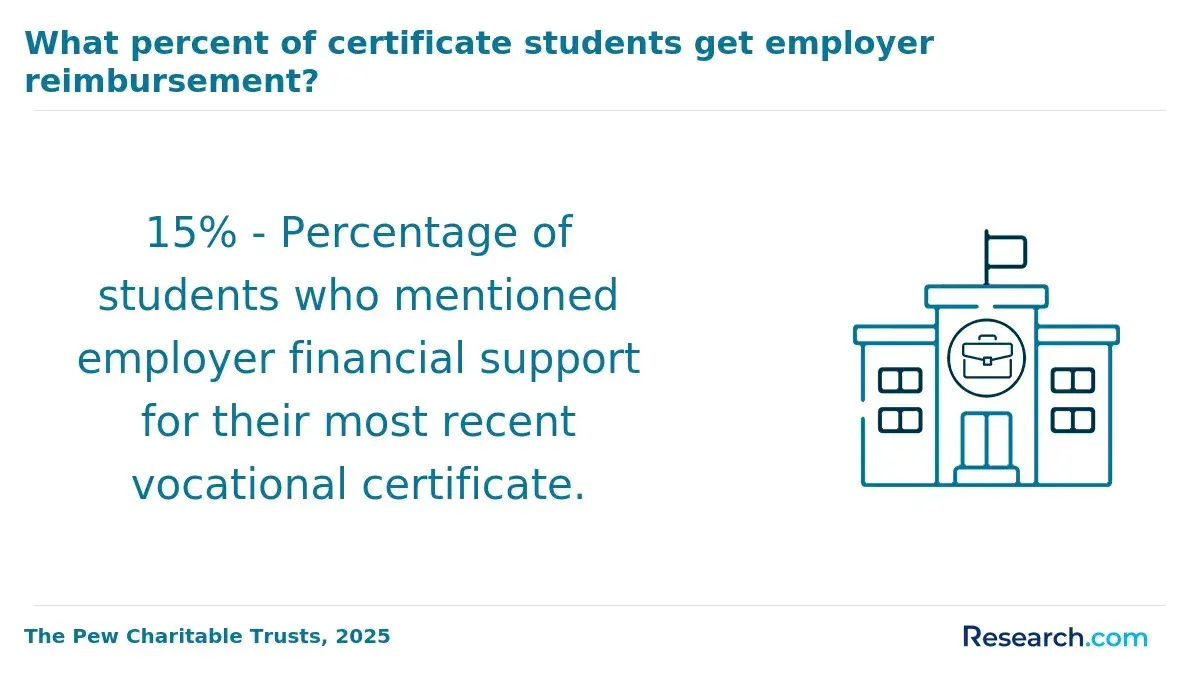
To reduce cost, prioritize transfer-credit evaluation, employer tuition assistance, public university options, scholarships for engineering students, and programs that let certificate credits stack into a degree. Avoid enrolling before receiving a written transfer-credit estimate and a complete cost breakdown.
What energy systems jobs can you get with an online mechanical engineering degree?
An online mechanical engineering degree can support many energy systems roles when the program is rigorous, accredited where needed, and aligned with the employer's technical expectations. Job titles vary because energy work appears across utilities, manufacturing, construction, automotive, aerospace, consulting, government, and technology companies.
The table below connects common energy-related roles with the mechanical engineering skills they typically use. It can help you choose electives, projects, and internships that match a target job family.
| Role | Typical responsibilities | Helpful preparation |
| Energy systems engineer | Analyze energy performance, improve system efficiency, model equipment, support design decisions | Thermodynamics, heat transfer, energy modeling, data analysis |
| HVAC or building systems engineer | Design or evaluate heating, cooling, ventilation, and building energy systems | Fluid mechanics, heat transfer, controls, building energy coursework |
| Renewable energy engineer | Support wind, solar thermal, geothermal, or hybrid energy projects | Energy conversion, project design, reliability, field testing |
| Thermal systems engineer | Develop cooling, heating, or heat-exchange systems for equipment, vehicles, electronics, or industrial processes | Advanced heat transfer, computational modeling, materials |
| Power generation or utility engineer | Maintain, improve, or design equipment used in power production and distribution support | Turbomachinery, fluids, controls, safety, reliability |
| Battery or electric vehicle thermal engineer | Manage heat, safety, and performance in battery packs or vehicle systems | Thermal management, controls, materials, simulation |
Entry-level graduates may start as mechanical design engineers, test engineers, energy analysts, field engineers, project engineers, or applications engineers. Advancement may lead to senior engineer, systems architect, engineering manager, project manager, principal engineer, or consulting roles. Some paths may require a Professional Engineer license, especially when signing off on public-facing designs or consulting work.
Students should build evidence of energy competence before graduation. Good signals include a capstone tied to energy performance, internships with utilities or manufacturers, participation in ASME or energy-related student competitions, software projects, and experience with measurement tools. Employers usually care about what you can design, calculate, test, and explain.
A common mistake is waiting until graduation to specialize. If you want energy systems work, choose projects early, ask faculty about energy research, and use electives strategically. A degree opens the door, but targeted experience helps you compete for the right role.
What salary can mechanical engineers in energy systems earn over their careers?
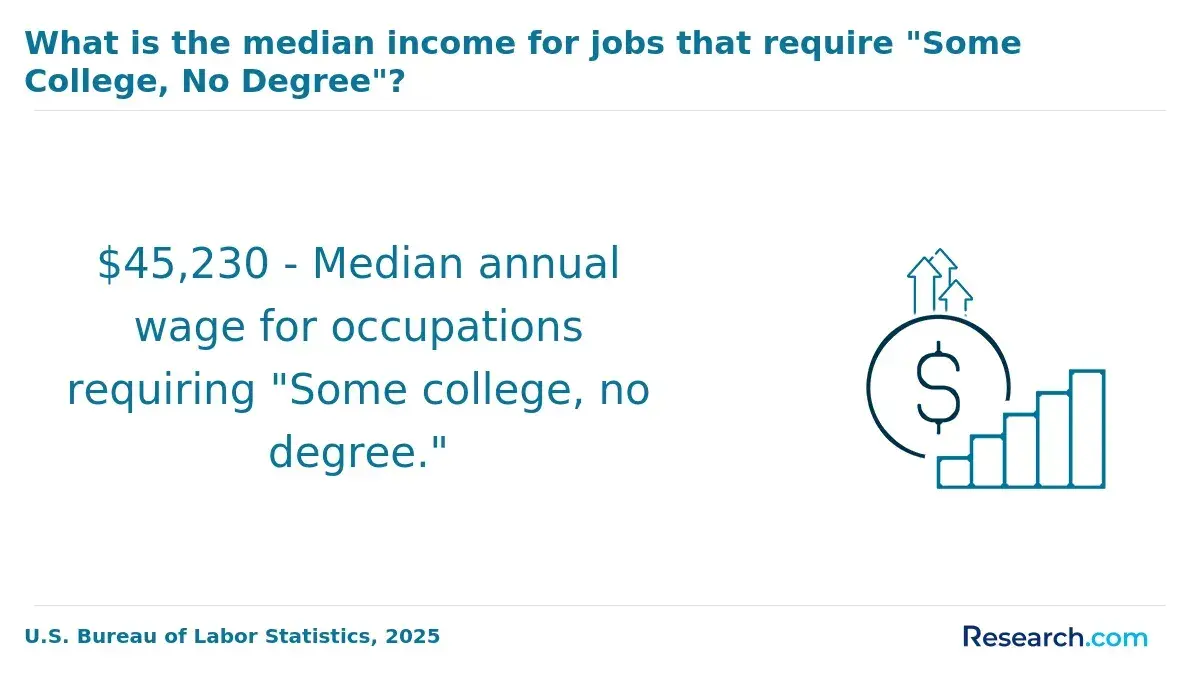
Salary for mechanical engineers in energy systems depends on occupation, industry, region, degree level, experience, licensure, technical specialty, and whether the role involves fieldwork, travel, security clearance, or management. BLS reported a 2024 median annual wage of $99,510 for mechanical engineers. This figure is useful as a national benchmark, but it should not be treated as a guaranteed outcome for any individual graduate.
Energy systems careers can sit above or below the national median depending on the employer. For example, a design role at a small building systems firm may pay differently from a thermal engineering role in aerospace, electric vehicles, advanced manufacturing, or energy technology. Graduate education may help with specialized roles, but experience, project results, and industry demand often influence pay just as much as the degree title.
The table below shows how salary expectations often change across a mechanical engineering career. It uses career stages rather than promised pay ranges because compensation varies too much by employer and location to quote responsibly without a specific job posting.
| Career stage | Typical role focus | What can influence earnings |
| Entry level | Design support, testing, modeling, documentation, energy analysis | Internships, software skills, location, industry, ABET-accredited degree |
| Mid career | Independent design responsibility, project leadership, client or vendor coordination | Specialization, PE licensure, field experience, successful projects |
| Senior level | Systems architecture, technical leadership, engineering management, consulting | Leadership scope, budget responsibility, patents, publications, regulated-project experience |
| Advanced specialist | Thermal modeling, energy optimization, advanced controls, battery systems, reliability | Graduate study, niche technical expertise, high-demand industry experience |
Students evaluating return on investment should compare expected debt against realistic local job opportunities. A lower-cost program with strong accreditation, transfer credits, and internship access may produce a better financial fit than a more expensive program with similar employer recognition. Also consider non-salary value, such as schedule flexibility, ability to keep working while studying, and access to energy employers near your location.
How is the job outlook for mechanical engineers working in modern energy industries?
The job outlook is favorable for mechanical engineers, especially those who can work across electrification, manufacturing, automation, thermal systems, and infrastructure modernization. BLS projects 11% employment growth for mechanical engineers from 2023 to 2033, which is faster than the average for all occupations. For students, this suggests that mechanical engineering remains a broad and adaptable pathway rather than a narrow credential tied to one energy technology.
Modern energy industries need engineers who can improve efficiency, integrate renewables, design cooling systems for electronics and batteries, support grid-connected equipment, reduce industrial energy waste, and maintain reliability in complex systems. However, demand is not evenly distributed. Local energy markets, federal investment cycles, manufacturing expansion, utility projects, and employer hiring budgets can all affect opportunities.
Students can improve their career readiness by taking deliberate steps while enrolled. These actions are practical because they build proof of skill, not just academic credit.
- Choose electives that match a target sector, such as HVAC, renewable energy, thermal systems, controls, energy storage, or manufacturing.
- Complete at least one project that includes measurable energy performance, cost trade-offs, or system efficiency analysis.
- Learn widely used tools in CAD, simulation, data analysis, and technical documentation.
- Join professional communities such as engineering student chapters, energy clubs, or local technical societies.
- Ask programs about internship support for online students before enrolling, not after classes begin.
Technology is changing the work, but it is not making mechanical engineering obsolete. AI-assisted design, automated simulation, smart sensors, and predictive maintenance tools can make engineers more productive, but employers still need people who understand physics, safety, materials, failure modes, and real-world constraints. Students who combine fundamentals with digital skills are likely to be better positioned than those who study only software or only traditional design.
The main red flag is choosing a program that does not connect coursework to industry practice. Look for faculty with energy expertise, capstone examples, employer relationships, and clear support for internships or applied projects. A strong online program should help you build a portfolio that shows how you solve energy problems, not just complete exams.
Other Things You Should Know About Mechanical Engineering
Yes, at least at a practical level. Many mechanical engineers use coding or scripting for data analysis, automation, simulation setup, controls, and design optimization. Python, MATLAB, and similar tools are especially useful for students interested in energy systems.
Some mechanical engineering tasks can be remote, such as modeling, documentation, data analysis, design review, and project coordination. However, lab testing, field inspections, manufacturing support, commissioning, and equipment troubleshooting often require in-person work.
For energy systems careers in 2027, mechanical engineers focus on the design and optimization of physical components like turbines and HVAC systems, while electrical engineers specialize in power systems, smart grids, and electronic controls. The choice depends on individual career interests in the sector.
Strong projects solve a measurable engineering problem. Examples include designing a heat exchanger, modeling building energy use, improving a solar thermal system, analyzing battery cooling, testing turbine components, or reducing energy waste in an industrial process.
References
- International Energy Engineering https://www.oth-aw.de/en/studies/study-offers/study-programmes/master/international-energy-engineering/
- Energy Systems Engineering Technology - 360 | Mohawk College https://www.mohawkcollege.ca/programs/technology/energy-systems-engineering-technology-360
- Online mechanical engineering courses | edX https://www.edx.org/learn/mechanical-engineering
- Mechanical Engineering Salary Guide 2026 https://turn2engineering.com/mechanical-engineering/mechanical-engineering-salary
- Renewable Energy Engineering Online Degree Programs - Educating Engineers https://educatingengineers.com/online-engineering-schools/renewable-energy-engineering-degrees/
- Mechanical Engineering Job Market Trends 2025 | Vista Projects https://www.vistaprojects.com/mechanical-engineering-job-market-trends/
- New energy https://www.careerpilot.org.uk/job-sectors/new-energy/job-profile/mechanical-engineer
- Online Mechanical Engineering Degrees 2025 https://www.affordablecollegesonline.org/degrees/engineering-programs/mechanical-engineering/
- Energy Majors: Which Should You Choose? - EnergyDegrees.org https://www.energydegrees.org/resources/energy-majors/
- How Short Courses Are Equipping Engineers Energy Transition : EIT – South Africa https://www.eit-za.com/short-courses-equipping-engineers-energy-transition/