2027 Can Student Loans Pay for Books and Supplies?

Student Finance & Loan Expert
Many students face unexpected expenses beyond tuition, such as textbooks and essential supplies, which can strain tight budgets. When financial aid covers tuition but not materials, students often question if their loans can subsidize these costs.
This uncertainty can delay purchasing necessary resources, impacting academic performance and progress. Understanding loan policies about non-tuition expenses is crucial for effective financial planning during graduate studies.
This article explores whether student loans can be used for books and supplies, clarifies common misconceptions, and offers guidance to help prospective students make informed funding decisions.
- Can student loans be used to pay for textbooks, laptops, and other course materials? Loan-covered materials
- How do schools disburse loan funds for books and supplies, and when do students get access? Disbursement timing
- What are typical rules and limits for using excess loan refunds on books and supplies? Refund limits
- How do federal student loans treat book and supply costs in the cost of attendance? Federal COA
- Do private student loans cover books and supplies differently from federal loans? Private loan coverage
- What is a bookstore or financial aid voucher, and how does it work with student loans? Bookstore vouchers
- Can student loans pay for technology like laptops, software, and internet needed for classes? Tech expenses
- Are there restrictions on using loan funds for off-campus or online course materials? Off-campus materials
- How can students minimize borrowing for books and supplies and still get what they need? Borrowing less
- What happens if I misuse student loan funds meant for books and supplies? Misuse consequences
Can student loans be used to pay for textbooks, laptops, and other course materials?
Student loans can cover textbooks, laptops, and other educational materials if these expenses are included in your school's Cost of Attendance (COA). Schools often allocate funds specifically for books and supplies, which may include required textbooks, software, and technology devices necessary for coursework.
For instance, undergraduate students typically budget around $1,240 annually for books and supplies, reflecting common allowances in financial aid packages. Using student loans to pay for laptops and educational materials is possible, but these items must be deemed essential by the school or academic department to qualify.
Loan funds can pay for:
- Required textbooks and e-books listed on course syllabi.
- Essential software or subscriptions mandated by the program.
- Laptops or tablets specified as necessary by the institution.
- Other supplies related to your field, such as lab equipment or art materials.
It is important to check with your financial aid office about which items are approved under your loan disbursement, as some institutions may exclude electronics from their COA. Renting or buying used textbooks can reduce costs, but loans remain a viable option when these materials cannot be avoided.
To learn more about options and how to get student loans quickly, students can explore additional resources. Careful budgeting and communication with financial aid advisors can help maximize the benefits of student loans for all necessary educational expenses, especially for those wondering can student loans cover textbooks and course supplies.
How do schools disburse loan funds for books and supplies, and when do students get access?
Schools generally disburse student loan funds for books and supplies at the start of each term or semester, often alongside tuition payments. However, policies vary by institution and loan type. For federal loans, funds are usually credited to the student's account first to cover tuition and fees. Any remaining balance is refunded to students, allowing them to purchase required course materials.
Timing plays a crucial role: student loan disbursement timing for textbooks and supplies typically occurs within two weeks before classes begin. Delays can happen due to financial aid verification or confirming enrollment status.
Some schools ease access by offering textbook vouchers or billing arrangements with partnered bookstores, enabling students to acquire materials without waiting for refunds.
Private loans and institutional aid may have different disbursement schedules, sometimes releasing funds later depending on academic progress or enrollment confirmation.
Students should consult their school's financial aid office to understand specific timelines and to avoid late purchases that could impact academic success. This is important when considering how do schools disburse student loan funds for books and supplies effectively.
The National Association of College Stores reports students spend an average of $484 annually on course materials and $612 on technology and supplies. Despite these costs, spending has declined over the last decade due to digital materials, rentals, and alternative buying options.
Those planning their budgets carefully between disbursement and bill payment dates can benefit from early communication with aid offices. For more information on loan options, consider reading this ascent student loans review.
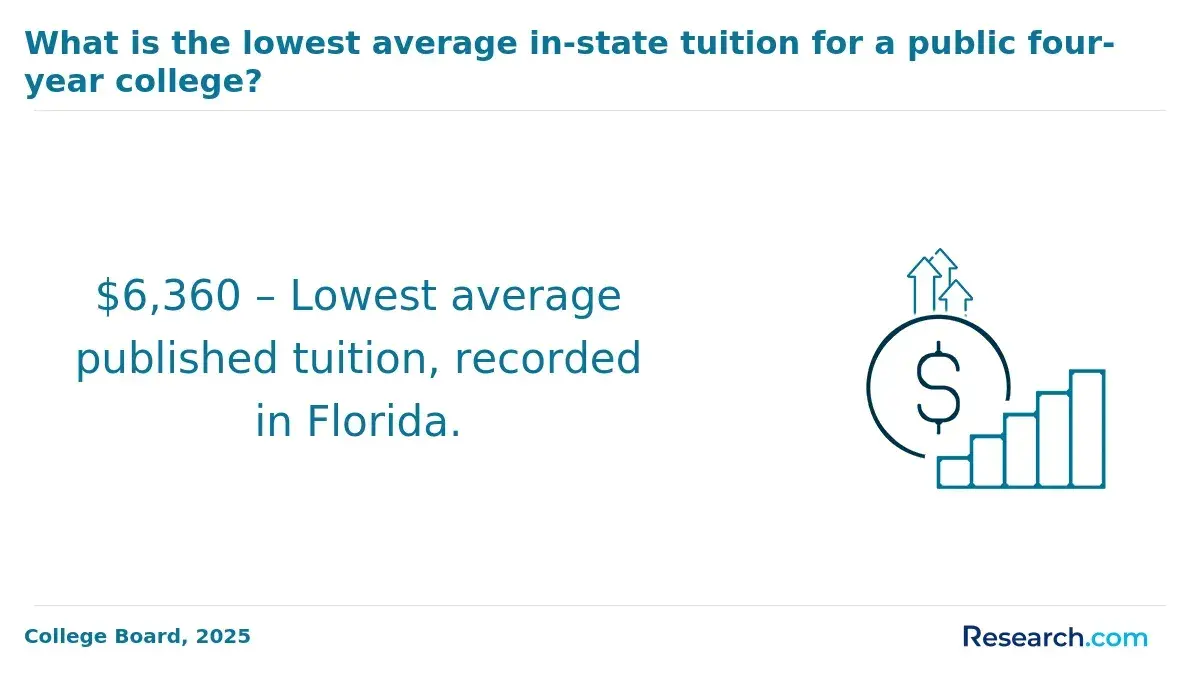
What are typical rules and limits for using excess loan refunds on books and supplies?
Excess loan refunds occur when the amount of your student loan disbursed exceeds tuition and fees owed. Schools typically release this surplus directly to students, allowing the funds to cover educational expenses like books and supplies, but students must adhere to specific rules for using excess student loan refunds on educational expenses.
Federal student loan funds can be used for essential costs related to enrollment and attendance, including:
- Textbooks and other required course materials.
- Supplies needed for classes, such as lab kits or software.
- Computers and technology if approved by the school as necessary for coursework.
Each institution usually evaluates the student's budget to set typical refund limits for student loans on books and supplies. Refund amounts cannot exceed the remaining cost-of-attendance (COA) budget after tuition and mandatory charges are paid. For example, if the COA allocates $1,000 for books and supplies but your refund is only $600 after tuition, then only $600 can be used for these expenses.
According to a Cengage-Morning Consult survey, 85% of college students cite buying textbooks as a major financial stress after tuition, underscoring the importance of access to loan refunds for educational costs. Students seeking additional financial support can explore scholarships for adults going back to school as a valuable resource.
How do federal student loans treat book and supply costs in the cost of attendance?
Federal student loans treat books and supplies as a core part of the cost of attendance (COA), allowing these expenses to be covered by loan funding. The Department of Education includes necessary academic materials such as textbooks, software, and lab supplies in the COA along with tuition and fees. This ensures that when financial aid packages are calculated, these costs are factored in adequately.
The coverage for books and supplies under federal student loans means borrowers can use loan funds directly for these items or receive disbursements that include their cost. For example, a Direct Subsidized Loan may cover both tuition and the COA portion allocated to required books, providing comprehensive financial support.
This flexibility extends similarly to private and PLUS loans under federal guidelines, reflecting how federal student loans coverage for books and supplies works in practice.
- Books and supplies must be certified by the institution as essential for enrolled courses.
- Costs for necessary equipment like laptops may also be allowed.
- Loan funds cannot pay for expenses outside of the certified COA.
Loan limits are set by the institution's COA to prevent borrowing beyond necessary educational expenses, guaranteeing access to required academic tools without excessive debt.
According to the College Board's Trends in Student Aid 2025, students and parents borrowed a combined $102.6 billion in federal and nonfederal education loans applicable to certified costs including books and supplies. Understanding how federal student loans include book and supply expenses in cost of attendance is crucial for managing education costs effectively.
For borrowers seeking to optimize loan repayment options, exploring the best banks that refinance student loans can provide significant financial benefits and greater flexibility.
Do private student loans cover books and supplies differently from federal loans?
Private student loans often cover books, supplies, and other educational expenses with more flexibility than federal loans. Unlike federal loans, which have strict guidelines on eligible costs, private lenders may allow funds to be used for items such as textbooks, course materials, or necessary technology like laptops and software if the school certifies these expenses.
Approximately 9.1% of total U.S. student loan debt-around $29.7 billion including refinance loans-is from private education loans, showing their widespread use for comprehensive educational costs beyond just tuition.
However, coverage can differ between lenders. Some require verification from the school confirming that books and supplies are mandatory, while others permit broader use without extensive proof. For example, private loans might cover program-specific equipment like lab materials or art supplies, which federal loans often exclude.
Borrowers should carefully read loan agreements to understand what expenses qualify and keep in mind that private loans lack federal repayment protections like income-driven plans or forgiveness programs. This means budgeting prudently is essential to avoid borrowing more than necessary.
- Private loans often require school certification to cover books, supplies, and equipment.
- Loan terms and permitted expenses vary significantly by lender.
- Private loans do not offer federal repayment protections, so careful financial planning is critical.
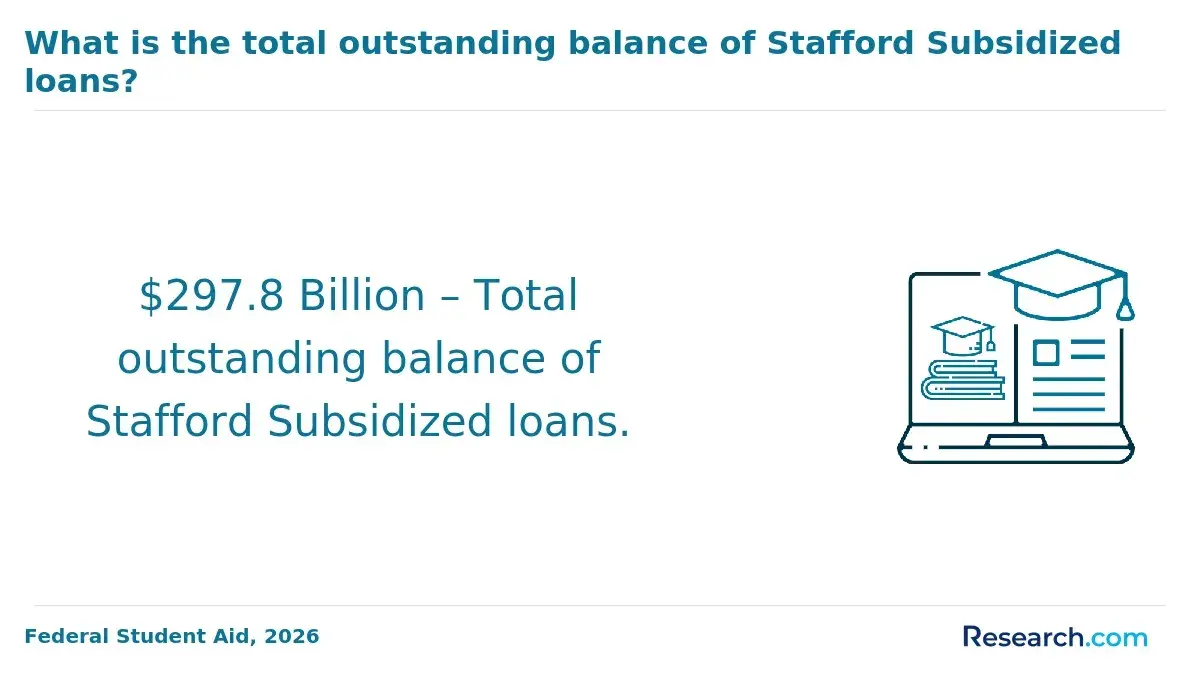
What is a bookstore or financial aid voucher, and how does it work with student loans?
A bookstore or financial aid voucher acts as prepaid credit from a school's financial aid office, enabling students to buy required books and supplies at the campus bookstore or authorized vendors.
These vouchers allocate a portion of student loan funds specifically for educational materials, ensuring financial aid is used strictly for academic expenses. Rather than receiving direct cash, students get a voucher covering costs up to a limit set by the school's cost of attendance (COA).
Estimates for book and supply costs vary by school and influence borrowing limits. For instance, if a school allows an allowance of $1,800, students may borrow up to $560 more than at a school using the national average of about $1,240. These borrowing caps tie to the overall COA, which includes tuition, housing, and supplies.
Voucher systems often require early semester redemption and restrict purchases to items like textbooks and lab materials, excluding general merchandise. Institutions may issue paper vouchers or use electronic accounts linked to student IDs.
When loans fund these vouchers, it's important for students to:
- Track allocation to educational materials to avoid overspending.
- Ensure funds are not misused on non-academic items.
- Manage aid effectively to cover all education-related costs.
This controlled spending through vouchers helps maintain proper use of borrowed funds dedicated specifically to school supplies.
Can student loans pay for technology like laptops, software, and internet needed for classes?
Student loans can cover essential technology costs such as laptops, software, and internet access, as these are considered authorized educational expenses under federal loan guidelines.
This ensures students have the tools needed for class participation, supporting an increasingly digital learning environment. Typical technology expenses include buying or repairing a laptop, subscribing to required software, and paying for reliable internet service for remote or online classes.
- Laptops for fields like engineering or design may require higher specifications, often costing $1,000 or more.
- Specialized software licenses, such as for statistical analysis or graphic design, can cost several hundred dollars each year.
- High-speed internet access, necessary for online coursework and research, might range from $50 to $100 monthly.
While borrowing to cover technology is practical, students should avoid inflating loan amounts. For example, financing $1,200 in books and supplies-including technology-might account for about 4% of an average total student debt of $29,560. Over multiple semesters, these costs can substantially increase loan balances and repayment commitments.
Students should consider lower-cost options like school computer labs, institutionally licensed software, and subsidized internet. Itemizing technology expenses helps prevent borrowing beyond actual needs. Careful budgeting and understanding loan terms are key to managing the financial impact.
Are there restrictions on using loan funds for off-campus or online course materials?
Federal student loans can be used to purchase off-campus and online course materials, such as textbooks, software, and other necessary supplies directly related to your program. These funds are valid for materials bought from approved vendors including on-campus bookstores, third-party retailers, or online platforms.
Schools determine loan disbursement eligibility based on cost of attendance budgets, which typically include estimated expenses for books and supplies. This means costs for required software subscriptions or off-campus textbooks in online courses are factored into loan amounts.
Restrictions apply: expenses must be reasonable and essential for coursework. Luxury editions or unnecessary extras usually do not qualify. Some institutions may also limit how much of the loan can be used for supplies.
Textbook prices surged 88% between 2006 and 2016, outpacing tuition and housing increases according to the Bureau of Labor Statistics data cited by NASFAA. This sharp rise underscores the financial burden of course materials.
To optimize loan usage:
- Confirm required materials with instructors and ensure purchases meet loan eligibility.
- Compare prices across retailers, including options for used and digital versions.
- Keep receipts and documentation in case proof of expenses is requested by your school.
How can students minimize borrowing for books and supplies and still get what they need?
Proactively budgeting and exploring alternatives can significantly reduce the need to borrow for books and supplies. Comparing textbook editions and opting for used or digital versions often saves up to 50% compared to new copies. Renting textbooks also lowers upfront costs and decreases borrowing needs.
Campus libraries sometimes offer short-term loans of required materials, while certain universities provide textbook scholarships or lending programs to ease financial burdens.
Open educational resources (OER), including free or low-cost materials shared by professors, offer an effective way to eliminate costs altogether.
Planning ahead by researching course syllabi early helps students identify necessary materials and seek discounts or financial aid options. Some federal loan programs permit covering books and supplies within total loan amounts under the cost of attendance.
According to NCES data, only 38% of first-time, full-time undergraduates received loan aid in 2020-21, down from 50% a decade earlier. Those who borrow can manage costs by prioritizing tuition and major expenses, then using savings or cheaper methods for supplies.
- Joining student resale groups on social media or campus bulletin boards.
- Pooling resources with classmates to share or exchange materials.
- Consulting financial aid offices about emergency grants or funds for supplies.
These approaches lessen reliance on loan funds, helping maintain borrowing capacity for essential tuition payments and lowering overall debt. Effective planning and resourcefulness are key to limiting unnecessary loan increases.
What happens if I misuse student loan funds meant for books and supplies?
Federal student loans are allocated specifically for educational costs like books and supplies. Using these funds for non-educational expenses-such as entertainment or personal travel-violates loan terms and can trigger serious consequences.
Possible repercussions include:
- Immediate repayment demands, which increase financial pressure.
- An elevated risk of loan default, hurting credit scores and future aid eligibility.
- Loss of financial aid eligibility, as schools and lenders may revoke current and future loans.
- Legal penalties for intentional fraud, including fines or further legal action.
The average federal student loan balance was $39,547 as of 2025 Q4, with 10.0% of loans delinquent. Misusing funds meant for necessary educational expenses increases the risk of financial instability. Without proper fund allocation, borrowers may encounter difficulty repaying their loans, worsening debt burdens over time.
Students should keep thorough records of textbook and supply purchases and talk with their financial aid office before reallocating loan funds. If unexpected costs arise, consider part-time work or scholarships as alternatives to misusing loans. Responsible management helps protect both academic progress and long-term financial health.
Other Things You Should Know About
Yes, printing and photocopying expenses related to your coursework can typically be included as part of your educational supplies, which are covered under student loan funds. These costs must be reasonable and necessary for completing class assignments or projects. However, it's important to keep receipts and records to verify these expenses if required by your school or loan servicer.
Yes, in 2027, student loans can be used to pay for printing and photocopying costs as they are considered part of essential educational expenses. These expenses need to be directly related to your coursework and educational needs.
Yes, if tutoring or academic support services are required or recommended by your school, their costs may be covered by your student loans. These services must be directly related to your enrollment and academic progress. It is best to confirm with your financial aid office whether such expenses are allowable under your loan provisions.
Student loans can often be applied to study abroad program fees if the program is approved by your institution and counted toward your degree. Loan funds may cover tuition, housing, and required fees associated with the program. To ensure eligibility, verify that your study abroad expenses are included in your school's cost of attendance and approved by your financial aid office.