2027 How Parents Can Avoid Overborrowing for College

Student Finance & Loan Expert
Many families face a common dilemma: how to finance higher education without accumulating excessive debt. Parents often worry about borrowing too much, affecting both their financial future and that of their children. Overborrowing can lead to long-term fiscal strain, limiting opportunities after graduation. This challenge is compounded by varying tuition rates, living costs, and unexpected expenses. Effectively managing borrowing decisions requires clear insight into loan options and repayment impacts. This article will examine practical strategies to avoid overborrowing, helping parents make informed choices that balance educational goals and financial security.
- How can parents estimate a realistic college budget before considering any loans? How can parents estimate
- What steps should families take to maximize grants, scholarships, and savings before borrowing? Maximizing financial aid
- How do federal parent PLUS loans work, and what are the real long-term risks? Parent PLUS loans
- How much should parents safely borrow for college without jeopardizing retirement? Safe borrowing
- How can parents compare federal parent loans with private loans and co-signed student loans? Parent loans vs private loans vs student loans
- What strategies help split college costs fairly between parents, students, and other funding sources? Cost sharing
- How do interest rates, fees, and repayment terms affect parents' total borrowing cost? Loan costs
- Which repayment plans, forgiveness options, and protections are available for parent borrowers? Parent protections
- How can parents use payment plans, 529s, and employer benefits to reduce loan needs? Reduce loans
- What should parents do if they've already overborrowed and are struggling with payments? Overborrowing help
How can parents estimate a realistic college budget before considering any loans?
Parents estimating college expenses before taking out loans should begin with a detailed calculation of all anticipated costs, including tuition, fees, room and board, textbooks, supplies, transportation, and personal expenses. Reliable sources like the U.S. Department of Education's College Scorecard or individual college websites provide accurate cost of attendance figures to base the budget on.
Next, evaluating available resources such as income, savings, and expected financial aid is critical. Sallie Mae's report shows that parents contributed 49% of college costs and 74% of families used parent income and savings, emphasizing the need for parents to prioritize contributions within a sustainable budget.
To help parents calculate a realistic college budget, consider these steps:
- Calculate annual household income after taxes
- Review current savings earmarked for education
- Estimate scholarships and grants linked to the student's academic profile
- Include potential work-study or part-time job income
- Factor in living expenses that may change during college
Aligning these expenses with actual available funds will reveal any funding gap to be filled through borrowing. For instance, if total costs reach $40,000 and parents have $35,000 through savings and income, the $5,000 shortfall indicates the loan amount needed, avoiding excessive debt. Parents should also explore options like federal loans for dental school or similar loan programs when applicable.
Using detailed budget worksheets from financial aid offices or nonprofit advisors helps facilitate this realistic approach to budgeting. Accurate planning enables choosing colleges within financial means, reducing the risk of overborrowing and ensuring better financial stability through the educational journey.
What steps should families take to maximize grants, scholarships, and savings before borrowing?
Families should first exhaust all available grants, scholarships, and savings before considering loans. Begin by submitting the Free Application for Federal Student Aid (FAFSA) early to unlock federal grants like the Pell Grant and qualify for many institutional scholarships. Meeting priority deadlines set by states and colleges is critical to maximize grants and scholarships for college funding.
Target scholarships beyond obvious academic awards. Local organizations, employers, and community groups often offer smaller awards that accumulate. Use online databases tailored to your demographics, interests, or intended major to find hidden opportunities.
Understand the full cost of attendance, not just tuition. The average published in-state tuition at public four-year colleges is $11,380, but total expenses including housing, meals, and books average $29,790, according to the College Board's "Trends in College Pricing and Student Aid 2024." Budget accordingly when planning savings and aid.
Maximize tax-advantaged savings accounts like 529 plans, which grow tax-free when used for qualified education costs. Encourage relatives to contribute to these accounts as gifts to boost your savings pool. These are effective family college savings strategies before borrowing.
Review financial aid offers carefully from multiple institutions, comparing net costs after grants and scholarships. Sometimes schools with higher sticker prices provide more aid, lowering out-of-pocket expenses. For those needing further financial support, research options like ascent student loans eligibility before borrowing.
Adjust family saving habits and reduce discretionary spending early to decrease loan dependence. Increasing direct contributions to college savings can substantially reduce the amount borrowed.
How do federal parent PLUS loans work, and what are the real long-term risks?
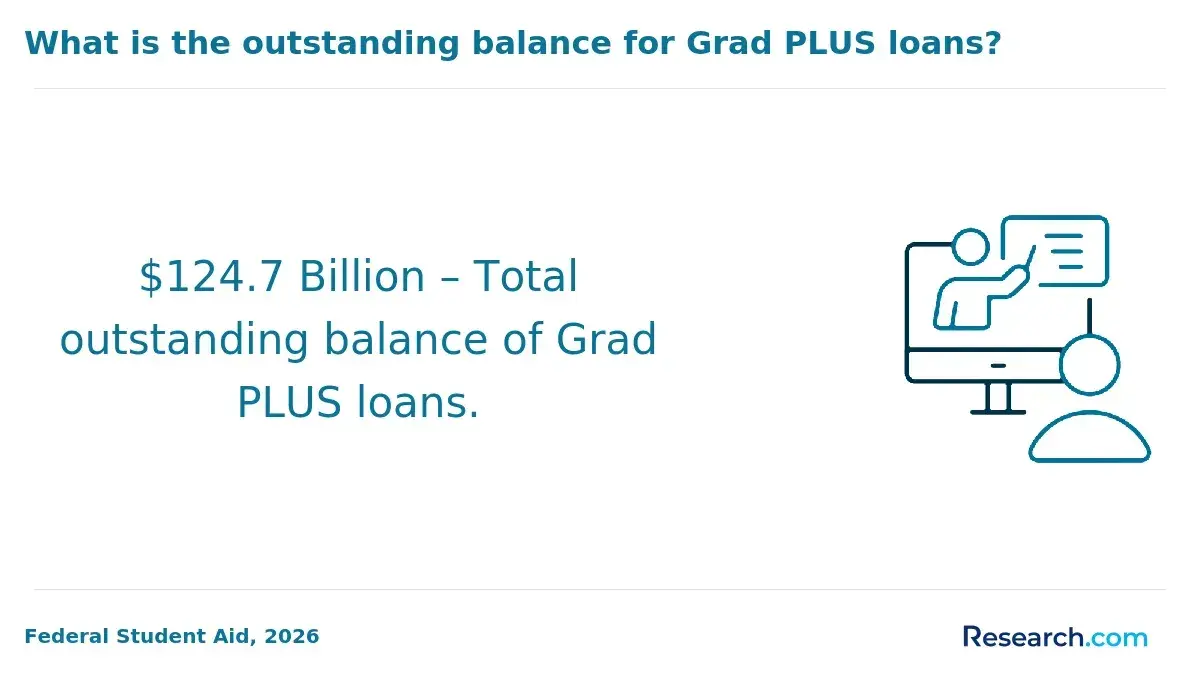
Federal parent PLUS loans explained for parents reveal they allow borrowing up to the full cost of college attendance minus other aid, with a fixed interest rate. These loans require a credit check and must be repaid by the parent, usually starting within 60 days of disbursement or after the student leaves school. The primary long-term financial risks of parent PLUS loans stem from their high borrowing limits and mandatory repayment schedules.
Unlike Direct Subsidized or Unsubsidized loans, PLUS loans offer no income-driven repayment options by default. Interest accrues during school and can capitalize, significantly increasing total debt. Large loan balances may impact credit scores and cause financial strain for families.
According to the Federal Reserve's report on economic well-being, only 45% of adults with education debt feel benefits outweigh the costs, while 27% think the costs dominate. For example, a $50,000 PLUS loan can require monthly payments of more than $500 for ten years, which may impede saving for retirement or emergencies.
Parents should limit borrowing to essential amounts, explore income-driven repayment plans for students or private loans with co-signers, and use college funding calculators to estimate repayment scenarios accurately. More information on parent loan options for college can help families make informed choices.
Since PLUS loans lack deferment options based on income, parents must plan carefully to avoid default and wage garnishment.
How much should parents safely borrow for college without jeopardizing retirement?
Parents funding college should borrow no more than they can realistically repay without jeopardizing retirement savings. A common guideline is limiting borrowing to around 5% of the total expected college expenses. This approach helps maintain a safe borrowing limit for parents funding college while protecting long-term financial goals.
To determine how much parents should borrow for college without risking retirement, it is important to:
- Estimate the complete cost of attendance including tuition, fees, room, board, and other expenses.
- Subtract available savings and expected financial aid, prioritizing grants and scholarships.
- Avoid loans exceeding 20% to 30% of parents' annual income to keep repayments manageable.
Nearly 30% of families skipped filing the FAFSA, a crucial step that unlocks grants and scholarships. Prioritizing grant and scholarship aid before loans minimizes borrowing needs and reduces long-term debt burdens. Federal Parent PLUS loans carry higher interest rates and fewer protections, while private loans may present additional risks.
Understanding loan terms is essential when considering borrowing options. For families interested in specialized funding resources, consulting information on student loans for nursing school can provide important insights. For example, a household earning $100,000 annually should cap borrowing between $20,000 and $30,000 to avoid payments that might hinder retirement contributions. Parents must regularly reassess borrowing strategies as college costs and aid offers evolve to maintain balance.
How can parents compare federal parent loans with private loans and co-signed student loans?
Federal Parent PLUS loans have fixed interest rates set annually by the government, often resulting in higher average balances. According to the Education Data Initiative's 2026 Student Loan Debt Statistics, borrowers aged 62 and older hold an average balance of $42,780 in these loans, indicating significant long-term repayment concerns for older parents.
Private loans may offer lower or variable rates, but these can increase repayment costs over time. Approval typically requires good credit or a co-signer, usually the student, and repayment options tend to be less flexible than federal loans. Co-signed student loans put primary responsibility on the student but hold co-signers accountable if the student defaults, potentially impacting the co-signer's credit.
When weighing options, parents should:
- Calculate total repayment costs including interest, fees, and loan duration.
- Review borrower protections like deferment, forbearance, and income-driven repayment plans, which are generally available with federal but rarely with private loans.
- Consider eligibility factors such as credit checks and the effect of co-signing on credit scores.
- Evaluate long-term financial risks, especially for older parents nearing retirement.
For instance, federal Parent PLUS loans may have higher interest rates but offer income-driven repayment and possible loan forgiveness. Private loans might have lower rates but lack such protections. Co-signed loans could lower borrowing costs if the student has strong credit, but increase risks for co-signers.
What strategies help split college costs fairly between parents, students, and other funding sources?
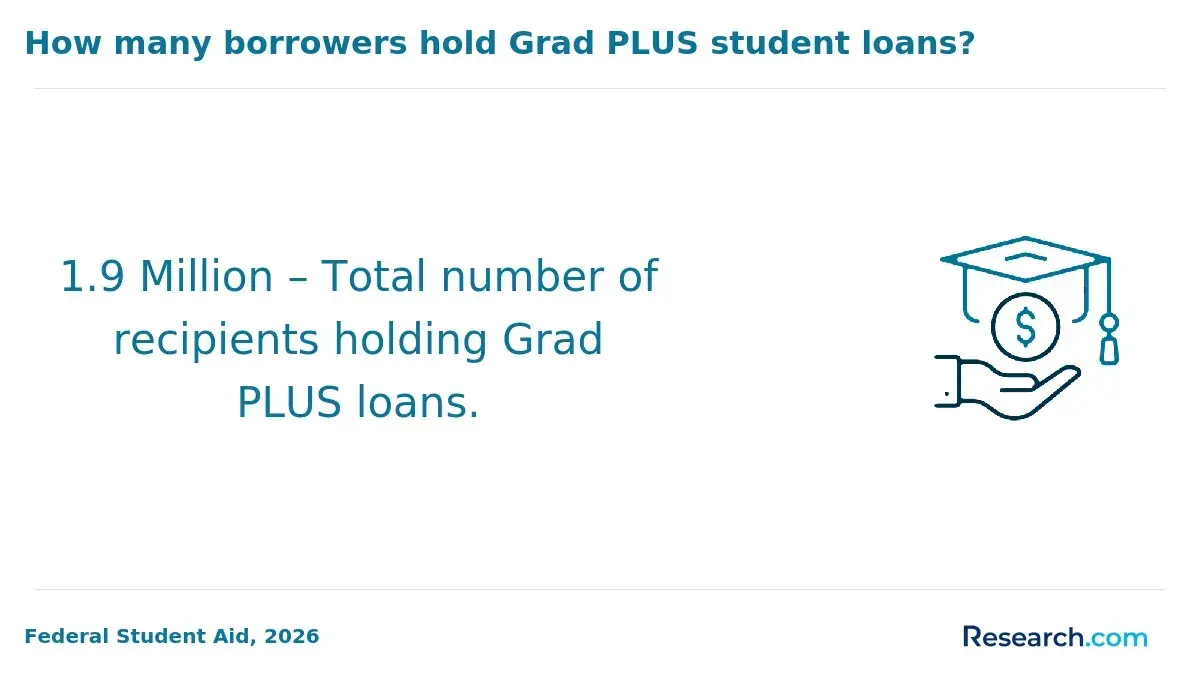
Fairly dividing college expenses among parents, students, and other funding sources requires clear budgeting and realistic expectations. Parents should evaluate their financial capacity carefully to avoid excessive borrowing. For example, 3% of federal student loan borrowers aged 62 or older carry an average balance of $42,780, highlighting the long-term impact of Parent PLUS and other loans, as noted by the Education Data Initiative's 2026 Student Loan Debt Statistics. Setting a firm parent contribution limit before considering loans helps prevent overwhelming debt.
Students can reduce borrowing needs by contributing savings or earnings from part-time work. Families may agree on a shared funding approach such as:
- Parents covering tuition and fees within a sustainable range based on income and retirement plans.
- Students using summer jobs or savings for living costs.Pursuing scholarships, grants, and federal aid that don't require repayment.
- Employing institutional payment plans to spread expenses without high interest.
Parents should prioritize federal loans only when necessary and be cautious with Parent PLUS loans, which might jeopardize retirement security. Alternatives such as private or home equity loans need thorough review due to fluctuating interest rates. Open communication about payment responsibilities and limits is vital to ensure all parties understand their roles.
Utilizing net price calculators from colleges can clarify true costs and support equitable cost-sharing. This reduces surprises and fosters responsible borrowing. Clear financial agreements help prevent strain and promote academic success without placing unsustainable debt burdens on parents.
How do interest rates, fees, and repayment terms affect parents' total borrowing cost?
Interest rates, fees, and repayment terms are key factors that influence the total cost parents pay for college loans. Higher interest rates increase the repayment amount, potentially doubling the original loan if the repayment period is long. For example, on a $30,000 loan, a 6% interest rate compared to 4% can add thousands of dollars in interest over a decade.
Fees, such as origination fees ranging from 1% to 4%, add upfront costs or reduce the amount disbursed. These fees often confuse borrowers because they are deducted before funds are released, meaning parents may borrow more or receive less to cover tuition.
Repayment terms affect monthly payments and total interest. Longer terms reduce monthly costs but increase total interest paid, while shorter terms save money but require higher payments, which might be challenging for some families. Some loans offer interest-only payments during school, deferring interest capitalization but potentially increasing overall costs.
Borrowers should carefully compare loan options by considering:
- Interest rate type: fixed rates ensure predictability; variable rates may start low but can rise.
- Fees: look out for origination and prepayment penalties.
- Repayment flexibility: options like deferment, forbearance, or income-driven plans can help avoid default but may lengthen debt repayment.
Data from NCES Fast Facts shows that among 2015-16 bachelor's degree completers, borrowers still owed an average of 78% of their initial debt after four years. Pell Grant recipients owed 85%, while non-Pell recipients owed 66%, illustrating the complexity of loan repayment.
Which repayment plans, forgiveness options, and protections are available for parent borrowers?
Parent borrowers with Parent PLUS Loans have several repayment options designed specifically for their loan type. The standard repayment period is 10 years, but parents can also opt for Income-Contingent Repayment (ICR), which adjusts payments based on income and family size. ICR caps payments at 20% of discretionary income and can extend repayment up to 25 years.
For forgiveness, parents employed full-time by government or non-profit organizations may qualify for Public Service Loan Forgiveness (PSLF) after 120 qualifying payments. To be eligible, Parent PLUS Loans must be consolidated into a Direct Consolidation Loan, and the borrower must enroll in ICR.
Additional borrower protections include deferment and forbearance options during financial hardships, unemployment, or hospitalization. Parents are not eligible for other income-driven plans or forgiveness options targeting undergraduate loans, which limits flexibility compared to student borrowers.
Choosing less expensive education paths like community colleges or living with parents can reduce borrowing needs. According to the Education Data Initiative's 2026 Student Loan Debt Statistics, only 31.1% of undergraduates living with parents take federal student loans, versus 57.4% among those living on campus, highlighting lower loan demand for students at home.
How can parents use payment plans, 529s, and employer benefits to reduce loan needs?
Parents can reduce reliance on student loans by using a combination of payment plans, 529 savings accounts, and employer education benefits. Many colleges offer payment plans that let families spread tuition over several months without interest, easing monthly cash flow and avoiding loan interest. For example, dividing a $12,000 tuition into 12 monthly payments of $1,000 is often more manageable than taking a $12,000 loan plus interest.
529 plans offer tax advantages specifically for education costs. Contributions grow tax-free, and withdrawals for qualified expenses avoid federal taxes. Consistent contributions over time can accumulate significant savings. For instance, contributing $200 monthly over 10 years at a 6% return could grow to over $31,000, significantly offsetting college expenses.
Employer benefits can also reduce education costs. Some employers provide tuition assistance or reimbursement, sometimes up to $5,000 annually. Parents should check if their company offers these programs to decrease out-of-pocket expenses before turning to loans.
A report by Talking Honestly About Family Finances found that 13% of midlife parents carry child-related education debt averaging $21,000. This debt is more common among higher-income and more educated parents, highlighting the need for proactive planning.
Using these strategies helps families avoid escalating debt and interest, making education financing more manageable.
What should parents do if they've already overborrowed and are struggling with payments?
Parents struggling with loan payments after overborrowing should act quickly to minimize long-term financial impact. Reviewing all loan terms-including interest rates, repayment plans, and deferment options-is critical. For instance, Federal Parent PLUS loans may be eligible for income-driven repayment plans like the Revised Pay As You Earn (REPAYE) program, which can reduce monthly payments based on income and family size.
Refinancing through private lenders can lower interest rates but often comes at the cost of losing federal protections. This option should only be pursued after exhausting federal solutions and when a strong credit profile exists.
Communicating promptly with loan servicers can uncover alternative repayment options or temporary forbearance periods. These may include payment pauses or reduced payment plans during financial hardship, easing immediate burdens.
Parents are encouraged to consult certified financial planners or nonprofit credit counselors with expertise in student debt. Nearly 40% of parents who borrow for college risk harming retirement savings while repaying loans, according to the "Protecting Parents' Retirement While Helping with College" report.
Additional strategies include:
- Exploring partial loan forgiveness if the student qualifies for income-based programs
- Creating a detailed budget prioritizing debt reduction
- Reducing discretionary spending or increasing income without compromising retirement contributions
Other Things You Should Know About
Yes, parents can refinance or consolidate student loans to potentially lower their interest rates and reduce monthly payments. However, refinancing federal loans with a private lender may cause loss of federal protections like income-driven repayment and loan forgiveness options. It is important to carefully evaluate the benefits and drawbacks before choosing to refinance or consolidate.
In 2027, parents can explore resources like the FAFSA for federal aid and scholarships, and consult college financial aid offices. Additionally, attending financial planning workshops and using online calculators can help in strategizing costs without overborrowing.
Overborrowing in parent loans can strain a family's finances by increasing monthly debt obligations and potentially affecting retirement savings and credit scores. High loan balances may also limit financial flexibility for emergencies or other priorities. Careful planning and borrowing only what is necessary helps protect long-term financial health.
If a student or family experiences a significant financial change, such as job loss or unexpected expenses, parents can contact loan servicers to discuss options like deferment, forbearance, or income-driven repayment plans. These programs may provide temporary relief or adjusted payments to help manage loan obligations. Timely communication with lenders is essential to avoid penalties or default.