2027 Pharmacy Careers That Reward Strong Clinical Judgment

Co-Founder and Chief Data Scientist
Choosing a pharmacy career now means deciding how much direct patient care and clinical responsibility you want. The U. S. Bureau of Labor Statistics reports a median pharmacist salary of $137,480 as of May 2024, with pharmacist employment projected to grow 5% from 2024 to 2034. This guide is for students, career changers, and healthcare workers comparing PharmD pathways, clinical roles, residencies, and alternatives. You will learn which pharmacy careers reward careful decision-making, what training they require, and how to choose a program that fits your goals.
Key Things You Should Know
- Clinical pharmacy roles usually require a PharmD, state licensure, and strong patient-assessment skills; hospital, ambulatory care, oncology, critical care, infectious disease, and pharmacotherapy roles often rely most heavily on clinical judgment.
- The BLS reported a May 2024 median pharmacist wage of $137,480, but pay varies by setting, region, employer, shift structure, residency training, and specialization.
- For students aiming at advanced clinical practice, ACPE accreditation, experiential rotations, residency match support, and board-certification preparation often matter more than whether a PharmD program is labeled online or campus-based.
Which pharmacy careers rely most on strong clinical judgment and patient-facing decision-making?
Pharmacy careers differ widely in how much independent clinical reasoning they require. In this context, clinical judgment means the ability to assess patient-specific factors, interpret medication risks and benefits, collaborate with prescribers, and recommend safe therapy changes rather than simply dispensing a prescription.
The roles below are among the strongest fits for people who want medication expertise to affect real-time patient care. The table compares where clinical judgment is most visible, which can help you decide whether you want acute care, long-term relationship-based care, or a specialized medication role.
| Career path | Common setting | Where clinical judgment shows up | Best fit for |
| Clinical pharmacist | Hospitals, clinics, academic medical centers | Medication therapy evaluation, dosing recommendations, adverse-event prevention, treatment-team consultation | Students who want direct patient-care responsibility and interprofessional teamwork |
| Ambulatory care pharmacist | Primary care clinics, outpatient specialty clinics, health systems | Chronic disease medication management for diabetes, hypertension, anticoagulation, asthma, and related conditions | People who prefer ongoing patient relationships and measurable therapy goals |
| Critical care pharmacist | ICUs and emergency departments | Rapid dosing decisions, renal and hepatic adjustment, sedation monitoring, antimicrobial choices, emergency medication support | Students comfortable with high-pressure decisions and unstable patients |
| Infectious disease pharmacist | Hospitals, antimicrobial stewardship programs, public health-linked teams | Antibiotic selection, de-escalation, resistance risk review, culture interpretation, stewardship protocols | People who enjoy microbiology, diagnostics, and systems-level patient safety |
| Oncology pharmacist | Cancer centers, infusion clinics, specialty pharmacies | Chemotherapy verification, supportive-care planning, toxicity monitoring, patient counseling | Students drawn to complex therapies and high-touch patient education |
| Psychiatric pharmacist | Behavioral health hospitals, clinics, Veterans Health Administration settings | Medication optimization for mental health conditions, side-effect monitoring, adherence planning | People who value communication, long-term therapy adjustment, and behavioral health |
| Managed care pharmacist | Insurers, pharmacy benefit managers, health plans | Formulary review, utilization management, population-level medication policy | Students interested in evidence review and medication access decisions |
Clinical pharmacy is not the only medication-related career path. If you are more interested in communication, business development, and industry-facing work than direct care, reviewing drug rep salary and career-path information can help you compare a pharmaceutical sales route with a PharmD-centered clinical path.
What does a pharmacist with advanced clinical responsibilities typically do in daily practice?
A pharmacist with advanced clinical responsibilities does more than verify prescriptions. Depending on state law, employer policy, collaborative practice agreements, and clinical privileges, the pharmacist may participate in rounds, assess medication appropriateness, recommend therapy changes, monitor lab results, educate patients, and help prevent medication-related harm.
A typical day often follows a decision cycle rather than a simple task list. The sequence below shows how clinical pharmacists commonly move from patient information to action.
- Review the patient's medication profile, diagnoses, allergies, lab results, culture results, organ function, and recent clinical notes.
- Identify medication-related problems such as duplicate therapy, untreated conditions, drug interactions, inappropriate dose, adverse effects, or adherence barriers.
- Prioritize urgent risks, especially anticoagulation issues, antimicrobial mismatches, renal dosing problems, high-risk opioids, chemotherapy concerns, or transitions-of-care gaps.
- Discuss recommendations with physicians, nurses, advanced practice providers, case managers, or other members of the care team.
- Document the recommendation, patient education, monitoring plan, and follow-up needs in the health record.
Technology is changing this work but not replacing judgment. Electronic health records, clinical decision support tools, pharmacogenomic reports, barcode medication systems, and AI-enabled risk alerts can surface information quickly, yet pharmacists still have to decide whether an alert is clinically meaningful for a specific patient.
The biggest mistake students make when picturing this role is assuming "clinical" means no dispensing or operational work. In many settings, clinical pharmacists still support order verification, medication safety systems, sterile compounding review, or formulary processes. The difference is that those tasks are tied to patient-specific therapeutic decisions.
How does a PharmD degree prepare you for clinical pharmacy and related career paths?
The Doctor of Pharmacy, or PharmD, is the professional degree required for pharmacist licensure in the U.S. PharmD programs combine biomedical science, pharmacotherapy, patient communication, health systems, ethics, and supervised practice experiences so graduates can make safe medication decisions across different patient populations.
For clinical careers, the most valuable PharmD programs do more than teach drug facts. They repeatedly train students to apply evidence to real patients, explain trade-offs, and work with other clinicians. The table summarizes the parts of a PharmD curriculum that most directly support clinical judgment.
| PharmD component | What students learn | Why it matters for clinical practice |
| Pharmacotherapy | Disease-specific medication selection, dosing, monitoring, and treatment goals | Builds the foundation for patient-specific therapy decisions |
| Pharmacokinetics and pharmacodynamics | How the body affects drugs and how drugs affect the body | Supports dosing in renal disease, liver disease, pediatrics, geriatrics, and critical illness |
| Patient assessment | Interpreting vitals, labs, symptoms, medication histories, and adherence factors | Helps pharmacists identify when a medication plan is unsafe, ineffective, or incomplete |
| Interprofessional education | Team-based communication with medical, nursing, and allied health students | Prepares students to present recommendations clearly to prescribers and care teams |
| Experiential education | Introductory and advanced pharmacy practice experiences | Turns classroom knowledge into supervised patient-care decisions |
A PharmD is best for someone who wants medication-centered clinical authority and is prepared for a demanding professional program. If your long-term goal is healthcare operations, payer strategy, clinic leadership, or administrative management rather than patient-specific medication decisions, an accredited online healthcare administration pathway may be a better comparison point; students researching that route can review options for a healthcare administration degree online accredited by recognized agencies.
What education, exams, and licensure are required to become a clinical pharmacist in the U.S.?
In the U.S., becoming a clinical pharmacist generally requires completing prerequisite college coursework, earning an ACPE-accredited PharmD, passing licensing exams, and meeting state board requirements. The clinical label is usually tied to job responsibilities, residency training, employer credentialing, and experience rather than a separate universal "clinical pharmacist license."
The path is structured, but details vary by state and school. Prospective students should verify every requirement with the state board of pharmacy where they plan to practice.
- Complete required prerequisite coursework, commonly including biology, general chemistry, organic chemistry, anatomy or physiology, microbiology, calculus or statistics, and humanities or communication courses.
- Apply to ACPE-accredited PharmD programs and confirm whether the school requires the PCAT, interviews, pharmacy experience, recommendation letters, or a bachelor's degree.
- Complete the PharmD curriculum, including introductory pharmacy practice experiences and advanced pharmacy practice experiences.
- Pass the North American Pharmacist Licensure Examination, commonly called the NAPLEX.
- Pass the required pharmacy law exam, often the MPJE, or a state-specific law exam where applicable.
- Meet state-specific intern-hour, background check, jurisprudence, immunization, continuing education, and renewal requirements.
One practical timeline issue is whether to enter through a traditional four-year PharmD after prerequisites, a 0-6 direct-entry pathway, a three-year accelerated program, or an early assurance route. Accelerated programs can reduce calendar time, but they may offer fewer breaks and less flexibility for work, family responsibilities, or residency preparation.
A common red flag is choosing a school before confirming accreditation status. For licensure, ACPE accreditation is not optional; without it, graduates may face serious barriers to taking licensing exams and entering practice.
How do residency, fellowships, and certifications expand clinical pharmacy career options?
A PharmD and license make you eligible to practice as a pharmacist, but many advanced clinical roles prefer or require postgraduate training. Residency, fellowship, and board certification signal that a pharmacist has practiced beyond entry-level expectations in a focused area.
The table below explains how common postgraduate options differ. This matters because the right option depends on whether you want bedside care, ambulatory patient management, industry research, academia, or leadership.
| Option | Typical purpose | Best use case | Important limitation |
| PGY1 pharmacy residency | Broad postgraduate clinical training across patient-care settings | Hospital, ambulatory care, health-system, and many clinical staff roles | Competitive and demanding; not every pharmacist needs one for every job setting |
| PGY2 specialty residency | Focused training in areas such as oncology, critical care, infectious disease, pediatrics, psychiatry, or emergency medicine | Specialist roles in complex clinical environments | Usually follows PGY1 and narrows the career focus |
| Fellowship | Research, industry, drug development, medical affairs, pharmacometrics, regulatory, or academic development | Pharmaceutical industry, clinical research, and academic careers | Less directly patient-facing than most residencies |
| Board certification | Validation of specialized knowledge through an external credentialing process | Career advancement, specialist credibility, employer credentialing, and leadership roles | Eligibility usually depends on practice experience, residency training, or both |
Residency is especially valuable if you want to compete for acute care, academic medical center, oncology, transplant, infectious disease, emergency medicine, or critical care positions. It may be less essential for some community, industry, or operations-focused roles, though it can still strengthen your profile.
Before pursuing postgraduate training, compare the opportunity cost. A residency can build clinical depth and future mobility, but it usually pays less than a full pharmacist salary during the training year. The decision makes the most sense when the role you want is realistically difficult to enter without that experience.
What are the key differences between clinical pharmacy roles in hospitals, ambulatory care, and community settings?
Hospital, ambulatory care, and community pharmacy all involve patient safety, but the clinical rhythm is different. The best fit depends on whether you prefer fast inpatient decisions, ongoing chronic disease management, or accessible front-line counseling in the community.
The comparison below shows how setting affects responsibilities, pace, and the type of judgment pharmacists use most often.
| Setting | Primary clinical focus | Common decisions | Advantages | Trade-offs |
| Hospital pharmacy | Acute illness, transitions of care, high-risk medications | Renal dosing, IV therapy review, anticoagulation, antimicrobial stewardship, discharge reconciliation | Strong team-based care and exposure to complex cases | May involve evenings, weekends, holidays, and high-pressure decisions |
| Ambulatory care | Long-term medication management for chronic disease | Therapy adjustment, adherence planning, monitoring labs, patient coaching under protocols | Ongoing patient relationships and measurable outcomes | Scope depends heavily on collaborative practice agreements and reimbursement structures |
| Community pharmacy | Accessible medication counseling, immunizations, screening, adherence, and safety checks | OTC recommendations, immunization eligibility, interaction review, adherence interventions, referral decisions | High public visibility and frequent patient interaction | Workload and staffing pressures can limit clinical time in some locations |
Community pharmacy is becoming more clinically oriented in many organizations, especially through immunization services, medication therapy management, test-and-treat models where allowed, and adherence programs. However, the clinical depth available to an individual pharmacist depends on staffing, state scope of practice, employer support, and payer reimbursement.
A useful decision question is this: do you want to make complex medication decisions for fewer high-acuity patients, or frequent counseling and safety decisions for many accessible patients? Both require judgment, but they reward different strengths.
How do online and campus-based PharmD programs compare for clinically focused training?
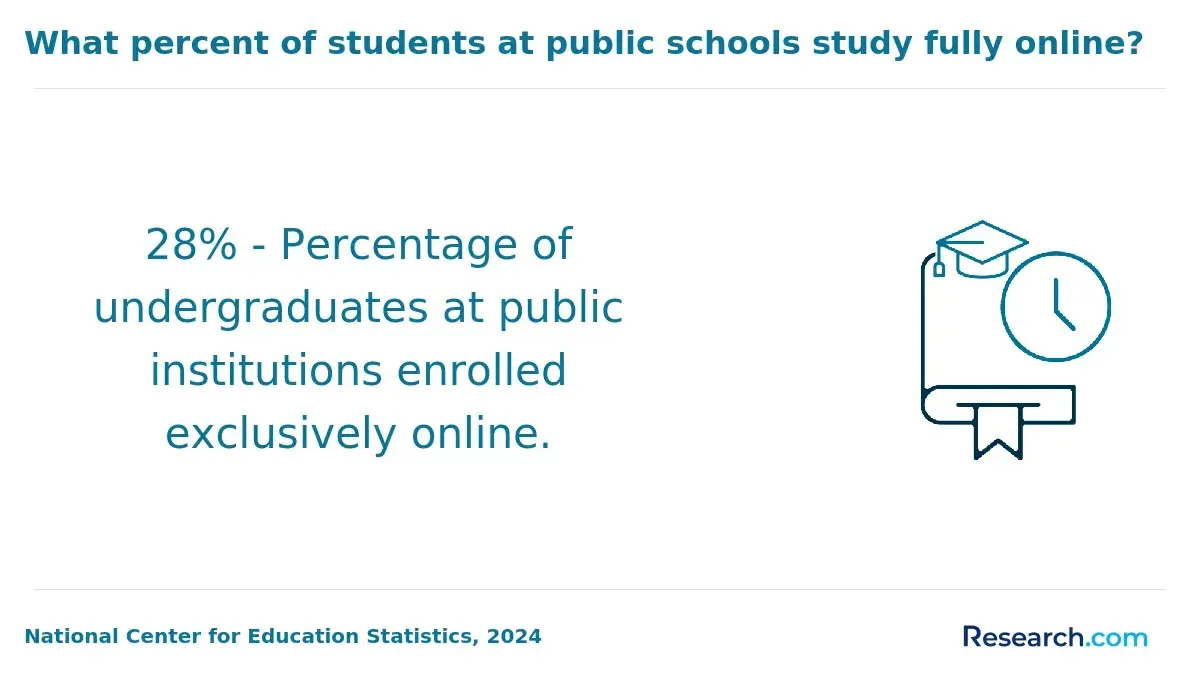
Online PharmD programs are usually not fully online in the way some non-licensure degrees are. Most use a hybrid model: didactic coursework may be delivered online, while labs, skills assessments, simulations, and practice experiences require in-person participation at approved sites.
For clinical preparation, the most important question is not whether lectures are online. It is whether the program can deliver high-quality patient-care practice experiences, faculty access, skills feedback, and residency preparation. The table below highlights the practical trade-offs.
| Program format | Strengths | Potential concerns | Best fit |
| Campus-based PharmD | Frequent in-person labs, easier peer interaction, visible faculty access, established local rotation networks | Less flexible for students who live far from campus or need to relocate | Students who want daily structure and direct campus engagement |
| Hybrid or online PharmD | More geographic flexibility for didactic coursework and sometimes better fit for working adults | Requires careful review of in-person requirements, rotation placement support, technology expectations, and travel costs | Self-directed learners who can manage remote coursework and mandatory clinical experiences |
| Accelerated PharmD | Shorter calendar time to graduation | Intense schedule with limited downtime for work, remediation, or outside commitments | Students with strong academic preparation and clear career goals |
Students comparing healthcare programs online should look beyond convenience claims. Even comparisons outside pharmacy, such as WGU vs Chamberlain, show why clinical placement support, accreditation, cost transparency, and student services matter when a program leads to patient-care responsibilities.
The common mistake is assuming an online format automatically means lower quality or lower effort. A reputable hybrid PharmD can be rigorous, but it should clearly disclose campus visits, lab requirements, rotation geography, technology needs, tuition, fees, and licensure alignment.
What courses, rotations, and experiential learning best develop strong clinical judgment in pharmacy school?
Clinical judgment develops through repeated practice, feedback, and exposure to uncertainty. Memorizing drug information is necessary, but students become stronger decision-makers when they learn to weigh patient goals, lab values, comorbidities, medication access, and real-world adherence barriers.
The most useful learning experiences tend to combine science, communication, and supervised decision-making. Students aiming for clinical careers should look for programs that emphasize the following areas.
- Integrated pharmacotherapy courses that connect pathophysiology, guidelines, drug selection, monitoring, and patient counseling instead of teaching medications as isolated facts.
- Patient assessment labs where students practice interviewing, medication reconciliation, vital-sign interpretation, device counseling, and documentation.
- Simulation exercises involving emergencies, adverse drug reactions, renal dose changes, anticoagulation, infectious disease decisions, and transitions of care.
- Introductory pharmacy practice experiences that expose students early to hospitals, community pharmacies, ambulatory clinics, and underserved-care settings.
- Advanced pharmacy practice experiences in internal medicine, ambulatory care, acute care, institutional practice, community practice, and electives such as oncology, pediatrics, critical care, infectious disease, psychiatry, or emergency medicine.
- Interprofessional education where pharmacy students learn to present recommendations to medical, nursing, physician assistant, and other healthcare learners.
Students should also pay attention to assessment style. Case-based exams, objective structured clinical examinations, patient-care plans, and oral presentations often mirror clinical work better than multiple-choice testing alone.
One avoidable mistake is choosing electives only because they seem easier. If your goal is residency or advanced practice, select rotations that stretch your ability to make recommendations, defend them with evidence, and communicate them respectfully to a care team.
What salary ranges, benefits, and advancement opportunities exist for clinically focused pharmacy careers?
Pharmacist compensation is strong compared with many healthcare roles, but it should be evaluated against PharmD tuition, loan interest, residency opportunity cost, local job competition, and preferred setting. The BLS reported a median annual wage of $137,480 for pharmacists in May 2024, which is a useful national benchmark but not a promise for any specific graduate.
Salary patterns often reflect setting, schedule, specialization, and employer type. The table below summarizes common compensation factors without implying guaranteed outcomes.
| Career direction | Typical compensation drivers | Common benefits or perks | Advancement options |
| Hospital or health-system clinical pharmacist | Residency training, shift differentials, specialty service line, union or public-sector pay structure | Health insurance, retirement plans, paid time off, continuing education support, possible tuition benefits | Clinical specialist, residency preceptor, pharmacy manager, medication safety officer, director roles |
| Ambulatory care pharmacist | Collaborative practice scope, clinic volume, chronic disease program funding, health-system affiliation | More predictable clinic hours in some settings, professional development, team-based care | Clinic lead, population health pharmacist, transitions-of-care leader, faculty practice role |
| Community pharmacist | Retail chain, independent ownership, location, staffing model, immunization and clinical service volume | Bonus opportunities in some organizations, flexible location options, patient access impact | Pharmacy manager, district leadership, ownership, clinical services lead |
| Industry or managed care pharmacist | Specialized experience, fellowship training, formulary knowledge, outcomes research, medical affairs expertise | Corporate benefits, remote or hybrid options in some roles, project-based advancement | Medical science liaison, medical affairs, health economics, formulary strategy, leadership roles |
Benefits can materially affect total compensation. Retirement matching, loan repayment programs, paid continuing education, board-certification support, relocation assistance, and schedule predictability may matter as much as base pay, especially for graduates managing six-figure educational debt.
Clinically focused pharmacists can advance by becoming specialists, preceptors, faculty members, medication safety leaders, informatics pharmacists, directors, or population health strategists. The strongest candidates usually combine patient-care experience with communication skills, documentation quality, data literacy, and evidence-based decision-making.
How can prospective students evaluate and choose reputable PharmD programs for clinical practice careers?
Choosing a PharmD program is a licensing, financial, and career decision at the same time. A reputable program should prepare you for exams, rotations, patient-care communication, and the type of clinical practice you want to pursue.
Use the following steps to compare programs before committing. This process helps you avoid choosing based only on name recognition, location, or advertising language.
- Confirm ACPE accreditation status directly through official accreditation information and ask whether there are any warnings, probationary issues, or recent changes that could affect students.
- Review NAPLEX pass-rate trends, but interpret them carefully because class size, student support, admissions selectivity, and repeat-test policies can affect results.
- Ask how introductory and advanced pharmacy practice experiences are assigned, where rotation sites are located, and whether students must find their own sites.
- Compare total cost of attendance, including tuition, fees, health insurance, commuting, housing, lab travel, technology, licensing exams, background checks, and lost work time.
- Evaluate residency support, including advising, CV review, mock interviews, research opportunities, poster presentations, preceptor access, and match guidance.
- Speak with current students or recent graduates about faculty responsiveness, workload, remediation policies, rotation quality, and whether marketing claims match daily reality.
- Check whether the curriculum supports your target area, such as acute care, ambulatory care, rural practice, public health, industry, managed care, or research.
The table below lists questions that can reveal whether a program is truly aligned with clinical practice goals.
| Question to ask | Why it matters | Concerning answer |
| Who arranges APPE rotations? | Clinical training depends heavily on rotation quality and availability. | Students are mostly responsible for finding their own required sites. |
| How are students supported if they struggle academically? | PharmD coursework is demanding, and support can affect persistence. | Remediation policies are vague or mostly punitive. |
| What clinical specialties are available for electives? | Electives can strengthen residency applications and career focus. | Few specialty rotations are available or access is unpredictable. |
| What is the full cost of attendance? | Tuition alone understates the real financial commitment. | Fees, travel, exam costs, and living expenses are hard to identify. |
| How does the program prepare students for residency or board certification pathways? | Advanced clinical careers often require competitive postgraduate preparation. | The school gives only generic career advising. |
If you are still comparing healthcare professions, be honest about the kind of patient care you want. Someone drawn more to bedside nursing leadership than medication therapy may want to compare nursing bridge options, including an easiest RN to BSN program search, before committing to the longer PharmD licensure route.
Red flags include unclear accreditation language, pressure to enroll quickly, limited rotation transparency, unrealistic salary claims, weak licensure-exam support, and no clear explanation of how online or hybrid students complete hands-on requirements. A strong program will welcome detailed questions because clinical pharmacy training depends on details.
Other Things You Should Know About PharmD
The Board Certified Ambulatory Care Pharmacist credential is the main option. Pharmacists must hold an active license and usually need at least 2 years of practice experience, or 1 year plus 2,000 hours in ambulatory care, before sitting the Board of Pharmacy Specialties exam.
It is usually not required, but it can help you confirm that pharmacy work fits your interests. Technician experience may also strengthen your application by showing exposure to medication systems, patient interaction, and pharmacy workflow.
Sometimes, but authority varies by state and practice setting. Pharmacists may prescribe or modify therapy under collaborative practice agreements, statewide protocols, or specific public health authorities, depending on state law and employer policy.
It can be, if your goal requires pharmacist licensure or deep medication expertise, such as clinical practice, managed care, industry, informatics, or specialty pharmacy. Before enrolling, compare total cost, residency expectations, job requirements, and alternatives that may reach your goal with less time or debt.
References
- Post-Graduate Opportunities https://www.pharmacist.com/Career/Post-Graduate-Opportunities
- Simulation-based training: applications in clinical pharmacy https://pharmaceutical-journal.com/article/research/simulation-based-training-applications-in-clinical-pharmacy
- ACCP - About Clinical Pharmacists https://www.accp.com/about/clinicalpharmacists.aspx
- Clinical Pharmacist https://www.wes.org/resource-library/blog/career-pathway/clinical-pharmacist/
- Residency, Fellowship, post-graduates’ programs; what to choose? - RxPharmacist https://rxpharmacist.com/career-advancement-opportunities-residency-or-fellowship/
- Advanced Degree Programs - BMS Careers https://careers.bms.com/advanced-degree-programs/
- Top 7 Pharmacy Careers in 2025: Opportunities, Salaries, and Growth https://academically.com/blogs/top-pharmacy-careers/
- What Jobs Can You Get With a Health Science Degree? https://www.belmont.edu/stories/articles/2024/career-paths-for-pharmd-degree.html
- Is A Residency or Fellowship Right for You? https://globalforum.diaglobal.org/issue/january-2019/is-a-residency-or-fellowship-right-for-you/
- Pharmacist - Explore Healthcare Careers - Mayo Clinic College of Medicine & Science https://college.mayo.edu/academics/explore-health-care-careers/careers-a-z/pharmacist/