2027 How to Choose an Online PharmD Program for Residency Preparation

Co-Founder and Chief Data Scientist
Choosing an online PharmD program is really a licensure, residency, and career decision. The stakes are high because the U.S. Bureau of Labor Statistics reported a $137,480 median annual wage for pharmacists in May 2024, but competitive clinical roles often expect residency training.
This guide is for students comparing online pharmacy doctorate options, especially those aiming for PGY1 or PGY2 residency. You will learn how to judge accreditation, rotations, curriculum strength, cost, admissions fit, and outcomes so you can choose a program that supports your long-term pharmacy goals.
Key Things You Should Know
- An online PharmD must be ACPE-accredited or have appropriate candidate/preaccreditation status for graduates to pursue pharmacist licensure pathways and be taken seriously for residency preparation.
- Residency readiness depends less on whether lectures are online and more on clinical depth: ACPE Standards 2025 require at least 300 IPPE hours and 1,440 APPE hours in the PharmD curriculum.
- Cost should be judged by total program price, required travel, fees, lost income, and borrowing terms; federal graduate loan rates for 2025-26 are 7.94% for Direct Unsubsidized Loans and 8.94% for Grad PLUS Loans.
How can an online PharmD program effectively prepare you for a competitive residency?
An online PharmD can prepare you for residency if it delivers the same core professional doctorate outcomes as a campus-based PharmD: pharmacist licensure eligibility, rigorous clinical coursework, supervised patient-care experiences, faculty mentorship, and documented readiness for postgraduate training.
"Online" usually refers to didactic coursework delivery, not a fully virtual pharmacy education. Residency-focused students should expect in-person labs, skills assessments, simulations, local or regional rotations, and occasional campus intensives.
The best programs for residency preparation build your application over several years rather than treating residency as a final-year decision. If you are comparing online pharmacist programs, look beyond convenience and ask how each school helps students earn strong clinical evaluations, leadership experience, research exposure, and letters of recommendation.
Residency programs typically look for evidence that you can function in direct patient care, communicate with interprofessional teams, improve medication outcomes, and handle feedback. A strong online PharmD should therefore help you develop the following application assets before the ASHP Match cycle begins:
- Consistent clinical performance across introductory and advanced pharmacy practice experiences, especially in acute care, ambulatory care, internal medicine, health-system pharmacy, or other residency-relevant settings.
- Meaningful faculty and preceptor relationships that can lead to specific, credible recommendation letters rather than generic endorsements.
- Leadership in pharmacy organizations, service initiatives, health screenings, advocacy work, or community outreach that shows commitment beyond coursework.
- Research, quality improvement, medication-use evaluation, poster presentation, or publication experience that demonstrates curiosity and evidence-based thinking.
- Practice-ready communication skills, including patient counseling, documentation, case presentations, interview readiness, and interprofessional collaboration.
The main warning sign is a program that markets flexibility but gives little detail about clinical placement quality, residency advising, or student outcomes. A convenient format is valuable only if it still produces the documentation and clinical confidence residency directors expect.
What accreditation and approval should an online PharmD program have for licensure and residency?
The most important credential is accreditation by the Accreditation Council for Pharmacy Education, commonly known as ACPE. In the U.S., graduating from an ACPE-accredited PharmD program is the standard education pathway for pharmacist licensure eligibility. Programs may also hold candidate or preaccreditation status while progressing through ACPE review, but students should understand the difference before enrolling.
ACPE Standards 2025 emphasize competency-based preparation, experiential learning, interprofessional education, medication-use systems, patient care, and professional identity formation. For a residency-focused student, this matters because residency directors are evaluating whether your education included the depth and supervision needed for postgraduate clinical training.
Use the table below to understand the accreditation and approval issues that directly affect licensure and residency planning. This summary helps separate essential requirements from nice-to-have features.
| Item to verify | Why it matters | What to look for |
| ACPE accreditation status | Supports eligibility for pharmacist licensure pathways and signals that the curriculum meets national professional standards. | Accredited, candidate, or preaccredited status listed in official ACPE program information. |
| State authorization | Online programs may not be authorized to enroll students in every state, and rotation access can vary by location. | Written confirmation that your state is approved for enrollment and experiential placements. |
| Licensure exam preparation | Graduates generally need to pass the NAPLEX and state law exam requirements to become licensed pharmacists. | Transparent NAPLEX preparation resources and recent pass-rate information from the school. |
| Experiential education network | Residency competitiveness depends heavily on supervised patient-care rotations. | Established sites, preceptor training, clinical placement support, and clear APPE assignment policies. |
| Residency advising infrastructure | Accreditation alone does not guarantee strong residency support. | CV review, mock interviews, PhORCAS guidance, Match advising, and faculty mentorship. |
Do not rely only on a school's marketing language. Confirm accreditation status directly, ask whether the program meets licensure education requirements in the state where you plan to practice, and request clear answers about how online students are supported during rotations.
How do online PharmD programs compare with campus-based options for residency outcomes?
Online and campus-based PharmD programs can both lead to residency consideration when they are ACPE-accredited and provide strong experiential education. The real comparison is not "online versus campus" in a simple sense; it is whether the program gives you enough access to faculty, clinical practice, professional networking, and high-quality rotations.
The table below compares the major residency-related trade-offs. Use it to identify which format fits your learning style, location, finances, and clinical goals.
| Factor | Online PharmD | Campus-based PharmD | Residency preparation takeaway |
| Course delivery | Lectures may be asynchronous, synchronous, or hybrid, with required in-person labs or intensives. | Most coursework, labs, and faculty contact occur on campus. | Online works best for self-directed learners who can stay engaged without daily campus structure. |
| Clinical rotations | Usually completed in person through approved sites near the student or within the school's network. | Often tied to long-established local health systems and faculty practice sites. | Ask for placement details; rotation quality matters more than lecture format. |
| Faculty access | May rely on virtual office hours, online advising, and scheduled intensives. | More informal access through labs, offices, student organizations, and campus events. | Online students should intentionally build relationships early for mentorship and recommendations. |
| Networking | Can be strong if the program supports virtual organizations, local pharmacy events, and residency coaching. | Often easier through campus chapters, alumni events, and nearby residency sites. | Online students may need a more deliberate networking plan. |
| Flexibility | Often better for students balancing geography, family, or work constraints. | Less flexible but more immersive. | Flexibility is valuable only if it does not weaken your clinical exposure. |
An online PharmD may be a smart choice if you need geographic flexibility, have strong time-management skills, and can attend required in-person components. A campus option may be better if you want daily face-to-face structure, easier access to research labs, or proximity to major academic medical centers.
What PharmD curriculum components matter most for strong residency applications?
Residency directors want applicants who can move from classroom knowledge to patient-care decision-making. For that reason, the most important curriculum features are the ones that build clinical reasoning, communication, documentation, teamwork, and adaptability.
For online students, curriculum design matters because you need structured opportunities to prove skills that are sometimes easier to observe in person. Look for programs that assess performance repeatedly through cases, labs, simulations, exams, rotations, and preceptor evaluations.
The table below highlights curriculum areas that are especially relevant to residency preparation:
| Curriculum component | Why it matters for residency | Stronger program signs |
| Pharmacotherapy sequence | Builds the foundation for patient-specific medication decisions. | Integrated disease-state cases, evidence-based treatment planning, and frequent clinical application. |
| Skills labs and simulations | Develops counseling, sterile compounding awareness, physical assessment basics, and emergency-response thinking. | Required live assessments, standardized patients, simulation technology, and faculty feedback. |
| Interprofessional education | Prepares students to work with physicians, nurses, physician assistants, and other health professionals. | Team-based cases, collaborative care activities, and documented interprofessional experiences. |
| Research and quality improvement | Helps applicants discuss evidence, project design, and medication-use improvement during interviews. | Student poster opportunities, faculty research mentorship, drug information projects, or quality initiatives. |
| Practice management and health systems | Supports readiness for health-system residency environments and medication safety work. | Training in formulary management, pharmacoeconomics, informatics, leadership, and medication-use policy. |
Do not assume that a faster or cheaper curriculum is automatically better. A compressed program can be useful for disciplined students, but it may leave less time for research, leadership, and relationship-building unless the school has built those opportunities into the schedule.
How do experiential rotations and clinical placements work in online PharmD programs?
Experiential education is where online PharmD programs become distinctly hands-on. ACPE Standards 2025 require at least 300 hours of Introductory Pharmacy Practice Experiences and 1,440 hours of Advanced Pharmacy Practice Experiences. For residency-focused students, those rotations are not just graduation requirements; they are the main evidence of your clinical readiness.
Introductory Pharmacy Practice Experiences, or IPPEs, usually occur earlier in the program and expose students to community, institutional, and patient-care settings. Advanced Pharmacy Practice Experiences, or APPEs, typically occur in the final professional year and involve full-time rotations in areas such as acute care, ambulatory care, community practice, hospital pharmacy, and electives.
Before enrolling, ask the school how placement works in your state or region. Strong answers should address the following points clearly:
- Whether the school assigns rotations, requires students to find sites, or uses a shared process with formal approval.
- How far students may need to travel for required rotations, especially acute care, health-system, or specialty electives.
- Whether online students have equal access to competitive APPE sites and residency-relevant preceptors.
- How preceptors are trained, evaluated, and supported by the college of pharmacy.
- What happens if a local site cancels, fails to meet requirements, or cannot offer the needed clinical exposure.
A common mistake is choosing a program because coursework can be completed from home while underestimating travel demands during rotations. If you are aiming for residency, the better question is not "Can I stay local?" but "Can I access rotations that will make me a stronger applicant?"
What admission requirements do online PharmD programs have for residency-focused students?
Admission requirements vary by school, but online PharmD programs typically expect prerequisite college coursework in sciences and math, a competitive GPA, letters of recommendation, a personal statement, interview participation, and evidence of readiness for a demanding professional doctorate. Some programs require or recommend pharmacy experience, while others review healthcare exposure more broadly.
Students focused on residency should treat admissions as the first step in building a professional record. A program that accepts you is not automatically the right fit if your academic background, location, or career goals do not align with its curriculum and rotation model.
Most applicants should be ready to document the following items during the admissions process:
- Prerequisite courses such as general chemistry, organic chemistry, biology, anatomy and physiology, microbiology, calculus or statistics, and humanities or social science requirements.
- Academic performance that shows you can handle graduate-level biomedical, clinical, and quantitative coursework.
- Healthcare, pharmacy technician, volunteer, research, or patient-facing experience that demonstrates realistic understanding of pharmacy practice.
- Professional communication skills through interviews, essays, situational judgment activities, or recorded responses.
- Technology readiness for online learning, including reliable internet, webcam access, exam proctoring compliance, and comfort with learning platforms.
If you are still deciding between healthcare pathways, compare the PharmD route with other licensed or administrative options. For example, a nurse seeking a shorter bachelor's-completion route may be better served by the easiest RN to BSN online program rather than starting a pharmacy doctorate, depending on licensure status and career goals.
Strong residency-focused applicants should also ask whether the school provides early career coaching. Waiting until the final year to learn about CVs, PhORCAS, recommendation letters, and interview preparation can put you behind peers who have been building residency credentials from the first professional year.
How long do online PharmD programs take, and what do they cost overall?
Most PharmD pathways take about three to four professional years after prerequisites, though timelines vary by whether the program is accelerated, year-round, part-time, or designed for students entering with a bachelor's degree. Some "0-6" pathways begin after high school, but online PharmD options more commonly serve students who have already completed college prerequisites.
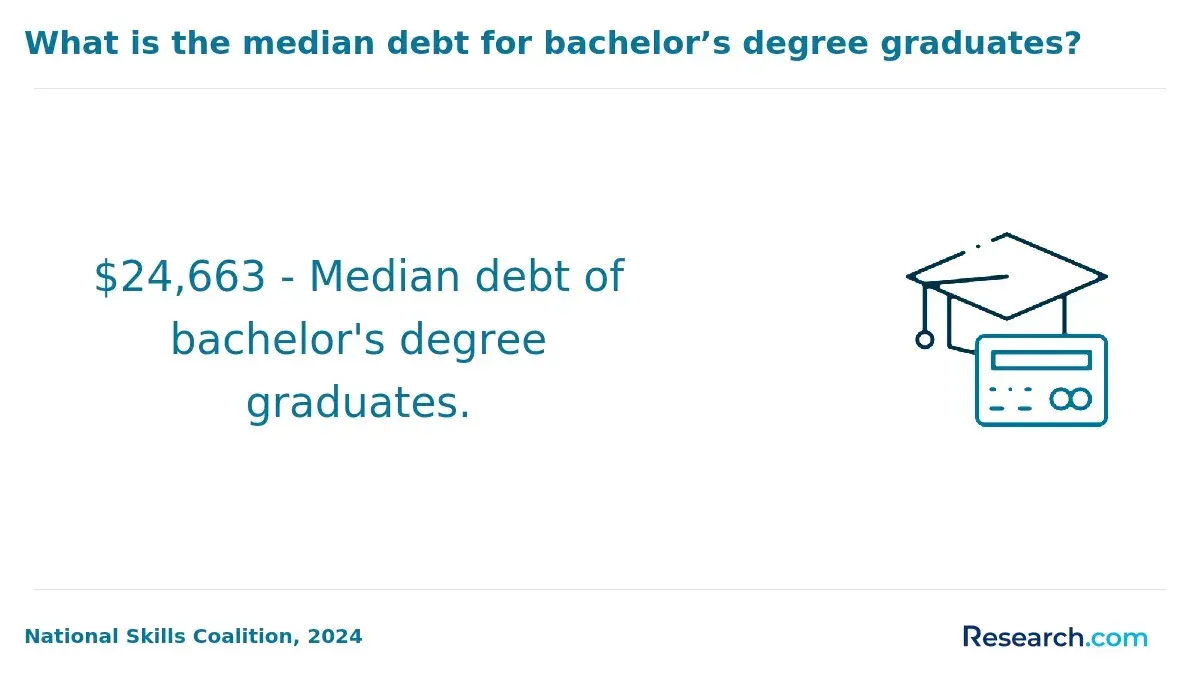
Cost should be evaluated as total cost of attendance, not just tuition. Online students may save on relocation or commuting, but they can still face technology fees, lab intensives, travel for rotations, background checks, immunizations, licensing exam costs, professional memberships, and lost income during full-time APPEs.
The federal borrowing environment also affects affordability. For loans first disbursed in the 2025-26 academic year, Federal Student Aid lists a 7.94% interest rate for Direct Unsubsidized Loans for graduate and professional students and an 8.94% rate for Grad PLUS Loans. That means a lower tuition price can become much more valuable if it reduces high-interest borrowing.
The table below summarizes the major time and cost variables to compare before committing to a program. It is designed to help you estimate the real financial commitment rather than focusing on one advertised number.
| Cost or timeline factor | Why it matters | Questions to ask |
| Professional program length | A shorter schedule may reduce time out of the workforce but increase weekly intensity. | Is the program three-year, four-year, accelerated, year-round, or part-time? |
| Tuition structure | Schools may charge per credit, per term, or by professional year. | What is the full tuition estimate through graduation, including expected increases? |
| Required campus visits | Online programs may require travel for labs, assessments, orientation, or intensives. | How often must students travel, and what expenses are not included in tuition? |
| Experiential rotation costs | APPEs can require relocation, commuting, parking, housing, or reduced work hours. | Can rotations be completed near my location, and what backup sites are available? |
| Licensure and residency application costs | Graduates may pay for exams, state applications, transcripts, and residency application expenses. | Which final-year costs should I budget for before graduation? |
If your main goal is healthcare leadership rather than pharmacist licensure, a PharmD may be more education than you need. In that case, comparing the cheapest online healthcare administration degree may make more financial sense than taking on a professional doctorate designed for pharmacy practice.
What residency types and pharmacy career paths can an online PharmD lead to?
An ACPE-accredited PharmD can lead to pharmacist licensure pathways and may support applications to postgraduate pharmacy residencies. The most common first residency is PGY1, which builds broad clinical, operational, and patient-care competence. A PGY2 residency is more specialized and may focus on areas such as oncology, critical care, ambulatory care, infectious diseases, pediatrics, psychiatry, emergency medicine, informatics, or health-system administration.
Residency is not required for every pharmacist role, but it is often valued or expected for clinical specialist positions, academic medical center roles, and many health-system career tracks. Students should choose a program based on the type of pharmacist they want to become, not simply on earning the degree.
The table below outlines common residency and career directions. It can help you connect program features, APPE choices, and career goals.
| Path | Typical focus | Residency relevance |
| PGY1 pharmacy residency | General clinical practice, medication management, health-system operations, teaching, and project work. | Often the foundation for clinical pharmacist roles and PGY2 specialization. |
| PGY2 specialty residency | Advanced practice in a focused area such as oncology, critical care, ambulatory care, or infectious diseases. | Useful for competitive specialist positions and academic health-system roles. |
| Community pharmacy | Dispensing, immunizations, counseling, chronic disease services, and medication therapy management. | Residency may help for advanced community practice or ambulatory care leadership but is not always required. |
| Hospital or health-system pharmacy | Order verification, sterile products, medication safety, clinical rounds, transitions of care, and operations. | PGY1 training is commonly valued for clinical and institutional advancement. |
| Managed care or industry | Formulary management, outcomes research, medical affairs, pharmacovigilance, or market access. | Residency, fellowship, or managed care experience may strengthen entry into specialized roles. |
Some students discover that they want patient care but not pharmacy. If you are earlier in your decision and want a different licensed clinical route, reviewing accelerated nursing programs can help you compare timelines, clinical responsibilities, and licensure pathways before committing to a PharmD.
What salary expectations and job outlook should PharmD graduates pursuing residency consider?
Salary outcomes vary by employer, region, work setting, licensure status, residency training, schedule, and specialization. The most reliable national baseline is the U.S. Bureau of Labor Statistics, which reported a $137,480 median annual wage for pharmacists in May 2024. This figure is useful for context, but it should not be treated as a personal outcome prediction, especially for new graduates, residents, part-time workers, or pharmacists entering lower-paying training positions first.
The BLS also projects pharmacist employment to grow 5% from 2024 to 2034. For students, that suggests steady demand, but the strongest opportunities may still depend on setting. Health systems, ambulatory care clinics, specialty pharmacies, managed care organizations, and medication safety roles may favor candidates with residency training or specialized experience.
Residency has an opportunity cost because resident stipends are typically lower than full pharmacist salaries during training. The trade-off is that residency can improve access to specialized clinical roles, teaching opportunities, and health-system advancement. Whether that trade-off is worth it depends on your target role, debt level, geographic flexibility, and willingness to spend one or more years in intensive postgraduate training.
Technology is also reshaping pharmacy work. Automation, centralized dispensing, electronic health records, clinical decision support, pharmacogenomics, and AI-assisted medication review can reduce some repetitive tasks while increasing the value of pharmacists who can interpret data, manage complex therapy, communicate risks, and lead medication-use improvements. A residency-focused program should therefore strengthen both clinical judgment and digital fluency.
How can you evaluate and choose a reputable online PharmD program for residency goals?
The best way to choose an online PharmD program is to work backward from your target outcome. If your goal is a competitive residency, prioritize accreditation, licensure eligibility, clinical placement quality, faculty mentorship, residency advising, and evidence of student success. Convenience, speed, and cost matter, but they should not override the elements that make you residency-ready.
Use this step-by-step process before applying or enrolling. It will help you avoid common mistakes such as choosing by tuition alone, assuming all online programs work in every state, or overlooking rotation limitations.
- Confirm ACPE accreditation status and ask whether the program's status supports licensure eligibility in the state where you plan to practice.
- Verify state authorization for online enrollment and experiential placements, especially if you live far from the institution.
- Request details on IPPE and APPE placement policies, including who finds sites, how far students travel, and how specialty rotations are assigned.
- Ask for recent NAPLEX pass-rate information, residency placement support, Match advising resources, and examples of student residency preparation activities.
- Review the curriculum for pharmacotherapy depth, interprofessional education, research or quality improvement, simulation, and health-system content.
- Calculate total cost of attendance, including fees, travel, rotation expenses, campus intensives, exam costs, and likely borrowing.
- Speak with current students or alumni about workload, faculty responsiveness, placement quality, and whether online students feel equally supported.
- Compare the program's strengths with your target residency type, such as ambulatory care, acute care, managed care, community practice, or health-system leadership.
Red flags include vague accreditation language, limited disclosure about rotations, pressure to enroll quickly, weak student support, unclear licensure guidance, or claims that an online format alone will lead to residency success. A reputable program will be specific about requirements, transparent about limitations, and willing to explain how it supports students from admission through licensure and residency applications.
Other Things You Should Know About PharmD
Yes, many online PharmD programs offer flexible scheduling to accommodate working students. However, balancing work and study requires strong time management skills and discipline to meet both professional and academic commitments effectively.
No. A PharmD is a professional doctorate designed for pharmacist practice and licensure pathways. A PhD in a pharmacy-related field is a research doctorate that usually prepares graduates for scientific research, academia, industry research, or laboratory-based roles.
Often, yes. Many online or hybrid PharmD programs require in-person labs, skills assessments, orientations, exams, or intensive sessions. Students should ask how often campus visits are required and budget for travel before enrolling.
For residency preparation, the program should hold ACPE accreditation, which is the standard expected by U.S. pharmacy employers and residency directors. Also check that the school is authorized by its state board and that the curriculum includes required introductory and advanced pharmacy practice experiences.
References
- Everything I Wish I Knew Before Applying For a Pharmacy Residency — tl;dr pharmacy https://www.tldrpharmacy.com/content/everything-i-wish-i-knew-before-applying-for-a-pharmacy-residency
- Preparing for a Career in Pharmacy https://www.mcw.edu/education/pharmacy-school/preparing-for-a-career-in-pharmacy
- Find accredited pharmacy schools and compare PharmD program fit. https://pharmddegree.com/choosing/accredited-pharmacy-schools
- Distance Doctor of Pharmacy Program https://pharmdonline.findlay.edu/programs/online-pharm-d
- How to Increase Your Chances of Getting a Pharmacy Residency https://truelearn.com/resource-library/what-pharmacy-students-need-to-know-to-land-their-dream-residency-part-ii/
- 2025 Best Online Pharmacy Schools https://www.onlineu.com/degrees/pharmacy
- Elevate Your PharmD Degree with the FlexPharmD: A Flexible Path to Success https://www.unthealth.edu/college-of-pharmacy/doctor-of-pharmacy-pharmd.html
- Writing the Perfect Pharmacy Residency Letter of Intent https://pharmacy.uworld.com/blog/pharmacy-residency-letter-of-intent/
- Doctor of Pharmacy Admission https://www.pacific.edu/pharmacy/pharmd
- Considering a Career in Pharmacy? What You Need to Know https://www.pcom.edu/pharmacy/career-in-pharmacy.html