2027 Cheapest Online Hospitality Management & Tourism Bachelor's Degrees That Pay Well: Tuition, Duration, and Earnings

Co-Founder and Chief Data Scientist
Many working professionals seek affordable online hospitality management & tourism bachelor's degrees to change careers without incurring excessive debt. However, navigating numerous options can be overwhelming, especially when balancing cost, program length, and future earnings. Recent data shows that graduates of online hospitality management & tourism programs earn an average starting salary 15% higher than peers with similar degrees in other service industries. This article explores the cheapest online programs that deliver strong financial returns, focusing on tuition costs, program duration, and post-graduation salary prospects to help readers make informed decisions aligned with their career goals.
Key Benefits of the Cheapest Online Hospitality Management & Tourism Bachelor's Degree That Pays Well
- Online hospitality management & tourism bachelor's degrees often feature lower tuition rates than traditional programs, reducing overall education costs and minimizing student debt accumulation for graduates.
- Flexible scheduling allows working professionals to balance career duties while accelerating skill acquisition, enabling faster entry or advancement in the competitive hospitality and tourism sectors.
- Many accredited programs provide access to global industry networks and strong return on investment, with graduates earning median salaries up to 15% above national averages in related fields.
What Are the Most Affordable Accredited Online Hospitality Management & Tourism Bachelor's Degree Programs Available Today?
Accreditation ensures that an affordable accredited online hospitality management bachelor's degree programs meets rigorous academic standards, which is crucial for quality education, federal financial aid eligibility, and transfer credit acceptance. Selecting a program with recognized accreditation guarantees employers value the degree. Here are five affordable online hospitality management and tourism degree programs with low tuition costs backed by reputable accrediting bodies:
- Florida International University: FIU is regionally accredited and offers online tuition at about $210 per credit hour for in-state students. It provides a comprehensive curriculum with flexible transfer credit policies and financial aid options tailored to online learners.
- California State University, Chico: Chico State charges roughly $300 per credit hour for online courses. The program's WASC accreditation and strong industry connections help with career placement and practical skill development.
- University of North Texas: UNT's in-state online tuition is approximately $290 per credit hour. It offers a fully accredited program emphasizing real-world experience in global hospitality markets, preparing graduates for diverse opportunities.
- Eastern Michigan University: EMU's online tuition stands near $350 per credit hour. Accredited by the Higher Learning Commission, it blends tourism studies with hospitality management skills for a well-rounded education.
- University of Central Florida: At about $212 per credit hour for Florida residents, UCF delivers an accredited program enriched by extensive alumni networks and career support services.
The lowest-cost programs often achieve affordability through state funding and streamlined online delivery, appealing to students seeking value without sacrificing educational integrity. Mid-range programs justify higher tuition with enhanced mentorship, experiential learning, and specialized tracks. Prospective students should weigh tuition, accreditation, and graduate salary outcomes to choose the best fit. For further insight into education investments, consider exploring the cheapest doctorate degree online as part of broader career advancement strategies.
How Does Tuition Cost for Online Hospitality Management & Tourism Bachelor's Programs Compare Across Public and Private Universities?
Tuition costs for online hospitality management and tourism bachelor's degrees vary widely between public and private nonprofit universities, shaped by institutional funding and delivery methods. This tuition comparison for online hospitality management and tourism bachelor's degrees reveals important distinctions prospective students should consider.
- Public University Pricing: Public universities typically charge lower per-credit tuition for in-state students, ranging between $250 and $450 per credit. This results in total tuition costs from approximately $30,000 to $45,000 for a 120-credit degree, benefiting from state subsidies and larger enrollment sizes.
- Private University Pricing: Private nonprofit universities generally set flat tuition rates regardless of residency, with per-credit costs often between $400 and $700. Consequently, total tuition can range from $48,000 to $84,000. Some competitive private institutions offer scholarships that reduce net costs considerably.
- Program Delivery Format: Both sectors provide fully online formats, yet private schools tend to invest more in personalized support and proprietary platforms, which may elevate tuition. Public universities often leverage economies of scale to maintain lower prices.
- Financial Aid and Scholarships: Despite higher sticker prices, private universities sometimes award substantial institutional aid targeted at online students. This aid can lower effective tuition below that of many public programs.
- Transfer Credit Flexibility: Public universities tend to accept transfer credits more readily, often through articulation agreements with community colleges, reducing both time and costs to degree completion. Private schools are usually more selective, affecting the total tuition burden.
- Enrollment and Resources: Larger public universities benefit from shared costs across high enrollments, maintaining affordability. Smaller private colleges emphasize niche curricula and smaller classes, factors that justify higher prices.
- Private Costs Can Be Lower: In some cases, private colleges offer accelerated pathways, generous transfer credit policies, or scholarships that result in total tuition costs competitive with or even lower than out-of-state public tuition.
For those comparing programs, examining nuances beyond sticker price is essential. Prospective students may also want to explore related fields with affordable options such as mlis programs, which similarly emphasize value and flexibility in online education.
2026 Update: Hidden Costs That Affect Total Program Price
For the 2026 refresh, this section adds a closer look at non-tuition expenses that can change the real cost of an online hospitality management and tourism bachelor’s degree.
- Online course fees, technology fees, and digital learning platform charges
- Required textbooks, e-books, hospitality software, or reservation system tools
- Proctored exam fees or testing center costs for remote learners
- Internship, practicum, or field experience costs, including travel or lodging
- Uniforms, food safety training, event materials, or professional certification costs
- Graduation, transcript, and portfolio review fees charged near program completion
Checking these expenses before enrolling helps students compare programs more accurately and avoid choosing a low-tuition degree that becomes more expensive than expected.
Most online hospitality management & tourism bachelor's programs require completing approximately 120 credit hours, typically spread over four years of full-time study. This structure aligns with conventional undergraduate degrees and suits students managing both academic and personal commitments.
- Shortened Terms: Many institutions adopt eight-week courses instead of traditional semesters, enabling students to take more classes annually and accelerate their path to graduation.
- Continuous Enrollment: Year-round academic schedules, including summer sessions, let students earn credits without lengthy breaks, often cutting the degree timeline to around three years or less.
- Competency-Based Progress: Programs focused on skill mastery allow learners to advance by proving knowledge rather than completing set credit hours. This model benefits experienced professionals by offering credit for prior learning and examinations.
- Notable Schools: Universities such as Southern New Hampshire and Capella provide accelerated hospitality management & tourism online degrees, with average completion times ranging between 2.5 and 3 years depending on transfer credits and course load.
Choosing these accelerated options can lower overall tuition costs and reduce lost income by shortening the time spent out of the workforce. Understanding transfer credit acceptance and accreditation remains critical to preserving education quality.
When speaking with a professional who enrolled in an online hospitality management & tourism bachelor's program to pivot careers, he described the challenge of balancing work, family, and rigorous coursework within the accelerated schedule. He noted, "The shorter class terms demanded intense focus and efficient time management, which was sometimes overwhelming but kept me motivated." His experience underscored how critical support systems and clear goals are during accelerated study, as well as the satisfaction of progressing faster than expected toward career advancement.
Career outcomes for graduates of the best online hospitality management and tourism bachelor's programs in the U.S. often reflect specialization choices linked to salary potential. Managerial positions in lodging and food service typically offer median wages above $55,000 annually, according to the Bureau of Labor Statistics. Concentrations such as hotel administration and restaurant management consistently show robust earning potential within five years after graduation.
- Hotel Management Focus: This specialization prepares graduates for senior roles in hotels and resorts, where median earnings generally range from $58,000 to $62,000. High demand in metropolitan and tourist destinations supports steady income growth over time.
- Event and Conference Planning: Students concentrating on event coordination gain skills applicable to conventions and large-scale gatherings, with median salaries around $50,000 to $55,000. Career advancement in this field often depends on building a strong professional network.
- Culinary and Restaurant Management: Graduates entering supervisory or ownership roles in restaurants can expect median salaries exceeding $54,000, particularly when combined with entrepreneurship or advanced credentials.
- Operational and Financial Skills: Programs incorporating finance, marketing, and human resources prepare versatile graduates for higher-level management positions and improved salary outcomes.
- Accreditation and Flexibility: Accredited, transfer-friendly programs backed by career services tend to promote better job placements, quicker degree completion, and higher long-term earning potential. Prospective students should also consider financial aid options when comparing tuition.
Those seeking affordable yet well-paying qualifications may find value in exploring options like the cheapest construction management degree, which shares overlapping administrative competencies relevant to hospitality management careers.
Online students pursuing hospitality management & tourism bachelor's degrees can access several financial aid options that reduce education costs. Federal Pell Grants, awarded based on financial need and requiring no repayment, serve as a primary source of aid for about 30% of undergraduate online learners, according to National Center for Education Statistics data. Subsidized federal loans offer additional support with the advantage of no interest accrued while enrolled at least half-time, making borrowing more manageable after free aid is used.
Many institutions provide scholarships specifically for hospitality management & tourism students, often based on academic excellence or relevant experience. Industry associations like the Hospitality Financial and Technology Professionals or the American Hotel & Lodging Association also offer targeted scholarships worth exploring early. State grants, varying by location, can further offset tuition, underscoring the value of checking local programs even when studying online.
The College Board reports that grants typically cover over 30% of annual college expenses, highlighting the importance of prioritizing scholarships and grants before loans to minimize debt. Completing the FAFSA is essential to access these benefits.
- Federal Pell Grants: Need-based awards that don't require repayment and form the foundation of aid for many online hospitality management & tourism undergraduates.
- Subsidized Loans: Federal loans that pause interest during enrollment, providing affordable borrowing once free aid is exhausted.
- Institutional Scholarships: College-specific awards recognizing academic and professional achievements of hospitality management & tourism students.
- Professional Association Aid: Scholarships from hospitality industry groups supporting students pursuing careers in the field.
- State Grants: Location-dependent funding options that can significantly reduce tuition costs for online learners.
A professional who completed an online hospitality management & tourism degree reflected on her financial aid journey, noting the initial confusion navigating various applications and deadlines. She recalls, "It took persistence to identify scholarships tailored to my field and balance FAFSA paperwork while managing work." Despite early challenges, the grants and scholarships she secured alleviated financial stress significantly. "That support allowed me to focus more on my studies and less on debt," she shared, emphasizing how important early research and applying broadly were to her success.
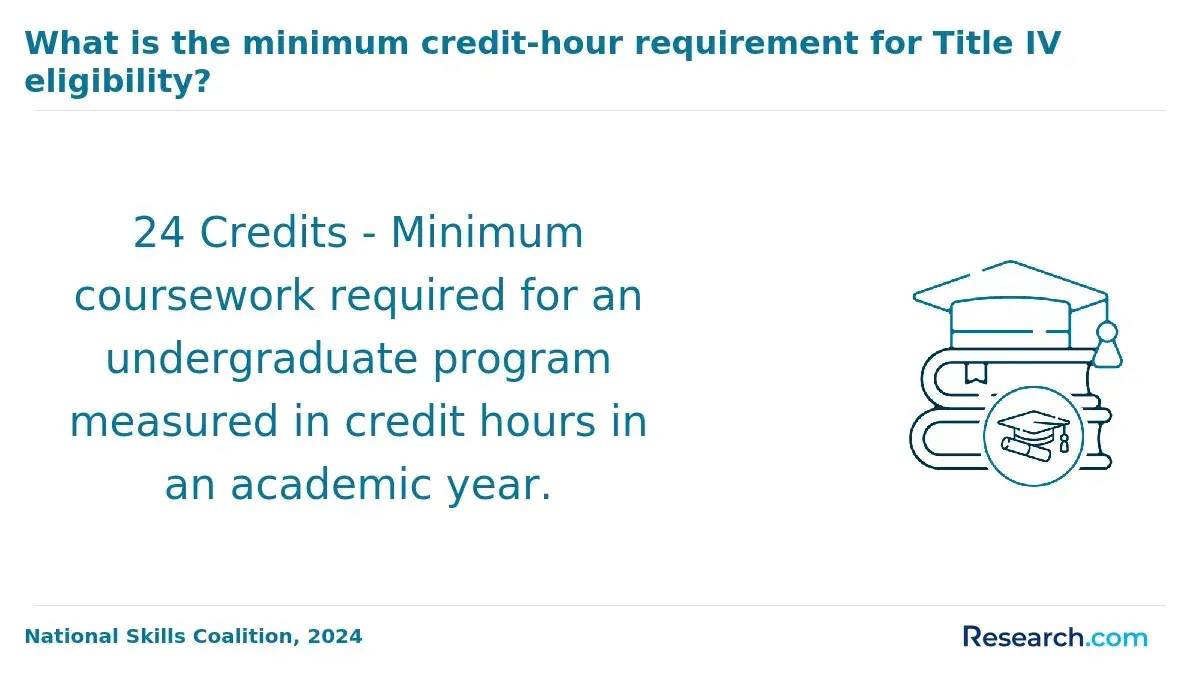
Online hospitality management & tourism bachelor's programs vary significantly in their acceptance of transfer credits, influencing both cost and time to degree completion. Some universities permit as many as 90 transfer credits, which can cover nearly all lower-division courses and reduce tuition costs considerably. For instance, Southern New Hampshire University allows up to 90 transfer credits, while Liberty University and the University of Central Florida also have accommodating policies that include military training and CLEP exam credits, benefiting nontraditional students like working adults and veterans.
Maximizing transfer credit acceptance is essential for those looking to minimize educational expenses and avoid redundant coursework. Transfer policies often range from 60 to 90 semester hours, and some institutions offer exceptions through portfolio assessments or prior experiential learning evaluations. Because each school follows its own articulation agreements and credit evaluation methods, prospective students should thoroughly review all previous academic credits, military transcripts, and exam records before applying. This preparation enhances the chances of transferring the maximum number of credits, thereby expediting degree completion and lowering student debt.
According to recent data from the National Center for Education Statistics, more than 40% of undergraduates earn transfer credits through exams or prior coursework, highlighting the growing importance of credit flexibility in online degree programs.
- Credit Transfer Limits: Accepted transfer credits vary widely, typically between 60 and 90 credits, depending on institutional policies and program standards.
- Transfer Credit Types: Many programs accept credits from regionally accredited institutions, CLEP exams, military training, and experiential learning portfolios, accommodating diverse student backgrounds.
- Key Institutions: Southern New Hampshire University, Liberty University, and University of Central Florida excel in offering lenient transfer policies supporting military and standardized exam credits.
- Cost Savings: Maximizing transfer credit acceptance significantly reduces tuition by decreasing the required coursework.
- Credit Evaluation: Auditing all prior credits and experiences before applying ensures smoother transfer approvals and accelerates time to graduation.
Accreditation plays a crucial role in determining the quality and recognition of online hospitality management & tourism bachelor's programs. Regional accreditation remains the most respected standard in U.S. higher education, widely accepted by employers and graduate schools. Key regional accrediting bodies include the Higher Learning Commission (HLC), the Southern Association of Colleges and Schools Commission on Colleges (SACSCOC), and the New England Commission of Higher Education (NECHE). These organizations rigorously assess institutions on factors such as academic quality, faculty qualifications, and student services.
In addition to regional accreditation, many hospitality management & tourism programs pursue programmatic accreditation from specialized agencies like the Accreditation Commission for Programs in Hospitality Administration (ACPHA). This further confirms that the curriculum aligns closely with industry needs and academic standards, offering students additional credibility in their field.
Conversely, students should be cautious about nationally accredited or non-accredited programs, as these often face challenges in credit transferability and weaker employer recognition. Attending such programs may limit graduates' opportunities in competitive job markets or graduate education. To verify the accreditation status of institutions and programs, prospective students are encouraged to consult the U.S. Department of Education's accreditation database, a trusted resource for accurate information.
Reflecting trends in online education, enrollment in bachelor's degree programs has grown by nearly 20% over recent years, underscoring increased acceptance of reputable online hospitality management & tourism degrees.
- Regional Accreditation: Recognized widely by employers and graduate schools, with HLC, SACSCOC, and NECHE ensuring rigorous institutional quality.
- Programmatic Accreditation: Specialized agencies like ACPHA validate program relevance and alignment with industry standards.
- Risks of Limited Accreditation: National or non-accredited programs may restrict credit transfer and harm employer perceptions.
- Verification Tools: The U.S. Department of Education's database offers reliable accreditation verification for prospective students.
- Rising Online Enrollment: A 20% increase in online bachelor's degree enrollment highlights growing credibility of accredited programs.
Admission criteria for the cheapest online hospitality management and tourism bachelor's degree programs vary significantly, reflecting the wide range of institutions offering these affordable options. Most programs require a high school diploma or GED as the basic qualification. While many schools establish minimum GPA standards typically between 2.0 and 2.5 on a 4.0 scale, several adopt open-admission or rolling-admission policies to improve accessibility for non-traditional students balancing jobs and family commitments. These flexible admissions make enrolling in affordable online hospitality management and tourism bachelor programs more feasible for many applicants.
Selective programs often ask for standardized test scores like the SAT or ACT, but in response to evolving admission trends, many affordable programs have dropped these requirements, offering test-optional entry. Some schools expect prerequisite coursework, such as foundational math or English, which applicants may fulfill through placement tests or prior college credits. Open-admission programs usually have fewer requirements but may provide less academic support, and sometimes their graduates face different employer perceptions compared to those from more selective schools.
Applicants who do not initially meet admission thresholds can strengthen their application by retaking relevant courses to improve their GPA, gaining hospitality-related work experience, crafting compelling personal statements, and selecting programs with generous transfer credit policies. This approach helps streamline degree completion and reduce costs.
Prospective students in related fields might also explore options like organizational leadership master's programs for advanced career opportunities.
- High School Diploma or GED: Nearly all programs require proof of secondary education completion as a baseline for admission.
- Minimum GPA Standards: Most affordable programs require a GPA between 2.0 and 2.5, although open-admission institutions may waive this standard to increase accessibility.
- Standardized Test Flexibility: The use of SAT or ACT scores is declining, with many schools opting for test-optional policies to simplify application processes.
- Open vs. Selective Admission: Open-admission schools provide easier access and rolling deadlines, while selective programs offer stronger academic support but maintain stricter entry standards and higher employer recognition.
- Application Strengthening Tips: Retaking key courses, gaining relevant work experience, writing strong personal statements, and leveraging transfer credits can improve acceptance chances for applicants.
Affordable online hospitality management & tourism bachelor's degree programs often offer key specializations that align with diverse career pathways, making it essential for students to consider both their interests and labor market outcomes when choosing a concentration. Each track equips graduates with targeted expertise and can influence earning potential and job placement.
- Hotel and Lodging Management: This specialization emphasizes hotel and resort operations and administration. Graduates typically pursue management roles with median salaries around $56,000 annually. Certification like the Certified Hotel Administrator (CHA) is optional but can enhance job prospects.
- Event Planning and Management: Students develop skills to organize conferences, weddings, and corporate events. BLS data shows increasing demand for meeting and event planners with median wages near $52,000. Credentials such as Certified Meeting Professional (CMP) may improve employment chances.
- Tourism and Travel Management: Preparing students for roles in tour operations, destination marketing, and travel consulting, this concentration reflects steady employment opportunities averaging $48,000 in salary. Some roles require familiarity with industry-specific software or travel regulations.
- Food and Beverage Management: Targeting restaurant and catering management, graduates can expect median incomes near $55,000. Food safety certifications like ServSafe are commonly recommended for advancement.
- Casino and Gaming Management: Focused on the gaming industry, this area offers varied salaries roughly between $50,000 and $60,000. Licensing tied to gaming regulations may be necessary for certain positions.
Students exploring these specializations within the most affordable online hospitality management & tourism bachelor's degree concentrations will benefit from understanding the certification requirements and corresponding salary outcomes. For additional financial insights and program comparisons, consider resources like the cheapest mechanical engineering degree online analysis, which exemplifies how affordability and credential value impact career trajectories.
Students enrolled in affordable online Hospitality Management & Tourism bachelor's programs can earn credit through CLEP, DSST, and Prior Learning Assessment (PLA) options, which recognize prior knowledge from professional experience, military service, or independent study. These pathways help reduce the duration and cost of their degrees by allowing credit for demonstrated competencies. Programs with the most flexible PLA policies accept up to 30-45 credit hours via portfolio reviews or standardized exams.
The American Council on Education (ACE) provides a trusted credit recommendation system, widely respected for translating military training and workplace learning into academic credit. To properly leverage PLA, students should collect official transcripts, detailed training descriptions, military records, or comprehensive portfolios highlighting relevant skills and responsibilities before submitting them for credit evaluation.
- Credit for Exams: CLEP and DSST exams are accepted by many cost-effective programs, enabling students to bypass foundational courses through testing.
- PLA Flexibility: Top programs allow extensive credit via portfolios or assessments, often awarding between 30 and 45 credit hours for verified prior learning.
- ACE Validation: ACE credit recommendations facilitate academic recognition of military and professional experience, accelerating degree completion.
- Cost Savings: Earning credits through exams or PLA can significantly cut tuition expenses and shorten enrollment time.
- Documentation Essentials: Submissions require detailed evidence such as transcripts, course outlines, or portfolios to satisfy institutional review criteria.
Return on investment (ROI) in higher education evaluates the financial returns of a degree by comparing the total cost of obtaining it with the projected lifetime earnings in related careers. For affordable online hospitality management & tourism bachelor's degrees, ROI calculation involves subtracting total tuition and associated expenses from estimated career earnings. Data from the Georgetown University Center on Education and the Workforce and Payscale's College ROI reports reveal that graduates in hospitality management & tourism can expect competitive salaries.
These low-cost programs often surpass the average ROI of all bachelor's degrees, which include more expensive and varied options. Over a decade, graduates benefit from quicker recovery of education expenses due to reduced debt, while 20-year forecasts highlight steady income growth in roles such as hotel management and event planning, enhancing long-term financial benefits.
- Definition of ROI: ROI measures the net financial gain of a degree by subtracting the total education costs from lifetime earnings, reflecting the economic value of the credential.
- Benchmark Comparisons: Georgetown and Payscale data confirm that hospitality management & tourism graduates earn median salaries that offer ROI equal to or better than the average bachelor's degree, especially in affordable programs.
- Impact of Tuition Costs: Lower tuition expenses in online programs minimize student debt, speeding up repayment and improving early-stage ROI.
- Career Earnings Trajectory: Earnings in hospitality management & tourism tend to rise steadily over 20 years, strengthening the degree's long-term ROI appeal.
- Program Quality Factors: Accreditation status, financial aid availability, and transfer credit policies influence overall costs and graduation success, impacting final ROI results.
What Graduates Say About Earning the Cheapest Online Hospitality Management & Tourism Bachelor's Degree That Pays Well
- Raul: "Choosing the online Hospitality Management & Tourism bachelor's degree program was a game-changer for me because of its flexible schedule, allowing me to work while studying. I was also impressed by the affordable tuition compared to traditional programs, which made it financially accessible. Since graduating, I've landed a leadership role in a boutique hotel, and I credit the program's real-world focus for preparing me so well."
- Elisha: "Reflecting on my experience, the comprehensive curriculum and industry connections were the highlights of the online Hospitality Management & Tourism bachelor's degree. The cost was reasonable, especially considering the quality, and I felt supported throughout by knowledgeable instructors. This degree truly boosted my confidence and opened doors for advancement in my tourism career."
- Michael: "As a professional aiming to pivot into hospitality, I valued how the online Hospitality Management & Tourism bachelor's program balanced theory with practical skills. The affordability allowed me to avoid excessive debt, and the convenience of remote learning helped me manage my full-time job. Completing the degree has elevated my profile and led to multiple job offers in hotel management."
Other Things You Should Know About Hospitality Management & Tourism Degrees
In 2027, some of the most affordable online hospitality management and tourism bachelor's programs are offered by institutions like the University of Florida and Florida International University, with tuition rates significantly lower than the national average. These programs provide a cost-effective pathway to a fruitful career in hospitality management and tourism.
Most accredited online programs accept up to 90 transfer credits toward a 120-credit bachelor’s degree, but they usually require at least 30 upper-division credits earned from the granting institution. Some also limit transfer credit from prior vocational or nontraditional coursework.
- Hospitality, Travel, and Tourism Management Scholarships Around the World https://uniplusglobal.com/blog/1047/hospitality-travel-and-tourism-management-scholarships-around-the-world/
- 18 Most Affordable Online Bachelor’s Degree in Hospitality Management https://www.geteducated.com/online-college-ratings-and-rankings/online-bachelors-degree-in-hospitality-management/
- Study programme https://www.studyinpoland.pl/en/programme
- Why Study Hospitality and Tourism Management? Top 8 Reasons https://potomac.edu/why-study-tourism-and-hospitality-management/
- Scholarships https://lesroches.edu/apply/scholarships/
- Cost of Online Education vs. Traditional Education [2025]: Comparison https://educationdata.org/cost-of-online-education-vs-traditional-education
- 2025 Most Affordable Hospitality Management Degrees Online https://www.onlineu.com/most-affordable-colleges/hospitality-management-degrees
- How do private colleges compare to public ones regarding hotel management course fees? https://www.umu.com/ask/q11122301573853641816
- Hotelschool The Hague | Key benefits of studying Hospitality Management https://www.hotelschool.nl/blog/student-life/key-benefits-of-studying-hospitality-management/
- Program Transfer Search https://tools.ontransfer.ca/i/ontransfer+pathways_search_details