2027 Online Hospitality Management & Tourism Bachelor's Degree Completion Programs for Working Adults

Co-Founder and Chief Data Scientist
Many working adults with some college credits struggle to find flexible options to complete a bachelor's degree in hospitality management & tourism without sacrificing their jobs or personal commitments. The challenge intensifies as industry standards increasingly favor candidates with formal credentials; in fact, the U. S. Bureau of Labor Statistics projects a 10% employment growth in hospitality and tourism management roles through 2032. This growth underscores the value of completing a degree to stay competitive. This article examines how online bachelor's degree completion programs address these challenges by analyzing program features, transfer policies, and career outcomes to guide informed decision-making.
Key Benefits of Online Hospitality Management & Tourism Bachelor's Degree Completion Programs for Working Adults
- Online hospitality management & tourism bachelor's degree completion programs offer flexible scheduling, allowing working adults to balance studies with full-time employment and personal commitments seamlessly.
- The fully asynchronous coursework design lets professionals study anytime, reducing stress from rigid deadlines and supporting continuous income without career interruption.
- These programs often accelerate graduation timelines by transferring credits efficiently, enabling students to finish their degrees faster than beginning a traditional four-year program anew.
What Are Online Hospitality Management & Tourism Bachelor's Degree Completion Programs, and Who Are They Designed For?
Online hospitality management and tourism bachelor's degree completion programs are tailored for adult learners who have earned some college credits but have not yet completed their four-year degree. Unlike traditional bachelor's programs that start from the freshman year and typically take four years, these degree completion programs concentrate on the final segment of study. They enable students to transfer a large portion of previously earned credits and accelerate their path to graduation through courses designed to accommodate working adults.
The National Center for Education Statistics (NCES) highlights that millions of Americans have some college experience without a credential, including community college attendees, military veterans, and mid-career professionals. These programs provide flexible, online or hybrid delivery structures that fit around busy schedules, making them ideal for those juggling family and work commitments. Such options represent a practical choice for many seeking a bachelor's degree completion in hospitality management and tourism for adult learners.
- Accelerated Format: Courses are structured for a faster pace, allowing students to earn their degree more quickly while balancing employment and personal responsibilities.
- High Transfer Credit Acceptance: A significant share of prior college credits is accepted, minimizing redundant coursework and saving both time and money.
- Flexible Delivery: Online or hybrid classrooms enable learners to study from any location, facilitating continued full-time employment alongside their education.
- Growing Employer Demand: As bachelor's degrees become increasingly necessary for many career fields, these online hospitality management and tourism bachelor completion programs provide essential pathways for working adults to meet new educational standards without restarting their academic journey.
When considering various educational options, it may also be helpful to explore college majors that align with your career goals.
How Do Online Hospitality Management & Tourism Degree Completion Programs Differ From Traditional Four-Year Hospitality Management & Tourism Bachelor's Degrees?
Online hospitality management & tourism degree completion programs cater to students who have already earned 60 or more college credits, offering a focused path to degree attainment. These programs typically require fewer total credits-around 30 to 60 additional hours-compared to the roughly 120 credits demanded by traditional four-year bachelor's degrees.
- Credit Requirements: Completion programs prioritize upper-division coursework, reducing the need to retake general education classes by accepting prior credits and assessments, which aligns with common credit transfer policies in hospitality management & tourism bachelor's programs.
- Curriculum Sequencing: These degrees are tailored through curriculum mapping for adult learners, often replacing many general education requirements with life experience or competency-based credits. This flexibility contrasts with the fixed, progressive sequence seen in traditional programs that start with foundational courses before moving to major-specific ones.
- Time to Completion: Transfer students with substantial credits can expect to finish completion programs within 1 to 2 years, whereas traditional paths generally assume full-time study over four years regardless of transferred credits.
- Cost per Credit Hour: IPEDS data indicate that completion programs often have a slightly higher per-credit tuition rate, reflecting targeted adult learner services. However, the reduced credit load typically results in lower overall expenses compared to full four-year routes.
- Practical Trade-Offs:
- Completion programs offer flexible online hospitality management & tourism degree completion for working adults, faster graduation, and credit transfer flexibility but may sacrifice broader course variety and campus experiences.
- Traditional degrees provide a more comprehensive academic experience and broader electives but require longer commitments and potentially higher costs.
For those assessing their next step, consider that the broader acceptance of transfer credits and prior learning enhances degree completion options, including for military veterans and mid-career professionals. Students seeking more options related to affordability and program structures might explore resources such as MLIS programs as a model for flexible degree pathways beyond hospitality management.
2026 Update: Work-Integrated Learning Requirements for Hospitality and Tourism Students
This 2026 update adds guidance on the hands-on components that can affect working adults in online hospitality management and tourism completion programs, especially when programs require field experience, capstones, or industry-based projects.
- Whether current hospitality, tourism, food service, lodging, or event work can satisfy internship requirements
- How capstone projects are structured and whether they can use problems from the student’s current workplace
- Any required on-site hours, travel, live presentations, or synchronous group projects
- Access to industry tools such as reservation systems, revenue management platforms, or event planning software
- Support for students who are changing careers and do not yet have hospitality-related employment
- Whether faculty or advisors help secure approved local placements when needed
Checking these requirements early helps students choose a program that fits their work schedule while still building practical, career-relevant experience.
Which Accredited Universities Offer the Most Affordable Online Hospitality Management & Tourism Bachelor's Degree Completion Programs?
Programs with flat tuition rates regardless of residency simplify financial planning for working adults and generally provide broad transfer credit acceptance. Those with ACPHA programmatic accreditation often ensure quality aligned with industry standards, supporting career advancement. Affordably priced options emphasize prior learning assessments and experiential credit, enabling students to leverage previous education and professional experiences to accelerate degree completion.
- Eastern New Mexico University: Offering the lowest in-state tuition at $190.51 per credit and $276.81 for out-of-state students, ENMU's online Bachelor of Applied Arts and Sciences in Hospitality Management is regionally accredited by the Higher Learning Commission. While the hospitality program lacks specialized accreditation, its affordable rates and streamlined transfer evaluations appeal to students from neighboring states seeking budget-friendly options.
- Fort Hays State University: This Kansas public university charges a flat online tuition rate of approximately $226 per credit for all students, irrespective of residency. Its Bachelor of Science in Hotel & Restaurant Management holds regional accreditation from the Higher Learning Commission, along with programmatic accreditation by the Accreditation Commission for Programs in Hospitality Administration. The institution supports generous transfer and prior learning assessments, reducing costs and time to completion.
- University of Louisiana at Lafayette: Priced competitively at $281.98 per credit for in-state and $661.28 for out-of-state students, UL Lafayette offers a Bachelor of Science in Hospitality Management accredited regionally by SACSCOC and programmatically by ACPHA. The curriculum emphasizes hands-on experience and accepts transfer credits from related associate degrees, facilitating degree progression for Louisiana residents.
- California State University, East Bay: Charging a flat rate of $396 per credit hour, CSUEB's Bachelor of Science in Hospitality Management is regionally accredited by the WASC Senior College and University Commission and programmatically accredited by ACPHA. Its program features a curriculum focused on innovation and sustainability, serving students nationwide under a uniform tuition system.
- Columbia Southern University: CSU's Bachelor of Science in Hospitality and Tourism Management costs a flat $350 per credit hour across all states. Regional accreditation comes from SACSCOC, but the program lacks specialized hospitality accreditation. Known for flexible pacing and military-friendly policies, CSU is apt for students needing adaptable schedules and transfer options.
When asked about his experience, a professional who enrolled in an online hospitality management & tourism bachelor's degree completion program described balancing coursework alongside full-time employment and family responsibilities as challenging but rewarding. He highlighted that navigating transfer credits and validating prior experience helped him reduce time and costs significantly. "It wasn't easy managing deadlines and work demands simultaneously," he explained, "but the program's flexibility and support services made it manageable." His commitment to finishing was fueled by clear career goals and the program's practical curriculum, which he felt prepared him well for advancement in the hospitality sector.
How Many Transfer Credits Can Working Adults Apply Toward an Online Hospitality Management & Tourism Degree Completion Program?
Transfer credit policies for hospitality management & tourism online degree completion programs typically allow students to apply between 60 and 90 semester hours from previous college work. This range generally accounts for two to three years of coursework, helping students progress efficiently toward their bachelor's degree.
- Credit Caps: These limits ensure students complete a significant portion of their studies within the bachelor's program while valuing prior learning.
- Equivalency Evaluation: Institutions assess transfer credits carefully to match their curriculum standards, meaning some credits may not transfer if they don't align with program requirements.
- Articulation Agreements: Formal partnerships between community colleges and four-year universities create smoother transfer pathways by guaranteeing certain credits transfer, reducing potential credit loss.
- Credit Loss Data: According to the U.S. Department of Education's transfer summit, about 40% of credits are lost during transfers. Choosing programs with structured transfer pathways can minimize this loss.
- Military & Professional Credits: Many transfer-friendly programs accept ACE-recommended military training and professional certifications, aiding veterans and working adults in maximizing credit acceptance.
- Transcript Evaluation: Requesting an official transcript evaluation before enrolling clarifies transferable credits and helps set realistic expectations for time and cost to degree completion.
Prospective students should carefully research to find the most transfer-friendly hospitality management & tourism programs. Some institutions are noted for accommodating prior learning extensively. For additional insight into comparable degree paths, consider reviewing easiest social work programs to get into as a reference for online transfer policies and student outcomes.
What Are the Typical Admission Requirements for Online Hospitality Management & Tourism Bachelor's Degree Completion Programs?
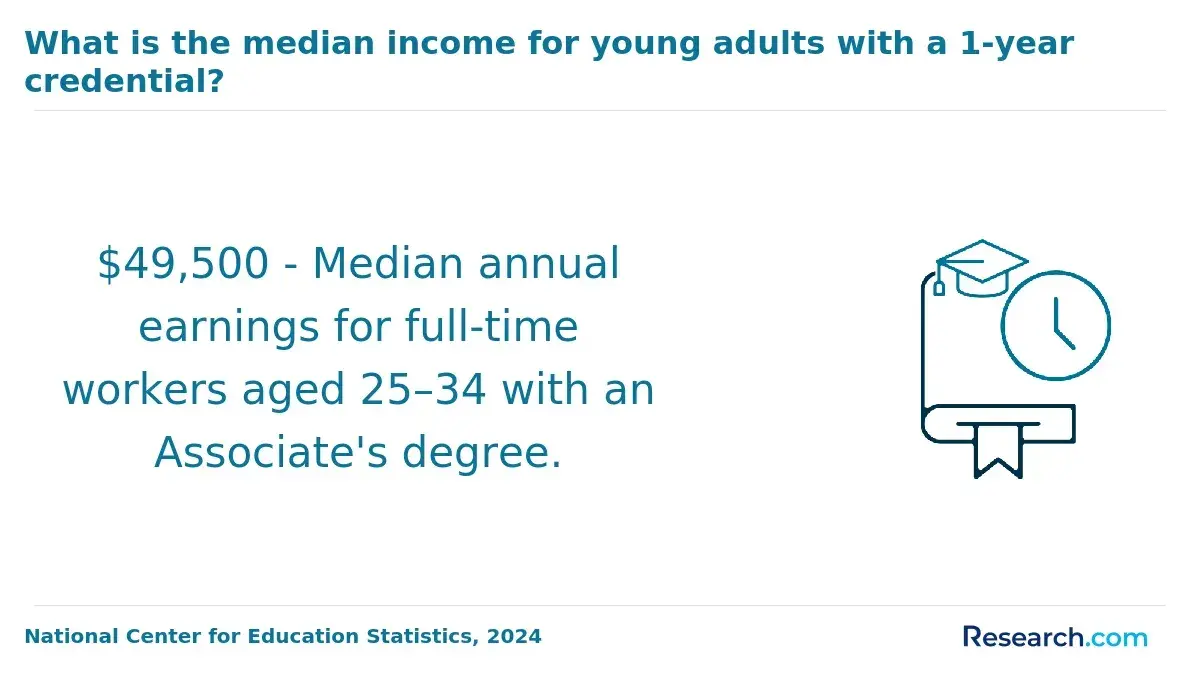
Typically, these programs require applicants to have completed between 24 and 60 transferable college credits. This range allows adult learners to build on previous academic work without repeating foundational courses. Other requirements also include:
- GPA Requirements: Many selective programs set a minimum GPA standard, generally between 2.5 and 3.0 on a 4.0 scale, while open-admission programs may offer more flexible criteria and extra academic resources.
- Prerequisite Coursework: Applicants might need to finish introductory classes related to hospitality management or tourism beforehand. These prerequisites often can be completed at community colleges to improve admission chances.
- Application Materials: Standard submissions include official transcripts, documented transfer credits, and occasionally letters of recommendation or personal statements. Work experience in the hospitality or tourism industry is sometimes considered during review.
- Conditional Admission: Some institutions provide provisional entry for candidates who don't fully meet all criteria, requiring them to demonstrate academic competence or complete specific courses early in the program.
- Program Selectivity: Open-admission options facilitate entry but may provide less intensive advising and less recognized credentials. More competitive programs demand stronger academic records and often offer enhanced support services.
To improve acceptance prospects, applicants should address any missing prerequisites and actively verify eligibility of prior credits with admissions advisors to optimize transfer benefits and reduce time to degree.
One professional who completed an online hospitality management & tourism bachelor's degree shared how navigating admissions initially felt overwhelming, especially with gathering transcripts and understanding credit transfers. She appreciated the option for conditional acceptance, which gave her confidence to start while improving her academic standing. Reflecting on her journey, she noted that proactively communicating with counselors and completing prerequisite courses early were crucial steps to overcoming barriers. Her experience highlights how persistence and preparation can turn complex admission processes into achievable milestones for working adults.
How Long Does It Take to Complete an Online Hospitality Management & Tourism Bachelor's Degree Completion Program as a Working Adult?
The duration to complete an online hospitality management & tourism bachelor's degree largely depends on the number of credits transferred and enrollment status. Students transferring around 30 credits may need to complete approximately 90 additional credits, while those with 90 transfer credits could finish with about 30 more. Part-time students carrying six credits per term typically finish in four to five years, whereas full-time students taking 12 or more credits often graduate within two to three years.
Many programs offer eight-week accelerated courses, allowing students to take multiple sessions per semester. This structure supports faster completion without requiring a full-time load. Additionally, summer classes provide opportunities for extra credits annually, shortening the overall timeline without adding pressure during regular semesters. Competency-based education further accelerates progress by enabling students to advance through mastery rather than seat time, particularly benefiting those with relevant work experience.
A common scenario for working adults is taking two courses per semester on an eight-week schedule, usually leading to degree completion in three to four years for students with 30 to 60 transfer credits. Those with 90 credits might finish in as little as one to two years under these conditions. Life circumstances and employer support, including tuition assistance and flexible schedules, significantly influence the pace at which students can progress. In 2023, over 60% of online bachelor's students were working while studying, underscoring the need for flexible program timelines.
What Financial Aid, Grants, and Employer Tuition Assistance Options Are Available for Online Hospitality Management & Tourism Completion Students?
Working adults completing an online hospitality management & tourism bachelor's degree have various financial aid options to help manage costs. Eligible students may receive federal Pell Grants and Direct Loans, which remain accessible to adult learners returning to school. Many states also offer grants specifically for adult students resuming higher education, while colleges often award scholarships targeting non-traditional learners to alleviate tuition expenses.
Employer tuition assistance is a vital resource for working professionals. Under IRS Section 127, employers can provide up to $5,250 annually in tuition benefits free from federal income tax. This benefit applies directly to undergraduate programs such as hospitality management & tourism, offering a practical way to reduce education costs without extra tax liability.
Several scholarships and fellowships are designed especially for adult learners completing hospitality management & tourism degrees. These awards typically consider professional experience and dedication to the field alongside academic performance, offering specialized financial aid that traditional scholarships may not provide.
How Does Per-Credit-Hour Tuition for Online Hospitality Management & Tourism Completion Programs Compare Across Accredited Institutions?
Per-credit-hour tuition rates for online hospitality management and tourism completion programs vary significantly across accredited institutions. National Center for Education Statistics (NCES) and Integrated Postsecondary Education Data System (IPEDS) data indicate the average cost per credit hour typically ranges from $350 to $550. This reflects differences between public and private institutions, regional tuition variations, and program design. Transfer students with 60 completed credits generally face total program costs from $14,000 to over $25,000, while those transferring with 90 credits see lower but still variable costs based on required credit hours and associated fees.
A cost-ranked overview of programs based on publicly available data illustrates these differences:
- Institution A: $325 per credit; Total cost (60 credits): $19,500
- Institution B: $375 per credit; Total cost (60 credits): $22,500
- Institution C: $450 per credit; Total cost (60 credits): $27,000
- Institution D: $350 per credit; Total cost (90 credits): $31,500
Beyond tuition, ancillary fees such as technology charges, graduation fees, mandatory proctoring costs, and textbook or e-resource expenses can substantially increase the real cost. These are often excluded from stated per-credit rates, complicating direct cost comparisons among programs offering hospitality management and tourism completion degrees online.
- Variable Credit Hours: Some programs mandate more than the standard 120 credits, raising total expenses despite lower per-credit tuition.
- Ancillary Fees Impact: Fees for technology, exams, and materials may add hundreds or thousands of dollars beyond advertised tuition.
- Transfer Credit Policies: Accepted transfer credits shape remaining requirements, heavily influencing final costs.
- Regional Differences: Public institutions frequently charge reduced rates for in-state students, making residency status important in budgeting.
For working adults balancing career and studies, evaluating these elements is crucial. Many consider alternative programs, including MBA entrepreneurship online, accessible through platforms like Research.com, which offer flexible learning with competitive pricing.
What Prior Learning Assessment and Credit-by-Exam Options Exist in Online Hospitality Management & Tourism Degree Completion Programs?
- Prior Learning Assessment (PLA) Options: Many online hospitality management and tourism bachelor's completion programs accept various PLA methods such as CLEP and DSST credit-by-exam options, portfolio reviews, and military training credits evaluated through the American Council on Education (ACE). These options help working adults convert valuable experience into academic credit, effectively shortening their time to graduation.
- Maximum Credit Allowed: The most flexible programs may accept up to 30-45 credits through PLA, with specific limits on credit-by-exam and portfolio assessments. This flexibility enables students to transfer substantial prior learning from accredited sources or professional experiences into their degree requirements.
- Portfolio Assessment: Institutions with expansive PLA policies allow students to submit detailed portfolios documenting experiential learning, workplace training, and professional certifications. These portfolios typically require reflective essays, verified documentation, and sometimes faculty interviews to evaluate real-world knowledge.
- ACE Credit Recommendations: The ACE system is crucial for military veterans and working adults who have completed corporate training programs. It provides an official framework for universities to translate military and corporate education into transferable credits, streamlining admissions and credit recognition in hospitality and tourism programs.
- Credit-by-Exam Policies: Programs with clear credit-by-exam policies facilitate the use of CLEP and DSST exams in subjects relevant to hospitality management and tourism bachelor's completion programs. These exams are cost-effective and accessible options for adult learners to earn college credit based on what they already know.
- Documentation and Submission: Prospective students should carefully document all relevant learning experiences with transcripts, certificates, and detailed descriptions. Institutions often provide guidelines on how to prepare and submit prior learning evidence for credit evaluation, ensuring that submissions meet academic standards.
Working adults seeking to leverage prior learning should research programs' PLA options thoroughly. For those looking for foundational credits, community college transfers can begin with an online associate's degree before pursuing a bachelor's completion in hospitality management and tourism.
How Do Asynchronous Schedules in Online Hospitality Management & Tourism Programs Accommodate Full-Time Working Professionals?
- Fully Asynchronous Delivery: These programs enable students to complete coursework entirely on their own schedule, eliminating fixed meeting times. Assignments, discussions, and exams are accessible anytime, supporting learners across different time zones and irregular work shifts without conflicts.
- Comparison of Formats: Asynchronous programs provide unmatched flexibility for shift workers, frequent travelers, and caregivers compared to synchronous or hybrid options. However, synchronous classes offer real-time interaction and peer engagement, while hybrid models blend flexibility with scheduled sessions but may demand more precise time management.
- Eight-Week Terms: Some institutions structure courses in compact eight-week sessions, allowing students to concentrate on fewer subjects at once. This format helps balance academic workload with professional and personal responsibilities by reducing overlap of heavy course content.
- Time Management Strategies: Successful online students emphasize creating consistent daily study routines and using digital calendars to prioritize tasks. Breaking assignments into smaller steps and setting weekly goals enhances productivity and minimizes overwhelm.
- Digital Tools: Commonly used platforms include learning management systems for course materials, video apps for recorded lectures, and productivity apps like Trello or Evernote for organizing assignments. Effective utilization of these tools supports steady progress and communication with instructors.
What Concentrations and Career Tracks Are Available Within Online Hospitality Management & Tourism Degree Completion Programs?
Online hospitality management & tourism bachelor's degree completion programs commonly include several concentration options integrated within the standard 120-credit curriculum, ensuring no added credits or extended timelines. These focused tracks prepare students for specific career paths while maintaining manageable course loads.
- Hotel and Lodging Management: This concentration trains students for roles such as hotel or resort management. According to Bureau of Labor Statistics data, lodging managers earn a median annual wage of about $56,000, benefiting from steady job growth linked to the expanding travel sector.
- Event and Meeting Planning: Designed for careers organizing corporate and social events, this path aligns with the positive employment outlook and median salaries near $51,000 reported for event planners as demand rises for experiential services.
- Food and Beverage Management: Students learn to oversee restaurant and catering operations. Food service managers have median earnings around $59,000, reflecting consistent industry demand.
- Tourism and Travel Management: This track focuses on roles in travel agencies, tour operations, and destination marketing, with median wages near $54,000 supported by global travel recovery trends.
- Sustainable Hospitality: A growing specialty emphasizing eco-conscious practices and social responsibility, it enhances employability through certifications in green tourism, meeting emerging industry needs.
Some concentrations also prepare graduates for certifications like Certified Meeting Professional (CMP) or Certified Hospitality Administrator (CHA), adding professional credentials beyond the degree. Choosing the right specialization involves aligning personal interests with labor market demand to maximize career growth and earning potential.
What Graduates Say About Online Hospitality Management & Tourism Bachelor's Degree Completion Programs for Working Adults
- Raul: "Choosing this online Hospitality Management & Tourism bachelor's degree program was a game changer for me because of its solid accreditation standards and structured curriculum that assured me of a quality education. The transfer credit policy was straightforward, allowing me to leverage my previous college courses without hassle. Plus, the flexible tuition model made it affordable while balancing my job, which helped me stay motivated throughout the program."
- Elisha: "Reflecting on my experience, the ability to apply prior learning credits saved me both time and money, making the journey to completing my degree much more efficient. The program's clear alignment with industry needs gave me confidence that my education was relevant to real-world hospitality and tourism careers. Since graduating, I've noticed significant employer interest thanks to the program's reputation, which has positively impacted my career growth."
- Michael: "From a professional standpoint, the rigorous program structure combined with respected accreditation provided the credibility I needed to advance in hospitality management. I especially appreciated the transfer credit policies, which acknowledged my previous coursework and helped me transition smoothly. The career outcomes spoke volumes-the skills I gained led to immediate opportunities that validated my decision to complete the online bachelor's degree."
Other Things You Should Know About Hospitality Management & Tourism Degrees
Online Hospitality Management & Tourism programs for working adults in 2027 offer personalized academic advising, flexible tutor schedules, and virtual career services. These tailored supports ensure that students can manage their work commitments while advancing their education and career prospects.
These programs often offer robust academic support tailored for working adults, including online tutoring, dedicated academic advisors, and flexible scheduling. Career services may include virtual job fairs, resume reviews, internship placement assistance, and networking opportunities with industry professionals. Such services help students balance work, study, and career development efficiently.
Some online hospitality management & tourism completion programs have adopted flat-rate or subscription-based tuition, allowing students to pay a consistent fee for unlimited courses within a set period. This model benefits working adults seeking to accelerate their studies or manage costs predictably. However, availability varies by institution, so prospective students should inquire about tuition structures before enrolling.
Completing a bachelor's degree in hospitality management & tourism generally leads to higher earning potential and better career advancement compared to holding some college credits alone. Graduates tend to qualify for supervisory and managerial roles that require a completed degree. While costs vary, the long-term benefits typically outweigh the expenses, especially when attending accredited online programs designed for working adults.
References
- Careers in Hospitality & Tourism Industry - Hotel Management Careers https://www.ehl.edu/en/careers-in-hospitality
- B.S. Hotel, Restaurant & Tourism Management Online | University of Wisconsin - Stout https://www.uwstout.edu/programs/bs-hotel-restaurant-tourism-management-online
- Accredited Online Hospitality Management Degree Programs https://www.accreditedonlinecolleges.org/hospitality-management/
- Can I Transfer Credits from Another Institution to QCF Level 4 Tourism Hospitality Management Part Time? https://level2.lsib.co.uk/2022/answers.aspx
- 50 Most Affordable Hospitality Management School Programs | UniversityHQ https://universityhq.org/business/hospitality-management/most-affordable-degrees/
- The benefits of flexible working practices in the hotel sector https://hospitalityinsights.ehl.edu/flexible-working-practices-in-the-hotel-sector
- Online Hospitality and Tourism (Undergraduate) https://www.schellhammerbusinessschool.com/online-hotel-and-hospitality-undergraduate/
- Study programme https://www.studyinpoland.pl/en/programme
- Online Hospitality Management & Tourism Bachelor's Degree https://gps.averett.edu/online/business/bachelor-of-science-in-business-administration-hospitality-management-tourism/
- Hospitality management studies – what you’ll learn and where it can take you https://www.glion.edu/magazine/hospitality-management-studies/