2027 Part-Time vs Full-Time Online Hospitality Management & Tourism Bachelor's Degree Programs

Co-Founder and Chief Data Scientist
Balancing a full-time job while considering a career shift into hospitality management & tourism can feel overwhelming. Many adult learners struggle to find an educational path that fits their demanding schedules and financial constraints. According to recent data, 65% of students enrolled in online hospitality management & tourism bachelor's programs opt for part-time study to accommodate work and family commitments.
This decision profoundly affects graduation timelines, skill acquisition, and career momentum. This article explores the differences between part-time and full-time online hospitality management & tourism bachelor's degree programs to help prospective students choose the option that aligns best with their personal and professional goals.
Key Benefits of Part-Time vs Full-Time Online Hospitality Management & Tourism Bachelor's Degree Programs
- Part-time programs offer greater scheduling flexibility, allowing students to balance coursework with full-time jobs or family responsibilities more effectively than full-time paths.
- Full-time students typically complete their online hospitality management & tourism degrees in 3-4 years, while part-time tracks may take 5-7 years due to reduced course loads.
- Balancing education with career goals is easier in part-time study, though full-time enrollment enables faster integration into the hospitality workforce amid evolving industry demands.
What is the difference between part-time and full-time online hospitality management & tourism bachelor's degree programs?
Part-time and full-time online hospitality management & tourism bachelor's degree programs vary mainly in workload, pacing, and overall time commitment. Nearly 60% of online undergraduate students in the U.S. choose part-time enrollment, reflecting a significant demand for flexible learning options among working adults and nontraditional learners. These distinctions influence how students balance education with other responsibilities.
Part-Time Online Programs
- Course Load: Students typically take one or two courses per semester, allowing them to spread their studies over a longer timeframe.
- Scheduling Flexibility: These programs accommodate students who juggle work, family, or other obligations by offering greater control over their academic calendar.
- Study Intensity: Part-time learners experience a lighter weekly coursework commitment, often benefiting from a less pressured environment that supports gradual progress.
Full-Time Online Programs
- Course Load: Full-time students usually enroll in three to five courses each term, enabling faster advancement through the curriculum.
- Scheduling Intensity: The pace demands more concentrated study hours per week, requiring stronger time management skills.
- Engagement Level: These students often participate more actively in discussions, assignments, and collaborative projects due to the increased coursework.
- Curriculum Completion: Full-time enrollment suits those aiming for quicker degree completion while maintaining focus on their studies.
Both enrollment options deliver the same foundational curriculum, making it important for students to align their choice with personal needs and lifestyle. For those interested in accelerating their education, exploring an accelerated associate degree can also be a strategic stepping stone within hospitality management & tourism fields.
How long does it take to complete part-time vs full-time online hospitality management & tourism bachelor's degrees?
Completion times for online hospitality management & tourism bachelor's degrees depend largely on whether students enroll full-time or part-time and how quickly they progress through their coursework. The average time for full-time students to finish a bachelor's degree is about 4.5 years, whereas part-time students often take six years or longer. These differences reflect how varying enrollment intensities affect program pacing and course scheduling.
Below is a comparison of part-time and full-time online programs for hospitality management & tourism degrees.
Part-Time Online Programs
- Flexible Scheduling: Part-time students typically take one or two courses per semester, allowing them to balance academic work with jobs or family responsibilities.
- Extended Duration: Because fewer courses are taken each term, part-time degree completion can extend to six years or more, depending on individual pacing.
- Course Availability: Limited course offerings in specific semesters may require part-time students to wait for required classes, prolonging their time to graduation.
- Program Adaptability: Many online programs offer flexible start dates and extended deadlines to accommodate the slower pace and life events impacting part-time learners.
Full-Time Online Programs
- Accelerated Timeline: Full-time students usually complete their degrees in about four years, following a traditional bachelor's program timeline.
- Structured Course Load: Taking three to five courses each term enables faster credit accumulation and steady academic momentum.
- Predictable Sequencing: Full-time enrollment often provides consistent access to required and elective courses every semester, supporting timely progression.
- Focused Commitment: Full-time students can dedicate more sustained effort to coursework, often leading to quicker mastery of materials.
Students considering how long does it take to complete online hospitality management and tourism bachelor's degrees part-time or full-time should weigh these factors carefully. For further insights into degree value, see which degrees make the most money.
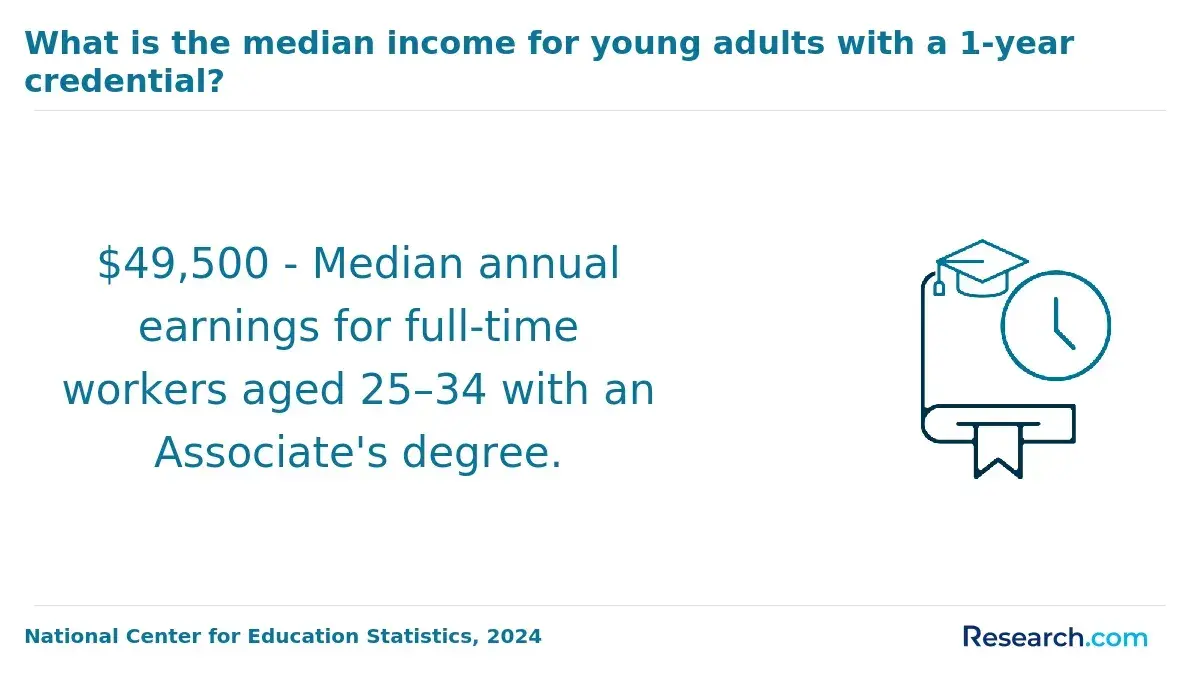
What is the workload for a part-time vs. a full-time online hospitality management & tourism bachelor's degree?
Full-time online hospitality management & tourism bachelor's degree students generally enroll in 12 to 15 credit hours per semester, which usually means taking four to five courses at once. This workload demands around 35 to 40 hours of study weekly, covering lectures, readings, assignments, and participation activities.
Part-time students, however, tend to take 6 to 9 credit hours, equal to two or three courses, with weekly study time ranging from 15 to 25 hours. The pacing in part-time programs is more spread out, allowing assignments and projects to be spaced across a longer timeline. This flexibility helps those balancing work or family obligations while pursuing their degrees.
Academic demands differ notably between the two formats. Full-time students face a higher concentration of assignments and overlapping deadlines, requiring them to juggle multiple projects simultaneously and maintain strict schedules. Frequent discussion posts, group work, and assessments increase the intensity and pace of their workload.
Part-time students have fewer concurrent deadlines, but the total volume of assignments per course remains comparable, making ongoing time management essential. Both formats require discipline, but full-time learners navigate a faster and more demanding environment compared to the steadier rhythm experienced by part-time enrollees.
Which option is better for working adults in an online hospitality management & tourism bachelor's degree?
Both part-time and full-time online hospitality management & tourism bachelor's degree programs present practical opportunities for working adults to further their education. With nearly 60% of online undergraduate students in the U.S. employed full time, balancing professional and academic commitments is a common challenge. Several considerations can help determine which enrollment type fits best with one's lifestyle and obligations.
- Scheduling Flexibility: Part-time programs often allow students to distribute their coursework more evenly over a longer duration, offering adaptability for fluctuating work or family demands. Full-time enrollment typically requires a steadier weekly schedule that may not easily accommodate unexpected changes.
- Workload Intensity: Full-time students usually face heavier course loads each term, increasing the hours needed for studying and projects. Part-time students take fewer classes simultaneously, which can reduce stress and help maintain balance.
- Time Management: Managing full-time studies alongside employment often demands rigorous time organization to meet deadlines and responsibilities. Part-time students tend to have more breathing room, allowing for a less restrictive routine.
- Degree Completion Pace: Full-time study can accelerate graduation timelines, ideal for those aiming to advance or switch careers quickly. Conversely, part-time learners progress at a slower pace, which may be preferable for maintaining consistent but manageable progress.
A working professional who chose to pursue an online hospitality management & tourism bachelor's program shared how she grappled with balancing coursework and her day job. "At first, even the lighter load felt overwhelming after a long shift," she explained, "but pacing myself and taking advantage of part-time enrollment options made continuing school feasible." Her experience highlighted the importance of aligning study commitments with personal energy levels and work demands, emphasizing that flexibility often makes sustained progress possible without burnout.
Can I switch from part-time to full-time in an online hospitality management & tourism bachelor's degree?
Many online Hospitality Management & Tourism bachelor's degree programs provide students with the option to switch between part-time and full-time enrollment based on their academic progress, work schedule changes, or personal situations. This flexibility caters especially to nontraditional learners balancing education with other responsibilities.
Research indicates that around 60% of online students modify their study load during their degree, reflecting a significant shift toward adaptable enrollment pathways. Such mobility helps students tailor their pace to better fit their evolving lives while maintaining steady academic progress. Students exploring these options should consider how changes in enrollment impact their course planning and overall degree timeline.
Switching enrollment status in online Hospitality Management & Tourism degree programs involves key factors such as an increased academic workload and accelerated pacing inherent to full-time study. Programs may require formal approval for changing from part-time to full-time status, typically involving academic advising or administrative processes.
Adjusting status can influence course availability and graduation schedules, making it important to understand institutional policies beforehand. Managing a more intensive course load also affects study habits and stress levels. For those interested in related flexible online degree options, a game development degree program offers another example of adaptable pathways for nontraditional students.
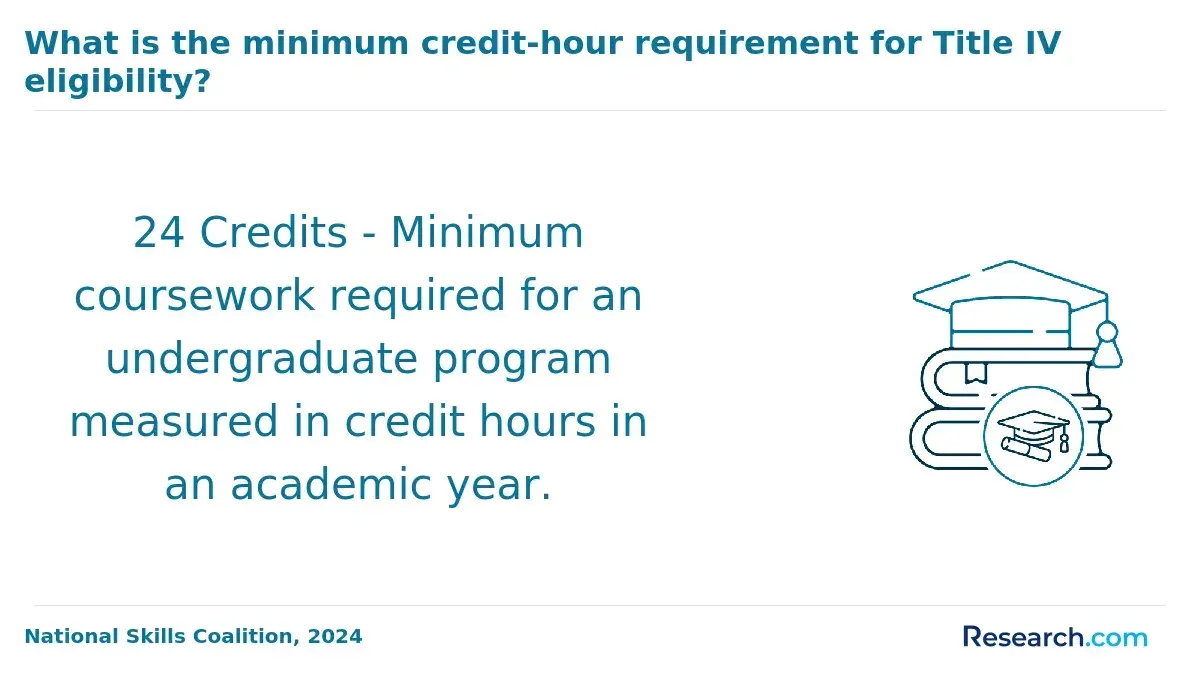
How does tuition differ for part-time vs full-time online hospitality management & tourism bachelor's degrees?
Tuition for online hospitality management & tourism bachelor's degrees varies notably based on whether students enroll part-time or full-time. These programs often follow a per-credit pricing model, with costs influenced by enrollment pace and institutional policies. On average, tuition ranges widely, reflecting differences in how credits and terms are billed. Below is a closer look at how tuition systems typically differ between part-time and full-time online learners.
Part-Time Online Programs
- Per-Credit Pricing: Part-time students usually pay tuition strictly per credit hour, so overall expenses align closely with the number of courses taken each term.
- Extended Payment Timeline: Since enrollment spreads across more terms, payments are smaller but more frequent, often lasting longer before graduation.
- Potential Cost Variability: Tuition rates may change during the extended study period, and administrative fees can add up over time, possibly increasing the total amount paid.
- Flexible Budgets: Smaller, regular payments offer flexibility for those balancing work or family but might require careful long-term financial planning to accommodate rising costs.
Full-Time Online Programs
- Flat or Reduced Rates: Many schools charge full-time students a flat tuition fee per term, which may cover a set range of credits and can sometimes include discounts on a per-credit basis.
- Lump Sum Payments: Larger, less frequent tuition payments are typical due to higher credit loads each semester, requiring upfront financial readiness.
- Accelerated Completion: Faster degree completion can lead to overall lower cumulative costs even if each term's payment is higher.
- Budget Concentration: Students must manage a more intensive workload along with bigger tuition bills, demanding greater focus on both time and money simultaneously.
When asked about his experience with tuition differences, a graduate of an online hospitality management & tourism bachelor's degree shared how navigating part-time payment schedules "felt like balancing on a financial tightrope." He noted that while spreading out costs eased monthly stress, it made long-term budgeting tricky because "fees and rates could shift each semester."
Ultimately, he reflected that "choosing part-time was about managing life's unpredictability rather than just saving money upfront." His journey underscored how each tuition approach requires thoughtful planning aligned with personal circumstances.
Which option offers better financial aid for an online hospitality management & tourism bachelor's degree?
Financial aid availability for an online hospitality management & tourism bachelor's degree depends largely on a student's enrollment status, eligibility criteria, and institutional policies. Full-time students often access more extensive financial aid options compared to part-time students.
For example, a National Center for Education Statistics 2022 report found that about 40% of part-time online undergraduates received some form of financial aid, demonstrating that part-timers still benefit, but generally less than full-timers. Below is a comparison of key financial aid types for part-time versus full-time students.
- Federal Pell Grants: Both part-time and full-time students can qualify for Pell Grants, but the award amount is prorated based on enrollment status. This means part-time students receive smaller amounts than their full-time peers.
- Federal Direct Loans: Available to both groups, though full-time students typically qualify for higher loan limits, enabling them to borrow more to cover educational costs.
- Institutional Scholarships: Many colleges reserve their largest scholarships for full-time students, but some institutions offer awards tailored specifically for part-time learners balancing work and study commitments.
- Employer Tuition Assistance: This aid is often accessible regardless of enrollment status. However, part-time students, who are frequently working professionals, tend to use employer assistance more frequently.
- State Grants: Eligibility varies by state, with some programs requiring full-time enrollment, thereby limiting the financial aid options for part-time students.
Students should carefully review each type's eligibility requirements and consult financial aid offices to understand how their enrollment status impacts available aid.
What are the pros and cons of part-time vs full-time online hospitality management & tourism bachelor's degrees?
Choosing between part-time and full-time online hospitality management & tourism bachelor's degree programs involves weighing flexibility, financial considerations, and academic commitment. These factors play a crucial role for working adults and nontraditional learners aiming to balance their studies with other life responsibilities. The following comparison outlines key pros and cons of each option.
Pros
- Flexibility: Part-time programs allow students to balance coursework with family or job demands more easily, offering manageable pacing over a longer period.
- Financial Accessibility: Part-time study spreads tuition costs across multiple terms, reducing upfront expenses for those funding their education independently.
- Faster Completion: Full-time programs enable dedicated learners to finish in about four years or less, accelerating career entry and growth opportunities.
- Increased Engagement: Full-time students often participate more actively in discussions and access resources, enhancing academic performance and networking.
Cons
- Slower Momentum: Part-time students may face challenges maintaining motivation and can feel isolated due to the extended duration of their studies.
- Limited Immersion: Part-time study may reduce deep engagement with course material and peer interaction compared to full-time options.
- Time Demands: Full-time students must manage intense workloads, which can be stressful without strong time-management skills.
- Less Flexibility: Full-time schedules offer fewer accommodations for personal or professional obligations, potentially limiting accessibility for some learners.
Those exploring online hospitality management & tourism programs should also consider career transitions that may align with their goals. Understanding what is an SLP in education can offer insight into how diverse professional paths intersect with education choices, providing additional context for making informed decisions.
Does part-time vs full-time affect career outcomes in an online hospitality management & tourism bachelor's degree?
Employers increasingly prioritize demonstrated competencies and relevant skills over a student's enrollment status in hospitality management & tourism bachelor's programs. According to a survey by the National Association of Colleges and Employers, 82% of employers consider the mode of study-whether part-time, full-time, online, or in-person-less important than actual skills and job-relevant experience. This perspective highlights that the impact of part-time vs full-time enrollment on career outcomes is generally limited.
Key factors influencing how students succeed, regardless of their enrollment type, include:
- Skill Development: Both part-time and full-time students have equal opportunities to acquire industry-specific skills through coursework and applied projects, which are essential for career growth in hospitality management & tourism.
- Work Experience Integration: Part-time students often balance work and study, enabling them to apply their learning in real-world settings immediately, boosting employability by blending theory with practice.
- Degree Credibility: Employers emphasize accreditation and the reputation of the institution over the pace at which the degree was completed, ensuring both part-time and full-time credentials hold value.
- Career Progression Opportunities: While both groups may access internships and networking, full-time students might find it easier to engage intensively in these activities due to greater schedule flexibility.
Prospective students focusing on the impact of enrollment type on hospitality management degree success should consider how effectively they build relevant experience and credentials. For those seeking to enhance career trajectories efficiently, exploring options like easy certifications that pay well alongside their degree may provide additional advantages.
What mistakes should I avoid in part-time vs full-time study?
Deciding between part-time and full-time online hospitality management & tourism bachelor's programs demands thoughtful planning, as nearly 40% of online learners face challenges completing their courses due to workload and time pressures. Recognizing typical obstacles can help students stay on track and succeed.
- Underestimating Workload: Many students, whether full-time or part-time, miscalculate the hours needed for readings, assignments, and projects. Full-time students might assume online classes are easier, while part-time learners may not dedicate ample weekly time alongside other responsibilities.
- Poor Time Management: Balancing multiple classes can overwhelm full-time students, whereas part-time students risk prolonging their degree, which can reduce momentum and motivation.
- Scheduling Conflicts: Part-time study may offer flexibility but failing to align class deadlines with personal and work commitments often causes stress. Full-time students sometimes overlook the intensity of virtual deadlines and interactions compared to traditional settings.
- Unrealistic Expectations: Expecting quick career advancement solely from enrollment can lead to frustration. Success in the field requires steady effort and networking, regardless of study pace.
- Neglecting Support Services: Online programs provide tutoring, advising, and tech help, yet part-time students may underuse these resources due to fewer contacts, while full-time students might ignore them amid heavier workloads.
What Graduates Say About Part-Time vs Full-Time Online Hospitality Management & Tourism Bachelor's Degree Programs
- Raul: "Choosing the part-time online Hospitality Management & Tourism bachelor's program was essential for me because I needed to balance work and family life. Although managing coursework alongside my job was challenging, the flexibility of the program allowed me to stay on track without feeling overwhelmed. Earning this degree has opened doors to leadership roles in the hospitality industry that I once thought were out of reach."
- Elisha: "I was drawn to the full-time online Hospitality Management & Tourism bachelor's degree because I wanted to immerse myself fully in the subject and accelerate my entry into the industry. Adapting to a rigorous online learning schedule took some adjustment, but the interactive coursework and support from faculty made the experience rewarding. This program has not only deepened my knowledge but has also elevated my professional confidence and networking opportunities."
- Michael: "Pursuing a part-time online Hospitality Management & Tourism degree was a strategic decision to enhance my career without leaving my current job. The challenge was staying disciplined with deadlines while working full-time, but the program's practical approach to real-world scenarios helped me immediately apply what I learned. Since graduating, I've noticed a significant improvement in my job performance and prospects for advancement."
Other Things You Should Know About Hospitality Management & Tourism Degrees
Internships are commonly part of hospitality management & tourism bachelor's degree curricula regardless of enrollment status. Full-time students might complete internships more quickly, fitting them into shorter academic breaks, while part-time students can spread internship hours over a longer period. Many online programs offer flexible internship placements to accommodate working students in both tracks.
Yes, both part-time and full-time students typically have equal access to online academic resources such as digital libraries, tutoring services, and faculty office hours. Schools do not usually restrict these resources based on enrollment status, ensuring all students in hospitality management & tourism programs receive comparable academic support.
In 2027, career services for part-time and full-time online hospitality management & tourism students often offer similar resources. However, part-time students may need to schedule consultations around their flexible study hours, while full-time students typically have more structured access due to their fixed academic schedules. It's crucial to check individual program specifics.
References
- Can I work full-time while studying for the Level 3 + Level 4 + Level 5 + Level 6 Diploma in Tourism and Hospitality Management part time? https://www.lsib.co.uk/2022/answers.aspx
- Hospitality & Tourism Degrees: Associate, Bachelor's & Online Course Info https://learningpath.org/articles/Hospitality_Tourism_Degrees_Associate_Bachelors_Online_Course_Info.html
- Why Study a BA in Tourism and Hospitality Management Abroad? | BSBI https://www.berlinsbi.com/blog/the-advantages-of-studying-ba-in-tourism-and-hospitality-management-abroad
- Part Time vs Full Time Study: Choose What Fits Your Boots https://www.uniccm.com/blog/part-time-vs-full-time-study-choose-what-fits-your-boots
- Tourism and Hospitality Management - Vistula University https://vistula.edu.pl/en/major/tourism-and-hospitality-management-2
- Benefits of Studying Hospitality and Tourism Management https://central-college.ca/benefits-of-hospitality-and-tourism/
- Online Bachelor′s in Hospitality Management (BBA) https://www.monroeu.edu/student-life/online-experience/online-bachelors-hospitality-management-bba
- Hospitality Management or Tourism? - St. POL Hospitality & Culinary Business School - Barcelona https://www.santpol.edu.es/en/blog/hospitality-management-or-tourism/
- Pros and Cons of part-time study https://www.bcu.ac.uk/student-info/types-of-study/postgraduate/postgraduate-taught-blog/part-time-pros-and-cons
- Choosing a bachelor's in hospitality management | edX https://www.edx.org/resources/how-to-choose-a-bachelors-in-hospitality-management