2027 Online Hospitality Management & Tourism Bachelor's Degree Programs With No Application Fee

Co-Founder and Chief Data Scientist
Professionals aiming to transition into hospitality management & tourism often face financial hurdles, especially when application fees accumulate across multiple programs. These upfront costs can deter career changers from pursuing flexible online degrees, limiting access to this growing field. According to recent data, 48% of students enrolling in online hospitality management & tourism programs report financial barriers as a major challenge in their enrollment process. This article explores accredited online bachelor's degree programs with no application fee, helping prospective students identify accessible pathways to enter the hospitality and tourism industry without unnecessary financial strain.
Key Benefits of Online Hospitality Management & Tourism Bachelor's Degree Programs With No Application Fee
- Comparing no-application-fee programs requires checking accreditation, transfer credits, and tuition rates to ensure they meet your academic standards and financial limits without hidden enrollment costs.
- Review financial aid options and state-specific tuition benefits to maximize affordability, as 65% of online hospitality graduates rely on scholarships or grants to reduce debt.
- Align program curricula and career services with hospitality industry trends, focusing on leadership and sustainable tourism skills that increase employability for career changers and first-generation students.
What Does 'No Application Fee' Really Mean for an Online Hospitality Management & Tourism Bachelor's Program?
Waived application fees for online Hospitality Management & Tourism bachelor's programs can mean either a permanent policy with no fees charged to any applicant or temporary waivers available only during certain promotions or admission cycles, often requiring a promotional code or meeting eligibility criteria. Data from the National Center for Education Statistics (NCES) shows about 35% of accredited institutions offering these programs charge no application fee, while roughly 65% maintain a fee but may offer occasional waivers.
Examples include Southern New Hampshire University, which permanently waives application fees for all online bachelor's applicants; Oregon State University Ecampus, known for consistently waiving fees in its hospitality program; and Liberty University, which applies no fee for most online degrees including hospitality management. Recognizing what "no application fee" truly means helps cost-conscious students build accurate comparisons among programs, especially when combined with tuition, financial aid options, and transfer credit policies relating to Hospitality Management & Tourism degrees.
- Permanent Waiver: This policy removes upfront financial barriers by letting any prospective student apply without paying, boosting accessibility for first-generation and adult learners.
- Temporary Waiver: These require careful timing or code usage, making fee elimination unpredictable and necessitating applicant vigilance.
- Cost Awareness: Knowing which programs offer no fee helps students create realistic budgets and avoid unexpected expenses in Hospitality Management & Tourism and tourism degree pathways.
- Application Strategy: Avoiding unnecessary fees reduces stress and initial costs, supporting diverse enrollment and improved access to the hospitality field's educational opportunities.
For those exploring additional options related to career advancement, understanding what certifications can I get online complements degree selection strategies by highlighting accessible online credentials that pay well in hospitality and tourism sectors.
Which Nationally and Regionally Accredited Schools Offer Online Hospitality Management & Tourism Bachelor's Degrees With No Application Fee?
Several accredited institutions offer online hospitality management & tourism bachelor's degrees with no application fee, making them appealing to cost-conscious adult learners and first-generation students. Below is a representative sample based on data from College Scorecard and NCES College Navigator.
- Southern New Hampshire University: Regionally accredited by the New England Commission of Higher Education (NECHE). Estimated total tuition is approximately $60,000. Known for flexible online delivery and credit transfer options.
- Liberty University: Regionally accredited by the Southern Association of Colleges and Schools Commission on Colleges (SACSCOC). Tuition totals around $40,000. Their program emphasizes leadership skills and tourism industry knowledge.
- American Public University: Nationally accredited by the Distance Education Accrediting Commission (DEAC). Estimated tuition is near $28,000. Offers career-focused courses designed to meet industry needs with open transfer credit policies.
- Granite State College: Regionally accredited by NECHE with tuition around $35,000. Specializes in adult learner-friendly schedules and practical hospitality management curriculum.
Regional accreditation is generally considered more prestigious and widely accepted by academic institutions and employers than national accreditation. It also tends to facilitate smoother credit transfers and better recognition for advanced study. In contrast, national accreditation, often granted to career or distance education institutions, may have more limited credit transferability and employer recognition but still supports valuable vocational training. For those exploring nationally accredited online hospitality management bachelor's programs with no application fee, understanding these distinctions is essential.
Because tuition and fee policies can change, applicants should verify the absence of application fees directly with each school before applying. This ensures financial planning is accurate and avoids surprises in the enrollment process. Additionally, exploring various financial aid options and transfer credit policies will aid in completing the degree affordably.
For students also interested in cost-effective online learning options beyond hospitality, programs like a cheap online psychology degree offer alternative pathways in other fields.
2026 Update: Experiential Learning Checks for Online Hospitality and Tourism Students
For 2026, this article was refreshed to help students look beyond the waived application fee and review how online hospitality management and tourism programs support hands-on learning, industry exposure, and career readiness.
- Whether the program includes internships, practicums, simulations, or capstone projects tied to hospitality or tourism settings.
- How online students can complete required field experiences near their home or current workplace.
- Whether prior hospitality, travel, food service, or event experience can support course projects or experiential requirements.
- What partnerships, advising support, or career services are available for finding approved experience sites.
- How flexible the program is for students already working irregular hospitality or tourism schedules.
- Whether portfolio work, case studies, or service-learning projects can demonstrate job-ready skills to future employers.
Checking these details helps students choose a no-application-fee program that is not only affordable to apply to, but also practical for building real hospitality and tourism experience.
How Much Money Can Students Save by Choosing an Online Hospitality Management & Tourism Bachelor's Program With No Application Fee?
Applying to multiple online hospitality management & tourism bachelor's programs without an application fee can lead to significant savings. Typical fees range from $25 to $75 per school, so applying to eight to ten programs can add up to $200-$750. Data from sources like the College Board highlight how these upfront costs, though small compared to overall degree expenses, pose meaningful barriers for many students, particularly those who are low-income or first-generation college applicants.
According to the Georgetown Center on Education and the Workforce, the total costs associated with earning a bachelor's degree-including tuition, housing, and fees-often exceed $100,000. While application fees are only a fraction of this total, waiving them helps lower initial financial hurdles and supports a more inclusive process. This support can expand access for students who might otherwise limit their choices due to cost concerns.
- Estimated Savings: Waiving fees for 8-10 applications can save between $200 and $750, easing the financial burden during college searches.
- Equity Impact: Fee waivers reduce entry barriers that disproportionately affect low-income and first-generation students, promoting wider participation in the hospitality management & tourism field.
- Immediate Relief: Reducing up-front costs allows applicants to redirect funds toward essentials like test preparation or necessary technology for online learning.
- Part of Affordability: Application fee waivers complement other affordability factors such as tuition rates, financial aid, and total program expenses when considering cost-effective degree completion.
A professional who enrolled in an online hospitality management & tourism bachelor's degree program without an application fee shared that the ability to apply without worrying about initial costs made a decisive difference. "The no-fee applications meant I could consider more programs without the stress of upfront expenses," he explained. Navigating options felt less overwhelming, and he appreciated that the lack of fees allowed him to focus on selecting programs that fit his career goals rather than being limited by application costs. This flexibility helped him approach the process with greater confidence and less financial strain.
Are Online Hospitality Management & Tourism Bachelor's Programs That Charge No Application Fee Accredited and Legitimate?
Many accredited online hospitality management & tourism bachelor's programs that charge no application fee are offered by reputable institutions recognized by both the Council for Higher Education Accreditation (CHEA) and the U.S. Department of Education. Application fee waivers do not imply lower program quality. Instead, accreditation remains the most reliable marker of legitimacy and academic rigor.
There are two main accreditation types to examine: regional accreditation, which applies to the entire institution, and programmatic accreditation, which certifies specific hospitality or tourism programs. Examples include ACBSP for business-related hospitality management, ABET for technical elements, and CAEP for educational components. These accreditors confirm that a program meets quality faculty standards, curriculum depth, and student outcomes.
- Verify Accreditation: Use CHEA's database and the U.S. Department of Education's lookup tool to confirm a school's accreditation before applying.
- Check Regional Accreditation: Ensure the institution holds regional accreditation, as it is vital even when a program has specialized approval.
- Look for Programmatic Accreditation: Hospitality-specific accreditations, such as ACBSP, indicate stronger quality assurance.
- Avoid Degree Mills: Beware institutions with no recognized accreditation that may use no application fees as a marketing strategy.
For cost-conscious students, properly accredited online hospitality management & tourism bachelor's programs with no application fee offer an opportunity for legitimate education without unnecessary upfront costs. Those interested may also explore related fields, like the MFT program, to broaden their options.
What Are the Admission Requirements for Online Hospitality Management & Tourism Bachelor's Programs That Waive the Application Fee?
Applicants typically must have completed high school or obtained a GED to demonstrate foundational academic readiness essential for bachelor's level study. Other requirements also include:
- GPA Requirements: Minimum GPA benchmarks often hover around 2.5 on a 4.0 scale, though some selective programs enforce stricter criteria to maintain academic quality.
- SAT/ACT Flexibility: Many online hospitality management & tourism programs either waive standardized testing or make it optional, improving accessibility for adult learners and those returning to education after time away.
- Admissions Selectivity: Fee waivers apply across a spectrum from open admissions to competitive institutions, indicating no direct link between application cost and admission rigor.
- Rolling Admissions and Start Dates: Frequent application deadlines paired with multiple matriculation points empower prospective students to join programs throughout the year, enhancing convenience especially when no application fee is required.
- Prerequisite Coursework: While general education requirements are standard, some programs may ask for prior experience or classes in business, communications, or tourism to prepare students for curriculum demands.
- Competitive Program Standards: Even prestigious online programs offering waived application fees maintain high academic thresholds, affirming that cost-saving on applications does not reduce admission standards.
A professional who built a career after graduating from an online hospitality management & tourism bachelor's program with no application fee shared that navigating admissions felt straightforward yet thorough. She recalled feeling relief that the absence of an application fee did not lead to a less rigorous process; in fact, the clear GPA and prerequisite requirements helped her stay focused on meeting expectations. The rolling admissions schedule allowed her to apply at a time that fit her family's needs, and the streamlined process gave her confidence that the program was both accessible and demanding-qualities critical to her decision to enroll and ultimately succeed.
How Does Per-Credit-Hour Tuition at Online Hospitality Management & Tourism Bachelor's Programs Compare When the Application Fee Is Already Waived?
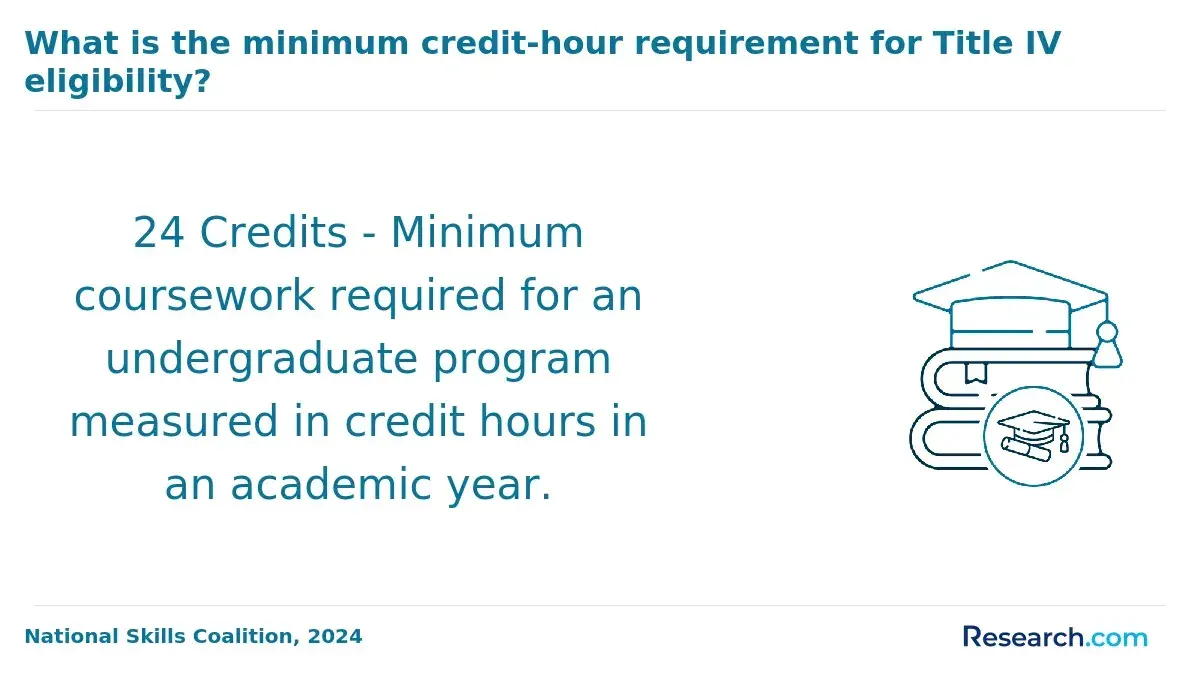
Tuition costs per credit hour differ widely among online hospitality management & tourism bachelor's programs that waive application fees, often falling below the national average of approximately $400 for all online bachelor's degrees. Examination of data from IPEDS and the College Scorecard shows varying rates and credit requirements, highlighting affordability options without the barrier of an application fee.
- Grand Canyon University charges $470 per credit for 120 credits, totaling around $56,400 with no application fee.
- Western Kentucky University offers a rate of $287 per credit for 120 credits, estimating $34,440 total tuition without an application fee.
- Southern New Hampshire University sets tuition at $320 per credit for 120 credits, resulting in about $38,400, also with no application fee.
- Liberty University's rate is $390 per credit for 120 credits, estimating $46,800 total, with no application fee.
- The University of Memphis applies a flat rate of $201 per credit hour for all online students, totaling $24,120 for 120 credits, with no application fee.
The University of Memphis's flat-rate tuition applies regardless of residency, offering simplicity and cost savings for out-of-state learners. This model benefits adult students and those relocating, making expenses predictable. While waiving application fees removes an initial cost, tuition remains the primary expense. Typically, institutions without application fees also have competitive per-credit costs, enhancing overall affordability.
Recent data reveals a 20% increase since 2020 in public universities removing application fees, a move aimed at boosting enrollment among underrepresented and nontraditional students. This trend reflects a broader commitment to lowering financial hurdles for first-generation students and career changers seeking online hospitality management & tourism degrees.
- Tuition Variation: Rates range from about $200 to nearly $500 per credit, with many fee-waived schools pricing near or below the $400 average.
- Flat-Rate Tuition: Some programs charge a uniform per-credit cost for all online students, aiding affordability and easing budget planning.
- Application Fee Impact: Removing application fees reduces initial costs but does not guarantee the lowest tuition; both should be considered jointly.
- Affordability Trends: The elimination of application fees has grown as institutions seek to improve access for adult learners and first-generation students.
- Total Cost Differences: Variations in credit requirements and tuition rates significantly affect the total cost, making credit transfer policies important to review.
What Financial Aid and Scholarships Are Available for Online Hospitality Management & Tourism Bachelor's Students at No-Fee Programs?
Federal Student Aid resources confirm that FAFSA eligibility, Pell Grants, and subsidized or unsubsidized federal loans are available to students enrolled in any accredited institution, regardless of whether there is an application fee. This foundation of financial support helps make hospitality management & tourism degrees more affordable without concern for application fee policies.
Hospitality management & tourism students can access scholarships tailored specifically to their field. Useful sources include awards from the American Hotel & Lodging Educational Foundation, university hospitality departments, and specialized third-party scholarship databases. Searching with keywords like "hospitality management" and "tourism" in these databases helps uncover opportunities aligned with students' academic paths.
Many no-fee online hospitality management & tourism programs provide exclusive grants-both merit- and need-based-that can substantially lower tuition costs. Contacting financial aid offices at selected schools is essential to discover these often under-advertised funding options.
Working adults may combine employer tuition assistance programs with institutional grants. Many employers offer partial or full tuition reimbursement, reducing out-of-pocket expenses and easing the cost burden when layered with other aid sources.
Filing the FAFSA as early as possible each year increases chances of receiving federal grants and scholarships before funds run out, while also meeting institutional deadlines critical for maximizing aid.
Proactively speaking with aid counselors at no-fee hospitality management & tourism programs can reveal hidden scholarships and customized payment plans tailored to individual student needs.
Recent statistics show that 87% of online undergraduates receive some form of financial aid, highlighting how critical it is for hospitality management & tourism students to leverage all funding resources available.
How Long Does It Take to Complete an Online Hospitality Management & Tourism Bachelor's Degree at a No-Application-Fee School?
Students pursuing an online Hospitality Management & Tourism bachelor's degree at no-application-fee schools typically need about 120 credit hours to graduate. Most finish in around four years when enrolling full-time at 12 to 15 credits per semester, aligning with National Center for Education Statistics (NCES) data on average completion time for online bachelor's degrees. However, variations exist depending on enrollment intensity and program structure.
Some programs offer year-round enrollment with shorter terms like trimesters or eight-week modules. This structure promotes faster progress and allows motivated learners to potentially graduate in three years or less by continuously taking courses without long breaks.
Learners balancing work or family obligations often choose part-time study, which can extend the timeline to five or six years based on credit load and term length. Flexible asynchronous delivery helps students manage unpredictable schedules while maintaining steady progress.
Many programs accept transfer credits from community colleges and other institutions. Options such as prior learning assessments or credit-by-exam methods, including CLEP, can significantly reduce remaining credits and shorten time to graduation.
Estimating time to graduation requires assessing typical credit hours per term, daily commitments, and whether the program uses semesters, trimesters, or accelerated modules. This honest evaluation helps set realistic expectations for completing an online Hospitality Management & Tourism bachelor's degree program efficiently.
Those interested in affordable education paths may also explore the cheapest online human resources degree as a comparative option within related fields.
Can Transfer Students Apply for Online Hospitality Management & Tourism Bachelor's Degrees With No Application Fee?
Yes, transfer students are often eligible for online hospitality management and tourism bachelor's degree programs that waive application fees. Data from the National Center for Education Statistics (NCES) and the National Council for State Authorization Reciprocity Agreements (NC-SARA) show that the majority of these no-application-fee programs also accept transfer credits, ensuring a smoother transition for students continuing their education.
- Transfer Credit Acceptance: Most online hospitality management and tourism degrees accept transfer credits from accredited community colleges, prior bachelor's degree coursework, and even military training credits. This reflects a flexible approach to diverse student backgrounds and recognizes prior learning in relevant fields.
- Evaluation Process: Institutions typically require official transcripts early in the application process to evaluate course equivalency and relevance. This helps students understand which credits count toward their degree and plan remaining coursework effectively.
- Types of Acceptable Credits: Credits from general education, hospitality, tourism, or business-related courses are usually accepted. Highly specialized or outdated courses, however, may not transfer, so students should verify eligibility beforehand.
- Articulation Agreements: Many universities have articulation agreements with community colleges. These formal partnerships guarantee acceptance of specific credits, reducing uncertainty and saving time for transfer students exploring online hospitality management and tourism programs.
- Early Credit Evaluation Advice: Requesting a transfer credit evaluation during the application phase helps prospective transfer students estimate remaining credits and better manage both time and financial resources.
The option to waive application fees combined with accredited transfer credit acceptance creates pathways for adult learners and career changers to pursue online hospitality management and tourism degrees affordably. For those budgeting their education costs, exploring the cheapest online colleges offering such programs can be a strategic step in achieving their academic goals.
Are Online Hospitality Management & Tourism Bachelor's Degrees With No Application Fee Recognized by Employers?
Employers increasingly prioritize the accreditation status of hospitality management & tourism degrees over whether they were earned online or on-campus. Research from Georgetown CEW shows that credentials from regionally accredited schools receive strong recognition, while degrees from unaccredited or less reputable institutions face skepticism regardless of delivery method. Recent SHRM surveys reveal that hiring managers emphasize practical skills and academic rigor linked to well-established accreditations rather than the format of learning.
- Accreditation Priority: Regional accreditation assures employers that graduates meet consistent academic and professional standards, making it the primary factor in evaluating credentials.
- Programmatic Recognition: Specialized accreditations, such as those from the Accreditation Commission for Programs in Hospitality Administration (ACPHA), further validate program quality and align with industry expectations.
- Employer Emphasis: Data from SHRM indicates that recruiters value competency and job readiness over whether the degree was completed online or in person.
- Professional Affiliations: Industry bodies like the American Hotel & Lodging Educational Institute (AHLEI) offer certifications that complement degrees and enhance professional credibility.
- Resume and Interview Strategy: Candidates should highlight accreditation and relevant hands-on experiences, such as internships, to demonstrate preparedness and align their qualifications with employer priorities.
What Technology Requirements and Online Learning Tools Are Used in No-Fee Online Hospitality Management & Tourism Bachelor's Programs?
- Reliable Broadband Internet: A fast and stable internet connection is critical for accessing live lectures, participating in virtual discussions, and downloading course content without delays or interruptions.
- Updated Computer Hardware: Students generally require a laptop or desktop with a modern operating system, at least 8GB of RAM, and ample storage capacity to effectively handle academic software and store necessary files.
- Webcam and Microphone: These devices are essential for attending live classes, engaging in group meetings, and delivering presentations, ensuring full participation in synchronous learning activities.
- Learning Management Systems (LMS): Common platforms like Canvas, Blackboard, and D2L are used to navigate coursework, submit assignments, complete quizzes, and communicate with instructors and classmates through a user-friendly online interface.
- Specialized Software and Simulations: Some hospitality management & tourism programs include access to industry-specific tools such as property management software, event planning applications, or customer service simulators. These resources may be cloud-based with fees covered by tuition or require additional payment.
- Technology Budgeting: When assessing the total costs of an online hospitality management & tourism degree with no application fee, students should consider possible expenses beyond tuition, including equipment upgrades, software licensing, and maintaining reliable internet service.
What Graduates Say About Their Online Hospitality Management & Tourism Bachelor's Degree Programs With No Application Fee
- Raul: "Choosing an online hospitality management & tourism bachelor's degree with no application fee was a huge relief financially, allowing me to invest more in my studies rather than initial costs. The flexibility of the program fit perfectly with my full-time job, making it easier to transition careers without sacrificing income. Since graduating, I've secured a managerial role in a leading hotel chain, thanks to the practical skills and industry insights I gained."
- Elisha: "I opted for the no application fee route because it reduced the barriers to entry when I was uncertain about switching to hospitality management & tourism. The affordable tuition was a major factor in my decision, enabling me to complete the bachelor's degree without incurring significant debt. Reflecting on my experience, I now feel more confident and prepared to advance in a competitive travel and tourism sector that constantly evolves."
- Michael: "The profession I was in didn't offer much growth, so pursuing an online hospitality management & tourism bachelor's degree with no application fee was a strategic move to enhance my career prospects. I appreciated how the program balanced cost-effectiveness and comprehensive curriculum, allowing me to learn efficiently at my own pace. Today, the degree serves as a cornerstone for my promotion to a senior consultant role within the tourism industry."
Other Things You Should Know About Hospitality Management & Tourism Degrees
Some programs may require prior work experience in hospitality or tourism. However, many online programs accepting applications in 2027 offer flexibility in their admission criteria, emphasizing academic performance or relevant coursework instead. Check individual program requirements for specific details.
Yes. Many 2027 online hospitality and tourism bachelor’s programs accept up to 90 transfer credits, but only courses from regionally accredited colleges usually qualify. Schools often require official transcripts and may set a minimum 2.0 GPA for transfer admission.
References
- Ope - Dapip https://ope.ed.gov/dapip/
- Vistula School of Hospitality https://study.gov.pl/vistula-school-hospitality
- Bachelor of International Hospitality & Tourism Management – La Xenia International Institute of Switzerland https://laxenia.ch/bachelor-of-international-hospitality-tourism-management/
- Are there any scholarships or financial aid options available for the Level 3 + Level 4 + Level 5 + Level 6 + Level 7 Diploma in Tourism and Hospitality Management online? https://www.lsib.co.uk/2022/answers.aspx
- Are there any scholarships or financial aid options available for QCF Level 4 Diploma Tourism Hospitality Management online? https://rqf.lsib.co.uk/2022/answers.aspx
- Bachelor Tourism & Hospitality Management | FHWien der WKW https://www.fh-wien.ac.at/en/study/bachelor/tourism-hospitality-management/
- Online Bachelor′s in Hospitality Management (BBA) https://www.monroeu.edu/student-life/online-experience/online-bachelors-hospitality-management-bba
- Tourism and Hospitality Management - Vistula University https://vistula.edu.pl/en/major/tourism-and-hospitality-management-2
- Bachelor of Hospitality and Tourism Management https://www.sait.ca/programs-and-courses/degrees/bachelor-of-hospitality-and-tourism-management
- Chea https://www.chea.org