2027 Return on Investment of an Online Hospitality Management & Tourism Bachelor's Degree: Salary vs Cost

Co-Founder and Chief Data Scientist
Consider a professional with a non-hospitality degree aiming to enter the hospitality management & tourism sector through an online bachelor's program. The dilemma-balancing tuition costs against potential salary growth-often complicates this career pivot.
According to the Bureau of Labor Statistics, the median annual wage for lodging managers stands at $59,660, but those with relevant qualifications can expect a 10-15% salary increase within five years.
This article examines the true return on investment of such online degrees by comparing upfront costs with long-term earnings, helping readers make informed decisions about their educational path and career prospects.
Key Things to Know About the Return on Investment of an Online Hospitality Management & Tourism Bachelor's Degree
- Average tuition for online hospitality management & tourism bachelor's degrees ranges from $15,000 to $40,000-significantly lower than many traditional programs-enabling manageable upfront investment for students on tight budgets.
- Graduates report median early-career salaries near $55,000, climbing to over $70,000 with five years' experience, reflecting positive salary growth aligned with industry demands and managerial roles.
- Beyond salary, these degrees improve job security, facilitate career advancement to supervisory positions, and provide professional development through industry networks and certifications.
What Is the True Cost of Earning an Online Hospitality Management & Tourism Bachelor's Degree From Enrollment to Graduation?
Tuition and fees for hospitality management and tourism bachelor's programs vary significantly but generally fall between $8,000 and $20,000 annually before financial aid.
These published rates represent the sticker price, yet many students pay substantially less-often 30 to 50 percent below-after grants and scholarships. Technology fees, typically ranging from $200 to $500 per year, add to the upfront costs required by most online programs.
Course materials, including textbooks, digital resources, and proctoring fees, usually cost between $1,000 and $1,500 annually depending on the institution. Proctoring fees for exams commonly range from $30 to $50 each.
Beyond direct charges, indirect expenses such as reliable internet service and necessary device upgrades can add approximately $500 or more, reflecting required technology investments for successful online learning.
- Tuition and Fees: Average annual tuition ranges from $8,000 to $20,000 before aid, with technology fees adding $200 to $500 yearly, raising the baseline costs.
- Financial Aid Impact: Many students reduce their final price by 30 to 50 percent through scholarships and grants, significantly lowering financial barriers.
- Course Materials: Expect to spend $1,000 to $1,500 annually on textbooks, digital resources, and proctoring fees, which vary by program.
- Technology Needs: Online learners often invest $500 or more in devices and internet service to meet course requirements.
Taking into account tuition, fees, materials, and technology, the total net price for completing an online hospitality management and tourism degree typically ranges from $30,000 to $60,000 over four years.
This estimate provides a practical baseline for prospective students to assess return on investment by comparing real educational costs to verified salary outcomes and career growth prospects.
For those interested in affordable credentials, it may be helpful to explore cheapest online EDD programs as a comparative resource when evaluating budget-friendly options.
How Does the Starting Salary for Hospitality Management & Tourism Bachelor's Degree Graduates Compare to the Total Cost of the Degree?
Graduates holding a bachelor's degree in Hospitality Management & Tourism most often start their careers as event planners, travel coordinators, or hotel managers.
According to the U.S. Bureau of Labor Statistics (BLS), the median annual salary for entry-level roles in these fields usually ranges from $40,000 to $48,000. This starting salary varies based on factors like location and employer size, reflecting real entry points documented in industry data.
The average total cost of finishing an online Hospitality Management & Tourism bachelor's degree can fluctuate widely. In the best-case scenario-featuring low tuition and strong financial aid-students might pay about $15,000 for the full program.
In contrast, the worst-case scenario, involving limited aid or full tuition, can push costs beyond $40,000. When comparing this against starting salaries, graduates earning near $48,000 would need roughly 4 months of income to cover tuition in the best-case cost situation, but about 10 months in the worst case.
Starting salary trends for hospitality management & tourism bachelor's degree holders in the US show this initial payback period only tells part of the story. Mid-career salaries often double entry-level figures, reflecting growth in skills, responsibilities, and managerial roles.
This dynamic improves the long-term return on investment of the degree, especially when considering enhanced job security and professional development opportunities.
For prospective students carefully weighing costs, it's helpful to compare tuition and fees with income prospects. Exploring options such as a business management degree online cost can provide insights into affordable programs with strong outcomes.
- Starting Salary Range: Entry-level hospitality management & tourism roles generally pay between $40,000 and $48,000 annually based on BLS data, providing a realistic baseline for salary expectations after graduation.
- Total Degree Cost Variability: Program costs can range from $15,000 with financial aid to over $40,000 without; this gap significantly affects the time needed to recoup educational expenses.
- Payback Period Differences: Best-case scenarios require roughly 4 months of full salary to offset tuition costs, while worst-case scenarios may demand 10 or more months, highlighting the value of financial aid and scholarships.
- Salary Growth Potential: Median salaries generally rise steadily, often doubling after several years in the field, which improves long-term ROI beyond initial cost comparisons.
- Beyond Finances: The degree also offers career advancement, enhanced job security, and professional development, all important factors in assessing overall investment value.
What Is the Average Return on Investment (ROI) for an Online Hospitality Management & Tourism Bachelor's Degree Over a 10-Year Career?
Return on investment (ROI) in higher education measures the financial benefit a graduate gains compared to the cost of earning their degree.
For an online hospitality management & tourism bachelor's degree, ROI is calculated by subtracting the total program cost from the extra income earned over 10 years compared to someone with only a high school diploma or an associate degree in the same field.
Data from the Georgetown University Center on Education and the Workforce shows that the average college graduate earns close to $1 million more over a lifetime than a high school graduate.
PayScale's College ROI Report similarly highlights that graduates in hospitality management & tourism typically enjoy solid mid-career salaries, contributing to strong long-term financial returns.
Using figures from the Bureau of Labor Statistics, the median annual salary for hospitality managers is about $59,000, with an average yearly raise of 3%.
Over a decade, this grows to an estimated total earning of $650,000. By comparison, someone with a high school diploma working in hospitality earns roughly $34,000 annually, or about $380,000 over 10 years.
After subtracting an average tuition cost of $40,000 for an online degree, the net financial gain is close to $230,000 over ten years.
- Definition of ROI: ROI evaluates the total education expenses against the additional cumulative earnings gained compared to peers without a bachelor's degree, treating schooling as a strategic investment.
- Median Salaries: Hospitality management starts at a median salary near $59,000, increasing steadily over time to produce a significant cumulative income advantage.
- Cost Considerations: Tuition for online bachelor's programs averages around $40,000, a pivotal factor in determining the overall financial benefit.
- National Comparison: The ROI for hospitality management & tourism degrees is in line with the average returns for all bachelor's degrees across the country.
A professional who enrolled in an online hospitality management & tourism bachelor's program after carefully assessing costs versus potential returns shared his experience.
He described facing uncertainty balancing work, family, and studies but remained motivated by the projected financial benefits.
"Knowing the degree's price was manageable and seeing clear salary growth helped me commit," he explained. Throughout the program, he appreciated the flexibility and the practical skills learned, noting, "That combination gave me confidence not just to finish but to advance my career." His story reflects the importance of weighing both tangible and intangible returns when investing in education.
How Do Online Hospitality Management & Tourism Program Tuition Rates Compare Across Public, Private, and For-Profit Institutions?
Comparing the cost differences between public private and for-profit hospitality degrees is essential, but affordability alone should not guide decisions. More comprehensive evaluation includes graduation success, alumni earnings, and employer reputation.
- Public Institutions: Tuition at public universities for online Hospitality Management and Tourism bachelor's programs generally ranges from $6,000 to $15,000 per year. Many public schools use a flat-rate online tuition model, which benefits both in-state and out-of-state students by simplifying budgeting.
- Private Nonprofit Colleges: These colleges typically charge between $20,000 and $40,000 annually for online Hospitality Management and Tourism programs. Although the tuition is significantly higher, private nonprofits tend to offer more personalized academic resources .
- For-Profit Colleges: Tuition can sometimes be comparable to public schools or slightly higher but is often still less expensive than private nonprofits. However, for-profit institutions report lower graduation rates and may face skepticism from employers about degree quality.
For additional insights on related fields, you might explore programs like the online construction management masters, which also emphasize ROI considerations in program selection.
What Long-Term Salary Growth Can Hospitality Management & Tourism Bachelor's Degree Holders Expect Over a 20- to 30-Year Career?
A hospitality management and tourism bachelor’s degree can offer consistent long-term salary growth, with higher earnings developing as professionals gain experience, move into managerial roles, and oversee larger operations or strategic initiatives.
- Early Career Growth: In the initial five years, hospitality management & tourism graduates usually hold entry-level supervisory roles such as assistant manager or shift supervisor. During this period, wages commonly increase by roughly 25-30% above the national entry-level average as they gain essential skills.
- Mid-Career Acceleration: Around ten years of experience, many progress to positions like hotel manager or event director. Salaries often rise sharply at this stage-typically 35-50% higher than starting pay-reflecting enhanced leadership duties and broader operational responsibilities.
- Advanced Career Milestones: After 15 years or more, seasoned professionals frequently move into senior management or executive roles, including regional manager or director of operations. Earnings at this level can reach up to twice the entry wage, driven by advanced expertise and extensive networks within the industry.
- Lifetime Earnings Premium: According to American Community Survey data, hospitality management & tourism bachelor's degree holders earn 20-40% more over their careers compared to those without a degree in similar roles.
- Long-Term Outlook: Over 20 to 30 years, steady wage growth accompanies ongoing opportunities for promotion and skill enhancement. Degree holders typically benefit from stronger job security and access to professional development, as industry trends increasingly favor formal education.
A professional who built her career after completing an online hospitality management & tourism bachelor's degree shared that the path wasn't without challenges. She recalled balancing coursework with full-time work, often feeling overwhelmed but determined.
"Seeing the salary growth milestones over time made the sacrifices worthwhile," she said. Her experience illustrated that persistence and continuing education create a foundation for meaningful advancement and lasting financial stability in this field.
How Does the ROI of an Online Hospitality Management & Tourism Bachelor's Degree Compare to an Associate Degree or a Professional Certificate?
Comparing the financial and career benefits of an online Hospitality Management & Tourism bachelor's degree with an associate degree or professional certificate reveals clear trade-offs based on cost, time, and goals.
- Cost: Associate degrees and certificates generally require less upfront spending. Average tuition for a two-year community college associate degree ranges from $6,000 to $15,000, while bachelor's programs typically cost between $20,000 and $40,000.
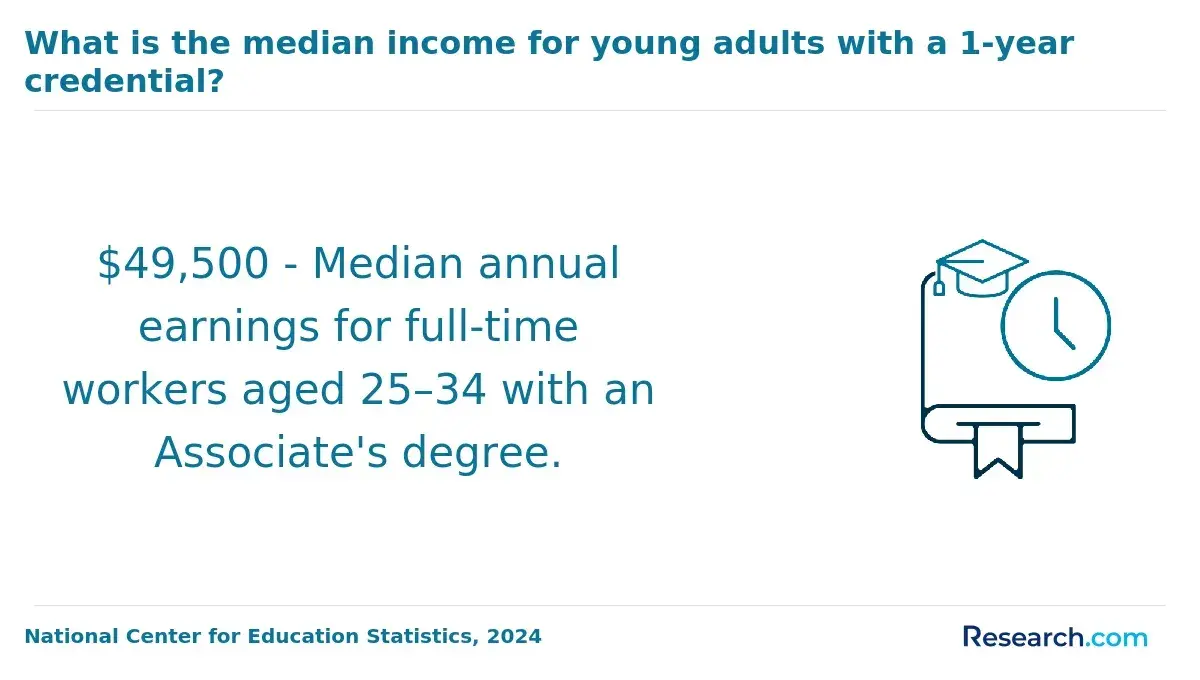
- Salary: Data from the Bureau of Labor Statistics indicates that bachelor's degree graduates tend to earn 20% to 40% more annually than those with associate degrees or certificates, with median salaries around $60,000 compared to $40,000 to $50,000 for lower credentials.
- Short-Term ROI: Certificates and associate degrees are ideal for individuals aiming to enter the workforce quickly or those with budget constraints, delivering credentials faster and at lower costs that lead to earlier income generation.
- Long-Term ROI: Over a career span, the bachelor's degree often yields higher overall financial returns thanks to increased salary prospects, job stability, and greater access to leadership roles.
- Career Advancement: Bachelor's degree holders unlock opportunities in strategic roles such as operations and marketing management, whereas associate or certificate holders typically face limits to entry- or mid-level positions.
- Decision Framework: Review your current finances and willingness to invest several years and resources into a bachelor's program. Consider if your priority is quick employment-if so, certificates or associate degrees may better match immediate needs.
Which Online Hospitality Management & Tourism Specializations or Concentrations Yield the Highest Earning Potential After Graduation?
Choosing the right specialization within online hospitality management & tourism bachelor's programs can strongly affect earning potential after graduation.
According to Bureau of Labor Statistics data, graduates focusing on specific career tracks often enjoy higher median salaries compared to generalist hospitality graduates entering comparable fields.
- Hotel and Resort Management: Specializing here usually commands a salary premium as graduates manage complex operations and guest services. Lodging managers earn median annual wages near $59,000, with those experienced in resort finance and strategic marketing achieving higher earnings.
- Event Planning and Tourism Management: This track suits those skilled in corporate and leisure event coordination. Meeting, convention, and event planners make a median salary around $55,000, with top earners benefiting from certifications like the Certified Meeting Professional (CMP).
- Food and Beverage Management: Graduates focusing on this area see competitive salaries, particularly in major urban centers or luxury brands. Food service managers earn median wages near $58,000; certifications such as Certified Food and Beverage Executive (CFBE) often increase income.
- Travel and Tourism Marketing: Leveraging the expanding digital landscape, this specialization yields median marketing management salaries close to $70,000. Combining marketing skills with digital analytics or market research enhances income potential.
- Casino and Gaming Management: Among the highest-paying specializations, this niche offers median salaries above $70,000 annually. However, it typically requires licensing and ongoing compliance education, resulting in higher upfront investment but elevated long-term earnings.
While certification or licensure can extend the time until return on investment, they generally lead to improved salary prospects and career advancement opportunities.
First-generation students, working professionals, or career changers should carefully weigh the costs and timelines of these credentials against potential salary growth.
Those with prior relevant experience may find quicker ROI and sustained demand by concentrating in casino management or tourism marketing, which balance sector needs with financial outcomes.
How Do Employer Tuition Reimbursement and Financial Aid Reduce the Net Cost of an Online Hospitality Management & Tourism Bachelor's Degree?
Employer tuition reimbursement programs can greatly reduce the out-of-pocket cost for students pursuing an online hospitality management & tourism bachelor's degree by covering a significant portion of tuition expenses.
Under IRS Section 127, many employers offer up to $5,250 per year in tuition assistance, tax-free to the employee. This benefit allows working students to access education funding without additional tax burden, making degree completion more affordable.
According to recent data from the Society for Human Resource Management (SHRM), about 56% of U.S. employers provide some form of tuition assistance, illustrating a strong trend of investing in employee education to boost retention and career growth.
Such employer tuition reimbursement programs for online hospitality management & tourism degrees provide crucial financial support.
In addition to employer benefits, federal and institutional financial aid options help lower tuition costs. Grants and scholarships are available to qualified students with no repayment necessary, often covering substantial portions of tuition.
Subsidized federal loans further ease financial strain by reducing interest accumulation while enrolled. Combining these resources, students can significantly cut the total cost of an online hospitality management & tourism bachelor's degree, allowing education expenses to be manageable even with tight budgets.
For example, consider a working professional enrolled in an online hospitality management & tourism degree with $30,000 total tuition. Employer tuition reimbursement might offset $15,750 over three years, paired with $7,500 from federal grants and scholarships.
For more information on affordable paths in higher education, check out our guide to the best degrees for moms going back to school.
- Employer Tuition Reimbursement: Many employers provide up to $5,250 per year tax-free under IRS Section 127, reducing net tuition costs for working students pursuing degrees.
- Prevalence of Tuition Assistance: Over half of U.S. employers now offer tuition benefits, supporting employees in career growth and enhancing affordability for degrees.
- Federal and Institutional Aid: Grants, scholarships, and subsidized loans help cut overall tuition costs, often making education more accessible for first-generation college students.
- Combined Cost Reduction: Employer tuition reimbursement programs for online hospitality management & tourism degrees combined with financial aid can lower expenses by more than half.
- Real-World Savings Example: A $30,000 degree may cost as little as $6,750 out of pocket after employer reimbursement and federal aid, enabling quicker degree completion with manageable debt.
What Hidden Costs Should Students Factor Into the Total Investment of an Online Hospitality Management & Tourism Bachelor's Degree?
When budgeting for an online hospitality management & tourism bachelor's degree, students frequently overlook hidden costs that extend beyond tuition.
According to College Board research and institutional cost-of-attendance disclosures, these additional expenses-technology fees, proctoring services, graduation fees, course-specific software licenses, and memberships in professional organizations-can increase the overall investment by 10 to 15 percent.
Factoring in these indirect costs of hospitality management & tourism bachelor's degree in the United States is essential for accurate financial planning.
Technology fees typically range from $100 to $300 per semester, supporting digital platforms and technical assistance. Proctoring services for online exams cost about $30 to $50 each, which can add up depending on the number of assessments required.
Graduation and administrative fees, including transcript requests and diploma processing, often add $100 to $200. Additionally, specialized software licenses necessary for coursework may total several hundred dollars over the duration of the program.
Annual professional memberships, recommended for networking and career development, can require dues around $100 or more.
These combined expenses delay the break-even timeline for the degree's financial return-meaning graduates might take longer before their increased earnings surpass the total spent on education.
Prospective students should always request a full cost-of-attendance breakdown-including these extra fees-rather than relying solely on tuition figures to avoid surprises and ensure informed decisions. For those exploring early stages of higher education, considering an associates degree online might be a cost-effective initial step.
- Technology Fees: Ongoing payments for digital infrastructure and support typically accumulate to several hundred dollars throughout the program.
- Proctoring Services: Remote exam monitoring costs can reach several hundred dollars, depending on exam volume and frequency.
- Graduation and Admin Fees: Fees for graduation applications, transcripts, and administrative documentation add to the total cost beyond tuition.
- Course Software Licenses: Required licenses for hospitality and analytics software significantly increase program expenses.
- Professional Memberships: Annual dues for industry associations are often necessary for networking and career advancement.
How Does the Accreditation Status of an Online Hospitality Management & Tourism Program Affect Graduate Salary and Employability?
Regional accreditation assesses the overall quality and performance of a college or university, while programmatic accreditation specifically examines hospitality management & tourism degrees to ensure they meet industry standards.
Graduates from programs holding both forms of accreditation typically experience stronger job prospects and have greater leverage when negotiating salaries.
According to surveys by the National Association of Colleges and Employers (NACE) and the Society for Human Resource Management (SHRM), employers tend to prefer candidates whose degrees come from accredited institutions.
These candidates are perceived as better prepared, making them more attractive hires and often commanding higher starting pay.
Attending a school without proper accreditation can have serious consequences, including ineligibility for necessary licensure exams and restricted access to advanced degree programs.
Additionally, some government and healthcare roles require a degree from an appropriately accredited institution, limiting options for those from non-accredited or nationally accredited-only schools.
Prospective students should confirm accreditation status by consulting the U.S. Department of Education's accreditation database or the Council for Higher Education Accreditation (CHEA) before enrolling.
- Regional vs Programmatic Accreditation: Regional accreditation evaluates a school's overall academic quality, while programmatic accreditation assures that hospitality management & tourism programs meet professional standards relevant to the industry.
- Employer Preferences: Hiring managers favor graduates of accredited programs, associating accreditation with higher skill levels and readiness, which often translates to better job opportunities and pay.
- Limitations of Non-Accredited Degrees: Degrees from non-accredited schools may hinder access to key licensure exams, restrict graduate study chances, and exclude candidates from certain government or healthcare positions.
- Salary Negotiation Power: Graduates of accredited programs typically enjoy better starting salaries due to employer confidence in their training and educational quality.
- Verification Resources: Utilizing the U.S. Department of Education and CHEA accreditation databases helps ensure students invest in programs with recognized credibility and value.
What Entry-Level Job Titles and Salary Ranges Are Available to Graduates of Online Hospitality Management & Tourism Bachelor's Programs?
Graduates with a bachelor's degree in hospitality management & tourism enter the workforce through diverse roles across multiple sectors, with entry-level salaries varying significantly.
These variations depend on the industry, professional certifications, and hands-on experience such as internships, which can accelerate earning potential and speed up return on investment.
- Event Coordinator: Common in hospitality, education, and nonprofit organizations, starting salaries mostly range from $38,000 to $48,000. Holding event planning credentials can elevate these figures.
- Hotel Front Desk Manager: Primarily in hospitality and tourism, earning between $30,000 and $42,000, with premium pay in large urban or luxury hotel settings.
- Sales Coordinator: Found in tourism, hospitality, and finance, salaries typically span $35,000 to $45,000. Familiarity with CRM software boosts income prospects.
- Guest Services Manager: Roles in resorts, cruise lines, and healthcare hospitality start between $40,000 and $50,000, with specialization in luxury or medical hospitality raising earning capacity.
- Travel Consultant: Entry-level pay ranges from $33,000 to $43,000, mostly in travel agencies and corporate travel; professional certifications add value.
- Food and Beverage Supervisor: These positions at hospitality venues generally start from $32,000 to $44,000, with culinary or management certificates improving salary potential.
- Tourism Marketing Assistant: Typically employed in government and nonprofit tourism boards, earning $36,000 to $46,000, enhanced by skills in digital marketing tools.
- Hospitality Operations Analyst: Working within finance and technology sectors, starting pay ranges from $45,000 to $55,000, especially for candidates with data expertise or relevant internships.
Industry selection profoundly influences entry salary levels. Finance, technology, luxury hospitality, and healthcare hospitality sectors often provide the highest initial compensation.
Certified skills and internship experience consistently contribute to higher wage brackets, enabling graduates to recover their education investment more rapidly while advancing career stability and growth.
What Graduates Say About the Return on Investment of Their Online Hospitality Management & Tourism Bachelor's Degree
- Raul: "Choosing the online hospitality management & tourism bachelor's degree was a strategic decision for me after thoroughly assessing its ROI compared to traditional programs. The cost-effectiveness combined with flexible scheduling allowed me to continue working while studying, which greatly minimized financial strain. Beyond the monetary benefits, this degree opened doors to exciting career advancement opportunities and increased job stability in an ever-evolving industry."
- Elisha: "Reflecting on my experience with the online hospitality management & tourism bachelor's degree, I realize the value goes far beyond tuition savings. The program empowered me with skills that elevated my professional profile and led to long-term job security-a crucial factor in today's market. Although the financial returns were important, the real return was the confidence and knowledge I gained that have transformed my career trajectory."
- Michael: "From a professional standpoint, pursuing an online hospitality management & tourism bachelor's degree proved to be an excellent investment. The education I received directly impacted my ability to secure leadership roles and negotiate better compensation packages. I appreciate that the program balanced affordability with high-quality content, making the ROI not just measurable in dollars but clearly evident in my expanded career opportunities."
Other Things You Should Know About Hospitality Management & Tourism Degrees
On average, graduates can expect to recoup the cost of their online hospitality management & tourism bachelor's degree within five to seven years. This timeframe depends on factors such as program tuition, financial aid, and starting salary.
According to labor market data, professionals in entry-level management roles typically earn salaries that increase steadily, helping to offset education expenses over time.
Employer surveys indicate that a bachelor's degree in hospitality management & tourism is increasingly valued for managerial roles and specialized positions within the sector.
Labor market data shows that degree holders have higher employment rates and access to job opportunities not available to those without formal education. This degree helps graduates develop skills critical for leadership and operational roles, enhancing their employability.
Prospective students can use online cost-benefit calculators to compare tuition fees, living expenses, and potential salaries after graduation.
These tools factor in variables such as loan interest rates and time to degree completion, providing a clearer financial picture. By using these analyses, applicants can select programs that align with their budget and projected income, ensuring a better return on investment.
References
- BA (Hons) Tourism and Hospitality Management – 12 Months (Top-Up degree) https://www.onlinecourses.hk/courses/ba-hons-tourism-and-hospitality-management-12-months-top-up-degree/
- Careers in Hospitality & Tourism Industry - Hotel Management Careers https://www.ehl.edu/en/careers-in-hospitality
- The return on investment for undergraduate degrees in hospitality and tourism management https://dialnet.unirioja.es/servlet/articulo
- Does College Pay Off? A Comprehensive Return On Investment Analysis - FREOPP https://freopp.org/whitepapers/does-college-pay-off-a-comprehensive-return-on-investment-analysis/
- Is hospitality management a good career? https://lesroches.edu/blog/is-hospitality-management-a-good-career/
- 2025 Most Affordable Hospitality Management Degrees Online https://www.onlineu.com/most-affordable-colleges/hospitality-management-degrees
- Tourism and Hospitality Management - Vistula University https://vistula.edu.pl/en/major/tourism-and-hospitality-management-2
- BA (Hons) Tourism and Hospitality Management (Top-Up) https://kingsedu.ac/ba-hons-tourism-and-hospitality-management-top-up/
- Tuition Reimbursement: How Do Employers Benefit from It? | KBI Benefits https://www.kbibenefits.com/tuition-reimbursement-benefits
- Travel and Tourism: Hospitality Degrees Online - Peterson's https://www.petersons.com/blog/travel-and-tourism-hospitality-degrees-online/