2027 Military-Friendly Online Hospitality Management & Tourism Bachelor's Degree Programs

Co-Founder and Chief Data Scientist
Military veterans often face challenges balancing relocation, deployment, and family commitments when pursuing higher education in hospitality management & tourism. Traditional programs with rigid schedules and campus attendance requirements can disrupt their progress. This barrier contributes to an estimated 38% of veterans delaying college enrollment after service. Online military-friendly hospitality management & tourism bachelor's degree programs offer flexible pacing, tailored support, and credit for military training-enabling seamless transitions into civilian careers. This article explores key program features, accreditation considerations, and career pathways to help veterans successfully pivot into the hospitality management & tourism industry while accommodating their unique lifestyle demands.
Key Things to Know About Military-Friendly Online Hospitality Management & Tourism Bachelor's Degree Programs
- Military-friendly online hospitality management & tourism programs offer deployment deferments, flat military tuition rates, and prioritize military credit evaluations to accelerate degree completion.
- Students can maximize federal education benefits like the GI Bill, Military Tuition Assistance, and Yellow Ribbon Program by stacking funds and using prior learning assessments.
- Return on investment is favorable-over 70% of graduates report positive employment outcomes in hospitality, with minimal out-of-pocket costs when benefits fully apply.
What Are the Best Military-Friendly Online Hospitality Management & Tourism Bachelor's Degree Programs Available Today?
Genuinely military-friendly online hospitality management & tourism bachelor's degree programs distinguish themselves through participation in the Yellow Ribbon Program, compliance with the Department of Defense's Principles of Excellence, and dedicated military advising. These elements help service members, veterans, National Guard, Reserve members, and military spouses navigate federal education benefits such as the GI Bill, Military Tuition Assistance (TA), and MyCAA, maximizing benefit stacking and reducing out-of-pocket costs.
Top accredited online hospitality management & tourism degrees for veterans using GI Bill benefits include:
- University of Central Florida: Offers a fully online Bachelor of Science in Hospitality Management, with Yellow Ribbon participation, military tuition benefits reducing in-state tuition to about $180 per credit hour for TA recipients, plus deployment deferment options and dedicated military counselors.
- Liberty University: Provides an online Bachelor of Science focusing on military-friendly policies including flat tuition rates near $390 per credit and credit for prior military training.
- Arizona State University: Features Principles of Excellence status, discounted tuition around $530 per credit for veterans using GI Bill benefits, and comprehensive military support services.
- Florida International University: Delivers a flexible online hospitality management program with active Yellow Ribbon participation, charging roughly $220 per credit for in-state military students, with stackable TA and GI Bill benefits.
- Penn State World Campus: Known for reduced tuition at $359 per credit under TA, extensive military credit evaluations, and support to accelerate degree completion.
- Colorado State University Global: Offers military tuition discounts about $350 per credit, streamlined deployment deferments, and veteran support coordinators.
- Granite State College: Popular among veterans, provides flexible online coursework priced under $300 per credit, easy application of MyCAA funds, and prior learning assessments.
What truly sets military-friendly programs apart is transparent policies on deployment deferments and withdrawals, comprehensive advising on federal education benefits, verification of military experience for academic credit, and strong career placement data in hospitality sectors. Such programs use flexible scheduling tailored for military life and maintain steady communication to help students maximize their benefits and career ROI, often achieving near-zero out-of-pocket costs. Service members seeking affordable, flexible pathways may also consider options detailed in cheapest MSW programs as a parallel example of how affordable online degrees can serve military students well.
How Do Military Tuition Assistance (TA) and GI Bill Benefits Apply to Online Hospitality Management & Tourism Bachelor's Programs?
Military Tuition Assistance (TA) provides eligible service members with up to $4,500 per fiscal year to cover tuition and fees, with individual branches setting specific per-credit-hour limits. This benefit is especially useful for active-duty personnel pursuing accredited online hospitality management & tourism bachelor's degree programs, as it reduces out-of-pocket costs significantly. TA requires prior approval and should be used early in the fiscal year to maximize the full annual allowance.
The GI Bill-offered in both Post-9/11 and Montgomery forms-extends benefits beyond tuition coverage. Post-9/11 GI Bill recipients receive monthly housing stipends based on geographic location's Basic Allowance for Housing rates, along with a book stipend capped at $1,000 annually. These stipends help offset living expenses and course materials essential for completing hospitality management & tourism degrees online. Montgomery GI Bill benefits provide more limited but still valuable tuition support for eligible students.
When using both Military Tuition Assistance and GI Bill benefits for hospitality management and tourism degrees online, the VA and Department of Defense require students to use TA funds first. Only after TA is fully utilized can the GI Bill cover any remaining eligible expenses, preventing duplicate federal funding for the same costs. To understand how these benefits apply to specific schools and programs, students should consult the VA's GI Bill Comparison Tool.
- Annual TA Caps: Fiscal year limits set at $4,500 encourage early course approvals and enrollment to maximize benefits in hospitality management & tourism degree programs.
- GI Bill Stipends: Monthly housing and book allowances help reduce non-tuition expenses for online students pursuing hospitality management & tourism.
- Benefit Stacking Rules: Military Tuition Assistance must be used before the GI Bill can cover leftover eligible costs, ensuring federal funds do not overlap.
- Flexible Program Policies: Many online schools offer military credit evaluations, flat tuition rates, and deployment deferments to align with federal education benefits.
- Resource Tools: The VA's GI Bill Comparison Tool is essential for verifying specific benefit applicability and costs for online hospitality management & tourism bachelor's degrees. Military students may also explore options like the cheapest online school counseling programs (CACREP-accredited) for related affordable education paths.
What Is the Typical Duration of a Military-Friendly Online Hospitality Management & Tourism Bachelor's Degree, and Can Active-Duty Students Finish Faster?
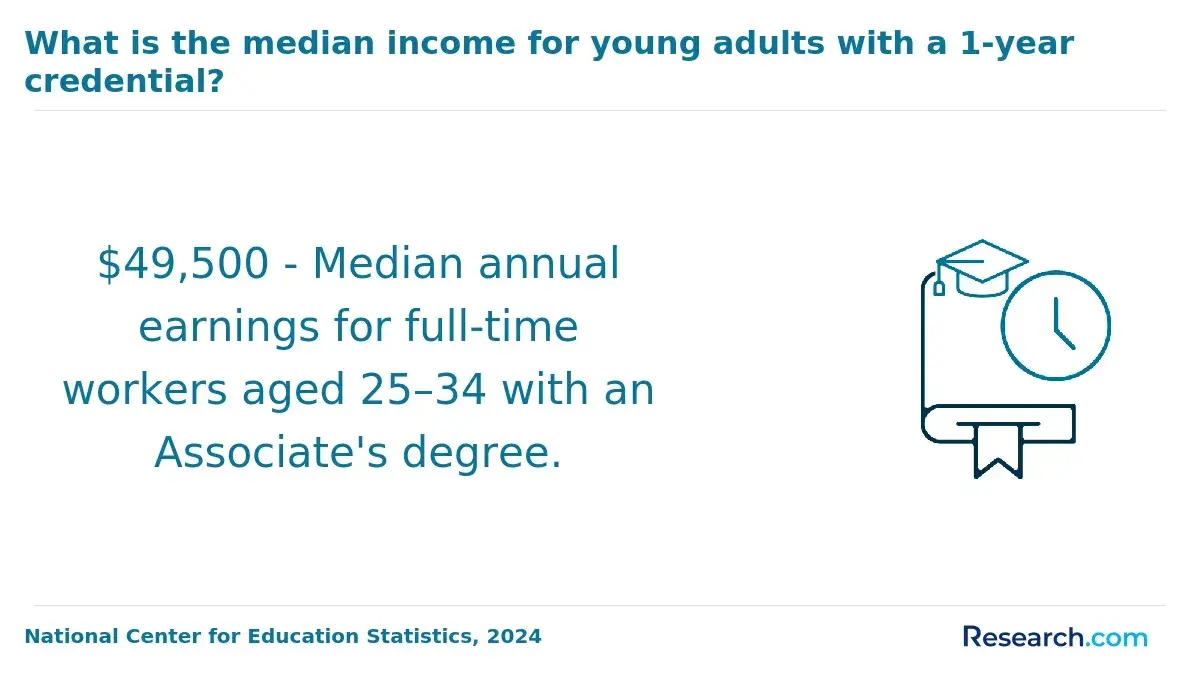
An accredited online hospitality management & tourism bachelor's degree designed for military learners typically involves completing 120 credit hours over four years of full-time study. This benchmark follows traditional degree structures but adapts to accommodate service members' unique schedules by offering options that accelerate the path to graduation.
- Accelerated Terms: Many institutions provide eight-week courses rather than standard 16-week semesters, allowing students to take more classes annually. Continuous enrollment throughout the year eliminates lengthy breaks, enabling quicker degree completion.
- Competency-Based Education: Military-friendly programs often include competency-based models where progression depends on mastering skills instead of seat time, suited for highly motivated students who can advance at their own pace.
- Military Credit Evaluations: Colleges frequently award credits for military training and experience through evaluations like the ACE transcript review and life-credit waivers that significantly reduce required coursework.
- Credit-by-Exam Options: Exams such as CLEP and DSST let active-duty students earn college credits by testing out of classes. Schools like Southern New Hampshire University and American Public University report military student graduations under three years thanks to these pathways.
- GI Bill Optimization: Shortening degree timelines preserves GI Bill eligibility for future graduate pursuits, lowers overall tuition expenses, and cuts out-of-pocket costs, especially when combined with Military Tuition Assistance and Yellow Ribbon benefits.
A professional who enrolled in a military-friendly online hospitality management & tourism bachelor's degree shared insights on managing his education while serving. He described juggling unpredictable deployments and coursework deadlines as challenging but found that flexible term schedules and credit for military experience eased his progress. "There were moments when balancing duty and study felt overwhelming, but the ability to accelerate courses and use testing credits made finishing realistic," he reflected. This approach gave him confidence in planning a civilian career after military service, highlighting how tailored program features can empower active-duty students to complete their degrees successfully and efficiently.
Which Online Hospitality Management & Tourism Bachelor's Programs Participate in the Yellow Ribbon Program, and How Does It Benefit Veterans?
The Yellow Ribbon Program helps military students cover tuition costs above the in-state public rate at private or out-of-state schools, supplementing Post-9/11 GI Bill benefits. This federal initiative allows institutions and the VA to split remaining tuition expenses, significantly lowering or eliminating out-of-pocket fees for eligible veterans. Since Yellow Ribbon slots are limited and competitive, it's vital for veterans and military spouses to verify availability before enrolling.
Many online hospitality management & tourism bachelor's degree programs participate in this benefit, providing military students with financial support and flexible academic policies that accommodate deployment and credit transfers. Options include:
- Arizona State University: Offers up to $10,000 annually with unlimited slots, military tuition rates, and deployment deferments in a fully online format.
- Southern New Hampshire University: Contributes $5,000 per year for 100 students, featuring generous military credit transfer policies to accelerate degree completion.
- Liberty University: Provides $10,000 yearly with no slot limits and accommodates military schedules through prior learning assessments.
- University of Massachusetts Amherst: Offers $4,000 per year with 25 slots, focusing on flexible enrollment for active-duty and veterans.
- Colorado State University Global: Provides $7,500 annually for 50 students, with fixed military tuition rates and flat fees to ease financial planning.
- Penn State World Campus: Contributes $5,000 per year for 30 slots, including deployment deferments and extensive military credit evaluations.
- Florida International University: Offers $9,000 with 20 slots and integrates career outcome data to support military students' return on investment decisions.
Military learners should collaborate with their school's veterans affairs office to confirm Yellow Ribbon slots and contributions. Combining this with GI Bill and other military benefits often leads to near-zero tuition expenses. For those interested in related disciplines, consider exploring affordable options like the game design degree, which also serves military students seeking flexible education pathways.
What Accreditation Should a Military-Friendly Online Hospitality Management & Tourism Bachelor's Program Have to Protect Veterans' Benefits?
GI Bill benefits require enrollment in institutions with regional accreditation rather than national accreditation, which ensures schools meet stringent academic standards recognized federally. This distinction is critical since most VA-approved hospitality management & tourism degree programs hold regional accreditation to maintain eligibility for military education benefits.
There are seven primary regional accrediting bodies overseeing colleges across the United States:
- Higher Learning Commission (HLC): Accredits institutions mainly in the central U.S., covering states such as Illinois, Texas, and Ohio, including many large public universities.
- Southern Association of Colleges and Schools Commission on Colleges (SACSCOC): Serves southern states like Florida, Georgia, and Alabama, enforcing rigorous academic criteria.
- New England Commission of Higher Education (NECHE): Responsible for accrediting schools in New England and parts of New York, recognized for thorough evaluation standards.
- Middle States Commission on Higher Education (MSCHE): Covers New York, New Jersey, and Pennsylvania, widely respected for quality assurance.
- Northwest Commission on Colleges and Universities (NWCCU): Oversees institutions in Washington, Oregon, Idaho, emphasizing continuous institutional improvements.
- WASC Senior College and University Commission (WSCUC): Accredits entities in California, Hawaii, and Pacific territories, focusing on student learning outcomes.
- Accrediting Commission for Community and Junior Colleges (ACCJC): A branch of WASC that specifically accredits two-year and community colleges in California and the Pacific region.
Hospitality management & tourism programs may hold additional specialized accreditations; however, these programmatic endorsements do not influence VA benefits as much as regional institutional accreditation. Choosing a non-regionally-accredited school risks loss of GI Bill eligibility, difficulty transferring credits, and compromised federal support. Military students should confirm accreditation status through the VA's WEAMS Institution Search or the U.S. Department of Education's database before enrolling.
Reflecting on her journey, a professional who completed a military-friendly online hospitality management & tourism bachelor's program shared that navigating accreditation was initially confusing but became a crucial checkpoint in her education decision. She recalls feeling relieved once she confirmed her school's regional accreditation, as it guaranteed protection of her benefits and future career mobility. "Knowing that my credits would transfer if needed and that I wouldn't lose GI Bill support made a huge difference," she explained. Her experience underscores how essential thorough research and accreditation verification are for veterans pursuing online degrees in this field.
How Do Military-Friendly Online Hospitality Management & Tourism Programs Accommodate Deployments, PCS Moves, and Irregular Schedules?
Military-friendly online hospitality management & tourism bachelor's programs are tailored to accommodate the unpredictable demands of military life. They provide unique academic flexibility to support service members, veterans, and military families through deployments, PCS relocations, and irregular schedules.
- Military Withdrawal Policies: Numerous schools include formal policies permitting students called to active duty to pause their education without incurring academic or financial penalties. These policies align with the Department of Defense Voluntary Education Partnership Memorandum of Understanding (MOU), ensuring no adverse impact on course completion deadlines.
- Deployment Deferment Options: Certain institutions guarantee deferred assignments, exams, and credit completion for active-duty deployments or training periods. This allows students to resume coursework smoothly upon return or transfer credits during PCS moves.
- Asynchronous Course Delivery: Programs commonly offer asynchronous learning formats, enabling students to access lectures and assignments anytime. This flexibility fits the demanding and irregular schedules characteristic of military service.
- Rolling Enrollment Start Dates: Military-friendly programs often provide multiple start dates throughout the year. This accommodates PCS moves by letting students begin or restart courses without waiting for traditional semester calendars.
- Flat Military Tuition Rates and Credit Evaluations: Many schools apply consistent tuition rates for military students and evaluate military training for academic credit, reducing both cost and time to degree completion.
Based on recent CCME survey data, over 75% of military-focused hospitality management & tourism programs report formal deployment accommodation policies, underscoring institutional commitments to military learners' success. Prospective students should inquire directly about withdrawal policies, deferment guarantees, course formats, and credit for military experience to avoid unexpected disruptions during their studies.
What Financial Aid and Scholarships Are Exclusively Available to Military Students Pursuing Online Hospitality Management & Tourism Degrees?
Military students pursuing online Hospitality Management & Tourism degrees have access to several targeted financial aid options beyond the GI Bill and Tuition Assistance (TA). These programs can be combined strategically to minimize education expenses-sometimes to near zero out-of-pocket cost-by stacking federal, state, and private resources.
- MyCAA Scholarship: Available to military spouses, this program offers up to $4,000 for tuition toward approved programs, explicitly including Hospitality Management & Tourism fields.
- State Veteran Education Grants: Many states provide dedicated grants or scholarships for veterans and National Guard members enrolled in accredited programs. Eligibility and award amounts vary, so contacting your state's veterans affairs office is crucial.
- AMVETS Scholarships: These are open to veterans and their families without strict discipline limitations, making them usable for Hospitality Management & Tourism studies.
- VFW National Education Program: The Veterans of Foreign Wars offer scholarships that emphasize academic achievement and community service, supporting students in diverse fields including Hospitality Management.
- Branch-Specific Education Funds: Each military branch often supplements standard federal benefits with additional education assistance, such as the Army's GoArmyEd portal and the Navy College Program, which may offer tuition discounts extendable to online Hospitality Management degrees.
By layering multiple funding sources such as MyCAA, state grants, and branch programs alongside the GI Bill and TA, military students can effectively reduce or eliminate tuition costs. Utilizing prior learning assessments and military credit transfers further shortens time to completion, enhancing return on investment. According to the Department of Veterans Affairs, nearly 60% of military-affiliated students use at least two education benefits to improve affordability and access, underscoring the value of a multipronged funding strategy.
How Many Transfer Credits and Military Training Credits Can Online Hospitality Management & Tourism Bachelor's Programs Accept?
Students pursuing an online hospitality management and tourism bachelor's degree often benefit from transferring credits earned through prior college coursework and military training. The American Council on Education (ACE) plays a vital role by evaluating military occupational specialties (MOS), Navy Enlisted Classification (NEC) codes, and other service school courses to recommend college credits. This military training credit evaluation for hospitality management and tourism degrees enables service members to convert extensive military experience into academic credit, significantly reducing time and cost to graduation.
Leading online programs like Penn State World Campus and Southern New Hampshire University accept up to 90 transfer credits, including those from military training. These schools commonly use the Joint Services Transcript (JST), which standardizes military education records according to ACE standards. Submitting the JST early in the admissions process allows for accurate credit evaluations prior to enrollment, helping students plan their academic journey efficiently while maximizing federal education benefits such as the GI Bill, Military Tuition Assistance, and the Yellow Ribbon Program.
Many institutions with the most generous military transfer credit policies also offer military-friendly features such as flat tuition rates, deployment deferments, and dedicated military advisors to support service members and their families. Researching transfer credit limits and formal JST review processes on official university websites and the ACE Military Programs database is crucial before applying. Understanding these options furthers benefit stacking, prior learning assessments, and return on investment calculations to reduce out-of-pocket costs and optimize degree completion.
For additional insights on affordable educational pathways tailored to military students, consider exploring an affordable online master's degree in communications, which shares similar military-friendly transfer credit policies and benefit maximization strategies.
- ACE Credit Recognition: ACE evaluates military training and occupations to recommend college credits, enabling online hospitality management and tourism programs to accept military experience as academic credit.
- Transfer Credit Limits: Some programs accept up to 90 transfer credits, including military credits, significantly shortening the path to degree completion.
- Joint Services Transcript Use: The JST provides a standardized military education record that schools use for formal credit evaluations-submitting it early is essential.
- Military-Friendly Policies: Top schools offer military tuition rates, deployment deferment options, and personalized advising to support service members throughout their studies.
- Benefit Maximization: Combining military transfer credits with federal education benefits like the GI Bill helps reduce out-of-pocket costs and enhances overall educational value.
What Are the Admission Requirements for Military-Friendly Online Hospitality Management & Tourism Bachelor's Programs?
Admission requirements for military-friendly online hospitality management and tourism bachelor's programs typically include a high school diploma or GED and a minimum GPA, often between 2.0 and 2.5. Some programs may require prerequisite coursework, especially those with more selective admissions standards. Military documentation such as the DD-214 discharge form or proof of current service is essential to verify eligibility for federal educational benefits and prioritize enrollment. These military-specific criteria help ensure that active-duty service members, veterans, and their families gain access to programs designed to maximize financial aid eligibility and military benefit criteria for hospitality management and tourism programs.
Many institutions offer open-admission or rolling-admission policies to increase access for non-traditional students, including veterans returning to education. While open-admission programs provide greater flexibility-allowing students to start courses without waiting for limited entry periods-they may have lower academic thresholds and less employer recognition than selective universities. These more competitive programs often provide enhanced student support services but require stronger academic performance and more comprehensive military documentation.
Active-duty members and veterans can strengthen their applications by submitting military transcripts such as the Joint Services Transcript (JST), which highlights leadership experience and specialized training relevant to hospitality or business fields. Providing VA educational benefit certifications also supports financial planning and access to tuition assistance, ensuring optimal application of military benefits. Articulating military experience within personal statements further demonstrates maturity and discipline valued by admissions teams.
Choosing the right program involves balancing flexibility, academic reputation, and financial considerations. For those seeking detailed information on top institutions military friendly online colleges offer tailored pathways that integrate flat military tuition rates, deployment deferments, and credit evaluations, alongside career outcome insights based on data from the Bureau of Labor Statistics and the VA's College Scorecard.
- Academic Standards: A high school diploma or GED with a minimum GPA is required, though standards vary by program type from open to selective admissions.
- Military Documentation: Submission of DD-214, JST, and VA benefit proofs is critical for benefit eligibility and enrollment priority.
- Admission Flexibility: Open or rolling admissions help accommodate military schedules but may lower program prestige and recognition.
- Selective Program Trade-Offs: Higher admission criteria often lead to stronger employer recognition and better student support, offset by greater competition.
- Application Strengthening Tips: Leverage military leadership, specialized transcripts, and benefit certification to build a competitive application.
Which Online Hospitality Management & Tourism Bachelor's Programs Offer the Best Career Outcomes and Earning Potential for Military Graduates?
The Bureau of Labor Statistics reports median annual salaries between $45,000 and $60,000 for roles such as lodging managers, event planners, and travel agents-common career paths for hospitality management & tourism bachelor's graduates. Military-affiliated professionals often receive pay premiums of 10% to 20%, reflecting the value of security clearances and service experience in these fields.
- Career Alignment: Concentrations like event management, government tourism, and logistics align strongly with federal agencies, defense contractors, and civil service positions-including the Department of Defense, General Services Administration, and National Park Service-enhancing job opportunities tied to public sector travel and hospitality.
- Graduate Outcomes: Data from the Department of Education's College Scorecard and IPEDS show military-friendly programs commonly achieve employment rates over 85% within a year, with early career salaries generally between $50,000 and $65,000. Schools often support military students through flat tuition rates and credit transfer policies that minimize time to degree and increase return on investment.
- Financial Factors: Combining GI Bill benefits with Military Tuition Assistance and Yellow Ribbon awards maximizes affordability. Prior learning assessments for military training can shorten degree requirements, enabling earlier workforce entry and improved lifetime earnings.
- Program Flexibility: Policies such as deployment deferments and military credit evaluations allow active-duty service members to remain on track for graduation, facilitating smoother transitions to civilian hospitality management & tourism careers.
How Do Spouse and Dependent Education Benefits Extend to Online Hospitality Management & Tourism Bachelor's Programs at Military-friendly Schools?
Military spouses pursuing an online Hospitality Management & Tourism bachelor's degree can access significant financial support through the My Career Advancement Account (MyCAA) scholarship. This benefit offers up to $4,000 for eligible spouses to fund career-aligned education, including accredited hospitality management & tourism programs. Approved schools for MyCAA funding are verified through the official MyCAA school locator, ensuring participants enroll in qualifying institutions.
Dependents and spouses may also benefit from programs like the Fry Scholarship, which covers tuition and fees for surviving spouses and dependents of service members who died in the line of duty. Additionally, CHAMPVA provides healthcare benefits that help reduce family medical expenses, supporting student financial stability during their studies. Several states offer tuition waivers or reduced rates for military dependents attending public institutions with hospitality management & tourism programs, easing overall costs.
To minimize out-of-pocket expenses, military families are encouraged to combine MyCAA and other federal or state benefits with institutional scholarships and grants. Leveraging multiple funding sources can reduce financial barriers and enable near-zero cost completion of hospitality management & tourism degrees online. Recent Department of Defense figures indicate that over 50,000 military spouses utilized MyCAA benefits last year, reflecting the growing reliance on these resources.
- MyCAA Scholarship: Awards up to $4,000 for eligible spouses pursuing short-term and degree programs in hospitality management & tourism, focusing on career advancement.
- Fry Scholarship: Provides tuition and fees coverage to surviving spouses and dependents of fallen service members, ensuring access to education.
- CHAMPVA Support: Offers healthcare benefits that alleviate medical costs, promoting financial focus for students.
- State Tuition Waivers: Many states reduce or waive tuition for military dependents at public colleges with hospitality management & tourism programs.
What Graduates Say About Their Military-Friendly Online Hospitality Management & Tourism Bachelor's Degree Programs
- Raul: "I chose the military-friendly online hospitality management & tourism bachelor's degree program because I needed something that accommodated my unpredictable schedule. The program's flexibility policies, especially deployment deferments and military credit evaluations, made it possible to continue my education without interruption. This degree has opened doors for management positions in hospitality that I never imagined after transitioning out of the military."
- Elisha: "What stood out to me was the flat military tuition rate-it made pursuing my degree financially manageable during and after my service. The program's understanding of military life really helped me balance coursework with real-life challenges. Since graduating, I have confidently stepped into a regional planning role in tourism that benefits from the leadership skills I honed both in the military and through the program."
- Michael: "I appreciate how this hospitality management & tourism bachelor's degree program values military experience by offering credit evaluations and recognizing deployment needs. The ability to learn online with tailored support gave me the motivation to complete my degree. Professionally, this credential has transitioned me smoothly into the hospitality industry, where I now lead operations with a unique perspective born from my military background."
Other Things You Should Know About Hospitality Management & Tourism Degrees
Yes. Many military-friendly programs evaluate Joint Services Transcript and CCAF credits, and some accept up to 90 transfer credits toward a 120-credit bachelor’s degree. Schools usually require an official transcript review before confirming how many credits apply.
Admission requirements typically include a high school diploma or equivalent. Military personnel may need to provide proof of service. Some programs might require SAT/ACT scores, but many offer waivers for military applicants or recognize military training as credit.
Yes, many military-friendly hospitality management & tourism programs accept credit from CLEP and DSST exams, as well as prior learning assessments based on military training and experience. This credit transfer can shorten the time to degree completion and reduce costs. Students are advised to check with admissions offices regarding specific policies and to ensure that their military training aligns with program requirements to maximize credit awarded.
References
- Hotel ROI: How to maximise your hotel investment | SiteMinder https://www.siteminder.com/r/hotel-roi/
- Military-Friendly College and Its Benefits - Touro University Worldwide https://www.tuw.edu/military-news/military-friendly-college-benefits/
- Graduate Faster International Bachelor’s Degree https://htmi.ch/graduate-faster-international-bachelors-degree/
- The return on investment for undergraduate degrees in hospitality and tourism management https://dialnet.unirioja.es/servlet/articulo
- How long is an online hotel management course https://lesroches.edu/blog/how-long-online-hotel-management-course/
- Online Hospitality and Tourism (Undergraduate) https://www.schellhammerbusinessschool.com/online-hotel-and-hospitality-undergraduate/
- PCS Entitlements, Expenses & Per Diems | First Command https://www.firstcommand.com/military-resources/pcs-military-moves/entitlements-and-expenses/
- A&M System Best for Veterans Degree Programs https://www.tamus.edu/veterans/tamu-system-best-for-veterans-degree-programs/
- Financial Aid for Military & Veterans - OnlineMBA.com https://www.onlinemba.com/resources/financial-aid-and-military-veterans/
- Choosing a bachelor's in hospitality management | edX https://www.edx.org/resources/how-to-choose-a-bachelors-in-hospitality-management