2027 Regional vs National Accreditation for Online Hospitality Management & Tourism Bachelor's Degrees

Co-Founder and Chief Data Scientist
Imagine a working professional aiming to earn an online hospitality management & tourism bachelor's degree but weighing the trade-offs between a regionally accredited university and a nationally accredited counterpart. The regional option often promises better credit transfer and wider employer recognition, while the national route may offer more flexible admission criteria and lower costs.
Concerns about future graduate school acceptance and career advancement amplify the dilemma, as nearly 40% of hospitality graduates report difficulty having credits recognized across institutions. Understanding the distinctions in academic standards and industry implications is essential. This article explores how regional and national accreditation differ and guides prospective students in making informed decisions regarding their academic and professional goals.
Key Benefits of Regional vs National Accreditation for Online Hospitality Management & Tourism Bachelor's Degrees
- Regional accreditation offers broader recognition and credibility, often preferred by employers and graduate programs, while national accreditation may have limited acceptance beyond vocational contexts.
- Credits from regionally accredited institutions are more widely transferable to other colleges, enhancing flexibility for students pursuing graduate degrees or additional certifications.
- Regional accreditation typically aligns with academic goals and professional careers in hospitality management & tourism, whereas national accreditation may better suit certificate-focused or career-specific paths.
What Is the Difference Between Regional and National Accreditation for an Online Hospitality Management & Tourism Bachelor's Degree?
Regional and national accreditation represent two distinct types of institutional recognition for online Hospitality Management & Tourism bachelor's degrees in the U.S. Regional accreditation is awarded by seven geographical agencies that oversee academic institutions within specific states or regions. This type is generally regarded as more prestigious, emphasizing broad academic quality and rigorous institutional standards.
In contrast, national accreditation is granted by organizations operating nationwide, often targeting career-focused or specialized schools. With enrollment in online degree programs increasing by over 90% in the past decade, understanding the difference between regional and national accreditation for Hospitality Management and Tourism bachelor's programs is vital for prospective students.
The practical impact of these accreditation types is noteworthy, particularly regarding credit transfer and recognition. Credits earned from regionally accredited institutions tend to transfer more readily between colleges and universities, which is crucial for students planning to move or pursue further education.
Additionally, degrees from regionally accredited schools usually hold stronger acceptance among employers and graduate programs, reflecting their perceived academic rigor. Meanwhile, national accreditation may offer more flexibility for vocational or technical education but often faces limitations in credit transfer and professional recognition.
Students seeking reputable and widely recognized online Hospitality Management & Tourism degrees should consider these factors carefully, especially when exploring online degrees that pay well.
Which Agencies Provide Regional Accreditation for Online Hospitality Management & Tourism Bachelor's Degrees?
Regional accreditation in the United States is granted by a select group of recognized accrediting bodies that rigorously evaluate colleges and universities for academic quality and institutional standards. Approximately 85% of all degree-granting institutions in the U.S. hold regional accreditation, reflecting its importance in higher education.
For students pursuing an online hospitality management and tourism bachelor's degree, understanding which regional accrediting agencies oversee these programs can clarify academic expectations and credit transferability.
The main regional accrediting bodies for online hospitality management and tourism bachelor's programs vary by geographic region, each ensuring programs meet high educational standards.
- Middle States Commission on Higher Education (MSCHE): This agency covers institutions primarily in Delaware, the District of Columbia, Maryland, New Jersey, New York, Pennsylvania, and Puerto Rico. MSCHE emphasizes academic rigor and student support services, including quality assessments of online programs.
- New England Commission of Higher Education (NECHE): Accredits colleges and universities in Connecticut, Maine, Massachusetts, New Hampshire, Rhode Island, and Vermont. NECHE focuses on curriculum standards and institutional effectiveness to maintain strong academic integrity.
- Higher Learning Commission (HLC): Serving a broad central region including Arkansas, Arizona, Colorado, Illinois, Indiana, Iowa, Kansas, Michigan, Minnesota, Missouri, Nebraska, New Mexico, North Dakota, Ohio, Oklahoma, South Dakota, West Virginia, Wisconsin, and Wyoming, HLC evaluates institutional quality and continuous improvement.
- Southern Association of Colleges and Schools Commission on Colleges (SACSCOC): Covers institutions in Alabama, Florida, Georgia, Kentucky, Louisiana, Mississippi, North Carolina, South Carolina, Tennessee, Texas, and Virginia and is well known for accrediting many hospitality programs nationwide.
- Western Association of Schools and Colleges Senior College and University Commission (WSCUC): Accredits institutions in California, Hawaii, and U.S. Pacific territories, with a focus on sustained academic quality and institutional enhancement.
Choosing regionally accredited online hospitality management and tourism degrees ensures educational integrity recognized nationwide, which is essential for credit transfer, career advancement, and graduate school admission. Students interested in pursuing one of the highest paid college majors should prioritize such accreditation when evaluating programs.
What Are the Main National Accrediting Bodies for Online Hospitality Management & Tourism Bachelor's Degree Programs?
National accreditation in the U.S. is usually awarded by agencies that concentrate on career-focused, technical, or specialized education providers operating nationwide. Institutions with national accreditation enroll around 6% of postsecondary students, underscoring their role in preparing learners for specific vocations.
This type of accreditation often applies to programs with practical, workforce-oriented goals. Below are the primary national accrediting organizations for online hospitality management & tourism bachelor's degree programs.
- Accrediting Commission of Career Schools and Colleges (ACCSC): This agency accredits private postsecondary schools offering curricula aimed at equipping students with job-specific skills, including hospitality and tourism management training.
- Accrediting Council for Independent Colleges and Schools (ACICS): ACICS focuses on accrediting both for-profit and nonprofit institutions offering career and academic programs, such as online degrees in hospitality and tourism, emphasizing career readiness.
- Distance Education Accrediting Commission (DEAC): Specializing in online learning, DEAC accredits fully distance education institutions that provide career and technical programs nationwide, covering hospitality management and tourism fields.
- Council on Occupational Education (COE): COE accredits programs offering non-degree and applied associate degrees with strong ties to occupational and technical education, including areas related to hospitality and tourism.
Each accreditor sets standards tailored to career education, helping students understand their program's focus and potential credit transfer options within career-centered pathways.
How Do Admission Requirements Vary by Accreditation Type for an Online Hospitality Management & Tourism Bachelor's Degree?
Regionally accredited online hospitality management & tourism bachelor's programs usually require applicants to present a high school diploma or GED, along with official transcripts. Many will ask for standardized test scores such as the SAT or ACT, though some are shifting toward test-optional policies.
Additional materials like letters of recommendation, personal statements, or proof of relevant experience may also be necessary. These programs tend to have more competitive admission processes, reflected in an average undergraduate acceptance rate near 65%, suggesting moderate selectivity. Such requirements aim to uphold consistent academic standards recognized by employers and educational institutions.
In contrast, nationally accredited programs often emphasize easier access and admissions flexibility. They typically require only a high school diploma or equivalent and place less focus on standardized testing or comprehensive application documents.
These institutions accommodate a wider variety of students, including working adults and nontraditional learners, by offering streamlined application procedures and multiple enrollment periods. This inclusive approach helps expand opportunities, though admission criteria can vary more widely and may not be as stringent as those of regionally accredited schools.
A graduate of an online Hospitality Management & Tourism bachelor's degree program shared that her experience applying to a nationally accredited school felt straightforward and less stressful. She explained, "I appreciated not having to worry about test scores or gathering many letters of recommendation. The process was simple, which was important while balancing work and family."
At the same time, she acknowledged that some classmates at regionally accredited programs invested more time preparing detailed applications, reflecting different expectations. Her story highlights how accreditation influences not only admission steps but also the overall applicant experience.
How Does Online Hospitality Management & Tourism Bachelor's Degree Tuition Differ by Accreditation Type?
Tuition for online Hospitality Management & Tourism bachelor's degree programs varies depending on the institution's accreditation, structure, and program design. Typically, regionally accredited schools have higher tuition rates, reflecting broader academic resources and comprehensive support services.
According to the National Center for Education Statistics, tuition and fees at regionally accredited public universities often exceed nationally accredited counterparts by 20% or more, highlighting a notable cost difference.
- Tuition Levels: Regionally accredited programs generally charge between $15,000 and over $35,000 for the entire degree. Nationally accredited schools offer lower base tuition starting around $10,000 but may include additional mandatory fees not always visible upfront.
- Fee Structure: Regionally accredited institutions often bundle technology, administrative, and student service fees into tuition, whereas nationally accredited, career-focused schools may list these fees separately, affecting total cost transparency.
- Accreditation Impact: Degrees from regionally accredited programs tend to be more widely accepted for credit transfers and graduate school admissions, offering greater long-term academic flexibility for students investing in their education.
- Cost Considerations: The cost gap between accreditations reflects differences in institutional support and program offerings, so students should evaluate not just sticker price but overall value and fit.
- Related Programs: For comparison, exploring options such as online cybersecurity master's programs can provide insight into how specialized fields manage accreditation and tuition models.
Can I Get Financial Aid for Both Types of Accredited Online Hospitality Management & Tourism Bachelor's Degrees?
Financial aid options for online hospitality management & tourism bachelor's degrees differ based on whether a school is regionally or nationally accredited and its involvement in federal and state aid programs.
Approximately 85% of full-time undergraduates in the U.S. receive some form of financial assistance, emphasizing the significance of accreditation in qualifying for aid. The availability and range of financial support vary between the two accreditation types.
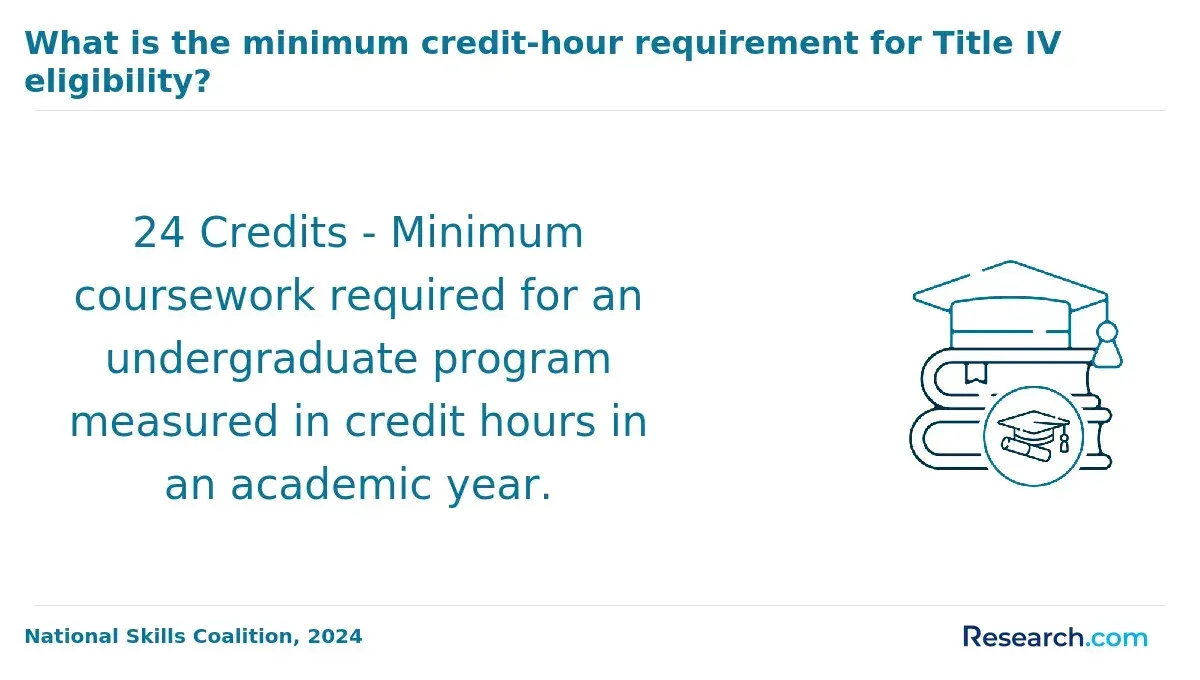
- Federal Aid: Students at regionally accredited institutions that participate in Title IV programs generally qualify for federal grants, loans, and work-study opportunities. Nationally accredited schools often lack eligibility for federal funding, which limits student access to these resources.
- State Funding: Most state scholarships and grants align with federal standards, favoring students at regionally accredited colleges. Nationally accredited institutions may occasionally qualify depending on state policies, but these opportunities are more limited.
- Institutional Scholarships: Both accreditation types may provide school-based scholarships and grants, but regionally accredited schools typically offer larger and more competitive awards, reflecting wider acceptance and funding availability.
- Private Loans and Scholarships: External financial aid sources and private loans are more broadly accessible regardless of accreditation. However, lenders may consider an institution's accreditation when setting loan conditions.
- Military and Employer Benefits: Programs such as the GI Bill and employer tuition reimbursement often require attendance at regionally accredited schools, although exceptions can apply.
Can I Transfer Credits From a Nationally Accredited to a Regionally Accredited Online Hospitality Management & Tourism Bachelor's Degree?
Transferring credits from a nationally accredited to a regionally accredited online hospitality management & tourism bachelor's degree program can be complex but achievable depending on various factors. Transferability often hinges on individual institutional policies, making it essential to understand each regionally accredited school's limits on accepting credits from nationally accredited institutions.
Course equivalency plays a critical role, as the receiving school evaluates how closely prior coursework aligns with its own curriculum in content, credit hours, and academic level. Additionally, regional accreditation is frequently regarded as more rigorous, so regionally accredited programs may favor transfer credits from similar institutions to uphold academic standards.
A commonly observed practice in higher education is the requirement for students to provide detailed syllabi and learning outcomes to demonstrate course comparability, which can result in partial credit acceptance or the need to retake courses to fulfill degree requirements.
When asked about his experience, a student enrolled in an online hospitality management & tourism bachelor's degree shared that navigating credit transfer was "a mix of frustration and hope." He explained, "The biggest challenge was gathering detailed course descriptions and convincing the registrar's office that my credits met their criteria."
He noted the process was "time-consuming and uncertain," but emphasizing persistence and communication helped. Reflecting on the experience, he said, "I learned that being proactive and prepared makes a significant difference in overcoming the hurdles of transferring from a nationally accredited to a regionally accredited program."
Does Accreditation Type Affect Job Opportunities After an Online Hospitality Management & Tourism Bachelor's Degree?
Accreditation type can influence how employers perceive online Hospitality Management & Tourism bachelor's degrees, affecting job prospects based on industry standards and hiring practices.
Surveys show that over 85% of employers prefer candidates with degrees from accredited institutions, underscoring the importance of accreditation in hiring decisions. The choice between regional vs national accreditation can significantly impact career opportunities in hospitality management and tourism.
- Employer Perception: Regional accreditation is widely viewed as the gold standard, often associated with rigorous academic quality. This can give graduates an edge when applying for positions with organizations prioritizing traditional academic credentials or graduate school readiness.
- Industry Expectations: National accreditation tends to emphasize practical, vocational skills valuable for hands-on roles. Some employers in hospitality and tourism appreciate this focus, especially for positions emphasizing technical or service expertise rather than theoretical knowledge.
- Hiring Filters: Automated hiring systems frequently use accreditation as a key filter. Degrees from regionally accredited programs may be favored in these systems, potentially increasing applicant visibility for competitive roles compared to national accreditation.
- Role-Specific Requirements: Management and corporate roles usually prefer regionally accredited degrees due to their alignment with graduate standards and leadership expectations. Meanwhile, entry-level or operational roles may rely more on demonstrable skills than accreditation type.
Students considering online Hospitality Management & Tourism bachelor's degrees should weigh how the accreditation type aligns with their career goals and desired job roles. For those interested in advancing quickly or pursuing graduate studies, regional accreditation may offer benefits.
For others focused on practical skills, nationally accredited programs can be valuable. To explore accelerated options in related fields, one could also consider programs like a 6 months masters degree online.
Will Accreditation Affect Eligibility for Advanced Degrees After an Online Hospitality Management & Tourism Bachelor's Degree?
Accreditation type plays a significant role in graduate school eligibility and admissions considerations for advanced degree programs after earning an online hospitality management & tourism bachelor's degree.
Over 90% of U.S. graduate schools require applicants to hold a bachelor's degree from a regionally accredited institution, highlighting the importance of accreditation in admissions decisions. Understanding the regional vs national accreditation impact on graduate school admission is crucial for students aiming for advanced hospitality management degrees.
- Admissions Recognition: Graduate programs typically prioritize degrees from regionally accredited schools, viewing them as more rigorous and comprehensive. National accreditation, while valid, may not be universally accepted by master's and doctoral programs, which can limit eligibility.
- Credit Evaluation: Regional accreditation facilitates smoother transfer and acceptance of prior coursework, ensuring full credit transfer at many graduate institutions. Conversely, credits from nationally accredited programs often face stricter scrutiny or outright limitations.
- Institutional Policies: Many graduate admissions offices enforce strict guidelines limiting or rejecting degrees from nationally accredited institutions. This varies by school, with some offering conditional acceptance but often requiring additional criteria.
- Program Alignment: National accreditation often emphasizes vocational training, which may not fully align with research-focused master's or doctoral hospitality management & tourism degrees. Regional accreditation is generally preferred for its academic rigor and breadth.
Prospective students should verify their program's accreditation status and consult with potential graduate schools early to ensure their degree supports future advanced study goals. For students exploring flexible academic pathways, selecting online schools that accept low GPA may offer additional options while considering accreditation impact.
How Do I Choose Between Regional vs National Accreditation for an Online Hospitality Management & Tourism Bachelor's Degree?
When deciding between regional and national accreditation for an online hospitality management & tourism bachelor's degree, students should weigh several important elements. Regional accreditation is often seen as more prestigious and widely recognized by employers and academic institutions, which can ease credit transfers and support future graduate study.
National accreditation tends to be more common among career-oriented or specialized schools, frequently offering greater flexibility and faster program completion. Considering academic objectives is crucial, as regionally accredited programs may better suit students pursuing traditional academic routes or advanced degrees.
Notably, research indicates that nearly 60% of students are unaware of the differences in accreditation types, which can significantly influence their educational choices.
Students should start by verifying a school's accreditation through official resources like the U.S. Department of Education's database. It is essential to examine how well credits transfer, especially since regionally accredited schools usually accept more transfer credits than nationally accredited ones.
Reflecting on long-term goals—such as graduate schooling or professional certification—helps determine which accreditation aligns best with career trajectories. Additionally, assessing if the program's curriculum matches employer expectations and industry standards ensures relevant skill development.
Taking these steps allows prospective hospitality management & tourism students to make informed decisions tailored to their academic and professional needs.
What Graduates Say About Regional vs National Accreditation for Online Hospitality Management & Tourism Bachelor's Degrees
- Raul: "Choosing a regionally accredited online hospitality management & tourism bachelor's program was a key decision for me because I wanted a degree that potential employers on the East Coast would truly recognize. The flexibility of online classes allowed me to work full-time while earning my degree, though I did find it challenging to create a routine without physical campus support. Ultimately, the credibility of the regional accreditation opened doors in my post-graduate career in hotel management, making the effort worthwhile."
- Elisha: "Reflecting on my experience, I opted for a nationally accredited hospitality management & tourism bachelor's program because it offered a wider range of practical internships and industry connections. While some criticized national accreditations for being less rigorous, I found the hands-on opportunities invaluable in building real-world skills remotely. Graduating from that program gave me confidence entering the travel sector, where the applied knowledge was just as important as the degree itself."
- Michael: "From a professional standpoint, pursuing a regionally accredited online hospitality management & tourism bachelor's degree proved essential for advancing within a competitive market. The degree demonstrated to employers my commitment to a recognized standard of education, despite the challenges of an online format like limited face-to-face interaction. The solid foundation in core management principles I gained has been instrumental in my career development within event planning and tourism services."
Other Things You Should Know About Hospitality Management & Tourism Degrees
Yes, employers in the hospitality management and tourism industry generally recognize regionally accredited degrees more readily. This is because regional accreditation typically involves more rigorous academic standards and is widely accepted among traditional employers, especially in management roles. National accreditation may be accepted for certain career paths but can sometimes limit job opportunities in competitive markets.
Credit transfer from nationally accredited to regionally accredited hospitality management and tourism programs is often challenging. Many regionally accredited schools do not accept credits from nationally accredited institutions due to differing academic standards. Prospective students should verify credit transfer policies with both schools before enrolling to avoid losing previously earned credits.
Professional certifications in hospitality management and tourism may require candidates to hold a degree from a regionally accredited institution for eligibility. Regional accreditation ensures that the educational program meets recognized academic standards, which certification boards often mandate. Graduates from nationally accredited programs should confirm specific certification requirements before enrolling.
References
- Accreditation - Institute of Hospitality https://www.instituteofhospitality.org/accreditation/
- Online Hospitality and Tourism (Undergraduate) https://www.schellhammerbusinessschool.com/online-hotel-and-hospitality-undergraduate/
- Bachelor of Hospitality and Tourism Management (BSHTM) Online Degree — European Center for Accreditation https://www.ecaonline.eu/landingbachelorsbshtm
- Understanding the Difference Between Regional and National Accreditation https://www.qahe.org/article/understanding-the-difference-between-regional-and-national-accreditation/
- Regional vs National Accreditation: What This Means for You https://www.uopeople.edu/blog/regional-vs-national-accreditation-whats-the-difference/
- IIE Bachelor of Hospitality Management https://www.iiehsm.com/IIEBachelorofHospitalityManagement
- Regional Accreditation vs National: Understanding Key Differences and Benefits - The Scholarship System https://thescholarshipsystem.com/blog-for-students-families/regional-accreditation-vs-national-understanding-key-differences-and-benefits/