
2027 Cheapest and Shortest Online Reading & Literacy Degree Programs That Pay Well: Cost, Duration, and Salary Outlook

Co-Founder and Chief Data Scientist
Choosing an online reading and literacy degree is usually a trade-off among three priorities: keeping tuition manageable, finishing quickly, and earning a credential that employers and licensing agencies will respect. That balance matters for classroom teachers seeking a reading specialist credential, paraprofessionals planning their next step, career changers entering education, and working adults who cannot pause their jobs for a traditional campus program.
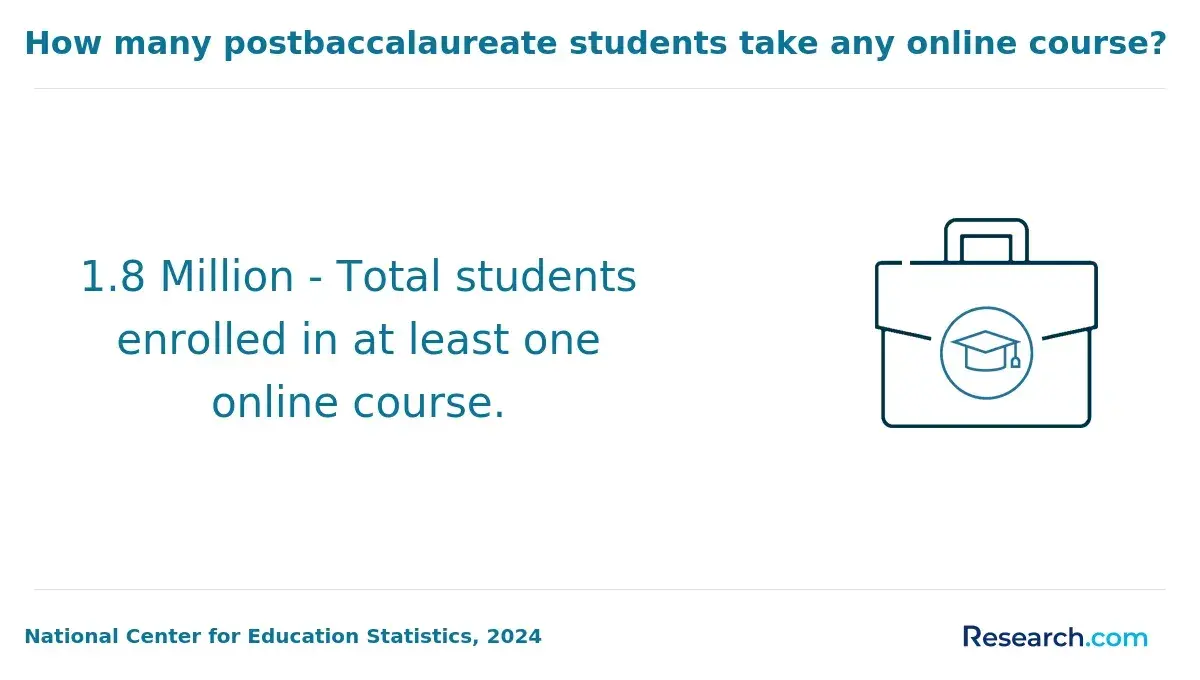
Online enrollment has grown by over 30% in recent years, and that expansion has made more low-cost and accelerated reading and literacy options available. Still, not every inexpensive or fast program is a smart investment. Students need to compare total cost, accreditation, completion time, field experience requirements, financial aid eligibility, and career outcomes before enrolling.
This guide explains how affordable online reading and literacy programs typically work, what they cost, how financial aid applies, which formats are fastest, what skills students build, and how to judge whether a cheap accelerated program is legitimate and career-ready.
Key Benefits of the Cheapest and Shortest Online Reading & Literacy Degree Programs That Pay Well
- Online reading & literacy degree programs often cost 30-50% less than traditional degrees, reducing student debt and making education more accessible for budget-conscious learners.
- Accelerated online formats allow completion in as little as 12 months, enabling faster entry into the workforce and decreasing overall opportunity costs.
- Graduates enjoy median salaries near $60,000 annually, reflecting strong demand and a solid return on investment compared to program length and cost.
How Much Does an Affordable Online Reading & Literacy Degree Typically Cost?
An affordable online reading and literacy degree can cost far less than a traditional campus-based program, but the final price depends on the credential level, credit requirements, school type, transfer credits, and fees. Online tuition and fees average about $14,000 annually at public institutions, yet many reading and literacy programs fall below that when students choose public universities, transfer-friendly schools, or shorter graduate certificates.
For most students, the most useful number is not the advertised tuition rate but the total cost to finish. A low per-credit price can still become expensive if the program requires many credits, charges high online fees, or does not accept prior coursework.
- Typical tuition range: Total costs for a bachelor's or master's reading and literacy degree generally fall between $5,000 and $20,000, depending on the institution, program length, and credit requirements.
- Cost per credit: Most online courses charge between $300 and $600 per credit hour. Some accelerated literacy programs reduce the total bill by using shorter terms, accepting transfer credits, or requiring fewer credits for completion.
- Online versus on-campus costs: On-campus tuition for similar programs is typically 20-30% higher than online. Online students may also avoid relocation, commuting, parking, and housing expenses.
- Additional expenses: Students should budget for technology fees, course materials, assessment tools, background checks, and possible practicum-related costs. These commonly add several hundred dollars per semester.
Cost should be weighed against the jobs the program can realistically support. Graduates may pursue roles such as literacy specialists, reading coaches, interventionists, or curriculum-focused educators, with median salaries ranging from $55,000 to $70,000 annually. Students comparing adjacent education and behavioral support fields may also want to review online BCBA program options.
Can You Get Financial Aid in the Cheapest Online Reading & Literacy Programs?
Yes, students can often receive financial aid for cheap online reading and literacy programs, but eligibility depends heavily on accreditation, credential type, enrollment status, and the school’s participation in federal aid programs. Nearly 85% of online students obtain some form of financial aid, making aid planning essential for students who are trying to minimize debt.
The most important first step is confirming that the institution is properly accredited and eligible to distribute federal student aid. Some low-cost certificates or non-degree programs may be useful professionally but may not qualify for the same aid options as degree-granting programs.
- Federal grants: Need-based grants such as the Pell Grant do not require repayment and can significantly lower out-of-pocket costs for eligible students in accredited programs.
- Scholarships: Universities, nonprofit organizations, education associations, and literacy-focused groups may offer awards based on academic merit, financial need, teaching experience, location, or service commitments.
- Federal student loans: Federal loans generally offer comparatively low interest rates and flexible repayment options. They can help cover tuition, but students should borrow only what they need after grants, scholarships, and employer benefits are applied.
- Employer tuition assistance: School districts, education agencies, and related employers may reimburse tuition for employees who pursue reading, literacy, or instructional credentials tied to their current work.
Before enrolling, ask the school’s financial aid office whether the specific reading and literacy program qualifies for federal aid, whether students must be enrolled at least part time, and whether practicum or certification fees are included in the cost estimate. Students comparing education-adjacent pathways can also review affordable online counseling degrees.
What Are the Shortest Online Reading & Literacy Degree Programs?
The shortest online reading and literacy pathways are usually certificates, endorsements, associate degrees, and accelerated graduate programs. They appeal to students who want to build literacy instruction skills quickly without spending several years in school. Nearly 40% of online learners favor short programs that can be completed within two years or less.
The right short program depends on the student’s current education level. A licensed teacher may need an endorsement or graduate certificate, while a new student may need an associate or bachelor’s pathway before qualifying for advanced literacy roles.
- Certificate programs: Literacy-focused certificates often take between 6 to 12 months. They are best for students who already have a degree or teaching background and want targeted training in reading assessment, intervention, or literacy coaching.
- Associate degrees: These typically require about 60 credits and can be finished in approximately 18 months in accelerated formats. They provide foundational preparation for education support roles but may not be enough for licensed teaching or reading specialist positions.
- Accelerated degree tracks: Some schools use year-round enrollment, shorter academic terms, transfer credits, or stackable certificates to shorten the time to completion.
- Modular pacing: Programs may divide courses into focused units so students can complete one subject at a time while maintaining steady progress.
Costs for the shortest online reading and literacy degree programs usually range from $200 to $400 per credit, making total tuition roughly $12,000 to $24,000 for an associate degree. Graduates can expect starting salaries between $40,000 and $50,000, depending on location and experience. Students planning for advanced education leadership roles may also compare options such as an online doctorate in organizational leadership.
What Is the Typical Format of the Shortest Online Reading & Literacy Degree Programs?
The shortest online reading and literacy programs typically use accelerated terms, structured weekly modules, and frequent assessments. The goal is not to reduce academic expectations but to compress the calendar. Nearly 40% of online students choose accelerated courses to gain skills faster and fit learning around work, caregiving, and other responsibilities.
- Term length: Courses usually run in 5 to 8-week terms rather than traditional 15-week semesters. This allows students to complete more courses in a year, but the pace is much faster.
- Course delivery: Most programs use a learning management system where students access recorded lectures, readings, assignments, quizzes, discussion boards, and instructor feedback.
- Weekly workload: Students typically spend 12 to 15 hours per week on assignments, readings, projects, and participation. The workload can increase when courses include assessments, case studies, or practicum preparation.
- Student interaction: Communication often happens through email, discussion boards, scheduled virtual meetings, group projects, and instructor office hours.
- Field-based components: Some programs require students to complete observations, assessments, tutoring sessions, or practicum work in a school or educational setting. Online delivery does not always mean every requirement can be completed from home.
Accelerated formats work best for students who can plan ahead, study consistently, and manage deadlines without weekly in-person reminders. They may be less suitable for students who need long reading periods, extensive face-to-face support, or a lighter course load.
How Do Online Classes Work for Accelerated Reading & Literacy Degrees?
Online accelerated reading and literacy classes combine flexible access with a demanding pace. Students can usually complete coursework from home, but they must keep up with compressed deadlines. Nearly 40% of undergraduates in distance education enroll in accelerated classes, reflecting the appeal of faster completion for working learners.
- Asynchronous coursework: Students complete recorded lectures, readings, quizzes, discussion posts, and written assignments on their own schedule before posted deadlines. This format is useful for teachers and working adults with unpredictable hours.
- Synchronous sessions: Some courses include live video meetings, group discussions, presentations, or coaching sessions. These sessions can improve interaction but may require evening or scheduled attendance.
- Shortened course calendars: Courses often run 5 to 8 weeks instead of standard 15-week semesters. Students cover the same major concepts in less time, so falling behind for even a few days can create problems.
- Frequent assignments: Accelerated classes usually require weekly papers, reading analyses, lesson plans, intervention designs, discussion posts, or assessments. The pace rewards steady work rather than last-minute studying.
- Learning management systems: Online platforms organize syllabi, lectures, deadlines, grades, instructor messages, rubrics, and discussion forums in one place.
- Practicum coordination: If the program includes fieldwork, students may need to arrange approved sites, supervisors, background checks, and documentation according to school or state requirements.
Students should ask whether courses are fully asynchronous, whether live attendance is required, and how field experiences are handled before choosing an accelerated program.
What Skills Do Students Gain from a Shortest-Track Online Reading & Literacy Degree?
Shortest-track online reading and literacy programs are designed to build practical instructional skills quickly. Many condensed pathways lead to graduation within 12 to 18 months and align with projected job growth in reading specialist roles, which is expected to increase by about 4% through 2031.
Students should expect a strong program to go beyond general teaching advice. It should train them to identify reading difficulties, use evidence-based interventions, measure progress, and communicate results clearly to families and school teams.
- Literacy assessment: Students learn how to evaluate reading levels, identify skill gaps, interpret assessment data, and monitor student progress over time.
- Foundational reading instruction: Coursework often covers phonemic awareness, phonics, fluency, vocabulary, comprehension, and writing connections.
- Intervention planning: Students practice selecting targeted strategies for struggling readers and adapting instruction for different age groups, abilities, and learning needs.
- Critical thinking: Graduates learn to analyze why a student is struggling rather than applying a one-size-fits-all solution.
- Communication: Programs emphasize collaboration with students, families, classroom teachers, administrators, and support professionals.
- Problem-solving: Students learn to design research-based solutions for reading challenges in classrooms, tutoring settings, intervention programs, and educational support environments.
- Professionalism and time management: Accelerated online study requires organization, deadline management, clear communication, and independence—skills that also matter in education careers.
Are Cheap and Fast Online Reading & Literacy Degree Programs Considered Legitimate?
Cheap and fast online reading and literacy programs can be legitimate, but students must verify quality before enrolling. A low price or short timeline is not automatically a warning sign; many public universities and accredited institutions offer affordable online options. The risk comes from programs that lack recognized accreditation, make unclear licensure claims, or advertise unrealistic career outcomes.
- Accreditation: Look for regional or national accreditation recognized by the U.S. Department of Education. Accreditation helps protect transferability, financial aid eligibility, employer recognition, and licensure pathways.
- Faculty credentials: Strong programs are taught by instructors with advanced degrees, literacy expertise, teaching experience, and relevant certifications.
- Curriculum quality: Legitimate programs cover evidence-based reading instruction, literacy assessment, intervention design, diverse learners, and data-informed teaching.
- Licensing eligibility: If your goal is a reading specialist credential, endorsement, or licensed role, confirm that the program meets your state’s requirements. Licensure rules vary by state, and an online program approved in one state may not automatically qualify in another.
- Field experience: Many credible programs include practicum, supervised tutoring, school-based observation, or applied assessment work.
- Transparent outcomes: Graduation rates, employment information, certification pass rates, and student support details should be available from the school or program.
A practical rule: do not enroll until the school can clearly answer three questions—who accredits the institution, whether the program meets your state’s credential requirements, and what total cost you should expect through graduation.
What Are the Highest-Paying Roles for Online Reading & Literacy Degree Graduates?
The highest-paying roles for online reading and literacy graduates are usually positions that combine advanced instructional expertise, leadership responsibilities, assessment skills, and experience. Salary depends on location, employer type, union agreements, degree level, certifications, and years of service, so students should treat published salary figures as planning estimates rather than guarantees.
- Literacy specialist or reading interventionist: These educators assess reading needs, provide targeted intervention, coach teachers, and help schools improve literacy outcomes. Median salaries are around $67,970, and top earners make over $109,000 annually, according to the Bureau of Labor Statistics.
- Curriculum developer: Curriculum developers design literacy materials, reading assessments, instructional guides, and teacher resources. Salaries range from $60,000 to $90,000 depending on experience and location, as reported by the National Center for Education Statistics.
- Special education teacher with reading expertise: These professionals provide literacy instruction for students with special needs and often coordinate with intervention teams and families. Their average annual salary is about $62,000, with higher earnings possible in districts prioritizing literacy initiatives.
- Instructional coordinator: Instructional coordinators oversee curriculum implementation, teacher training, and instructional improvement efforts. Some roles focus heavily on literacy programs, data review, and professional development. Salaries vary widely based on certifications, experience, and organizational funding.
Advanced credentials, reading specialist certification, leadership experience, and work in well-funded districts or private institutions can improve earning potential. Working adults who want to move beyond classroom or intervention roles may compare affordable EdD programs as a longer-term pathway to leadership credentials.
Students should choose a program based not only on the highest possible salary but also on the role they actually want: direct student intervention, teacher coaching, curriculum design, special education, or district-level instructional leadership.
What Is the Job Placement Rate for Online Reading & Literacy Graduates?
Job placement rates for online reading and literacy graduates are often reported between 80% and 90% within six to twelve months after graduation. Those outcomes reflect steady demand for educators who can support reading achievement, but placement varies by region, credential level, state licensure rules, and the strength of the school’s employer network.
- Industry demand: Literacy is closely tied to student achievement and workforce readiness. The U.S. Bureau of Labor Statistics projects a 5% growth rate for instructional coordinators, including literacy specialists, from 2022 to 2032.
- Program reputation: Graduates from accredited online programs, especially those recognized by organizations such as the International Literacy Association or CAEP, may have stronger employment prospects because employers can more easily evaluate program quality.
- Practical experience: Internships, practicums, supervised assessments, tutoring work, and school-based projects help graduates demonstrate applied skills rather than only coursework completion.
- Alumni networks and district partnerships: Programs with active alumni networks and relationships with local school districts can make it easier for students to hear about openings and secure interviews.
- Licensure alignment: Placement may be weaker if a graduate completes a program that does not meet the credential requirements in the state where they plan to work.
Median salaries for new reading and literacy graduates typically range from $55,000 to $70,000 annually, with higher potential earnings in urban or specialized roles. Students looking for broader graduate-level value comparisons can review affordable online graduate programs.
How Do You Choose the Best Cheap Online Reading & Literacy Degree Program?
The best cheap online reading and literacy degree is not simply the one with the lowest tuition. It is the program that meets your career goal, fits your schedule, qualifies for financial aid if needed, and supports the credential or job you want after graduation.
Use the following factors to compare programs before applying.
- Accreditation: Confirm that the school is accredited by a recognized regional agency or appropriate national body. For education programs, also look for program-level recognition such as CAEP where relevant.
- Licensure and endorsement fit: If you need a reading specialist credential, confirm the program’s alignment with your state’s requirements in writing. Do not rely only on general website language.
- Curriculum quality: Strong programs emphasize evidence-based reading instruction, literacy assessment, intervention strategies, diverse learners, and data-driven decision-making.
- Program length and cost: Bachelor’s degrees usually require four years, while some accelerated or associate options range from one to two years. Tuition per credit is typically between $150 and $400 in some low-cost programs, but students should compare total program cost rather than per-credit price alone.
- Transfer and prior learning policies: Generous transfer credit policies can reduce both cost and time, especially for students who already completed general education courses or prior college credits.
- Student support services: Look for academic advising, tutoring, technology support, certification guidance, field placement help, and career resources. Programs with graduation rates above 50% and employment rates meeting or surpassing the national average of 63% for reading specialists suggest stronger student support.
- Career outlook and salary potential: The expected median salary currently hovers around $61,000 annually for reading specialists. Higher earnings are often connected to advanced degrees, certifications, location, and experience.
Before committing, request a full cost breakdown, sample degree plan, licensure statement, fieldwork requirements, and recent student outcome data. A reputable program should be able to provide clear answers without pressure or vague promises.
What Graduates Say About Their Cheapest and Shortest Online Reading & Literacy Degree
- : "Finding an affordable and fast online reading & literacy degree was a game-changer for me. The program's cost was much lower than traditional degrees, making it accessible without sacrificing quality. Since graduating, I've advanced to a lead reading specialist role, empowering me to make a tangible difference in students' lives. Armando"
- : "I chose an online reading & literacy degree because it fit my busy schedule and budget perfectly. The tuition was surprisingly reasonable, and completing the program quickly helped me transition into literacy coaching sooner than I expected. This degree truly enhanced my teaching strategies and professional confidence. Aliyah"
- : "The decision to pursue a short and affordable online reading & literacy degree came after researching many options; the cost-effectiveness was impressive, averaging well under traditional programs. Professionally, it opened doors to new career opportunities in educational support services, and I appreciate how streamlined the curriculum was without losing depth. Aiden"
Other Things You Should Know About Reading & Literacy Degrees
Typical prerequisites include a high school diploma or equivalent, submission of official transcripts, and possibly a personal statement. Some programs may also require prior coursework in education or related fields by 2027.
In 2027, top online reading and literacy programs with strong salary prospects include those from University X and College Y, often proving highly effective. Graduates usually secure jobs as literacy coaches or reading specialists, with potential starting salaries of around $50,000 to $60,000 annually.
References
- Earning an Online Doctorate in Reading and Literacy https://www.gograd.org/online-phd-programs/best-reading-literacy-degrees/
- The 10 Best Online Masters in Reading and Literacy Degree Programs https://www.early-childhood-education-degrees.com/top/online-masters-reading-literacy/
- Top 30 Most Affordable Master’s in Reading Online Programs - Best Colleges Online https://www.bestcollegesonline.org/most-affordable/online-masters-reading/
- Highest paying jobs with a teaching degree - FutureLearn https://www.futurelearn.com/info/blog/top-jobs-with-teaching-degree
- Reading Specialist Jobs and Salary Outlook | CUNE https://www.cune.edu/news/reading-specialist-jobs-salary
- Most Affordable Online Master’s in Education for 2025 https://www.onlinemastersdegrees.org/most-affordable/education-programs/
- Top 20 Most Affordable Online Master's In Reading https://www.collegechoice.net/education/reading-and-literacy/best-online-masters-degrees/
- Teaching Literacy for Reading: Online Short Course https://www.exeter.ac.uk/online-courses/teaching-literacy-reading/
- Learn How To Earn A Master's In Reading And Literacy Online https://www.learnhowtobecome.org/best-online-masters-in-reading-literacy-degree-programs/


