2027 Top Industries Hiring Forensic Psychology Graduates: Demand, Pay, and Growth Trends

Co-Founder and Chief Data Scientist
A prospective forensic psychology student or recent graduate often faces a challenging decision: which industries truly offer strong career opportunities after finishing their studies? Understanding where forensic psychology graduates are hired provides essential insight into employment demand. Additionally, comparing salary ranges across different sectors highlights potential earning power. Evaluating growth trends in these fields further helps identify areas where long-term prospects are expanding versus those that may plateau or contract.
Grasping these factors enables students and career changers to make informed decisions about educational focus and skill development. As employer needs evolve, aligning expertise with market demand becomes crucial for success. This article explores the industries that hire the most forensic psychology graduates, identifies sectors with the highest salaries, examines job growth patterns, discusses shifting employer expectations, and offers guidance on how students can position themselves for the most promising career paths.
- Key Things to Know About the Top Industries Hiring Forensic Psychology Graduates Key Things to Know About the Top Industries Hiring Forensic Psychology Graduates
- Which Industries Hire the Most Forensic Psychology Graduates? Top Industries
- Which Industries Offer the Highest Salaries for Forensic Psychology Graduates? Highest Salaries
- Which Industries Have the Fastest Growth for Forensic Psychology Careers? Growth Trends
- Which Employers Commonly Recruit Forensic Psychology Graduates? Top Employers
- Which Skills Are Most In Demand Across Forensic Psychology Industries? In-Demand Skills
- How Do Career Paths Differ Across Industries for Forensic Psychology Graduates? Career Paths
- How Do Industry Trends Affect Future Opportunities for Forensic Psychology Graduates? Industry Trends
- How Can Students Prepare for High-Demand Forensic Psychology Industries? Career Preparation
- How Do Different Forensic Psychology Degree Programs Prepare Students for Industry Careers? How Do Different Forensic Psychology Degree Programs Prepare Students for Industry Careers?
- Which Industry Is the Best Fit for Your Forensic Psychology Career Goals? Which Industry Is the Best Fit for Your Forensic Psychology Career Goals?
Key Things to Know About the Top Industries Hiring Forensic Psychology Graduates
- Criminal justice and mental health institutions employ over 60% of forensic psychology graduates, underscoring the importance of developing skills tailored to legal evaluations and therapeutic settings.
- The private sector, especially risk assessment firms, offers 15% higher average salaries and faster growth than public agencies, indicating a tradeoff between stability and earning potential.
- Recent 2024 labor reports show employer demand shifting toward forensic psychologists with data analytics expertise, signaling a need to adapt training to evolving interdisciplinary expectations.
Which Industries Hire the Most Forensic Psychology Graduates?
Demand for forensic psychology graduates remains concentrated in select sectors where psychological expertise directly intersects with legal and correctional processes. The diversification of roles across these industries reflects distinct priorities-ranging from legal case support to rehabilitation strategies-which shape hiring patterns. According to 2024 data from the U.S. Bureau of Labor Statistics, nearly 60% of professionals with forensic psychology-related credentials are employed within four primary industries, highlighting the steady need for specialized skills despite regional and economic fluctuations. These industries vary widely in operational focus and employment conditions but consistently recruit graduates. Below are key sectors that currently offer the most significant employment opportunities.
- Legal Services: This sector, including court systems, law firms, and public defender offices, relies heavily on forensic psychology graduates for expert testimony, competency evaluations, and criminal profiling. The integration of psychological insights into legal proceedings drives stable demand, especially for roles that inform judicial decision-making and case strategy.
- Correctional Institutions: Working within prisons and rehabilitation centers, graduates focus on inmate assessments, behavioral management, and designing recidivism reduction initiatives. This environment attracts professionals interested in applying psychological principles to improve inmate outcomes and support systemic safety.
- Law Enforcement Agencies: Police departments and federal investigative bodies employ forensic psychologists to enhance investigative processes, especially in areas like behavioral analysis and crisis negotiation. These roles contribute to effective law enforcement through psychological expertise in understanding criminal behavior and victim dynamics.
- Mental Health Services: Hospitals and private practices specializing in forensic assessments employ graduates for risk evaluations, tailored treatment plans, and counseling services. This sector appeals to those aiming to bridge clinical practice with forensic populations, often complementing broader mental health initiatives.
For example, a forensic psychology graduate working within a correctional institution might evaluate an inmate's risk of reoffending while collaborating with multidisciplinary teams to develop individualized rehabilitation programs. Such roles demand a nuanced understanding of both psychological theory and the criminal justice context. Prospective students should weigh these diverse sectoral demands when considering their career trajectory. Those seeking comprehensive guidance on related healthcare fields may explore options like a healthcare administration degree, which can complement forensic psychology expertise in administrative or policy-focused roles within these industries.
Which Industries Offer the Highest Salaries for Forensic Psychology Graduates?
Salary differences across industries for forensic psychology graduates primarily stem from the varying complexity, responsibility levels, and resource availability inherent to each sector. The federal government, private sector, and academia each impose distinct expectations on forensic psychologists, influencing compensation accordingly. For example, high-stakes roles in federal investigations require specialized expertise and often involve considerable pressure, reflected in elevated wages. Conversely, academic positions may offer lower salaries but provide tenure and research opportunities. Below are key industries offering the highest paying forensic psychology careers and the factors behind their salary trends.
- Federal Government Roles:The federal government typically offers the highest compensation for forensic psychology professionals, with median annual salaries often exceeding $100,000 as reported by the U.S. Bureau of Labor Statistics in 2024. Positions within agencies like the FBI and Department of Justice involve criminal profiling, expert testimony, and evaluation of serious criminal cases, demanding specialized skills and high accountability. These roles come with rigorous recruitment processes but reward experience and advanced qualifications accordingly.
- Private Legal Consulting and Corporate Security:This sector offers lucrative opportunities for forensic psychology graduates, particularly in executive or specialized consultant roles that can surpass $90,000 annually. Forensic psychologists here apply their expertise to fraud detection, risk assessment, and internal investigations, where industry-specific knowledge and adaptability drive earning potential. However, salary levels vary widely depending on firm size and client portfolios, making experience and niche specialization key factors.
- State and Local Government:While salaries in state and local government agencies-such as corrections and probation services-are generally lower than federal roles, they provide stable employment demand and broader opportunities. Median wages in this sector typically range from $60,000 to $85,000, influenced by budget constraints and local funding. These roles are critical for community-based criminal justice functions but typically involve less specialization and complexity compared to federal work.
- Academic and Research Institutions:Positions in academia and research organizations tend to offer lower salaries relative to government and private sector roles. Nonetheless, these jobs provide significant benefits such as tenure, research funding, and influence over forensic psychology practices. Salary compression in this sector reflects the value placed on intellectual contribution over high-risk or operational responsibilities.
Forensic psychology graduates evaluating these industries should also consider employment stability, workplace demands, and longer-term career aspirations. Trade-offs between compensation and work environment often dictate optimal industry choice. Those interested in exploring related advanced education options might consider a healthcare administration masters, which can complement forensic psychology expertise in certain administrative or policy-driven roles.
Which Industries Have the Fastest Growth for Forensic Psychology Careers?
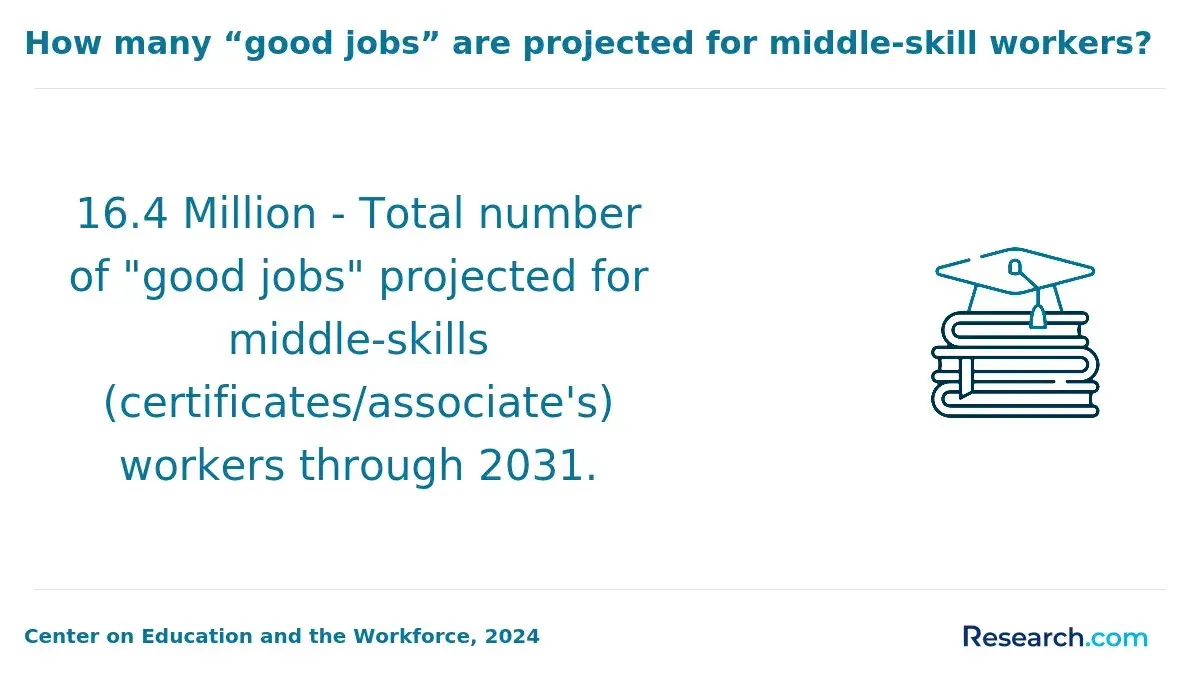
Evaluating industry growth is critical when choosing a sustainable path in forensic psychology. Rapid sector expansion often signals stronger hiring demand, higher salary potential, and more opportunities to develop specialized expertise. Yet, not all growth is uniform; regional needs, economic shifts, and interdisciplinary skills influence how accessible and rewarding these roles may become. According to the U.S. Bureau of Labor Statistics' 2024 projections, certain fields affiliated with forensic psychology are growing significantly faster than average, driven by evolving social, legal, and healthcare priorities. Below are some of the fastest-growing industries for forensic psychology careers.
- Correctional Facilities:The expansion in correctional systems reflects growing acknowledgment of psychological assessment's role in managing inmate rehabilitation and reducing recidivism. Forensic psychologists find increasing demand here for conducting risk evaluations, crisis interventions, and designing offender treatment programs. Legislative changes and funding shifts aimed at reforming incarceration methods contribute to steady employment growth in this area.
- Mental Health Services:Public and private mental health sectors are bolstering their forensic-related services in response to rising cases involving trauma, substance abuse, and violence. Forensic psychologists in this field work within community health centers, hospitals, and outpatient clinics, often dealing with complex intersections of mental illness and legal issues such as competency or child custody evaluations. Growing societal awareness and regulatory requirements drive this sector's expansion.
- Legal Consultation and Expert Testimony:Courts and law firms increasingly rely on forensic psychologists for credible, scientifically grounded testimony and case assessments, especially in criminal responsibility and risk analysis. The demand stems from a growing need for precise evaluation in complex litigation and victim advocacy, with private sector consultancies also expanding. Technological advances in data analysis and neuropsychology enhance the value of specialized expertise here.
A forensic psychology graduate recalled hesitating between clinical roles and correctional psychology early in their career. After observing limited growth and high competition in local mental health clinics, they accepted a position within a state correctional facility. This move proved pivotal when new funding increased program budgets, allowing them to lead a project integrating digital assessment tools for inmate rehabilitation. The combination of emerging technology and institutional reform made their role uniquely impactful-and financially rewarding-confirming the importance of aligning career moves with industry growth trends rather than initial preferences alone.
Which Employers Commonly Recruit Forensic Psychology Graduates?
Recognizing the primary employers of forensic psychology graduates helps students tailor their academic focus, internships, and job searches toward realistic and high-demand career paths. Since hiring trends fluctuate based on specialization, geographic area, and evolving industry needs, gaining insight into who is actively recruiting can guide more strategic career decisions. For instance, a graduate in a major metropolitan area might prioritize roles in federal law enforcement, whereas those in smaller regions may find more opportunities within state corrections. Below is an overview of key organizations that frequently seek forensic psychology professionals.
- Criminal Justice Agencies: Federal, state, and local law enforcement bodies are the largest employers, utilizing forensic psychologists for offender profiling, competency assessments, and courtroom expert testimony. According to 2024 data from the U.S. Bureau of Labor Statistics, these agencies account for a substantial share of forensic psychology-related positions, reflecting ongoing reliance on specialized psychological expertise in investigations and prosecutions.
- Correctional Institutions: Prisons and rehabilitation centers consistently hire forensic psychologists to evaluate inmates' mental health, design individualized treatment programs, and conduct risk assessments aimed at reducing recidivism. This sector benefits from growing recognition of mental health's role in successful reintegration, driving steady employment even during fluctuating budget cycles.
- Mental Health Facilities: Hospitals and community mental health organizations often employ forensic psychologists to assess individuals involved in legal proceedings, provide trauma evaluation for crime victims, and contribute to forensic evaluations that inform judicial decisions. These roles require professionals adept at balancing clinical insight with legal standards.
- Private Sector Firms: Forensic consulting and private investigation agencies provide expanding opportunities for forensic psychologists offering expert analysis and advisory services. These roles are suited to graduates who prefer a flexible, client-driven environment and possess strong communication skills to interpret complex psychological data for diverse audiences.
Which Skills Are Most In Demand Across Forensic Psychology Industries?
Certain career skills maintain their value across multiple industries because they address fundamental workplace challenges that transcend specific job functions. In forensic psychology, these competencies enable graduates to navigate complex legal and psychological environments effectively. As employers seek professionals who combine technical expertise with adaptive interpersonal skills, those most adept at applying core forensic psychology principles remain highly competitive. Understanding which abilities persistently resonate with hiring managers can help students and recent graduates focus their professional development. The following key skills rank consistently high in demand across the forensic psychology industry landscape.
- Analytical Reasoning: Employers prioritize the ability to interpret behavioral data and apply psychological theories to legal contexts. Developing strong analytical reasoning during forensic psychology programs-through case studies and research projects-prepares graduates to evaluate evidence critically and support judicial decision-making. This skill underpins success across law enforcement, legal consulting, and correctional settings.
- Psychological Assessment Expertise: Mastery of administering and interpreting standardized tests, trauma-informed interviewing, and threat evaluation is essential. These technical competencies are core components of most forensic psychology curricula and are frequently referenced in industry standards. Proficiency here enhances a graduate's value when conducting evaluations of defendants, victims, or witnesses.
- Effective Communication: The ability to convey complex psychological insights succinctly to judges, juries, and multidisciplinary teams is vital. Practical experience through report writing, presentations, and role-playing exercises strengthens this skill. Communication skills contribute heavily to employability, enabling professionals to bridge gaps between technical findings and legal outcomes.
- Ethical Judgment: Navigating legal and psychological sensitivities demands strong ethical standards, which programs embed in their coursework and supervised fieldwork. Employers across all forensic psychology industries expect adherence to ethical principles to ensure credibility and protect vulnerable populations. This skill supports long-term career sustainability in varied roles.
- Cultural Competence: Sensitivity to diverse social, cultural, and demographic backgrounds is increasingly emphasized as forensic psychologists work with wide-ranging populations. Training in cultural competence enables professionals to provide more accurate assessments and recommendations, an ability valued by hospitals, federal agencies, and rehabilitation centers alike.
- Problem-Solving: The unpredictable nature of forensic cases requires adaptability and creative reasoning. Students develop problem-solving skills by engaging with dynamic case scenarios and interdisciplinary collaborations, preparing them to handle multifaceted challenges encountered in the field.
- Teamwork and Collaboration: Forensic psychologists often operate within multidisciplinary teams, where cooperation enhances comprehensive case analysis. Experiential learning through group projects and internships fosters teamwork skills, which promote career flexibility across forensic and allied health sectors.
According to the U.S. Bureau of Labor Statistics, the demand for forensic psychology career skills employers value-particularly analytical and communication skills-has shown a 12% increase in job postings since 2021, underscoring the growing recognition of these competencies.
Prospective students aiming to strengthen their vocational prospects can consider programs known for combining rigorous training with practical application, such as the best online MHA programs, which emphasize interdisciplinary competencies relevant to forensic psychology roles.
Incorporating both the specialized technical skills and broad transferable abilities highlighted here can help graduates adapt to shifting industry demands and maximize long-term career opportunities within forensic psychology and its intersecting fields.
How Do Career Paths Differ Across Industries for Forensic Psychology Graduates?
Deciding which industry to enter after earning a forensic psychology degree greatly influences career trajectory, often as much as the degree itself. Various sectors prioritize distinct skills, experiences, and career aspirations, shaping how professionals develop and succeed. Some fields emphasize specialization and certifications, while others lean on networking and independent reputation. Recognizing these differences helps graduates align their career choices with long-term objectives and daily work preferences. Below are key ways forensic psychology career paths diverge across industries.
- Employment Settings: Forensic psychology careers predominantly begin in criminal justice environments like correctional facilities or courts, where applied assessment dominates daily tasks, whereas private practice focuses more on client consultation and business development. Graduates inclined toward structured systems may prefer public agencies, while entrepreneurial personalities might thrive in independent consulting.
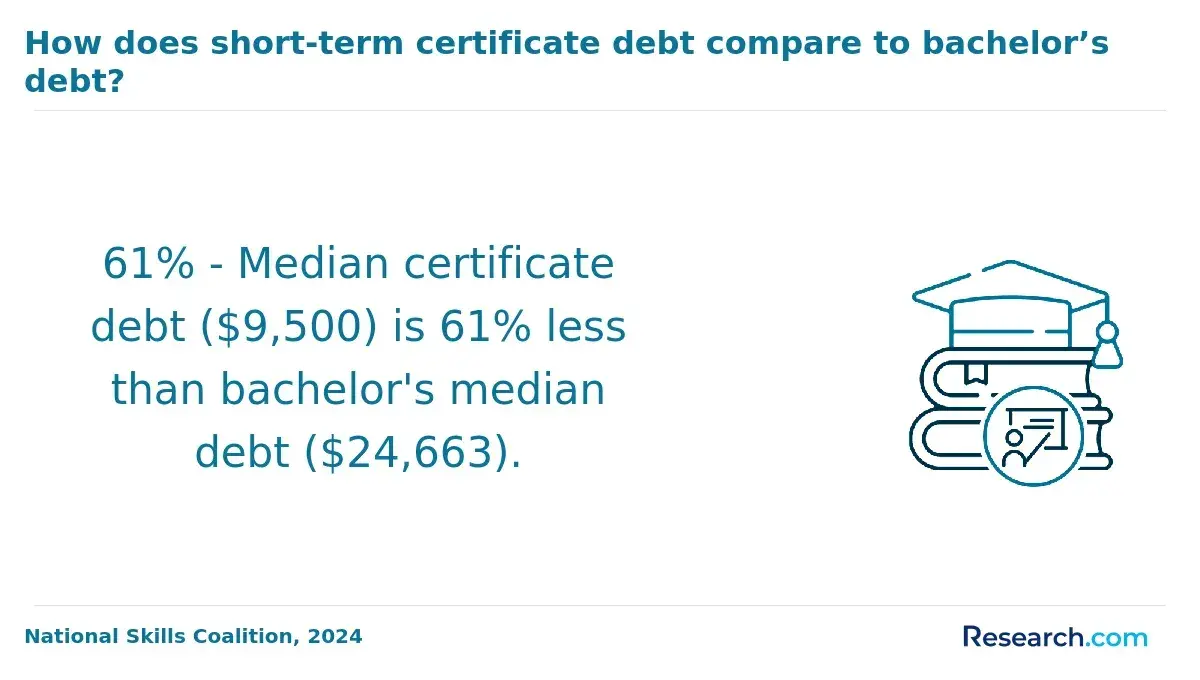
- Salary Trajectories: Government and institutional roles often start with moderate pay around $55,000 annually, increasing with certifications and supervisory roles, sometimes surpassing $90,000. Private sector positions offer higher initial salaries between $80,000 and $120,000 but income growth depends heavily on client acquisition and networking success, introducing variability in earnings over time.
- Advancement Opportunities: Public sector advancement typically follows formalized tracks linked to credentials and experience, whereas private practice progression is less predictable and highly dependent on market reputation. Academic careers reward research, publications, and grant funding, which require patience but can result in tenure and influence within the field.
- Work Autonomy: Research and academic roles generally provide greater professional independence and impact on policy, contrasting with more regimented environments in law enforcement or corrections, where established protocols guide activities. Early-career forensic psychologists should weigh their preference for autonomy against structural support.
- Skill Specialization: Criminal justice roles often demand focused expertise in forensic evaluations and legal consultation, while other settings may require broader psychological assessment skills or business management for private contractors. Aligning skills with industry demands is crucial for career sustainability and satisfaction.
- Occupational Mobility: According to the LinkedIn Workforce Report 2024, forensic psychology professionals with over three years of experience in relevant roles are 60% more likely to attain leadership positions, highlighting the importance of early hands-on experience regardless of sector. Mobility can still vary significantly based on industry norms and individual career strategies.
- Career Stability Versus Flexibility: Established institutions offer more predictable job security but potentially slower growth, while private practice entails greater financial uncertainty coupled with possible rapid income increases. Graduates must consider their tolerance for risk and desire for stability when selecting their initial industry path.
How Do Industry Trends Affect Future Opportunities for Forensic Psychology Graduates?
Industry trends meaningfully shape which career paths emerge and remain viable for forensic psychology graduates. These trends influence employer demand, salary range, and the skills most prized within various sectors. Understanding their direction helps graduates focus on areas offering sustained or expanding opportunities, rather than fleeting or saturated markets. According to the U.S. Bureau of Labor Statistics (2024), employment for forensic psychology specialists is projected to grow steadily, reflecting broader changes in legal and mental health systems. The following trends highlight where these shifts are most pronounced.
- Legal System Integration:The criminal justice system increasingly relies on forensic psychology in both criminal and civil contexts, driving demand for evaluations, expert testimony, and policy consultation. Graduates should build skills relevant to court procedures and legal standards to remain competitive in agencies and private consultancies.
- Multidisciplinary Collaboration:Forensic psychologists are more frequently embedded in teams with law enforcement, social services, and healthcare professionals. This trend favors candidates versed not only in psychology but also in communication, cultural competence, and team-based problem solving.
- Technological Advancements:As digital forensics and data analytics become intertwined with psychological assessments, having proficiency in forensic technology boosts employability. This opens roles that blend psychological insight with technical aptitude, appealing to agencies emphasizing innovation.
- Community and Preventive Focus:Growing emphasis on restorative justice and rehabilitation creates openings in community programs and juvenile justice centers. Graduates with clinical experience and sensitivity to diverse populations can thrive in these evolving sectors.
One forensic psychology graduate shared how their job search aligned with these trends. Initially hesitant due to a competitive market, they pivoted toward federal agencies emphasizing tech-integrated assessments after noticing limited openings in traditional court-related roles. Their decision to acquire additional training in digital forensics proved crucial. This choice came at a moment of urgent career uncertainty but ultimately led to a position combining psychological expertise with forensic technology, illustrating how awareness of industry shifts directly affected their employment outcome.
How Can Students Prepare for High-Demand Forensic Psychology Industries?
Building a strong foundation for high-demand forensic psychology industries requires more than earning a degree; it involves targeted skill development and experiential learning tailored to evolving employer needs. Employment data from recent government labor reports indicates that forensic psychology graduates with internships or practical experience are 45% more likely to secure positions in criminal justice and related fields. Practical exposure paired with focused academic preparation enhances a candidate's distinctiveness in competitive labor markets. Below are key strategies aspiring forensic psychology professionals should prioritize to align with industry demands and develop the best skills for forensic psychology careers.
- Applied Internships: Pursue placements in law enforcement agencies, correctional facilities, or legal aid organizations. Such internships expose students to real-world forensic casework and establish professional networks vital for career entry in multiple high-demand sectors.
- Advanced Certifications: Obtain credentials in psychological assessment, trauma-informed care, or expert witness testimony. These certifications address employer preferences for specialized competencies and signal readiness for complex forensic roles.
- Research Engagement: Participate in empirical studies linked to accredited institutions or high-impact projects. Research involvement cultivates analytical skills and demonstrates the ability to apply scientific evidence in forensic contexts, enhancing employability.
- Communication Training: Develop report writing and courtroom testimony skills through mock trials and professional presentation opportunities. Effective communication remains crucial across forensic psychology careers, influencing legal outcomes and interdisciplinary collaboration.
- Technological Competence: Gain proficiency with forensic databases and psychological software used in cybercrime and juvenile justice domains. Technological literacy complements traditional expertise and widens job prospects in emerging fields.
- Interdisciplinary Education: Consider dual-degree programs or cross-sector collaborations combining law and psychology. Integrated knowledge benefits roles requiring multifaceted understanding, such as cybercrime analysis or juvenile justice, expanding career flexibility.
- Proactive Career Planning: Combine academic achievement with continuous skill development and experiential learning. Students who strategically map out their educational and practical experiences position themselves to leverage competitive salary opportunities frequently reported alongside robust career growth in forensic psychology.
Students should also explore market benchmarks like the pharmaceutical sales salary analysis to understand how specialized roles in related disciplines estimate compensation, providing perspective on salary dynamics within forensic psychology's competitive sectors. Integrating these preparation tips with forensic psychology degree preparation tips enhances long-term employability and readiness for evolving industry needs.
How Do Different Forensic Psychology Degree Programs Prepare Students for Industry Careers?
Different forensic psychology degree programs equip students for various career paths by combining theory, applied skills, and field experience tailored to specific sectors. The 2024 reports from the American Psychological Association and the Bureau of Labor Statistics find that students who engage in internships and clinical practicums achieve 30% higher career readiness across industries. Prospective students must evaluate how programs build skills critical for roles in law enforcement, correctional facilities, and judicial mental health services. The following factors highlight key differences to consider when assessing forensic psychology degree career preparation:
- Curriculum Breadth: Programs vary in integrating criminal justice, psychological assessment, and legal ethics coursework. A comprehensive curriculum provides foundational knowledge suited for multiple forensic psychology-related industries, allowing adaptability in shifting job markets.
- Practical Experience: Hands-on training like internships and clinical practicums develops competencies such as case evaluation and courtroom testimony. Programs with strong fieldwork components offer direct exposure that significantly enhances job readiness.
- Interdisciplinary Approach: Inclusion of data analysis, forensic interviewing, and victim advocacy refreshes skill sets to meet emerging demands, particularly in federal agencies and private investigation firms where analytical acumen and communication are prized.
- Industry Partnerships: Collaborations with courts, law enforcement, or healthcare providers create pipelines to employment. Prospective students should prioritize programs with active local or regional connections for stronger job placement outcomes.
- Research Opportunities: Access to forensic psychology research projects sharpens critical thinking and enhances resume strength. Graduates who engage in research tend to perform better in evidence-based roles.
- Mentorship and Networking: Programs that facilitate professional mentorship and networks prepare students for career advancement and transition. Support systems help graduates navigate complex industry landscapes post-degree.
- Alignment with Career Goals: No one program fits all industries evenly. Students must assess how well each program's focus aligns with their intended career path and willingness to supplement learning with experiential opportunities.
For instance, a student aiming for federal forensic analysis roles should seek a program emphasizing data skills and victim advocacy, while another targeting judicial mental health services might prioritize ethical legal training and clinical practicums. Balancing academic rigor with applied practice is essential for robust forensic psychology degree career preparation.
Those considering options may also explore related fields, such as accelerated nursing programs near me, to widen interdisciplinary competencies and career prospects.
Which Industry Is the Best Fit for Your Forensic Psychology Career Goals?
Choosing the best industry for a forensic psychology career depends heavily on individual priorities rather than a fixed hierarchy of options. Factors such as preferred work environment, specialization interests, earning goals, lifestyle preferences, and the desire to make a specific type of impact shape this decision. For instance, one graduate may favor public sector roles like law enforcement for their job stability and direct involvement with the criminal justice system, while another might pursue private sector consulting to capitalize on higher salary potential and flexible work settings. Both paths are valid and reflect how personal career objectives influence industry fit.
To make an informed industry choice, students should analyze employer expectations, projected job growth, necessary skills, and available internships while honestly assessing their own strengths and interests. According to 2024 findings from the American Psychological Association and the U.S. Bureau of Labor Statistics, factors like work-life balance, ethical environments, and professional development opportunities rank highest when graduates select employers. These insights underscore that successful careers arise from aligning personal goals with industry realities, not merely chasing the highest pay or fastest growth, demonstrating that forensic psychology graduates can thrive across diverse sectors with thoughtful preparation.
References
- Careers in Forensic Psychology | CONCEPT Professional Training https://paloaltou.edu/resources/business-of-practice-blog/careers-in-forensic-psychology
- Forensic Psychologist Salary Guide 2025 - PsychologyJobs.com https://psychologyjobs.com/career-advice/forensic-psychologist-salary/
- What Is Forensic Psychology? https://www.psychology.org/careers/what-is-forensic-psychology/
- What Can I Do With a Degree in Forensic Psychology? https://www.forensicscolleges.com/blog/resources/what-can-I-do-with-a-forensic-psychology-degree
- Top 5 Highest-Paying Psychology Careers - Rivier Academics https://www.rivier.edu/academics/online/resources/program-resources/top-5-highest-paying-psychology-careers-rivier-university/
- Law https://www.careerpilot.org.uk/job-sectors/law/job-profile/forensic-psychologist
- The Path to Criminal Psychology Jobs – which is best? | Seven Criminal Justice https://sevenlifesciences.com/the-path-to-criminal-psychology-jobs-which-is-best/
- Forensic Psychology Degree and Career Guide https://www.psychologydegree411.com/degrees/forensic-psychology/
- Skills You'll Build in a Master's Degree in Forensic Psychology https://learn.neumann.edu/neuperspectives/skills-built-in-a-masters-degree-in-forensic-psychology
- Planit : Job Profiles : Psychologist https://www.planitplus.net/JobProfiles/View/404/112
Other Things You Should Know About Forensic Psychology
Clinical roles usually require state licensure as a psychologist, which means a doctoral degree, supervised hours, and the EPPP exam. Correctional roles often do not require licensure, but employers may ask for background checks, security clearance, and documented experience in risk assessment or offender rehabilitation.
In 2027, the UK, Canada, and Australia are notable for hiring forensic psychology graduates. These countries seek professionals with skills in criminal behavior analysis and legal consulting, which align with growing needs in their respective criminal justice systems.
Slower growth sectors like some institutional corrections or forensic research labs might offer fewer openings but greater opportunities for deep expertise and advancement. Entering these fields can mean facing longer job searches and potentially modest salary increases initially. However, graduates prioritizing stability and meaningful long-term career development may find these environments worthwhile despite slower hiring trends.
In 2027, industries hiring forensic psychology graduates generally require a master's or doctoral degree in forensic psychology, along with relevant certifications or licensure, such as state-specific psychologist licenses. Experience in criminal justice or mental health settings is also often preferred to enhance employability.