2027 Are There Any One-Year Online Behavioral Health Science Degree Programs Worth Considering?

Co-Founder and Chief Data Scientist
If you are looking for a one-year online Behavioral Health Science degree, the most important question is not whether the format sounds convenient—it is whether the program can legitimately deliver the credential you need. Behavioral health is a broad field that connects psychology, sociology, human services, public health, substance use treatment, and community support. Because many roles involve vulnerable clients, programs often include structured coursework, supervised experience, and careful preparation for ethical practice.
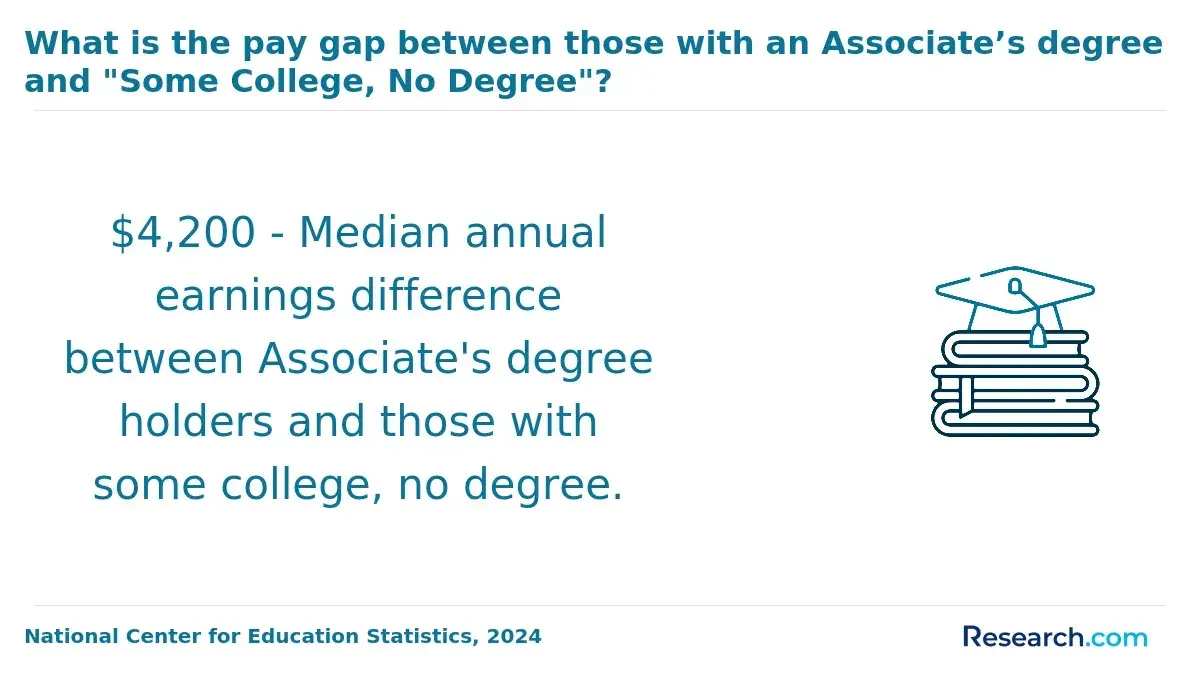
The reality is that true one-year online bachelor’s degrees in Behavioral Health Science are extremely limited, and accredited options may not exist in the way many students expect. A faster path is usually possible only if you already have substantial transfer credits, an associate degree, prior learning credit, or professional experience that the school accepts. For students starting from scratch, certificates, associate programs, or accelerated bachelor’s completion programs may be more realistic than a full degree in one year.
This guide explains what is feasible, what accelerated behavioral health programs can and cannot offer, how to evaluate program quality, what costs and financial aid to consider, and what to expect from online study in this field.
Key Points About One-Year Online Behavioral Health Science Degree Programs
- One-year online Behavioral Health Science degrees accelerate foundational knowledge compared to traditional 2-4 year programs by focusing intensively on core behavioral theories and practical applications.
- These programs often appeal to working adults seeking career shifts, offering flexible schedules and condensed coursework aligned with current mental health workforce demands.
- Students should verify program accreditation and practicum availability, as hands-on clinical experience is crucial for employment in behavioral health fields post-graduation.
Is It Feasible to Finish a Behavioral Health Science Degree in One Year?
Finishing a complete Behavioral Health Science degree online in one year is usually not feasible for students who are beginning with few or no college credits. Most bachelor’s degrees require broad general education, major coursework, electives, and sometimes field experience. That academic load is normally spread across several years because students need time to build knowledge in human behavior, ethics, assessment, intervention approaches, cultural competence, and community-based care.
A one-year timeline becomes more realistic only in degree-completion situations. For example, students who already hold an associate degree or a large number of transferable credits may be able to move directly into upper-division behavioral health courses. Some schools also use accelerated 8-week courses, prior learning assessment, or cohort-based schedules to help students progress faster. Even then, completing a full bachelor’s degree in one year remains rare.
Field requirements can also limit how much a program can be compressed. If a program requires an internship with at least 80 hours of supervised fieldwork, those hours must be completed in an approved setting and cannot simply be skipped to speed up graduation. Behavioral health training also depends on practice, feedback, and professional judgment, not only on passing online exams.
Students should also separate degree completion from career licensure. A degree may qualify graduates for entry-level human services or behavioral health support roles, but licensed clinical roles often require additional graduate education, supervised post-degree clinical hours, exams, or state-specific approvals. A one-year academic plan does not necessarily mean a one-year path to independent practice.
Are There Available One-year Online Behavioral Health Science Degree Programs?
No accredited, one-year online Behavioral Health Science bachelor degree programs currently exist in the United States. Most online bachelor’s programs require about 120 credit hours, which typically takes three to four years for students entering with little prior college coursework. Accelerated schedules can reduce the calendar time, but they usually do not reduce the total academic requirements.
What students commonly find are accelerated online behavioral health or behavioral science bachelor’s programs. These are better described as fast-track or degree-completion pathways rather than true one-year degrees. They may work well for students who already have transfer credits, an associate degree, military training, professional experience, or prior learning that the institution will evaluate for credit.
- Bellevue University: Bellevue University offers a 100% online Bachelor of Science in Behavioral Science. Students may transfer up to 90 credits and complete coursework in an accelerated cohort model. The program emphasizes psychology, sociology, human diversity, ethics, applied projects, and portfolio-based learning. The total credit requirement remains around 120 credits.
- Seton Hill University: Seton Hill University offers an online Bachelor of Arts in Behavioral Health with 8-week accelerated courses. The curriculum draws from psychology, sociology, and social work, and students complete an 80-hour field internship. Transfer credits and relevant work experience may shorten completion time, but the program is not designed as a one-year degree for new college students.
- University of Phoenix: University of Phoenix offers an online Bachelor of Science in Behavioral Science with 5- to 6-week courses. Prior learning credits may reduce time to completion. Coursework focuses on problem-solving, counseling-related skills, community service, and preparation for human services and behavioral health settings.
When comparing these options, ask the school for a written transfer evaluation before enrolling. The advertised program length may apply only to students who bring in a large number of credits. Students considering graduate-level accelerated study can also review one year masters programs online, especially if they already hold a bachelor’s degree and want a faster advanced pathway.
Why Consider Taking Up One-year Online Behavioral Health Science Programs?
A one-year or accelerated online Behavioral Health Science pathway can be useful when it fits your academic starting point and career goal. The strongest candidates are usually working adults, transfer students, and human services employees who want a recognized credential without stepping away from work for several years.
- Faster progress toward a credential: Accelerated online formats can help students complete required coursework more quickly, especially when the school accepts transfer credits or prior learning. This is most valuable for learners who already have a foundation in general education or related coursework.
- Flexible study for working adults: Online delivery can make it easier to study while managing employment, caregiving, or other responsibilities. Asynchronous courses may be especially helpful, although accelerated classes still require consistent weekly time.
- Career relevance: Behavioral health knowledge can support roles in human services, case management, community outreach, substance use support, and related settings. Graduates may also use the degree as a foundation for graduate study in counseling, social work, psychology, or public health.
- Labor market interest: The Bureau of Labor Statistics predicts a 17% job growth rate from 2024 to 2034 for roles such as mental health counselors or substance abuse specialists. Students should still check the education and licensure requirements for the exact role and state they plan to enter.
- Potential cost control: Shorter enrollment timelines may reduce some costs, especially if students transfer credits and avoid repeating coursework. However, an accelerated program is not automatically cheaper; tuition rates, fees, books, and field placement expenses still matter.
- Recognition of prior learning: Some programs allow students to apply previous college coursework, professional training, military experience, or documented work experience toward degree requirements. Policies vary widely, so this should be confirmed before applying.
The main reason to consider these programs is efficiency, not shortcuts. A good accelerated program preserves academic quality while helping prepared students avoid unnecessary delays. Students comparing flexible academic routes can also review the easiest PhD programs to get into for broader context on alternative program structures across disciplines.
What Are the Drawbacks of Pursuing One-year Online Behavioral Health Science Programs?
The biggest drawback is expectation mismatch. Many students search for a one-year behavioral health degree hoping to earn a full bachelor’s credential quickly, but most accredited programs do not work that way unless the student already has substantial credits. Enrolling without understanding the true timeline can lead to frustration, added cost, or delayed career plans.
- Heavy workload: Accelerated courses compress reading, assignments, discussions, exams, and projects into shorter terms. Behavioral health topics can be emotionally and intellectually demanding, especially when students are studying trauma, substance use, family systems, ethics, or crisis-related issues.
- Less time for skill development: Behavioral health work requires communication, documentation, ethical reasoning, cultural awareness, and professional boundaries. These skills improve with practice and feedback, which can be harder to absorb in a compressed schedule.
- Limited networking: Online and accelerated formats may reduce informal interaction with classmates, faculty, and local professionals. Networking matters in this field because internships, referrals, supervision opportunities, and entry-level roles often depend on professional relationships.
- Difficulty balancing employment: A fast program may be marketed as flexible, but flexibility does not mean light. Students working full time should ask how many hours per week are expected for each course and whether fieldwork must be completed during business hours.
- Reduced access to campus-based resources: Online students may have fewer opportunities to use in-person counseling centers, labs, student organizations, or local practicum partnerships. Strong online programs compensate with virtual advising, career services, and placement support.
- Licensure limitations: A bachelor’s degree in Behavioral Health Science does not automatically qualify graduates for licensed counseling or clinical practice. State rules and employer requirements should be checked before choosing a program.
Because genuinely one-year online Behavioral Health Science degree programs are very rare, students should read the catalog carefully, confirm accreditation, and request a personalized degree plan that shows exactly how long completion will take.
What Are the Eligibility Requirements for One-year Online Behavioral Health Science Programs?
Eligibility for accelerated online Behavioral Health Science programs depends heavily on whether the program is a certificate, associate degree, bachelor’s completion program, or graduate pathway. Since true one-year bachelor’s degrees are uncommon, most fast-track options are designed for students who already have college credit or relevant professional preparation.
Applicants should expect schools to review both academic readiness and suitability for behavioral health-related study. Programs connected to fieldwork may also require screening because students can be placed in settings that serve clients, families, or community agencies.
- Prior College Credits: Accelerated bachelor’s-level programs often expect transfer coursework. An associate degree or substantial college coursework-usually at least 60 credits from a regionally accredited institution-is commonly important for students hoping to finish quickly.
- Professional Experience: Work in behavioral health, human services, social services, education, corrections, healthcare, or community programs may strengthen an application. Some schools may evaluate experience for applied learning credit, but this is not guaranteed.
- Prerequisite Coursework: Students may need foundational courses in psychology, sociology, human services, statistics, writing, or related subjects before taking upper-division behavioral health science classes.
- Placement Exams: Some institutions use placement tests to evaluate readiness in English, math, or science before students begin advanced coursework.
- Background Checks: Programs with internships, practicums, or service-learning components may require criminal background checks. Certain findings can affect placement eligibility, even if the student is admitted academically.
- Interviews: Selective programs may use interviews to assess motivation, communication skills, maturity, and understanding of the behavioral health field.
Associate degree behavioral health programs usually have simpler entry requirements, often beginning with a high school diploma and fewer prerequisites. Bachelor’s completion programs are more selective because they assume students are ready for advanced coursework. Students comparing long-term career outcomes by major can review the most profitable major for broader context.
What Should I Look for in One-year Online Behavioral Health Science Degree Programs?
When evaluating a one-year or accelerated online Behavioral Health Science program, focus less on the advertised speed and more on whether the credential will be recognized, affordable, and useful for your intended career. A fast program that lacks accreditation, field support, or transfer transparency can cost more in the long run.
- Accreditation: Confirm that the institution is properly accredited and that the credential is recognized for employment, transfer, graduate admission, or certification goals. Accreditation is especially important if you plan to use financial aid or continue into graduate study. Students can begin by reviewing top accredited non-profit schools.
- Clear transfer policies: Ask for an official or preliminary transfer credit review before enrolling. A program may advertise fast completion, but your actual timeline depends on how many credits the school accepts and how they apply to degree requirements.
- Curriculum depth: Look for coursework in psychology, sociology, ethics, human services, cultural competence, research methods, crisis response, substance use, family systems, and community health. Accelerated should not mean shallow.
- Fieldwork or applied learning: If the program includes an internship or practicum, ask how placements are arranged for online students. If it does not include fieldwork, ask how the program builds practical skills through case studies, simulations, projects, or supervised assignments.
- Faculty expertise: Instructors should have relevant academic credentials and practical experience in behavioral health, counseling, psychology, social work, public health, or human services. Faculty with field experience can connect theory to real workplace expectations.
- Course delivery format: Determine whether classes are asynchronous, synchronous, cohort-based, self-paced, or scheduled in accelerated modules. The right format depends on your work schedule, learning style, and need for structure.
- Student support: Strong advising, tutoring, library access, career services, internship guidance, and technical support matter more in accelerated programs because students have less time to recover from confusion or delays.
- Tuition and total cost: Compare tuition, fees, books, technology costs, transfer credit fees, and any internship-related expenses. Typical costs for online behavioral health degrees average around $6,000-$6,300 after aid, but individual program costs can vary.
- Career alignment: Ask what roles graduates commonly enter and whether the program meets requirements for any certifications or graduate prerequisites you may need. Do not assume a behavioral health degree leads directly to licensed clinical practice.
The best accelerated behavioral health programs online are transparent about completion time, credit requirements, field expectations, and outcomes. If a school promises a full degree in one year without first reviewing your credits, treat that as a warning sign.
How Much Do One-year Online Behavioral Health Science Degree Programs Typically Cost?
Reliable pricing for one-year online Behavioral Health Science degrees is difficult to compare because true one-year bachelor’s programs are uncommon. Most students should instead evaluate the cost of an online behavioral health or behavioral science bachelor’s program, then calculate how transfer credits or accelerated scheduling may reduce the total.
Several factors influence cost: public versus private institution, in-state versus out-of-state tuition, per-credit pricing, transfer credit acceptance, fees, books, and financial aid. Online programs can be less expensive than on-campus options, but this is not automatic. Some schools charge the same tuition regardless of format, while others price online courses separately.
For reference, online behavioral science programs averaged about $12,701 per year for in-state students and $23,356 for out-of-state learners in 2019-2020, though grants, scholarships, employer assistance, and other aid can reduce out-of-pocket costs. Tuition can start as low as $360 per credit at some public universities, while total program costs can climb to over $78,000 depending on the institution and program specifics.
Before committing, ask the school for a full cost estimate based on your transfer credits and expected completion plan. The most useful estimate should show tuition, mandatory fees, books or materials, technology fees, financial aid eligibility, and the number of credits you still need to graduate.
What Can I Expect From One-year Online Behavioral Health Science Degree Programs?
In an accelerated online Behavioral Health Science program, students should expect a focused, fast-moving academic experience. Courses may run in shorter terms, assignments may be due every week, and students may take multiple classes across the year to maintain progress. This format can work well for disciplined learners, but it leaves little room for falling behind.
Coursework commonly covers psychology, sociology, ethics, research methods, human services systems, clinical assessment concepts, communication skills, and community-based support. Some programs may offer focused study in areas such as trauma, substance use disorders, family dynamics, crisis intervention, or social determinants of health. The goal is usually to prepare students for applied, entry-level, or advancement-oriented roles rather than independent clinical practice.
Online learning may include discussion boards, recorded lectures, live sessions, case analyses, group projects, reflective writing, exams, and applied assignments. Strong programs connect theory to realistic behavioral health scenarios, such as documentation, referral planning, ethical decision-making, and culturally responsive communication.
If the program includes field experience, students should plan ahead. Internships or supervised practice may require daytime availability, background checks, agency approval, and coordination with local sites. Even when all coursework is online, fieldwork is often completed in person at an approved organization.
Students should also expect to manage competing demands. Accelerated study requires steady weekly time, reliable technology, strong reading and writing skills, and comfort communicating online. Those considering alternatives after graduation can review trade school highest paying jobs for additional career pathway comparisons.
Are There Financial Aid Options for One-year Online Behavioral Health Science Degree Programs?
Financial aid may be available for accelerated online Behavioral Health Science programs, but eligibility depends on the school, credential level, enrollment status, accreditation, and the student’s financial profile. The first step is to confirm that the institution participates in federal financial aid programs and that the specific program is eligible.
- Federal and State Aid: Students in accredited, eligible programs may qualify for federal grants and loans after submitting the FAFSA. State grants may also be available depending on residency, program type, and funding rules.
- Scholarships: Behavioral health scholarships can reduce borrowing, especially for students preparing to work in high-need communities. The California Behavioral Health Scholarship Program provides up to $35,000 for eligible students, often with a service commitment after graduation. Deadlines may be strict, including applying early in the year for the upcoming academic cycle.
- Employer Tuition Assistance: Students already working in healthcare, social services, education, corrections, or nonprofit settings should ask about tuition reimbursement. Employers may require the program to be job-related, accredited, and approved before enrollment.
- Institutional Grants: Some colleges offer need-based or merit-based aid directly through the school. Ask whether online and accelerated students are eligible for the same awards as campus-based students.
- Military and Veteran Benefits: Eligible service members, veterans, and dependents may be able to use education benefits for approved online programs.
Because one-year Behavioral Health Science online degrees are rare, students should verify aid eligibility before enrolling. Ask the financial aid office to confirm the program’s federal aid status, expected enrollment intensity, satisfactory academic progress rules, scholarship deadlines, and whether fieldwork or fees create additional costs.
What Behavioral Health Science Graduates Say About Their Online Degree
- Caleb: "Completing my one-year online Behavioral Health Science degree was a game-changer for my career. The program's accelerated pace allowed me to enter the workforce faster, and the real-world skills I gained have already made a noticeable difference in my daily work with clients. Considering the average cost of attendance, it was a highly efficient investment."
- Dennis: "The competency-based structure of the Behavioral Health Science program truly matched my learning style. Being able to progress by demonstrating mastery kept me motivated and ensured I absorbed the material deeply. The flexible online format balanced well with my personal commitments, making the experience both fulfilling and convenient."
- Thomas: "Reflecting on my journey through the Behavioral Health Science degree, I appreciate how focused and professionally relevant the curriculum was. Despite the program's one-year duration, the comprehensive content prepared me thoroughly for certifications and practical challenges. This concise but thorough education felt well worth the typical tuition costs."
Other Things You Should Know About Pursuing One-Yeas Behavioral Health Science Degrees
Typically, admission requirements for a one-year online Behavioral Health Science degree include a bachelor's degree from an accredited institution, a minimum GPA (usually around 2.5 or higher), and sometimes relevant work experience. Certain programs may also require letters of recommendation, a personal statement, and standardized test scores like the GRE.
Yes, some one-year online Behavioral Health Science programs in 2027 include virtual or local internships. These internships offer practical experience and are often coordinated with healthcare facilities or mental health organizations, allowing students to apply their theoretical knowledge in real-world settings.
References
- Behavioral Science: Human Services Option (A.S.) https://cps.unh.edu/online/program/as/behavioral-science-human-services-option
- The Pros and Cons of Online Learning https://www.chamberlain.edu/blog/the-pros-and-cons-of-online-learning
- Best Online Master's In Mental Health Counseling 2025 https://www.psychology.org/rankings/best-mental-health-counseling-programs/
- Pros and Cons of Online Mental Health Courses | Hader https://www.haderinstitute.edu.au/news/online-learning-advantages-challenges-in-mental-health-studies
- Behavioral Health Science Degree Guide | All Bachelor Degrees https://allbachelordegrees.com/degrees/what-is-a-behavioral-health-science-degree-and-what-can-you-do-with-it/
- The research on the impact of distance learning on students’ mental health https://pmc.ncbi.nlm.nih.gov/articles/PMC10007642/
- Effects of Online Learning on Mental Health https://www.theamericanacademy.com/blogs/articles/effects-of-online-learning-on-mental-health
- Bachelor of Science in Health Sciences https://online.uc.edu/undergraduate-degrees/bachelor-of-science-in-health-sciences/admissions/
- Behavioral Health https://www.francis.edu/academics/degrees-programs/behavioral-health-bs
- News https://www.setonhill.edu/academics/degrees-programs/online-bachelors-degrees-certificates/behavioral-health-ba.html