2027 Forensic Psychology Admissions Trends Report: Acceptance Rates, GPA Expectations, and Test Policy Changes

Co-Founder and Chief Data Scientist
Shifts in acceptance rates and GPA benchmarks for forensic psychology programs reflect deeper changes in workforce demands and academic rigor tied to the field's evolving role in legal and mental health systems. Enrollment capacity often balances demand for practitioners with accreditation mandates stressing applied competencies and interdisciplinary coursework. Recent adjustments to test policies align with efforts to expand access while maintaining standards amid fluctuating applicant profiles and heightened scrutiny of credential pathways. Notably, the age distribution of entrants suggests a blend of early-career candidates and seasoned professionals seeking specialization, highlighting growing recognition of forensic psychology's niche within both clinical settings and the justice system.
Key Things to Know About Forensic Psychology Admissions Trends
- Average acceptance rates for forensic psychology programs have decreased to around 28% in 2024, reflecting heightened competition that necessitates stronger academic records to remain viable candidates.
- Programs increasingly expect GPAs above 3.5, signaling an employer preference for candidates demonstrating consistent academic rigor, which influences long-term employability in forensic and legal settings.
- Widespread test-optional policies reduce upfront costs and barriers but shift emphasis to holistic review components, extending admissions timelines and requiring applicants to bolster non-test credentials.
- Key Things to Know About Forensic Psychology Admissions Trends Key Things to Know About Forensic Psychology Admissions Trends
- What Are the Current Acceptance Rates for Forensic Psychology Degree Programs? Current Acceptance Rates
- What Is the Average GPA of Accepted Forensic Psychology Students? GPA Requirement
- Are SAT or ACT Scores Still Required for Forensic Psychology Degree Programs? SAT/ACT Requirement
- How Many Forensic Psychology Programs Have Adopted Test-Optional Admissions Policies? Test-Optional Programs
- What Non-Academic Factors Do Forensic Psychology Admissions Committees Consider? What Non-Academic Factors Do Forensic Psychology Admissions Committees Consider?
- Which Types of Schools Are the Most Selective for Forensic Psychology Applicants? Which Types of Schools Are the Most Selective for Forensic Psychology Applicants?
- How Do Admissions Standards Differ Across States and Regions? Admission Standards by State
- How Do Admissions Requirements Compare Between Online and Campus Programs? Online vs On-Campus Admissions
- Is There a Relationship Between Admissions Standards and Student Success? Admission Standards & Student Success
- How Can Students Strengthen a Forensic Psychology Program Application? Program Application Preparation
What Are the Current Acceptance Rates for Forensic Psychology Degree Programs?
Acceptance rates for forensic psychology degree programs in the United States vary notably based on program level and institutional type, with recent data from the U.S. Department of Education's College Scorecard (2024) indicating 40% to 70% acceptance for bachelor's degrees. At the graduate level, particularly within specialized master's and doctoral programs emphasizing forensic or clinical psychology with a forensic focus, acceptance tightens dramatically, often falling between 15% and 35%. These patterns reflect both limited faculty capacity and heightened applicant qualifications, which commonly include an average GPA requirement for forensic psychology programs around 3.3 or higher combined with relevant research or field experience. This range underscores a competitive admissions environment shaped by demand and selectivity rather than just program availability.
Differences in acceptance rates stem chiefly from institutional prestige, resource allocation, and program capacity. Top-tier research universities tend to maintain lower acceptance rates due to fewer available spots and greater applicant volume, privileging applicants with strong academic records and demonstrable forensic-related experience. Conversely, less selective or emerging programs often exhibit higher acceptance but may face scrutiny over program rigor and employer recognition. Public, private, and online options also reflect divergent trends influenced by regional demand and institutional missions, with test-optional policies increasingly shifting emphasis towards undergraduate GPA and experiential learning. Applicants must weigh these variables carefully, as higher acceptance can mean easier entry but potentially less academic and professional payoff.
These acceptance dynamics highlight the strategic importance of aligning student qualifications and ambitions with program selectivity to optimize long-term outcomes. The evolving admissions landscape, including growing adoption of test-flexible policies, prioritizes comprehensive candidate profiles over standardized test scores, thereby intensifying competition for well-prepared applicants. Prospective students should consider program reputation, accreditation, and faculty expertise alongside acceptance rates to evaluate value. For those evaluating accelerated paths, knowledge of options such as a 12 month DNP program online illustrates how pacing and program type impact admissions competitiveness and career trajectories in forensic psychology and related fields.
What Is the Average GPA of Accepted Forensic Psychology Students?
Recent institutional admissions reports and national education datasets indicate that the typical accepted student GPA forensic psychology admissions committees consider generally ranges from 3.3 to 3.7 on a 4.0 scale. This reflects a balanced expectation between academic rigor and interdisciplinary competency, drawing on quantitative and research preparedness across psychology and legal studies. The average GPA range signals the degree of academic readiness programs seek, with many programs positioning their benchmarks between these figures to ensure a capable and consistent applicant pool. In some cases, highly selective institutions with integrated research components or law school affiliations may admit students with GPAs closer to or exceeding 3.8, highlighting greater program competitiveness based on academic credentials.
Variability in average GPA requirements for forensic psychology programs often corresponds with differences in institutional selectivity, program demand, and grading standards across public, private, and online providers. Programs within well-established universities or those emphasizing research-intensive training tend to uphold higher GPA thresholds, reflecting the academic strengths necessary for success in rigorous graduate training. Conversely, newer or professionally oriented programs may adopt more flexible GPA policies, sometimes considering substantial work experience or relevant field internships to offset lower academic metrics. This divergence underscores the need for applicants to evaluate specific program profiles rather than relying on generalized GPA cutoffs, especially amid grading shifts and altered standardized testing policies post-pandemic.
These GPA benchmarks also influence how applicants prioritize their preparation strategies and application focus, as maintaining at least a mid-3.0 GPA range remains a practical minimum to remain competitive within most forensic psychology graduate admissions. Candidates targeting elite programs will likely need a stronger academic record alongside demonstrated quantitative and research skills to distinguish themselves. Prospective students should therefore incorporate a comprehensive approach, considering the holistic nature of admissions beyond GPA alone, while remaining mindful of how these academic expectations signal program competitiveness and desired student capabilities.
For those exploring intersections with allied health disciplines or alternative entry paths, it is worth reviewing policies closely, especially if they are looking for nursing schools that don't require TEAS or HESI exams..
Are SAT or ACT Scores Still Required for Forensic Psychology Degree Programs?
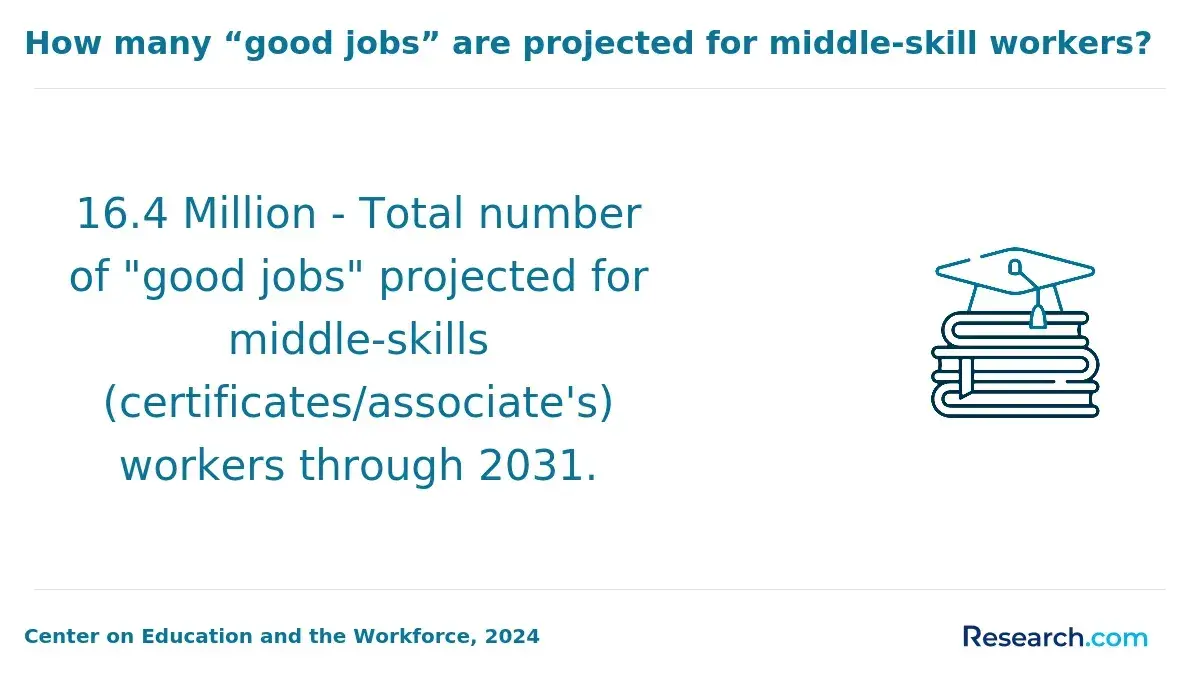
Data from 2024 and beyond reveal that most forensic psychology degree programs have moved away from requiring SAT or ACT scores as a core element of admissions. Many institutions now offer test-optional policies, allowing applicants to decide whether to submit scores, while a growing number operate under test-blind frameworks that exclude these scores entirely from evaluation. This shift reflects updated insights from sources like the College Board and ACT reports, which question the predictive value of standardized tests for success in forensic psychology studies. Consequently, admissions decisions increasingly prioritize undergraduate GPA, relevant experiential learning, and qualitative measures over standardized test performance.
Changes in test score requirements stem from multiple intersecting factors, including a national push for more equitable access and a recognition that standardized tests often reflect socioeconomic disparities rather than true academic potential. Public, private, and highly selective programs vary in how rigorously they weigh test results, with elite institutions sometimes still considering scores to maintain traditional ranking strategies. Nonetheless, the broad trend favors holistic evaluations that better capture critical thinking, ethical judgment, and interpersonal abilities essential for forensic psychology careers. This reevaluation also aligns with workforce demands emphasizing applied skills and licensure qualifications over undergraduate test metrics.
A forensic psychology student recalled applying during a period when her preferred programs had recently adopted test-optional policies but had not yet clarified if scores were required for transfer applicants. She postponed submitting SAT results while focusing on strengthening her GPA and internships, uncertain whether her test scores would influence her acceptance. This hesitation created stress due to rolling deadlines, but ultimately, her application was assessed holistically without those scores, reinforcing the growing variability and strategic considerations applicants face under evolving admissions frameworks.
How Many Forensic Psychology Programs Have Adopted Test-Optional Admissions Policies?
Recent data from 2024 sources such as FairTest, College Board research, and NCES indicate that approximately 35% to 45% of institutions offering forensic psychology graduate programs have shifted to test-optional admissions policies. This figure reflects a growing trend within the field, aligning forensic psychology programs with a broader pattern seen across higher education disciplines. The emphasis on standardized tests like the GRE is diminishing as a defining element of admission, particularly in mid-tier and some competitive institutions that now prefer holistic evaluations over numeric cutoffs.
The movement toward test-optional policies is driven by multifaceted factors including concerns about equity, the predictive validity of standardized exams, and shifts prompted by the COVID-19 pandemic's disruption of traditional testing cycles. Programs increasingly recognize that standardized test results may disadvantage underrepresented groups and fail to capture critical qualities such as research aptitude and practical experience. At the same time, institutions are adjusting their admissions criteria to weigh GPA trends and qualitative application components more heavily, responding to changes in applicant behavior and heightened competition among universities for diverse, well-rounded candidates.
This evolution influences how prospective students approach their applications, with test optionality often encouraging larger applicant pools but complicating selectivity assessments. Admissions committees may elevate the importance of transcripts and personal statements, increasing the need for applicants to demonstrate sustained academic performance and relevant experiences. For forensic psychology candidates, understanding these shifts is crucial for developing effective strategies that go beyond test scores, highlighting attributes aligned with program expectations and workforce demands.
What Non-Academic Factors Do Forensic Psychology Admissions Committees Consider?
Admissions committees in forensic psychology increasingly employ a holistic review process that balances academic achievements with nuanced non-academic factors. This approach aims to evaluate applicants' broader potential by considering practical skills, ethical judgment, and interpersonal qualities essential for forensic contexts. By assessing these dimensions alongside GPA and test scores, programs seek candidates likely to thrive in complex legal and clinical environments. The integration of non-academic evaluation factors reflects a strategic attempt to identify well-rounded students who meet both intellectual and professional demands of the field.
- Relevant Experience: Relevant volunteer or work experience, such as internships with law enforcement or victim advocacy groups, provides concrete exposure to forensic settings. Committees value applicants who demonstrate familiarity with field challenges, understanding that practical experience often predicts preparedness better than grades alone. Programs view this as complementary to academic records, often weighting it heavily in competitive admissions.
- Personal Statements and Interviews: Narrative coherence and reflective insight in personal statements help admissions staff gauge motivation and cultural competence. Statements addressing real-world problem-solving indicate critical thinking beyond coursework, aligning with forensic psychology's applied nature. Interviews further assess communication skills and ethical awareness, critical traits for future professional roles.
- Recommendation Letters: Endorsements focusing on interpersonal skills, professionalism, and resilience serve as proxies for traits difficult to quantify academically. Strong recommendations often indicate candidates' adaptability under pressure, a frequent requirement in forensic roles. These letters help forecast student retention and graduation success, key concerns highlighted in recent reports.
- Character and Background Checks: Due to security and ethical demands, background screening is routine in many programs. Applicants with unresolved legal issues or criminal records may face disqualification, reflecting forensic psychology's emphasis on trustworthiness and integrity. These assessments ensure alignment with legal and professional standards critical to employability in forensic settings.
- Cultural Competency and Ethical Judgment: Increasingly important non-academic factors include demonstrated cultural competence and a sound ethical framework. These qualities matter because forensic psychologists navigate diverse populations and sensitive legal questions, making applicants' ability to handle these complexities a priority. Admissions committees interpret evidence of these traits as essential to both academic success and professional effectiveness.
A 2024 survey by the Council of Graduate Schools found over 70% of forensic psychology programs prioritize relevant experiential learning in admissions, underscoring how these non-academic factors interact dynamically with academic qualifications. Candidates with documented practical experience are 1.5 times more likely to receive offers than those relying solely on GPA or standardized test scores. This shift aligns with broader workforce expectations and reflects how admissions committees assess how applicants' extracurricular and experiential profiles fit program goals. For those exploring interdisciplinary pathways or related fields, research into various degree options, such as online associate radiology tech programs, can offer insights into how experiential learning informs employability in health-related disciplines, demonstrating transferable principles across specialized sectors.
Which Types of Schools Are the Most Selective for Forensic Psychology Applicants?
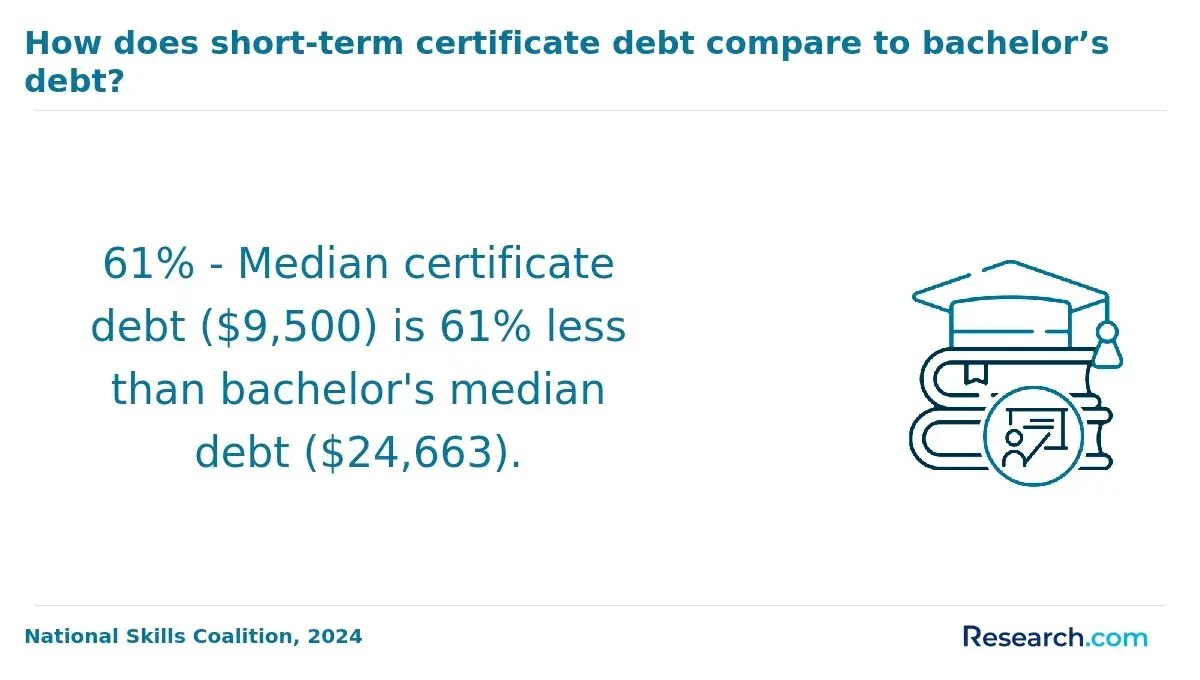
The selectivity of admissions for forensic psychology programs varies widely depending on institutional type, funding, program focus, and regional demand. Schools with limited program capacity and strong reputations typically face higher applicant volumes, intensifying competition. Conversely, institutions with broader missions or flexible admissions policies tend to admit a larger share of applicants. Understanding these dynamics is essential for prospective students navigating differing levels of entry barriers within forensic psychology education.
- Private Research Universities: These institutions often maintain the most competitive admissions processes for forensic psychology due to their strong emphasis on research integration and clinical rigor. Limited program seats combined with high applicant volume create acceptance rates frequently below 20%. Requirements typically include high GPAs (around 3.7 or above) and competitive standardized test scores, reflecting the elevated expectations tied to their reputational capital and research funding structures.
- Public Universities with Comprehensive Programs: Offering larger, more interdisciplinary forensic psychology tracks, these schools usually admit a broader range of candidates. Acceptance rates commonly fall between 40% and 60%, influenced by wider program capacities and evolving test-optional policies since 2023. Their selective thresholds remain moderate, balancing academic standards with the need to fill demand driven by regional workforce shortages in psychology-related fields.
- Community Colleges and Open-Enrollment Institutions: Generally nonselective, these schools provide accessible pathways mainly for foundational studies or transfer preparation rather than specialized forensic psychology degrees. Open enrollment lowers barriers, but limited program offerings and resource allocations redirect many competitive applicants toward four-year institutions with established forensic psychology curricula.
How Do Admissions Standards Differ Across States and Regions?
Admissions standards for forensic psychology programs in the U.S. display significant variability influenced by regional educational ecosystems and institutional priorities, as shown by 2024 data from the National Center for Education Statistics and state university systems. Programs in metropolitan areas or states with concentrated research funding often enforce higher minimum GPA thresholds and exhibit lower acceptance rates, reflecting their capacity constraints and competitive applicant pools. Conversely, many programs in less densely populated regions or states with broader higher education mandates maintain more inclusive admissions criteria to balance enrollment targets with state workforce needs. This divergence shapes the selectivity landscape and creates distinct entry hurdles that applicants must navigate based on where they apply.
These differences stem from several intersecting factors including state-level public funding models, regional economic demands for forensic psychology professionals, and variations in population growth that affect program capacity. States with robust investment in higher education and strong demand for advanced research graduates tend to support highly selective programs focusing on academic rigor and analytic expertise. In contrast, regions with dispersed populations or growing applied forensic roles often prioritize accessibility to serve local labor markets, leading to broader GPA and testing requirements. Additionally, urban centers with multiple institutions intensify competition, whereas rural or suburban areas accommodate wider admission ranges linked to smaller program cohorts and workforce supply gaps.
One forensic psychology graduate recalled applying during a spring cycle when programs in competitive states released decisions slowly amid rolling admissions, causing her to hesitate on accepting an earlier offer from a less selective program in another region. She spent weeks weighing the increased selectivity and reputation of northern schools against the faster, more certain admissions of southern institutions. The delay in hearing back from top choices created uncertainty, compelling her to prepare for the possibility of less traditional pathways while staying ready for potential late acceptance letters. This experience highlighted how regional admissions timing and standards can directly impact applicant strategies and psychological stress during decision-making.
How Do Admissions Requirements Compare Between Online and Campus Programs?
Admissions requirements for online versus campus forensic psychology programs diverge significantly due to inherent differences in program delivery and student demographics. According to 2024 data from accredited universities and education research centers, campus programs maintain higher selectivity with average GPA expectations typically between 3.3 and 3.7, alongside more rigorous standardized testing policies, despite a growing shift toward test-optional formats. Online programs, in contrast, generally see acceptance rates 10 to 20 percentage points higher and often accept GPA ranges from 3.0 to 3.4. These programs frequently prioritize professional experience or prior academic progress and have largely moved to test-optional or test-blind admissions to accommodate adult learners balancing employment and study. This variation in admissions reflects broader distinctions in forensic psychology program selectivity by learning format and institutional priorities.
These differences are largely driven by accessibility goals and distinct target student populations. Online programs aim for scalability and flexibility, catering to working adults and non-traditional students who require scheduling adaptability and streamlined enrollment processes. Campus programs, conversely, emphasize hands-on laboratory work, research engagement, and internships, which necessitate stricter admissions to ensure preparedness for these immersive components. Academic support structures also vary; campus students often have direct access to mentoring and peer networks that complement stringent admissions criteria, whereas online offerings rely on remote resources and prioritize admissions policies that do not create unnecessary barriers for enrollment. These factors help shape distinct admissions frameworks aligned with each format's operational model and educational objectives.
The choice between online and campus tracks has broader implications for enrollment patterns and perceptions of program rigor within forensic psychology. While online programs increase accessibility and often feature quicker admissions decisions, prospective students should weigh these advantages against campus programs' deeper practical exposure and networking opportunities, which may influence long-term employability and skill development. Understanding these nuances helps contextualize why admissions criteria differ and guides applicants toward programs that best fit their backgrounds and career goals beyond surface-level comparisons. For further insights into comparable flexible degree offerings in related fields, consider exploring BCBA online programs.
Is There a Relationship Between Admissions Standards and Student Success?
Recent data from the 2024 Higher Education Outcomes Survey reveals a nuanced association between admissions standards and student success in forensic psychology programs. Programs enforcing higher GPA thresholds, typically above 3.5, often report improved academic performance and retention rates, yet this advantage diminishes regarding graduation rates and workforce readiness metrics. The correlation between selectivity and outcomes is less straightforward when considering long-term career progress and licensure exam pass rates, indicating that admissions standards alone do not fully predict student success in forensic psychology contexts. This complexity emerges in evaluations of forensic psychology admissions standards and student academic success correlation, which underscore the need to consider a variety of factors beyond initial academic credentials.
The interplay of admissions selectivity with student demographics, institutional resources, and program design complicates the relationship further. Programs with holistic admissions policies that integrate GPA, relevant experience, and personal statements often yield cohorts performing comparably well academically and professionally. Furthermore, enhanced academic support services, robust internship placements, and faculty mentorship significantly influence graduation rates and readiness, often outweighing the predictive power of strict GPA cutoffs. Test-optional policies adopted by many programs since 2023 have not negatively affected outcomes, further challenging the assumption that higher selectivity ensures stronger program effectiveness.
For prospective students, understanding that admissions selectivity is not a sole indicator of program quality or career success is critical. Employers prioritize applied skills, critical thinking, and ethical judgment over numeric admissions criteria, emphasizing program content and experiential learning. Navigating admissions decisions with this in mind can guide applicants toward programs aligning better with their backgrounds and career objectives. Those seeking comprehensive perspectives on education pathways may also explore the best online sociology bachelor degree offerings for relevant insights into interdisciplinary academic planning amid evolving higher education landscapes.
How Can Students Strengthen a Forensic Psychology Program Application?
Competitive forensic psychology applications arise from a synthesis of solid academic preparation, relevant experiential learning, and demonstrated alignment with program goals. Admissions committees increasingly weigh evidence of genuine readiness and disciplinary fit over mere minimum thresholds. Understanding how these committees interpret various components can help applicants present a coherent narrative that connects their background, skills, and professional interests.
Strategically strengthening an application involves more than checking boxes; it demands crafting a profile that signals capability, commitment, and potential contribution to a complex, interdisciplinary field.
- Demonstrate Strong Academic Credentials: A cumulative GPA around 3.3 to 3.5, particularly in psychology and social sciences, remains a basic gatekeeper. Admissions readers interpret this as an indicator of intellectual rigor and capacity to handle graduate-level coursework, especially in statistics and research methods that forensic psychology increasingly emphasizes.
- Engage in Relevant Experiential Learning: Internships, research assistantships, or volunteer roles within criminal justice or mental health settings provide concrete evidence of practical understanding. These experiences help applicants move beyond theoretical knowledge, which programs view as essential for navigating forensic contexts safely and ethically.
- Highlight Quantitative and Methodological Skills: Proficiency in data analysis and psychometrics signals preparedness for evidence-based work. Given forensic psychology's reliance on empirical methods, admissions committees often see training in research design and statistics as critical predictors of success and employability.
- Articulate a Clear Professional Focus: A well-defined rationale for pursuing forensic psychology indicates applicants' awareness of the field's interdisciplinary demands and ethical complexities. This clarity reassures committees about the applicant's motivation and long-term fit, differentiating those with superficial interest from genuinely committed candidates.
- Leverage Professional Networks and Recommendations: Mentorship relationships or endorsements from forensic psychology professionals add credibility and contextualize the applicant's preparedness. Letters reflecting firsthand knowledge of the candidate's abilities carry weight in holistic reviews and can tip decisions amid competitive applicant pools.
References
- Best Online Forensic Psychology Degrees For 2025 https://www.psychology.org/rankings/best-forensic-psychology-programs/
- Skills You'll Build in a Master's Degree in Forensic Psychology https://learn.neumann.edu/neuperspectives/skills-built-in-a-masters-degree-in-forensic-psychology
- Requirements To Become a Forensic Psychologist https://www.forensicscolleges.com/blog/htb/how-to-become-forensic-psychologist
- Forensic Psychology Degree, Bachelor of Science, St. Louis https://www.maryville.edu/as/social-sciences/forensic-psychology/
- 25 Most Affordable Forensic Psychology Programs | UniversityHQ https://universityhq.org/best-colleges/rankings/most-affordable-forensic-psychology-schools/
- How to become a forensic psychologist in South Africa | Dr. Gérard Labuschagne https://forensic-psychologist.co.za/how-to-become-a-forensic-psychologist/
- Forensic Psychology Degree and Career Guide https://www.psychologydegree411.com/degrees/forensic-psychology/
- How To Become A Forensic Psychologist | Careers And Degrees https://www.learnhowtobecome.org/psychologist/forensic-psychologist/
- Forensic Psychology Master’s Programs Online: Compare Schools https://www.onlinemastersdegrees.org/best-programs/psychology/forensic-psychology/
- 5 Traits for Success in Your Forensic Psychology Career | The Chicago School https://www.thechicagoschool.edu/insight/career-development/tips-for-forensic-psychology-career-success/
Other Things You Should Know About Forensic Psychology
The move toward test-optional admissions introduces variability in how programs evaluate applicants, placing greater emphasis on GPA, personal statements, and recommendation letters. While this can reduce barriers for some applicants, it also creates challenges in standardizing academic rigor across cohorts. For forensic psychology specifically, where analytical precision and critical thinking are essential, applicants may need to demonstrate competency through alternative metrics such as research experience or relevant internships to offset the lack of standardized test scores.
Given the moderate to high GPA expectations of many forensic psychology programs, a strong academic record remains crucial, but it should not overshadow the value of practical experience. Applicants who focus solely on GPA risk neglecting applied competencies highly regarded by employers, such as hands-on exposure to legal or clinical settings. Balancing GPA with relevant internships or research participation often enhances admission prospects and better prepares candidates for workforce demands in forensic contexts.
Higher GPA requirements often correlate with intensified academic pressure and reduced flexibility for extracurricular engagement, which can limit opportunities to build practical skills. Prospective forensic psychology students must assess whether focusing on GPA comes at the expense of comprehensive learning that includes real-world application and professional networking. Programs valuing holistic achievements may better support balanced development, whereas those narrowly emphasizing grades risk producing graduates with less applied readiness.
Applicants should prioritize programs whose admissions criteria align with their strengths and career goals rather than chasing prestige based on selectivity alone. In forensic psychology, where employer expectations often hinge on demonstrable skills and ethical judgment, diversifying application targets to include programs with flexible entry standards but strong field placements can yield better long-term outcomes. Transparency about graduate employment rates and employer reputation can guide better-fit choices over reliance on GPA or test-centric metrics.