
2027 Credit Requirements for a Reading & Literacy Degree Explained
Audited and Verified:
Our Editorial and Data Verification Process
Research.com uses government datasets, official education statistics and primary institutional information to support its career and degree guides. Our review process checks factual accuracy, occupational definitions, source dates and the requirements associated with the credentials discussed.
How This Article Was Fact-Checked
Our editorial team verifies salary estimates, employment projections, education requirements and program information against original data providers and official organizations. Salary figures are checked against the relevant occupational definitions and reporting periods. Information about licensure, accreditation and required in-person training is reviewed separately.
Fact-checked and verified on:

Co-Founder and Chief Data Scientist
Many students pursuing a reading & literacy degree struggle to understand the specific credit requirements needed for timely graduation. Nearly 30% of education majors encounter delays partly due to unclear transfer credit policies and course sequencing challenges. This issue is particularly significant as demand for qualified reading specialists is projected to grow 8% over the next decade, emphasizing the need for streamlined academic progress.
Addressing these challenges helps ensure students can enter the workforce without unnecessary setbacks. This article breaks down credit requirements, transfer rules, and academic planning strategies to help prospective and current students complete their reading & literacy degrees efficiently.
Key Things to Know About Credit Requirements for Reading & Literacy Degrees
- Total credit requirements typically define program length, influencing how quickly students can enter literacy-related careers amid growing demand for qualified educators.
- Transfer credits and prior learning assessments can significantly reduce coursework, accelerating progress and lowering overall costs for many students.
- Structured credit frameworks affect academic pacing, impacting financial planning and graduation timelines essential to workforce entry in reading and literacy fields.
How Many Credits Are Required for a Reading & Literacy Degree?
Knowing credit expectations is vital for effective academic planning and estimating the time needed to complete a degree in reading & literacy. This helps students manage their course load while aligning with graduation goals. Below is an overview of typical credit requirements by degree level to assist with organizing study plans.
- Undergraduate Bachelor's Degree: Typically requires approximately 120-130 credits. These are divided among general education courses, core major requirements, and electives related to literacy development and instructional strategies, reflecting common total credit hours for literacy education program curricula.
- Master's Degree: Usually demands about 30-40 credits beyond the undergraduate level. Coursework focuses on advanced topics such as literacy assessment, intervention techniques, and research methods, supporting deeper specialization in reading & literacy.
- Doctoral Degree: Often requires more than 60 credits, emphasizing original research and specialized coursework. This level prioritizes the production of new knowledge and advanced scholarly inquiry within literacy education.
Students considering their options for a reading & literacy degree should also explore related programs like MBA programs, especially if interested in educational leadership roles that combine management skills with literacy expertise.
How Many Core and Elective Credits Are Required for a Reading & Literacy Degree?
Balancing core and elective credits is essential for academic planning and career preparation in a reading & literacy degree. Research indicates that students who complete a mix of core course credit requirements for reading and literacy degrees and elective courses often feel more prepared for diverse educational settings.
This balance can be summarized as follows:
- Core courses: Typically comprising 60% to 75% of the total credit requirements, core courses usually range from 72 to 90 credits in a 120-credit degree. These classes cover foundational topics such as literacy theories, language development, reading assessment, and instructional strategies. They equip students with essential skills necessary for effective teaching and intervention in reading education.
- Electives: Elective credits in reading literacy degree programs usually account for the remaining 25% to 40%, or about 30 to 48 credits in a 120-credit program. Electives often include specialized subjects like multicultural literature, digital literacy, or advanced writing courses, helping students tailor their studies to specific interests or career aspirations such as working with diverse populations or integrating technology in literacy education.
Considering this balance is key for meeting graduation requirements while developing a broad skill set. Students wishing to explore affordable pathways may find it useful to compare options such as the cheapest online counseling degree programs, which may offer complementary coursework and flexible credit transfer policies that support timely degree completion.
Do Online Reading & Literacy Programs Require the Same Number of Credits?
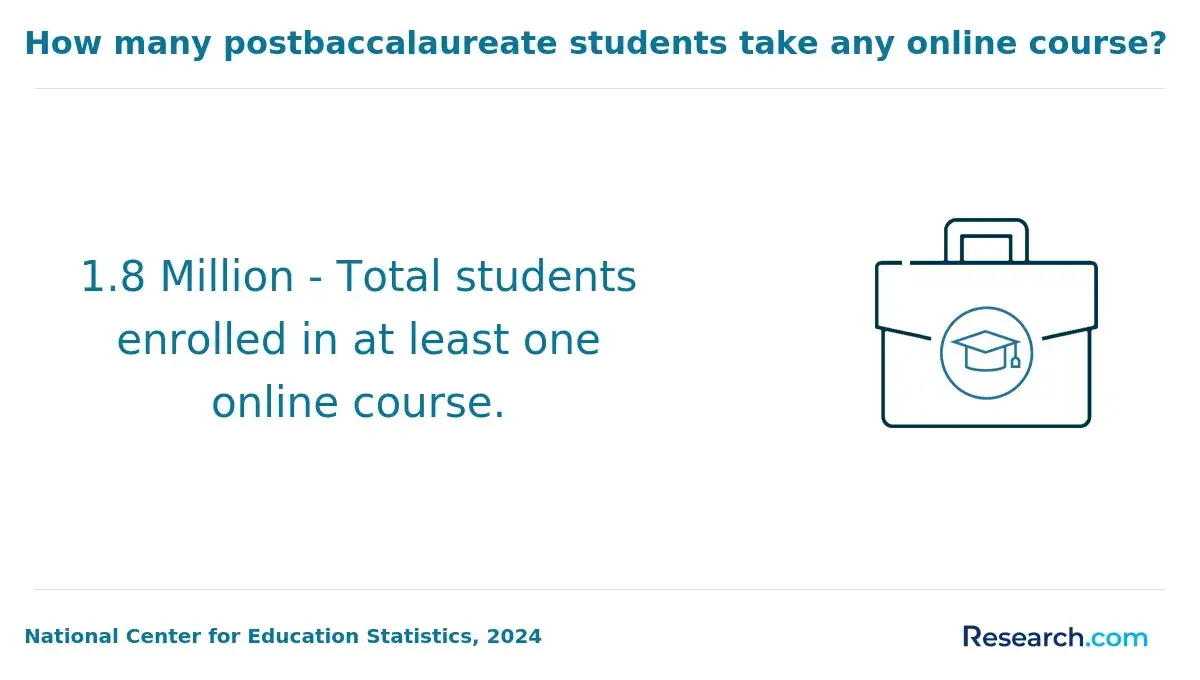
Knowing how credit requirements differ between online and on-campus reading & literacy programs is crucial for planning your studies and evaluating options. This understanding helps ensure smooth credit transfers and realistic workload management. Enrollment in online reading & literacy graduate programs has surged by more than 40% over the past five years, demonstrating strong demand for flexible learning paths.
Here are key points to consider:
- Credit Ranges: Online programs generally demand between 30 and 45 semester credits for graduate certificates, and about 120 credits for bachelor's degrees, mirroring traditional formats. Variations arise based on curriculum design, electives, and state certification needs.
- Course Structure and Pacing: Although online courses often allow flexible scheduling, the credit load per class remains consistent with in-person formats, helping maintain academic standards while accommodating diverse student commitments.
- Workload Alignment: Despite flexible timelines, the quantity of required coursework stays stable, so students should plan accordingly to meet their graduation goals without compromising quality or progress.
- Professional and Transfer Considerations: It's important to assess how credits apply toward certification requirements and how transfer policies might affect your program timeline and career readiness.
A graduate of an online reading & literacy program shared that managing the credit requirements felt similar to on-campus experiences; "I was initially concerned about meeting the same standards, but found the credits aligned with my professional goals and licensure needs."
He emphasized the benefit of flexible pacing, stating, "Being able to spread coursework across semesters fit my schedule without delaying graduation." This flexibility helped him balance work, family, and study commitments while ensuring he met all credit criteria necessary for career advancement.
Students aiming to graduate quickly through accelerated reading & literacy programs must clearly grasp credit requirements to plan their course load effectively. A solid understanding helps manage time and expectations while working toward degree completion. The following points highlight key aspects of credit needs in these programs.
- Typical Credit Ranges: Accelerated undergraduate reading & literacy programs typically require 30 to 60 credits depending on transfer credits or prior coursework. Graduate-level programs usually need roughly 30 to 36 credits, structured for faster completion than conventional tracks.
- Core Courses and Electives: Credits combine mandatory core subjects focused on literacy theories and instructional methods with electives for specialization. Some programs blend electives with core classes to enhance efficiency within the compressed timeline.
- Impact of Accelerated Pacing: Faster course schedules mean a heavier weekly workload, including overlapping assignments and intensive readings. This demands strong time management skills but makes finishing within one to two years feasible.
- Transfer Credit Policies: Many accelerated programs accept previously earned credits, reducing the total required and accelerating graduation. Evaluating transfer eligibility early can optimize academic planning.
Knowing how many transfer credits count toward a reading & literacy degree can help students save time and tuition while ensuring smooth academic progress. Nearly 38% of students in these programs utilize transfer credits, reflecting the growing flexibility of many institutions' policies. Below is an overview of typical credit acceptance by degree level and course type.
- Associate Degrees: Generally, up to 30 transfer credits are accepted, amounting to around 60-75% of required coursework. Most transferred credits cover general education and electives, but core reading & literacy courses usually have stricter limits.
- Bachelor's Degrees: Institutions often allow 60 to 90 transfer credits, depending on the school's structure. Similar to associates, transferred credits mostly fulfill general education and electives, with fewer allowed for core subject requirements to maintain program integrity.
- Master's Programs: Typically permit 6 to 12 transfer credits, focusing more on relevant graduate-level coursework. Core reading & literacy classes generally have minimal transfer options to preserve advanced specialization.
- Professional and Doctoral Degrees: These programs are more restrictive, accepting very few transfer credits due to their advanced nature and emphasis on original research or practice.
- Accelerated Programs: Follow standard transfer policies but require careful review of course relevance and equivalency, given their condensed timelines.
When asked about her experience with transfer credits, a graduate of a reading & literacy degree shared that navigating different institutional policies was initially overwhelming. She described meticulously collecting syllabi and transcripts to prove alignment with required courses. "It wasn't just about the number of credits but ensuring they matched the program's expectations," she explained.
Although the process involved detailed evaluations and some back-and-forth with advisors, she ultimately appreciated how transferring credits shortened her path to graduation. Her reflection highlights the importance of early planning and proactive communication to make the most of transfer opportunities in reading & literacy education.
Prior learning assessment (PLA) allows students to earn academic credit for professional work experience gained outside traditional classroom settings. Typically, eligible work experience involves roles tied to literacy education, such as teaching reading or tutoring, which can count toward credits in reading & literacy degree programs. Below are common examples of such qualifying experience.
- Teaching and Tutoring Experience: Work in classroom settings or as a literacy tutor is often evaluated through portfolios, exams, or interviews. Students must provide documentation like job descriptions and supervisor letters. Credit limits typically cap at around 30 credits, helping to accelerate degree completion and reduce tuition costs.
- Curriculum Development: Designing or adapting literacy curricula can qualify if the experience aligns with degree learning outcomes. Detailed evidence demonstrating practical application and skills gained is required to earn credit through PLA processes.
- Literacy Coaching and Program Coordination: Professional roles in literacy program management or coaching are considered when thoroughly documented. These roles illustrate applied literacy knowledge that PLA assessments can recognize for academic credit.
Universities vary in how they accept and evaluate work experience for credit, including online and campus-based reading & literacy programs. Students considering counting work experience for literacy degree credits should prepare for the time investment needed to assemble proof and reflect on their learning. Using professional experience to earn reading degree credits may not transfer seamlessly if students switch institutions, which is an important consideration in academic planning.
For students exploring flexible pathways, some institutions also offer online courses for psychology degree programs, which may share similar PLA options and credit policies valuable for efficient degree completion.
Licensure credit hour requirements for a reading degree can significantly influence the total number of credits students must complete. Many states and licensing boards mandate specific courses, including those focused on specialized instructional methods, assessment, and intervention techniques, which go beyond general education and core literacy coursework.
In addition to these classes, accreditation bodies and licensure authorities often require practical experience such as clinical hours, student teaching, or practicum placements, ensuring graduates possess hands-on skills. These added components can increase the time-to-degree and overall tuition costs, impacting academic planning and financial considerations for many students.
The impact of teaching certification on literacy degree credits varies notably between campus and online programs. While some online programs coordinate local fieldwork placements, students need to verify that these satisfy their state's licensure standards, as requirements differ across states.
Aligning degree credits with licensure requirements facilitates a smoother path to certification but can challenge those hoping to transfer credits or accelerate their studies. Prospective students interested in exploring flexible options might consider exploring accelerated online degrees to better manage workload and time commitments associated with certification demands.
A credit hour represents one hour of lecture time per week throughout a semester, typically lasting about 15 weeks. Understanding university credit calculation methods for literacy programs is essential for students as it helps plan course loads and track progress toward degree completion.
- Lectures: These generally earn one credit hour per weekly hour of class. Lectures form a core part of credit hour requirements for reading and literacy degrees, providing foundational knowledge and theory.
- Labs and Practicums: These involve more hands-on learning and usually require two to three hours of contact per credit hour, reflecting the practical skills and application necessary in literacy education programs.
- Clinicals and Field Experiences: Credits in these courses depend on supervised hours in real-world settings, essential for developing teaching competencies and practical literacy interventions.
- Capstone or Project Courses: Credits are awarded based on workload including research, presentations, and projects; these typically align with lecture credit hours and demonstrate mastery of literacy program outcomes.
Undergraduate reading and literacy degrees typically require between 120 and 130 credit hours, while graduate programs focus on 30 to 45 credits emphasizing advanced research. Credit hour requirements may vary slightly between online and on-campus formats, though accredited programs maintain consistent standards, facilitating transfer credits and degree recognition.
Prospective students examining associate degrees or other credentials can find relevant options through appropriate research, such as associate degrees. Accreditation ensures quality and fairness across institutions, enabling efficient academic planning and degree completion.
Total credit requirements refer to the number of credits students must complete to earn a reading & literacy degree, typically ranging from 120 to 135 credits. These credits encompass core subjects, electives, and, in some cases, practicum hours, all of which significantly influence how long it will take to graduate. Several key factors impact how these credit requirements affect the overall timeline:
- Core credits: These essential courses cover the foundational knowledge needed for literacy education. Staying on track with these required classes ensures steady progress toward graduation.
- Electives: These optional courses allow students to tailor their learning but may extend the program if extra credits are added beyond the core requirements.
- Transfer credits: Accepting credits from previous institutions can reduce the total credit burden, potentially accelerating degree completion.
- Accelerated formats: Some programs offer intensive sessions or continuous enrollment options, allowing quicker accumulation of credits and earlier graduation.
- Prior learning assessment: Students can sometimes convert relevant work experience or exams into academic credits, which can shorten the time needed to finish the degree.
Online and campus-based reading & literacy programs often vary in pacing and flexibility. Online students might take heavier course loads per term or use accelerated classes to finish sooner, though balancing study with other responsibilities can sometimes slow progress.
Campus learners usually follow a set semester schedule but benefit from structured academic support that promotes efficient completion. Planning course sequences carefully with credit requirements in mind is vital to meet graduation goals within an ideal timeframe.
Completing extra academic credits in a reading & literacy degree can support career growth by enhancing leadership prospects and qualifying graduates for specialized or better-paying positions. Such credits often reflect deeper expertise and commitment, which employers in certain educational sectors value.
- Advanced concentrations: Targeted coursework in areas like literacy intervention or bilingual education can prepare students for specialized programs, thereby increasing job opportunities and salary potential.
- Licensure preparation: Some certification exams require specific credit amounts or particular courses, making additional credits essential for state licensure eligibility.
- Technical skill development: Gaining practical or pedagogical skills related to curriculum design or educational leadership may open doors to higher-level roles with better compensation.
- General education surplus: Credits earned beyond required foundational courses rarely contribute to salary increases when unrelated to reading & literacy specialties.
- Unfocused electives: Additional credits in unrelated subjects typically do not impact career advancement or pay within this field.
- Market emphasis on credentials: Employers prioritize degree level, relevant certifications, and experience over marginal credit differences in hiring and salary decisions.
Labor market trends show that while accumulating more credits can be beneficial when strategically aligned with career goals or licensing requirements, the overall value depends largely on how these credits complement professional pathways. Professional master's programs often have stricter credit rules connected to licensure and salary scales, underscoring the importance of purposeful academic planning over merely increasing credit totals.
What Graduates Say About The Credit Requirements for Their Reading & Literacy Degree
- Edgar: "From a professional standpoint, investing in extra credits through the online reading & literacy degree was well worth it, given the program's affordability and flexible schedule. The cost per credit was competitive compared to traditional programs, allowing me to advance my education without excessive debt. These additional credits have been instrumental in my career progression, equipping me with a stronger foundation in literacy education. "
- Damien: "Reflecting on my experience, the cost of credits in the reading & literacy degree was very reasonable, especially given the convenience of online learning. The program's structure enabled me to fulfill degree requirements while managing my family commitments effectively. Acquiring additional credits has enhanced my professional qualifications, leading to a noticeable improvement in my teaching responsibilities. "
- Armando: "The flexibility of the online reading & literacy degree program truly impressed me; being able to complete credits at my own pace allowed me to balance work and study seamlessly. Considering the average cost per credit, this program was a financially smart choice without compromising quality. Earning those extra credits expanded my skill set significantly, opening new doors in my educational career. "
Other Things You Should Know About Reading & Literacy Degrees
The 2027 credit requirements for a Reading & Literacy degree are typically set by the university's education department, often following guidelines from accrediting agencies like the National Council for Accreditation of Teacher Education (NCATE) or the Council for the Accreditation of Educator Preparation (CAEP).
Yes. Many Reading & Literacy programs require 6 to 12 credits of supervised fieldwork, practicum, or clinical experience in addition to classroom coursework. These credits are often tied to state licensure standards and may require placement in K–12 literacy settings approved by the program.
Yes, many 2027 Reading & Literacy programs require a capstone or culminating project in the final 3 to 6 credits. It is usually completed after literacy assessment, reading methods, and intervention coursework, and may be graded separately from practicum or internship hours.
- MSEd (B-12) Literacy Online Degree https://www.sbu.edu/academics/msed-b-12-literacy
- M.S. in Education in Reading and Literacy - SOU Online https://online.sou.edu/degrees/education/msed/reading-literacy/
- Staying on Track for College Graduation https://www.iowastudentloan.org/articles/college/staying-on-track-for-college-graduation.aspx
- The Essential Guide to Earning a Literacy Degree https://blog.cuw.edu/essential-guide-earning-literacy-degree-2163-1/
- Online Master of Education in Literacy Education https://www.utep.edu/extendeduniversity/utepconnect/online-programs/master-programs/m-ed-in-literacy-education.html
- Unit information: Accelerated Academic Language and Literacy in 2033/34 https://upc.bristol.ac.uk/unit-programme-catalogue/UnitDetails.jsa
- Online Reading Curriculum and Instruction M.Ed. - Enroll Today! https://nevadaonline.unr.edu/academics/graduate/reading-curriculum
- Graduate-Level Credits through the University of the Pacific - Keys to Literacy https://keystoliteracy.com/graduate-level-credits-through-the-university-of-pacific/
- Literacy Education https://www.frostburg.edu/academics/majorminors/graduate/med-literacy-education/index.php
- How Does Literacy Impact Socioeconomic Advancement? | UT Permian Basin Online https://online.utpb.edu/about-us/articles/education/how-does-literacy-impact-socioeconomic-advancement


