2027 Easiest Online Music Education Degree Programs That Pay Well: High-Salary Degrees with Simple Admissions

Co-Founder and Chief Data Scientist
Many prospective students struggle to find online Music Education degree programs that offer both high salaries and straightforward admissions. According to the National Center for Education Statistics, enrollment in online music education programs has increased by 25% over the past five years, reflecting growing demand. However, not all programs provide clear pathways to lucrative careers.
This article examines the easiest online Music Education degrees that lead to well-paying jobs, focusing on programs with simplified admission criteria. It guides readers through options that maximize career potential while minimizing entry barriers, helping students make informed decisions in a competitive field.
Key Benefits of the Easiest Online Music Education Degree Programs That Pay Well
- Many online music education degrees feature simplified admissions, often requiring minimal prerequisites, with 45% of programs waiving standardized tests, easing entry for diverse applicants.
- Flexible online formats cater to working professionals, with asynchronous courses growing 30% annually, allowing students to balance studies with personal commitments effectively.
- Graduates benefit from strong earning potential, as music educators' median salaries rose 7% in the past five years, reflecting steady demand in K-12 and community music settings.
How to Tell If Online Music Education Programs Have Easy Admission Requirements?
Simple admissions criteria in online music education programs are especially appealing to students who need flexibility and a faster path into their careers. These programs reduce typical barriers, making it easier for working adults, career changers, and applicants with nontraditional academic backgrounds to start their studies promptly. This approach is crucial for those targeting high-salary careers in music education that benefit from timely program entry.
Below are common characteristics found in online music education degrees with simple acceptance criteria:
- Minimal prerequisite coursework: Programs often do not require completion of specific classes before enrollment, allowing students to begin without preparatory coursework.
- No entrance exams: Removing standardized testing requirements helps eliminate extra preparation time and stress, facilitating a smooth admissions process.
- Holistic or experience-based admissions review: Many programs assess applicants based on relevant professional or life experience rather than solely academic metrics, broadening access to those with practical music backgrounds or informal training.
- Provisional acceptance opportunities: Conditional enrollment options enable students to start studies while completing certain admission requirements during their initial semesters, supporting those who demonstrate potential but do not fully meet standard criteria at the outset.
Such admissions flexibility makes these easy admission online music education programs especially suited for diverse learners. For those exploring accelerated pathways or alternative online degree options, investigating edd programs online can provide insight into fast-track education models that prioritize efficiency and accessibility.
What High-Paying Jobs Can You Get With an Easy Online Music Education Degree?
Choosing an easy online music education degree requires careful consideration of career outcomes to ensure educational investment supports long-term earning potential. The field of music direction and composition is growing steadily, with demand expected to rise by 6% through 2032 and median annual wages around $58,250 as reported by the U.S. Bureau of Labor Statistics. Below are some high-paying careers graduates with an online music education background can pursue.
- Music Director: Leads musical ensembles such as bands, orchestras, or choirs, plans concerts, and coordinates rehearsals. Salaries range widely from $40,000 to over $100,000 depending on the organization's size and scope.
- Music Therapist: Applies music techniques to support patient healing and mental health improvement, typically earning between $50,000 and $90,000 annually.
- Postsecondary Music Teacher: Educates college or university students in music courses with salaries generally between $50,000 and $95,000, often involving research and curriculum development.
- Audio Engineer: Works on recording, mixing, and producing sound for various media; annual pay varies but can reach $60,000 or more with experience.
- Music Publisher: Manages copyrights and licensing of musical works, facilitating royalties and distribution, with earnings that depend on industry connections and portfolio size.
These five options highlight viable high-paying careers with online music education degrees that attract candidates seeking accessible programs with simpler admission criteria. Prospective students might also explore resources on related degree paths such as online business degrees to complement their knowledge for broader career opportunities.
Can You Get Into an Online Music Education Program With a Low GPA?
GPA standards often influence admission decisions for online music education programs because they indicate prior academic success and preparedness. Applicants with lower GPAs might find it more challenging to gain acceptance but can still improve their prospects by addressing other aspects of their profile. Recent data indicates that about 40% of online programs use holistic admissions, factoring in qualities beyond GPA to broaden candidate pools.
Here are key approaches to strengthen an application:
- Leverage relevant experience: Demonstrating professional or volunteer work in music teaching can highlight practical skills and commitment beyond grades.
- Provide compelling recommendations: Letters emphasizing persistence, talent, and dedication help admissions teams see strengths not reflected in GPA alone.
- Complete prerequisite coursework: Successfully finishing related classes shows readiness for college-level study and can offset a lower GPA.
- Craft a strong personal statement: Clearly explaining personal growth and career objectives allows applicants to present a holistic picture of their potential.
These strategies enable many students to present a balanced application, increasing their chances with programs valuing diverse qualifications. When I spoke with a graduate from an accessible online music education program, she shared how the process felt daunting at first because of her low GPA. "I worried if I'd even qualify," she admitted, recalling how she focused on gathering meaningful recommendation letters from her community choir and finishing a few music theory courses before applying. She pointed out that writing a detailed personal statement about her passion and perseverance made a significant difference in her acceptance. "They saw who I was beyond the numbers," she said, reflecting on how flexible admissions policies allowed her to pursue a rewarding career without traditional academic credentials holding her back.
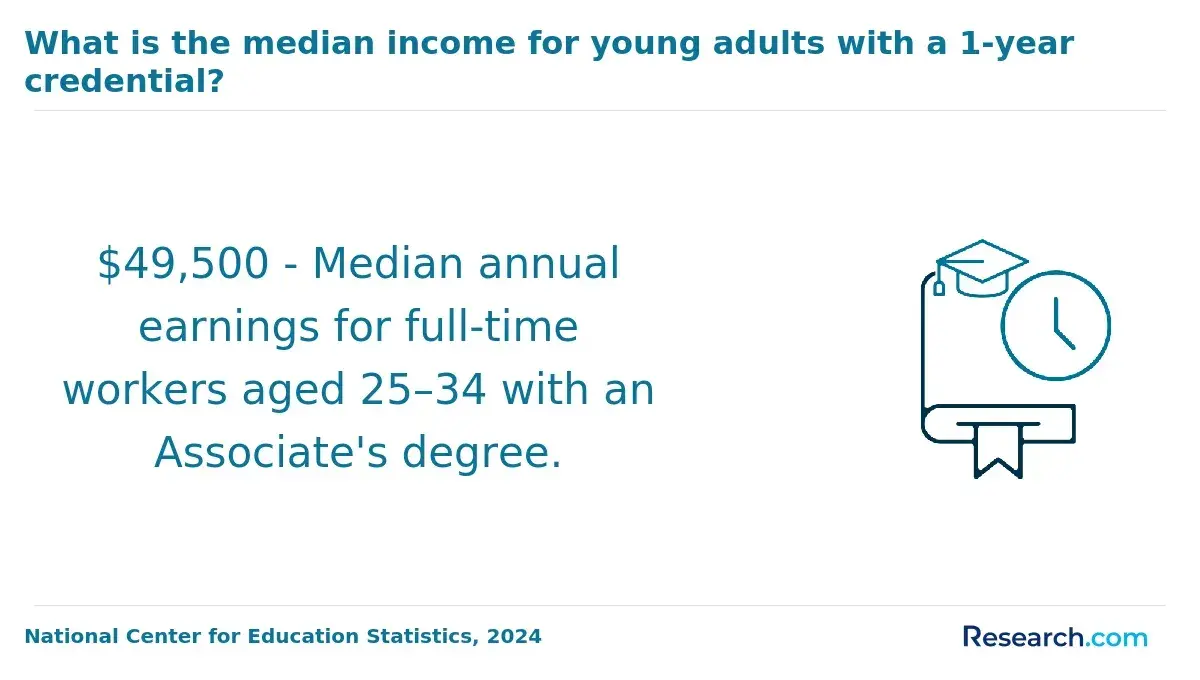
Program duration plays a crucial role for students aiming to enter the workforce quickly, especially those pursuing easy online music education degrees under one year. Shorter programs help reduce time out of employment and accelerate earning potential. Several key strategies enable faster completion of these fast track online music education programs:
- Accelerated courses: These cover curriculum more intensively, allowing students to finish requirements in less time than traditional pacing. Choosing such courses helps learners advance rapidly through material while maintaining quality education.
- Full-time enrollment: Committing to a full-time schedule maximizes credits earned each term, significantly cutting down degree length. This approach suits motivated individuals who can dedicate regular hours toward their studies.
- Applying prior credits or experience: Students with previous college coursework or relevant professional experience may have certain requirements waived, speeding up degree completion. This recognition of prior learning can be a major advantage for nontraditional students.
- Flexible scheduling: Online programs often allow study during evenings or weekends, enabling learners to balance coursework with work or family commitments. Flexibility promotes steady progress without overwhelming students.
Many online music education programs offer relatively simple admission criteria, attracting those from diverse backgrounds and easing the entry process. However, completing a degree swiftly demands dedication and strong time management. While bachelor's degrees usually take longer, some associate degrees or certificates can be earned within a year by leveraging these options effectively. For those considering advanced leadership roles after music education, exploring paths such as an online phd organizational leadership may also be beneficial.
Many students weigh the difficulty of online music education programs against on-campus options due to differences in learning environments and personal responsibilities. A 2023 National Center for Education Statistics survey found that approximately 58% of students express satisfaction with online arts programs, reflecting both appeal and the need for strong self-direction. Several features contribute to why some may view these online programs as more manageable:
- Self-paced study: Students can control their schedules, allowing them to pause and review lessons as needed. This flexibility can ease the pressure of fixed class times but demands discipline to stay on track.
- Reduced commuting: Eliminating travel saves valuable time and lowers stress, enabling learners to concentrate better on coursework. However, it also removes face-to-face interactions that could enhance engagement.
- Digital resources: Access to recordings, interactive tools, and software supplements traditional instruction, providing a variety of ways to absorb material. Still, hands-on ensemble practice may require extra effort outside the platform.
When asked about his experience in an easy online music education degree program, one graduate explained that it was "a different kind of challenge." He appreciated working on assignments at his own pace without rushing through campus logistics but noted that mastering practical skills remotely required extra self-motivation and occasional local collaborations. "The flexibility made it easier on my schedule, but success depended largely on staying committed without in-person reminders," he said. His journey illustrated that while online formats could feel easier in some ways, they demand a unique form of discipline and adaptability.
Accreditation is a crucial consideration for students evaluating online music education programs, especially those with flexible or simplified admission processes. It confirms that the program meets established academic and professional standards, which can affect future employment and certification opportunities. Currently, over 80% of online bachelor's degrees in education, including music education, originate from regionally accredited institutions.
Below are the main types of accreditation relevant to these programs:
- Regional Accreditation: This accreditation is granted by regional agencies such as the Middle States Commission on Higher Education and the Southern Association of Colleges and Schools. It applies to entire institutions and is essential for ensuring nationwide recognition of the degree. Many state music educator licensure programs require graduation from a regionally accredited school.
- Programmatic Accreditation: Focused specifically on music programs, this type is awarded by organizations like the National Association of Schools of Music (NASM). It evaluates the quality of the curriculum, faculty, and resources dedicated to music education, making it highly respected within the music education community.
While some easy-access or low-entry online degrees may only have national accreditation, which is less widely accepted, reputable programs strive to maintain both regional and programmatic accreditation. Students should carefully verify the type and status of accreditation before enrolling to ensure their credential will be accepted by employers, certification boards, and graduate schools.
Financial planning plays a crucial role for prospective students considering accessible online music education degree tuition. Tuition costs affect not only affordability but also the return on investment for those seeking careers in music education. Current data indicate that tuition for many online music education programs remains steadily affordable, with only a slight average annual increase of about 3%, reflecting consistent demand and manageable cost growth. The following points summarize key factors impacting typical tuition and fees.
- Typical cost range: Most easy online music education programs charge between $10,000 and $25,000 for a bachelor's degree. Prices vary based on the institution and program delivery format, making it important for students to assess total costs carefully.
- Fully online vs. hybrid: Fully online programs frequently offer lower tuition rates compared to hybrid programs that combine online and in-person classes. Hybrid options often include additional fees related to campus access or face-to-face instruction, pushing costs toward the higher end of the spectrum.
- Program length and credit hours: Shorter programs or those requiring fewer credit hours tend to have more affordable tuition. Ancillary fees such as technology, lab, or graduation expenses can also influence overall costs.
- Simpler admissions and flexibility: Lower-cost, easy online music education degree programs often feature flexible admissions processes, facilitating entry for working adults or career changers without extensive paperwork or prerequisites.
The average cost of online music education programs varies substantially, so students should explore options that align with their budgets and career goals. Additionally, those interested in accelerated pathways may want to review an accelerated online bachelor's degree as a potentially faster and cost-effective alternative.
Transfer credits play a vital role for prospective students in simplifying the completion of an online music education degree by reducing program duration and associated expenses. Approximately 37% of online degree students take advantage of transfer credits, highlighting their relevance in accelerating academic progress. This is particularly significant in easy completion online music education programs tailored for working adults and career changers. Here are key ways transfer credits support efficient degree completion:
- Reduction of coursework: Transfer credits decrease the total number of courses needed for graduation by applying previously earned credits, thereby shortening the time students spend enrolled in their programs.
- Bypassing introductory classes: Students can skip repetitive or foundational courses already mastered, allowing them to focus on more advanced, specialized music education subjects connected to their career goals.
- Earlier specialization: Utilizing transfer credits enables earlier immersion in specialized topics, which is critical for targeting high-salary roles within music education and related fields.
- Cost savings: Decreasing required credit hours through transfer credits often leads to lower tuition fees, making the pursuit of a degree more affordable, especially for students managing personal and professional commitments.
Students with nontraditional academic backgrounds or associate degrees particularly benefit from transfer credits for online music education degrees as these credits facilitate smoother academic transitions and reduce redundancy. For those seeking practical paths toward rewarding careers, including opportunities highlighted in online certifications, transfer credits offer a strategic advantage to accelerate educational outcomes while maintaining flexibility.
Students enrolled in online music education programs face unique challenges due to the practical demands of their field combined with the distance learning format. Balancing coursework alongside personal and professional commitments requires accessible and effective support to foster progress and skill development. The following types of academic assistance are commonly available to help students succeed in these programs.
- Tutoring and mentorship: Students receive individualized guidance focused on music theory, teaching methods, and performance skills through virtual meetings. These sessions aim to clarify difficult concepts and enhance hands-on learning despite the remote setting.
- Academic advising: Advisors work with students to plan their course sequences, track degree milestones, and ensure they meet all necessary certification and graduation requirements. This personalized planning supports timely degree completion tailored to the student's objectives.
- Career services: Job placement resources include help with crafting resumes, preparing for interviews, and connecting with potential employers in the music education sector. This support bridges academic learning and real-world career opportunities.
- Technical support: Assistance is provided for navigating learning platforms, using specialized music software, and resolving technical issues that may arise during online coursework. Reliable tech help ensures students can focus on learning without interruptions.
Combined, these resources build a comprehensive support system addressing both the academic and artistic demands of music education, enabling students to develop the expertise and credentials needed for successful, well-compensated careers.
Selecting an online music education degree with accessible admissions and strong earning potential is essential for students balancing career and study. Finding a program that simplifies entry requirements while positioning graduates for lucrative jobs can speed success. Consider these key aspects when choosing a degree:
- Program cost: Affordable tuition minimizes debt, which is particularly beneficial for nontraditional learners managing finances carefully.
- Duration: Shorter programs, typically lasting two to three years, allow faster entry into the workforce and reduce overall time investment.
- Accreditation: Regional or national accreditation ensures program quality and eligibility for certification or licensure in many states.
- Career support: Access to internships, job placement services, and industry connections improves chances of securing well-paying music education roles post-graduation.
- Alignment with job demand: Degrees focusing on in-demand areas such as music therapy or curriculum design increase prospects for higher salaries and stable employment.
According to the Bureau of Labor Statistics, music therapists have median salaries exceeding $70,000 annually, highlighting the financial benefits of targeting programs aligned with growing career fields.
What Graduates Say About Their Easy Online Music Education Degrees That Pay Well
- Geronimo: "Starting my journey in music education felt daunting until I found an easy online program that fit my busy schedule perfectly. The cost was surprisingly affordable, around $15,000 total, which was a relief compared to traditional options. Thanks to this degree, I now enjoy a thriving career as a music teacher, and the flexibility to keep learning and growing in my field."
- Stephen: "I chose an online music education program because I wanted something straightforward and budget-friendly, averaging about $12,500 for the entire degree. Reflecting back, it was the best decision for me, as it provided strong foundational knowledge without the usual stress of on-campus classes. Today, I work professionally in music curriculum development, and this degree has opened many doors."
- Chloe: "The easiest online music education degree I found was competitively priced, roughly $14,000, making it accessible and manageable financially. Professionally, this degree paid off handsomely; it gave me the credentials to secure a well-paying role as a private music instructor, balancing passion with income effectively. Pursuing this path was both a practical and fulfilling choice. "
Other Things You Should Know About Music Education Degrees
In 2027, some online music education programs allow rolling admissions, enabling you to start classes at multiple points throughout the year. This flexibility supports students who need to balance other commitments while pursuing a degree.
Online music education programs in 2027 often offer virtual workshops, webinars, and forums for networking. These programs may also include mentorship opportunities with industry professionals, providing students with the chance to develop crucial connections and enhance their career prospects.
In 2027, students typically need a reliable computer with video conferencing software, a stable internet connection, and, often, access to digital music tools or software like Avid Pro Tools or Sibelius to successfully participate in online music education programs.
- The 7 Best Online Music Schools & How Online Music Degrees Work https://www.careersinmusic.com/online-music-school/
- Online Music Education Degree https://online.usm.edu/blog/online-music-education-degree/
- Classroom Learning vs. Distance Learning in the Music Classroom - NAfME https://nafme.org/blog/classroom-learning-vs-distance-learning-in-the-music-classroom/
- 10 Education Graduate Programs Low GPA Requirements https://www.gradschools.com/degree-guide/teacher-education-programs-low-gpa
- What can we learn from developments in online music education? — Neil Mosley Consulting https://www.neilmosley.com/blog/what-can-we-learn-from-the-evolution-of-online-music-education
- Apply for online Music tutoring jobs https://preply.com/en/online/music-tutoring-jobs
- The Inspired Student: Technology in Music Education - Banyan Global Learning https://banyangloballearning.com/2025/03/14/the-inspired-student-technology-in-music-education/
- The Advantages of Online Music Classes Over Offline Education https://www.instrucko.com/blogs/the-advantages-of-online-music-classes-over-offline-education
- Connect For Education - Premier Online Music Courses & Platforms https://connect4education.com/
- AMS Online Music Degrees | Study Music Online in 2026! https://www.academyofmusic.ac.uk/